Best Real Working Engine Model Kits: Gasoline, Nitro & Methanol (2026 Guide)

This guide compares real working combustion engine models that burn gasoline or nitro/methanol model fuel. Unlike electric demonstration models, Stirling engines, or steam systems, every engine featured here uses genuine internal combustion and requires real fuel, ignition, lubrication, starting, and maintenance.
Product specifications, package contents, and available configurations can change. Always confirm the current fuel, ignition, starter, cooling, battery, and accessory requirements on the individual product page before ordering or operating an engine.
Looking for electric turbofan models, Stirling engines, or live-steam systems as well? Compare all types in our working model engine guide for adults.
If you are ready to shop for a hands-on project, browse our build-your-own engine kits and real working miniature engines.
Quick Comparison of Real Working Combustion Engine Models
| Model | Fuel | Layout | Displacement | Cooling | Format / Best For |
|---|---|---|---|---|---|
| TOYAN FS-V800WGPC | Gasoline | 90° OHV V8 | 28cc | Confirm current configuration | Kit or assembled option; advanced V8 builders |
| ENJOMOR GS-V8 | Gasoline | DOHC V8 | 78cc | Water-cooled | Premium finished V8 for advanced collectors |
| RUIFEIYA V10-150 | Gasoline | DOHC 40-valve V10 | 150cc | Water-cooled | Expert RC projects and premium collections |
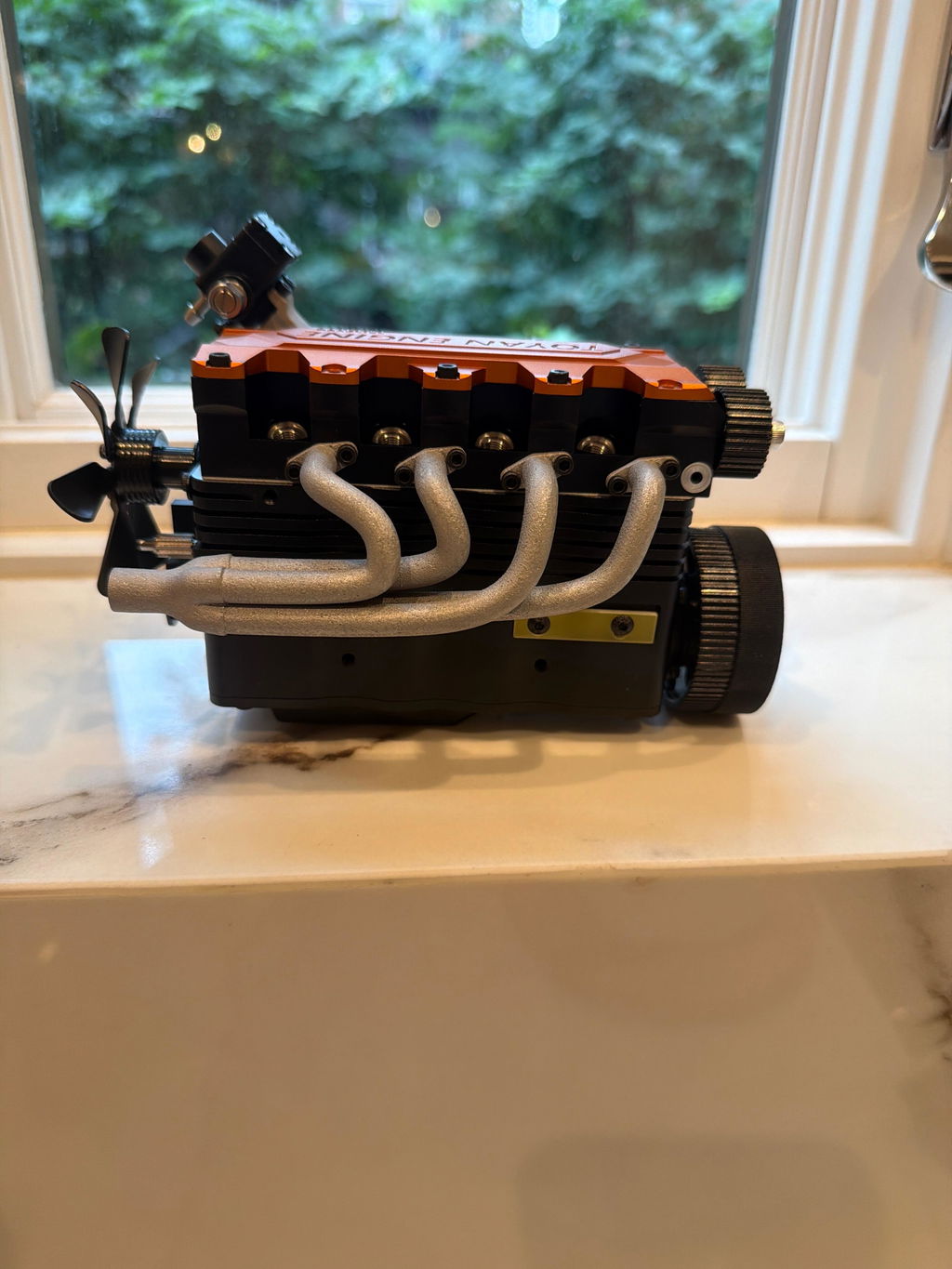
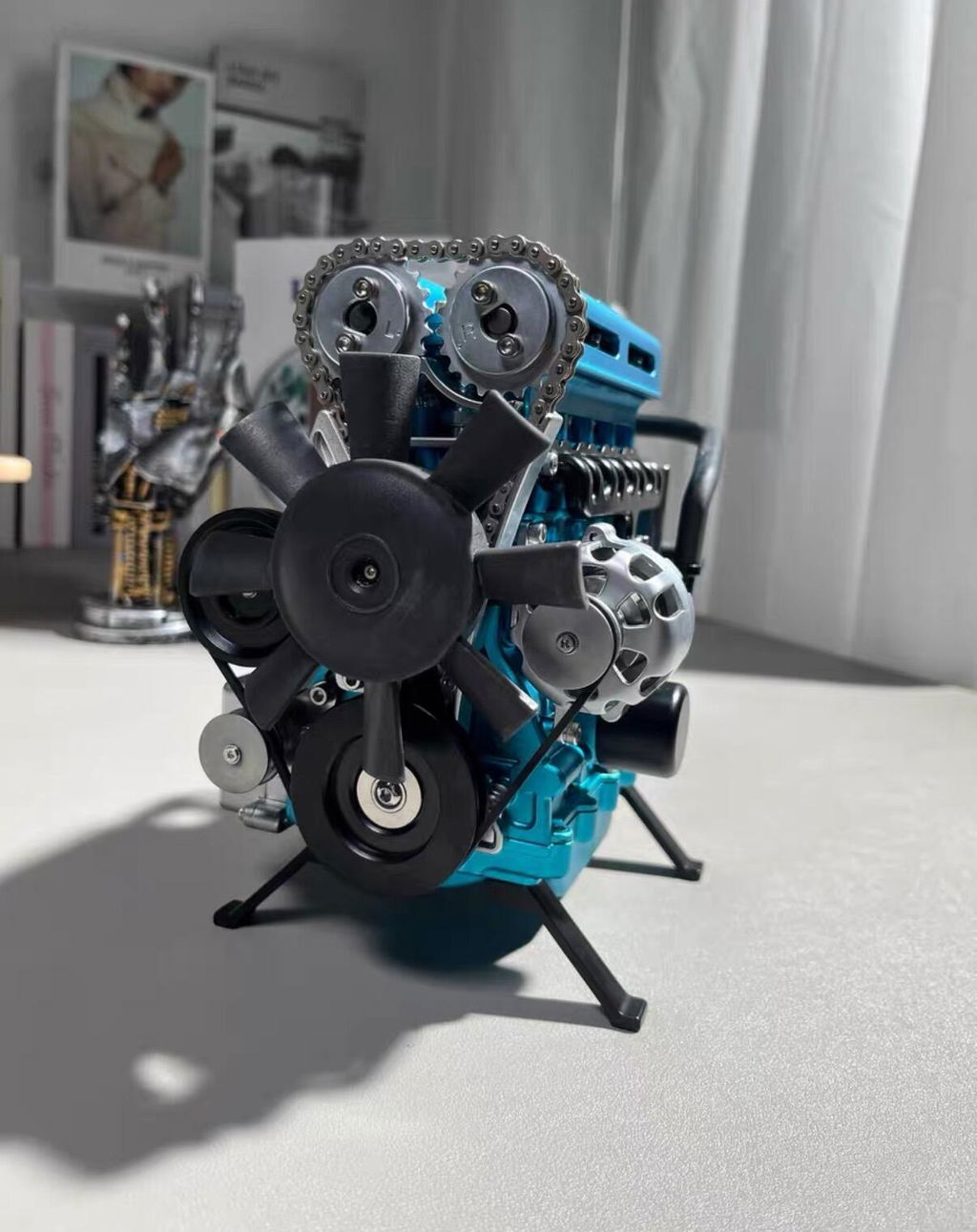
| TOYAN FS-L400BGC | Gasoline | OHC inline-four | 14cc | Water + air cooling | DIY kit for intermediate and advanced builders |
| CISON FG-VT9 | Gasoline | 45° V-twin | 9cc | Air-cooled | Finished compact engine for RC motorcycles |
| TOYAN FS-L200AC-OT | 20–25% nitro/methanol model fuel | SOHC inline twin | 7cc | Air-cooled | DIY kit for compact twin-cylinder builds |
| TOYAN FS-B400 | 20–25% nitro model fuel | Flat-four / horizontally opposed H4 | 14cc total | Air-cooled | Advanced flat-four collection or RC project |
Gasoline vs. Nitro and Methanol Model Engines
Both categories are real internal-combustion engines, but they differ in fuel, ignition hardware, operating behavior, and supporting equipment.
| Factor | Gasoline Engine Models | Nitro / Methanol Engine Models |
|---|---|---|
| Fuel | Manufacturer-specified gasoline and lubricating oil | Methanol-based model fuel with the specified nitro content, commonly 20–25% for the TOYAN models in this guide |
| Ignition | Typically CDI, spark ignition, or another manufacturer-specified ignition system | Uses the glow plug or ignition hardware specified for the particular engine |
| Operating character | Often selected for realistic exhaust sound, torque, and larger-displacement RC applications | Often selected for compact high-rpm operation and traditional model-engine tuning |
| Best fit | Collectors, large RC projects, V8/V10 enthusiasts, and advanced builders | Builders who want compact inline-twin or flat-four model engines using nitro/methanol fuel |
Best Real Working Gasoline Engine Models in 2026
1. TOYAN FS-V800WGPC 28cc OHV V8 — Best Gasoline V8 Engine Model Kit
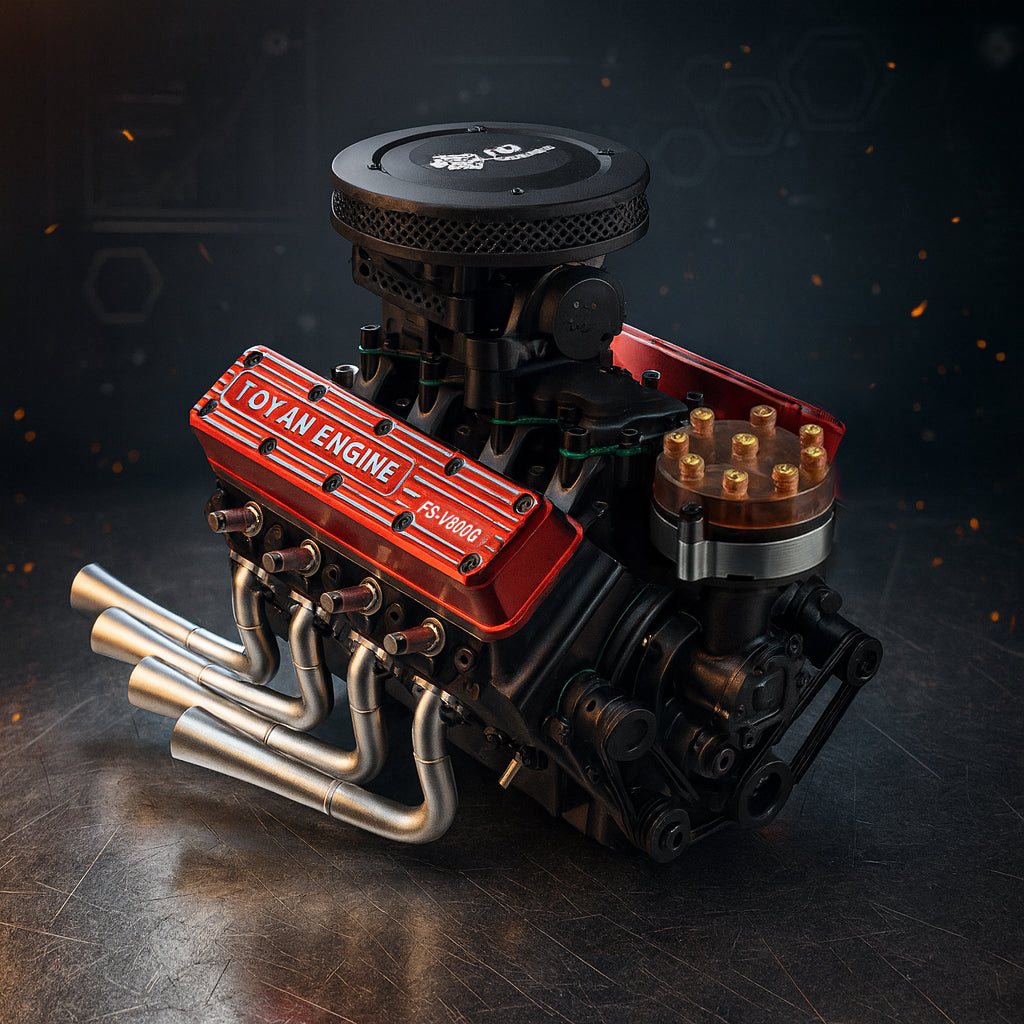
The TOYAN FS-V800WGPC is a true four-stroke gasoline V8 with a 90-degree cylinder layout and OHV architecture. It is designed for experienced miniature-engine builders who want real ignition, combustion, exhaust sound, mechanical vibration, and the challenge of preparing and tuning a compact multi-cylinder engine.
- Engine type: Gasoline internal-combustion V8
- Displacement: 28cc
- Valve system: OHV
- Available format: Kit or assembled configuration, depending on the current product option
- Best for: Advanced builders, RC projects, and serious V8 collectors
- Before buying: Confirm the current starter, ignition, cooling, fuel, battery, and package configuration
2. ENJOMOR GS-V8 78cc DOHC V8 — Best Premium Water-Cooled V8

The ENJOMOR GS-V8 is a 78cc four-stroke gasoline V8 with dual overhead camshafts, water cooling, electric start, CDI ignition, and an independent oil-pump lubrication system. Its larger displacement and exposed timing structure make it a strong choice for collectors who want a substantial real-running V8.
- Engine type: Four-stroke gasoline V8
- Displacement: 78cc
- Valve system: DOHC
- Cooling: Water-cooled
- Starting: Electric start
- Best for: Advanced collectors, mechanical study, and RC modification projects
3. RUIFEIYA V10-150 150cc DOHC V10 — Best Extreme-Performance Gasoline Engine Model
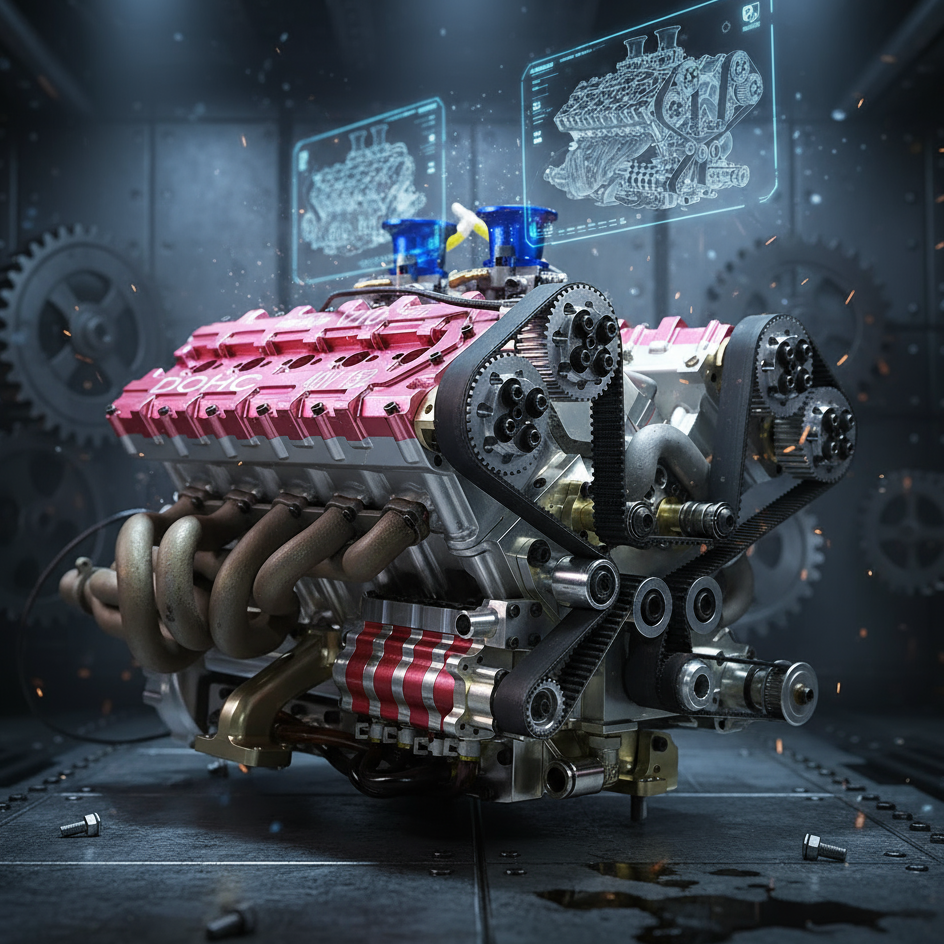
The RUIFEIYA V10-150 is a 1/4-scale, 150cc, four-stroke gasoline V10 built from more than 300 precision-machined components. It uses a 40-valve DOHC system, dual oil pumps, water cooling, electric starting, and high-voltage ignition. This is a specialist engine intended for experienced adult users, large-scale RC applications, and premium collections.
- Engine type: Assembled gasoline V10
- Displacement: 150cc
- Valve system: DOHC, 40 valves
- Cooling: External-pump water cooling
- Claimed output: Up to 16 hp and 11,000 rpm
- Additional equipment: Starter ESC, radiator, water exhaust, fuel tank, and suitable batteries may be required
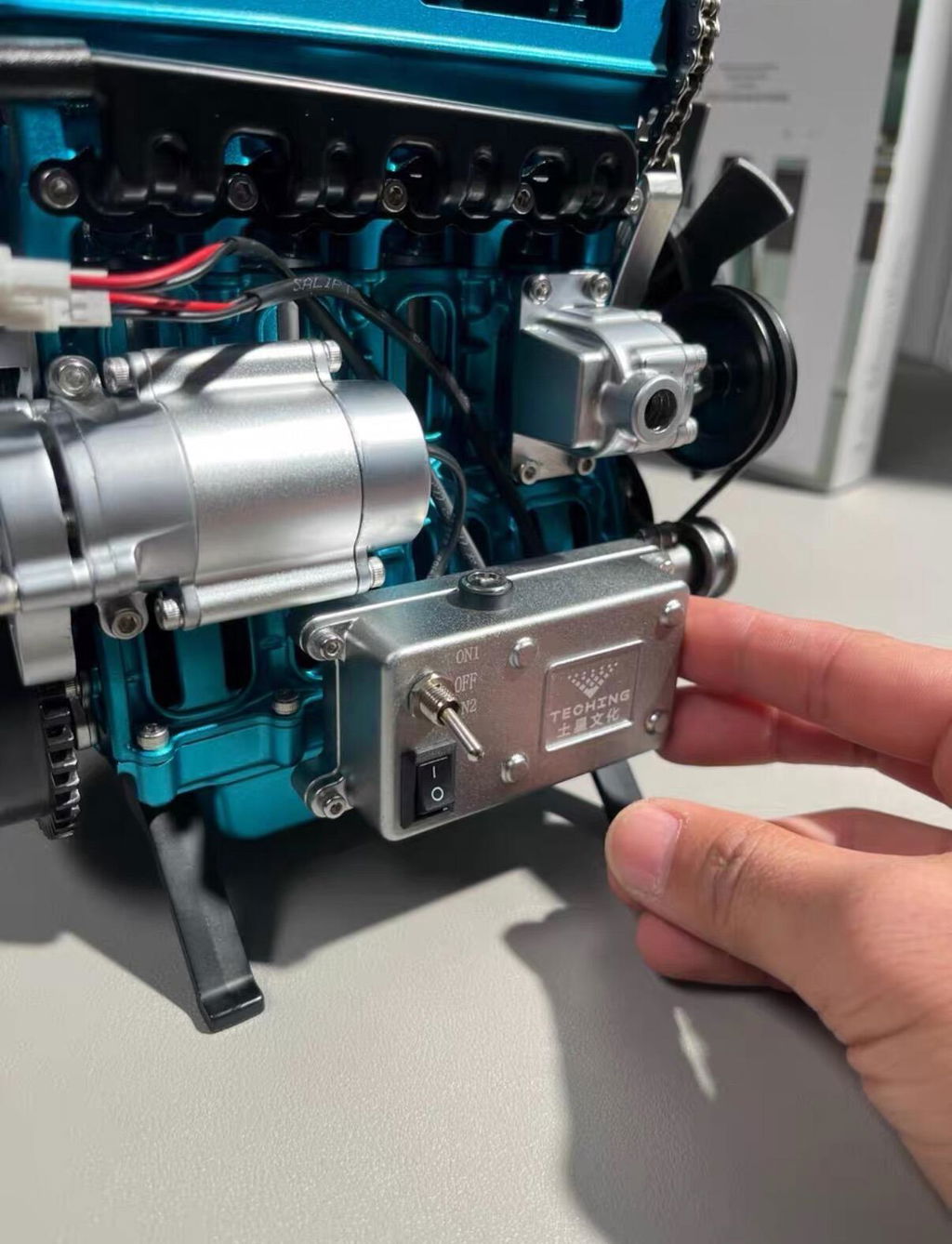
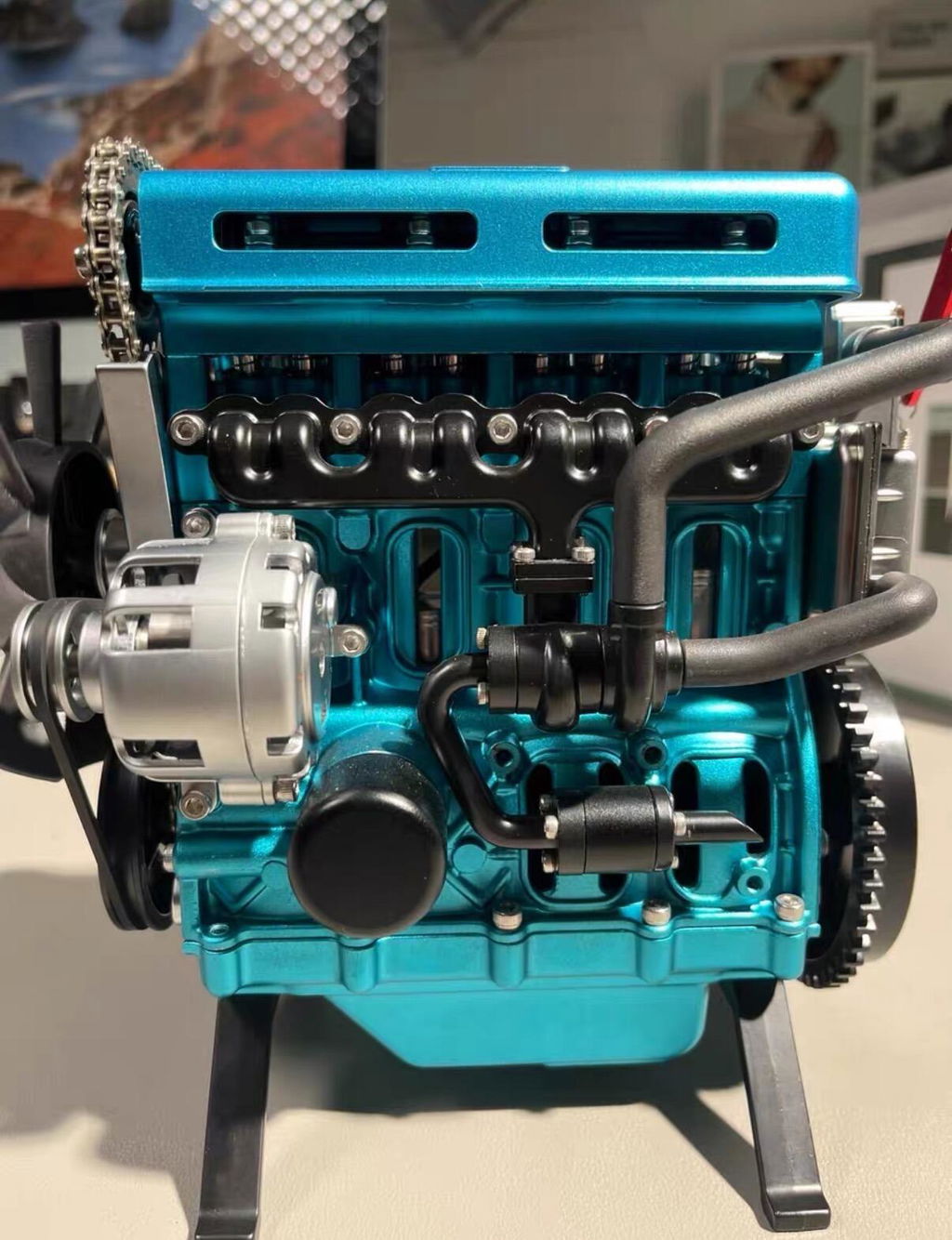
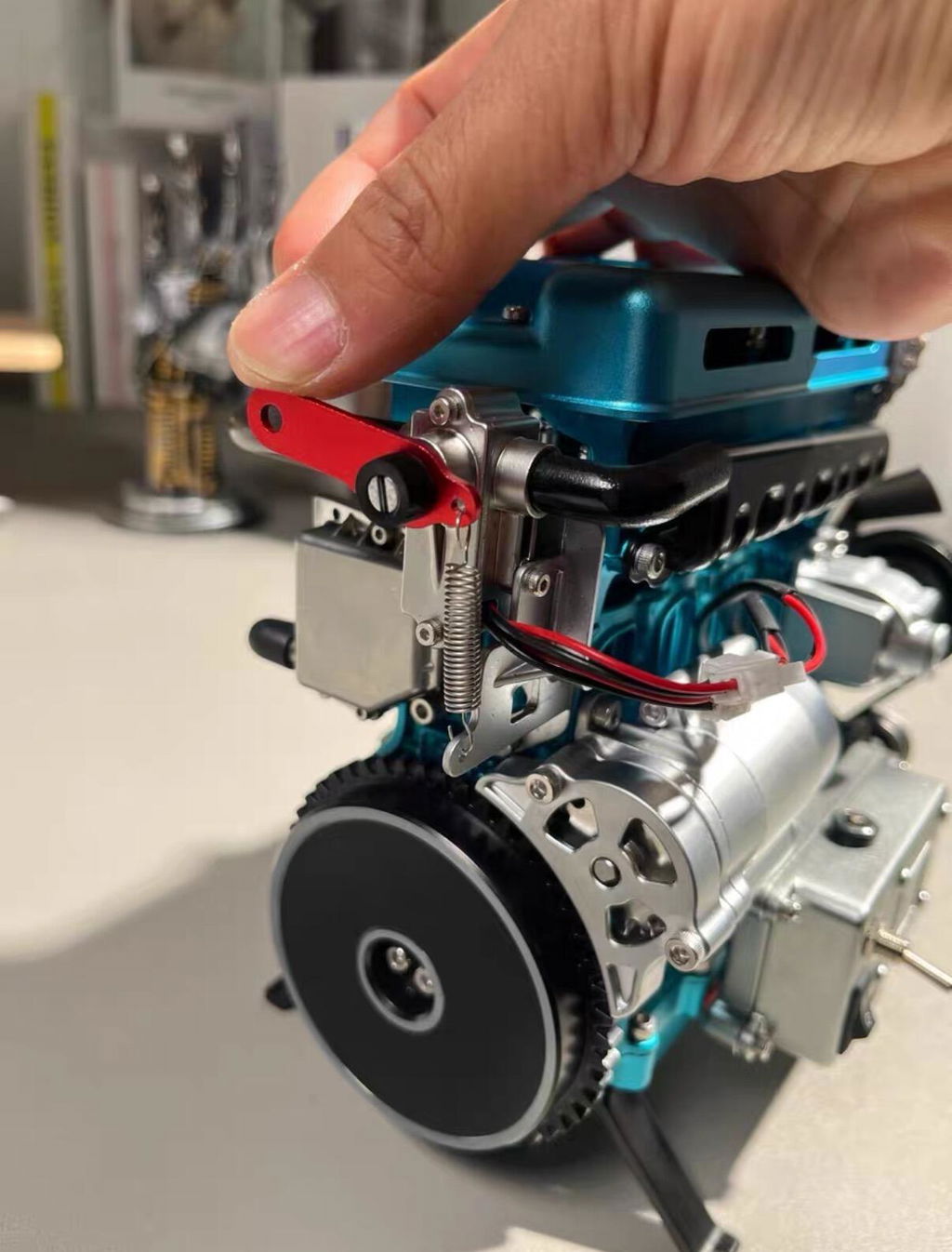
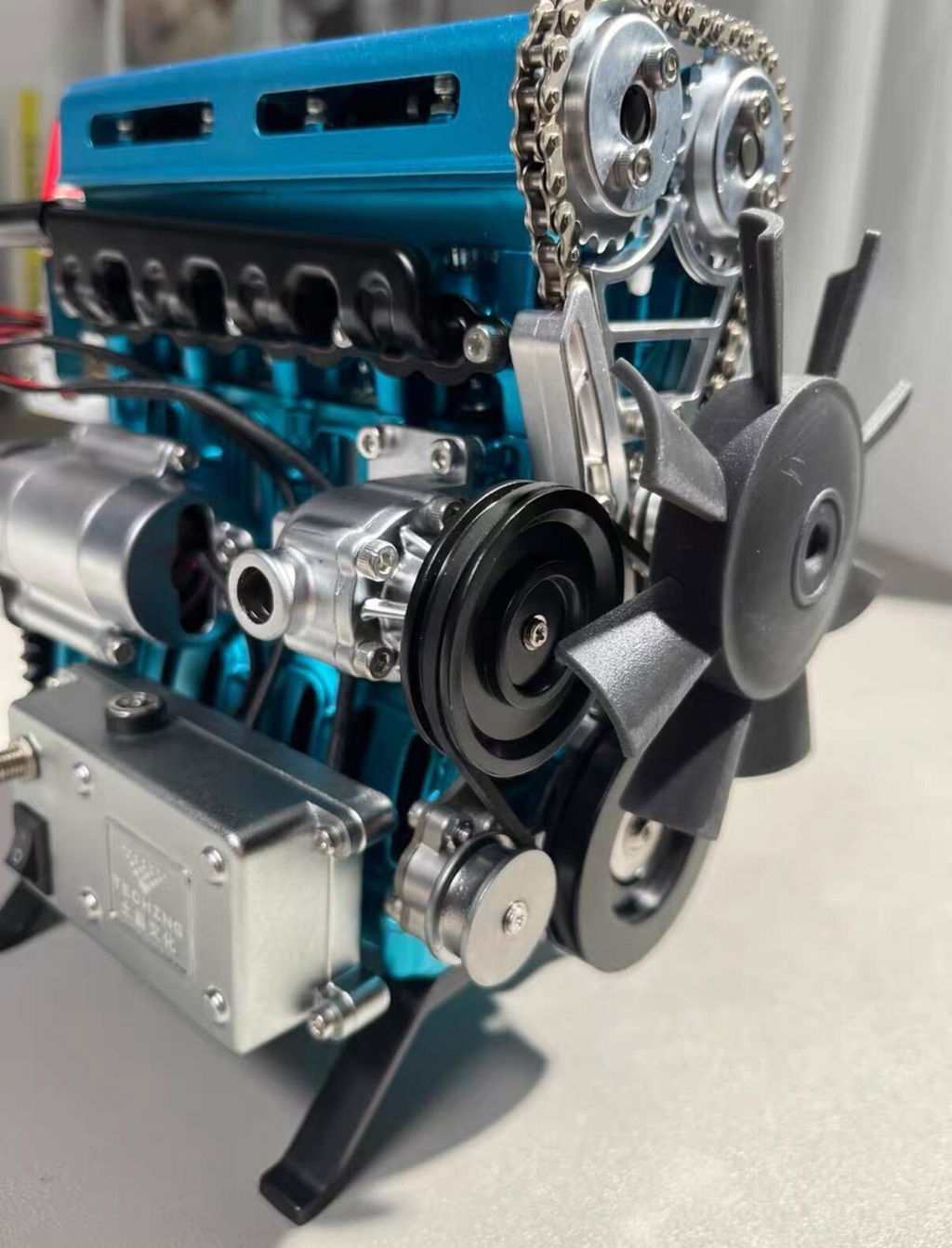
4. TOYAN FS-L400BGC 14cc Inline-Four — Best Gasoline Inline-Four Engine Kit
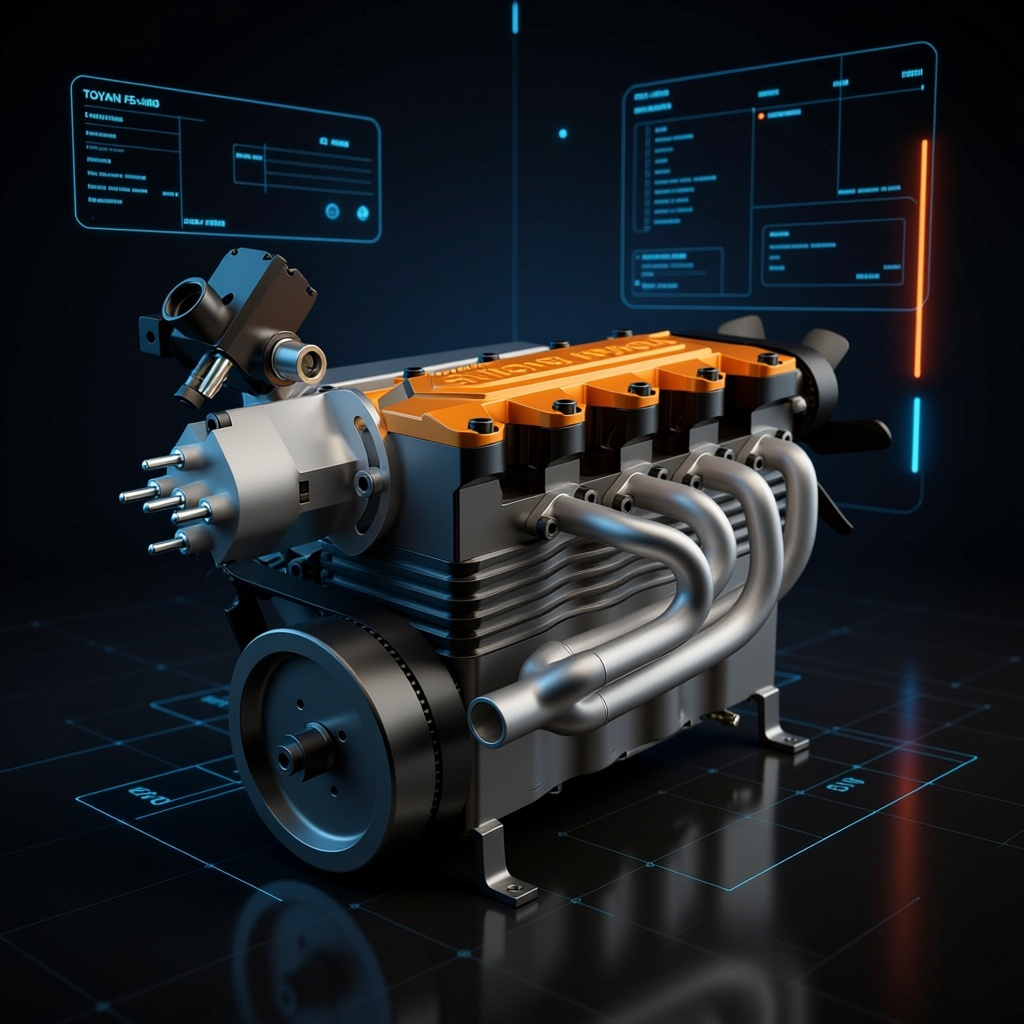
The TOYAN FS-L400BGC is a 14cc OHC inline-four gasoline engine supplied as a kit. It combines electric start, CDI ignition, a 90-degree phased crankshaft, upgraded valve and intake components, and combined water and air cooling. It is a strong fit for users who specifically want the assembly experience of a real gasoline inline-four.
- Engine type: Four-stroke gasoline inline-four kit
- Displacement: 14cc
- Valve system: OHC
- Speed range: 3,200–13,500 rpm
- Cooling: Water + air cooling
- Best for: Intermediate and advanced builders who want a real combustion assembly project
Explore more 4-cylinder engine models and inline-4 engine kits from ENGINEKITOR.
5. CISON FG-VT9 9cc V-Twin — Best Compact Gasoline V-Twin

The CISON FG-VT9 is a finished 9cc, 45-degree V-twin gasoline engine designed for RC motorcycles and compact custom projects. It uses four-stroke operation, air cooling, electric-drill starting, and mixed lubrication. Its finished format reduces assembly work, although fuel handling, starting, and tuning experience are still required.
- Engine type: Finished four-stroke gasoline V-twin
- Displacement: 9cc
- Cooling: Air-cooled
- Starting: Electric-drill start
- Fuel: Gasoline with the manufacturer-specified oil mixture
- Best for: Compact RC motorcycles, bench operation, and V-twin collectors
Best Nitro and Methanol Engine Models in 2026
6. TOYAN FS-L200AC-OT 7cc SOHC Inline Twin — Best Compact Nitro & Methanol Engine Kit
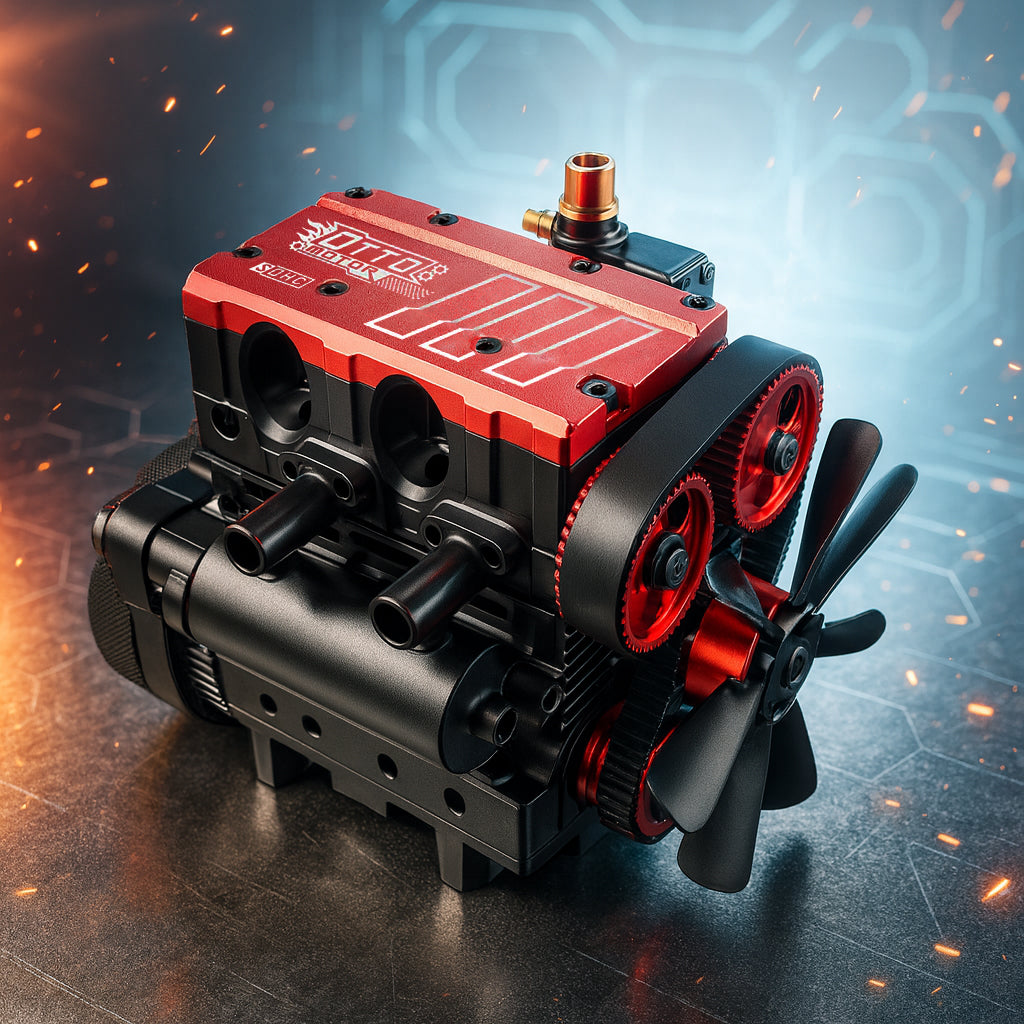
The TOYAN FS-L200AC-OT is a 7cc SOHC inline twin-cylinder, four-stroke internal-combustion engine supplied as a DIY kit. Its dual timing-belt pulley design, short rocker-arm mechanism, electric starting system, and compact dimensions make it a practical step into real multi-cylinder nitro and methanol model engines.
- Engine type: Four-stroke nitro/methanol inline twin
- Displacement: 7cc total, 3.5cc per cylinder
- Valve system: SOHC
- Speed range: 4,000–16,000 rpm
- Cooling: Air-cooled
- Fuel: 20–25% nitro model fuel
- Starting: Electric start; ignition hardware and 7.4V 2S battery requirements depend on the selected package
- Best for: Intermediate builders seeking a compact twin-cylinder combustion kit
7. TOYAN FS-B400 14cc Flat-Four H4 — Best Horizontally Opposed Nitro Engine
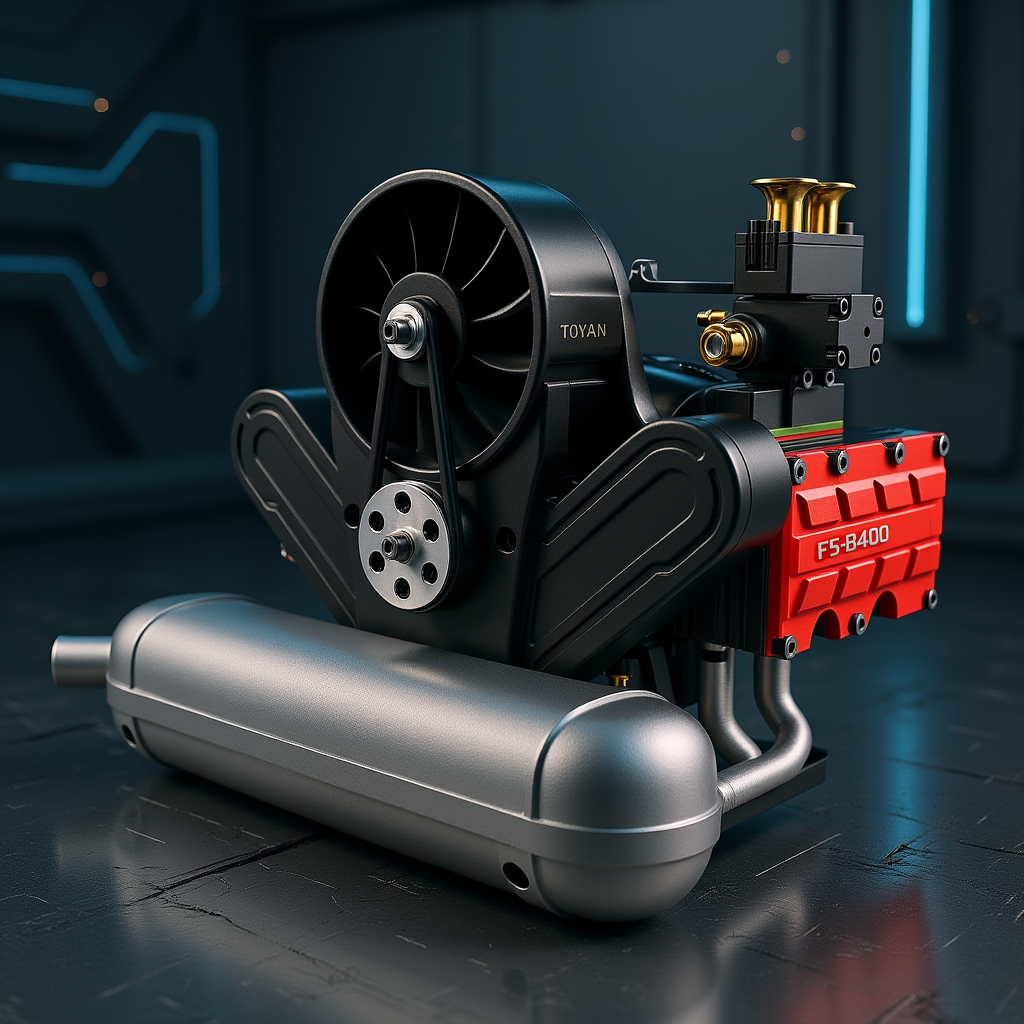
The TOYAN FS-B400 is a four-stroke, horizontally opposed flat-four engine built around a 180-degree crankshaft, precision camshafts, separated intake and exhaust paths, a pump carburetor, and belt-driven timing. Its opposing-cylinder layout gives it a distinctive mechanical form that differs clearly from inline and V-type model engines.
The product title identifies the engine as 14cc, and the current specification table lists four 3.5cc cylinders, which equals 14cc total. The page also references RTR/KIT formats, so confirm the exact configuration included before ordering.
- Engine type: Four-stroke nitro flat-four / H4
- Displacement: 14cc total, based on four 3.5cc cylinders
- Fuel: 20–25% nitro model fuel
- Cooling: Air-cooled with a high-speed fan and ducting
- Lubrication: Mixed-oil splash lubrication
- Starting: Electric start
- Best for: Advanced collectors, horizontally opposed engine enthusiasts, and custom RC projects
How to Choose a Real Working Combustion Engine Model
- Choose by fuel: Gasoline engines suit users seeking realistic spark-ignition operation, while nitro/methanol engines suit traditional high-rpm model-engine setups.
- Choose by assembly format: The TOYAN FS-L400BGC and FS-L200AC-OT emphasize DIY assembly; CISON FG-VT9 and larger assembled engines reduce build work but still require setup and tuning.
- Choose by cylinder layout: Inline twins are compact, inline-fours provide a classic automotive configuration, V8/V10 engines deliver maximum complexity, and the FS-B400 offers a distinctive horizontally opposed flat-four design.
- Choose by cooling requirements: Air-cooled engines are simpler to install, while larger water-cooled engines require pumps, radiators, tubing, and careful coolant circulation.
- Choose by intended use: Check shaft dimensions, mounting points, total weight, starter system, fuel tank, ignition power, and available chassis space before planning an RC installation.
What You Need Before Starting a Fuel-Powered Engine Model
Package contents vary significantly. Depending on the model and selected option, you may need some or all of the following:
- The exact gasoline, nitro, or methanol-based model fuel specified by the manufacturer
- The correct lubricating oil, grease, or fuel/oil mixture
- Fuel tank, tubing, filter, and carburetor setup
- CDI, ignition module, glow plug, spark plug, or other model-specific ignition hardware
- Starter motor, electric drill, pull starter, or starter ESC
- Battery packs with the correct voltage and current capacity
- Radiator, water pump, tubing, and coolant for water-cooled engines
- A stable test stand, engine mount, or compatible RC chassis
- Hand tools, tuning tools, and thread-locker where specified
- Outdoor ventilation, eye protection, fire safety equipment, and a clear operating area
Safety note: These are real internal-combustion engines. Operate them outdoors or in a properly ventilated test area, keep fuel away from ignition sources, secure the engine before starting, and follow the manufacturer’s instructions for fuel, lubrication, cooling, battery voltage, and starting procedure.
Frequently Asked Questions
1. Are these real internal-combustion engines?
Yes. Every engine in this guide burns gasoline or nitro/methanol model fuel. They are not electric display models with simulated piston movement.
2. What is the difference between gasoline and nitro/methanol engine models?
Gasoline engines use the manufacturer-specified gasoline and ignition system, while nitro engines use methanol-based model fuel with a specified nitro content and model-specific glow-plug or ignition hardware. Starting, tuning, lubrication, and supporting equipment vary by model.
3. Which engine is best for a first real combustion model?
No real combustion engine is completely beginner-proof. A finished compact engine such as the CISON FG-VT9 reduces assembly complexity, while the TOYAN FS-L200AC-OT provides a manageable twin-cylinder kit for users who specifically want the building experience. Both still require careful fuel handling, starting, tuning, and maintenance.
4. What is the difference between a kit and a finished engine?
A kit requires substantial mechanical assembly and provides more hands-on learning. A finished engine arrives assembled or substantially assembled, but it still requires the correct fuel, ignition, starter equipment, batteries, tuning, and safe operating setup.
5. Can fuel-powered engine models be run indoors?
They should not be operated in normal indoor living or office spaces. Real combustion produces exhaust gases, heat, fuel vapor, noise, and fast-moving mechanical parts. Use an appropriate outdoor or professionally ventilated test area.
6. Do these engines include everything required to run?
Not always. Some products require separate batteries, fuel tanks, ignition modules, glow plugs, starter systems, radiators, cooling pumps, ESCs, or mounting hardware. Check the current package list and selected product option before ordering.
7. Which engine has the largest displacement in this guide?
The RUIFEIYA V10-150 has the largest listed displacement at 150cc, followed by the ENJOMOR GS-V8 at 78cc and the TOYAN FS-V800WGPC at 28cc.
8. Which model is best for an RC motorcycle?
The CISON FG-VT9 is specifically positioned for RC motorcycle use, but compatibility still depends on chassis dimensions, mounting points, drivetrain design, fuel system, and cooling airflow.
9. How should I choose the correct fuel and lubricant?
Follow the individual product page and instruction manual. Fuel grade, nitro percentage, oil type, lubrication method, and mixture ratio vary between engines. Using the wrong fuel or lubricant can prevent starting or damage the engine.
This guide was reviewed and updated in . Product specifications and availability may change, so verify the latest details on each product page.
Ready to explore real working engine kits?
Browse Enginekitor’s collection of build-your-own engine kits, gasoline engines, nitro/methanol engines, and other working miniature engine projects.


Hinterlassen Sie einen Kommentar