ENGINEKITOR F2 7.5cc Twin-Cylinder Engine: Full Guide, Specs & How It Works

```html
F2 7.5cc Twin-Cylinder Engine: Full Guide, Specs & How It Works
A miniature engine becomes much more interesting when the moving parts are not simply being driven by a hidden electric motor. The ENGINEKITOR F2 7.5cc twin-cylinder engine is a real working miniature four-stroke gasoline engine built around the same basic mechanical processes found in a full-size internal combustion engine: intake, compression, combustion, exhaust, valve timing, ignition and cooling.
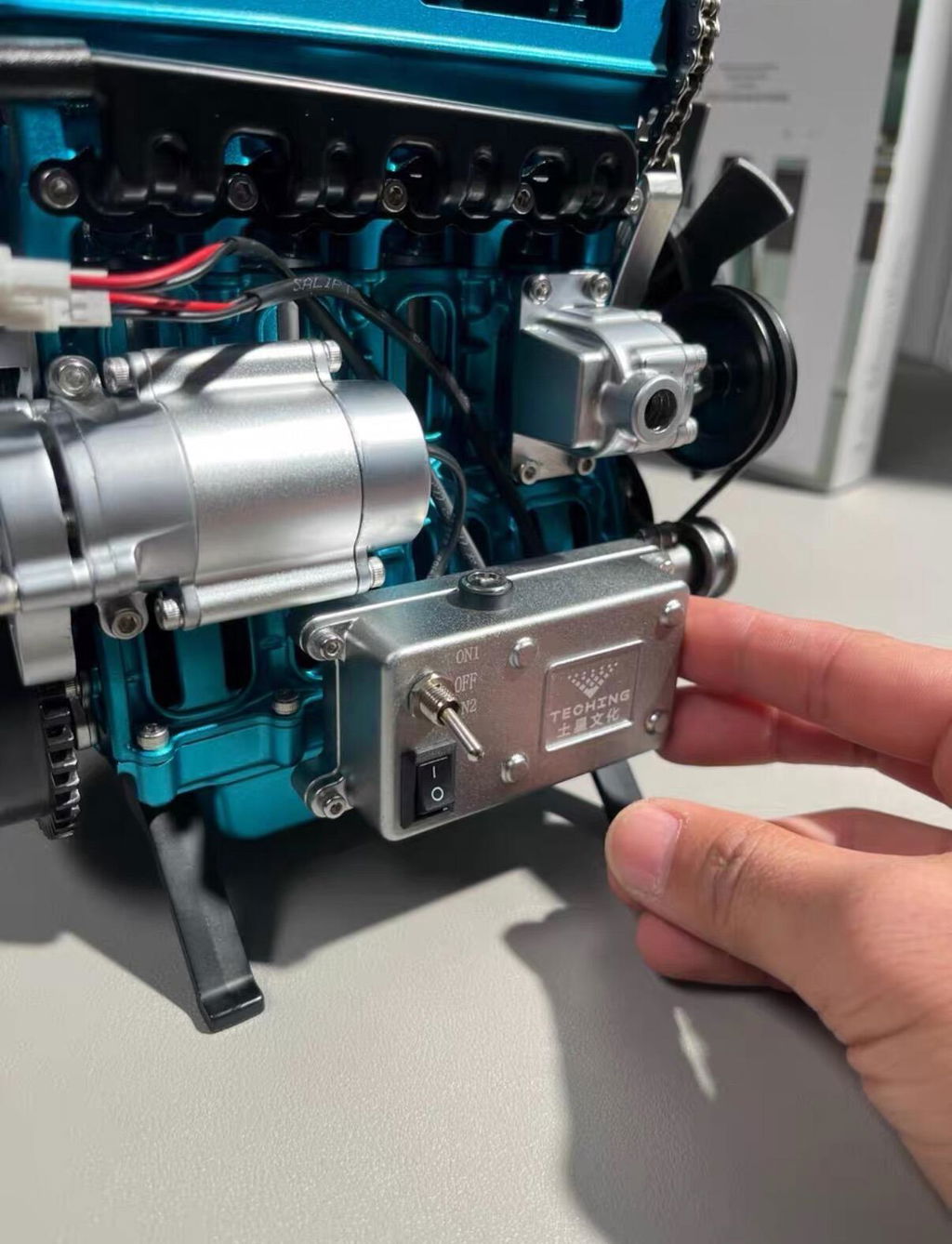
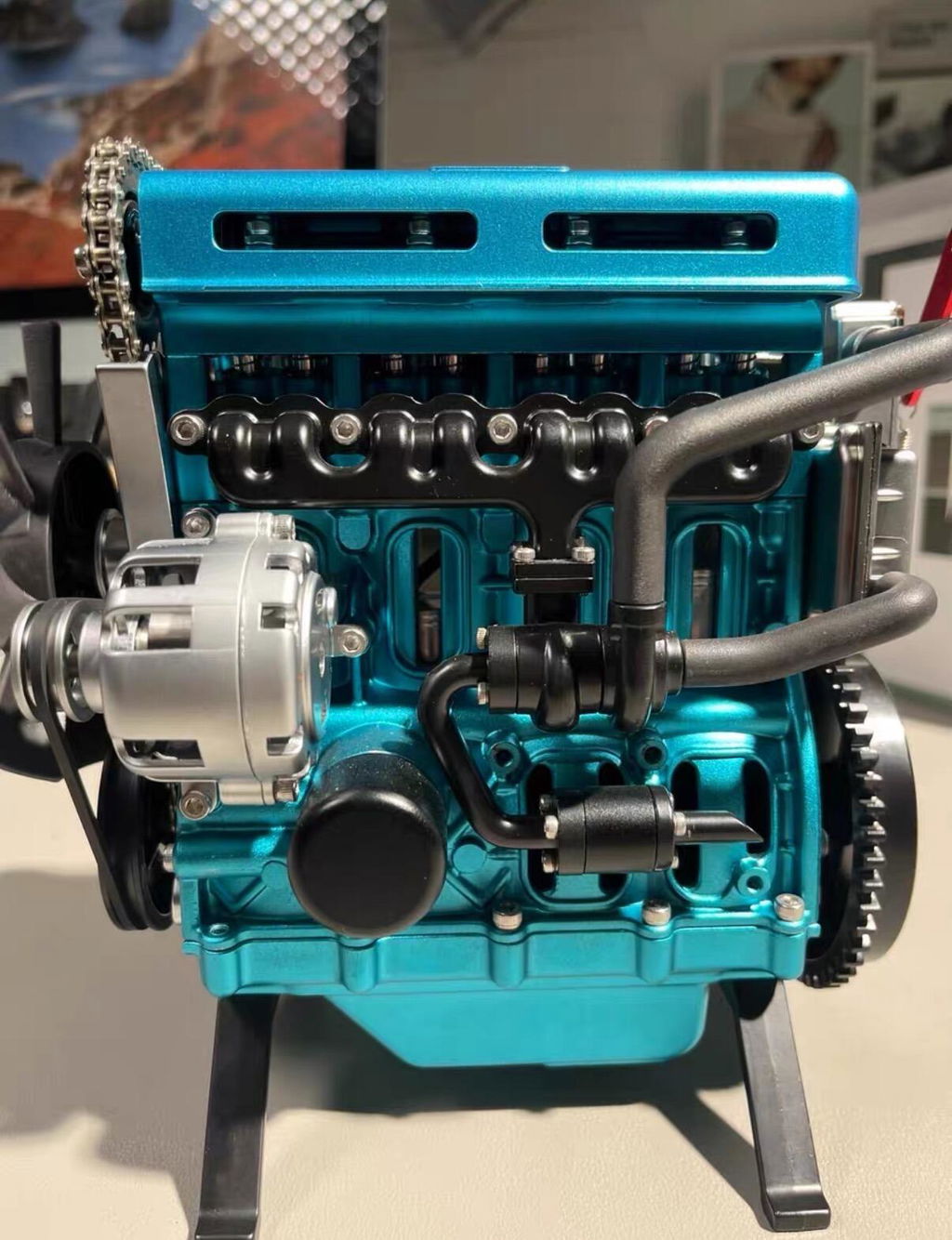
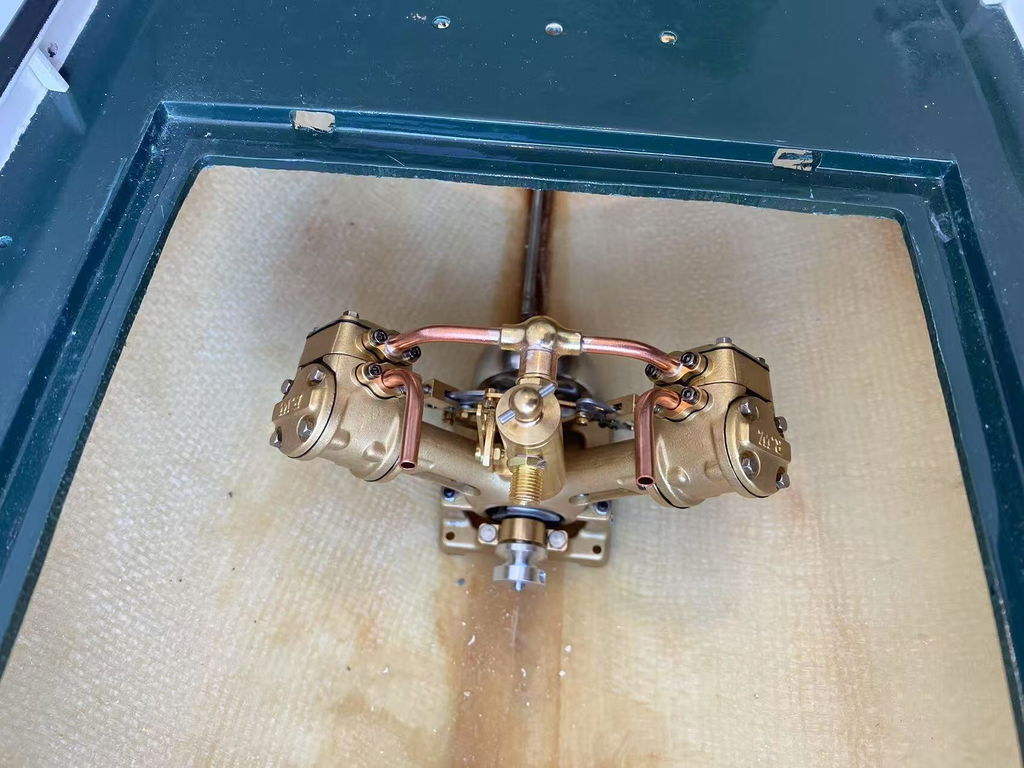
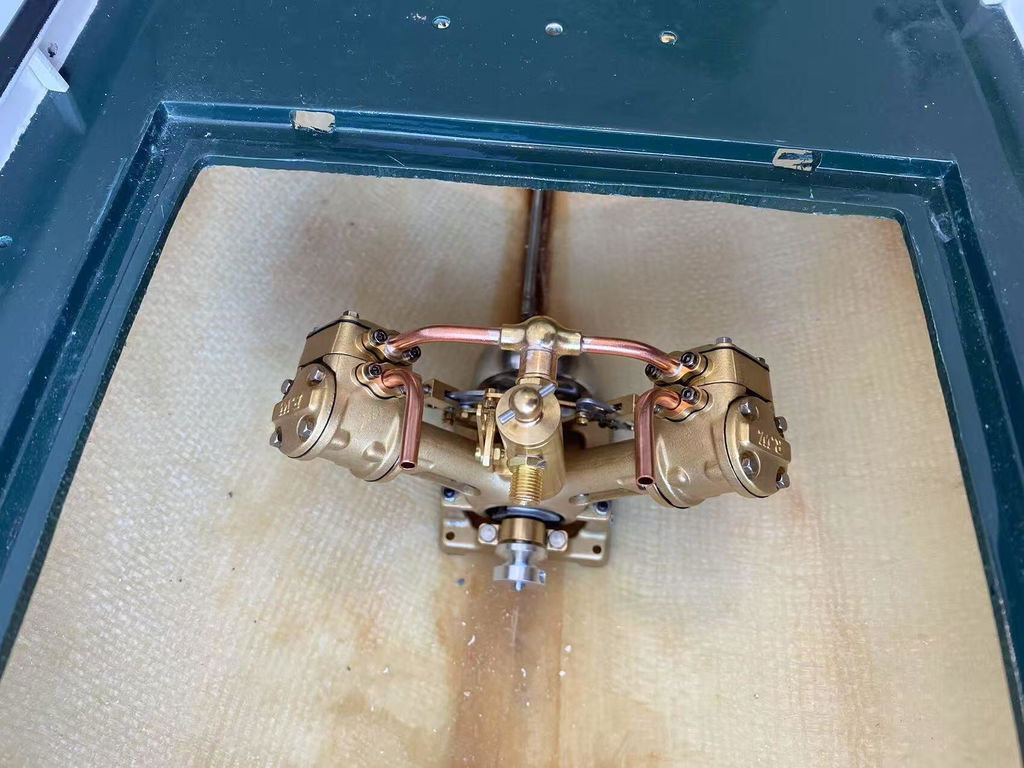
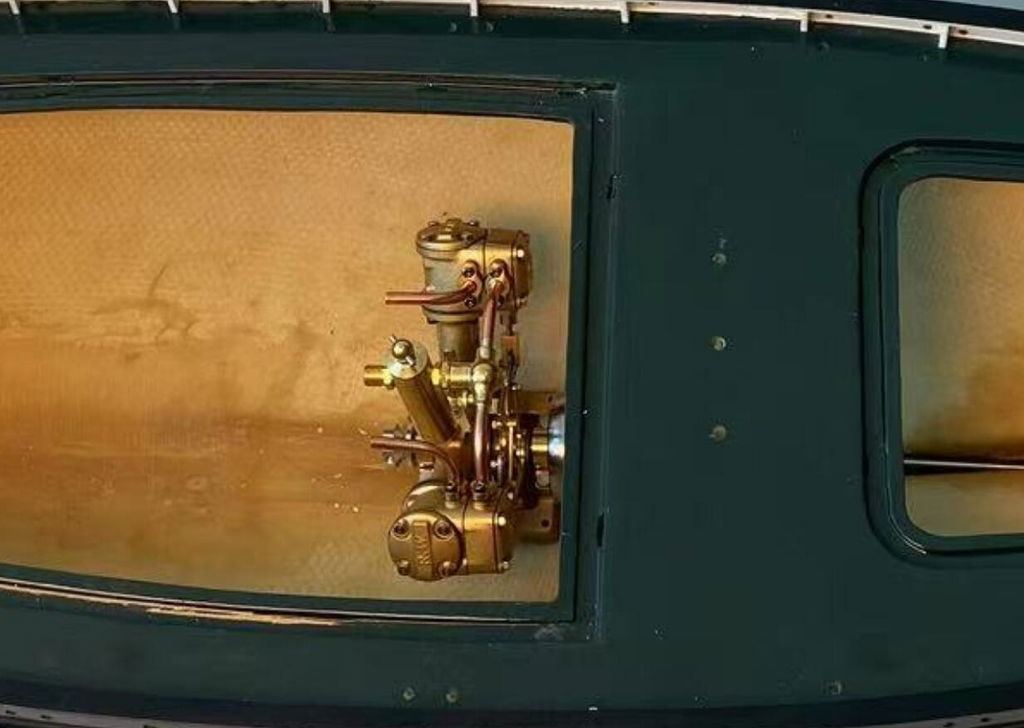
With two 3.75cc cylinders, an inline-twin layout, SOHC valve train, CDI ignition, electric starting and circulating water cooling, the F2 sits somewhere between a mechanical model, an engineering project and a genuinely functional miniature gasoline engine .

What Is the F2 7.5cc Twin-Cylinder Engine?
The ENGINEKITOR F2 7.5cc engine is a miniature internal combustion engine using an inline two-cylinder, four-stroke configuration. Each cylinder has a displacement of approximately 3.75cc, giving the engine a combined displacement of 7.5cc.
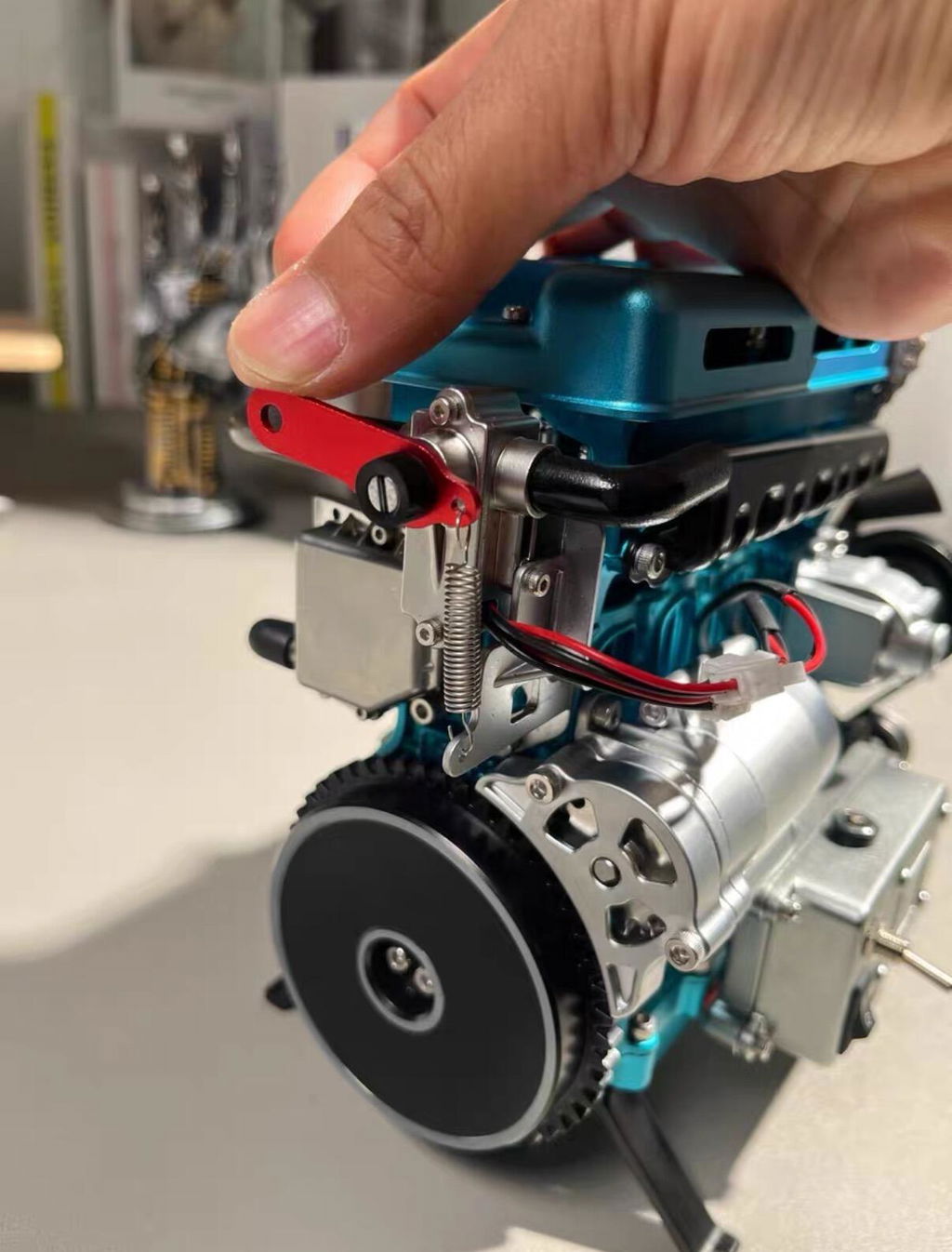
Unlike a static scale model, the F2 contains the mechanical systems required for an operating engine. Its pistons connect to a real crankshaft, the camshaft controls the intake and exhaust valves, the ignition system produces the spark required for combustion, and a circulating cooling system manages heat while the engine is running.
That makes the F2 useful for more than display. Building it gives hobbyists an opportunity to see how several engine systems must work together before a real working engine model can successfully start and continue running.
A Real Engine, Not Just a Motorized Display Model
The phrase working engine model can describe several very different products. Some mechanical engine models use an electric motor to rotate a crankshaft and pistons. They are excellent for demonstrating motion, but the electric motor is actually producing the movement.
The F2 works differently. The electric starter is used to crank the engine during startup, but once the engine is operating, mechanical power is produced by combustion inside the cylinders.
Fuel and air → Compression → Spark → Combustion → Piston movement → Crankshaft rotation
That distinction is important for anyone searching for a gasoline engine model kit or a miniature engine that actually runs.

How Does the F2 Miniature Four-Stroke Engine Work?
A miniature four-stroke engine completes one combustion cycle through four piston strokes: intake, compression, power and exhaust. The crankshaft, camshaft and valves have to remain correctly synchronized throughout this process.
1. Intake Stroke
As the piston moves downward, the intake valve opens and the cylinder receives the fuel-and-air mixture.
2. Compression Stroke
The intake valve closes and the piston moves upward, compressing the mixture inside the combustion chamber.
3. Power Stroke
The CDI ignition system sends energy to the spark plug. Combustion drives the piston downward and transfers force through the connecting rod to the crankshaft.
4. Exhaust Stroke
The exhaust valve opens and combustion gases leave the cylinder before the cycle begins again.
Why Does the Inline Twin-Cylinder Layout Matter?
The F2 uses two cylinders arranged next to each other in an inline configuration. Each cylinder displaces approximately 3.75cc.
Moving from a single-cylinder engine to a twin-cylinder engine model adds another level of mechanical coordination. Builders can observe how two pistons connect to the same crankshaft and how valve and ignition events stay synchronized as the engine rotates.
Inside the F2 SOHC Valve Train
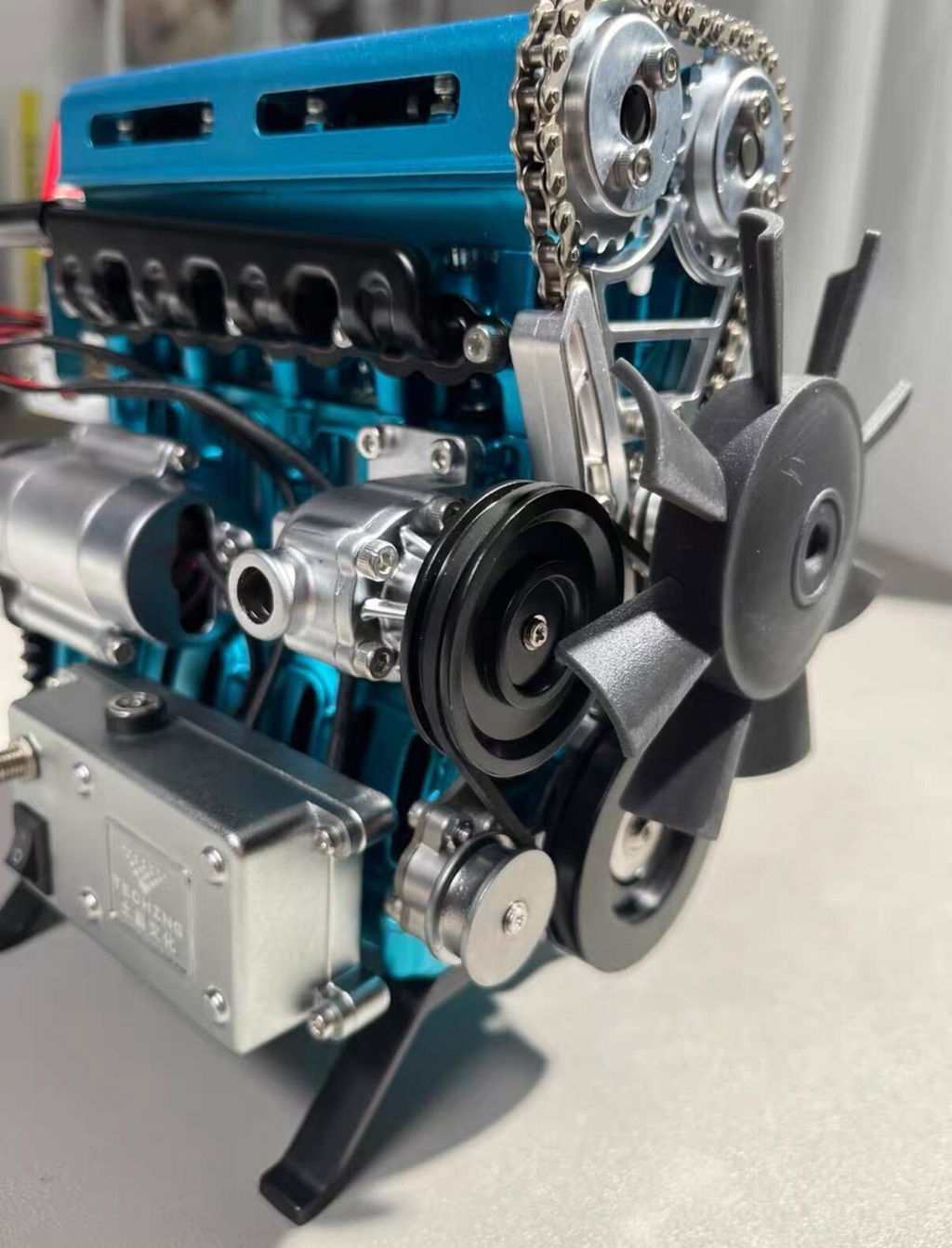
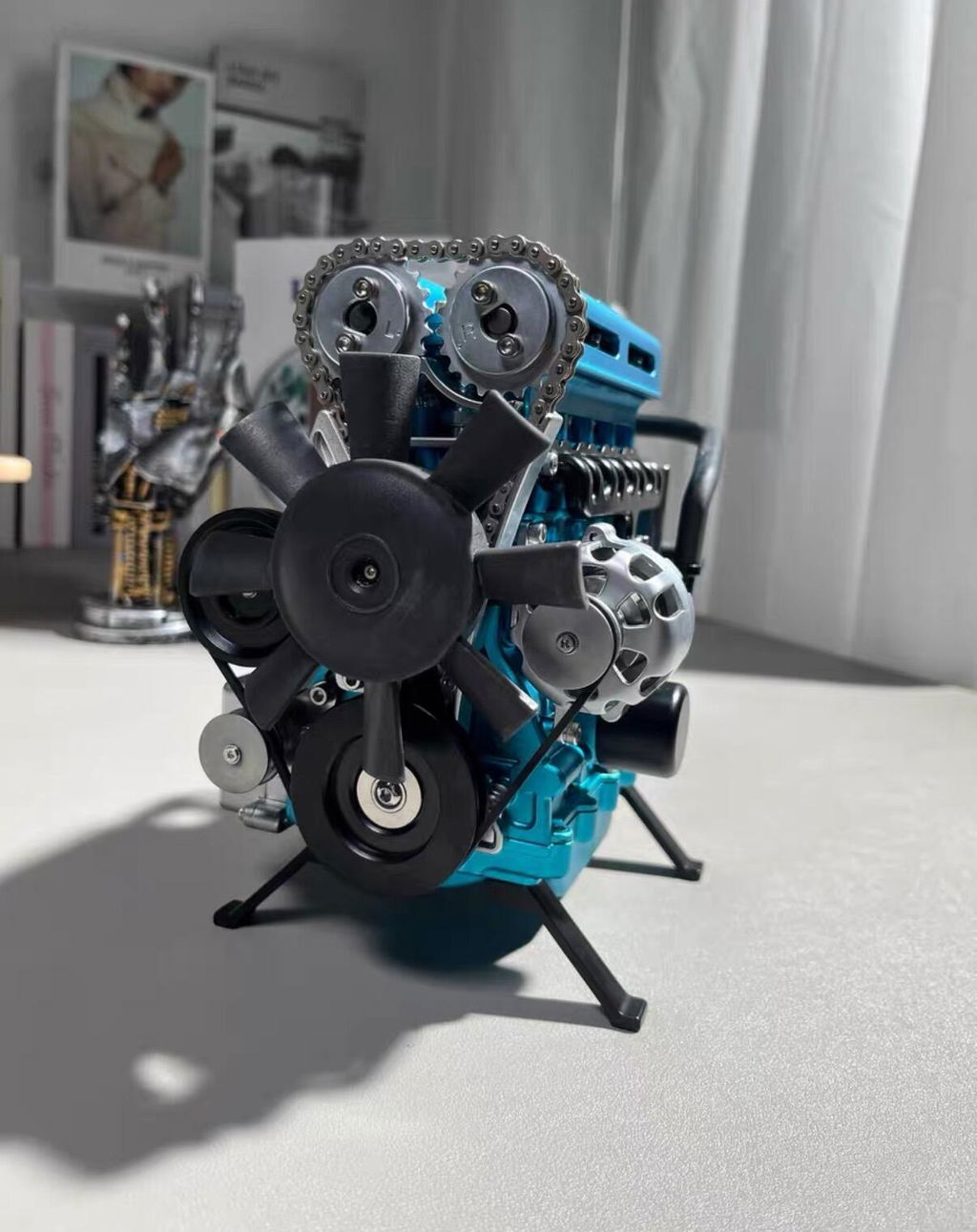
The F2 uses a Single Overhead Camshaft (SOHC) valve train. The camshaft controls when the intake and exhaust valves open and close while remaining synchronized with the crankshaft.

Why Does a Miniature Gasoline Engine Need Water Cooling?
Real combustion produces real heat. The F2 therefore uses a water-cooled miniature gasoline engine design with circulating coolant and an integrated mechanical water pump.

ENGINEKITOR F2 7.5cc Technical Specifications
| Model | ENGINEKITOR F2 |
|---|---|
| Engine Type | Miniature internal combustion engine |
| Configuration | Inline twin-cylinder |
| Cycle | 4-stroke |
| Total Displacement | 7.5cc |
| Cylinder Displacement | 3.75cc × 2 |
| Valve System | SOHC |
| Bore | 16.68 mm |
| Stroke | 17 mm |
| Operating Speed | Approximately 1,600–12,000 RPM |
| Cooling | Circulating water cooling |
| Ignition | CDI ignition |
| Starting | Electric motor start |
| Engine Size | 103.8 × 79.6 × 92.4 mm |
| Engine Weight | Approximately 680 g |
F2 Engine Kit vs Advanced Starter Kit
F2 Gasoline Engine Kit
The engine-only F2 gasoline engine kit is suitable for experienced builders who already own compatible operating equipment or want to create a custom installation.
F2 Gasoline Engine + Advanced Starter Kit
Buyers who want a more complete tabletop setup can choose the Advanced Starter Kit configuration.

Who Is the F2 7.5cc Engine For?
The F2 is particularly suitable for mechanical enthusiasts, DIY builders, engineering students, STEM demonstrations and experienced hobbyists looking for a real working miniature engine .
Frequently Asked Questions
Does the F2 7.5cc engine actually run?
Yes. The ENGINEKITOR F2 7.5cc twin-cylinder engine is designed as a functional miniature four-stroke internal combustion engine.
Is the F2 a real internal combustion engine?
Yes. It uses real fuel, ignition, compression and combustion rather than relying on an electric motor to continuously simulate engine movement.
How many cylinders does the F2 have?
It has two inline cylinders with a combined displacement of 7.5cc.
What RPM can the F2 reach?
The published operating range is approximately 1,600–12,000 RPM.
Is the F2 water cooled?
Yes. It uses circulating water cooling and a mechanical water pump.
Can I buy the complete F2 setup?
Yes. Check the currently available F2 engine kit options and Advanced Starter Kit on the product page.
Final Thoughts
The ENGINEKITOR F2 7.5cc twin-cylinder engine combines two cylinders, four-stroke combustion, SOHC valve timing, CDI ignition, electric starting and circulating water cooling in a machine measuring only around 10 cm across.
For builders who want to move beyond a purely visual engine model and experience a genuine working miniature gasoline engine , the F2 offers a much deeper mechanical experience.
Explore the ENGINEKITOR F2 7.5cc Twin-Cylinder Gasoline Engine Kit →
```


What lubrication system does the engine use
Hinterlassen Sie einen Kommentar