The Ultimate Buying Guide to Jet Engine Model Kits

Jet Engine Model Kits: Complete Buying Guide for Enthusiasts, Students, and Collectors
Short summary: This guide explains what jet engine models are, the differences between turbofan, turbojet, and radial engines, which features matter most, and how to choose the right working jet engine kit. It also highlights several carefully selected Enginekitor models with direct links and buying tips.
Table of Contents
- 1. What Is a Jet Engine Model?
- 2. Main Types of Jet Engine Models
- 3. Key Buying Factors to Consider
- 4. Quick Comparison Table
- 5. Recommended Jet Engine Models from Enginekitor
- 6. Who Are These Models For?
- 7. Step-By-Step Buying Checklist
- 8. Frequently Asked Questions (FAQ)
1. What Is a Jet Engine Model?
A jet engine model is a scaled, often working, representation of a real aircraft engine. High-quality turbofan engine models and turbojet engine models reproduce the core components of a jet engine—fan, compressor, combustion section, turbine, and exhaust—so that users can see how air flows through the engine and how mechanical energy is converted into thrust.
Unlike simple toys, premium jet engine model kits are designed for STEM education, aerospace learning, and serious hobby engineering. Many are made from metal and driven by electric motors to simulate real rotor motion, making them ideal for classrooms, workshops, and display collections.
2. Main Types of Jet Engine Models
2.1 Turbofan Engine Models
A turbofan engine model mimics the configuration used in most modern airliners. It typically features:
- A large front fan that draws in air.
- Multiple compressor stages that raise air pressure.
- Combustion areas where fuel and air would mix in a real engine.
- Turbine stages that extract energy to drive the fan and compressors.
- Often a transparent shell so the internal structure remains fully visible.
Turbofan models are ideal when you want a visually impressive working jet engine kit that clearly demonstrates modern civil aviation technology.
2.2 Turbojet Engine Models
A turbojet engine model is narrower and focuses on a straight-through airflow path. It usually has:
- Small front intake instead of a large fan.
- Axial compressor stages arranged in a cylinder.
- Combustion and turbine sections tightly packed along the centerline.
Turbojet models are perfect for learners and enthusiasts interested in fighter jets, high-speed aircraft, and early jet propulsion concepts.
2.3 Radial Aircraft Engine Models
Although not a jet engine, a radial engine model is an excellent companion to turbofan and turbojet models. It features multiple cylinders arranged in a circle around a central crankshaft, making piston motion easy to observe. Radial engines help explain earlier aviation technology and the basics of internal combustion.
3. Key Buying Factors to Consider
3.1 Material Quality
For long-term durability and precision, look for full-metal or mostly metal engine model kits. CNC-machined aluminum alloy, stainless steel parts, and metal blades provide:
- Higher structural strength and better balance at speed.
- More realistic weight and feel.
- Premium look for display and collection.
Transparent acrylic is typically used for the outer shell so that students and viewers can see the moving internals clearly.
3.2 Working Mechanism
Many of the best jet engine models are not just static—they are working engine models. A good working mechanism should include:
- Smooth electric motor drive.
- Balanced rotors to minimize vibration.
- Reliable bearings for long-term operation.
- In higher-end kits, independent twin-spool rotation.
3.3 Transparency and Visibility
Because these models are heavily used for teaching, visibility is crucial. A clear housing lets students observe:
- Compressor stages and how they gradually compress air.
- Turbine blades and how they extract power from hot gases.
- The overall path of airflow from intake to exhaust.
3.4 Part Count & Assembly Difficulty
- Under 200 parts: Beginner-friendly, suitable for first-time builders and younger students.
- 200–600 parts: Intermediate difficulty, ideal for hobbyists and engineering students.
- 600+ parts: Advanced projects for experienced model builders and serious collectors.
3.5 Size and Display Value
Medium to large models (often around 1:10 scale) strike a good balance between detail and practicality. Larger turbofan engines, in particular, become statement pieces in offices, labs, and workshops.
3.6 Power and Safety
Most working jet engine models use low-voltage USB or DC power supplies. Always:
- Use the recommended voltage and adapter.
- Keep fingers, hair, and loose objects away from moving blades.
- Place the model on a stable, flat surface during operation.
4. Quick Comparison Table
This simplified table summarizes how the main engine types compare in terms of purpose and complexity.
| Engine Type | Typical Use | Complexity | Best For |
|---|---|---|---|
| Turbofan | Modern airliners, civil aviation | Medium to high | STEM labs, collectors, engineering students |
| Turbojet | Fighter jets, high-speed aircraft | Medium | Aerospace learners, military aviation fans |
| Radial (piston) | Historical propeller aircraft | Medium | Mechanical education, aviation history lovers |
5. Recommended Jet Engine Models from Enginekitor
The following Enginekitor models have been selected to cover different levels of difficulty and learning goals—from beginner-friendly turbofan kits to advanced twin-spool and turbojet engines, plus a classic radial aircraft engine for comparison.
5.1 TECHING All-Metal Turbofan Engine Kit (170+ Parts)
Core keywords: turbofan engine model, working jet engine kit, visible jet engine
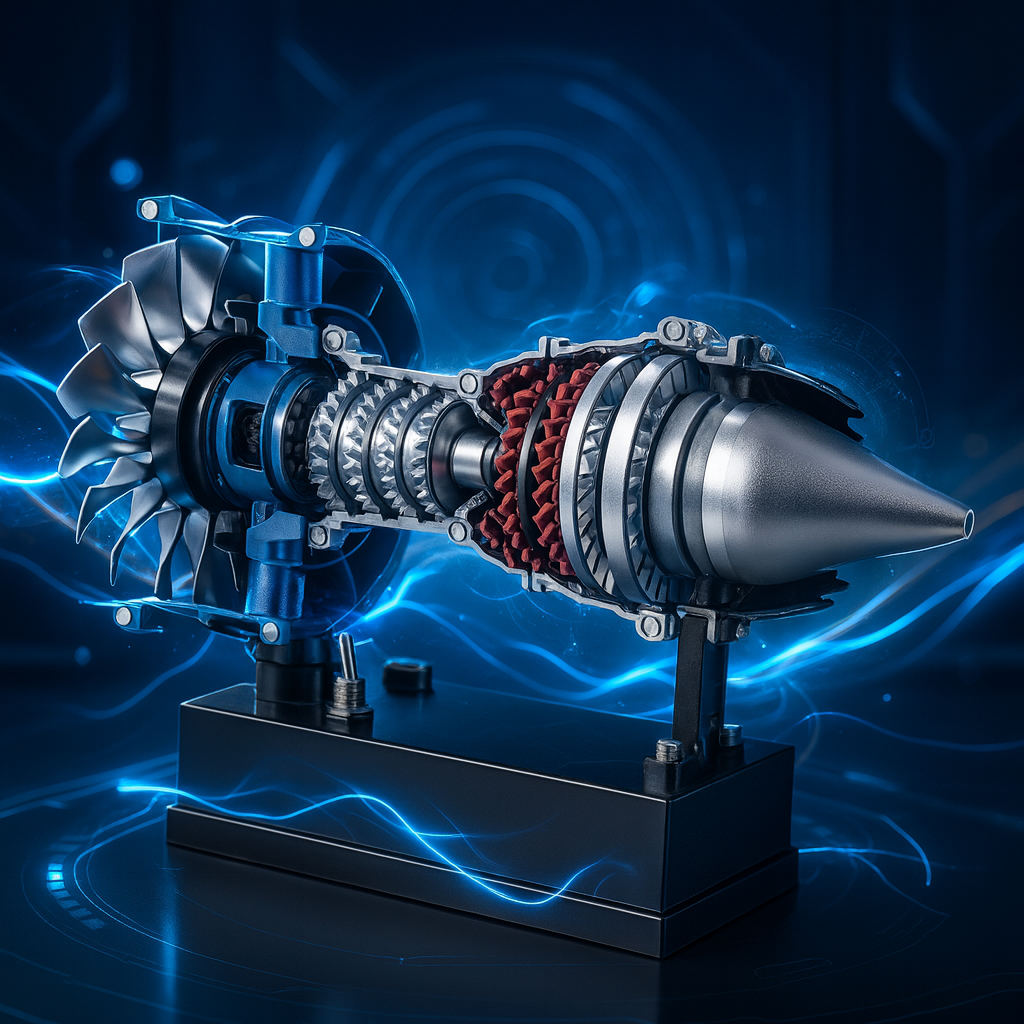
The TECHING all-metal turbofan engine kit is a great starting point for anyone who wants a true working jet engine model without tackling a thousand-part build. With more than 170 metal components and a transparent housing, it clearly displays the fan, compressor, turbine, and exhaust sections. Once assembled, the electric motor drives the front fan smoothly, providing an excellent visualization of turbofan operation.
This model is ideal for STEM classrooms, home study, and aviation enthusiasts who want a compact but realistic turbofan engine on their desk. It offers a strong balance between detail, assembly time, and price.
- 170+ precision metal parts.
- Transparent shell for full internal visibility.
- Smooth electric motor-driven fan rotation.
- Beginner to intermediate difficulty.
- Excellent for teaching basic jet engine concepts.
Buy Now – All-Metal Turbofan Engine Kit
5.2 TECHING 1:10 Twin-Spool Turbofan Jet Engine Model (1000+ Parts)
Core keywords: twin-spool turbofan engine model, full metal jet engine model, advanced working jet engine kit
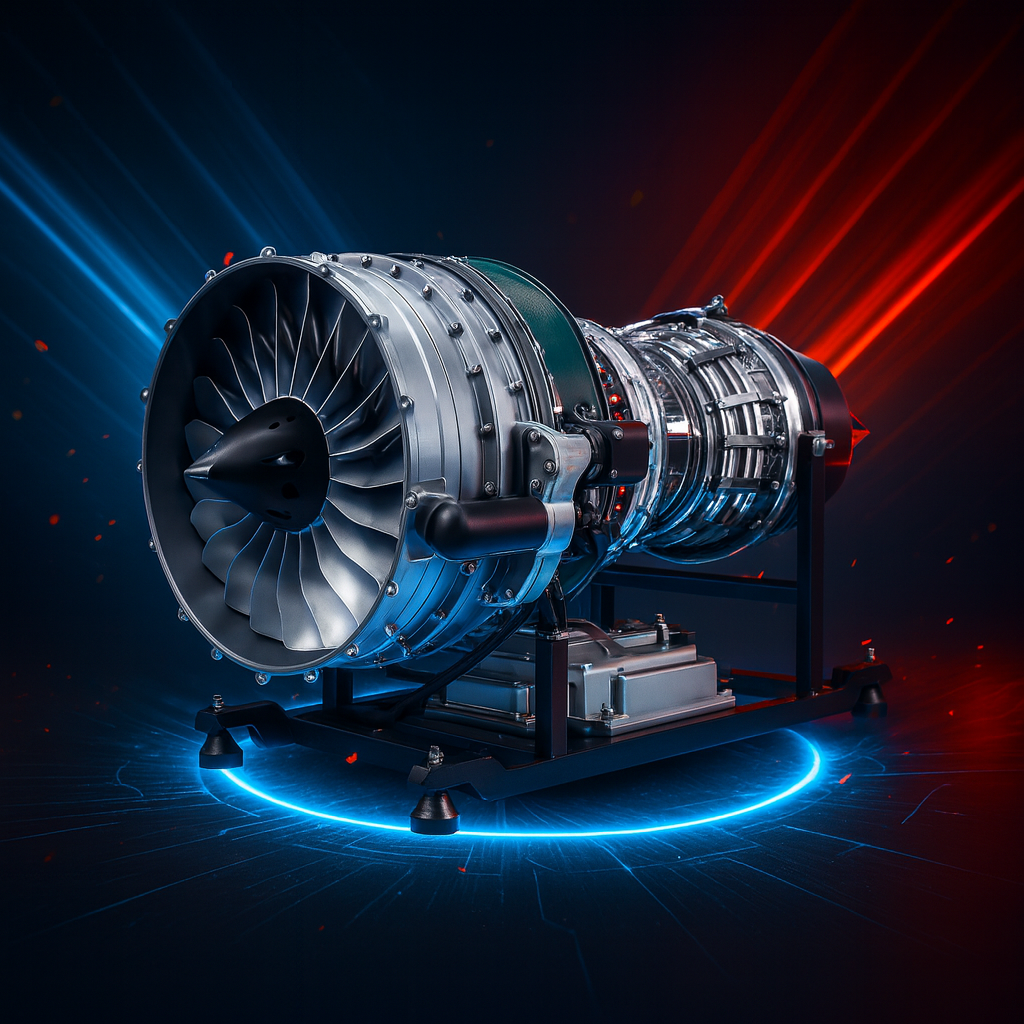
For advanced builders, the TECHING 1:10 twin-spool turbofan engine model is a flagship-level project. With more than 1000 CNC-machined metal parts, it recreates the complex twin-spool structure found in real large turbofan engines. Both the inner and outer spools are designed to rotate, providing a highly realistic demonstration of modern turbofan mechanics.
Its large scale and detailed multi-stage compressor and turbine sections make this engine an impressive centerpiece for any office, lab, or private collection. It is particularly suited to engineers, university programs, and experienced hobbyists who want a deep mechanical challenge and a showpiece model.
- 1:10 scale with 1000+ metal components.
- Twin-spool rotating mechanism for realistic operation.
- Extremely high display value and collector appeal.
- Advanced difficulty and long, rewarding build process.
Buy Now – 1:10 Twin-Spool Turbofan Model
5.3 TECHING DM135 Turbojet Engine Model (Full-Metal Twin-Rotor Design)
Core keywords: turbojet engine model, twin-rotor jet engine model, working jet engine kit
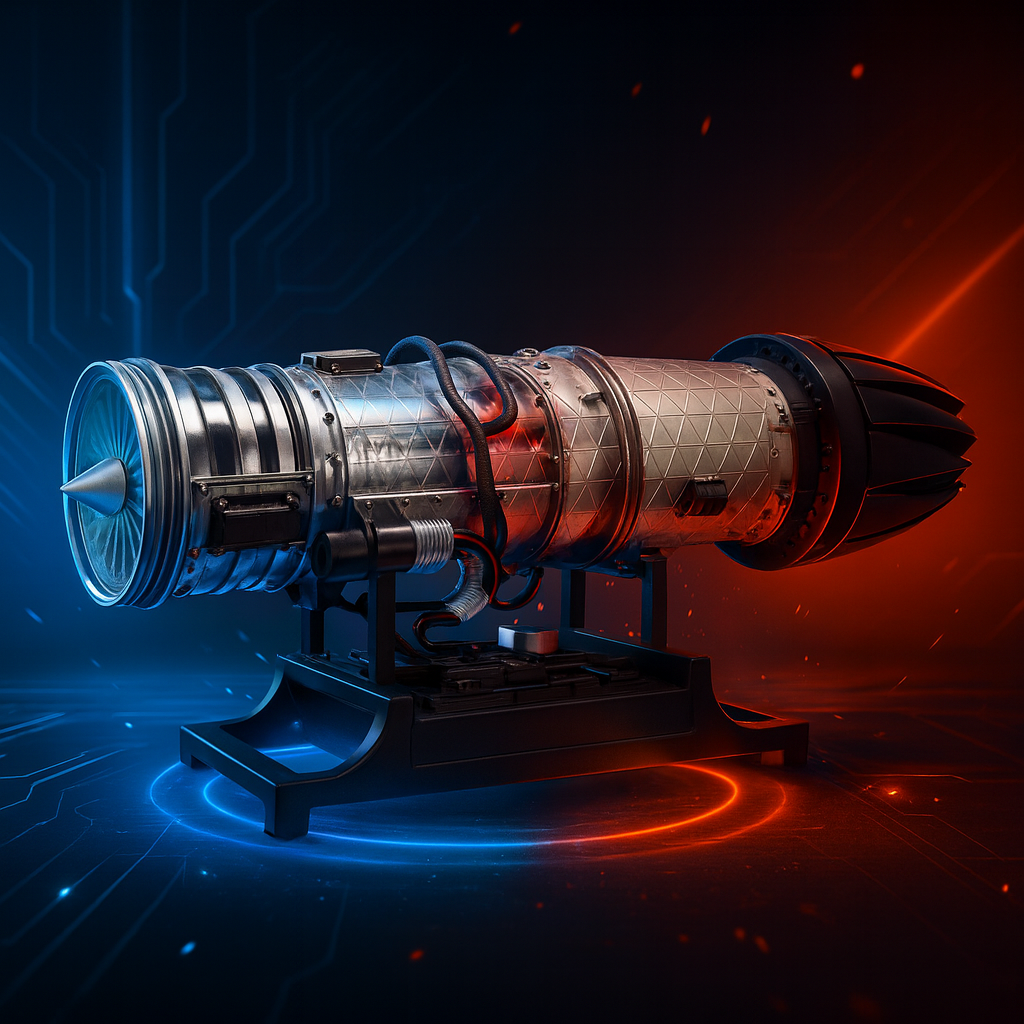
The TECHING DM135 turbojet engine model offers a compact cylindrical layout that is closer to classic fighter jet engines. Instead of a large fan, this turbojet engine model focuses on compressor and turbine stages arranged along a straight-through flow path, with a twin-rotor configuration for added realism.
With around 600 metal parts, it provides a substantial but achievable build for intermediate to advanced hobbyists. The finished model is an excellent demonstration tool for aerospace engineering topics such as compression ratios, turbine work, and nozzle exhaust.
- Full-metal turbojet engine model with twin-rotor design.
- Approximately 600 parts for a detailed build.
- Great for learners focused on high-speed jet propulsion.
- Strong display presence despite a compact footprint.
Buy Now – DM135 Turbojet Engine Model
5.4 TECHING 5-Cylinder Radial Engine Model (1:6 Full-Metal Aircraft Engine)
Core keywords: radial engine model, aircraft engine model kit, working radial engine

The TECHING 5-cylinder radial engine model is a perfect counterpart to the turbofan and turbojet models above. This full-metal aircraft engine kit exposes pistons, connecting rods, valves, and the crank mechanism, allowing students to see every part of the internal combustion cycle.
At a 1:6 scale, it has a bold presence on any desk or display shelf. It is ideal for mechanical engineering education, aviation history discussion, and anyone who wants to contrast older piston technology with modern jet propulsion.
- 1:6 scale full-metal radial engine model.
- Highly visible piston and valve motion.
- Excellent teaching aid for internal combustion concepts.
- Unique visual contrast next to jet engine models.
Buy Now – 5-Cylinder Radial Engine Model
6. Who Are Jet Engine Models For?
Jet engine models are suitable for a wide range of users:
- STEM teachers and schools: Use turbofan and turbojet models to explain complex aerospace concepts with hands-on visuals.
- Engineering students: Deepen understanding of thermodynamics, fluid mechanics, and mechanical design.
- Aviation enthusiasts and collectors: Display realistic working engines at home or in a private collection.
- Parents and young makers: Introduce children and teenagers to mechanical engineering in a tangible, exciting way.
7. Step-By-Step Buying Checklist
Use this quick checklist before you choose a jet engine model kit:
- Pick the engine type: Turbofan, turbojet, or radial, depending on your learning focus.
- Decide the difficulty level: Check part count and recommended skill level.
- Confirm materials: Prefer full-metal or mostly metal construction for durability.
- Check visibility: Make sure the housing lets you see the internal mechanisms.
- Review the power system: Confirm voltage, connector type, and safety features.
- Match your purpose: Classroom teaching, personal study, or collection display.
- Compare models: Use the recommendations above to match budget and expectations.


Hinterlassen Sie einen Kommentar