Steam Engine Models Buying Guide — Best Options for Ships & STEM
Steam Engine Model Buying Guide: How to Choose the Right One
If you are planning a steam engine model for a 70–150 cm steamship, classroom demonstration, or a STEM learning project, it can be hard to decide which engine is right for you. In this guide, we’ll walk through the key things you need to know before buying, and compare several ENGINEKITOR steam engine models designed for real steam power and educational fun.
Whether you want a compact double-cylinder steam engine for a 70–130 cm boat or a powerful V4 steam engine model for a 90–150 cm steamship, you’ll find a clear comparison and practical tips below.
What Is a Steam Engine Model?
A steam engine model is a scaled-down, working engine that uses steam pressure to drive pistons or oscillating cylinders. Compared with static display models, these engines are built to run: they can power RC steamships, small mechanical loads or be used in STEM education to demonstrate thermodynamics, energy conversion and mechanical motion.
How Does a Working Steam Engine Model Work?
In a typical working steam engine model:
- A boiler heats water to generate steam.
- Steam enters the cylinder (or oscillating cylinder) and pushes a piston back and forth.
- This linear motion is converted into rotary motion through a crankshaft and connecting rods.
- The rotating shaft can then drive ship props, flywheels or a small generator.
All the steam engines below are designed to show this process clearly, so learners and hobbyists can see the mechanism in action.
How to Choose the Right Steam Engine Model
When choosing a steam engine model, consider the following factors:
- Boat length / load size: Different engines are recommended for 70–130 cm or 90–150 cm steamships.
- Power output & cylinders: Double-cylinder vs. V4 vs. single large cylinder.
- Configuration: Vertical, V-type, oscillating or horizontal layout.
- Use case: RC steamship power, tabletop demonstration, STEM education or collection.
- Complexity: Some sets include a boiler and generator; others focus on the engine unit only.
Below we introduce each key ENGINEKITOR steam engine model so you can quickly match the right engine to your project.
EngineKitor Steam Engine Models Compared
RW-L2 Retro Brass Double-Cylinder Steam Engine Model (70–130 cm Steamships)
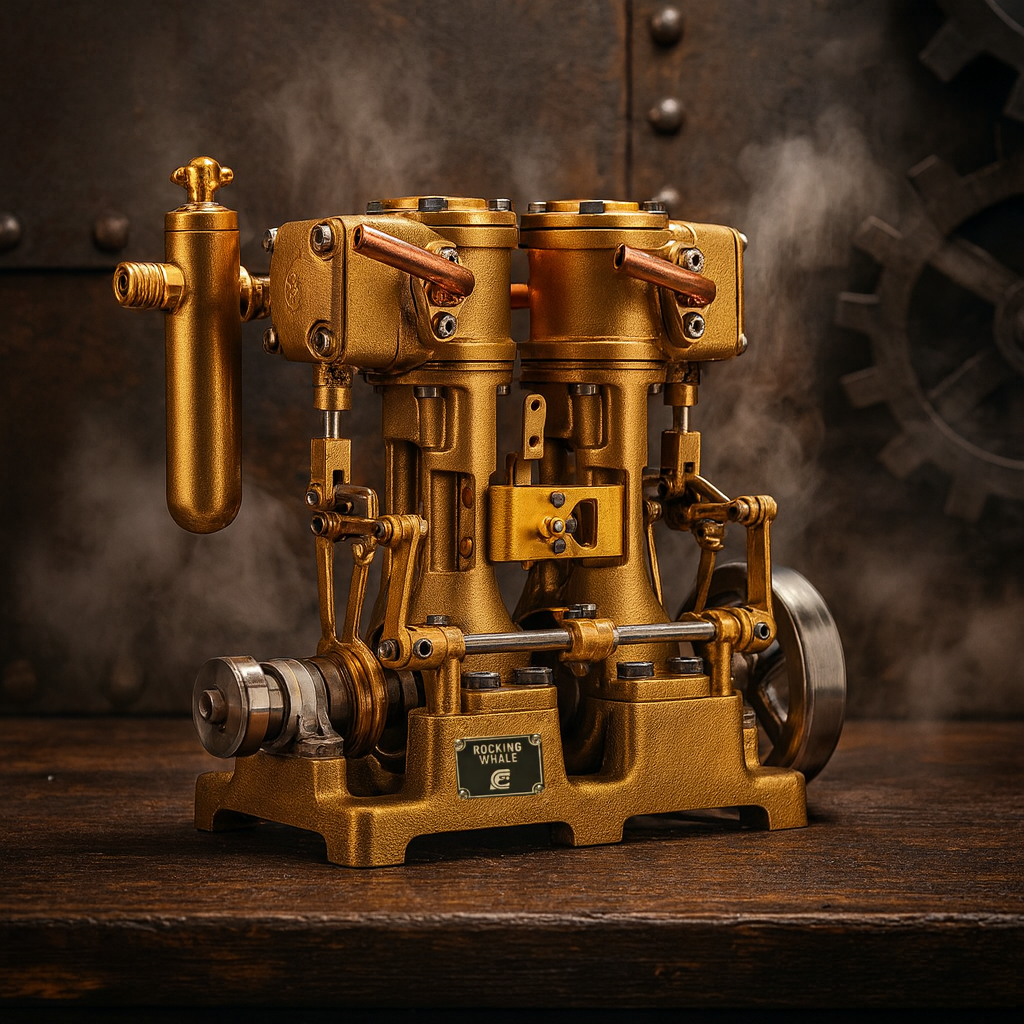
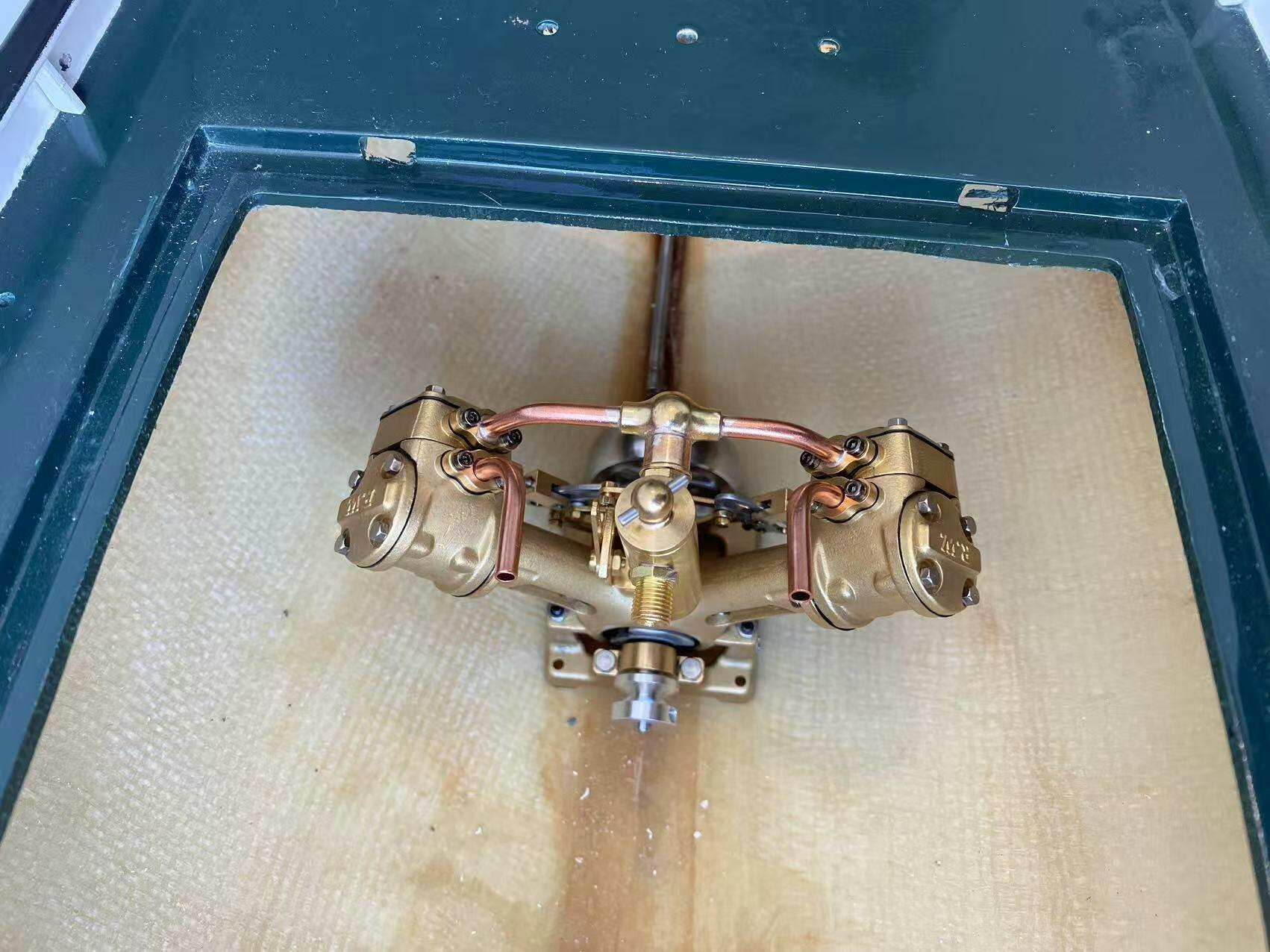
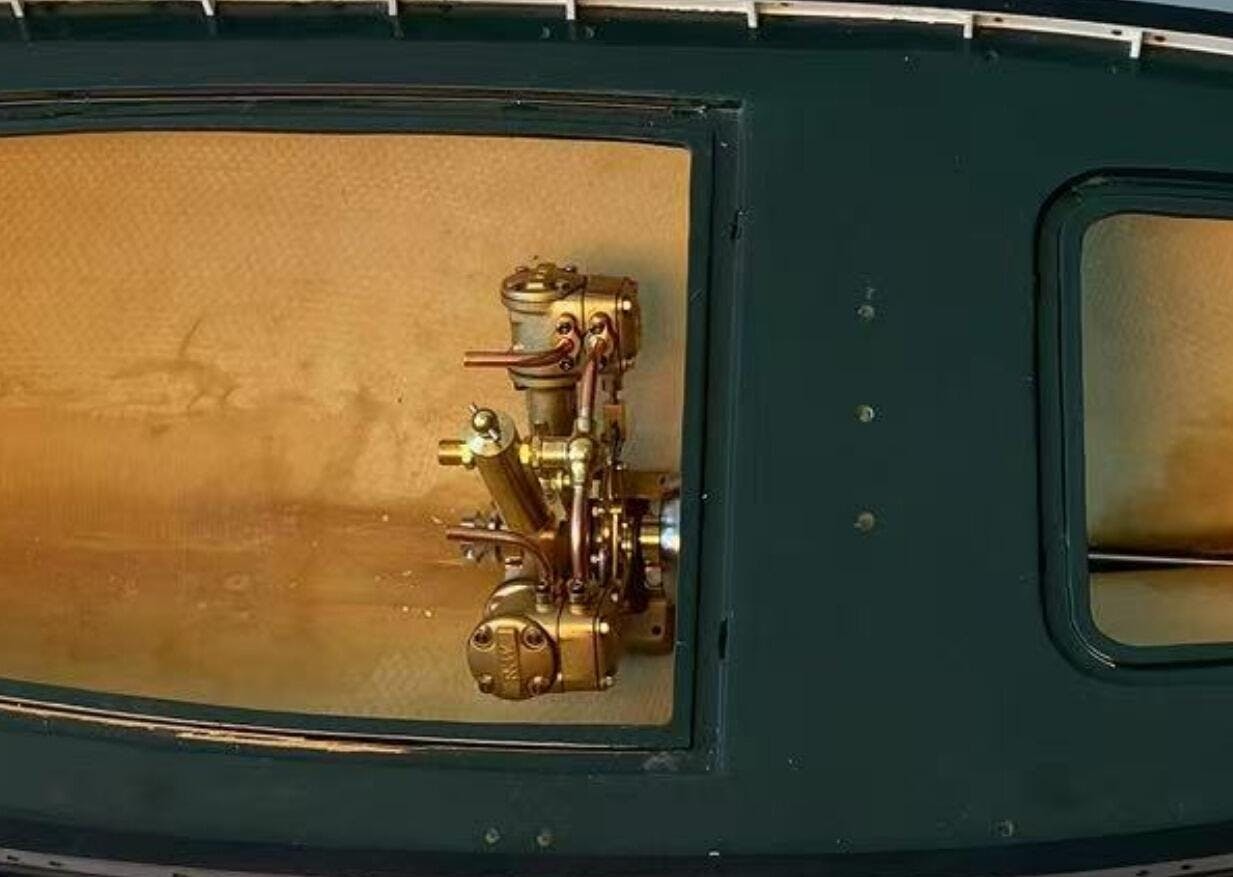
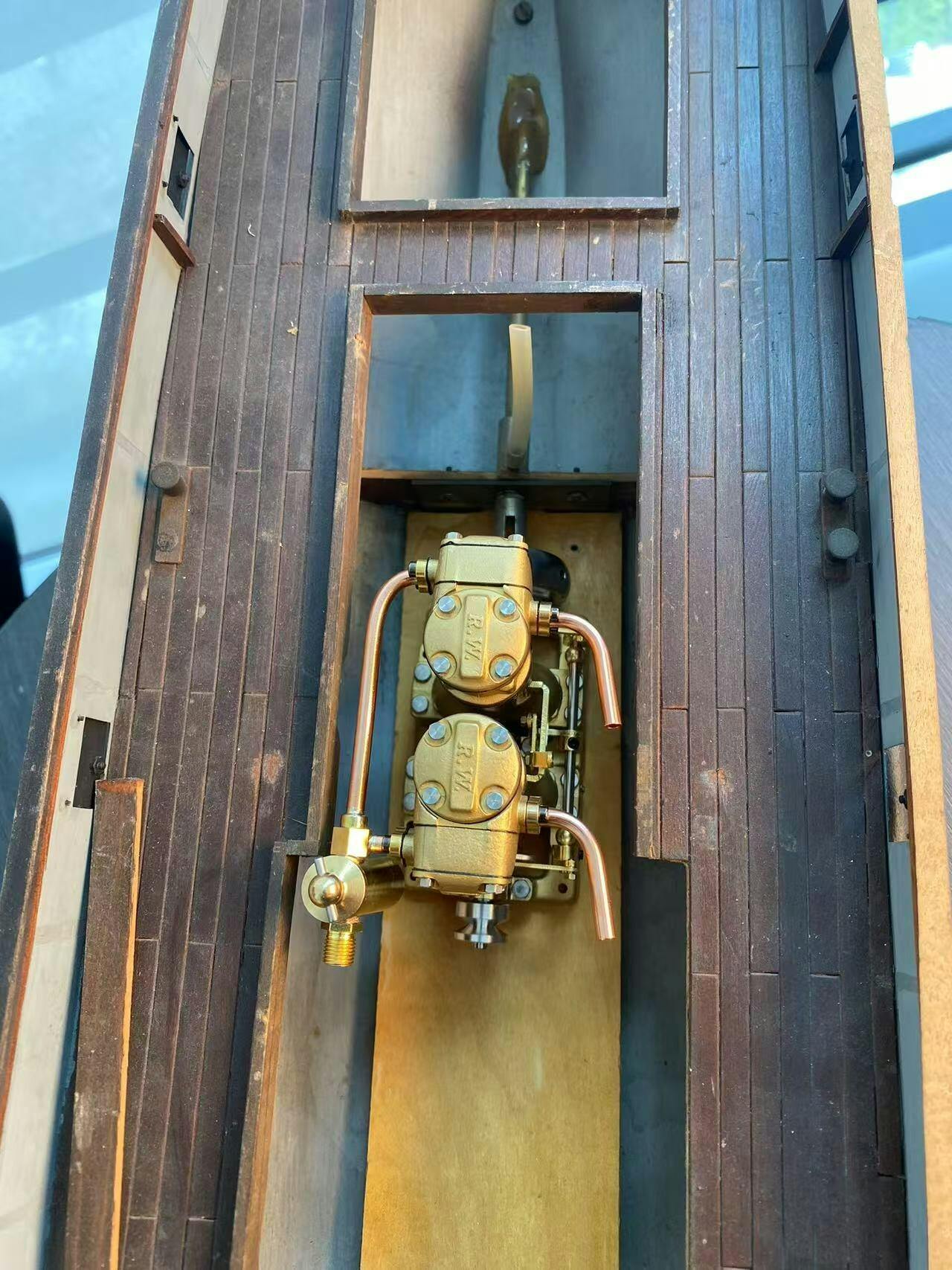
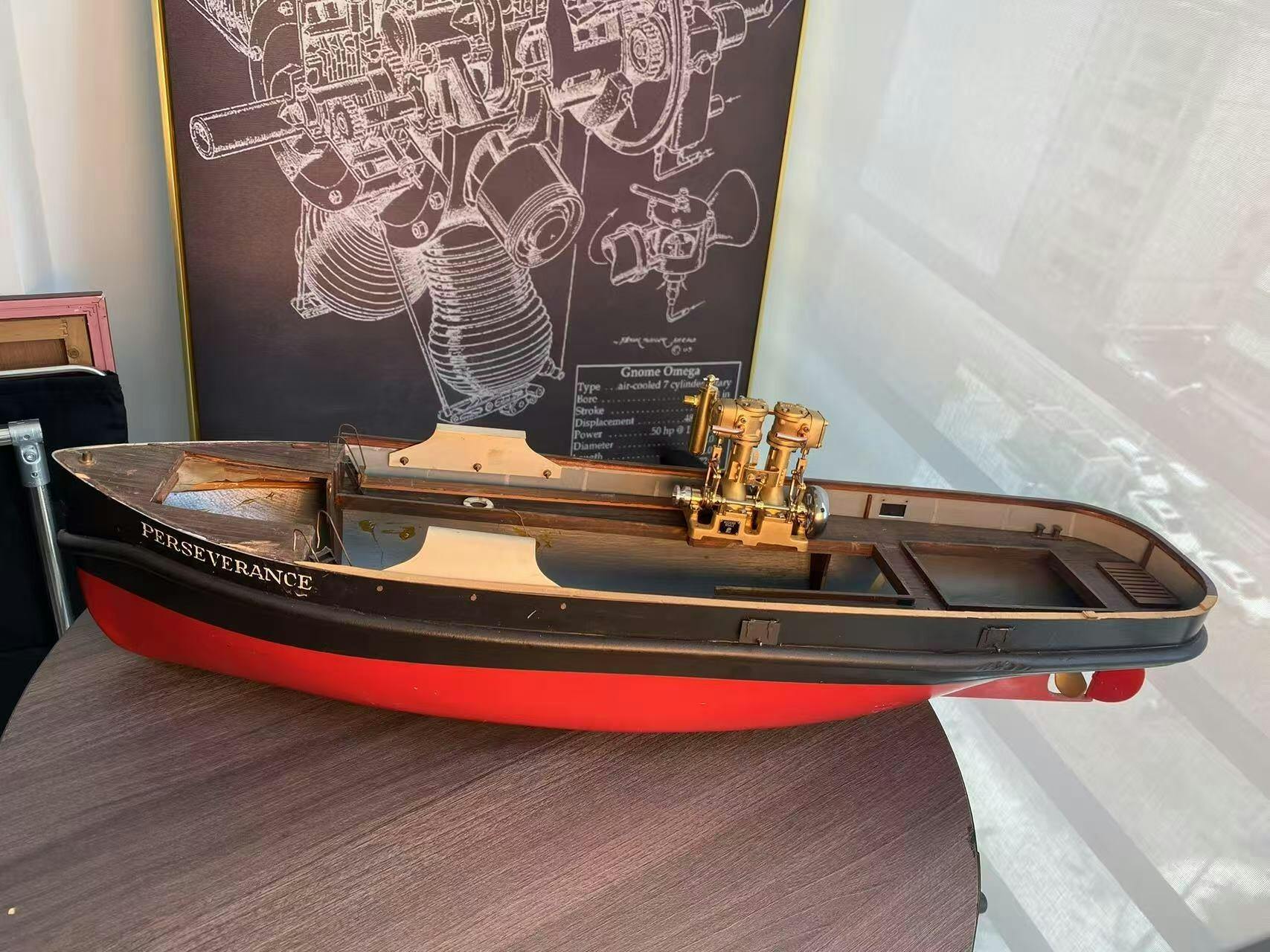
The RW-L2 retro brass double-cylinder steam engine model is designed for 70–130 cm steamships. With its symmetrical double-cylinder layout and vintage brass finish, it offers both strong power output and a classic marine look.
- Application: Ideal for mid-size 70–130 cm RC steamships.
- Configuration: Double-cylinder design for smooth and balanced running.
- Style: Retro brass machining, perfect for display and operation.
- Use case: Hobby steamship builds, demonstrations and collectors.
RW-V2 Retro Brass Double-Cylinder Steam Engine Model (70–130 cm Steamships)
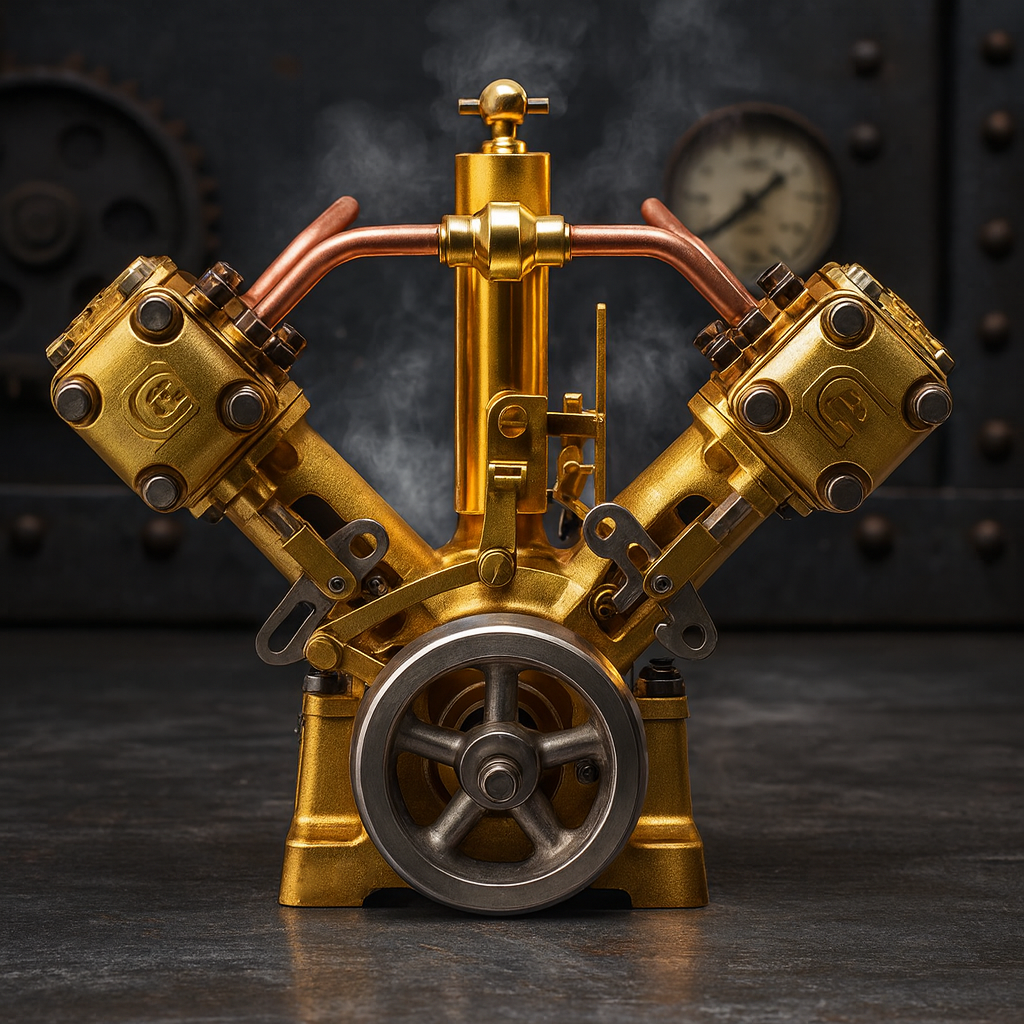
The RW-V2 steam engine model keeps the same 70–130 cm steamship target but offers a slightly different layout and visual style compared with RW-L2. It is a great choice if you want a compact, efficient marine steam engine with a retro brass look.
- Application: 70–130 cm steamships and boats.
- Configuration: Double-cylinder with marine-focused output.
- Style: Retro brass aesthetics with precise machining.
- Use case: Ideal for builders who care about both performance and appearance.
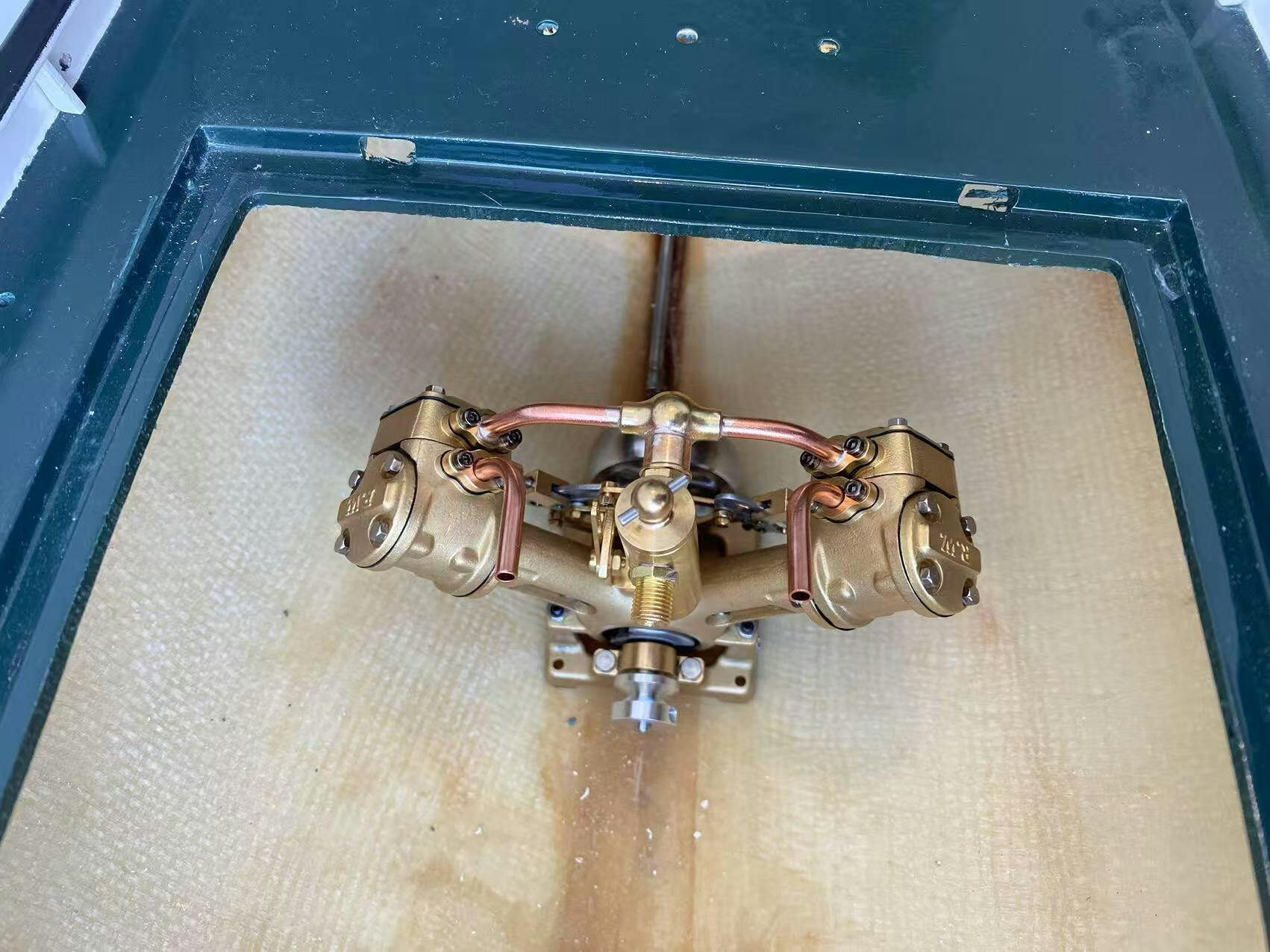
RW-V4 Retro Brass V4 Steam Engine Model (Mini 4-Cylinder Power for 90–150 cm Steamships)
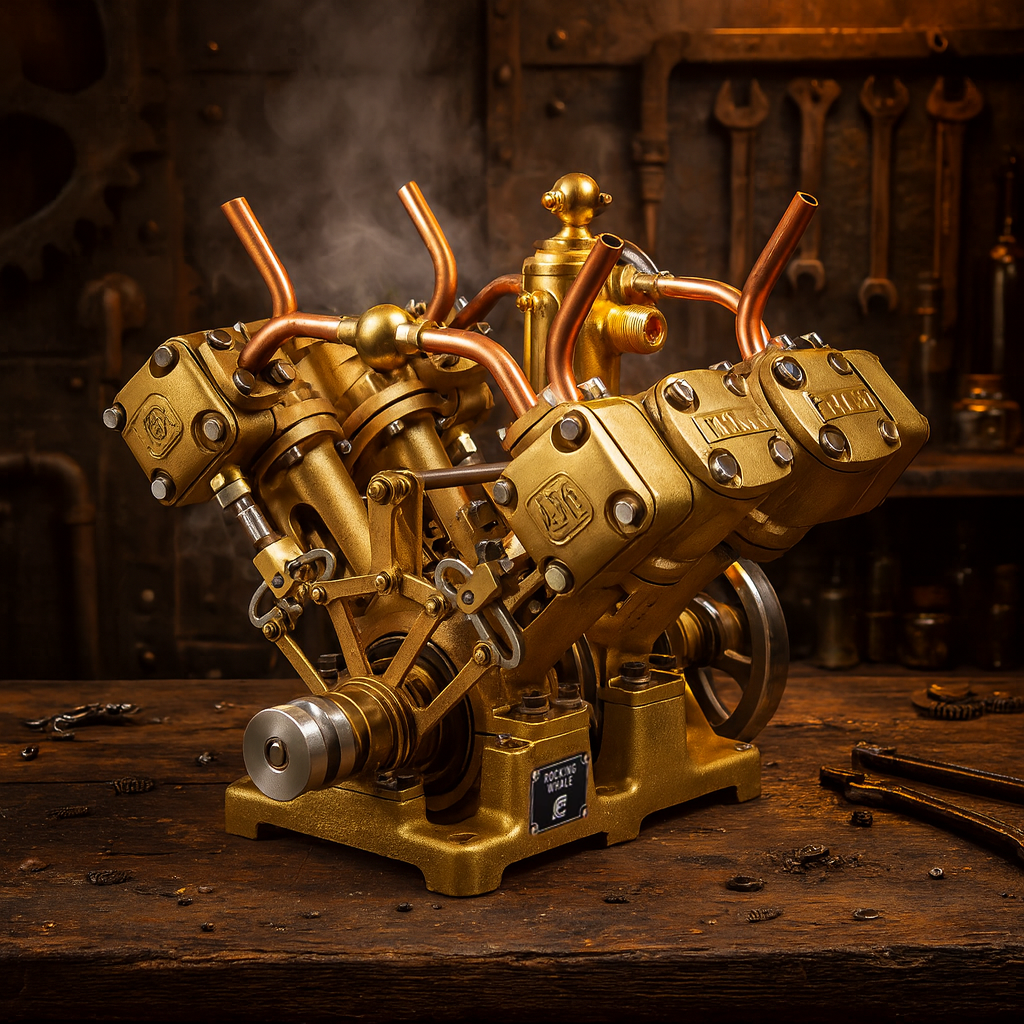
For larger steamships between 90–150 cm, the RW-V4 V4 steam engine model provides four-cylinder power in a compact marine package. The V4 layout delivers strong torque and smoother running, suitable for heavier hulls and more demanding water conditions.
- Application: 90–150 cm RC steamships.
- Configuration: V4 (4-cylinder) layout for higher power and smoothness.
- Style: Retro brass with detailed machining, great for show and operation.
- Use case: Advanced steamship projects and experienced builders.
K007 One-Way Piston Vertical Steam Engine (Large Cylinder)

The K007 one-way piston vertical steam engine model features a large cylinder and a simple vertical layout. It is a great choice for those who want to focus on a clear, visible piston motion and an easy-to-understand working cycle.
- Configuration: Single large vertical piston.
- Visual learning: Great for observing piston and crank motion.
- Use case: Tabletop demonstrations, DIY engine projects and steam fans.
K006 Miniature Vertical Boiler Startable Steam Engine Model

The K006 miniature vertical boiler steam engine model includes a vertical boiler and a startable engine, offering a compact all-in-one solution. It is excellent for learners who want to see how the boiler and engine work together.
- Integrated set: Includes miniature vertical boiler and engine.
- Startable: Designed to run with proper steam supply.
- Use case: STEM teaching, hobby demonstrations and compact setups.
KACIO FD-6 Mini Three-Legged Vertical Oscillating Steam Engine Model (With Boiler & Generator)

The KACIO FD-6 steam engine model features a mini three-legged vertical oscillating design and comes with both a boiler and a small steam power generator. It’s a highly engaging set for showing how steam can be turned into both mechanical motion and electrical energy.
- Configuration: Vertical oscillating steam engine with three-legged base.
- Included: Boiler and steam power generator.
- Use case: Perfect for STEM experiments, demonstrations and educational labs.
ENGINEKITOR TM Steam Engine Model Kit (STEM Educational Mechanical Engine)
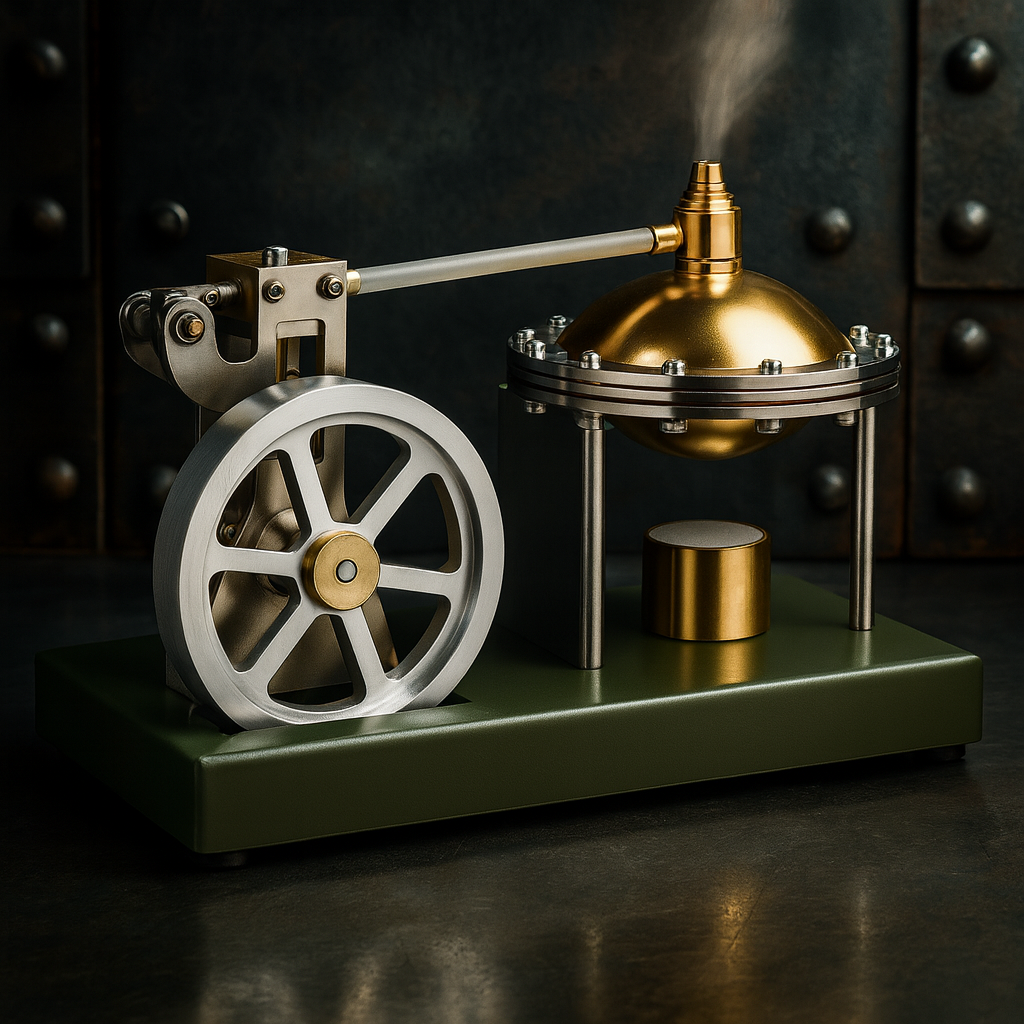
The ENGINEKITOR TM steam engine model is designed as a STEM educational mechanical engine. It is ideal for students, teachers and beginners who want to understand how a steam engine works through hands-on assembly and operation.
- Educational focus: Great for classrooms, STEM clubs and home learning.
- Learning value: Demonstrates core steam engine principles and mechanical transmission.
- Audience: Beginners, students and anyone new to steam engine models.
Who Are Steam Engine Models For?
A high-quality steam engine model is ideal for:
- RC steamship builders: Looking for reliable power for 70–150 cm hulls.
- STEM educators: Teachers who need a visual, hands-on way to explain steam power and mechanics.
- Engineering students: Exploring thermodynamics and mechanical design.
- Collectors: Enthusiasts who appreciate precision machined brass engines.
Steam Engine Model FAQ
How do I choose the right steam engine model for my steamship?
First match the recommended boat length. For 70–130 cm steamships, models like RW-L2 or RW-V2 are ideal. For 90–150 cm boats, the RW-V4 V4 steam engine model offers more power. Then consider layout, power needs and whether you want an integrated boiler or engine-only setup.
Which steam engine model is best for STEM teaching and beginners?
For pure STEM education and beginners, the ENGINEKITOR TM steam engine model is an excellent choice. If you want to add a boiler and generator for more advanced experiments, the KACIO FD-6 offers a complete steam power system.
Do these steam engine models come with a boiler?
Some steam engine models are engine-only, while others include a boiler. For example, K006 and KACIO FD-6 include boilers, while RW-L2, RW-V2 and RW-V4 focus on the engine itself and require a separate suitable boiler.
Can I power a generator with a steam engine model?
Yes. Sets like the KACIO FD-6 come with a small steam power generator, showing how mechanical energy from the engine can be converted into electrical energy. This makes them ideal for STEM projects and classroom demonstrations.
Are these steam engine models suitable for children?
Steam engines involve heat, steam and moving mechanical parts. They are not toys and should be used by adults or under strict adult supervision. For younger learners, we recommend using them as a demonstration tool in class or at home with an experienced adult controlling the boiler and engine.
Where can I see all EngineKitor steam engine models in one place?
You can view the full collection of ENGINEKITOR steam engine models on the dedicated collection page: ENGINEKITOR Steam Engine Collection.


Lascia un commento