Steam Engine Models & Live Steam Engines

Steam Engine Models & Live Steam Engines

Filter

    Explore steam engine models and live steam engines ranging from compact vertical boiler engines and oscillating steam models to reversible brass marine engines and multi-cylinder steam power systems. Designed for mechanical enthusiasts, collectors, model-boat builders and STEM learners, these engines make classic steam-powered engineering visible in miniature form.

    Unlike Stirling engines, a steam engine uses pressurized steam generated from heated water to perform mechanical work. Depending on the model, steam drives a piston or oscillating cylinder, turns a crankshaft and flywheel, and can even power generators or model boats.


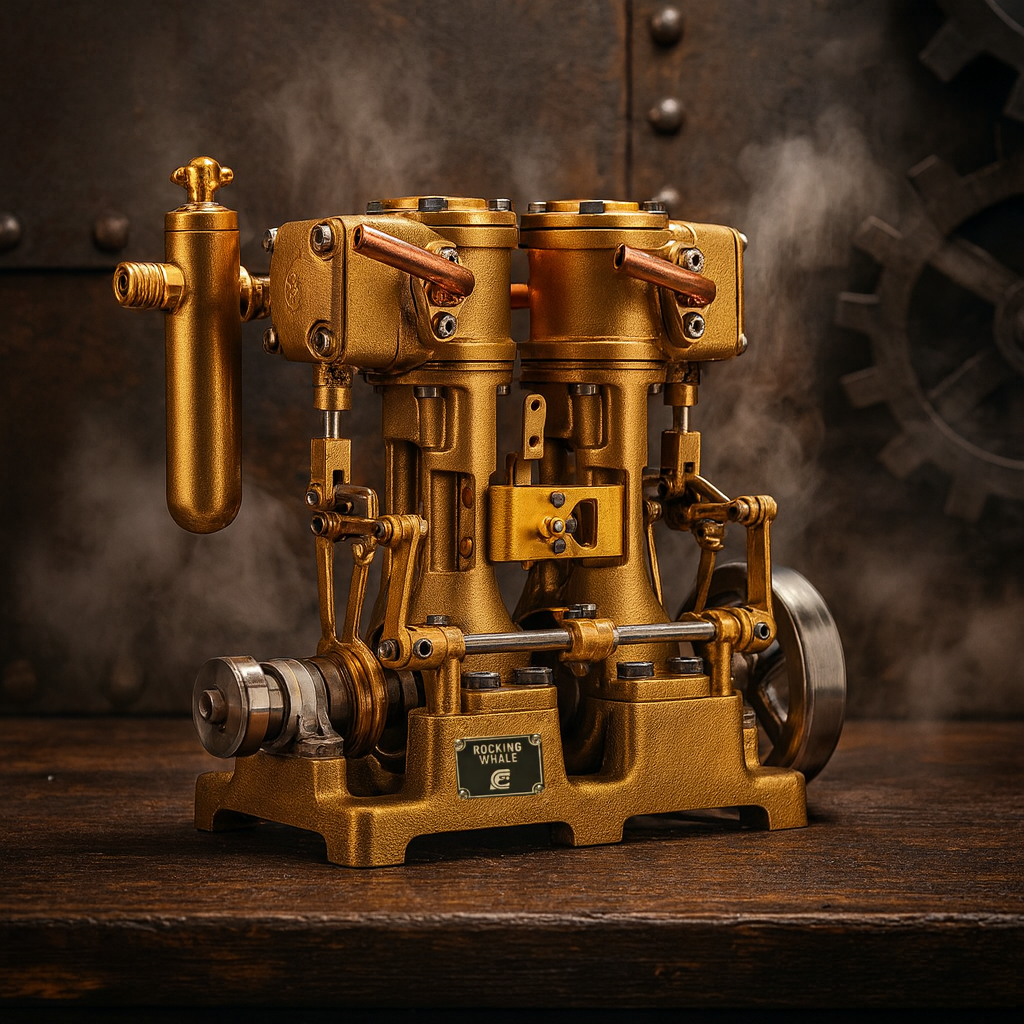
    RW-BL1K Mini Reversible Live Steam Engine Kit with Boiler – DIY Working Brass Reciprocating Steam Engine Model with Stephenson Valve Gear for STEM Education & Mechanical Collectors
    RW-BL1K Mini Reversible Live Steam Engine Kit with Boiler – DIY Working Brass Reciprocating Steam Engine Model with Stephenson Valve Gear for STEM Education & Mechanical Collectors
    Enginekitor
    $499.99
    $599.99 SAVE $100.00
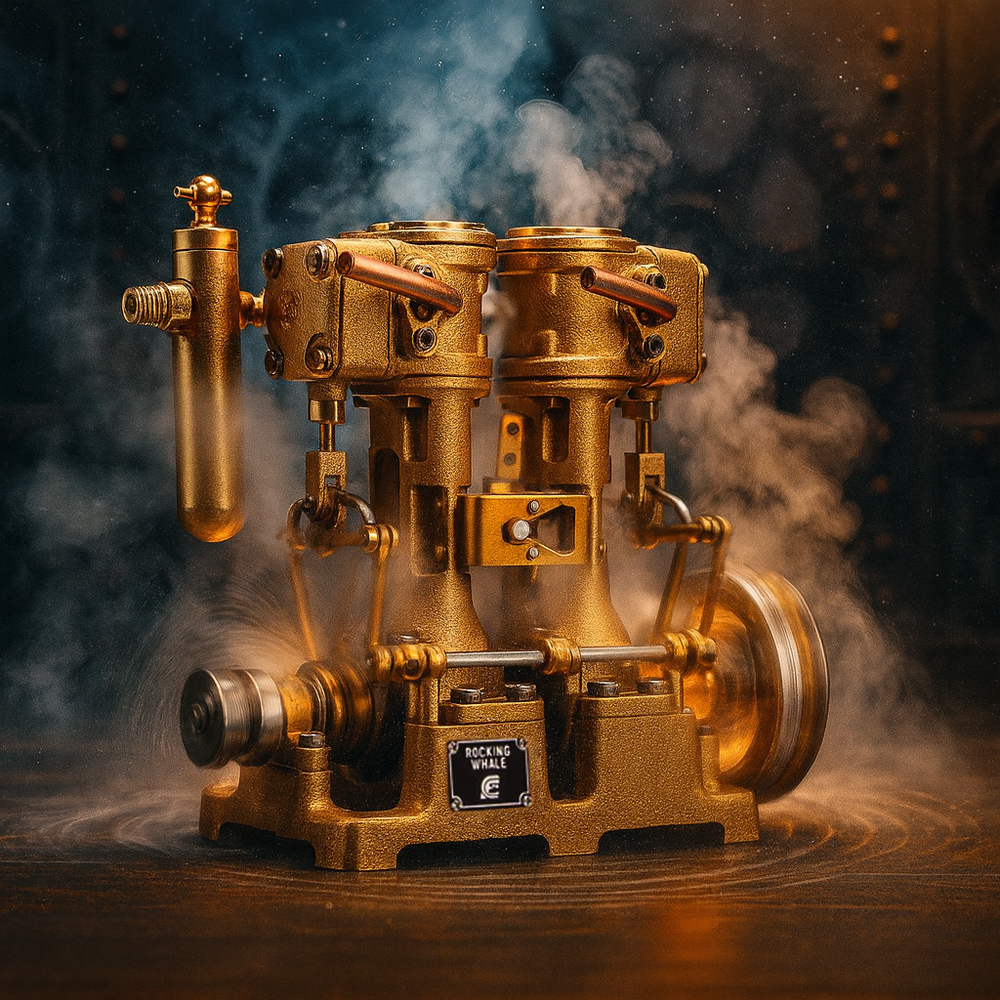
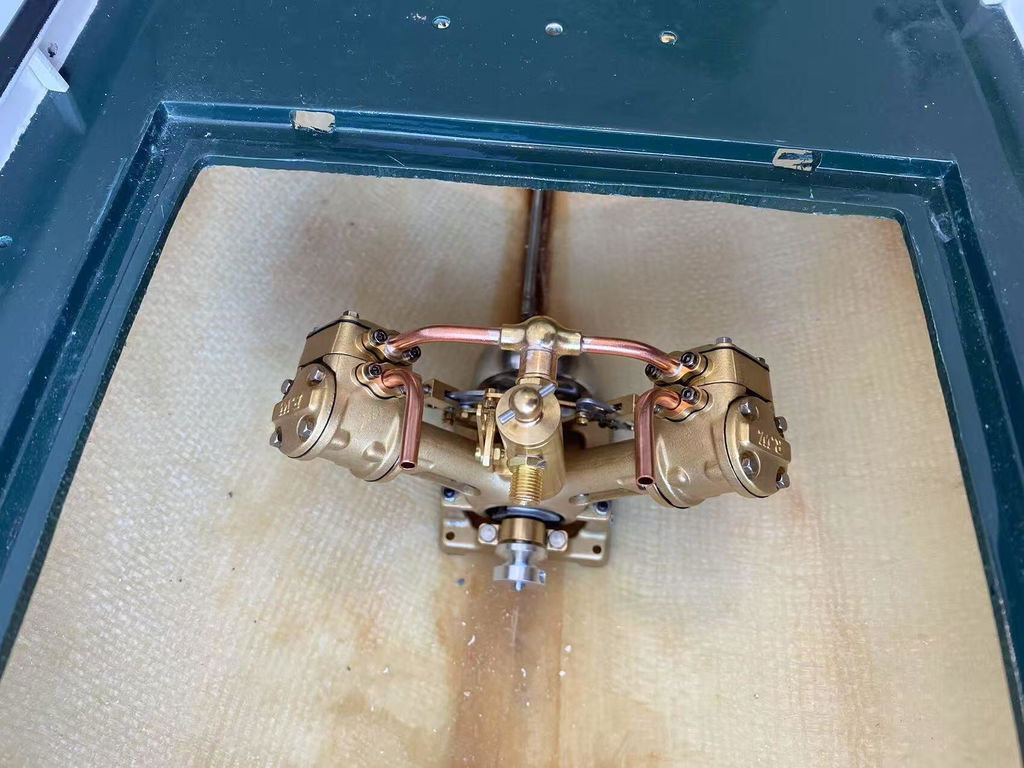
    RW-L2 Retro Brass Double-Cylinder Steam Engine Model for 70-130cm Steamship - Build You Own Engine Model
    RW-L2 Retro Brass Double-Cylinder Steam Engine Model for 70-130cm Steamship - Build You Own Engine Model
    Enginekitor
    $499.99
    $549.99 SAVE $50.00
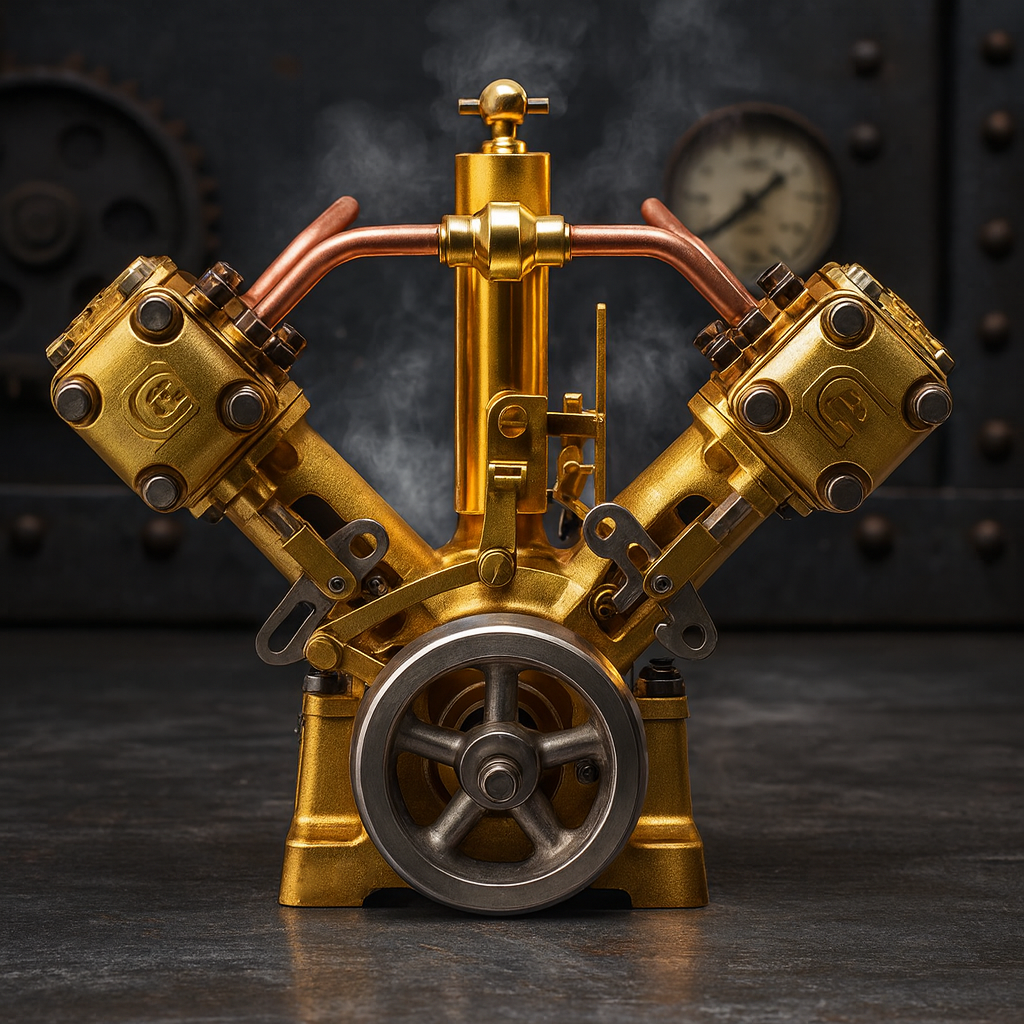
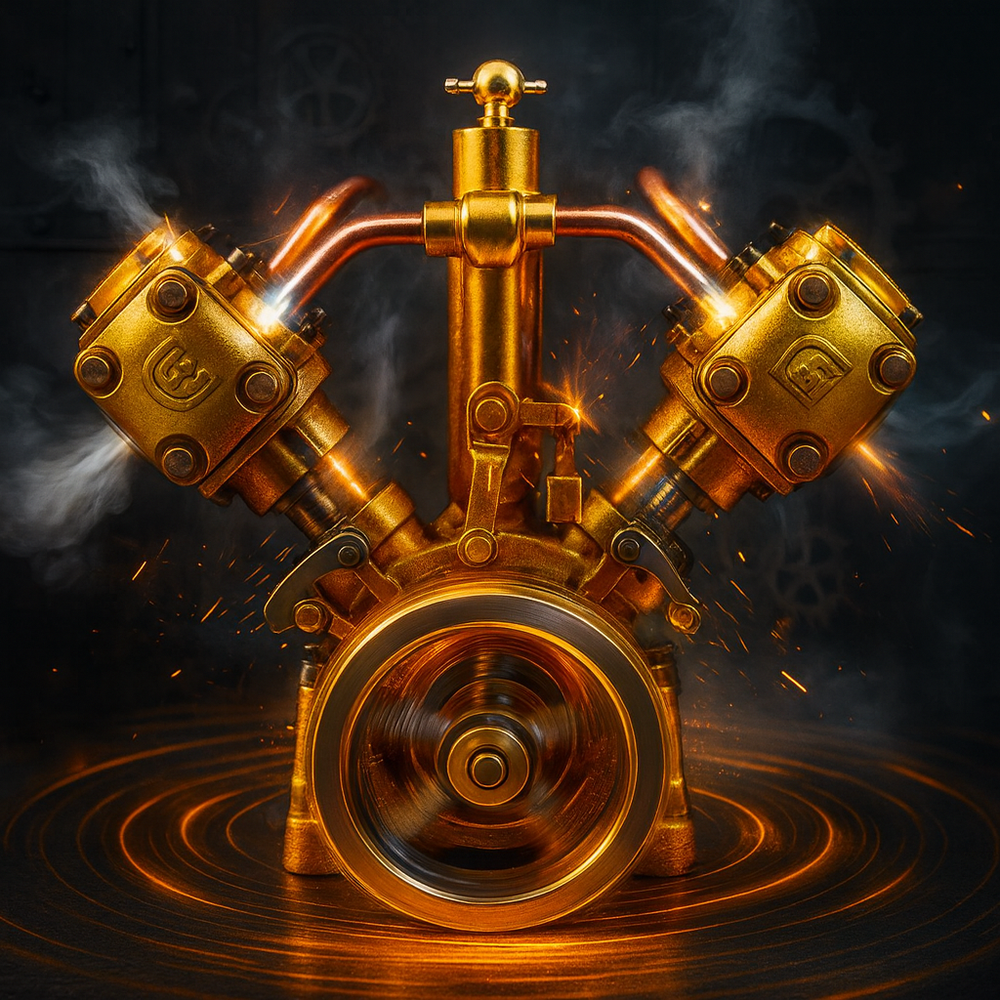
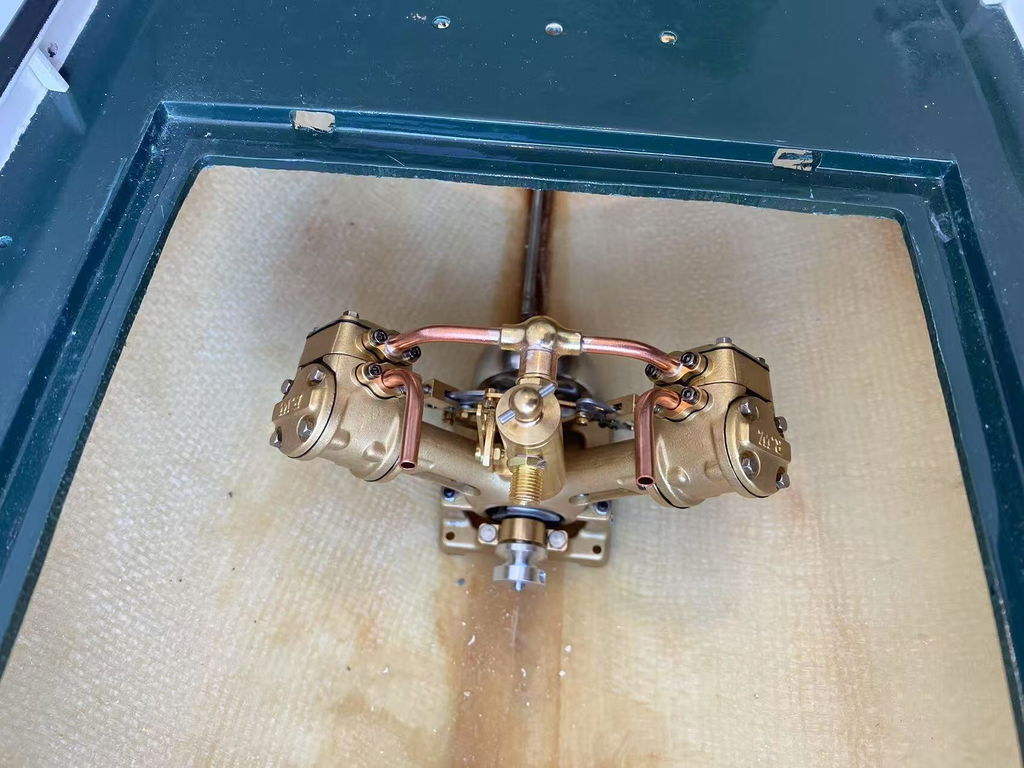
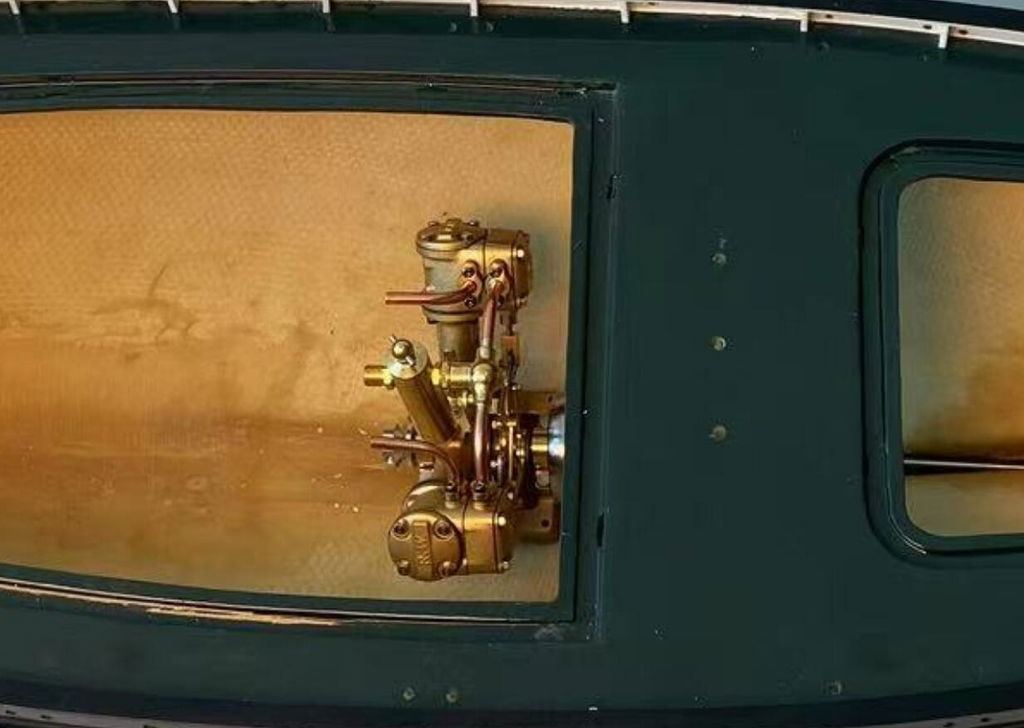
    RW-V2 Retro Brass Double-Cylinder Steam Engine Model for 70-130cm Steamship - Build You Own Engine Model
    RW-V2 Retro Brass Double-Cylinder Steam Engine Model for 70-130cm Steamship - Build You Own Engine Model
    Enginekitor
    $499.99
    $549.99 SAVE $50.00
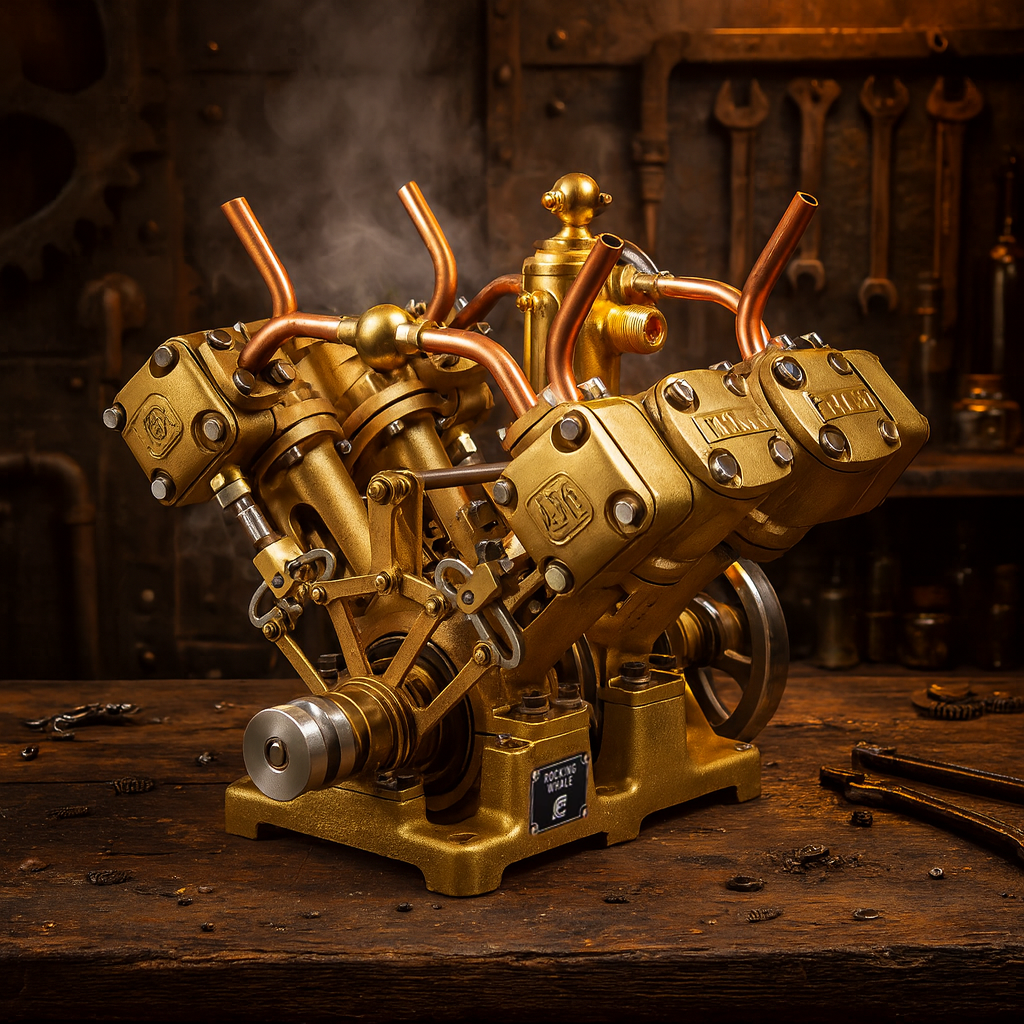
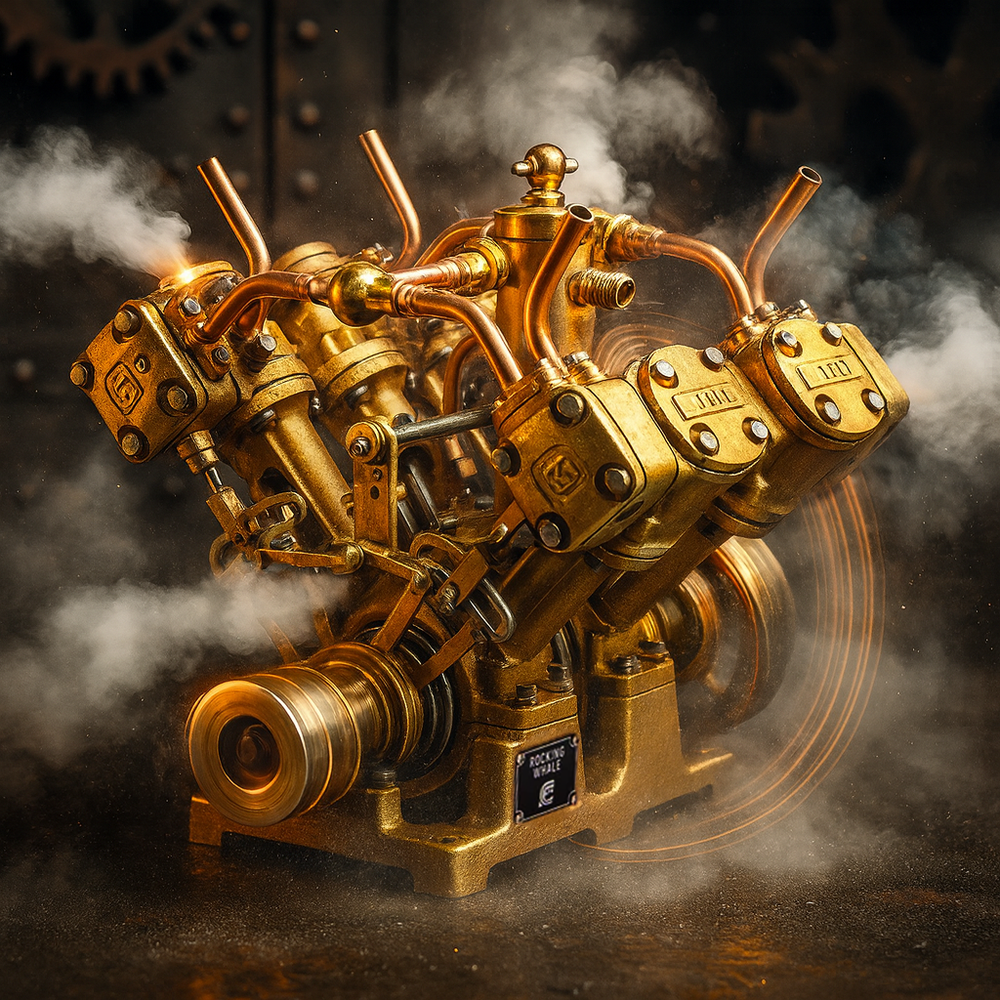
    RW-V4 Retro Brass V4 Steam Engine Model – Mini 4-Cylinder Power for 90–150cm Steamships
    RW-V4 Retro Brass V4 Steam Engine Model – Mini 4-Cylinder Power for 90–150cm Steamships
    Enginekitor
    $1,166.99
    $1,266.99 SAVE $100.00
    GL003 Vertical Boiler Steam Engine Model DIY Steam Engine-Bulid Your Own Engine
    GL003 Vertical Boiler Steam Engine Model DIY Steam Engine-Bulid Your Own Engine
    Enginekitor
    $109.99
    $149.99 SAVE $40.00
    K007 One-way Piston Vertical Steam EngineLarge Cylinder Piston Steam Engine-Build Your Own Engine
    K007 One-way Piston Vertical Steam EngineLarge Cylinder Piston Steam Engine-Build Your Own Engine
    Enginekitor
    $209.99
    $259.99 SAVE $50.00
    K006 Miniature Vertical Boiler Startable Steam Engine Model DIY Engine Model Kit-Build Your Own Engine
    K006 Miniature Vertical Boiler Startable Steam Engine Model DIY Engine Model Kit-Build Your Own Engine
    Enginekitor
    $149.99
    KACIO FD-6 Mini Three-Legged Vertical Oscillating Steam Engine Model With Boiler And Steam Power Generator
    KACIO FD-6 Mini Three-Legged Vertical Oscillating Steam Engine Model With Boiler And Steam Power Generator
    Enginekitor
    $179.99
    $239.99 SAVE $60.00
    ENGINEKITOR TM Steam Engine Model Kit – STEM Educational Mechanical Engine for Learning
    ENGINEKITOR TM Steam Engine Model Kit – STEM Educational Mechanical Engine for Learning
    Enginekitor
    $189.99
    $239.99 SAVE $50.00
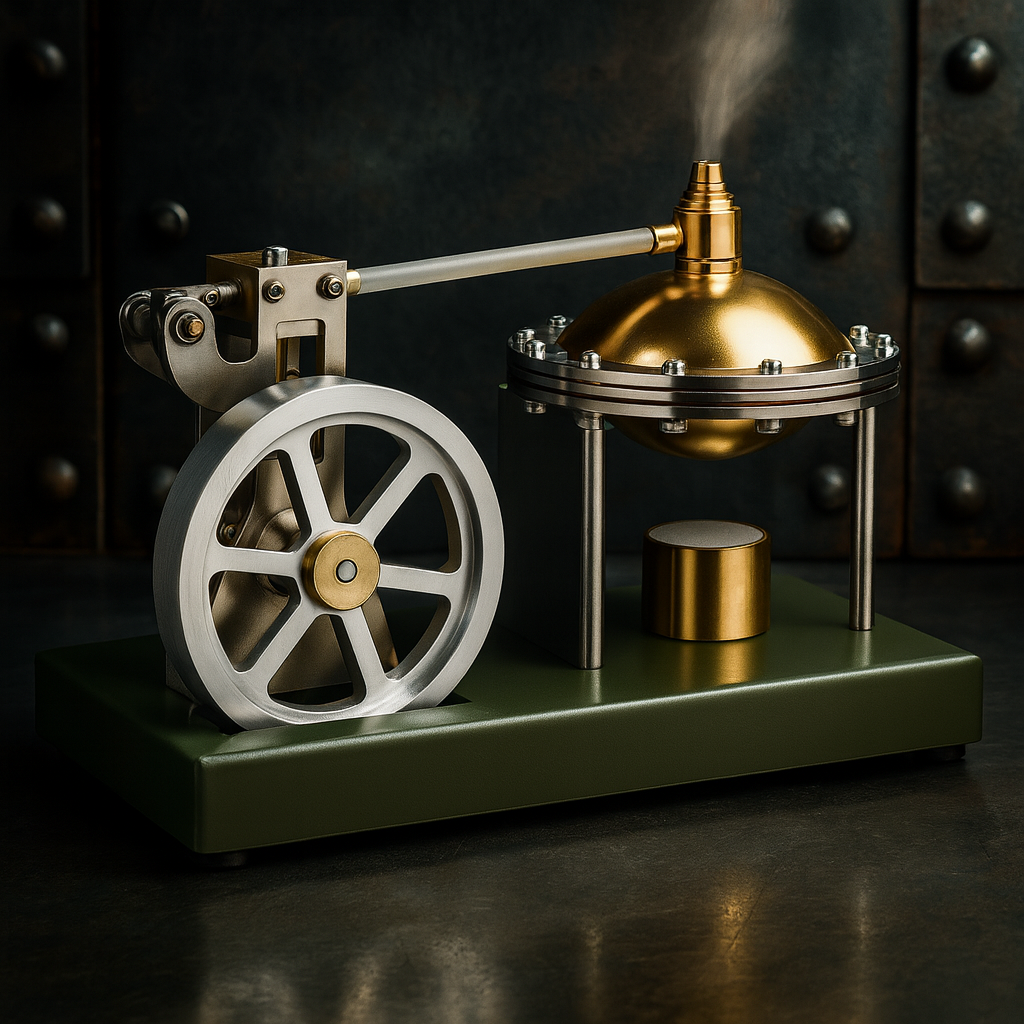
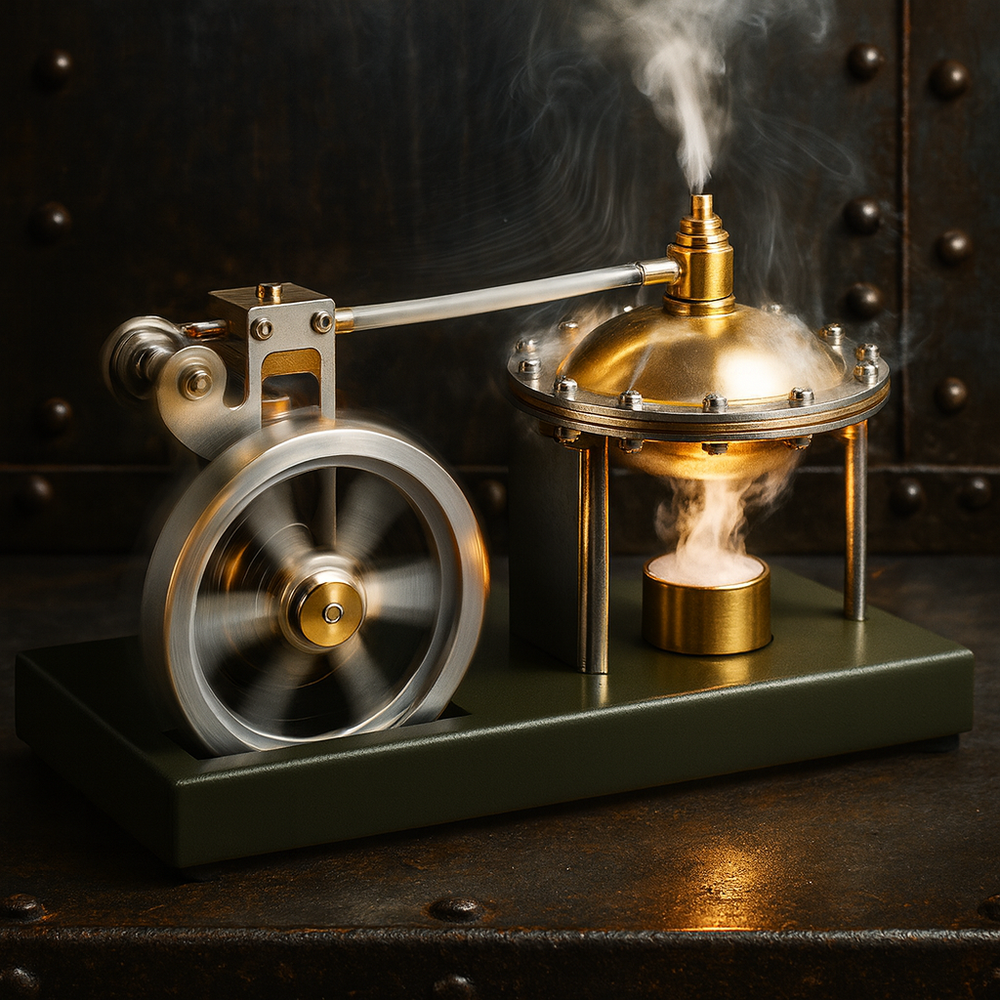
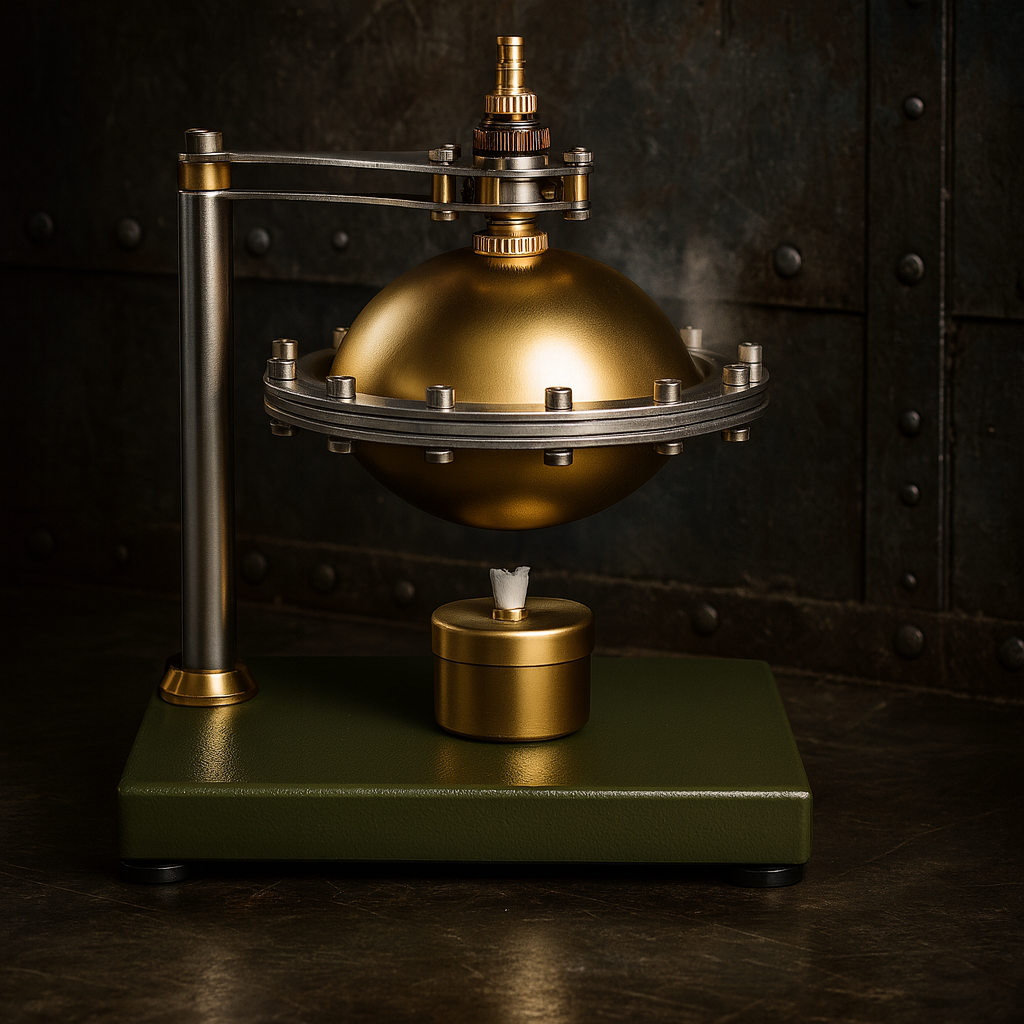
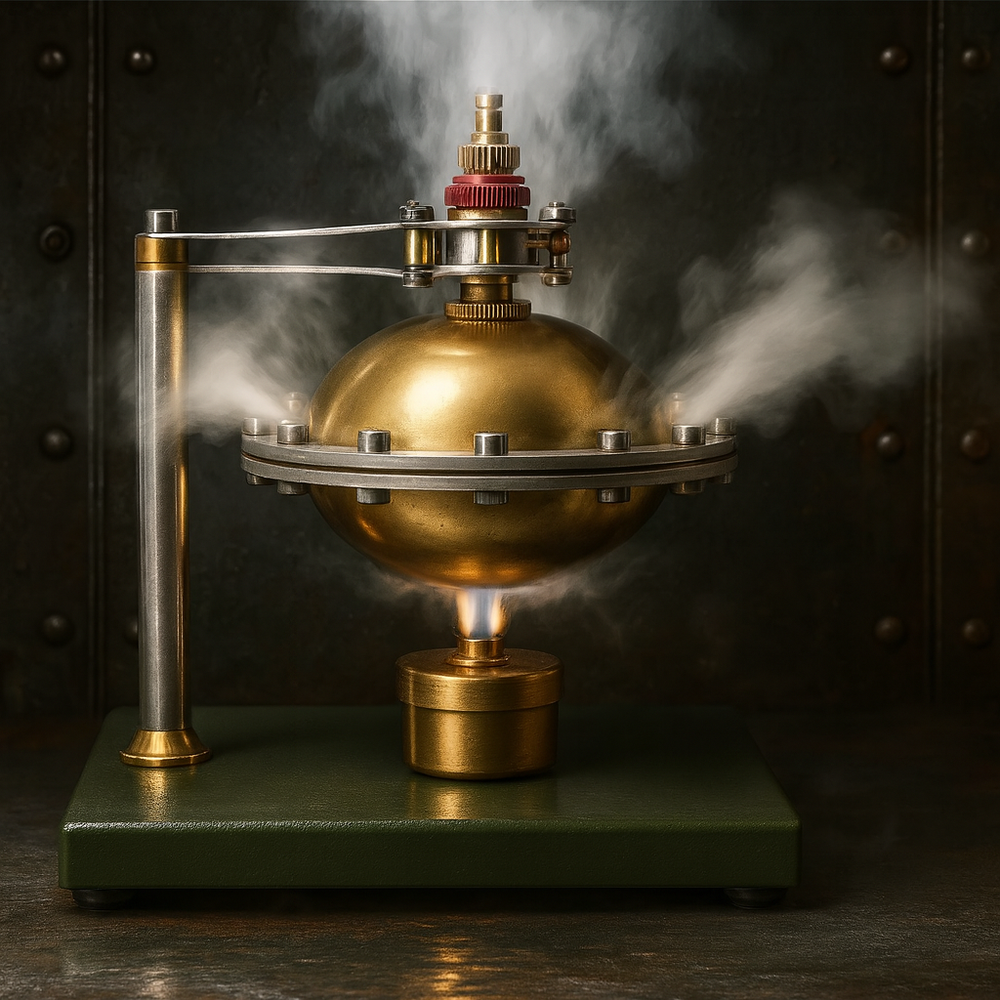
    Flying Saucer Steam Engine Model STEM Educational Mechanical Model
    Flying Saucer Steam Engine Model STEM Educational Mechanical Model
    Enginekitor
    $69.99
    $79.99 SAVE $10.00
    WATER • HEAT • STEAM PRESSURE • MECHANICAL POWER

    Experience Real Steam Power in Miniature Form

    A steam engine model makes one of the most important technologies of the industrial age visible on a workbench. Water is heated to produce steam, steam pressure performs mechanical work, and piston movement is converted into flywheel rotation.

    ENGINEKITOR's collection includes live steam engines, vertical boiler engines, oscillating steam engines, reversible engines, marine steam power units and multi-cylinder brass engines for collectors, mechanical enthusiasts, model-boat builders and STEM learners.

    STEAM ENGINE BASICS

    What Is a Steam Engine?

    A steam engine is a heat engine that uses pressurized steam to perform mechanical work. In a miniature live steam system, water is heated inside a boiler until steam is produced.

    That steam is directed into an engine cylinder, where pressure moves a piston or oscillating cylinder. Connecting rods and a crankshaft then convert reciprocating motion into continuous flywheel rotation.

    HOW IT WORKS

    How Does a Live Steam Engine Work?

    Follow the energy path from water to useful mechanical motion.

    01 Water

    Water is added to a boiler designed to safely contain heated water and steam.

    02 Boiler & Heat

    An external heat source raises the water temperature until steam pressure develops.

    03 Steam Pressure

    Steam travels through tubing and ports toward the working cylinder.

    04 Mechanical Motion

    Steam pressure moves the piston, while the crankshaft and flywheel convert that movement into rotation.

    IMPORTANT DIFFERENCE

    Steam Engine vs Stirling Engine

    Both use external heat, but they convert thermal energy into motion in very different ways.

    STEAM ENGINE

    Uses Water and Steam Pressure

    Water is heated in a boiler. The resulting steam is routed into the engine, where steam pressure performs mechanical work.

    • Uses water
    • Requires a steam source
    • Often uses a boiler
    • Steam pressure drives the mechanism
    • Can power boats, generators and machinery
    STIRLING ENGINE

    Uses a Sealed Working Gas

    A Stirling engine repeatedly heats and cools a sealed working gas. It does not require steam to enter the working cylinder.

    • No steam supply required
    • Closed-cycle working gas
    • Heat applied externally
    • Expansion and cooling create motion
    • Different thermodynamic principle
    Steam engines and Stirling engines are separate engine categories.

    ENGINEKITOR keeps these collections separate so buyers can clearly compare two different types of external-heat engines.

    WHAT IS INCLUDED?

    Complete Live Steam System vs Steam Engine Only

    This is one of the most important differences to understand before choosing a miniature steam engine.

    BOILER + ENGINE

    Complete Live Steam System

    These models combine a steam engine with a compatible boiler or steam-generation system, allowing you to create and use real steam.

    • Boiler included
    • Steam generated by heating water
    • Complete operating demonstration
    • Examples include RW-BL1K and K006
    ENGINE POWER UNIT

    Steam Engine Only

    Some products are the mechanical engine itself and require a separate compatible steam source before they can operate on live steam.

    • Engine supplied without boiler on selected models
    • External steam source required
    • Ideal for custom systems
    • Common in marine steam applications
    Always check the individual product's packing list.

    Do not assume every steam engine includes a boiler, burner, fuel, tubing or other steam-system accessories.

    ENGINE MECHANISMS

    Oscillating vs Reciprocating Steam Engines

    OSCILLATING

    Simple Visible Valve Action

    An oscillating steam engine allows the cylinder itself to pivot slightly as the crank rotates.

    Steam ports are opened and closed through this oscillating movement, producing a compact mechanism with excellent educational visibility.

    RECIPROCATING

    Classic Piston-and-Valve Architecture

    A reciprocating steam engine uses a piston moving back and forth within a cylinder, with a valve mechanism controlling steam admission and exhaust.

    More advanced models can include reversing mechanisms and historically inspired valve gear.

    DIRECTION CONTROL

    What Is a Reversible Steam Engine?

    A reversible steam engine can change the timing or distribution of steam so the crankshaft rotates in the opposite direction.

    This is especially useful for model boats and marine steam systems, where forward and reverse control is highly desirable.

    Advanced models such as the RW-BL1K use a Stephenson-style reversing mechanism, making valve timing and direction control visible as part of the experience.

    CYLINDER CONFIGURATIONS

    Single, Twin & Multi-Cylinder Steam Engines

    SIMPLE & VISIBLE

    Single-Cylinder

    Single-cylinder engines provide a clear introduction to piston motion, crankshaft rotation and steam timing with relatively simple mechanical architecture.

    SMOOTHER DELIVERY

    Twin-Cylinder

    Twin-cylinder engines create additional power strokes at different crank positions, which can provide smoother mechanical operation and stronger marine performance.

    ADVANCED

    Four-Cylinder / V4

    Multi-cylinder engines increase mechanical complexity, visual synchronization and available torque, making them particularly appealing for advanced steamship projects and collectors.

    MARINE STEAM

    Steam Engines for Model Boats

    Live steam remains especially compelling when the engine becomes a functional power source rather than only a desktop demonstration.

    Compact Boats

    Smaller single-cylinder and compact live steam systems can suit lighter custom steam launches when correctly matched to the drivetrain and hull.

    70–130 cm Steamships

    The RW-V2 twin-cylinder engine is designed for model steamships in approximately this size range, providing a dedicated marine steam power unit.

    90–150 cm Steamships

    The RW-V4 adds four-cylinder steam architecture and higher mechanical output for larger steamship projects.
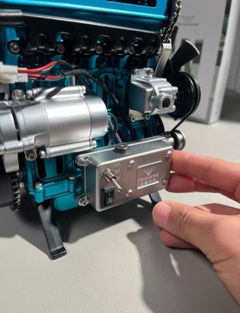
    ENERGY CONVERSION

    How a Steam Engine Generator Produces Electricity

    A live steam generator system demonstrates multiple energy conversions in one compact machine:

    heat → steam pressure → piston motion → flywheel rotation → electricity

    Models such as the KACIO FD-6 use live steam to rotate the engine, which then drives a small electrical generator and provides a highly visible STEM demonstration.

    POPULAR ENGINEKITOR MODELS

    Compare Different Steam Engine Experiences

    These engines serve very different purposes, from complete live steam systems to dedicated marine power units.
    COMPLETE REVERSIBLE LIVE STEAM SYSTEM

    RW-BL1K Live Steam Engine

    A premium brass reciprocating steam system combining a working engine, boiler and reversing valve gear.

    • Real live steam operation
    • Brass boiler system
    • Pressure gauge
    • Water-level indicator
    • Safety valve
    • Forward and reverse control
    • Stephenson-style valve gear
    View RW-BL1K →
    VERTICAL BOILER LIVE STEAM

    K006 Vertical Steam Engine

    A compact complete steam system centered around a vertical boiler, brass cylinder and visible steam piping.

    • Vertical boiler
    • 167 ml boiler capacity
    • Safety valve
    • Water-level monitor
    • Alcohol heat source
    • Visible piston and flywheel motion
    View K006 →
    STEAM POWER GENERATOR

    KACIO FD-6

    A compact oscillating live steam engine that demonstrates the conversion of steam power into mechanical and electrical energy.

    • Vertical oscillating engine
    • Brass construction
    • Boiler operation
    • Generator output
    • Excellent STEM demonstration
    View FD-6 →
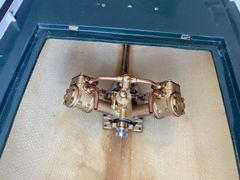
    TWIN-CYLINDER MARINE STEAM

    RW-V2 Marine Steam Engine

    A precision brass V-type twin-cylinder steam engine developed specifically for model steamship applications.

    • Double-cylinder V architecture
    • 6cc displacement
    • Up to 3000 RPM
    • 2 kg/cm² operating pressure
    • Designed for 70–130 cm steamships
    View RW-V2 →
    FOUR-CYLINDER MARINE STEAM

    RW-V4 Steam Engine

    A collector-level four-cylinder steam power unit designed for larger model boats and advanced live-steam projects.

    • V4 steam architecture
    • 12cc displacement
    • Up to 2800 RPM
    • 2 kg/cm² operating pressure
    • Designed for 90–150 cm steamships
    View RW-V4 →
    BUYER'S GUIDE

    How to Choose a Mini Steam Engine

    01

    Decide Whether You Need a Boiler

    Choose a complete live steam system if you want to generate steam immediately. Choose an engine-only power unit if you already have or plan to build a compatible steam system.

    02

    Choose Desktop or Marine Use

    Desktop engines prioritize visibility and demonstration, while marine steam engines must be matched to boat size, drivetrain and required output.

    03

    Choose the Cylinder Count

    A simple single-cylinder engine is easier to understand, while twin and four-cylinder steam engines offer richer synchronized motion and greater mechanical complexity.

    04

    Consider Reversing Capability

    Forward and reverse control is especially useful for marine steam applications and provides an excellent demonstration of steam valve timing.

    05

    Check Operating Pressure

    Engine and boiler must be compatible. Never assume every miniature boiler can safely power every steam engine.

    06

    Check the Packing List

    Confirm whether the product includes the boiler, burner, tubing, lubricator, tools or other accessories required for operation.

    TROUBLESHOOTING

    Why Won't My Steam Engine Run?

    A live steam engine needs sufficient pressure, correct lubrication and low mechanical resistance.

    Insufficient Steam Pressure

    The boiler may not yet be hot enough or pressure may be too low to overcome the engine's initial mechanical resistance.

    Low Water or Incorrect Heating

    Follow the exact boiler procedure and never continue heating if the required water level cannot be confirmed.

    Insufficient Lubrication

    Pistons, bearings and moving joints require the lubrication specified for the exact steam engine.

    Valve Timing or Alignment

    Incorrect timing or mechanical alignment can prevent steam from being admitted to the cylinder at the correct point.

    Steam Leakage

    Loose tubing, fittings or seals can reduce the pressure reaching the working cylinder.

    Flywheel Needs Assistance

    Some miniature engines may require a gentle initial turn of the flywheel once sufficient steam pressure has developed.

    LIVE STEAM SAFETY

    A Steam Boiler Is a Real Pressure Vessel

    Live steam models combine heat, hot water, pressurized steam and rapidly moving mechanical components. Treat them as functional machinery rather than ordinary toys.

    Never intentionally block or modify a safety valve, never operate a boiler dry, and never open or refill a hot pressurized boiler. Keep hands away from hot surfaces and moving parts.

    Always use the water level, fuel, operating pressure and starting procedure specified for the exact model you own.

    WHO THEY ARE FOR

    Why People Choose Live Steam Engines

    Mechanical Enthusiasts

    Observe genuine steam pressure becoming piston and flywheel motion.

    Model Boat Builders

    Use miniature steam engines as functional propulsion systems for advanced steamship projects.

    Collectors

    Brass boilers, polished flywheels and visible valve mechanisms create strong mechanical display value.

    STEM Learners

    Study pressure, heat transfer, reciprocating motion and energy conversion through a physical machine.

    Engineering Educators

    Demonstrate the operating principles behind some of the machines that helped drive the Industrial Revolution.

    Premium Gift Buyers

    Live steam provides a deeper, more interactive mechanical experience than a conventional static model.

    COMMON QUESTIONS

    Steam Engine FAQ

    What is a live steam engine?

    A live steam engine is a functioning model that is actually powered by steam, rather than using an electric motor to simulate steam-engine movement.

    How does a miniature steam engine work?

    Water is heated to generate steam. Steam pressure enters the engine cylinder, moves a piston and is converted through the crankshaft and flywheel into rotary motion.

    Is a steam engine the same as a Stirling engine?

    No. Steam engines use pressurized steam generated from heated water. Stirling engines operate by repeatedly heating and cooling a sealed working gas.

    Does every steam engine include a boiler?

    No. Some products are complete live steam systems, while others are engine-only power units that require a separate compatible boiler or steam source.

    What is an oscillating steam engine?

    An oscillating steam engine uses a cylinder that pivots slightly during operation, allowing steam ports to open and close through the cylinder's movement.

    What is a reversible steam engine?

    A reversible steam engine can alter steam distribution so the crankshaft rotates in the opposite direction. This is especially useful in marine steam applications.

    Can a steam engine power a model boat?

    Yes. Selected marine engines are designed specifically for model steamships. Engine size, boiler capacity, operating pressure and drivetrain must be matched correctly.

    What is the difference between single and twin-cylinder steam engines?

    A twin-cylinder engine has additional steam-driven working cycles at different crank positions, which can provide smoother operation and greater mechanical output.

    Can a miniature steam engine generate electricity?

    Yes. A small generator can be driven from the engine's rotating shaft or flywheel, converting mechanical motion into electrical energy.

    Why won't my steam engine start?

    Common causes include insufficient steam pressure, inadequate lubrication, steam leakage, incorrect valve timing, excessive mechanical resistance or insufficient heating.

    Can I run the boiler without water?

    No. A live steam boiler should never be intentionally heated dry. Always follow the water-level and operating instructions supplied with the exact model.

    What does a boiler safety valve do?

    A safety valve is designed to release pressure when necessary. It is a functional safety component and should never be intentionally blocked or disabled.

    Do miniature steam engines require lubrication?

    Yes. Moving surfaces require the lubrication specified for the engine. Follow the instructions for the exact model because lubrication requirements can vary.

    Are steam engines suitable for STEM education?

    Yes. They can demonstrate thermal energy, pressure, reciprocating motion, crankshaft rotation and mechanical energy conversion.

    Which steam engine is best for beginners?

    A compact complete system with a boiler and relatively simple mechanism is generally easier to understand than a separate high-performance marine engine setup.

    Does ENGINEKITOR provide technical support and replacement parts?

    ENGINEKITOR provides after-sales assistance for supported steam engine models. If an operating or mechanical issue occurs, clear photos or video can help identify the problem and required replacement parts.