NEW RELEASE
More Items, More Savings
Choose more of your favorite models and unlock bigger rewards.
Explore Our Engine Collections.
Discover the machines that inspire curiosity. Explore real working engines, precision mechanisms and extraordinary miniature engineering.
V8 Engines
Explore iconic eight-cylinder architecture, real working miniature engines and precision V8 models.
EXPLORE COLLECTION ↗
Jet & Turbofan
Discover compressors, turbines and aircraft-engine architecture recreated in miniature.
EXPLORE COLLECTION ↗
Mini Engines
Compact working engines designed for real mechanical operation and enthusiasts.
EXPLORE COLLECTION ↗
4-Stroke Engines
Explore intake, compression, power and exhaust through miniature four-stroke engineering.
EXPLORE COLLECTION ↗
Steam Engines
Discover pistons, flywheels and classic steam-powered mechanical motion.
EXPLORE COLLECTION ↗
Stirling Engines
Experience heat transformed into smooth and elegant mechanical motion.
EXPLORE COLLECTION ↗
Not Just a Model. A Real Working Engine.
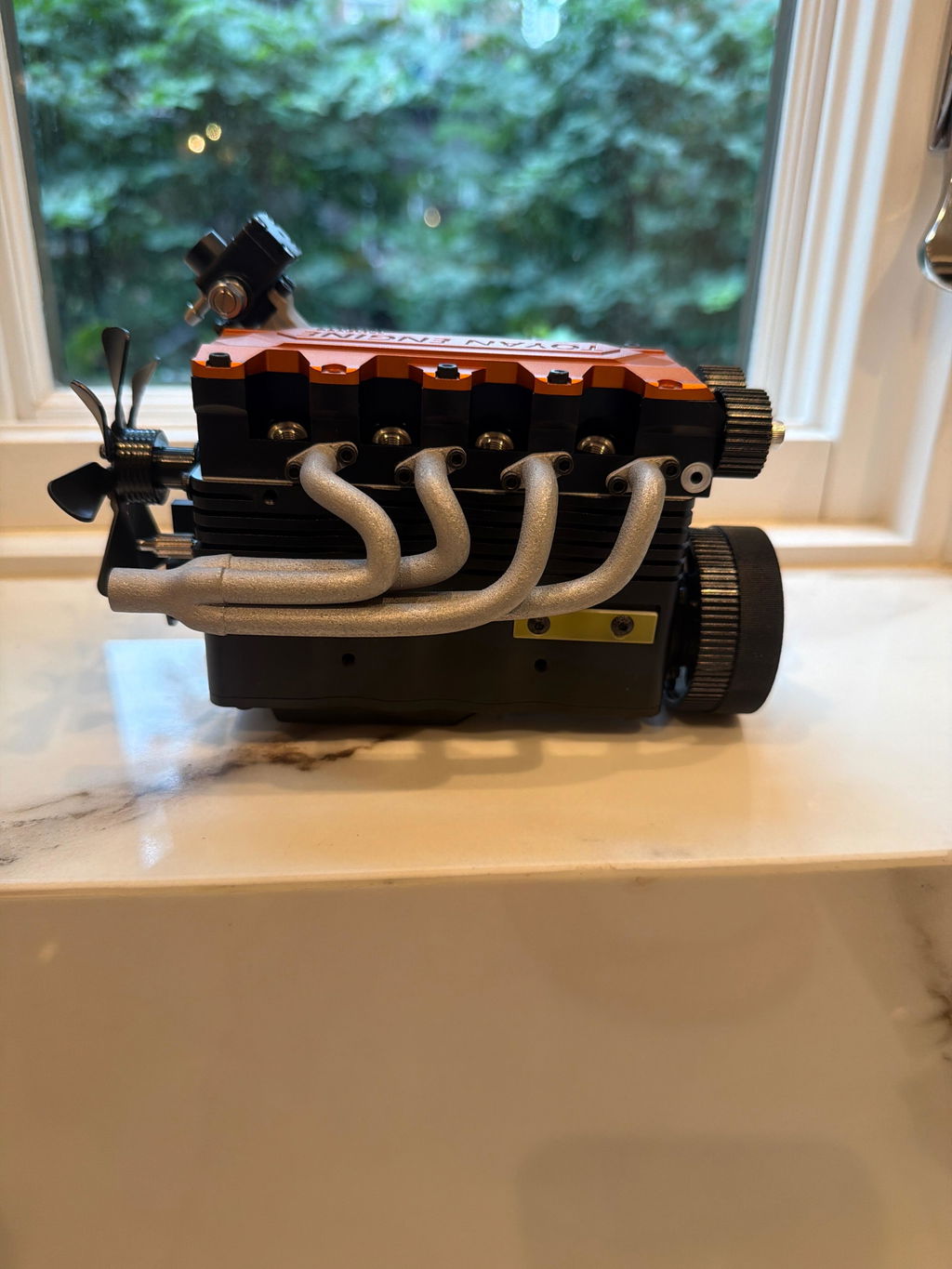
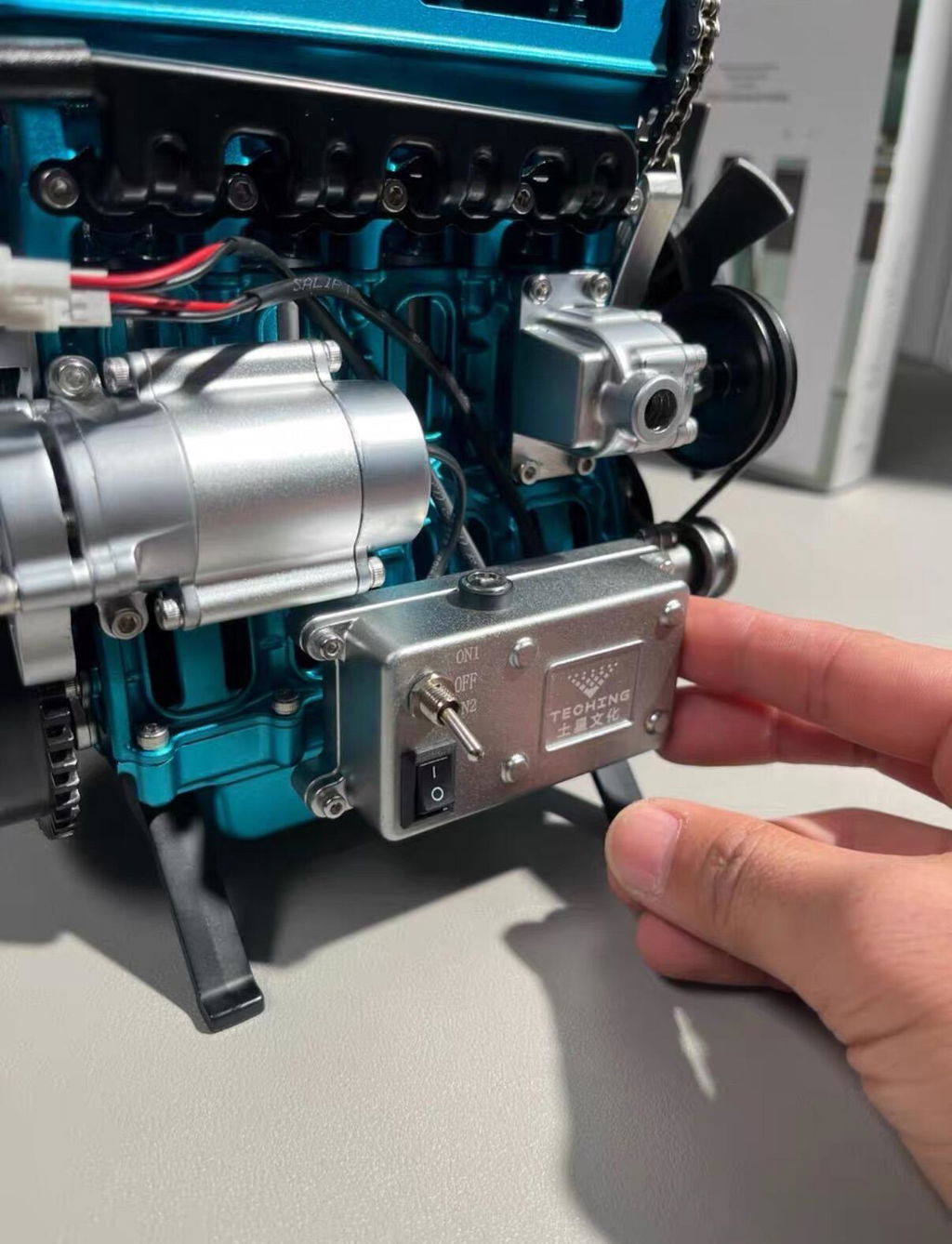
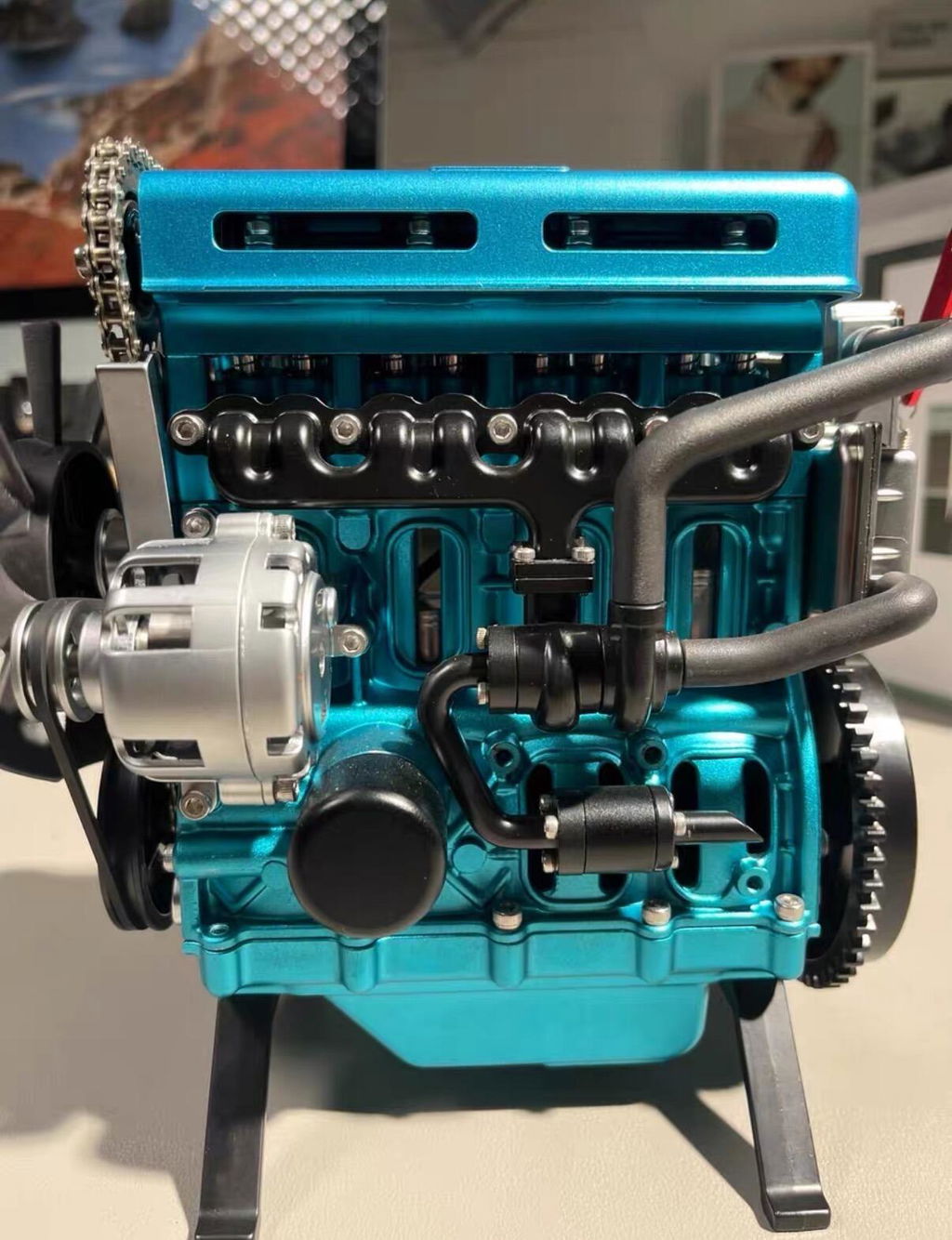
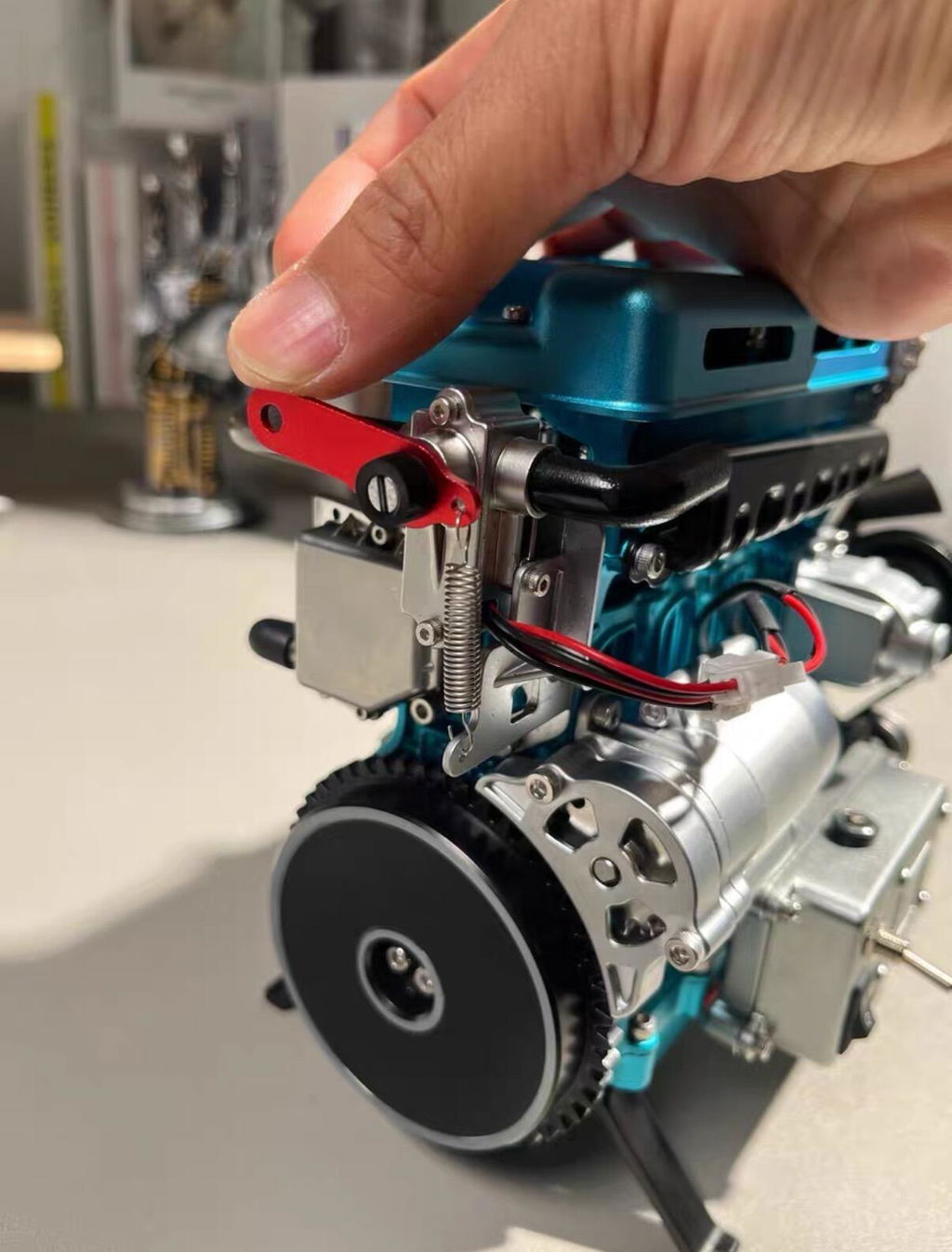
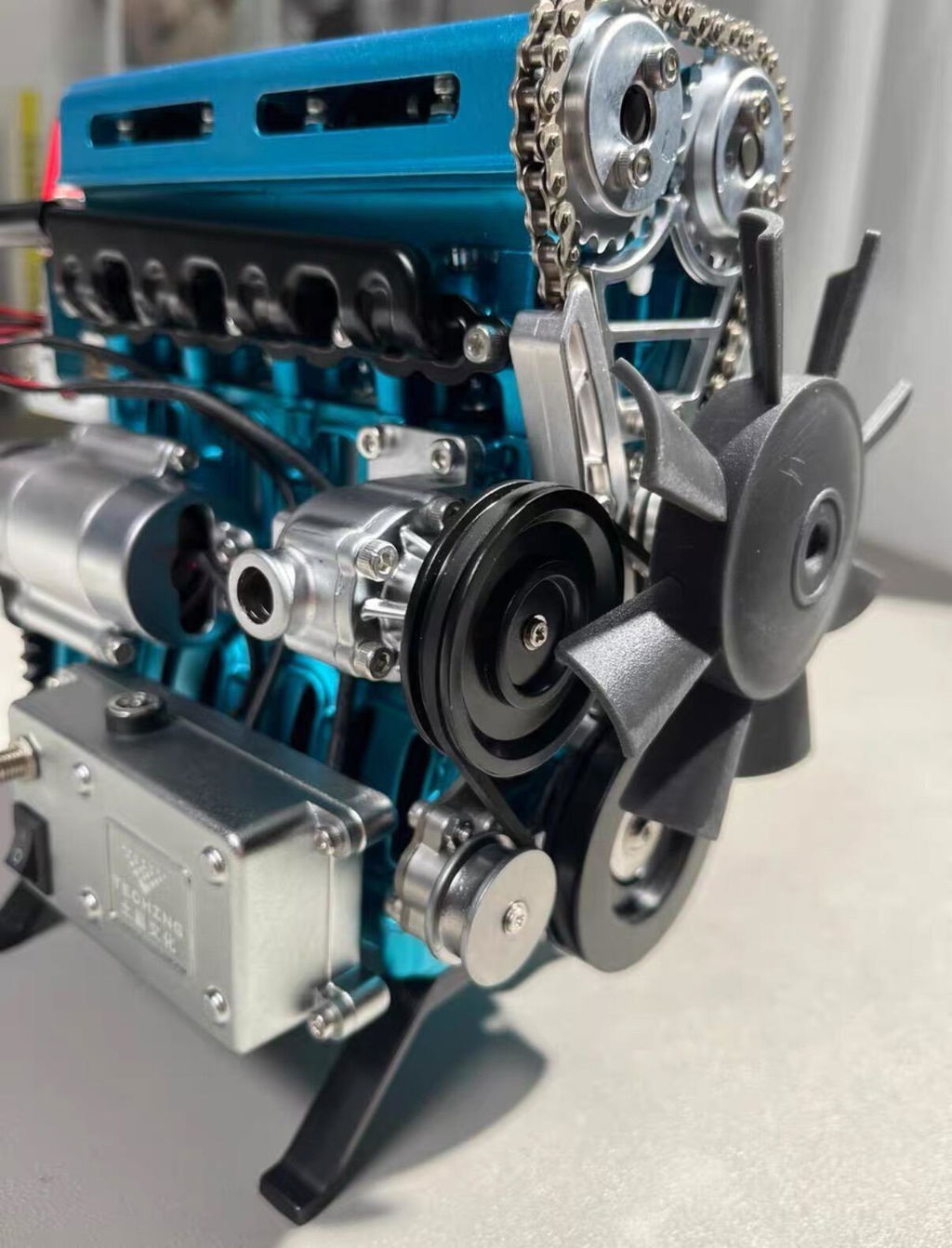
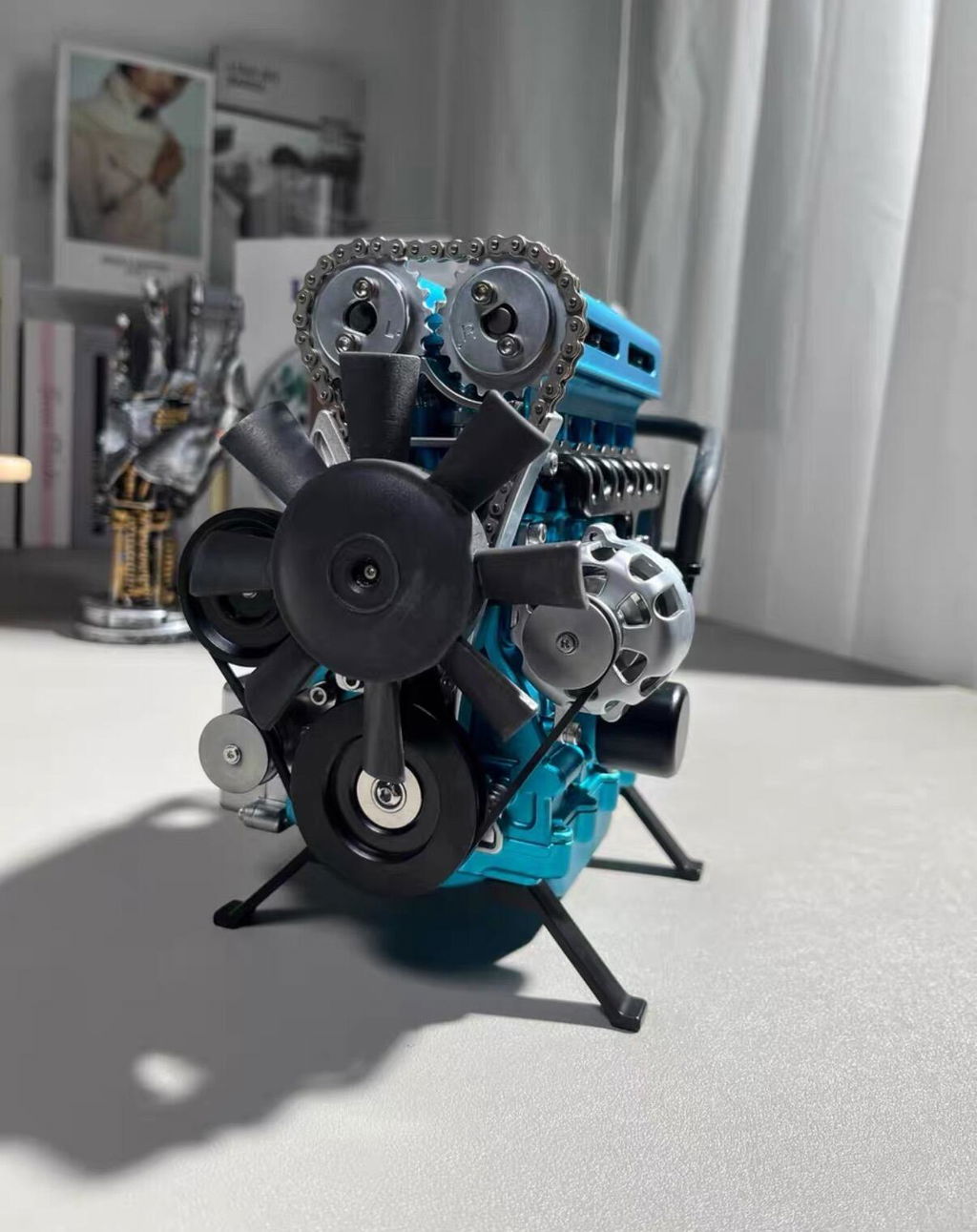
Build it. Start it. Watch it come to life. Experience the engineering behind a real 7.5cc inline twin-cylinder four-stroke gasoline engine — designed to be assembled, operated and explored.
Engine Kit or Engine Kit + Advanced Starter Kit
New Arrivals.
Discover the latest in miniature engineering. Crafted for those who appreciate the extraordinary.
ENGINEKITOR Steampunk Dragon Wing Airship Stirling Engine Model Kit
Build Your Own Steampunk Dragon Wing Airship Bring mechanical imagination to life with the ENGINEKITOR Steampunk Dragon Wing Airship Stirling Engine Model Kit. Combining dramatic red drag...
Fresh From Our Workshop
NEW RELEASE
NEW RELEASE
ENJOMOR GS-V8 78cc DOHC Four-Stroke V8 Gasoline Engine Model – Water-Cooled Real Working 8-Cylinder IC Engine
NEW RELEASE
TECHING 1/4 Scale V12 Engine Model Kit with Synchronized Sound Effects – 800+PCS Metal Supercar Engine Kit
NEW RELEASE
RUIFEIYA V12-180 180cc 1/4 Scale V12 Gasoline Engine Model – DOHC 48-Valve 17HP Water-Cooled Real Working Engine
EVERY MODEL HAS A STORY. DISCOVER YOURS.
Best Sellers.
Discover the models enthusiasts love. Exceptional engineering, unforgettable experiences.
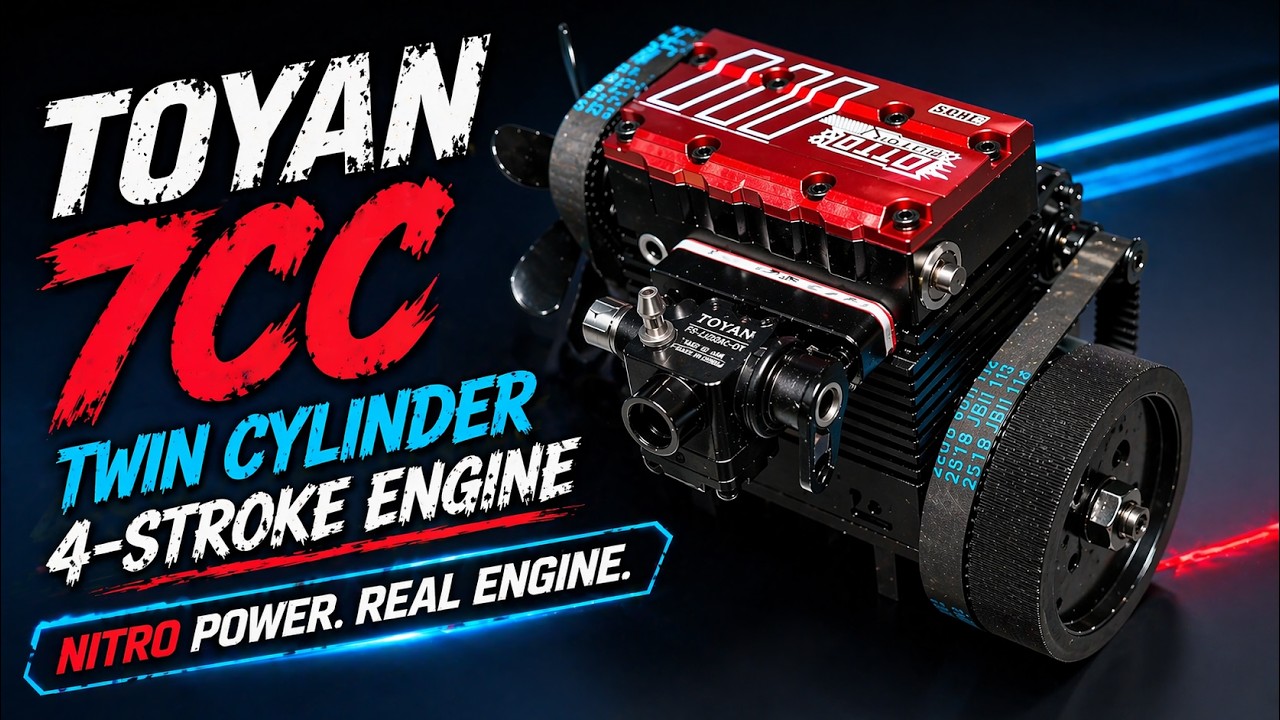
TOYAN 7cc SOHC Inline Twin-Cylinder 4-Stroke Nitro & Methanol Engine Model Kit -FS-L200AC-OT
Precision-Built 7cc SOHC Inline Twin-Cylinder 4-Stroke Engine for Model Engineering Enthusiasts US Warehouse Shipping This product is in stock at our US warehouse.Enjoy faster delivery, ...
More Customer Favorites
#02
TOP PICK
#03
TOP PICK
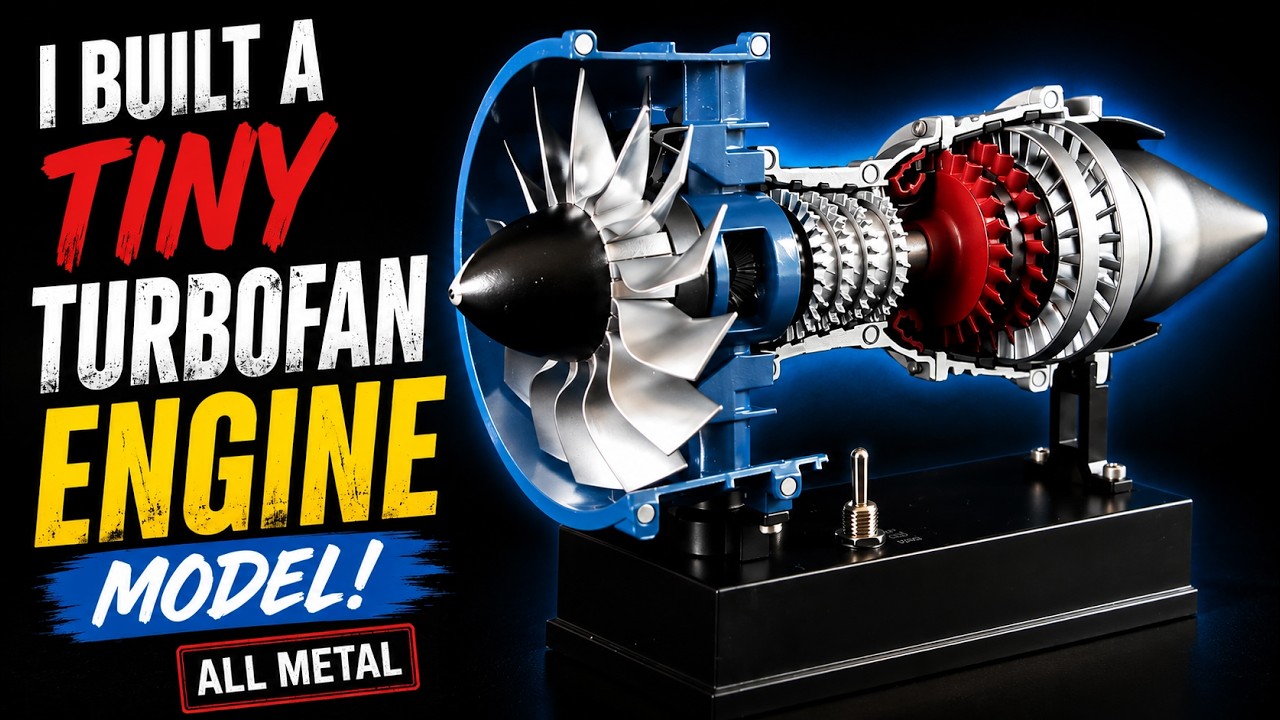
TECHING All-Metal Turbofan Engine Kit that Works – DIY Visible Jet Engine Model for STEM Education & Collectors
#04
TOP PICK
#05
TOP PICK
TOYAN V8 Engine FS-V800WGPC 28cc OHV Gasoline Engine V8 Engine Model Kit - Build Your Own Engine
PROVEN FAVORITES. TIMELESS ENGINEERING.
Ships From the USA.
Explore selected models available from our U.S. warehouse.
AVAILABLE IN THE USA
U.S. WAREHOUSE SELECTION
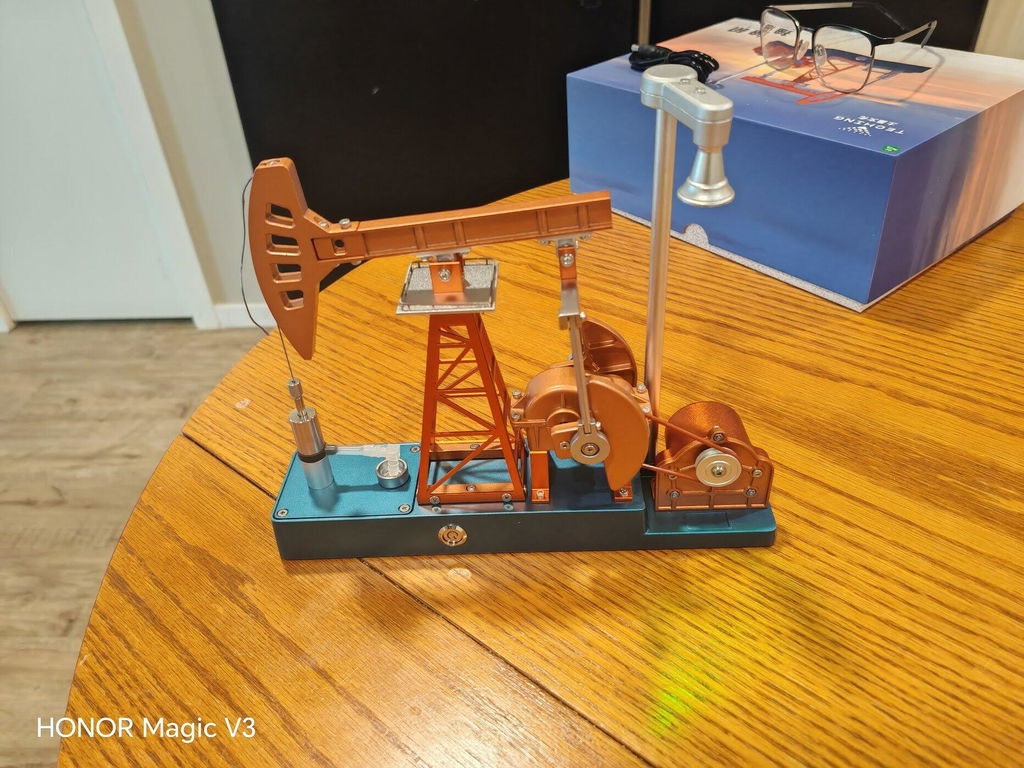
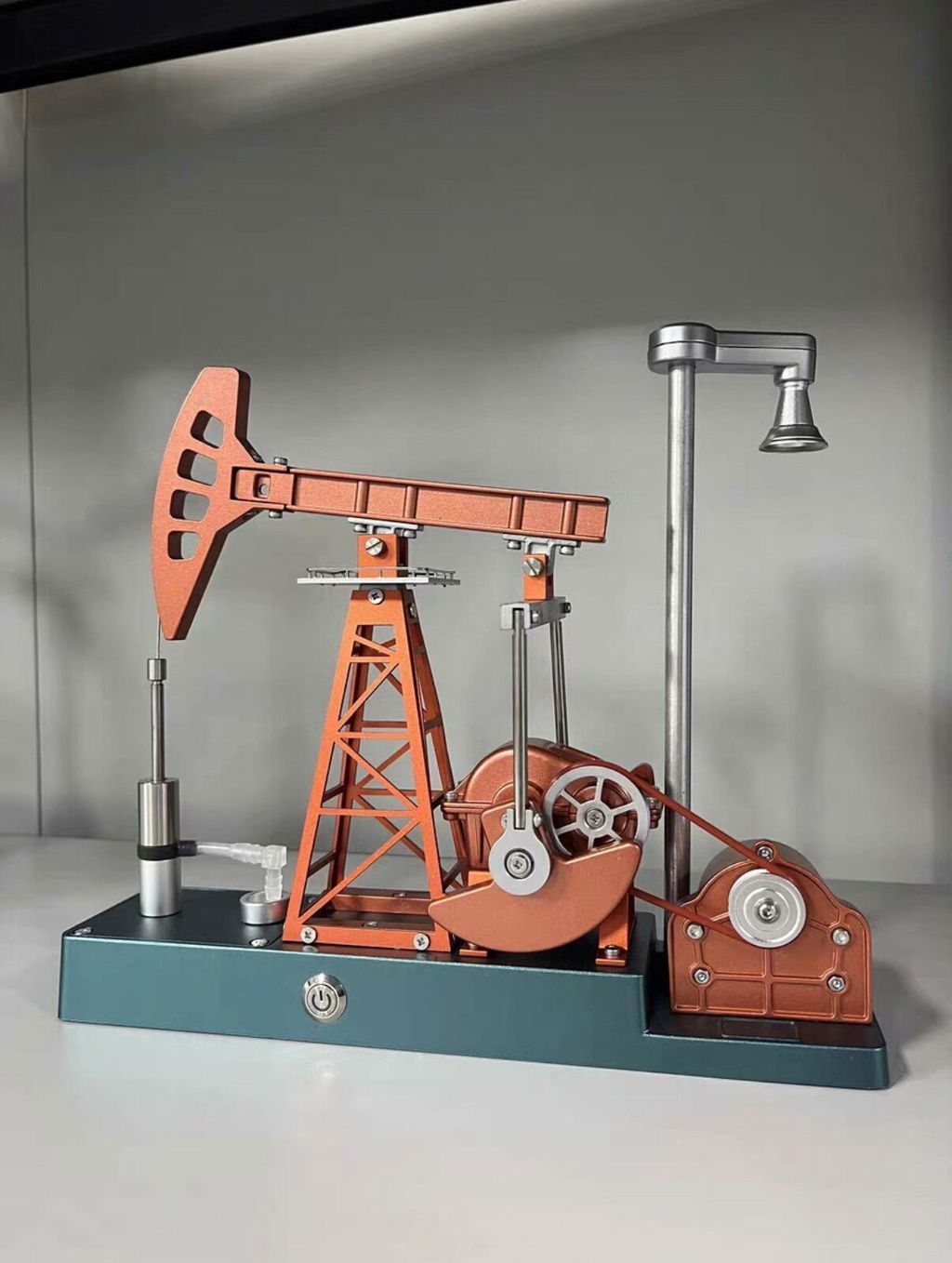
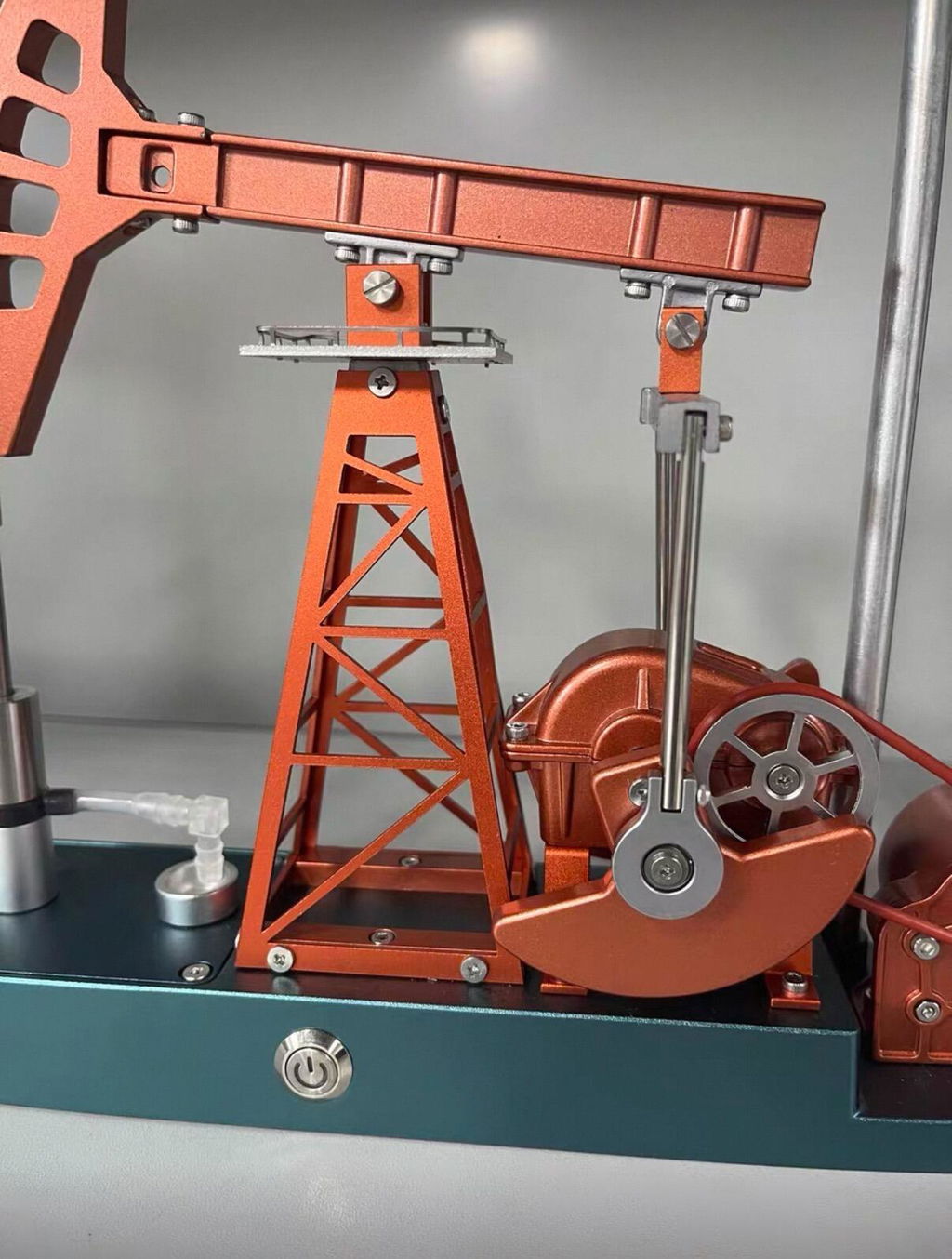
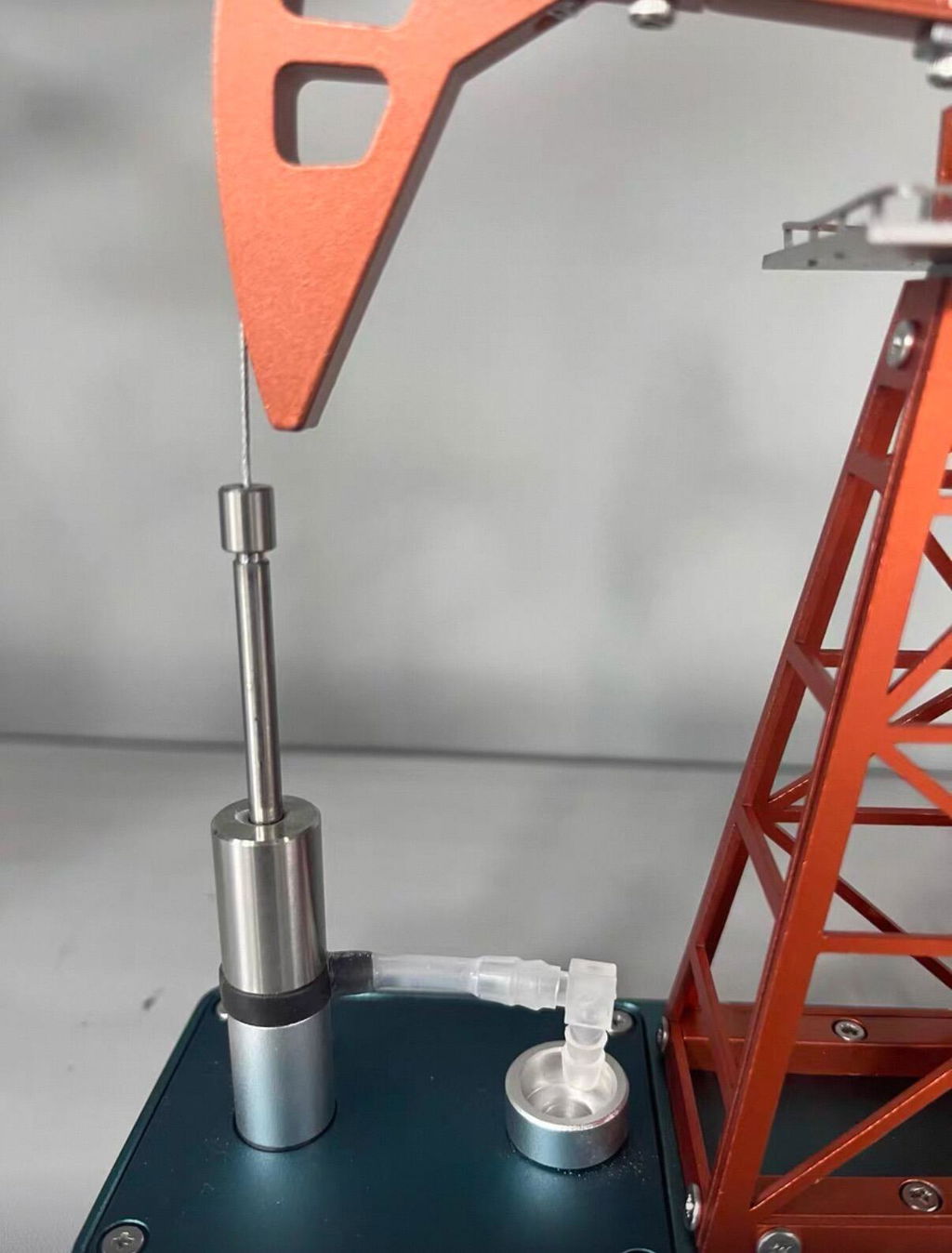
TECHING 219pcs 3D Metal Oil Pump Jack Model Kit - DIY Assembly Science Education Toy Gift with Light Oil Rig Educational Collection
TECHING 219pcs 3D Metal Oil Pump Jack Model Kit - DIY Assembly Science Education Toy Gift with Light Oil Rig Educational CollectionOften referred to as a "Knockout" and used in oil extrac...
More U.S. Warehouse Picks
U.S. WAREHOUSE
TECHING All-Metal Turbofan Engine Kit that Works – DIY Visible Jet Engine Model for STEM Education & Collectors
U.S. WAREHOUSE
TOYAN 7cc SOHC Inline Twin-Cylinder 4-Stroke Nitro & Methanol Engine Model Kit -FS-L200AC-OT
U.S. WAREHOUSE
D16-C Alloy Steel Low Temperature Stirling Engines for Teaching & Research & Hobbies - Best Gifts
SHOP WITH CONFIDENCE. SELECTED ITEMS SHIP FROM THE U.S.
See the Machines in Motion
Real assembly, mechanical detail and operating footage — filmed by creators who actually build and inspect these machines.
Full Engine Build
Building a 7cc Twin-Cylinder Engine From Scratch
Follow a complete twin-cylinder build from individual components through mechanical assembly and startup.
Mechanical Build
Building a Functional Miniature Engine
See the mechanical layout, assembly process and fine details of a compact working engine model.
Creator Review
A Steam Engine Put to the Test
A hands-on look at the engine and boiler system filmed in a real mechanical enthusiast's workshop.
Aircraft Engine
Building a Working Radial Engine
Watch an experienced aircraft model builder assemble the engine and inspect its mechanical construction.
Gasoline Engine
A Mini Gasoline Engine Up Close
Take a closer look at compact engine construction and real gasoline-powered operation.
Turbofan Build
Building a Miniature Turbofan Engine
See hundreds of precision mechanical components come together into a detailed miniature turbofan assembly.
Creator Feature
More Real-World Mechanical Engineering
Another hands-on creator perspective on miniature mechanical engineering and real-world operation.
Creator-produced footage gives you a closer look at assembly, construction, scale and real-world mechanical operation before choosing your next model.
Explore ENGINEKITOR on YouTubeModel Engine Building FAQ
Clear answers for choosing, building and operating miniature engine models. Explore practical guidance for mechanical kits, real working engines and more.
Choosing Your Engine Model
What is an engine model kit?
An engine model kit is a scale model that recreates the structure, movement or operating principles of an engine. Depending on the design, it may be a hands-on mechanical assembly, an electric motor-driven demonstration model, or a genuine miniature combustion engine. Check each product page to understand whether the model is a DIY kit, a partially assembled model or a ready-to-run product.
Do model engine kits actually work?
Many do, but the meaning of “working” depends on the model. Some miniature engines use real fuel and combustion to produce power. Others use an electric motor to move pistons, gears, shafts, fans or other visible mechanisms. Steam and Stirling models operate through their own specific heat-powered principles. Always check the operating method stated on the individual product page.
What is the difference between a real working engine and a mechanical engine model?
A real miniature combustion engine uses fuel, ignition and internal combustion to generate mechanical power. It may also need lubrication, cooling, starting equipment and tuning. A motor-driven mechanical model uses an electric drive to demonstrate how components move and interact, without operating through fuel combustion. Both offer an engaging engineering experience, but their setup and maintenance requirements are different.
Which engine model is best for beginners?
If you are new to mechanical models, consider a simpler motor-driven assembly, Stirling engine or steam engine project. These can introduce moving parts and basic mechanical principles without the fuel, ignition and tuning requirements of a combustion engine. If you are interested in a real gasoline or nitro engine, review its product details and instructions first so you understand the additional setup involved.
Are engine model kits suitable for adults and collectors?
Yes. Many ENGINEKITOR models are designed for adult hobbyists, engineering enthusiasts, collectors and STEM learners. Detailed mechanical structures, multi-cylinder layouts and miniature operating systems can make these projects rewarding to build, study and display. Check the product page for the model's complexity and recommended experience level.
What can I learn from building an engine model?
Depending on the model, you can explore how pistons, crankshafts, connecting rods, valves, gears, timing systems, rotors, compressors and turbines work together. Some models also introduce concepts such as combustion, heat transfer, energy conversion and mechanical timing. The specific learning experience depends on the engine design.
What is the difference between V8, V12, inline and twin-cylinder models?
These terms describe cylinder number and arrangement. A V8 has eight cylinders arranged in two banks, while a V12 has twelve cylinders in two banks. An inline engine places its cylinders in a single row, and a twin-cylinder engine has two cylinders. The layout affects the model's appearance, mechanical architecture and complexity. Operating method still depends on the individual product.
Assembly & Building
Do all ENGINEKITOR models require assembly?
No. Assembly requirements vary by product. Some are multi-part DIY kits intended to be assembled by the customer, while others arrive partially assembled or are designed mainly for operation and display. Read the product title, description and included-items information before ordering if the assembly experience is important to you.
What tools do I need to build a model engine?
Many mechanical kits can be assembled with precision screwdrivers, hex keys, small wrenches and pliers. The exact tools depend on the model and its fasteners. Advanced miniature combustion engines may also require model-specific setup or starting equipment. Check the product page and instruction manual to confirm what is included and what you need to prepare separately.
How long does it take to assemble a model engine?
There is no single assembly time for every model. It depends on the number of parts, mechanical complexity, instruction detail and your experience. A simpler model may be completed in a shorter session, while a detailed multi-cylinder project can take multiple sessions. Work carefully, organize the components and follow the instructions rather than rushing.
Are instructions or assembly videos provided?
Instruction availability varies by product. Many kits include a printed manual, and selected models also have video guidance or downloadable instructions. Visit our Instructions page to check the available guides. If you cannot find the guide for your exact model, contact our support team with the product name or order number.
What should I do if a part seems missing or does not fit?
Pause the assembly and compare the part with the manual and parts list. Check whether the component may be packed in another compartment or attached to a neighboring part. Do not force a component into place. If it still appears to be missing or incorrect, send our support team your order number, the part number if available, and clear photos of the parts and relevant assembly step.
Can beginners assemble a real miniature gasoline engine?
It is possible for a careful beginner to learn, but a real miniature gasoline engine is generally more demanding than a simple mechanical model. In addition to assembly, it may involve fuel delivery, ignition, timing, lubrication, cooling and startup procedures. Read the model-specific instructions and make sure you are comfortable with the required setup before operating it.
Operation & Care
What fuel do miniature working engines use?
Fuel requirements are model-specific. Some miniature engines are designed for gasoline, while others use nitro or methanol-based model-engine fuel. Mechanical motor-driven models, steam engines and Stirling engines have different operating methods and may not use liquid engine fuel at all. Use only the fuel specified by the manufacturer for your exact model. Never substitute fuel types based on appearance or assumption.
Do real miniature engines include everything needed to run?
Not always. Depending on the model and package option, additional items such as fuel, batteries, ignition equipment, a starter, fuel tank, cooling components or other accessories may be required. Some products offer a separate starter or accessory kit. Carefully review the product's included-items list and compatibility notes before purchasing.
What should I check before starting a completed engine?
Follow the exact manufacturer's startup checklist for your model. In general, confirm that assembly and fasteners are secure, moving parts turn as intended, and the required lubrication, fuel, cooling, ignition and electrical connections are correctly prepared. Keep hands, loose clothing and objects away from moving parts. Operate only in a suitable, well-ventilated area and never force a mechanism that feels unusually tight.
Why does my miniature engine fail to start?
A starting issue can have several causes, including an incorrect fuel type, insufficient fuel delivery, ignition or battery problems, incorrect settings, timing issues, or an assembly problem. The correct checks vary by engine. Refer to the product manual first. If the issue continues, send our support team a short video showing the startup attempt, the model name and a description of the setup so we can help narrow down the cause.
Why is lubrication important for a working model engine?
Lubrication helps reduce friction and wear between moving components. The correct lubricant and lubrication points depend on the engine design. Use only the lubricant and maintenance procedure specified for your exact model. Do not assume that all miniature engines use the same oil or lubrication method.
Do miniature engines need cooling?
Cooling requirements depend on the model. Some real working combustion engines use air cooling or liquid cooling, while many electric mechanical models do not require an engine cooling circuit. For a water-cooled model, prepare and check the cooling system exactly as described in its instructions before operation. Never run a model in a way that contradicts its specified cooling requirements.
How should I maintain and store my engine model?
Follow the maintenance instructions supplied with the model. Keep the engine clean and dry where appropriate, inspect fasteners and moving parts periodically, and store fuel and operating accessories safely according to their instructions. For combustion engines, follow the manufacturer's guidance for post-run cleaning, lubrication and storage. Avoid applying one maintenance routine to every engine type.
Orders & Customer Support
How can I check the shipping status of my order?
When your order has been shipped, use the tracking information provided in your shipping confirmation email. Tracking updates may take some time to appear after the carrier receives the parcel. If you need help locating your tracking information, contact us with your order number and the email address used at checkout.
Can I change or cancel my order after placing it?
Please contact us as soon as possible if you need to change or cancel an order. Changes may not be possible once an order has entered processing, packing or shipment. Include your order number and the change you are requesting so our team can check the order status.
What if my product arrives damaged or has a problem?
Please contact our support team and provide your order number, clear photos of the outer packaging and product, and a short video if the issue affects operation. This information helps us understand the problem and determine the appropriate next step. Please keep the packaging and affected parts until the case has been reviewed.
Can I request replacement parts or technical assistance?
Yes. For supported products, our team can help review parts and technical issues. To speed up the process, provide your order number, exact model name, part number if known, and clear photos or video showing the issue. Contact us at service@enginekitor.com.
Where can I find ENGINEKITOR's return information?
Please review the current terms on our Refund & Return Policy page before sending an item back. If you have a question about eligibility or the return process, email service@enginekitor.com with your order number. Our team will advise you on the next steps.
Try another search term or select a different category.