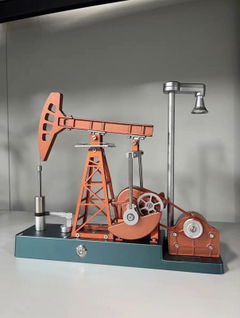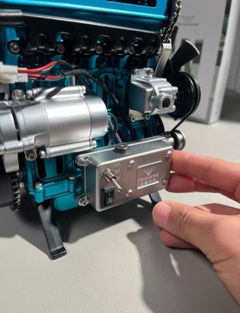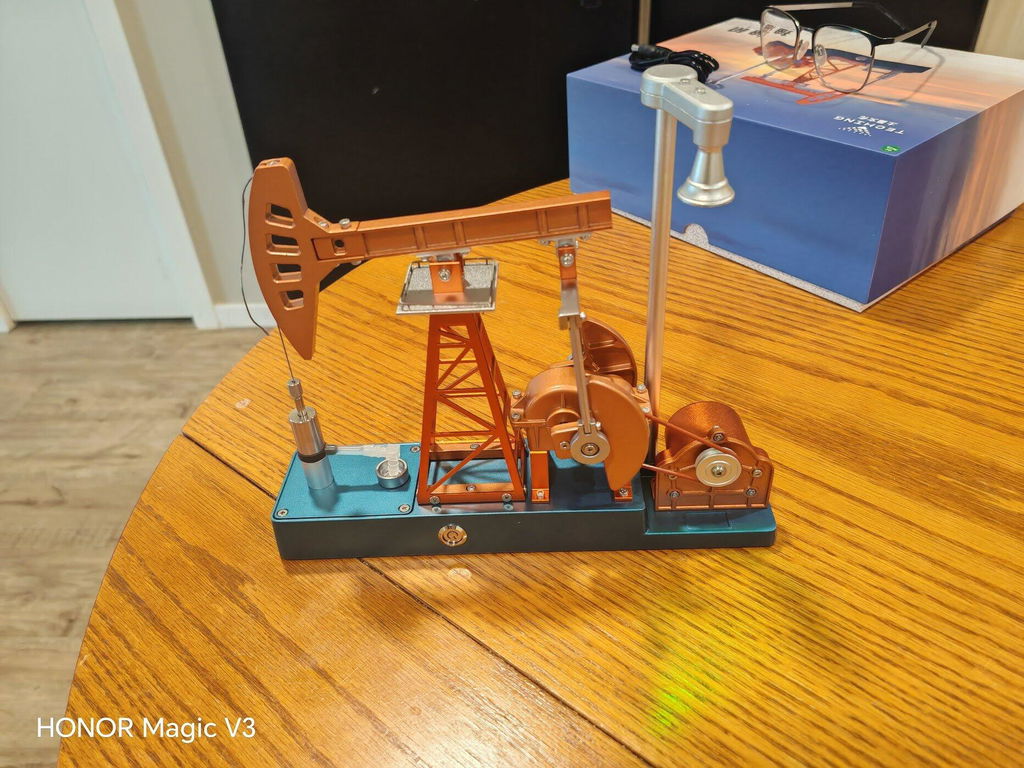
STEM Engine Model Kits & Engineering Education Models

STEM Engine Model Kits & Engineering Education Models

Filter

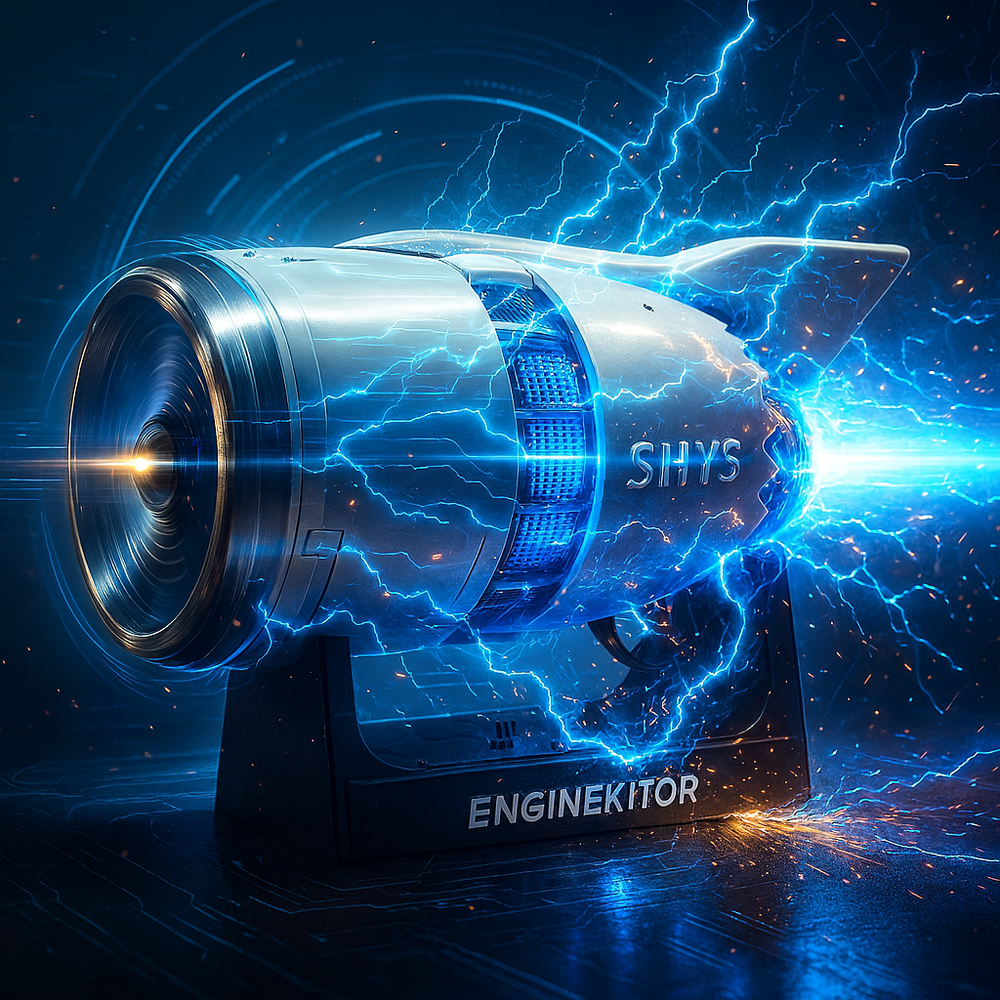
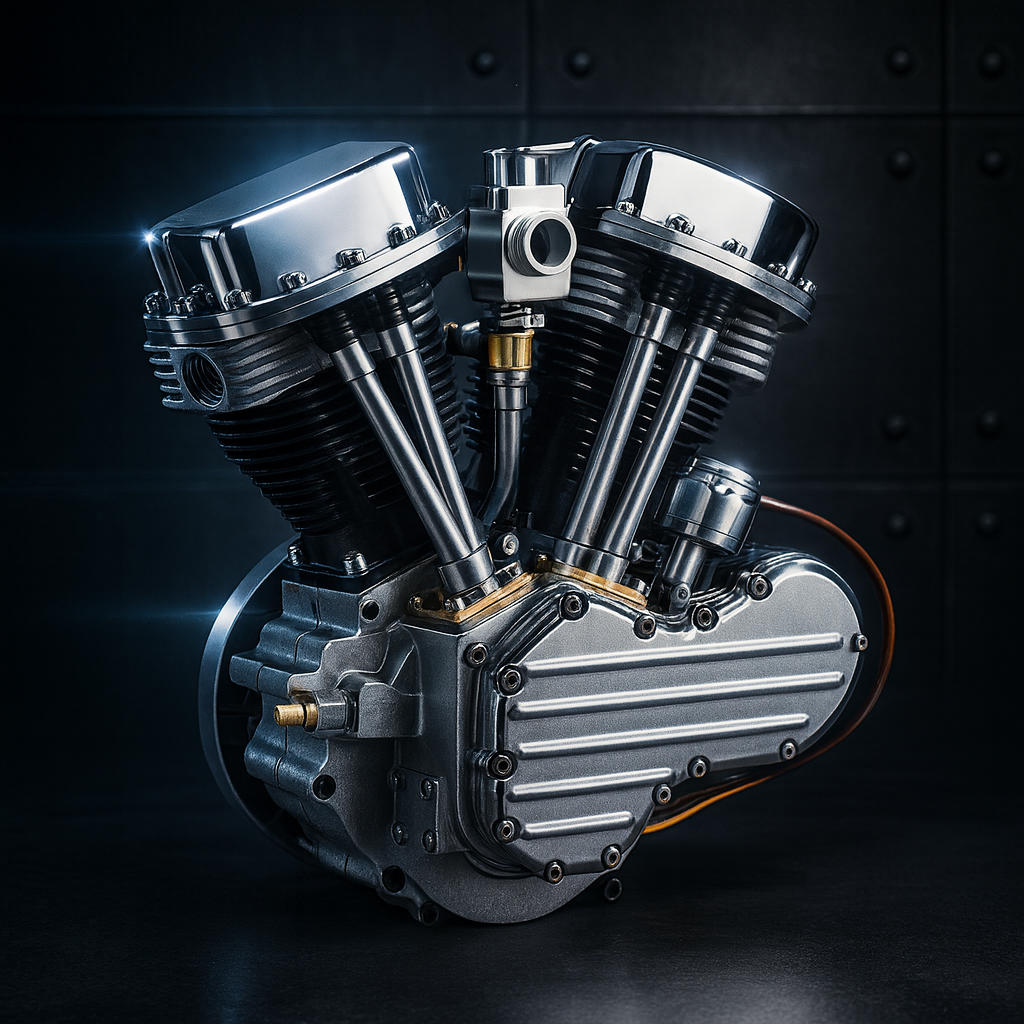
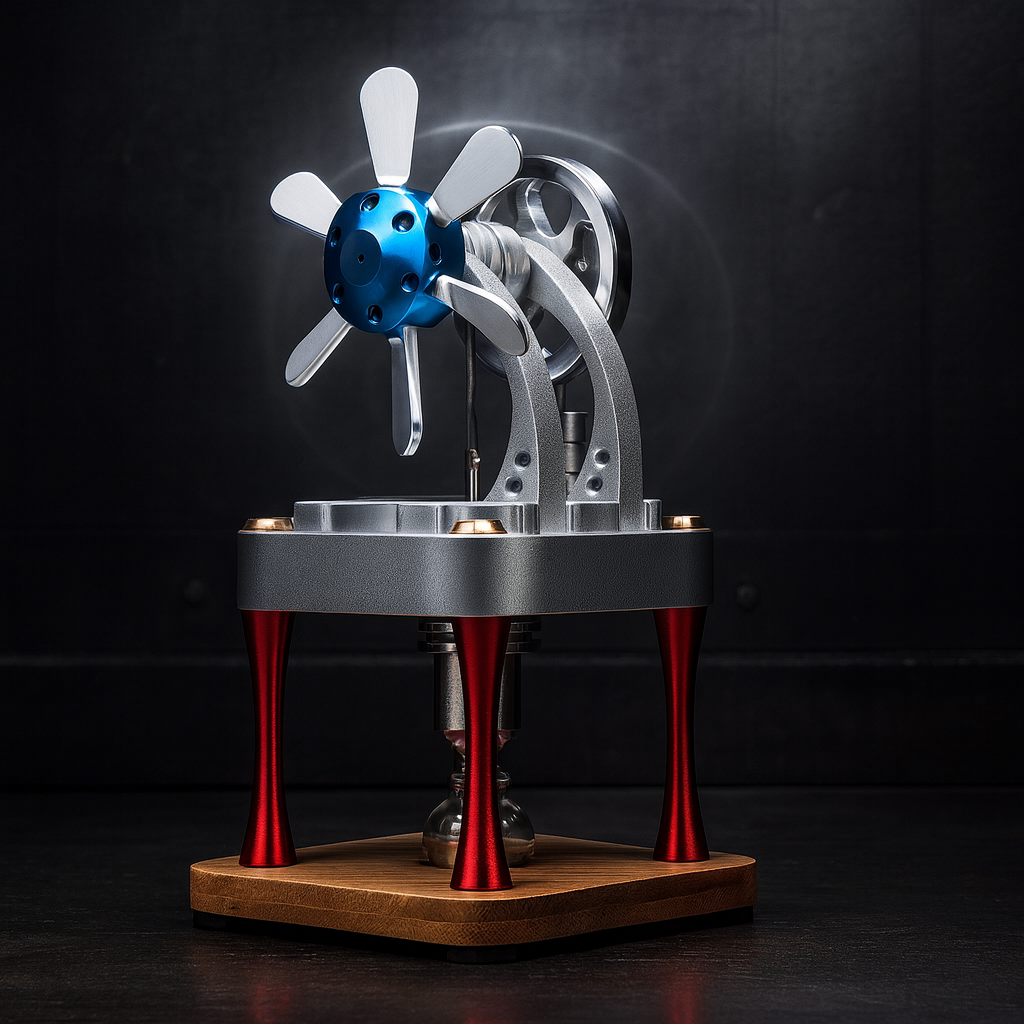
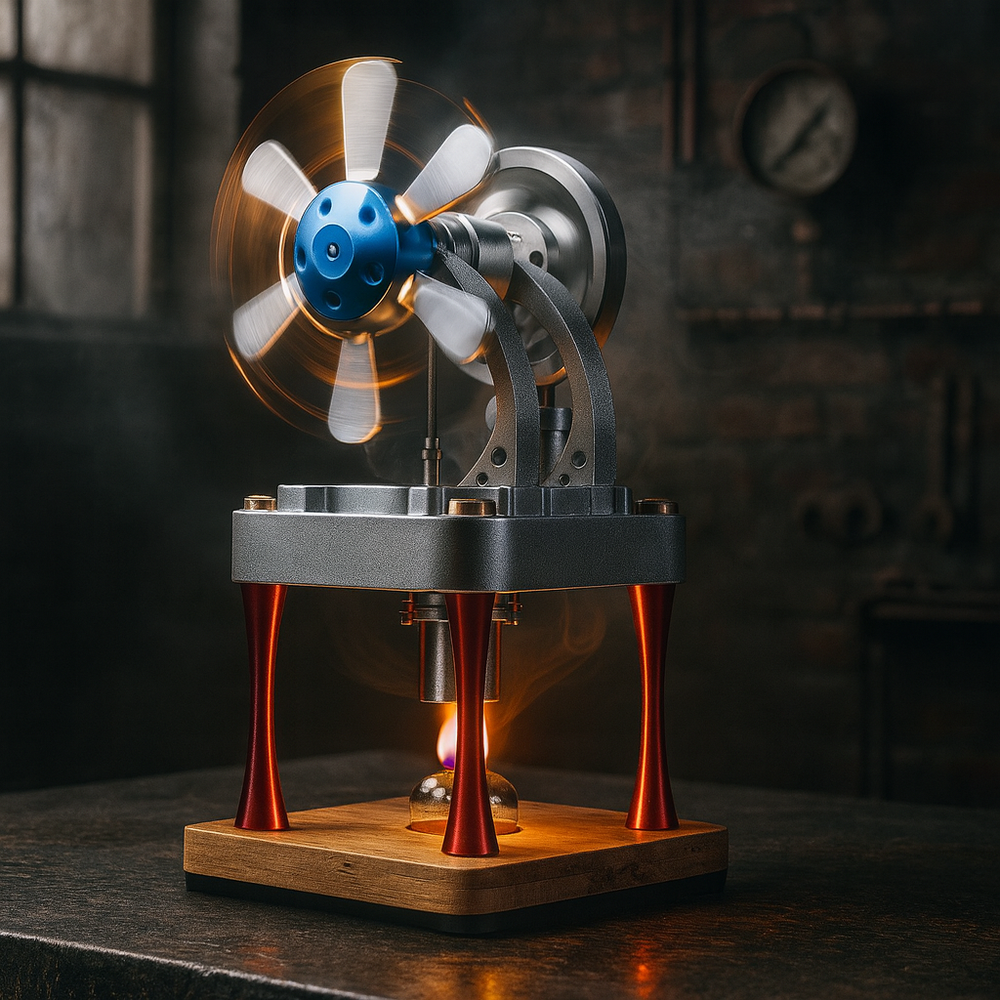
    Explore ENGINEKITOR’s collection of STEM engine model kits and engineering education models designed for hands-on mechanical learning. From visible piston and crankshaft systems to turbofan engines, steam power, Stirling engines and mechanical linkages, these models help make engineering principles easier to observe and understand.

    Designed for adult learners, engineering enthusiasts, educators and appropriate STEM learning environments, these mechanical engineering models can demonstrate motion, energy transfer, timing, gears, turbines, thermodynamics and other real-world engineering concepts through physical interaction.


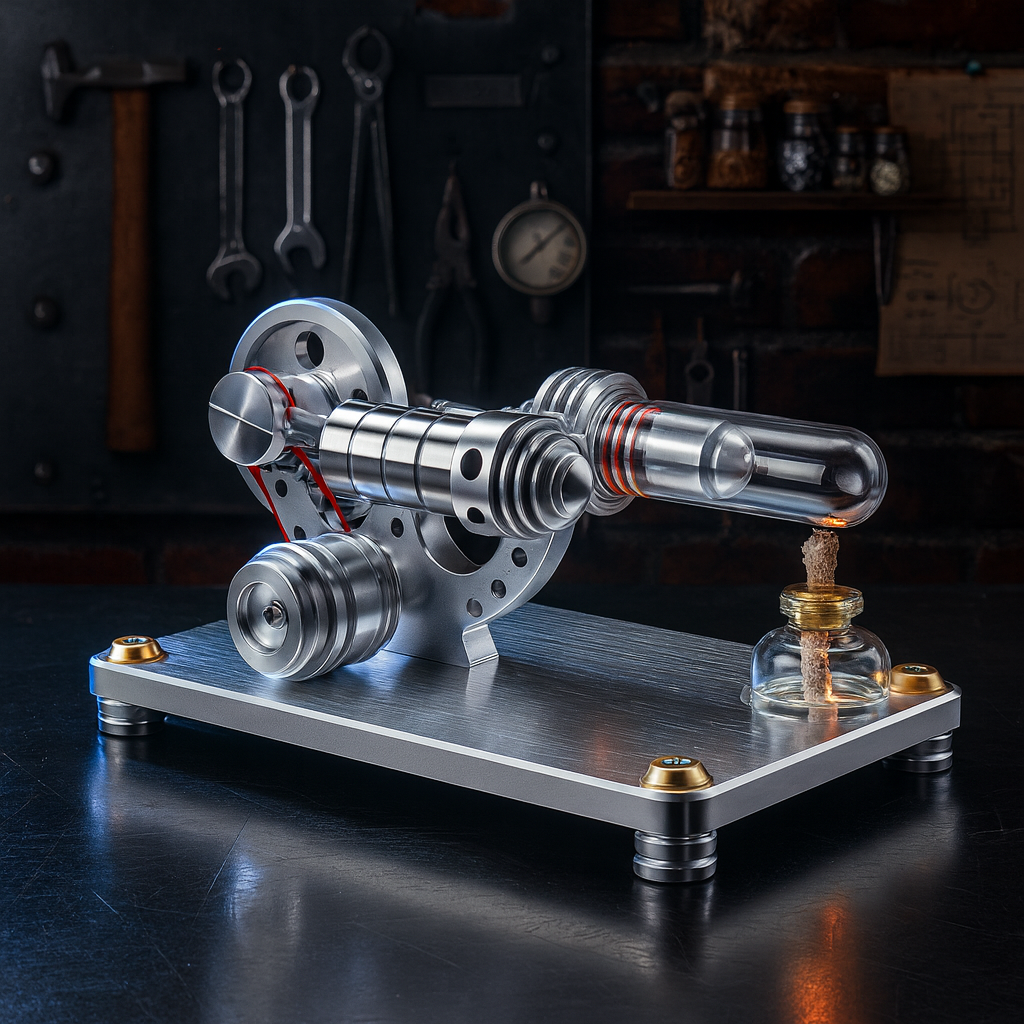
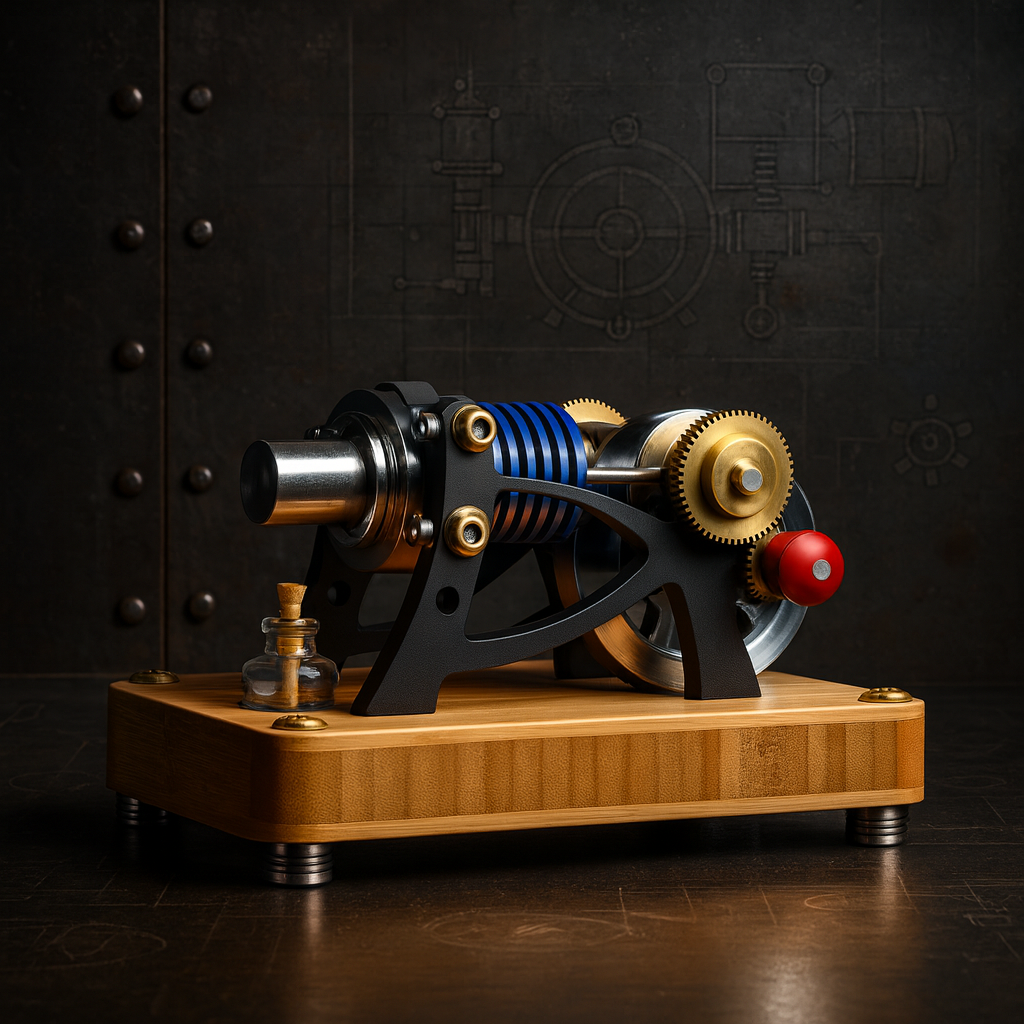
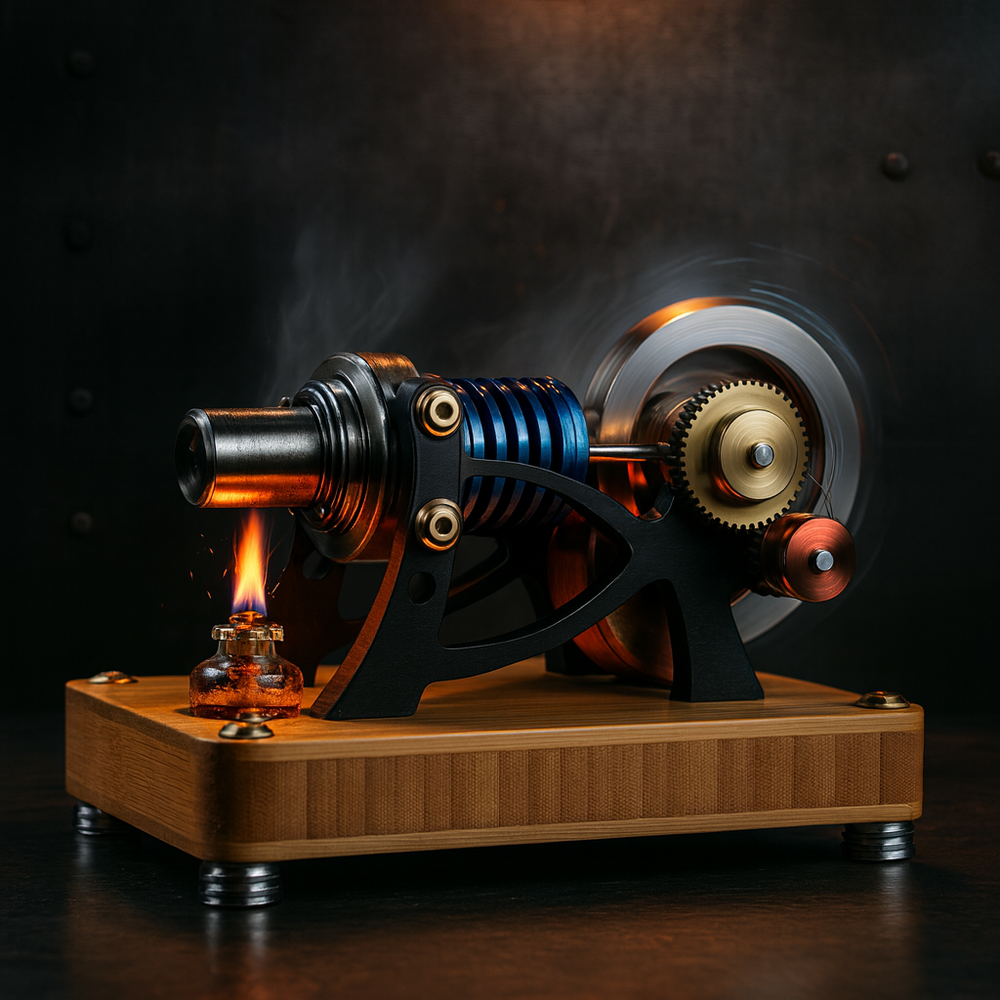
    Stirling Engine Generator Steam Engine Physics Experiments Popular Science Science Making Engine Models
    Stirling Engine Generator Steam Engine Physics Experiments Popular Science Science Making Engine Models
    Enginekitor
    $69.99
    $79.99 SAVE $10.00
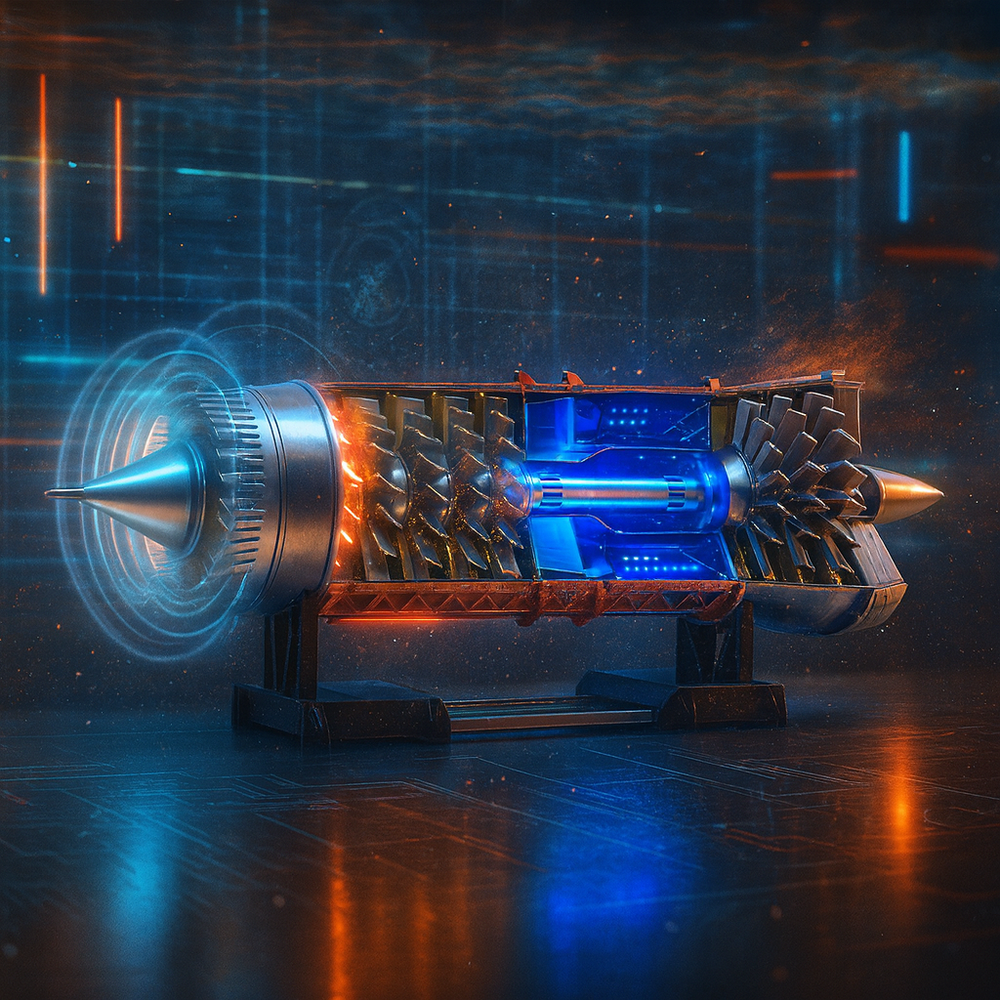
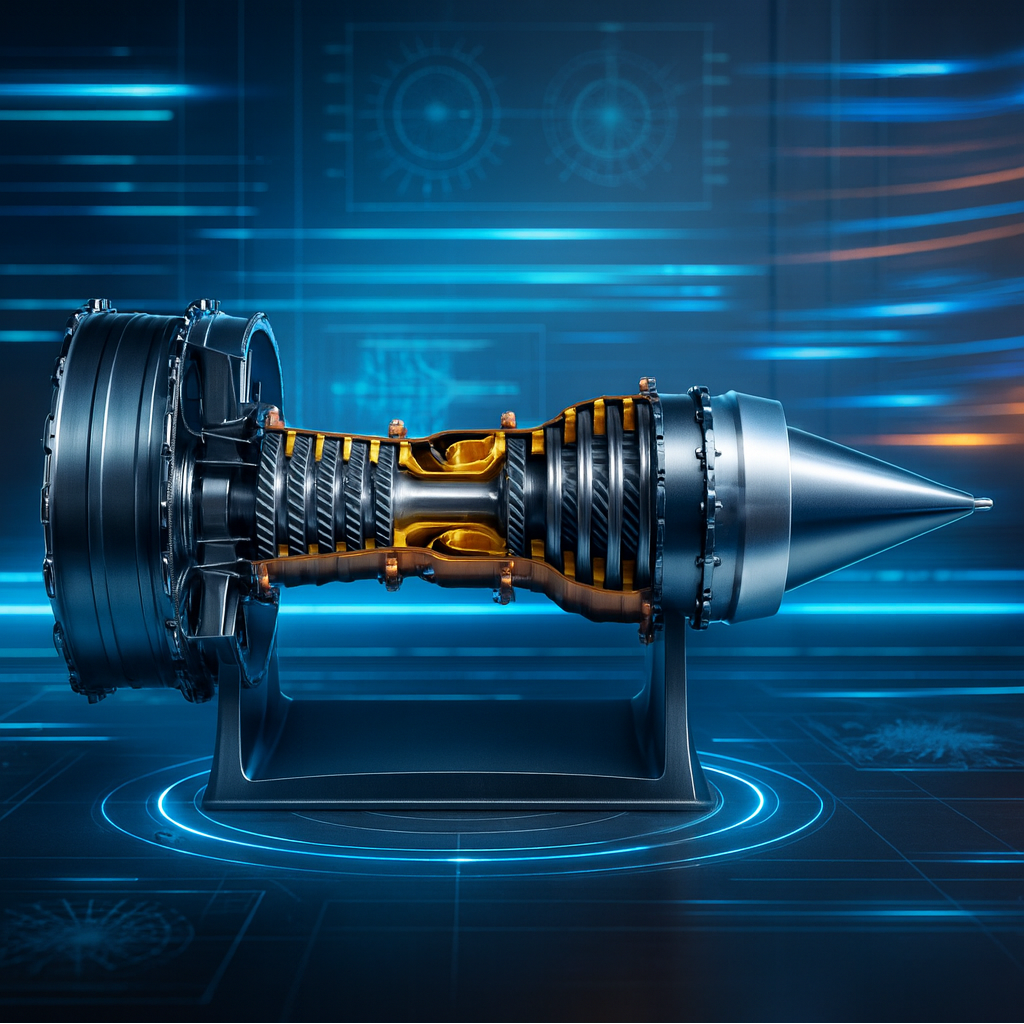
    ENGINEKITOR 1/20 Scale Pratt Whitney F100 Low Bypass Turbofan Engine Model – Build Your Own Engine(57CM/22.4INCH)
    ENGINEKITOR 1/20 Scale Pratt Whitney F100 Low Bypass Turbofan Engine Model – Build Your Own Engine(57CM/22.4INCH)
    Enginekitor
    $329.99
    $379.99 SAVE $50.00
    Stirling Metal Engine Generator Steam Engine DIY Engine Kit Gold Edition with LED Lights
    Stirling Metal Engine Generator Steam Engine DIY Engine Kit Gold Edition with LED Lights
    Enginekitor
    $79.99
    TECHING DM136 1/4 Scale Metal Turboshaft Engine Model Kit – Working Helicopter T700 Engine Replica | Full-Metal Build, Electric-Driven Simulation
    TECHING DM136 1/4 Scale Metal Turboshaft Engine Model Kit – Working Helicopter T700 Engine Replica | Full-Metal Build, Electric-Driven Simulation
    Enginekitor
    $599.99
    $699.99 SAVE $100.00
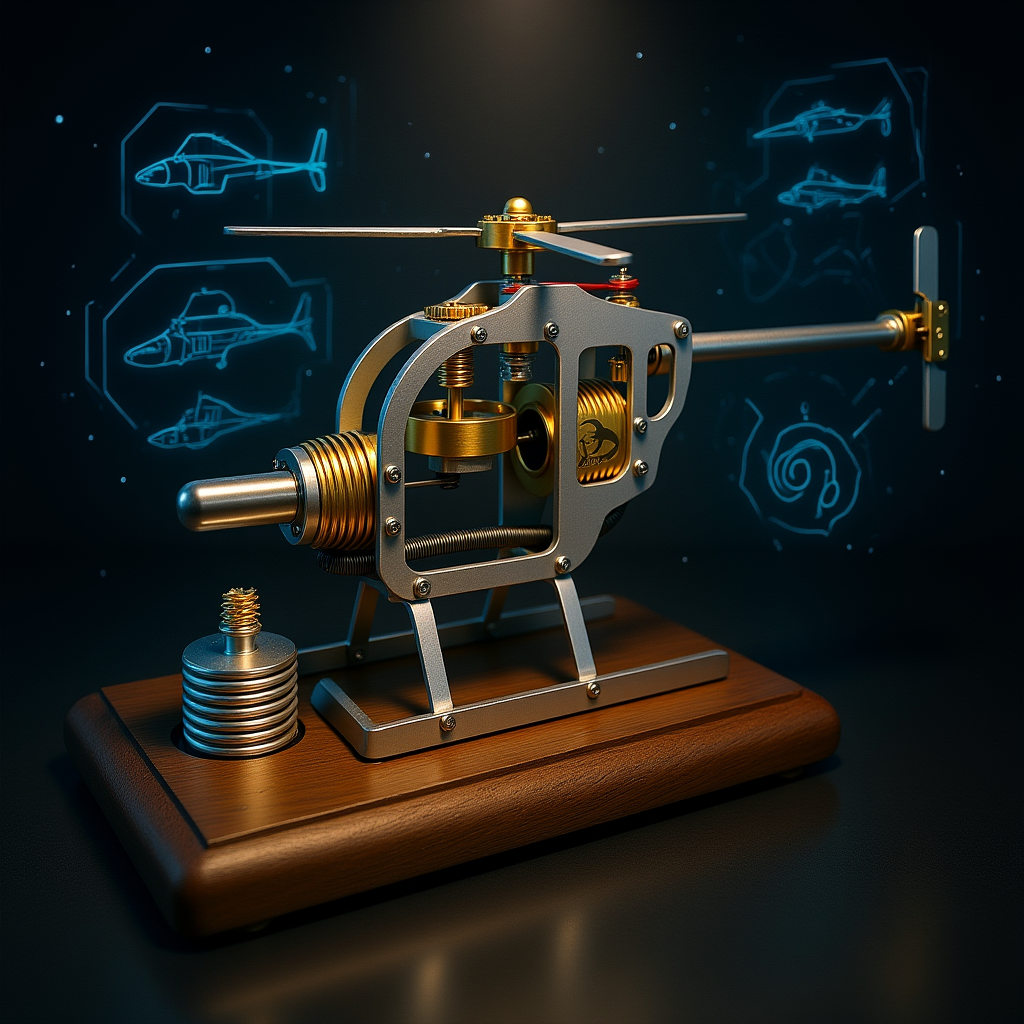
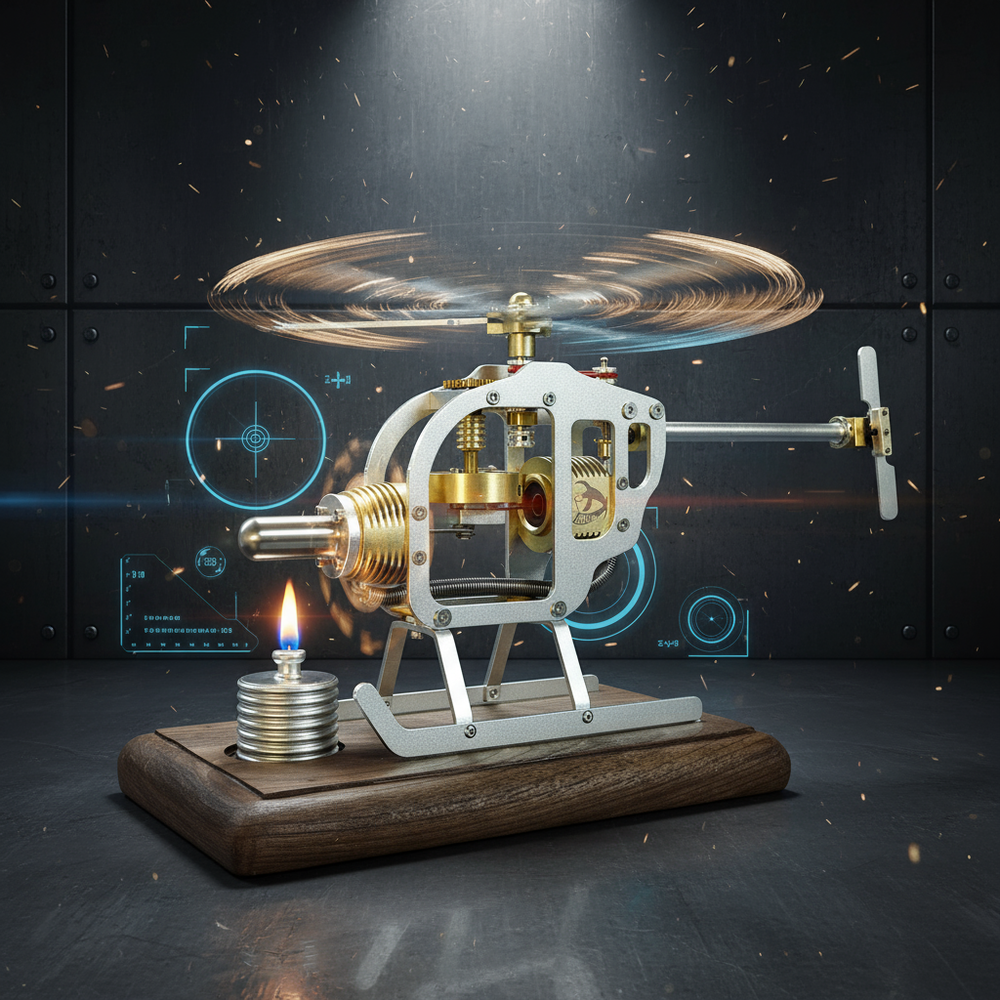
    Stirling Engine Helicopter Stirling Engine Model - Bulid Your Own Engine
    Stirling Engine Helicopter Stirling Engine Model - Bulid Your Own Engine
    Enginekitor
    $169.99
    $199.99 SAVE $30.00
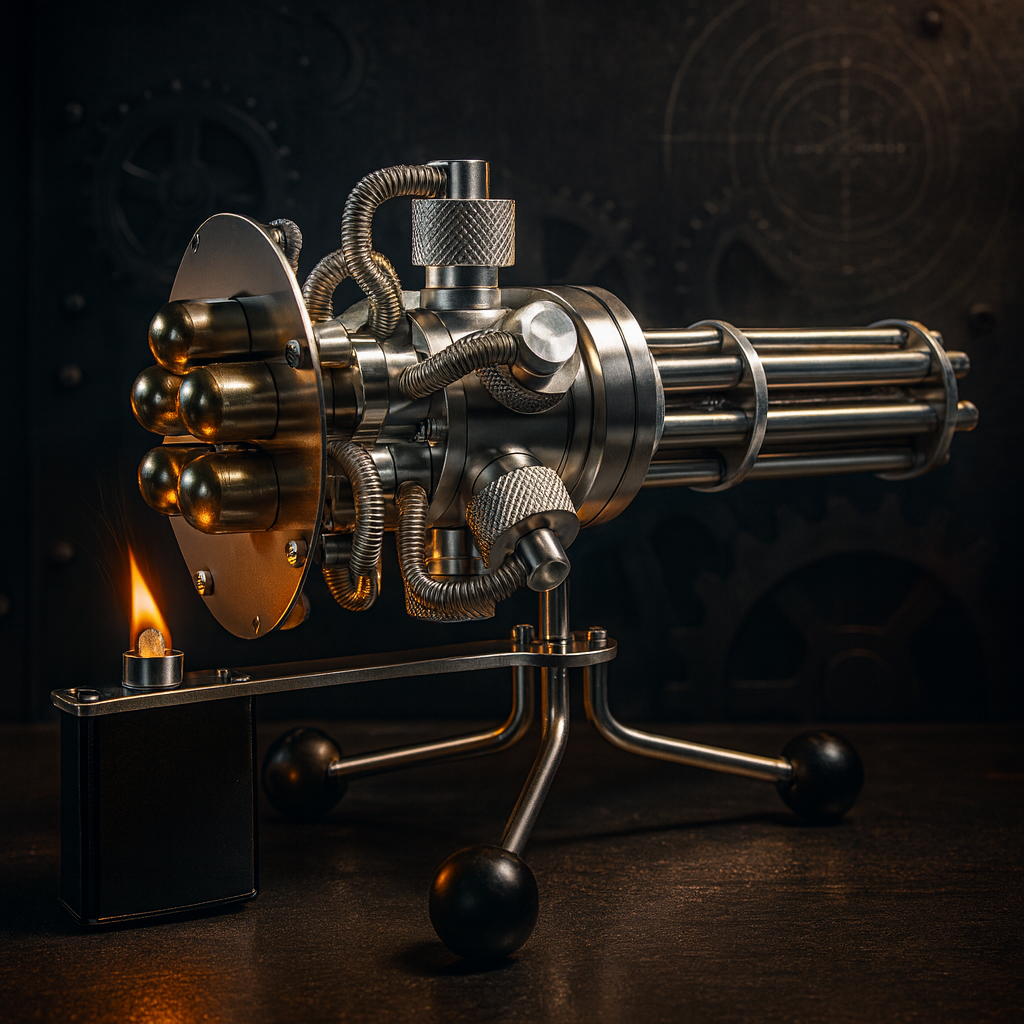
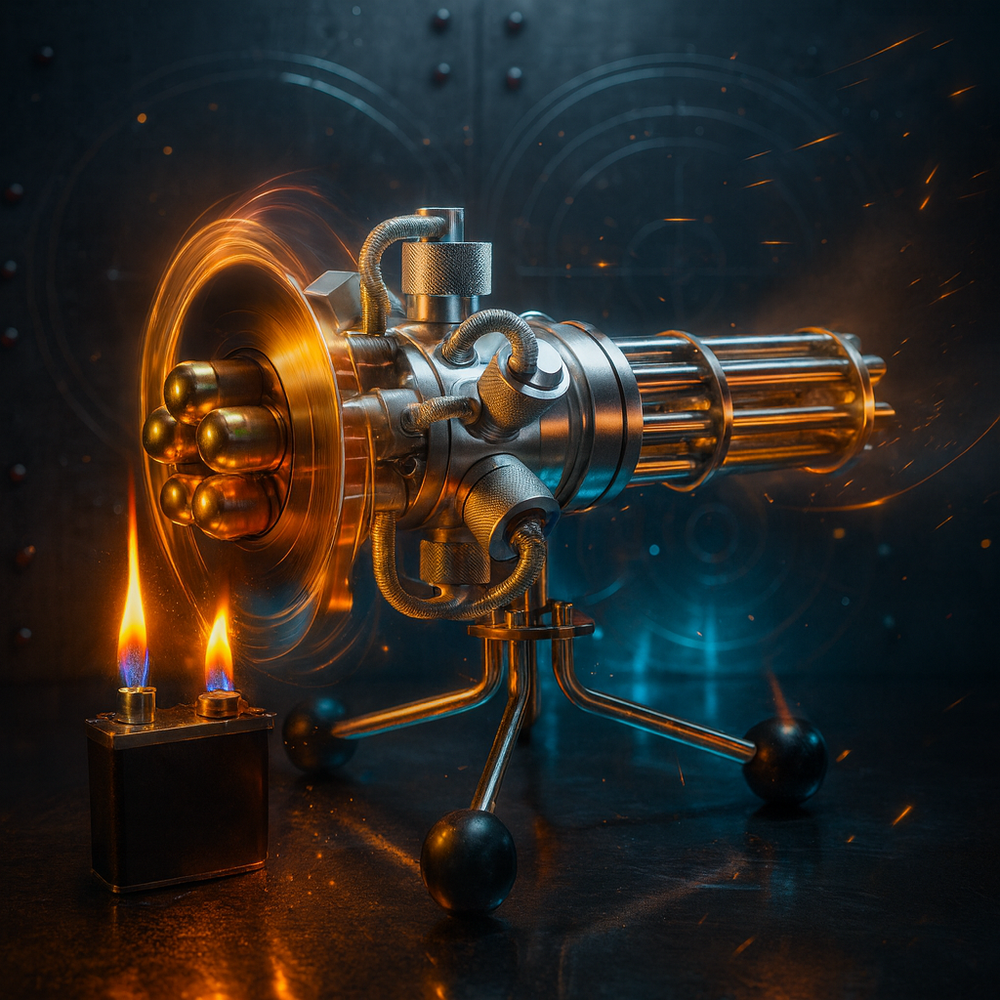
    Stirling Engine Gatling HMG Stirling Engine Model - Build Your Own Engine
    Stirling Engine Gatling HMG Stirling Engine Model - Build Your Own Engine
    Enginekitor
    $229.00
    $259.99 SAVE $30.99
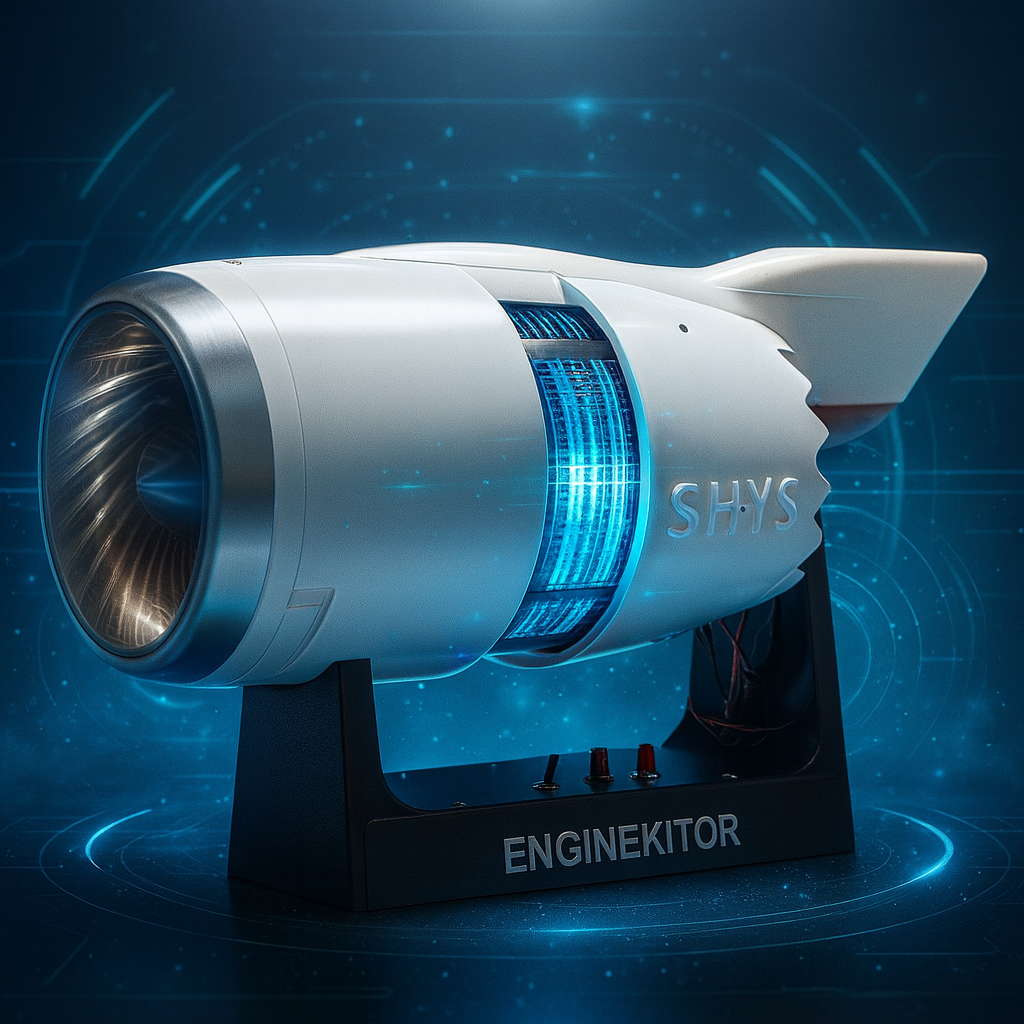
    ENGINEKITOR TR900 Large Colorful Turbofan Engine Model Kit with Adjustable Speed And Lighting Turbofan Engine Model(47cm/18.5Inch)
    ENGINEKITOR TR900 Large Colorful Turbofan Engine Model Kit with Adjustable Speed And Lighting Turbofan Engine Model(47cm/18.5Inch)
    Enginekitor
    $269.99
    $319.99 SAVE $50.00
    ENGINEKITOR TR900 Reverse Thrust Turbofan Engine Model Kit - Aviation Simulation Engine Model Brushless Motor Engine Model Kit
    ENGINEKITOR TR900 Reverse Thrust Turbofan Engine Model Kit - Aviation Simulation Engine Model Brushless Motor Engine Model Kit
    Enginekitor
    $479.99
    $529.99 SAVE $50.00
    CISON FG-VT9 9cc V2 Twin-Cylinder 4-Stroke Air-Cooled Gas Engine for RC Motorcycles-Build Your Own Engine
    CISON FG-VT9 9cc V2 Twin-Cylinder 4-Stroke Air-Cooled Gas Engine for RC Motorcycles-Build Your Own Engine
    Enginekitor
    $699.99
    $799.99 SAVE $100.00
    M16-CF Vertical Double Mount Fan High Temperature Stirling Engine for Education, Research and Learning
    M16-CF Vertical Double Mount Fan High Temperature Stirling Engine for Education, Research and Learning
    Enginekitor
    $109.99
    $149.99 SAVE $40.00
    K006 Miniature Vertical Boiler Startable Steam Engine Model DIY Engine Model Kit-Build Your Own Engine
    K006 Miniature Vertical Boiler Startable Steam Engine Model DIY Engine Model Kit-Build Your Own Engine
    Enginekitor
    $149.99
    GL003 Vertical Boiler Steam Engine Model DIY Steam Engine-Bulid Your Own Engine
    GL003 Vertical Boiler Steam Engine Model DIY Steam Engine-Bulid Your Own Engine
    Enginekitor
    $109.99
    $149.99 SAVE $40.00
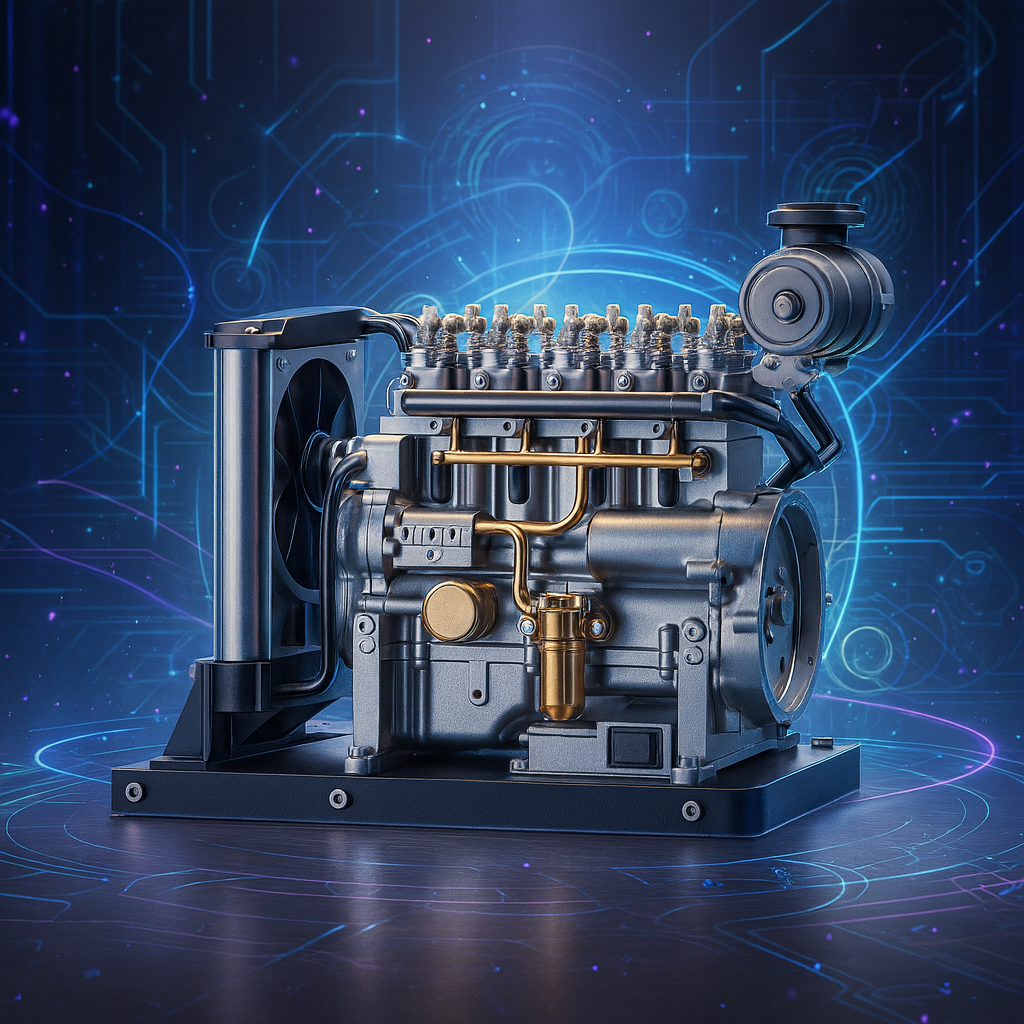
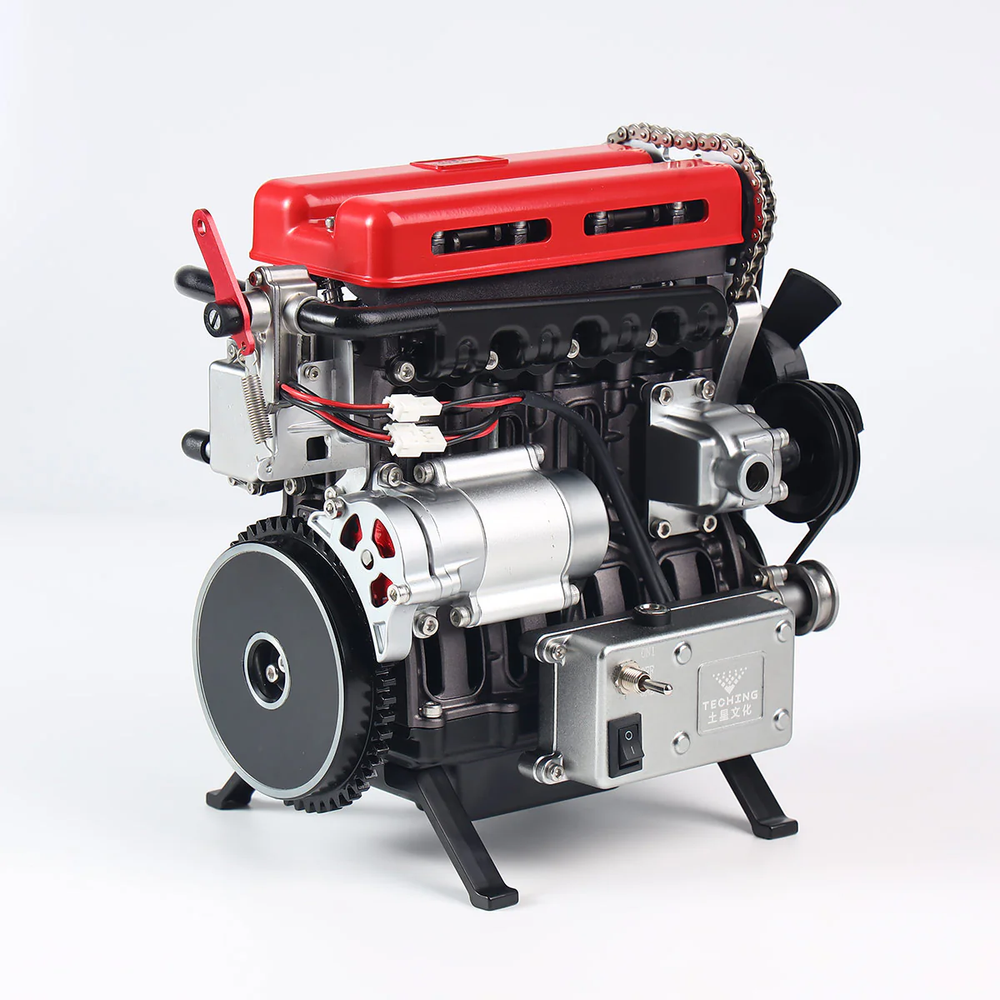
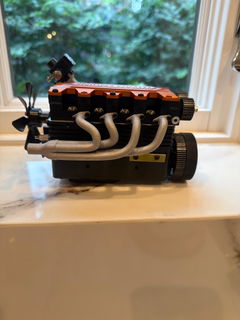
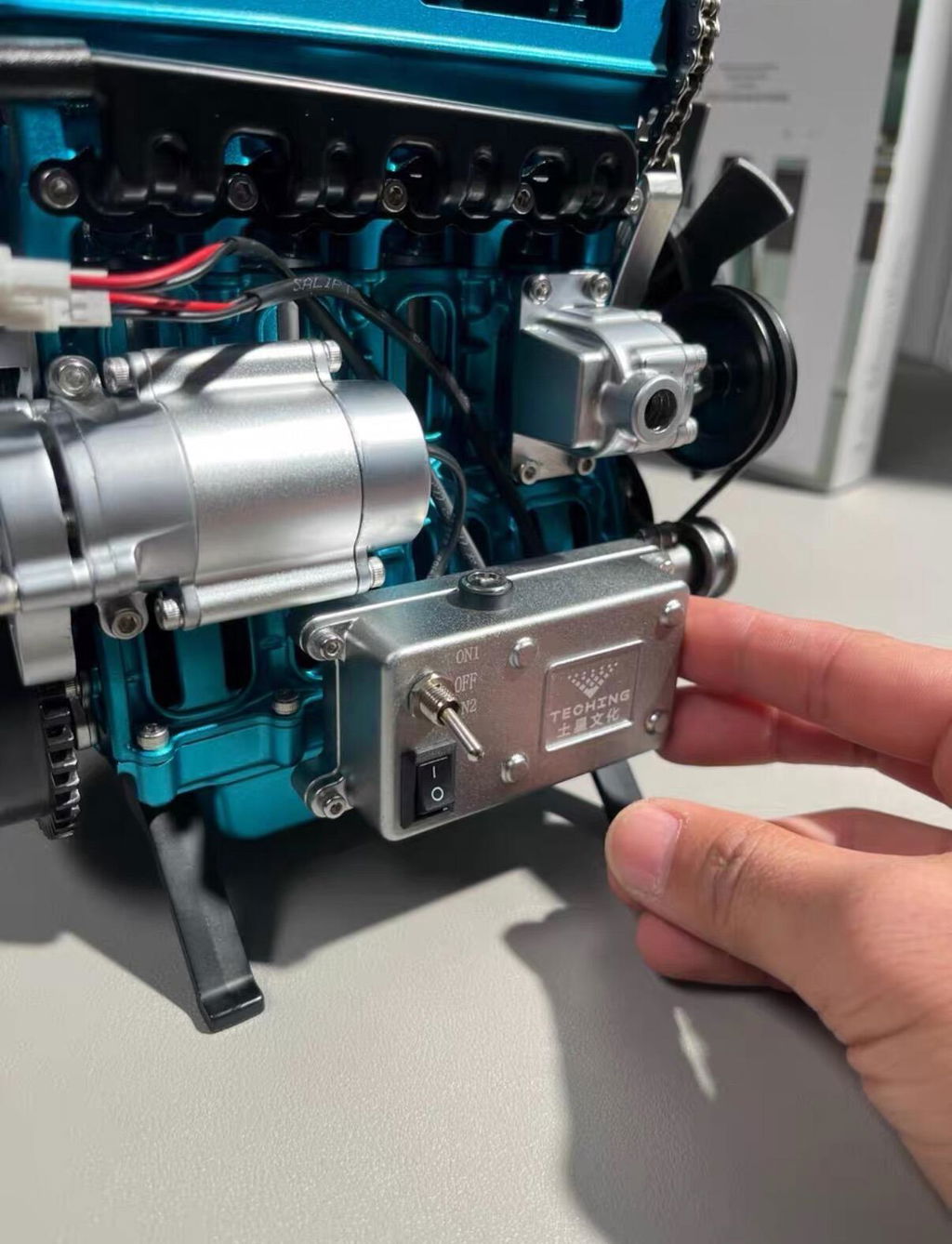
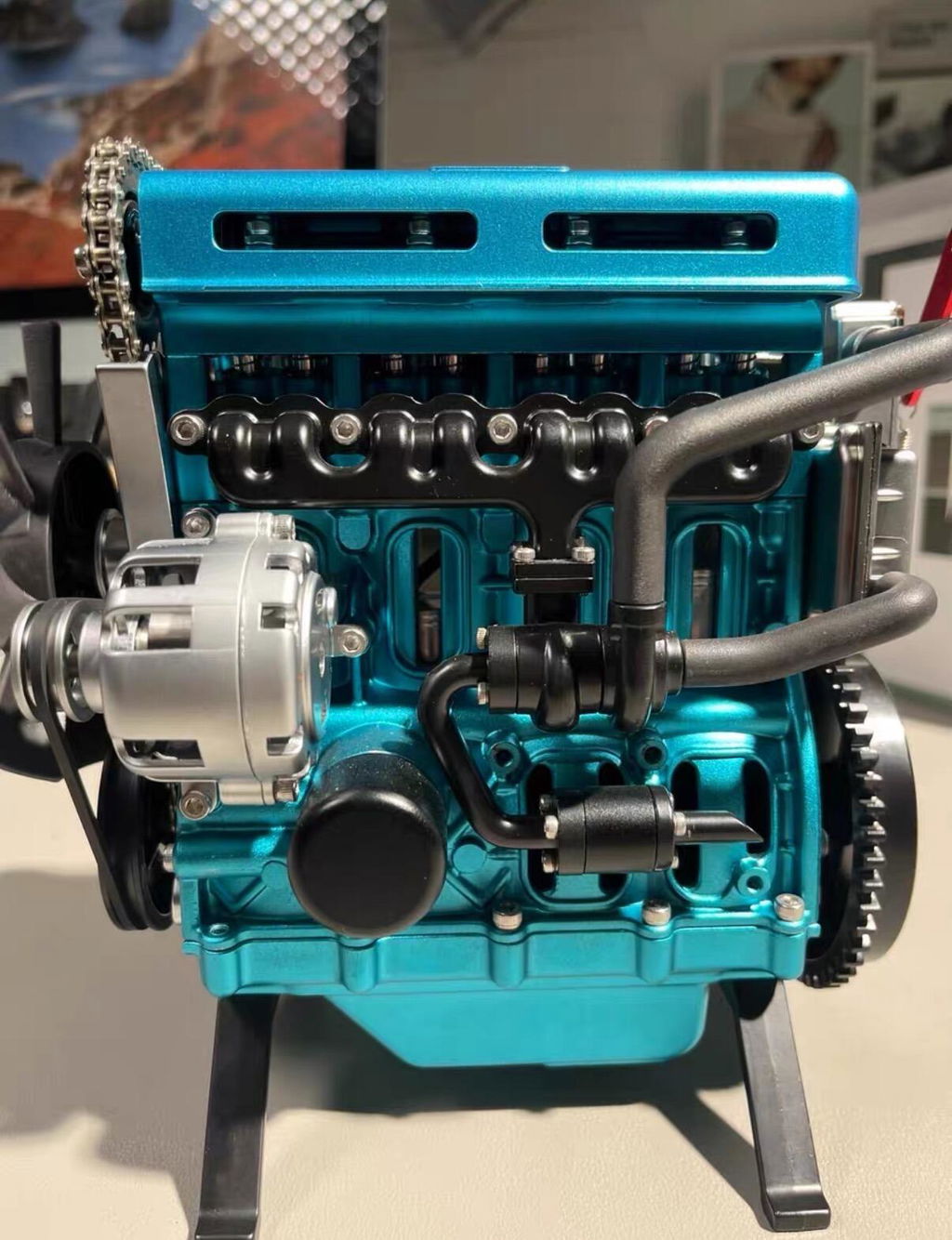
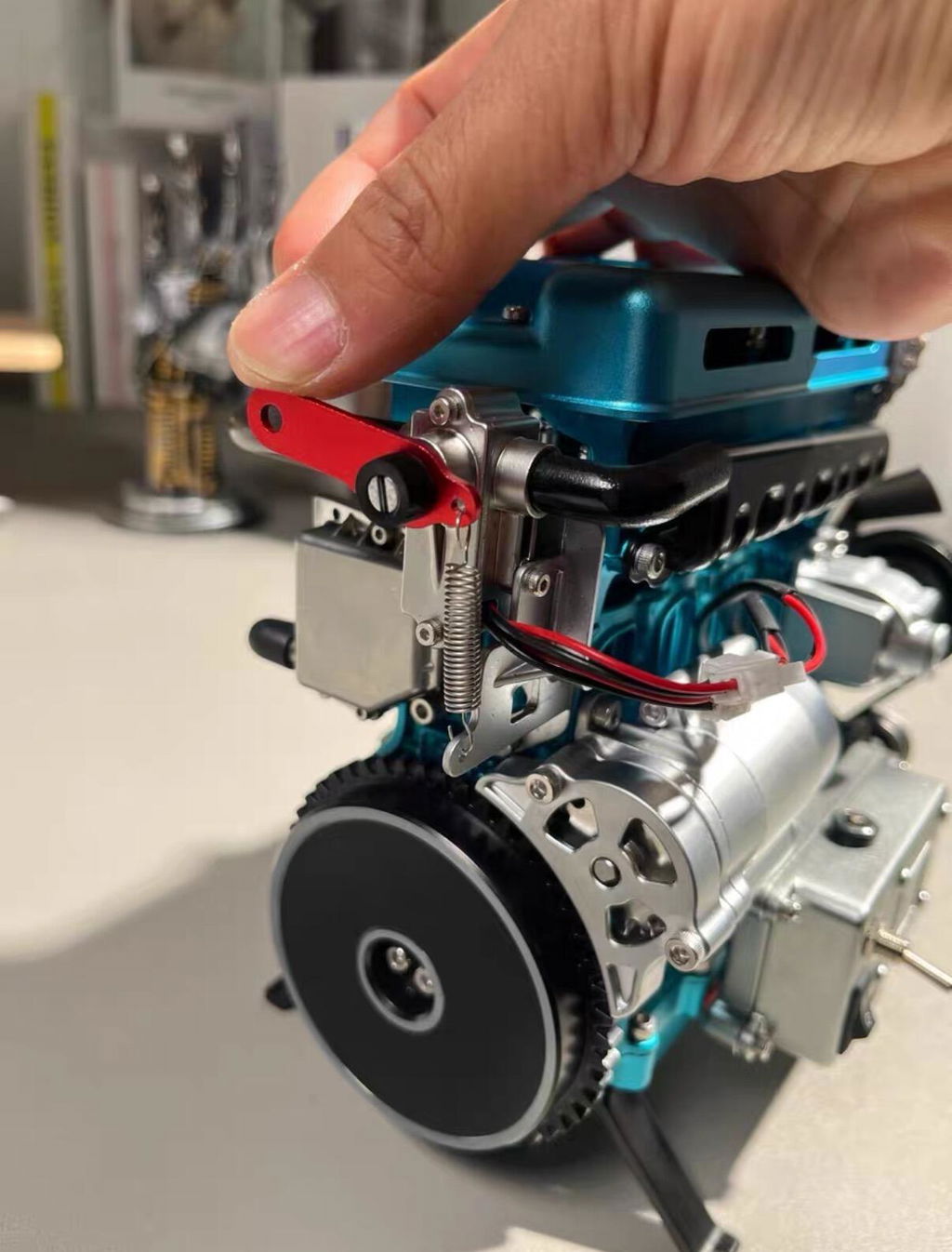
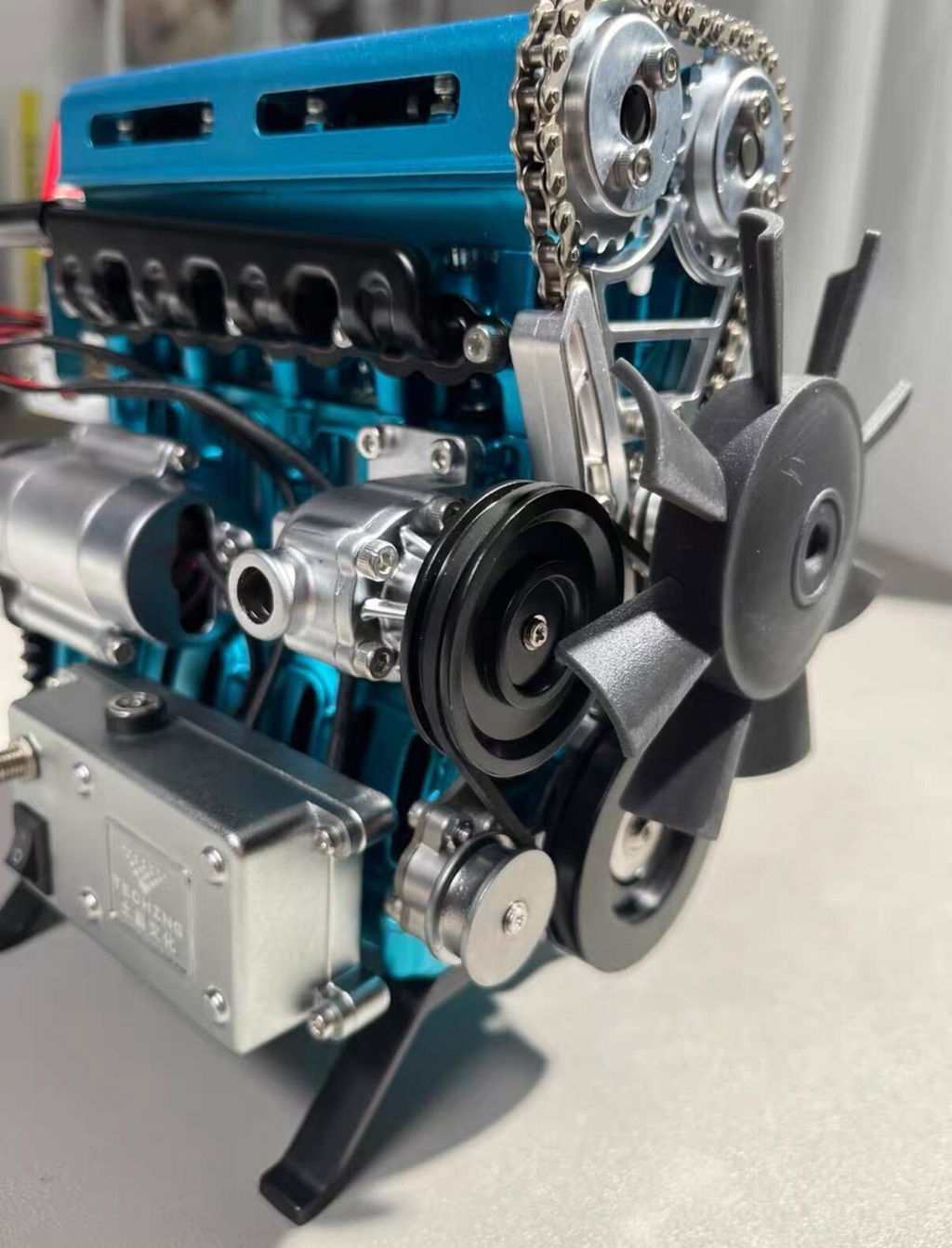
    TECHING 1:10 Full Metal Mini L4 Diesel Engine Model Kit - DIY 4 Cylinder OHV Engine
    TECHING 1:10 Full Metal Mini L4 Diesel Engine Model Kit - DIY 4 Cylinder OHV Engine
    Enginekitor
    $429.99
    $499.99 SAVE $70.00
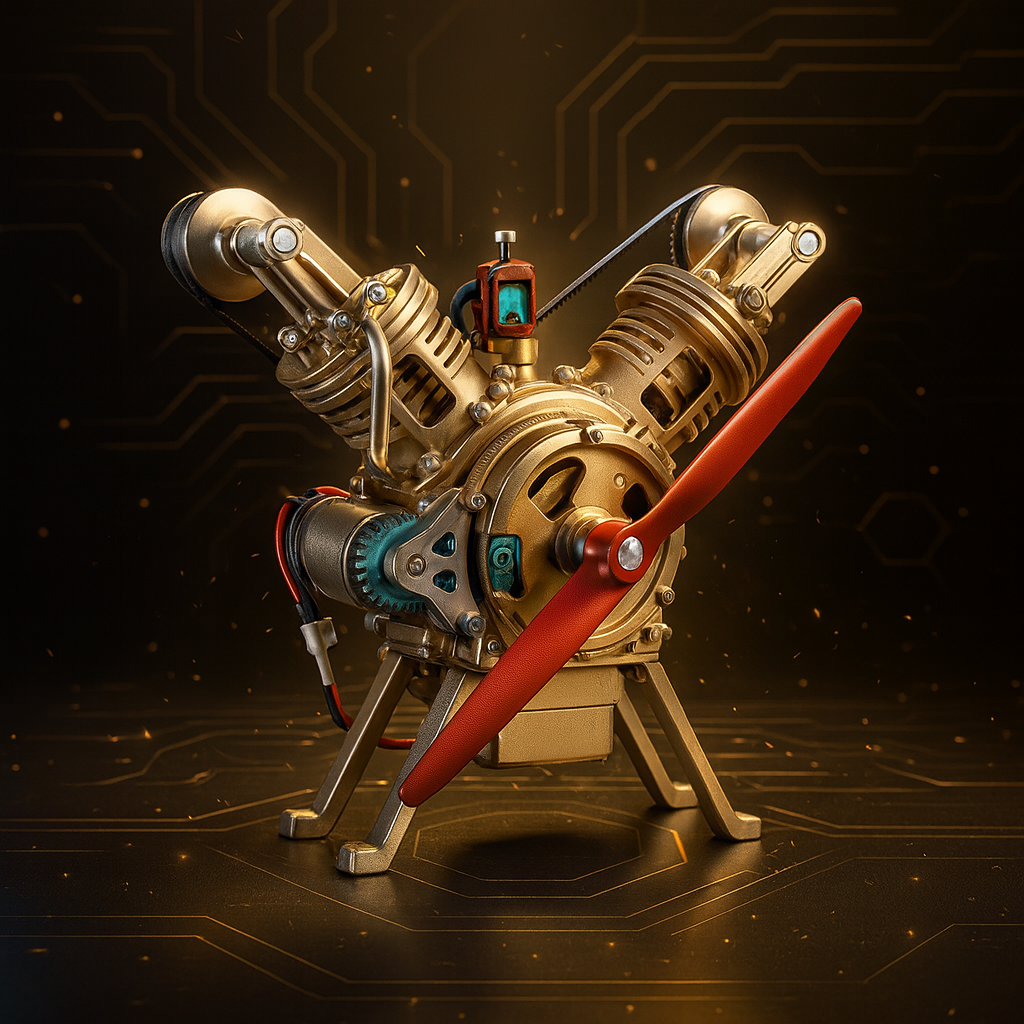
    TECHING V2 Engine Assembly Kit Full Metal VTwin Double-Cylinder Engine Model Kit for Collecting/Decorating/Education
    TECHING V2 Engine Assembly Kit Full Metal VTwin Double-Cylinder Engine Model Kit for Collecting/Decorating/Education
    Enginekitor
    $399.99
    $449.99 SAVE $50.00
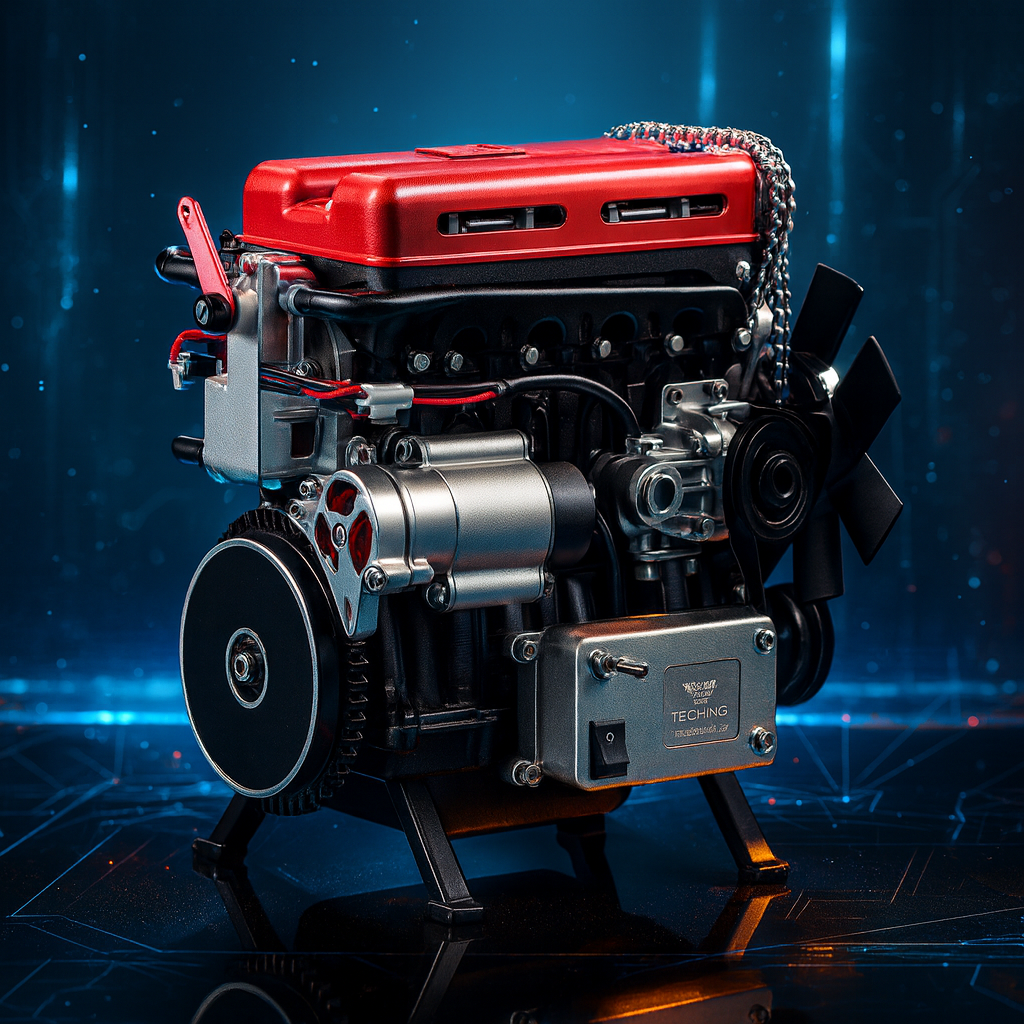
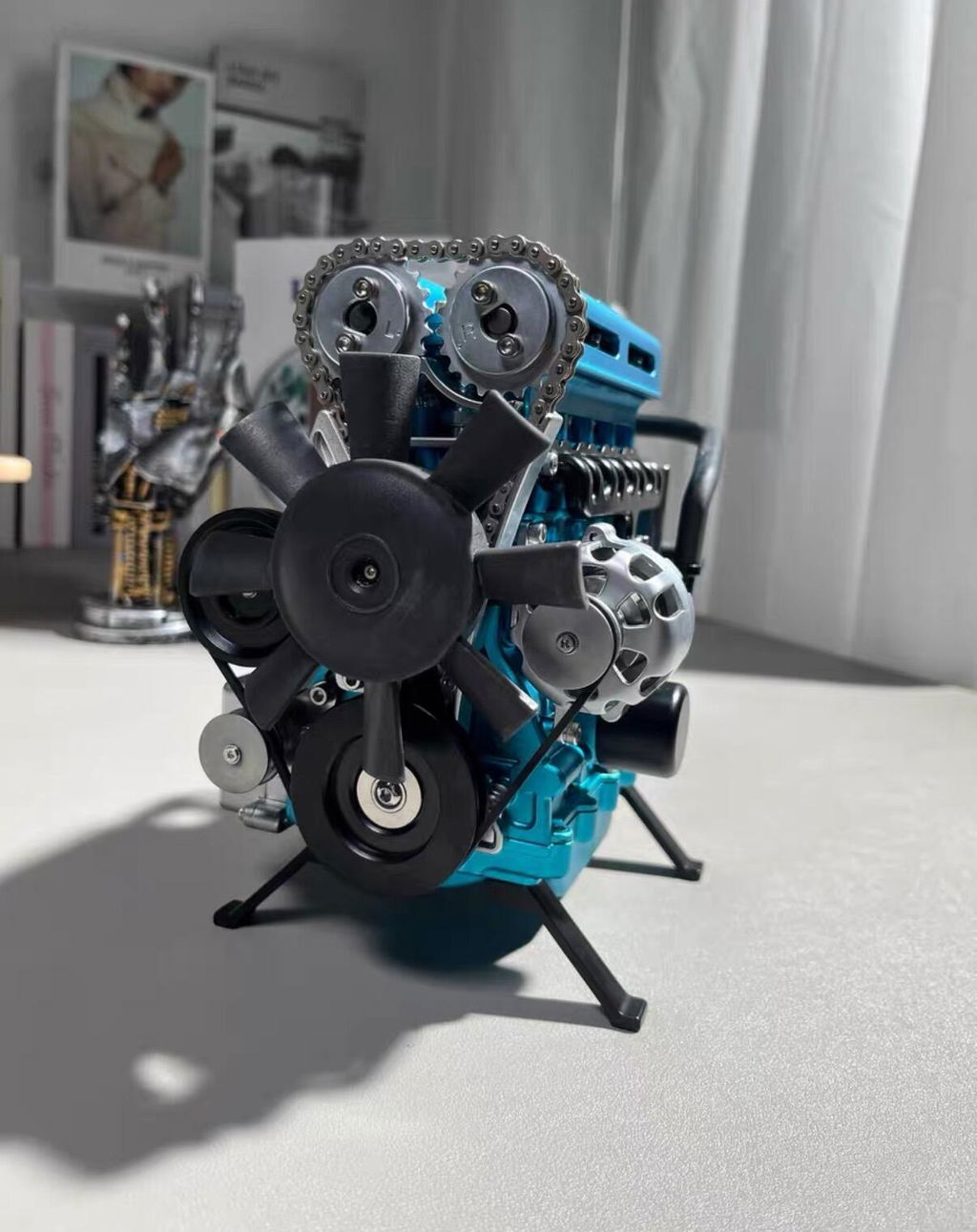
    TECHING L4 Turbocharged 4-Cylinder Full Metal Engine Model Kit – DIY Assembly for STEM Learning & Collector Display
    TECHING L4 Turbocharged 4-Cylinder Full Metal Engine Model Kit – DIY Assembly for STEM Learning & Collector Display
    Enginekitor
    $599.99
    $649.99 SAVE $50.00
    M14-03-L Silver Stirling Single Cylinder Engine Model High Temperature Stirling Engine Model
    M14-03-L Silver Stirling Single Cylinder Engine Model High Temperature Stirling Engine Model
    Enginekitor
    $79.99
    $99.99 SAVE $20.00
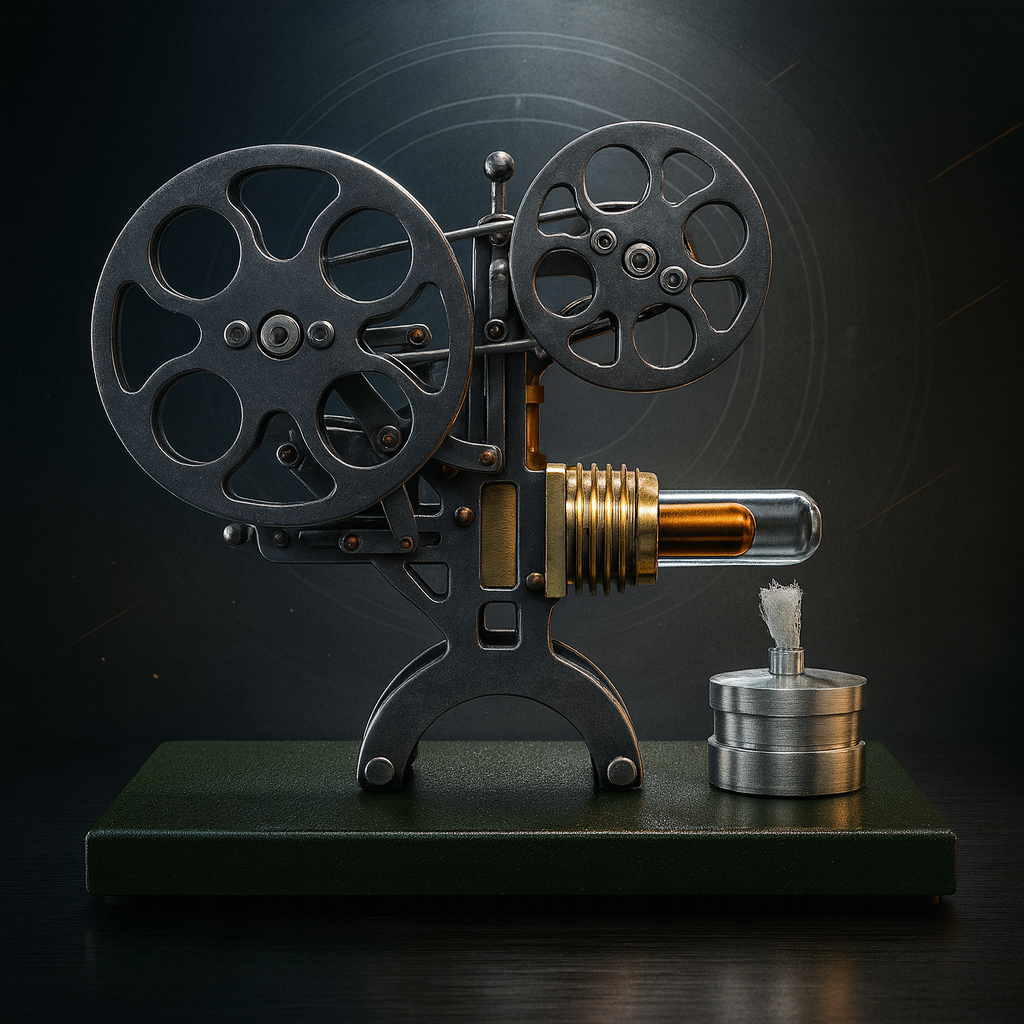
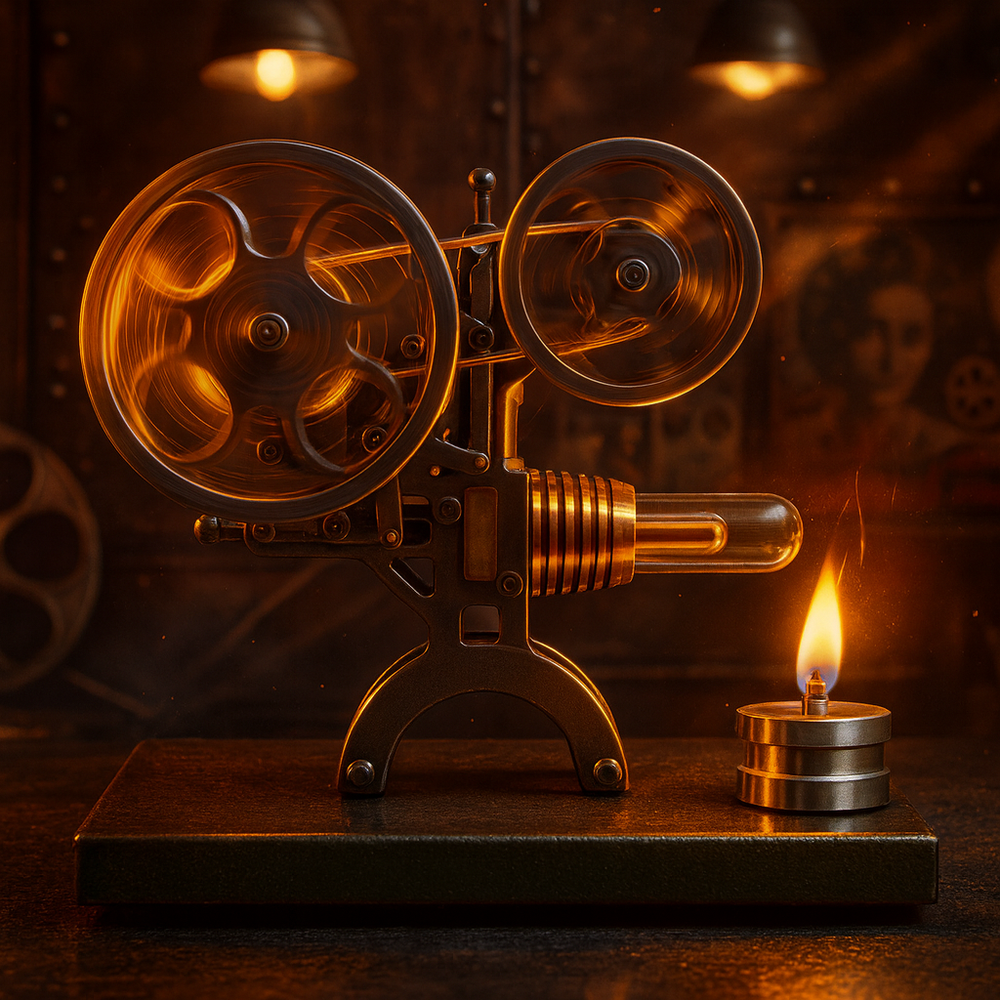
    Stirling Engine Projector Model – Vintage Mechanical STEM Engine Model
    Stirling Engine Projector Model – Vintage Mechanical STEM Engine Model
    Enginekitor
    $159.99
    $199.99 SAVE $40.00
    Stirling Single Cylinder  Engine Model DIY Engine Model for Science and Education -Best Gift
    Stirling Single Cylinder Engine Model DIY Engine Model for Science and Education -Best Gift
    Enginekitor
    $239.99
    $289.99 SAVE $50.00
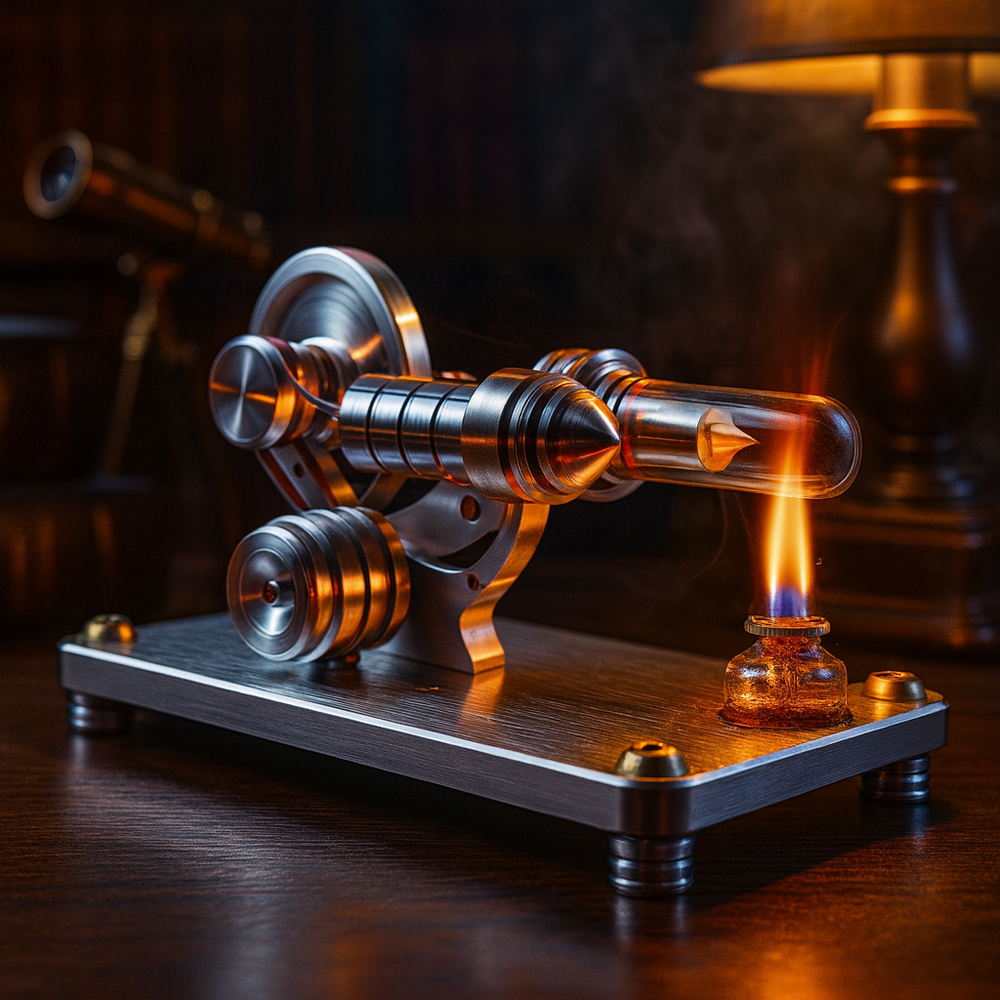
    Stirling twin-cylinder engine generator steam engine physics experiments popular science science making DIY engine models
    Stirling twin-cylinder engine generator steam engine physics experiments popular science science making DIY engine models
    Enginekitor
    $129.99
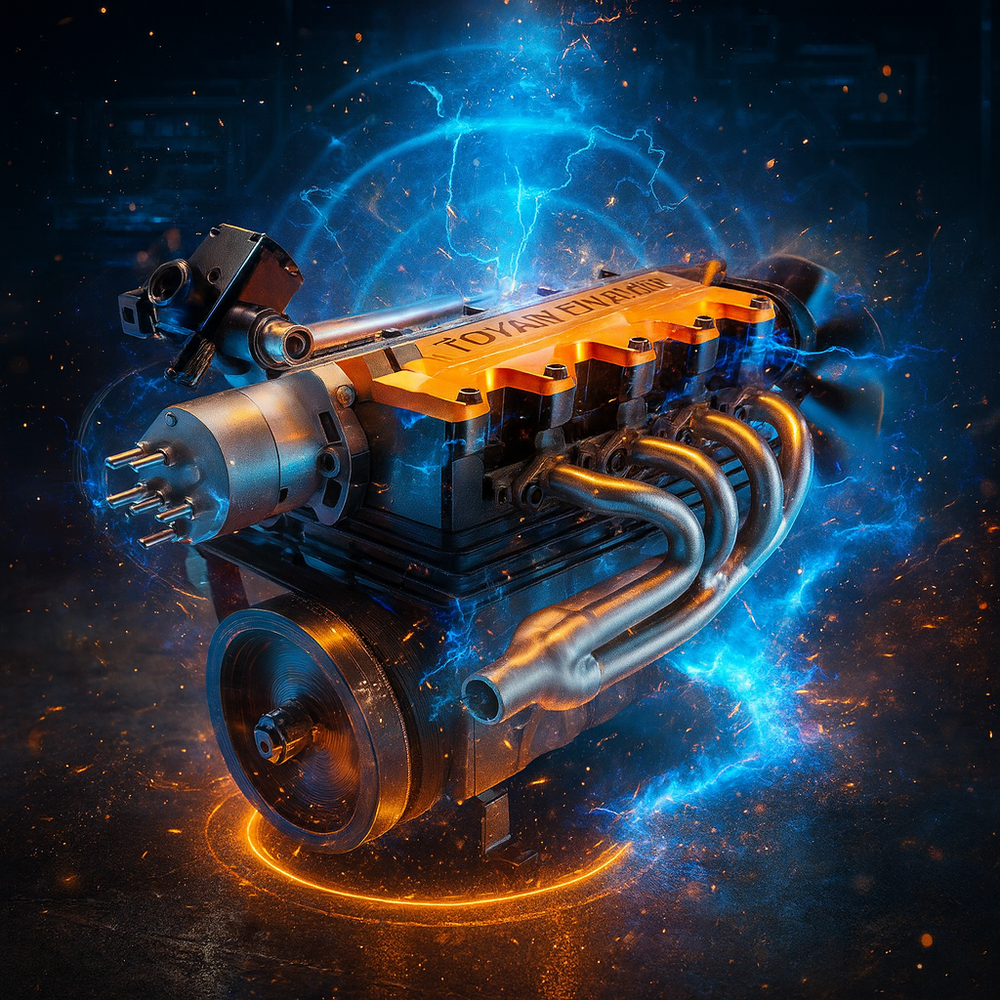
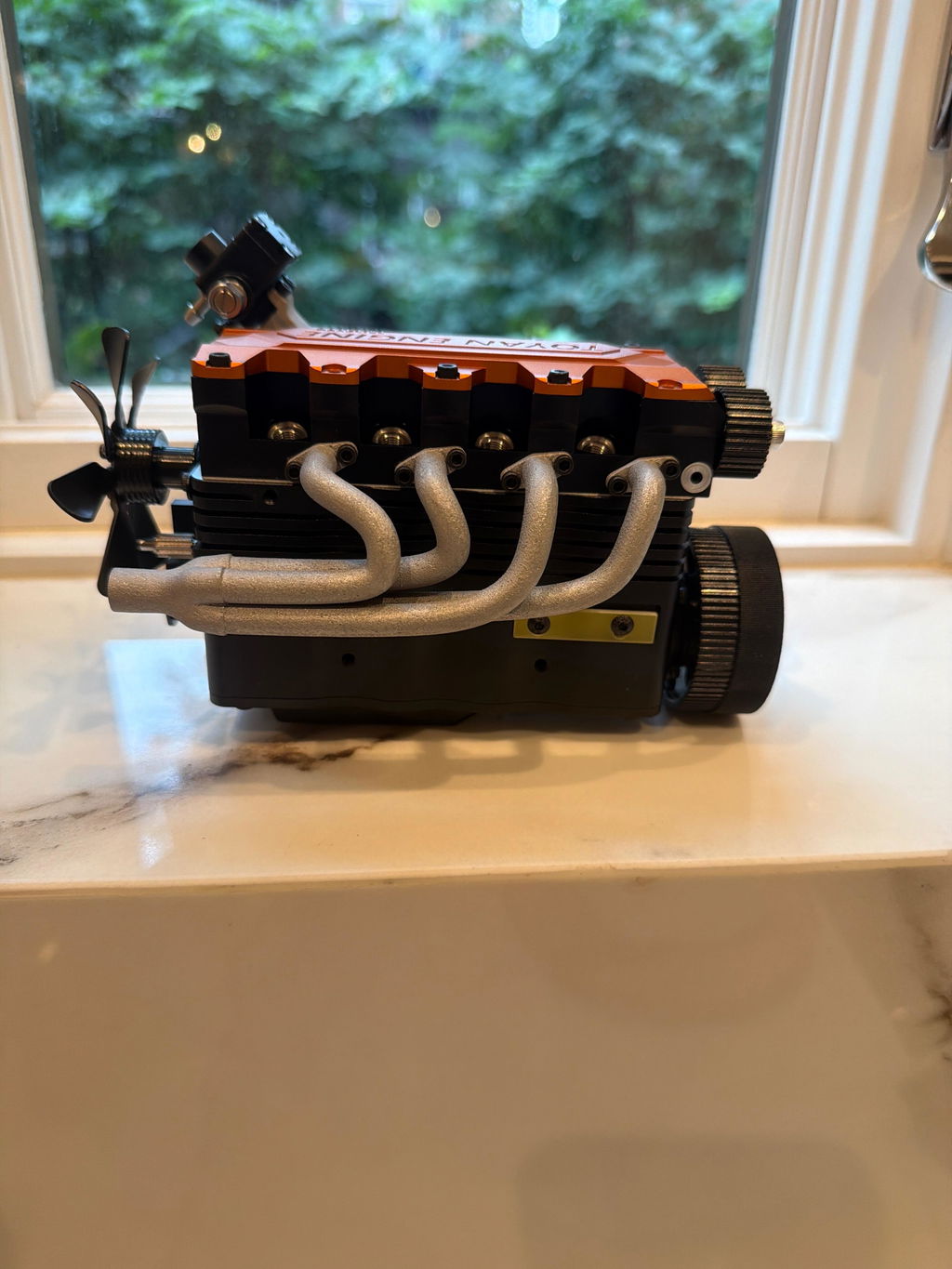
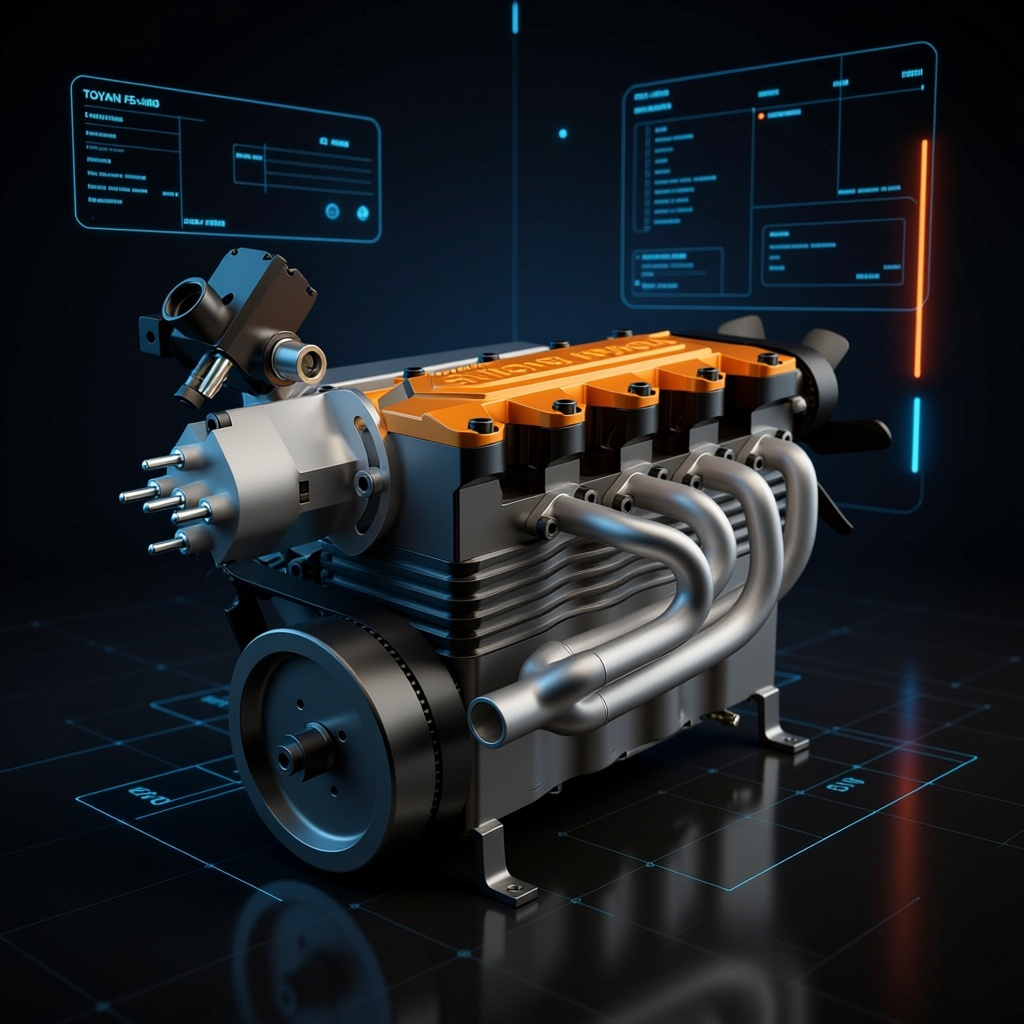
    TOYAN FS-L400BGC 14CC Inline 4 Cylinder 4 Stroke OHC Water-cooled Gasoline Engine Model
    TOYAN FS-L400BGC 14CC Inline 4 Cylinder 4 Stroke OHC Water-cooled Gasoline Engine Model
    Enginekitor
    $699.99
    $799.99 SAVE $100.00
    BUILD • OBSERVE • UNDERSTAND

    Hands-On STEM Learning Through Real Mechanical Systems

    A strong STEM engine model kit does more than show what a machine looks like. It makes engineering concepts visible through motion, structure, assembly and physical interaction.
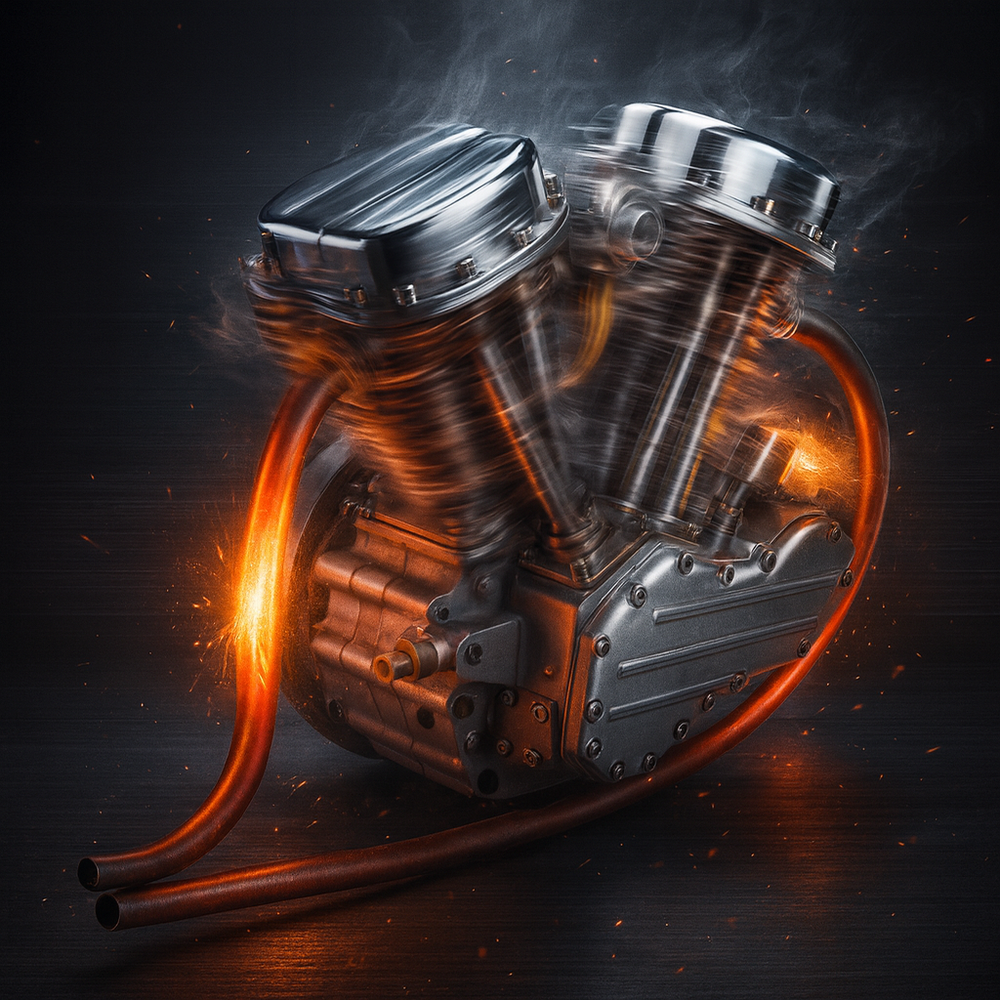
    ENGINEKITOR brings together engineering education models, mechanical engineering kits and educational engine models that can help learners explore engines, turbines, gears, heat, motion, energy transfer and other real-world mechanical principles.

    LEARNING THROUGH MECHANICS

    What Makes an Engine Model a STEM Learning Tool?

    Mechanical systems can turn abstract engineering ideas into something that can be seen and physically explored. Pistons move. Crankshafts rotate. Gears transfer motion. Turbine stages spin. Heat can be converted into mechanical movement.

    Instead of learning only from diagrams, hands-on engineering models allow learners to examine how individual components interact as part of a complete system.

    ENGINEERING CONCEPTS

    What Can STEM Engine Models Help Demonstrate?

    Different models highlight different areas of mechanical engineering, physics and energy systems.

    MOTION Linear to Rotational Motion

    Piston-engine models demonstrate how reciprocating movement can be converted into crankshaft rotation.

    MECHANICS Gears & Mechanical Transmission

    Gear trains and linkages make it easier to observe how mechanical power is transferred and synchronized.

    TIMING Camshafts, Valves & Synchronization

    Four-stroke engine models can demonstrate how crankshaft position, camshaft timing and valve movement are mechanically coordinated.

    ENERGY Energy Conversion

    Engine models can illustrate how thermal, chemical or electrical energy becomes mechanical motion.

    THERMODYNAMICS Heat & Temperature Difference

    Steam and Stirling engines provide accessible demonstrations of heat, expansion and mechanical energy conversion.

    AVIATION Turbines & Airflow Systems

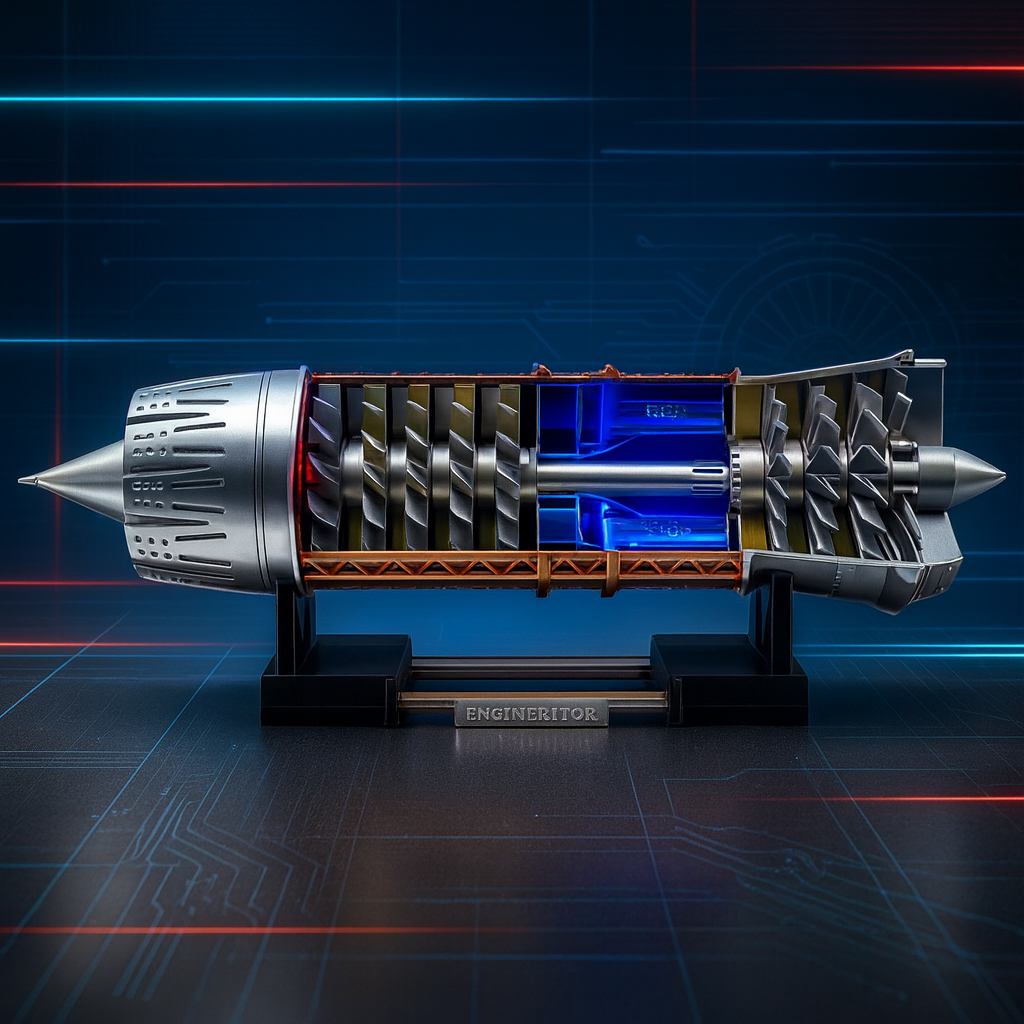
    Turbofan and turbine models help visualize fan, compressor, shaft and turbine relationships inside aircraft propulsion systems.

    HANDS-ON ENGINEERING

    Why Physical Models Can Improve Mechanical Understanding

    01 See the System

    Mechanical relationships that are normally hidden inside machines become easier to inspect.

    02 Build the Structure

    Assembly helps show where each component belongs and how parts connect.

    03 Observe Motion

    Operating models make timing, rotation and motion transfer easier to follow.

    04 Compare Designs

    Different engine architectures show how engineers can solve similar problems in different ways.

    WHO THESE MODELS ARE FOR

    STEM Learning Beyond the Traditional Classroom

    ADULT LEARNERS Learn Engineering by Doing

    Ideal for adults who want to understand mechanical systems through physical models rather than diagrams alone.

    ENGINEERING STUDENTS Visualize Mechanical Principles

    Appropriate models can help illustrate motion, timing, engine architecture, energy conversion and mechanical relationships.

    EDUCATORS Demonstration Models

    Selected mechanical, steam and Stirling models can support demonstrations of engineering and physics concepts.

    MECHANICAL ENTHUSIASTS Learning Through a Hobby

    Engine models combine technical understanding, assembly and collecting in one hands-on experience.

    CHOOSE THE RIGHT LEARNING MODEL

    Mechanical Demonstration Models vs Real Combustion Engines

    These two categories can teach very different things and should not be treated as interchangeable.

    MECHANICAL DEMONSTRATION

    Focus on Structure & Motion

    Mechanical models are generally better when the primary goal is to observe gears, pistons, crankshafts, valves, shafts or turbine relationships.

    • Visible mechanical motion
    • No combustion required
    • Lower operating complexity
    • Suitable for repeated demonstrations
    • Strong focus on mechanism and structure
    REAL MINIATURE ENGINES

    Focus on Real Engine Operation

    Real miniature combustion engines add fuel, ignition, lubrication, cooling, starting and tuning to the learning experience.

    • Real fuel systems
    • Ignition
    • Lubrication
    • Cooling
    • Starting and tuning procedures
    EDUCATOR & LEARNER GUIDE

    How to Choose a STEM Engineering Model

    01

    Start with the Concept You Want to Teach

    Choose a model based on whether the learning goal is piston motion, gears, turbine architecture, thermodynamics, energy transfer or real internal-combustion operation.

    02

    Decide Whether Assembly Is Part of the Learning

    Some models teach through construction, while others are better suited to observation and repeated demonstration.

    03

    Match Complexity to the User

    Large multi-cylinder engines and detailed turbine assemblies can require considerably more patience and mechanical experience than simpler models.

    04

    Consider the Operating Environment

    A motor-driven mechanical model, Stirling engine and real gasoline engine have very different operating requirements. Choose the model appropriate for the environment.

    05

    Check Power, Fuel & Accessories

    Depending on the product, batteries, external power, fuel, ignition systems, cooling equipment or other accessories may be required.

    06

    Choose a Model That Can Be Revisited

    Good educational models continue to provide learning value after assembly by allowing mechanisms to be observed, compared and discussed repeatedly.

    Important: not every model in this collection has the same educational or operating requirements.

    Some models are motor-driven mechanical demonstrations, some use heat or steam, and selected products are real fuel-powered miniature engines. Real combustion engines require appropriate knowledge, operating conditions and supervision. Always review the individual product specifications before selecting a model for a learning environment.

    COMMON QUESTIONS

    STEM Engine Model FAQ

    What is a STEM engine model kit?

    A STEM engine model kit is a physical model used to explore engineering, mechanics, motion, energy or engine architecture through observation and, in many cases, hands-on assembly.

    What can students and adult learners learn from engine models?

    Depending on the model, learners can explore pistons, crankshafts, gears, valve timing, turbines, energy conversion, thermodynamics and other mechanical principles.

    Are engine models useful for mechanical engineering education?

    They can provide a physical way to visualize mechanical relationships that may otherwise be shown only through diagrams, animations or textbooks.

    Are these STEM kits suitable for adults?

    Yes. Many ENGINEKITOR models are particularly suited to adult learners, mechanical hobbyists and engineering enthusiasts because of their complexity and detailed mechanical construction.
    Are these models suitable for classroom demonstrations?

    Selected mechanical, Stirling and steam models can be useful for demonstrations, but suitability depends on the product, operating method, age group, supervision and learning environment.

    What is the difference between a mechanical model and a real mini engine?

    A mechanical model primarily demonstrates structure and motion without real combustion. A real miniature engine introduces fuel, ignition, lubrication, cooling and actual engine operation.
    Which STEM engine models are easiest to understand?

    Models with visible moving parts and relatively simple mechanisms are often easier for beginners to follow. More complex multi-cylinder and turbine models can provide deeper study for experienced learners.

    Can turbine models be used to teach aviation engineering?

    Detailed turbofan and turbine models can help illustrate relationships between fans, compressor stages, shafts and turbine sections.

    Are Stirling engines useful for teaching thermodynamics?

    Stirling engine models can provide a visible demonstration of how temperature differences and gas expansion can produce mechanical movement.

    Do educational engine models require assembly?

    It depends on the product. Some models are detailed assembly projects, while others arrive partially assembled or are primarily intended for demonstration.

    Do real working engines require additional equipment?

    Often yes. Depending on the model, fuel, batteries, ignition equipment, starters, cooling components or other accessories may be required.
    Can ENGINEKITOR help with assembly or technical questions?

    ENGINEKITOR provides after-sales assistance for supported products. Photos or videos can help identify assembly, component or operating issues more accurately.