V-Twin Engine Models & Mini V-Twin Engines

V-Twin Engine Models & Mini V-Twin Engines

Filter

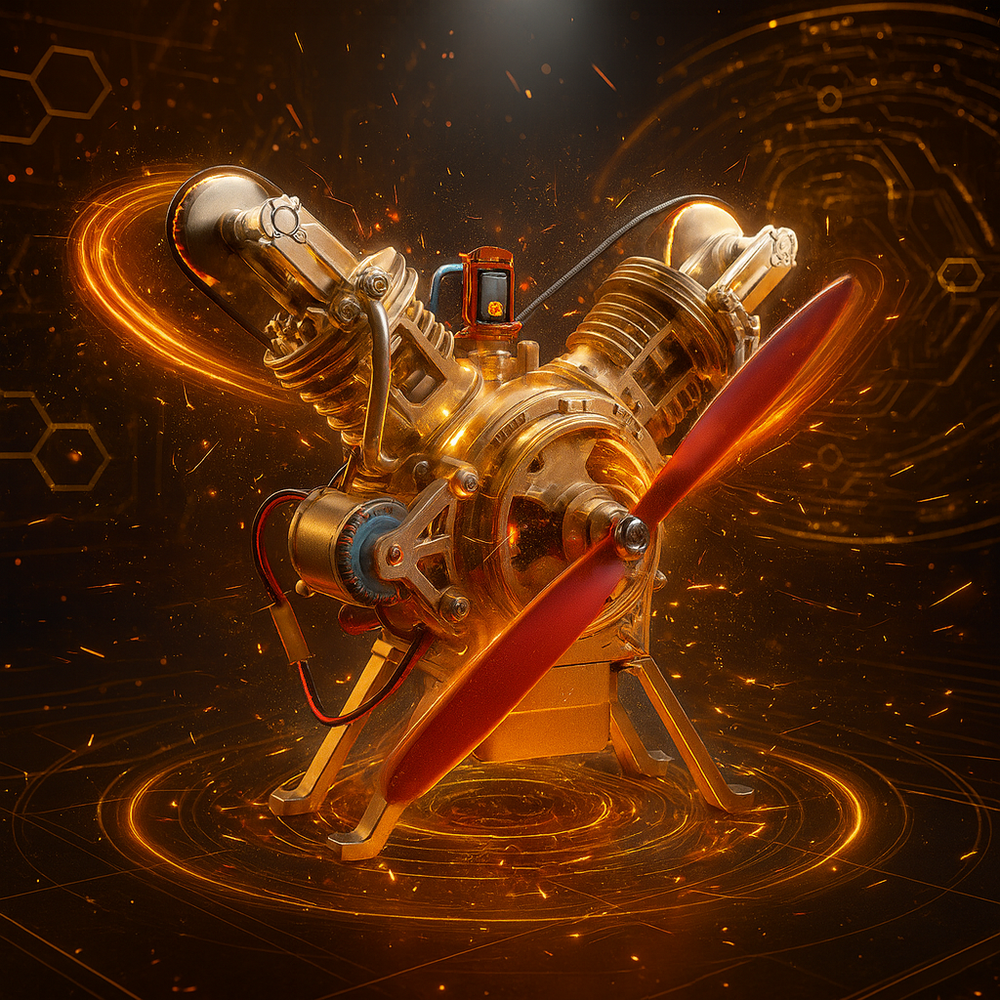
    Explore V-Twin engine models and miniature V-Twin engines for mechanical enthusiasts, collectors, builders and RC hobbyists. Compare a real 9cc four-stroke gasoline V-Twin with a full-metal motor-driven V-Twin assembly model.

    Whether you want genuine internal combustion or a hands-on mechanical build, these compact twin-cylinder engines let you experience the distinctive V-shaped architecture, synchronized piston movement and engineering character of a V-Twin at miniature scale.
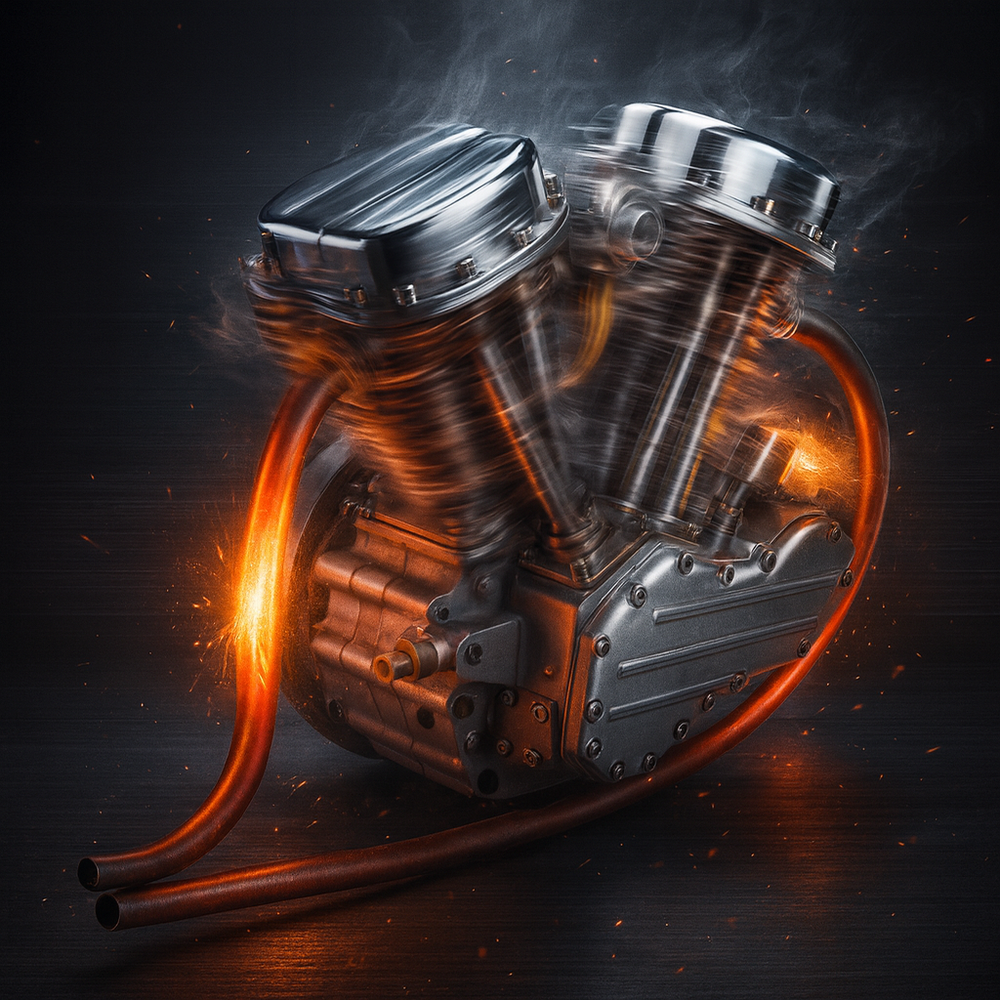
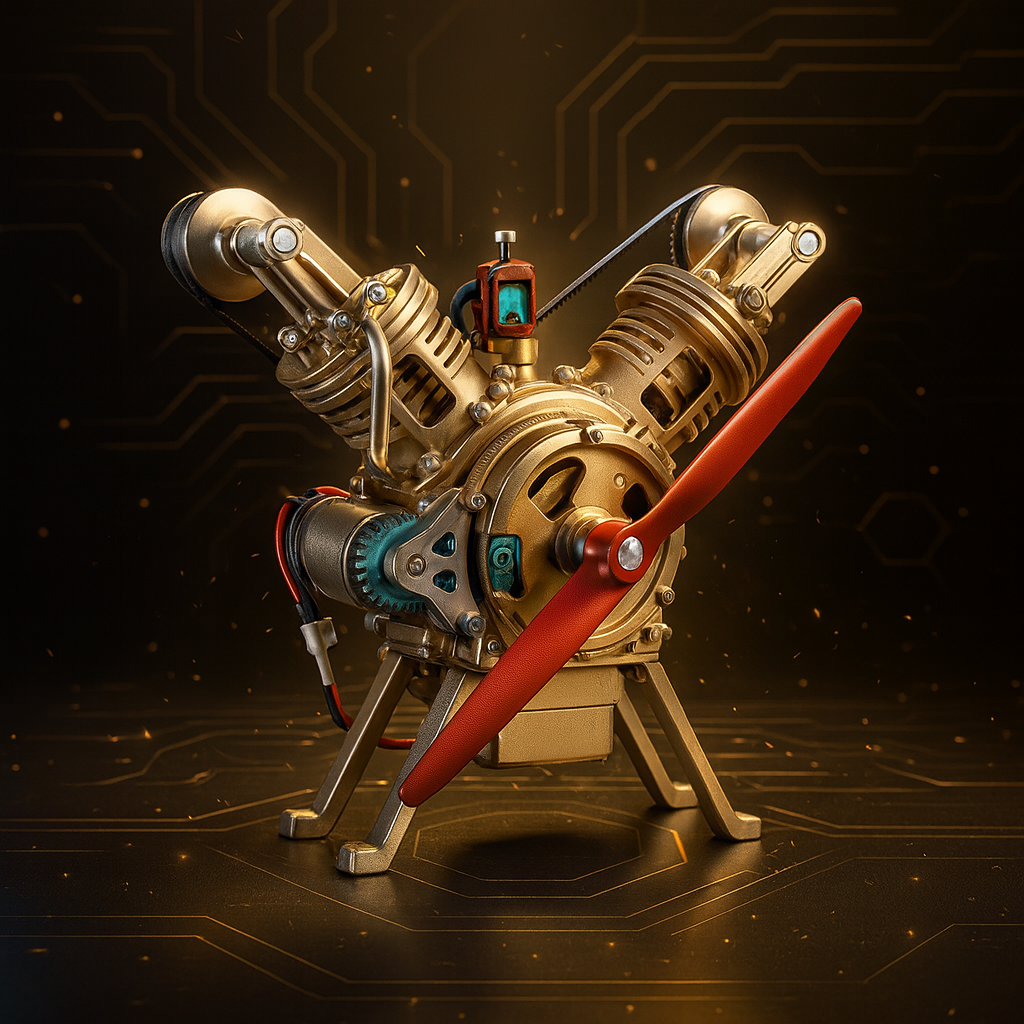
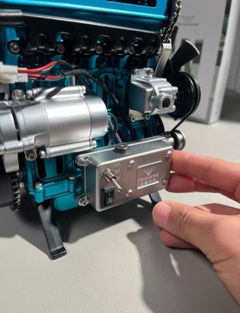
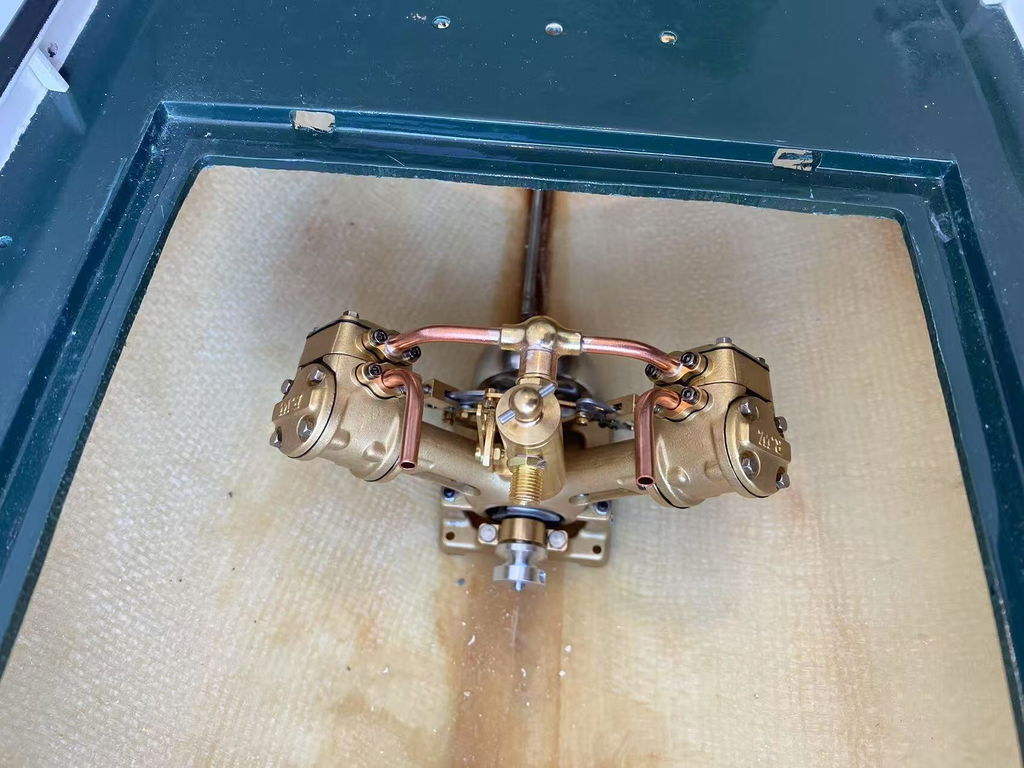
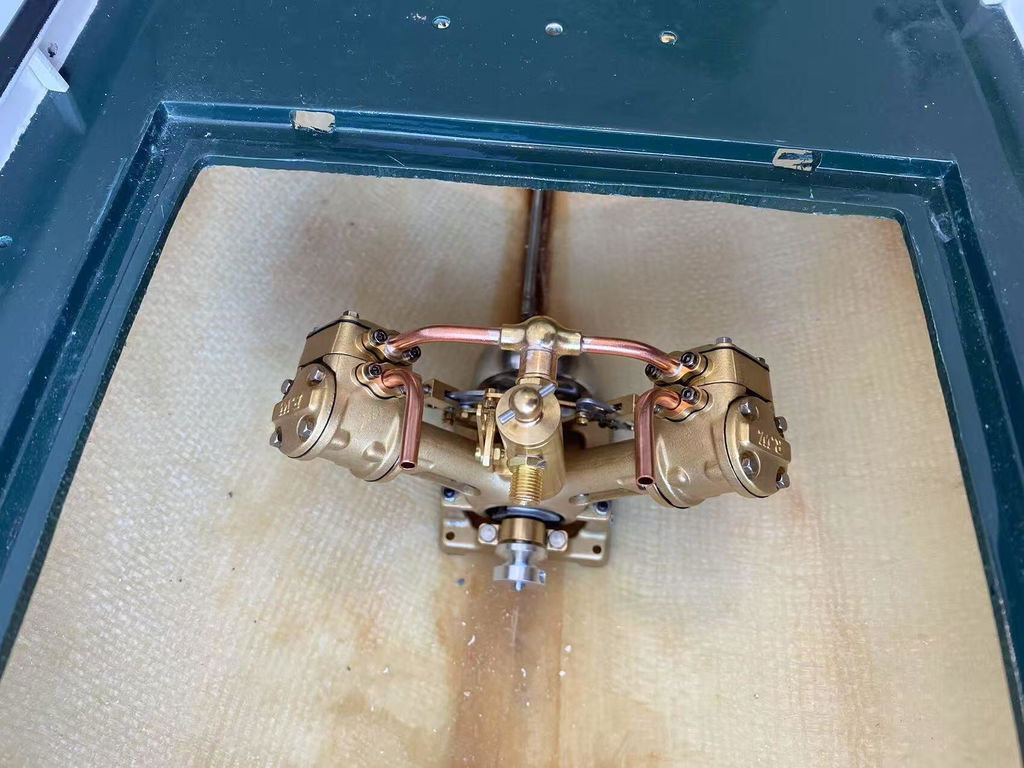
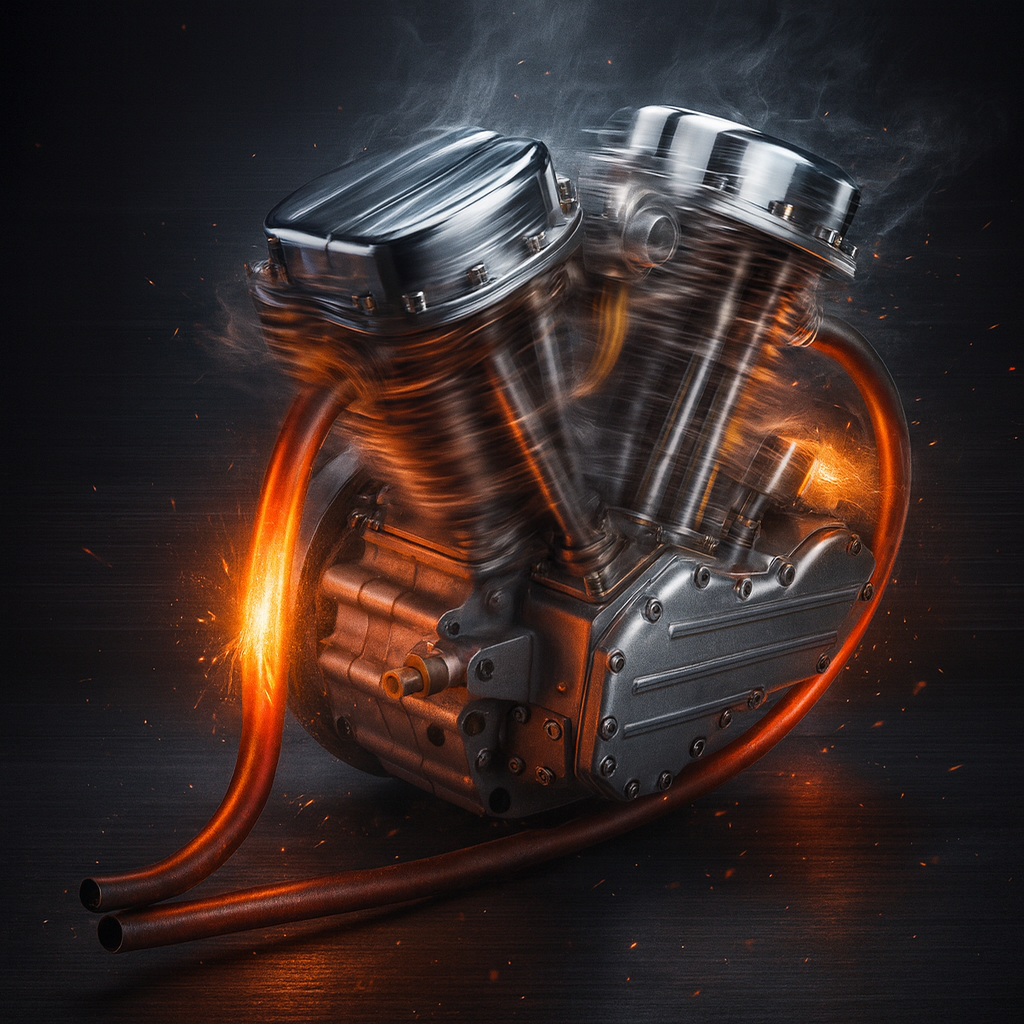
    CISON FG-VT9 9cc V2 Twin-Cylinder 4-Stroke Air-Cooled Gas Engine for RC Motorcycles-Build Your Own Engine
    CISON FG-VT9 9cc V2 Twin-Cylinder 4-Stroke Air-Cooled Gas Engine for RC Motorcycles-Build Your Own Engine
    Enginekitor
    $699.99
    $799.99 SAVE $100.00
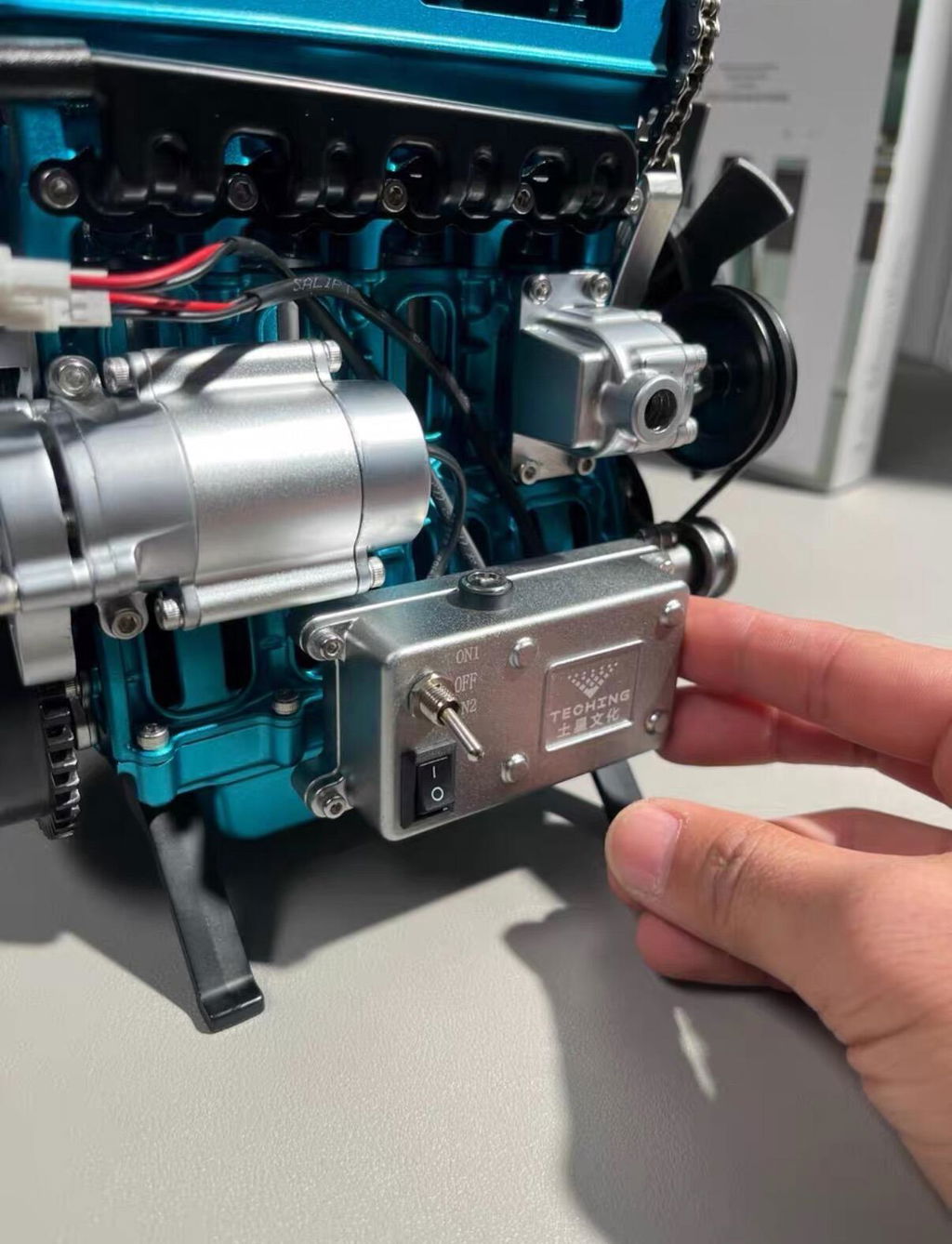
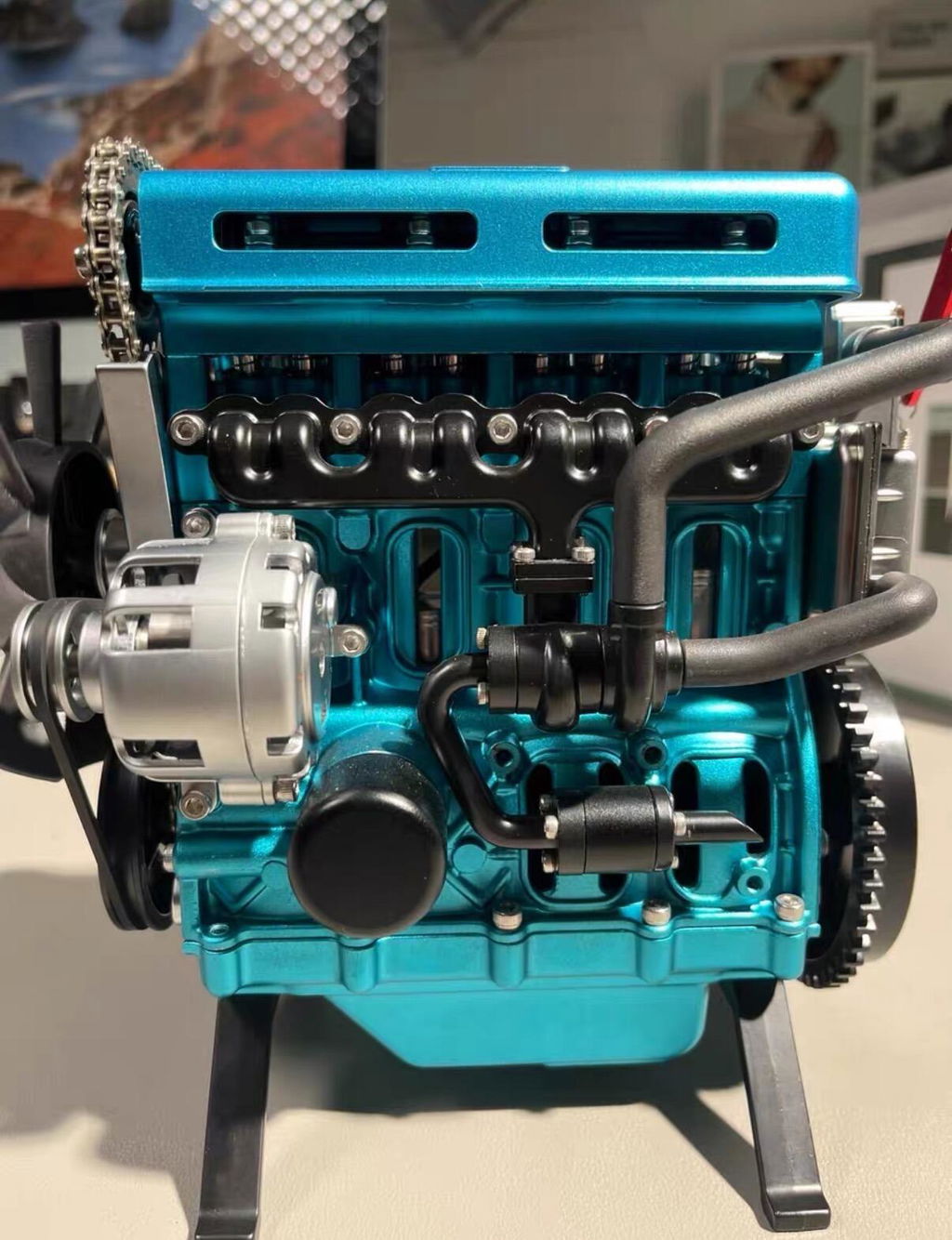
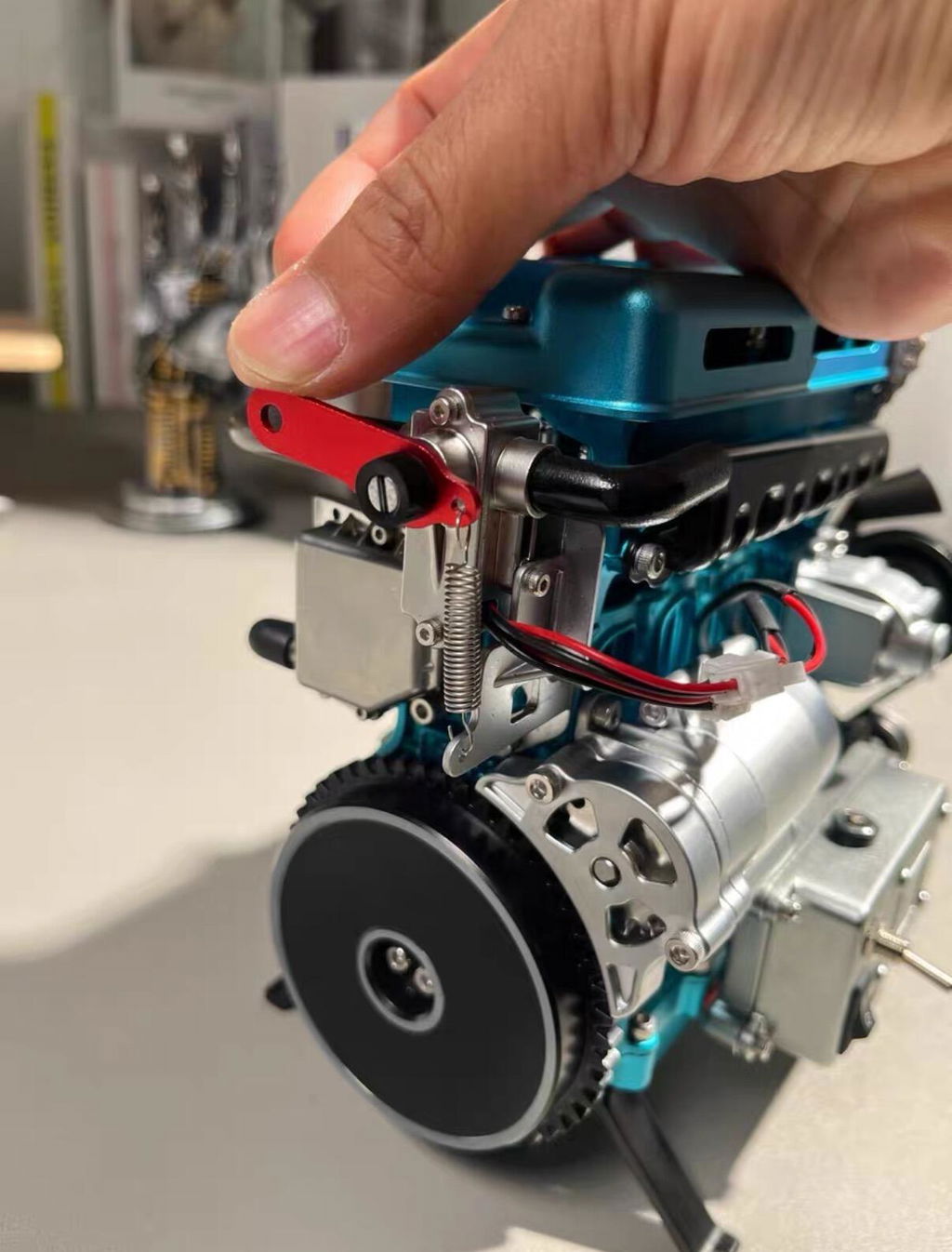
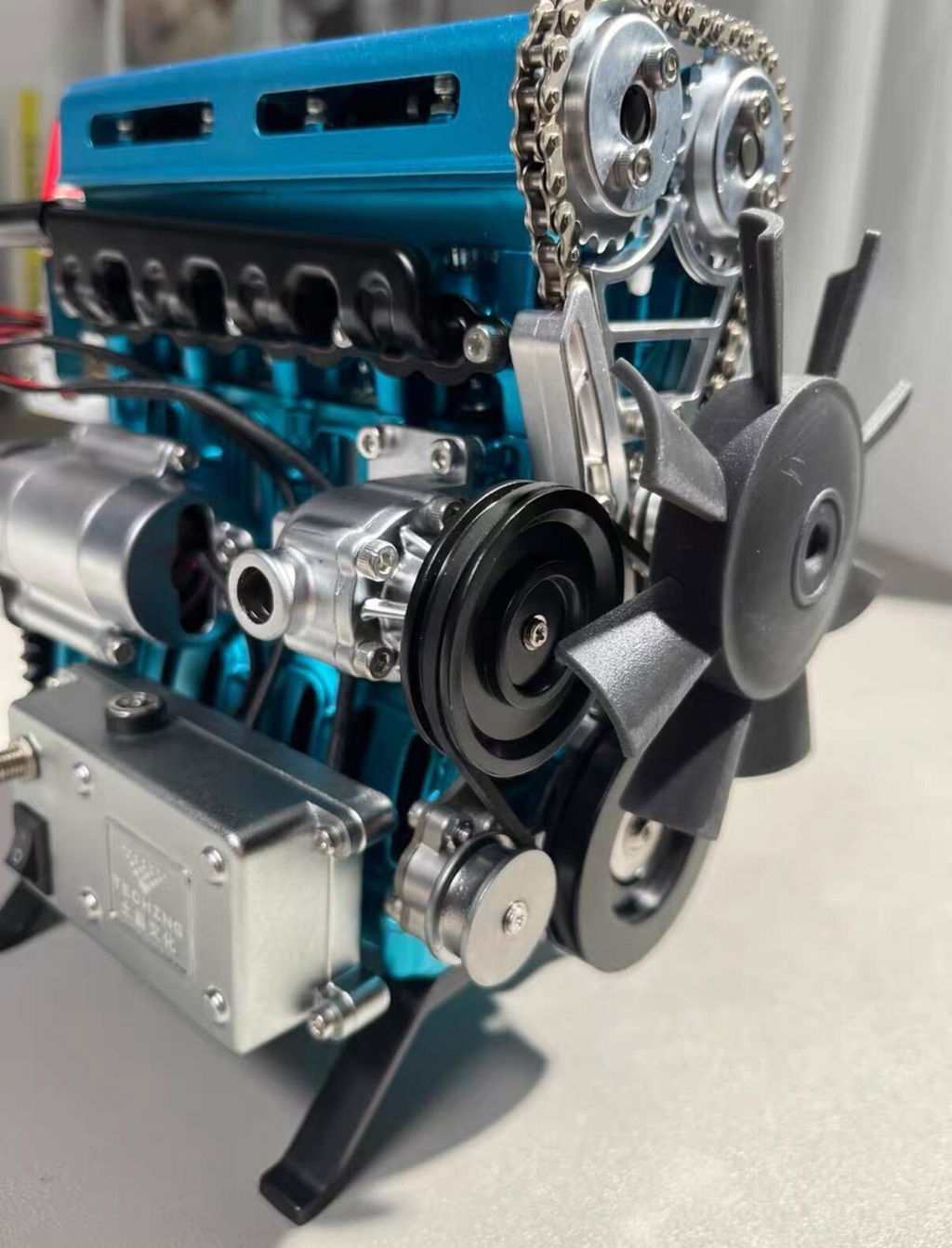
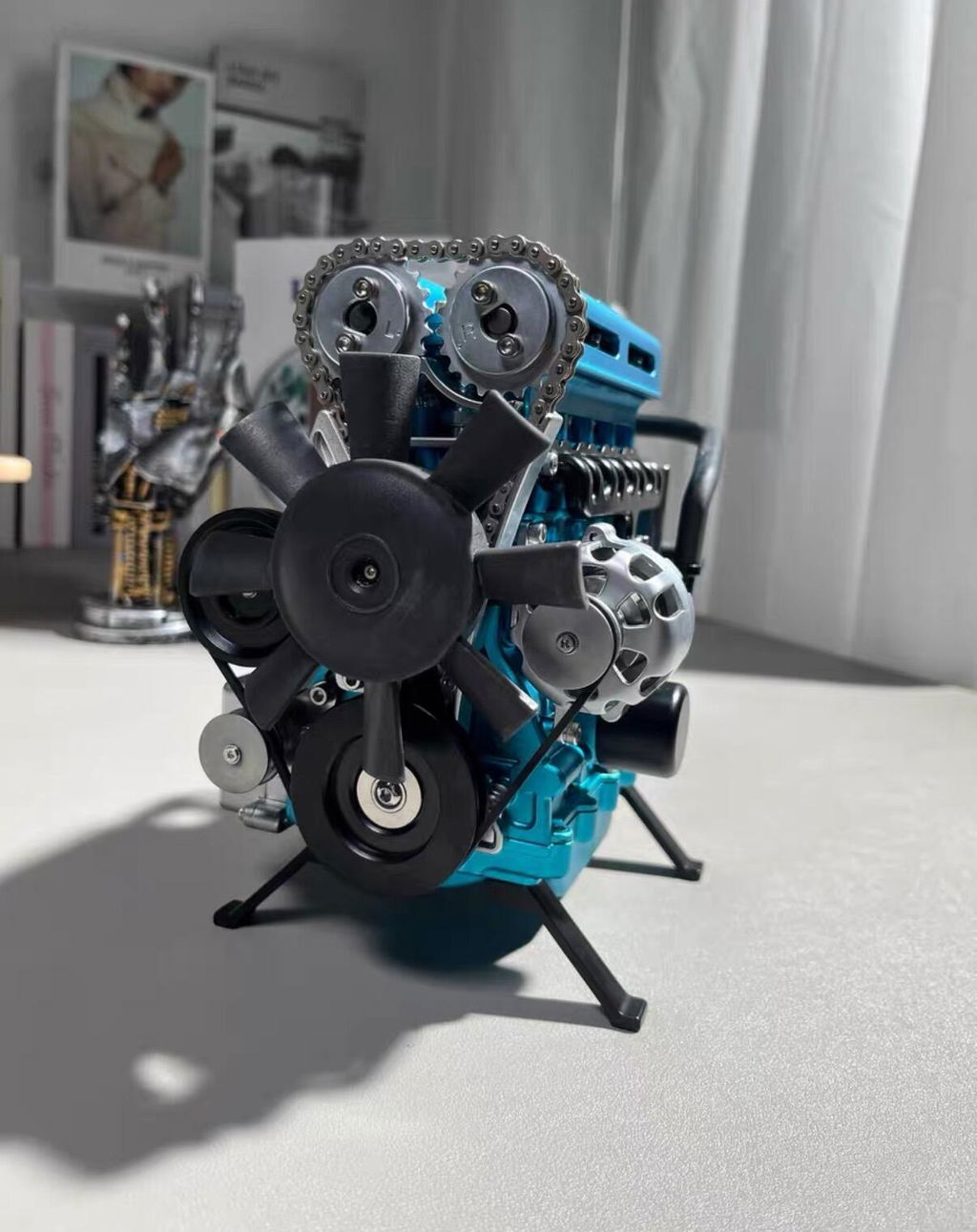
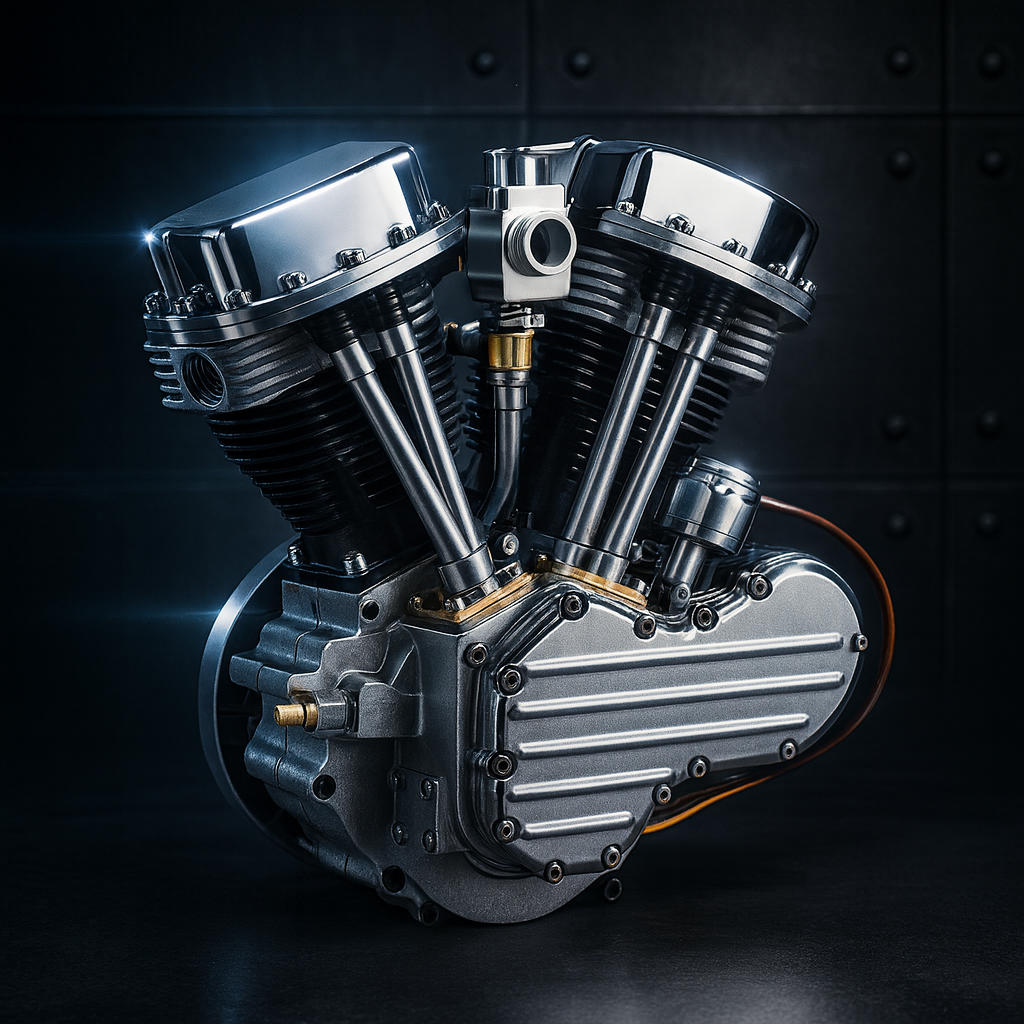
    TECHING V2 Engine Assembly Kit Full Metal VTwin Double-Cylinder Engine Model Kit for Collecting/Decorating/Education
    TECHING V2 Engine Assembly Kit Full Metal VTwin Double-Cylinder Engine Model Kit for Collecting/Decorating/Education
    Enginekitor
    $399.99
    $449.99 SAVE $50.00
    TWO CYLINDERS • V ARCHITECTURE • REAL MECHANICAL CHARACTER

    Explore V-Twin Engines in Two Completely Different Ways

    A V-Twin engine places two cylinders at an angle around a common crankshaft, creating one of the most recognizable layouts in motorcycle and compact engine design.

    ENGINEKITOR's V-Twin collection lets you experience this architecture in two fundamentally different ways: through a real 9cc four-stroke gasoline V-Twin engine and through a 217-piece full-metal motor-driven V-Twin model kit.

    Whether you want genuine internal combustion, a hands-on mechanical build, an engineering display or a compact engine for an advanced RC project, understanding the difference between these two approaches is the best place to start.

    IMPORTANT DISTINCTION

    Real V-Twin Engine vs Mechanical V-Twin Model

    These two products may share a V-Twin layout, but they do not operate in the same way.

    The CISON FG-VT9 is a genuine miniature four-stroke gasoline engine. Fuel is burned inside its cylinders to create real mechanical power.

    The TECHING V2 is an electric motor-driven mechanical model. Its internal components move to demonstrate engine architecture, but there is no fuel combustion.

    ENGINE ARCHITECTURE

    What Is a V-Twin Engine?

    A V-Twin uses two cylinders arranged in a V configuration rather than placing both cylinders in one straight line. The layout is strongly associated with motorcycles, compact powerplants and classic mechanical design.

    01 Two Cylinder Banks

    Each cylinder sits at an angle to the other, creating the characteristic V-shaped engine profile.

    02 Shared Crankshaft System

    Both pistons transfer reciprocating movement into rotational motion through the engine's crankshaft system.

    03 Compact Mechanical Layout

    A V configuration can package two cylinders into a short and visually distinctive engine architecture.

    04 Distinct Mechanical Character

    Cylinder angle, crank geometry and firing arrangement help give different V-Twin designs their characteristic rhythm, vibration and mechanical personality.

    SIDE-BY-SIDE

    CISON FG-VT9 vs TECHING V2

    The easiest way to choose is to decide whether you want real combustion or a hands-on mechanical assembly experience.

    Feature CISON FG-VT9 TECHING V2
    Type Real internal-combustion engine Mechanical engine model
    Power Source Gasoline Electric motor
    Real Combustion Yes No
    Engine Cycle Four-stroke Mechanical simulation
    Displacement 9cc Not applicable
    Cylinder Angle 45° V-type twin-cylinder model
    Cooling Air-cooled No combustion cooling system required
    Assembly Finished engine 217-piece DIY assembly
    Typical Experience Starting, tuning & real operation Building, learning & mechanical display
    Maintenance Higher Low
    Best For Engine & RC enthusiasts DIY builders, STEM & collectors
    45-DEGREE ARCHITECTURE

    Why Is the CISON FG-VT9 a 45° V-Twin?

    The FG-VT9 places its two cylinders at a 45-degree angle, creating the narrow V profile commonly associated with classic motorcycle-style engine architecture.

    Compact Width

    A narrow V angle creates a compact cross-section while retaining two separate cylinders.

    Distinct Visual Identity

    The angled cylinders produce the instantly recognizable V-Twin silhouette valued by motorcycle-engine enthusiasts.

    Mechanical Rhythm

    Cylinder angle and crankshaft arrangement influence firing intervals, vibration and the operating character of a V-Twin.

    REAL ENGINE OPERATION

    What Makes a Real Mini V-Twin Different?

    A miniature internal-combustion engine is not simply a model with moving parts. It must manage the same basic systems that allow a larger gasoline engine to operate.

    Fuel Delivery

    Fuel must be delivered to the engine correctly so the cylinders receive a usable air-fuel mixture.

    Ignition

    Combustion requires correctly timed ignition rather than an external electric motor simply rotating the mechanism.

    Lubrication

    Moving internal components require the correct lubrication specified for the engine to limit friction and wear.

    Cooling

    Real combustion generates heat. The FG-VT9 uses an air-cooled design to help manage engine temperature.

    Starting

    The crankshaft must reach sufficient speed while fuel and ignition conditions are correct before combustion can sustain engine operation.

    Tuning

    Fuel mixture, throttle position, ignition behavior and operating conditions can affect how smoothly a real miniature engine runs.

    BUILD IT YOURSELF

    What Do You Learn from Building the TECHING V2?

    The TECHING V2 removes fuel and tuning from the equation and instead makes the mechanical construction itself the center of the experience.

    01

    Component Relationships

    Building from individual parts helps reveal how separate mechanisms fit together into one engine system.

    02

    Precision Assembly

    Shafts, fasteners and moving parts must be installed in the correct relationship for smooth operation.

    03

    Motion Transmission

    The completed mechanism demonstrates how motor power is transferred through the model to create synchronized movement.

    04

    Mechanical Visualization

    Operating the finished engine makes it easier to study relationships that are normally hidden inside a complete automotive or motorcycle engine.

    ENGINE LAYOUTS

    V-Twin vs Inline Twin: What Is the Difference?

    Both use two cylinders, but the way those cylinders are arranged creates very different engine geometry.

    V-TWIN

    Cylinders at an Angle

    A V-Twin separates the cylinders into two angled banks. This creates the distinctive V-shaped silhouette associated with many motorcycle engines.

    • V-shaped architecture
    • Strong motorcycle identity
    • Compact engine length
    • Distinctive mechanical character
    INLINE TWIN

    Cylinders in One Row

    An inline or parallel twin places both cylinders alongside one another in the same cylinder bank.

    • Straight cylinder arrangement
    • Different crankshaft packaging
    • Common compact-engine architecture
    • Different vibration and firing characteristics
    CHOOSE BY EXPERIENCE

    Which V-Twin Experience Fits You?

    Real Engine Enthusiasts

    Choose the CISON if starting, running and tuning a genuine gasoline engine is the experience you want.

    RC Builders

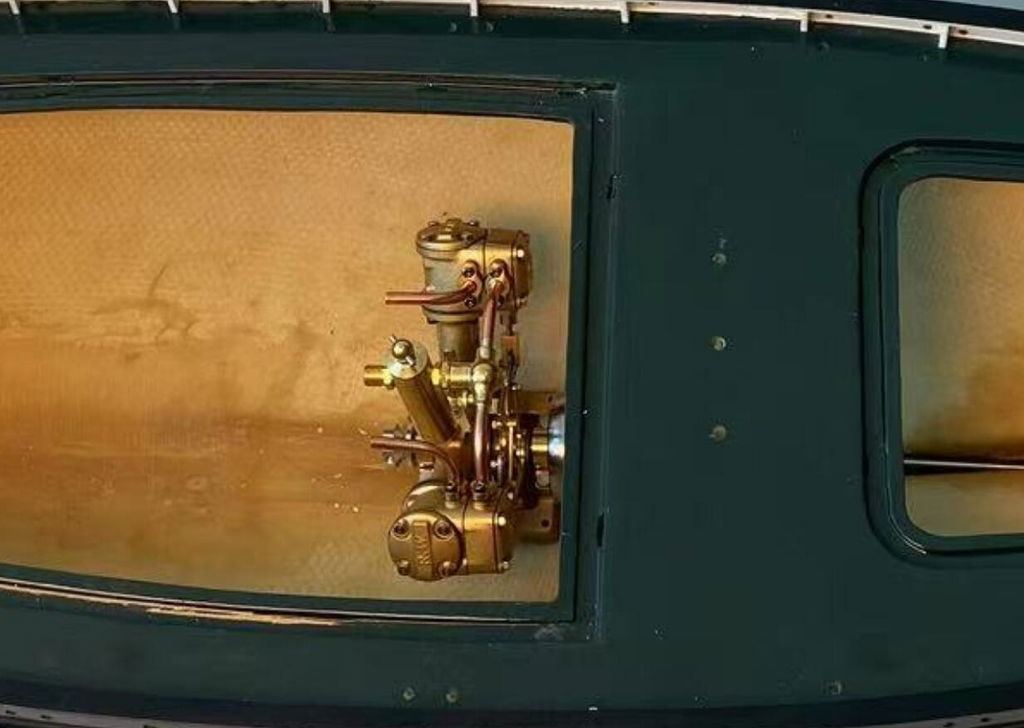
    The real 9cc V-Twin is the more relevant option for advanced users exploring powered motorcycle or custom mechanical projects.

    DIY Builders

    Choose the TECHING model if assembling more than 200 precision components is the part of the project you enjoy most.

    STEM Learners

    The motor-driven model allows repeated observation of mechanical movement without gasoline, exhaust or engine tuning.

    Motorcycle Enthusiasts

    V-Twin architecture offers a direct connection to one of the most recognizable motorcycle-engine layouts.

    Collectors

    Both versions provide strong display value: one through authentic internal combustion, the other through precision metal assembly.

    BUYER'S GUIDE

    How to Choose a V-Twin Engine Model

    01

    Decide Whether You Want Real Combustion

    If gasoline, ignition, exhaust and real engine operation are essential, choose the CISON. If visible mechanical motion is enough, the TECHING model is much easier to operate.

    02

    Choose Operation or Assembly

    The CISON arrives as a finished engine and focuses on operation. The TECHING arrives as a 217-piece kit and focuses on construction.

    03

    Consider Maintenance

    A real gasoline engine requires fuel handling, lubrication, starting procedures and ongoing maintenance. An electric mechanical model requires significantly less upkeep.

    04

    Think About Where You Will Use It

    Electric mechanical models are easier to demonstrate indoors. Genuine combustion engines require an appropriate operating environment because they generate heat, noise and exhaust.

    05

    Match the Engine to Your Skill Level

    The TECHING kit is generally the more approachable educational option. The real gasoline V-Twin is better suited to users comfortable with fuel systems and engine troubleshooting.

    REAL ENGINE SAFETY

    Treat a Fuel-Powered Mini V-Twin as Functional Machinery

    A genuine miniature gasoline engine produces heat, rotating motion and exhaust gases. Use only the fuel and lubrication specified for the exact engine, secure it correctly before starting, keep hands and loose items away from rotating components and operate it in a properly ventilated environment.

    Always follow the operating instructions supplied with the engine rather than applying setup procedures from a different V-Twin model.

    COMMON QUESTIONS

    V-Twin Engine Model FAQ

    Common questions about V-Twin engines, V2 models, gasoline operation and mechanical kits.

    What is a V-Twin engine?

    A V-Twin is a two-cylinder engine with the cylinders arranged at an angle to one another around a common crankshaft system. This creates the distinctive V-shaped engine architecture widely associated with motorcycles and compact powerplants.

    Is a V2 engine the same as a V-Twin engine?

    In miniature-engine and model-engine listings, “V2” is commonly used to describe a V-type two-cylinder engine. “V-Twin” is generally the clearer engineering and search term for this layout.

    Does the CISON FG-VT9 actually run on gasoline?

    Yes. The FG-VT9 is a genuine 9cc four-stroke gasoline internal-combustion engine. It should not be confused with an electric mechanical engine model.

    Is the TECHING V2 a real combustion engine?

    No. The TECHING V2 is a motor-driven mechanical engine model. Its components move to demonstrate the structure and motion of a V-Twin, but it does not burn fuel.

    How many parts are in the TECHING V2 kit?

    The TECHING V2 contains 217 components and is designed as a hands-on full-metal assembly project.

    How long does the TECHING V2 take to build?

    The current specification lists approximately 3 to 3.5 hours of assembly time. Actual build time will depend on experience and working pace.

    How long can the TECHING V2 run after charging?

    The model uses a 500mAh rechargeable battery and is specified for more than 30 minutes of operation on a full charge.

    What is the displacement of the CISON FG-VT9?

    The FG-VT9 has a total displacement of 9cc, divided between two 4.5cc cylinders.

    Is the CISON FG-VT9 air cooled?

    Yes. The FG-VT9 uses an air-cooled design rather than a water-cooling circuit.

    Can the CISON V-Twin be used in an RC motorcycle?

    The engine is designed with RC motorcycle applications in mind, but installation requires appropriate mounting, drivetrain, fuel, ignition and control systems. Always confirm the requirements of the specific project before installation.

    Which V-Twin is better for a beginner?

    For most beginners interested in mechanical learning, the electric TECHING V2 is easier because it avoids gasoline, carburetor adjustment, ignition and combustion-engine maintenance. The CISON is more appropriate for users who specifically want real engine operation.

    What is the difference between V-Twin and inline twin engines?

    A V-Twin places its cylinders at an angle, while an inline or parallel twin places both cylinders beside each other in one row. The difference affects engine packaging, crankshaft geometry and mechanical character.

    Are V-Twin engine models suitable for STEM learning?

    Yes. Mechanical V-Twin models can help demonstrate piston motion, crankshaft rotation, twin-cylinder synchronization and mechanical power transmission.

    Does ENGINEKITOR provide technical support?

    ENGINEKITOR provides after-sales assistance for supported models. For assembly or operation problems, provide your order information together with clear photos or video so the issue can be identified accurately.