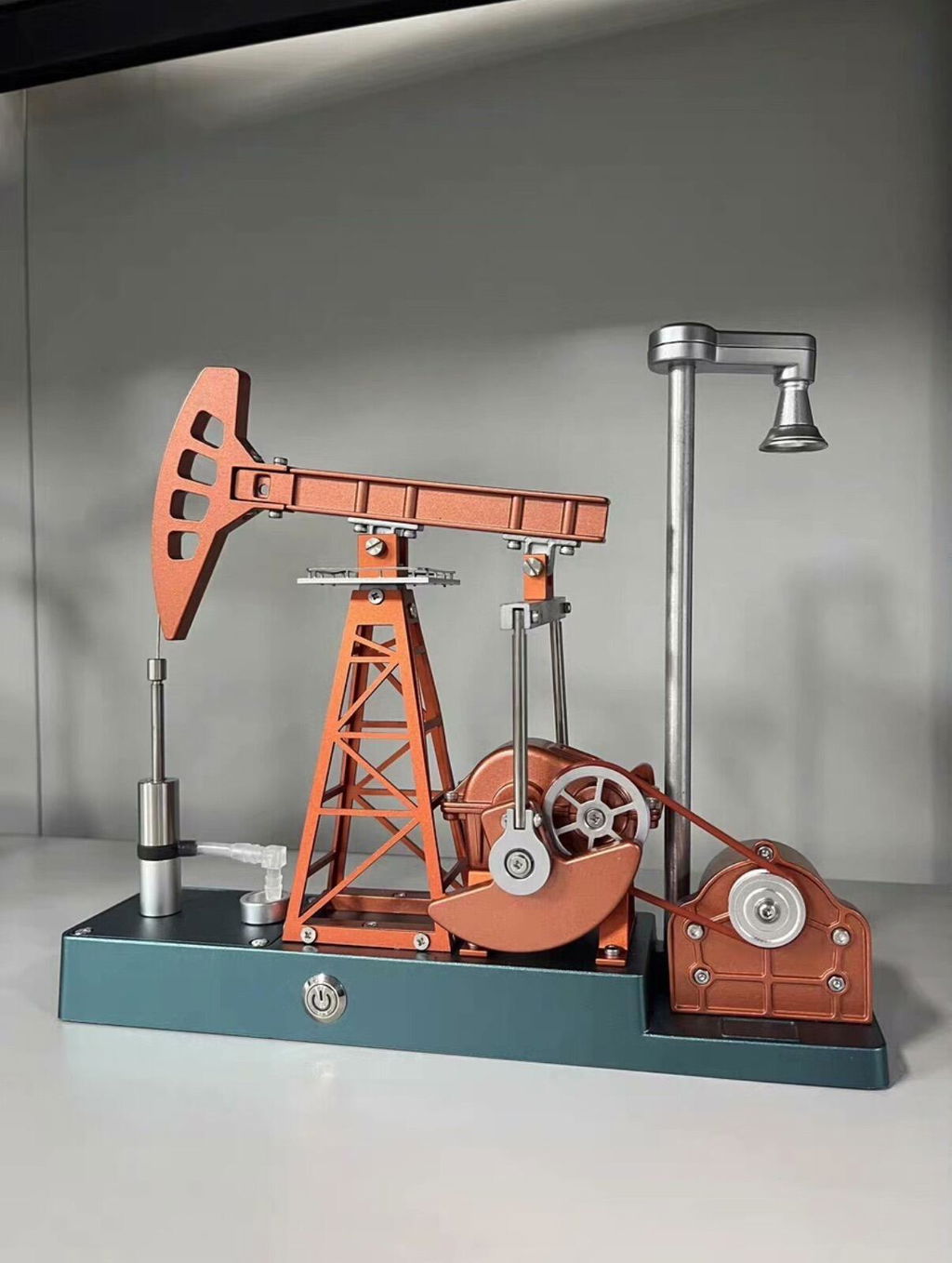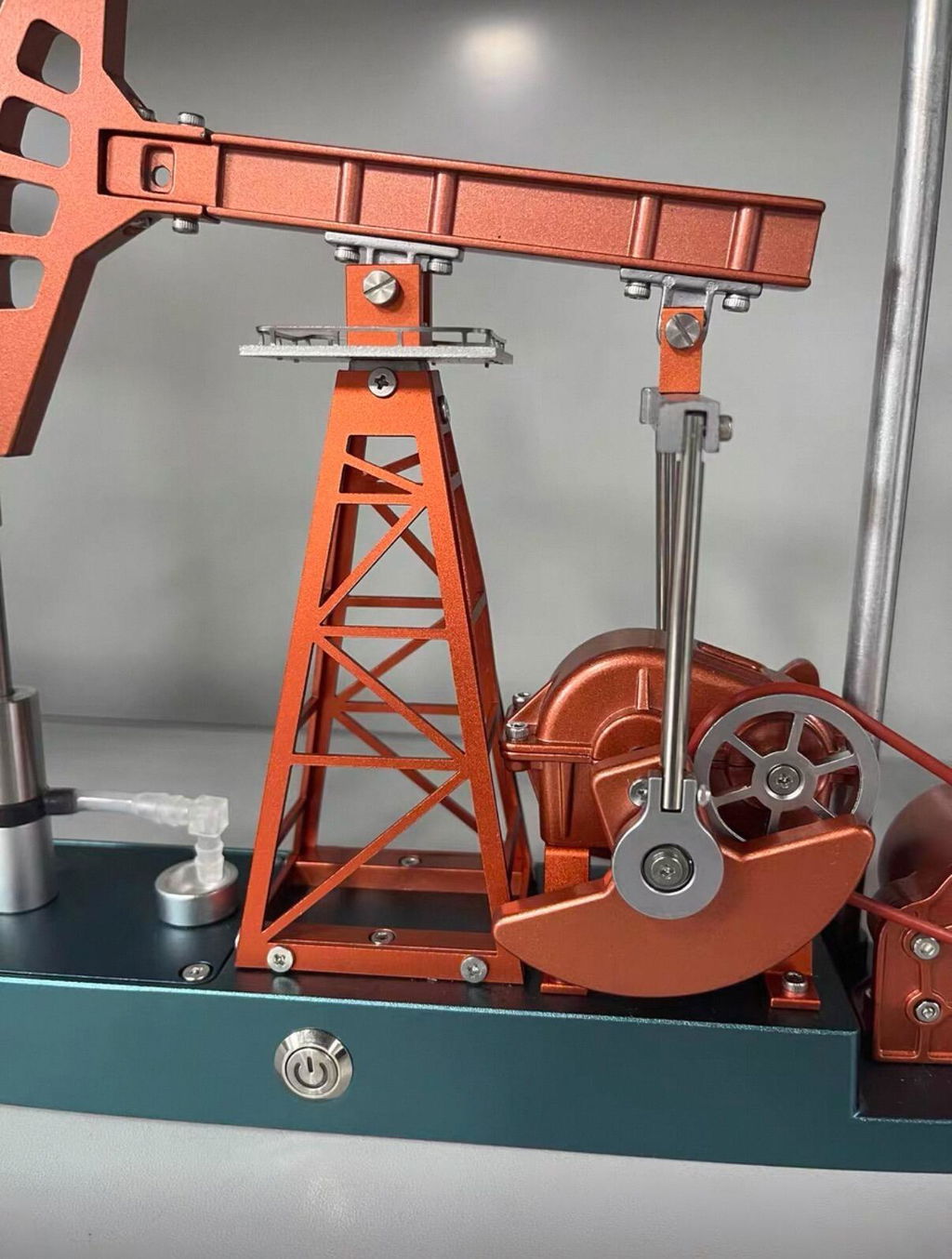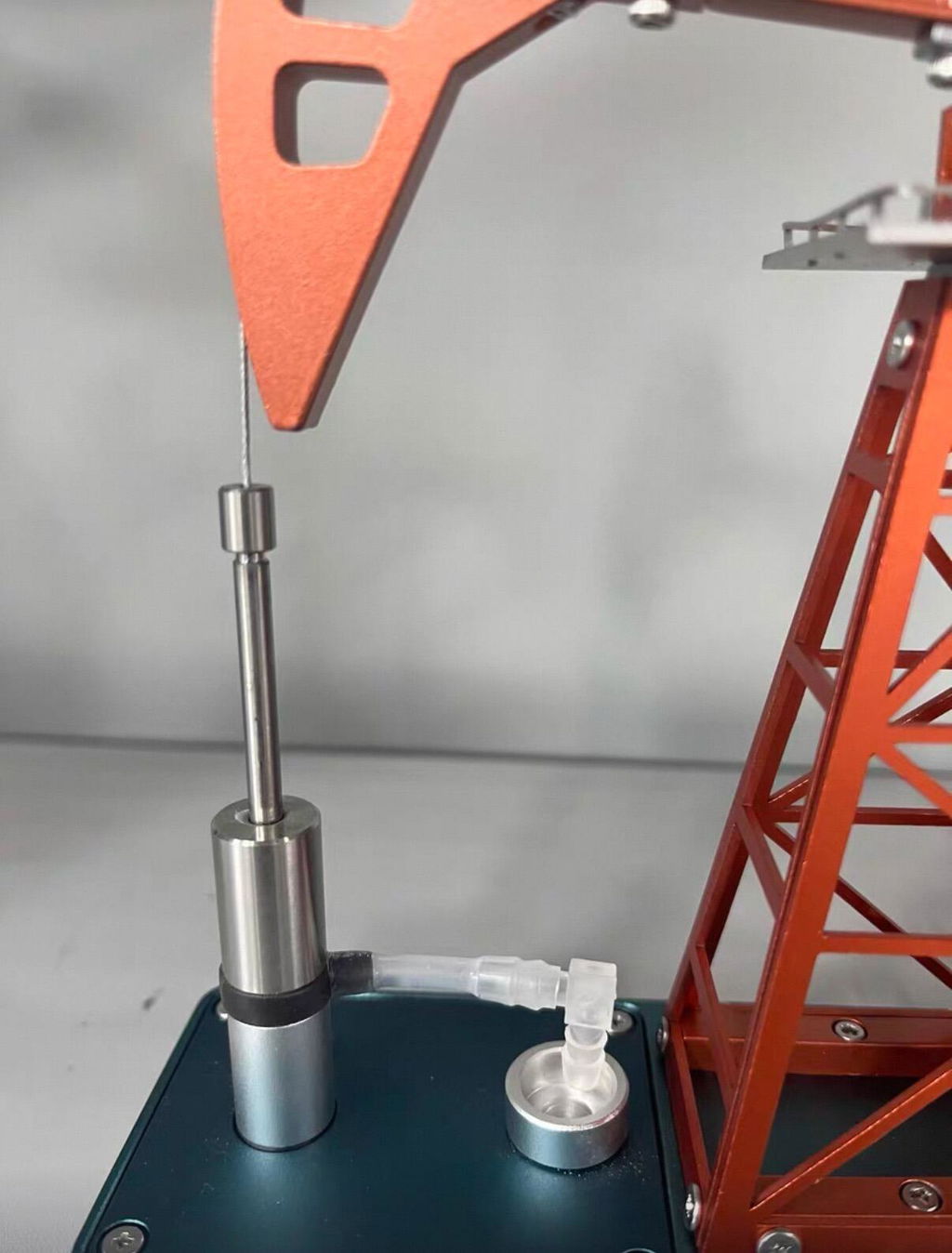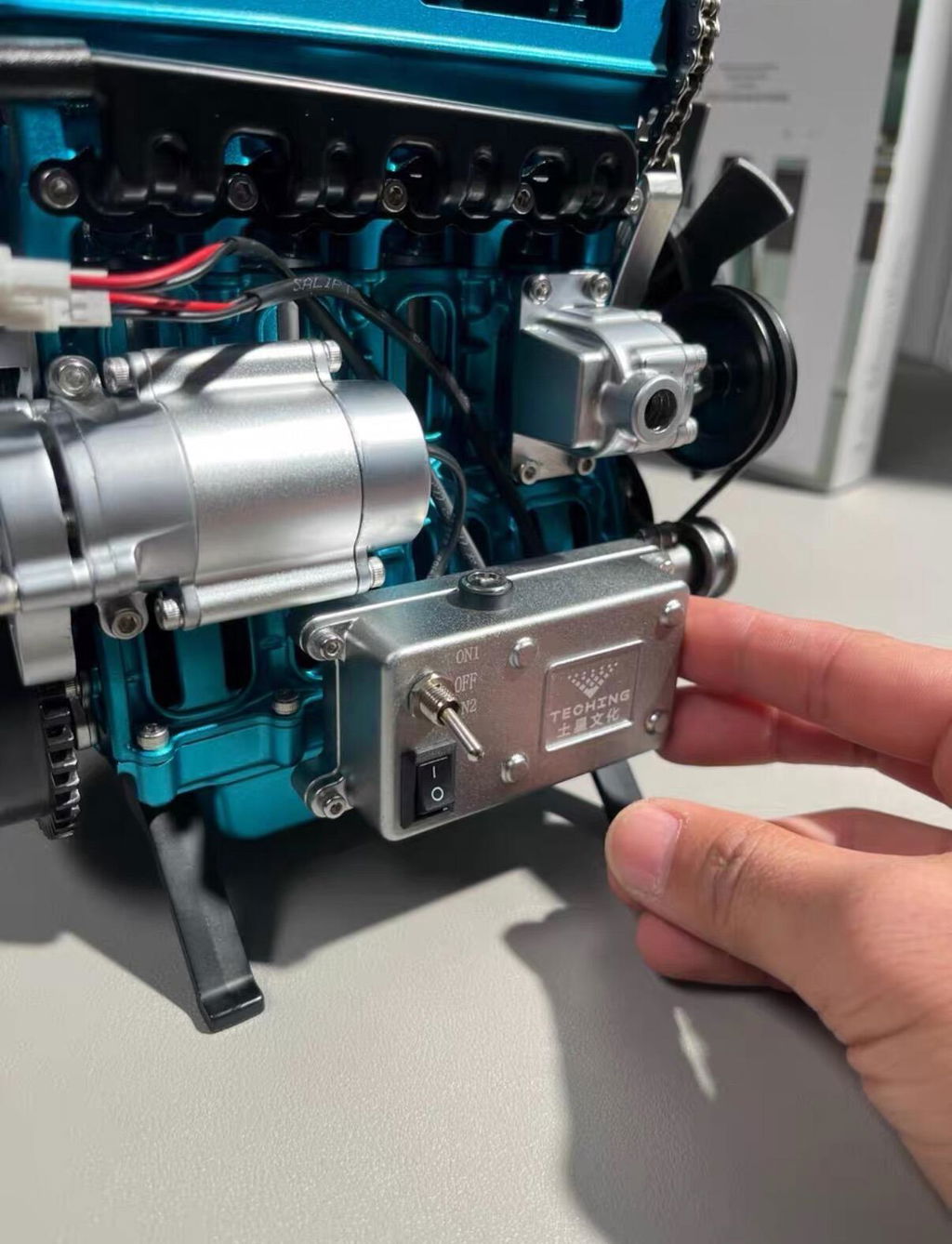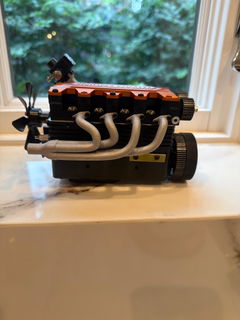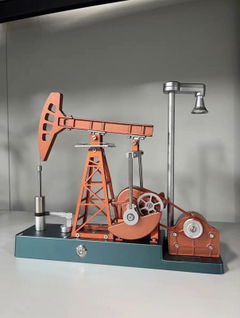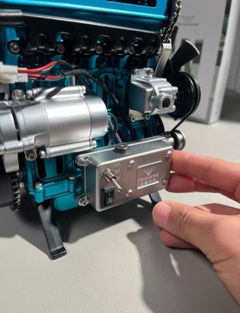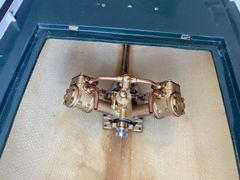
Engine Models – Working Mini Engines & Mechanical Models

Engine Models – Working Mini Engines & Mechanical Models

Filter

    Explore engine models and working miniature engines for collectors, hobbyists, engineers and mechanical enthusiasts. Discover real gasoline and nitro engines, mechanical working models, V8 and V12 engines, jet and turbine models, steam engines, Stirling engines and more.

    From genuine combustion engines to motor-driven mechanical displays and precision assembly projects, ENGINEKITOR brings real-world engine architecture and visible mechanical motion into collectible scale.


    TECHING 1/4 Scale V12 Engine Model Kit with Synchronized Sound Effects – 800+PCS Metal Supercar Engine Kit
    TECHING 1/4 Scale V12 Engine Model Kit with Synchronized Sound Effects – 800+PCS Metal Supercar Engine Kit
    Enginekitor
    $1,199.99
    $1,299.99 SAVE $100.00
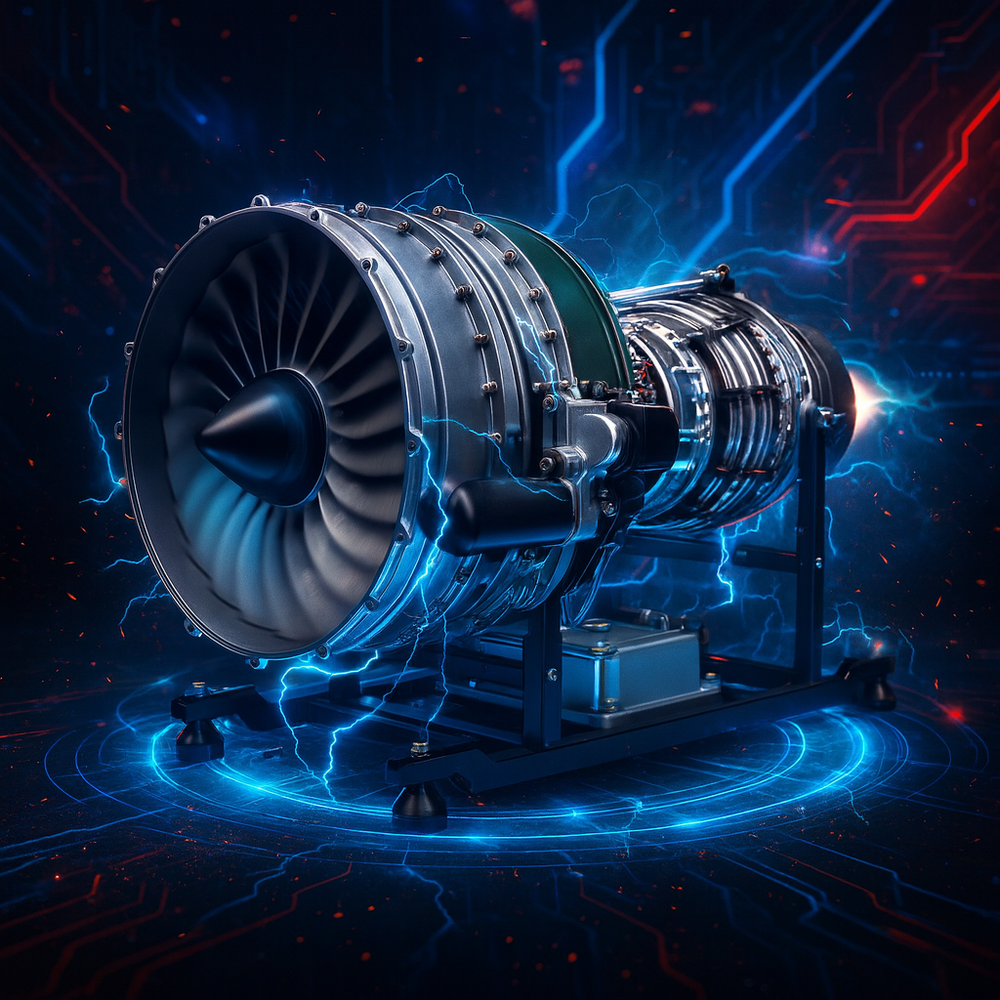
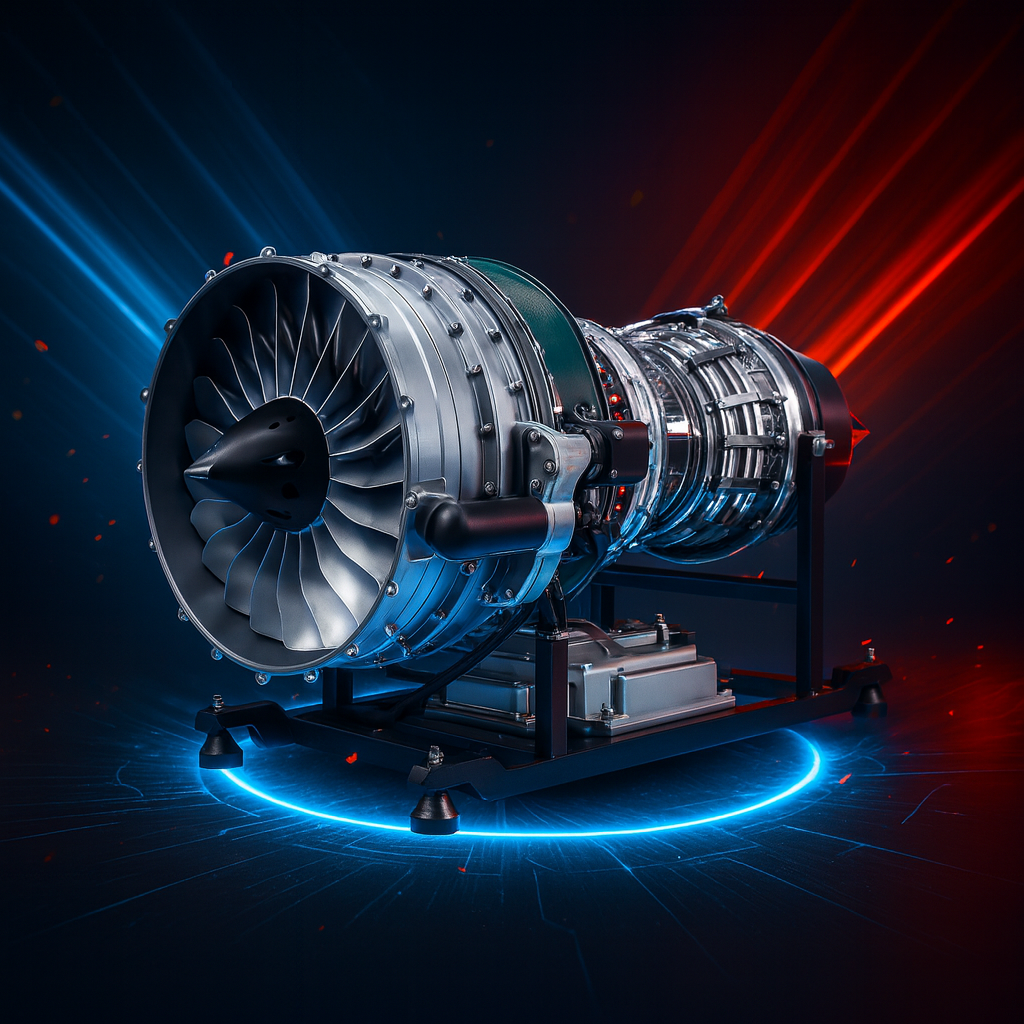
    TECHING 1/10 1000+Pcs DIY Full Metal Electric Twin-Spool Turbofan Aircraft Jet Engine Model Kit - Build Your Own Working Engine
    TECHING 1/10 1000+Pcs DIY Full Metal Electric Twin-Spool Turbofan Aircraft Jet Engine Model Kit - Build Your Own Working Engine
    Enginekitor
    $999.99
    $1,099.99 SAVE $100.00
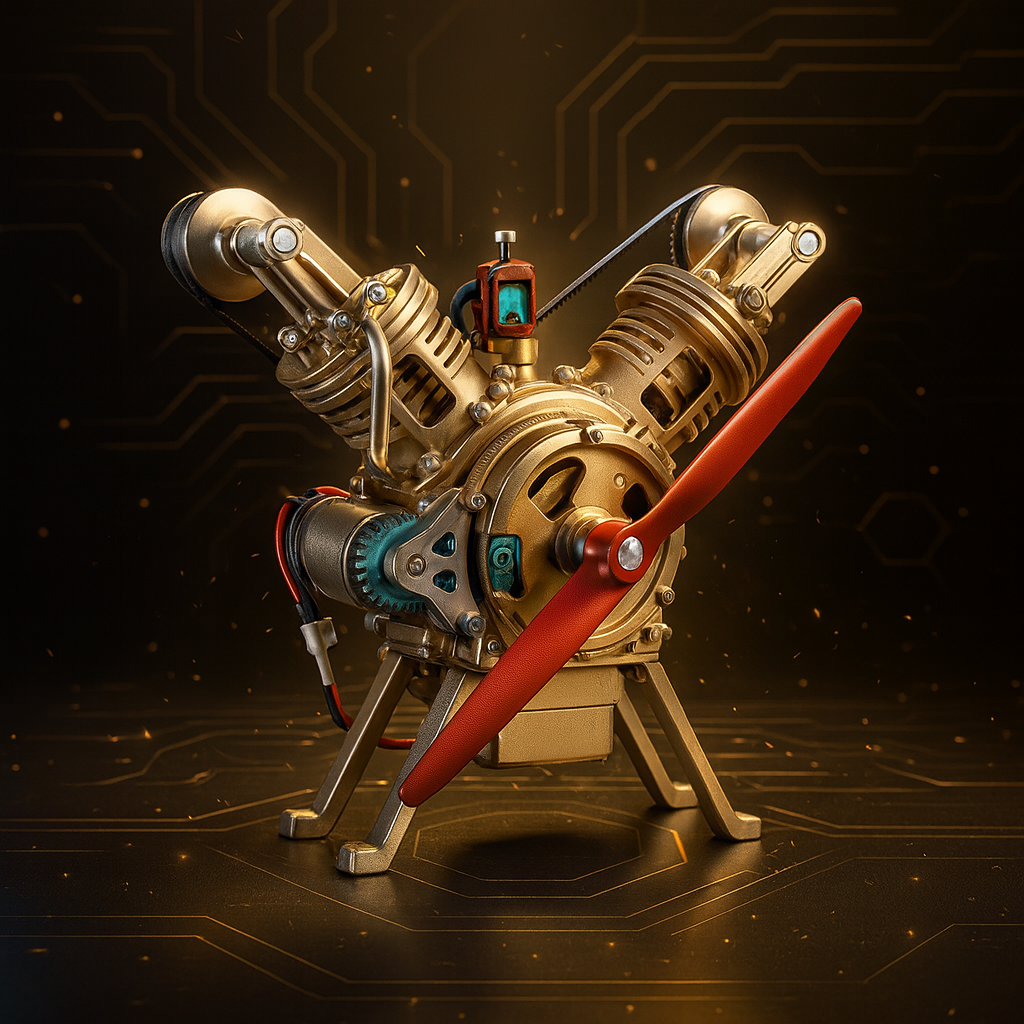
    TECHING V2 Engine Assembly Kit Full Metal VTwin Double-Cylinder Engine Model Kit for Collecting/Decorating/Education
    TECHING V2 Engine Assembly Kit Full Metal VTwin Double-Cylinder Engine Model Kit for Collecting/Decorating/Education
    Enginekitor
    $399.99
    $449.99 SAVE $50.00
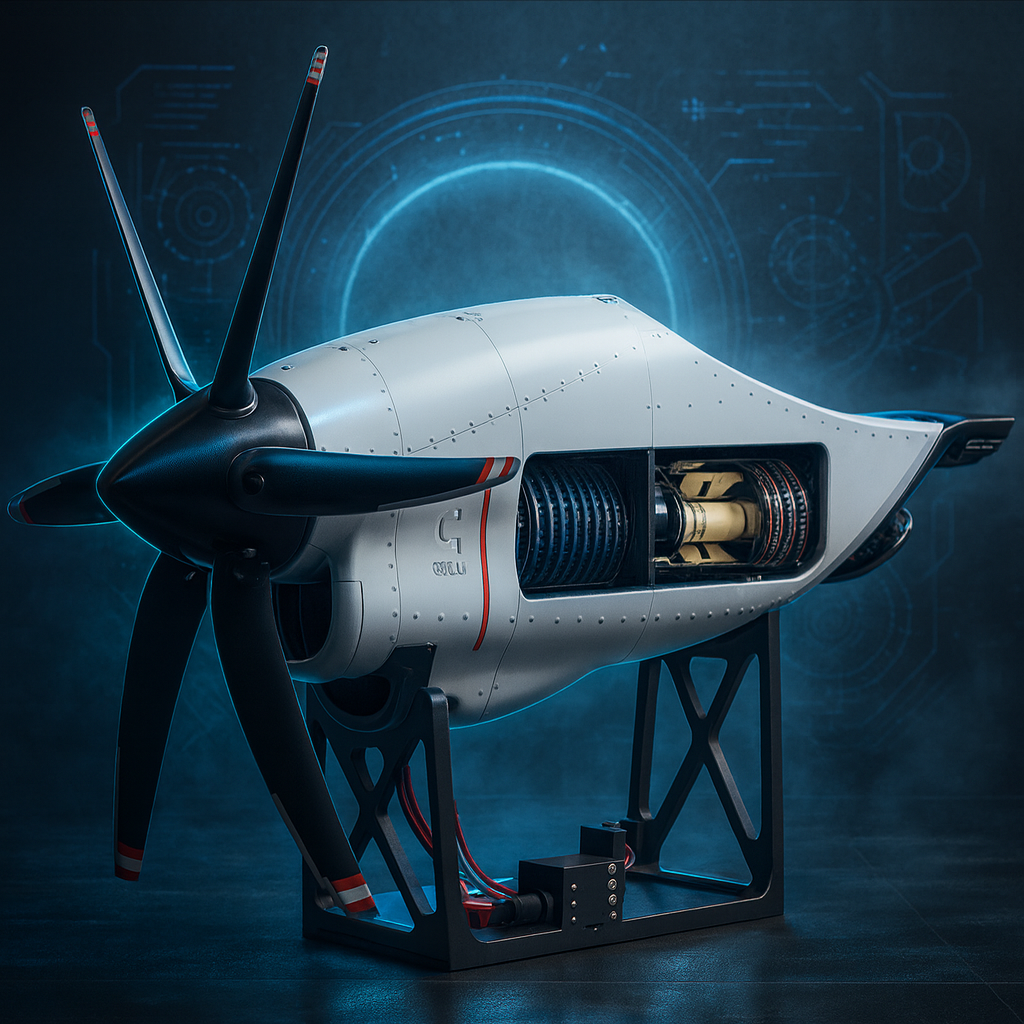
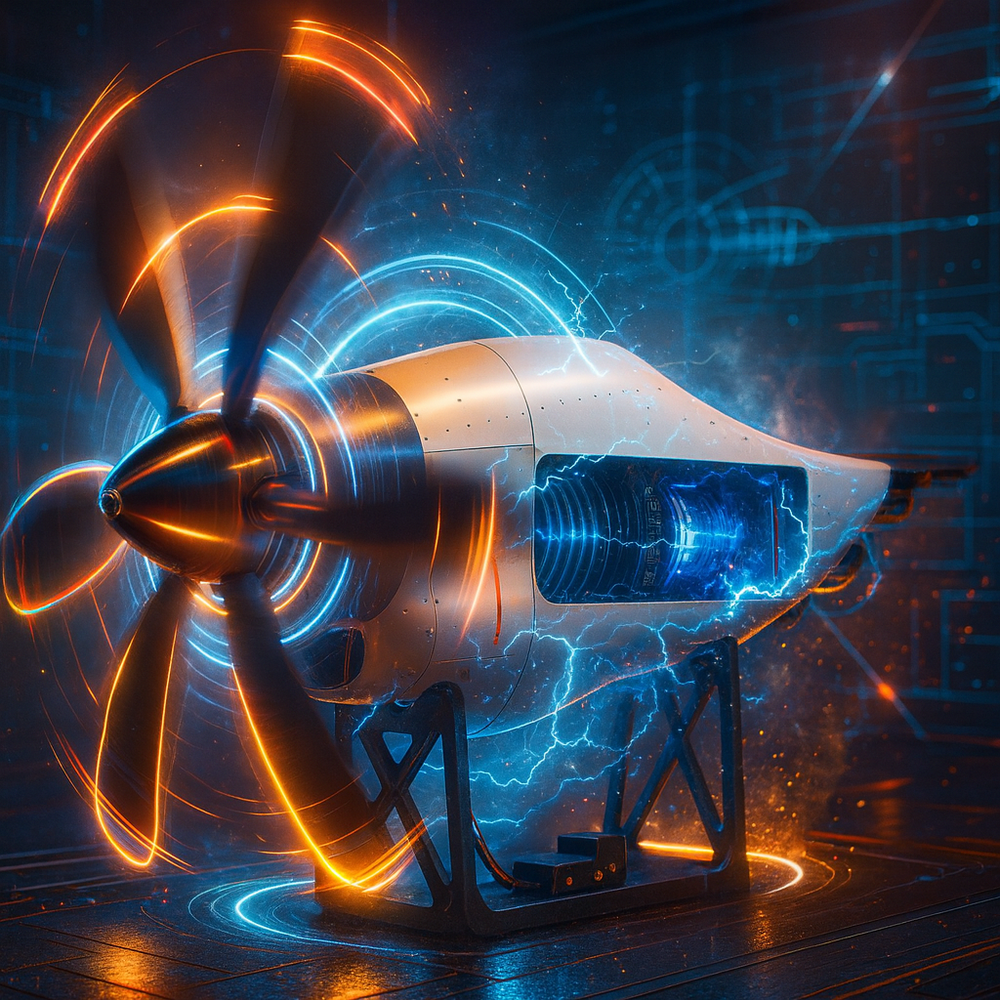
    ENGINEKITOR T56-A-15 Turboprop Engine Model Engine Kit from C-130 Hercules Transport Aircraft
    ENGINEKITOR T56-A-15 Turboprop Engine Model Engine Kit from C-130 Hercules Transport Aircraft
    Enginekitor
    $399.99
    $449.99 SAVE $50.00
    ENJOMOR GS-V8 78cc DOHC Four-Stroke V8 Gasoline Engine Model – Water-Cooled Real Working 8-Cylinder IC Engine
    ENJOMOR GS-V8 78cc DOHC Four-Stroke V8 Gasoline Engine Model – Water-Cooled Real Working 8-Cylinder IC Engine
    Enginekitor
    $2,899.99
    $3,199.99 SAVE $300.00
    ENGINEKITOR  Large TR900 Turbofan Engine Model Kit With Adjustable Speed&Lighting Model Kit (48CM/18.8IN)
    ENGINEKITOR Large TR900 Turbofan Engine Model Kit With Adjustable Speed&Lighting Model Kit (48CM/18.8IN)
    Enginekitor
    $249.99
    $299.99 SAVE $50.00
    TECHING All-metal Single-cylinder Car Engine Assembly Kit for Collection and Gift
    TECHING All-metal Single-cylinder Car Engine Assembly Kit for Collection and Gift
    Enginekitor
    $299.99
    $349.99 SAVE $50.00
    enginekitor-toyan-fs-v800-v8-nitro-engine-28cc-build-your-own-working-v8-engine-model-kit
    TOYAN FS-V800 V8 Nitro Engine 28cc - Build Your Own Working V8 Engine Model Kit
    Enginekitor
    $1,799.99
    $1,899.99 SAVE $100.00
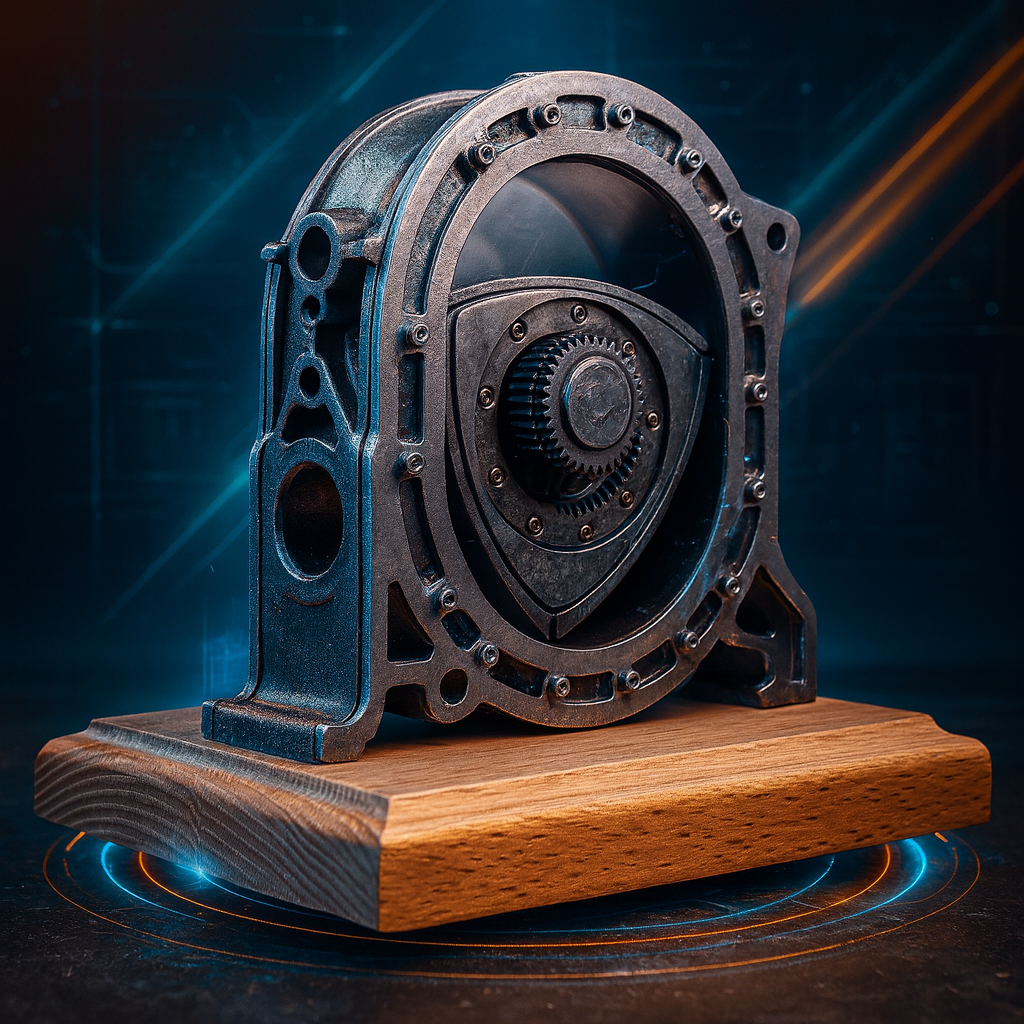
    ENGINEKITOR Wankel Engine Model Metal Rotary Engine Kit for Tech Enthusiasts and Future Engineers - Build Your Own Engine Model
    ENGINEKITOR Wankel Engine Model Metal Rotary Engine Kit for Tech Enthusiasts and Future Engineers - Build Your Own Engine Model
    Enginekitor
    $169.99
    $199.99 SAVE $30.00
    ENGINEKITOR TR900 Turbofan Engine Model Kit Magnetic Base Twin Light Aeromodelling Kit Rechargeable with Illuminated Version For Gift
    ENGINEKITOR TR900 Turbofan Engine Model Kit Magnetic Base Twin Light Aeromodelling Kit Rechargeable with Illuminated Version For Gift
    Enginekitor
    $149.99
    $169.99 SAVE $20.00
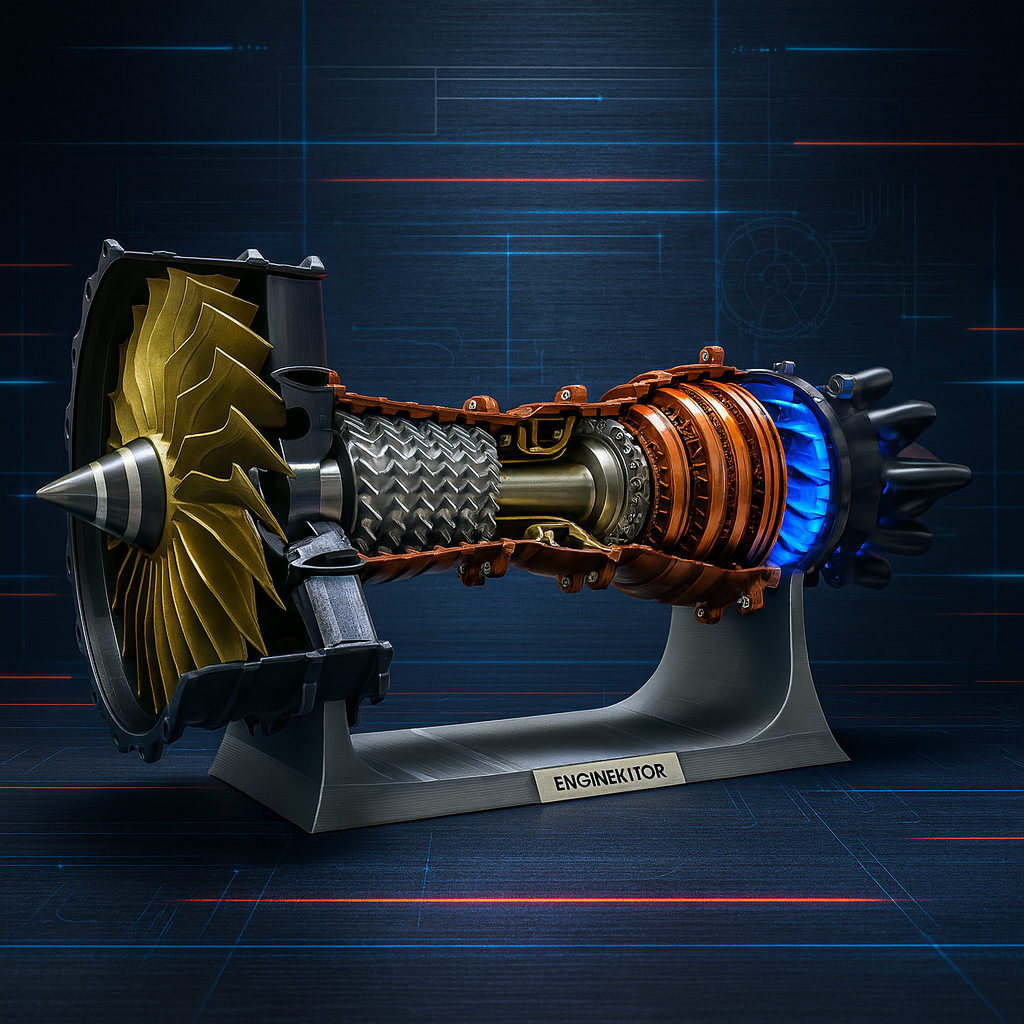
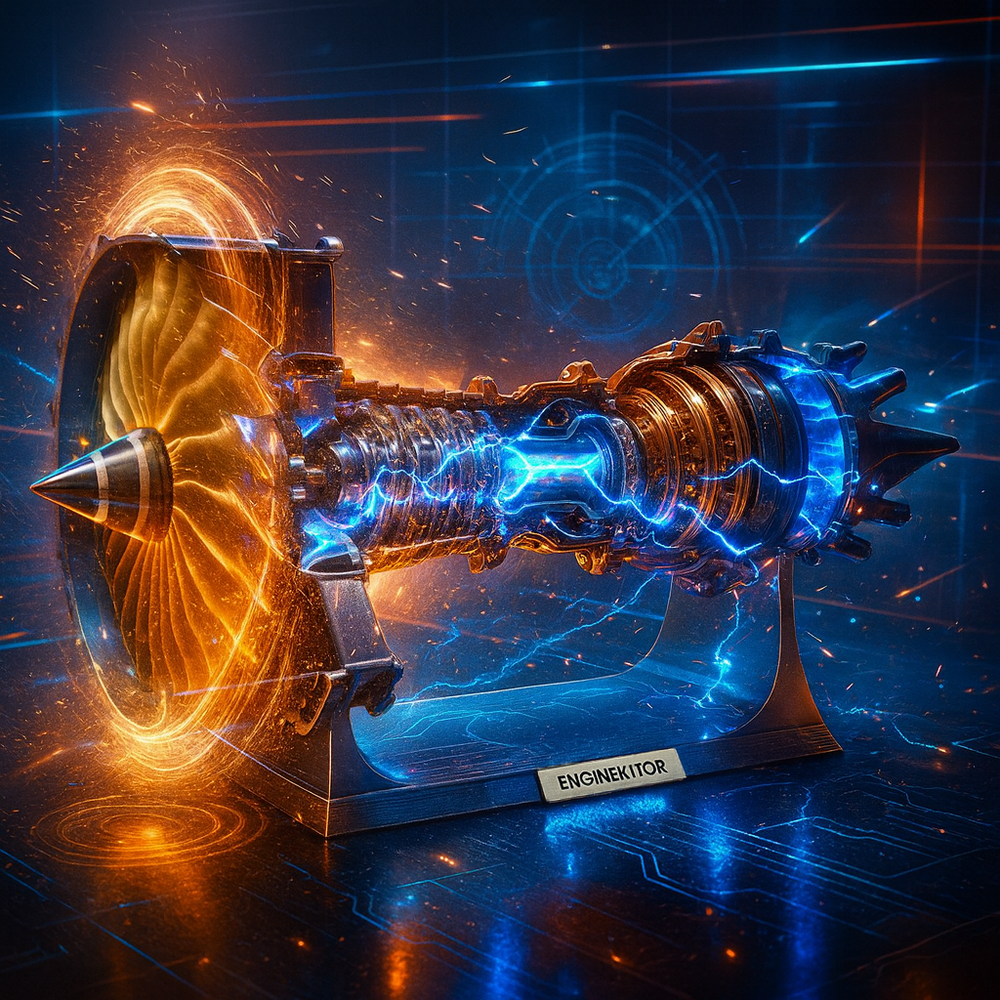
    ENGINEKITOR Trent 900-1:20 Scale Mechanical Science Model-Build Your Own Jet Aircraft Turbofan Engine Kit
    ENGINEKITOR Trent 900-1:20 Scale Mechanical Science Model-Build Your Own Jet Aircraft Turbofan Engine Kit
    Enginekitor
    $269.99
    $299.99 SAVE $30.00
    MUSA 1/8 2.6cc Mini Single-Cylinder 4-Stroke Gas Engine Model Upgrade - Up to 12000rpm
    MUSA 1/8 2.6cc Mini Single-Cylinder 4-Stroke Gas Engine Model Upgrade - Up to 12000rpm
    Enginekitor
    $449.99
    ENGINEKITOR Highly Restored Rolls Royce Trent 900 Turbofan Engine Model RTR Turbofan Engine Model(55cm/22in)
    ENGINEKITOR Highly Restored Rolls Royce Trent 900 Turbofan Engine Model RTR Turbofan Engine Model(55cm/22in)
    Enginekitor
    $599.99
    $699.99 SAVE $100.00
    ENGINEKITOR 1/20 Scale Pratt Whitney F100 Low Bypass Turbofan Engine Model – Build Your Own Engine(57CM/22.4INCH)
    ENGINEKITOR 1/20 Scale Pratt Whitney F100 Low Bypass Turbofan Engine Model – Build Your Own Engine(57CM/22.4INCH)
    Enginekitor
    $329.99
    $379.99 SAVE $50.00
    Stirling 16 Cylinder Engine Model Engine Model Kit for Science Enthusiasts & Education Generator Toy Engine
    Stirling 16 Cylinder Engine Model Engine Model Kit for Science Enthusiasts & Education Generator Toy Engine
    Enginekitor
    $299.99
    $399.99 SAVE $100.00
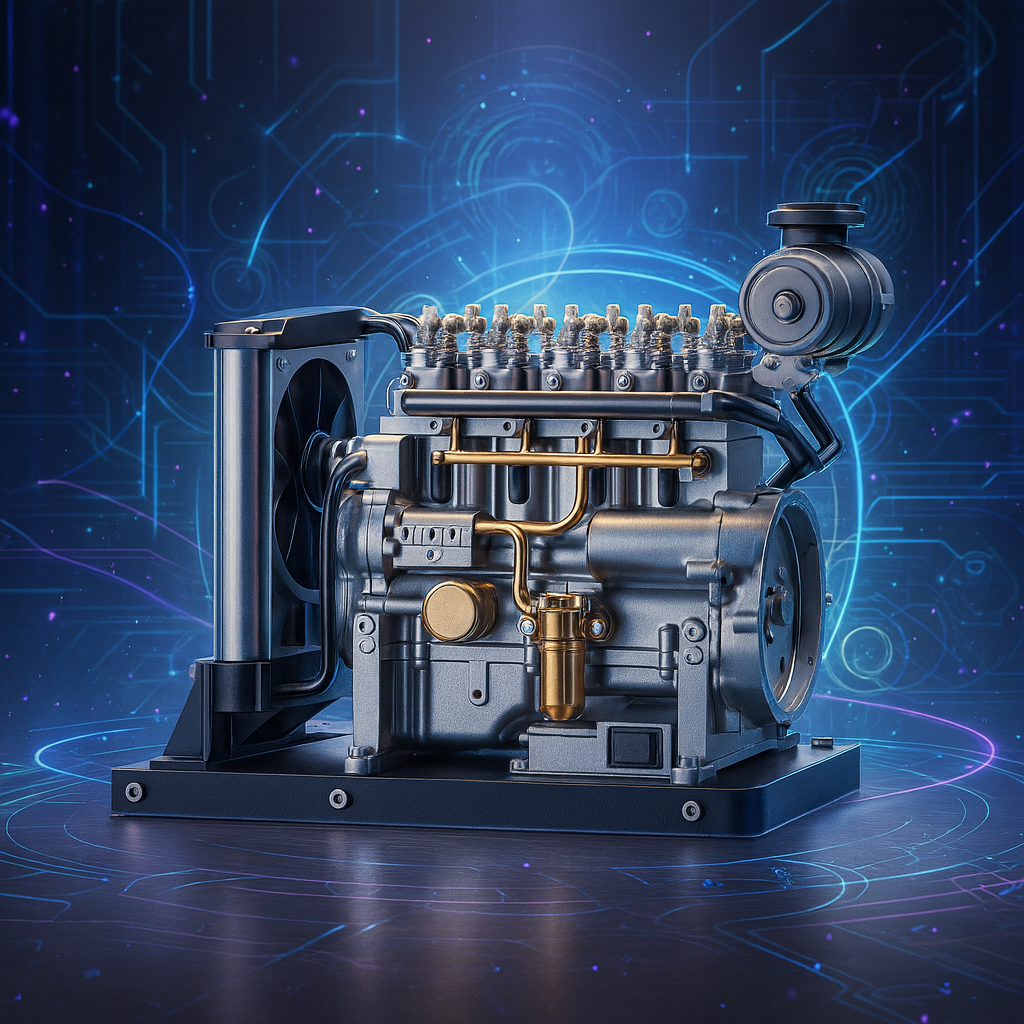
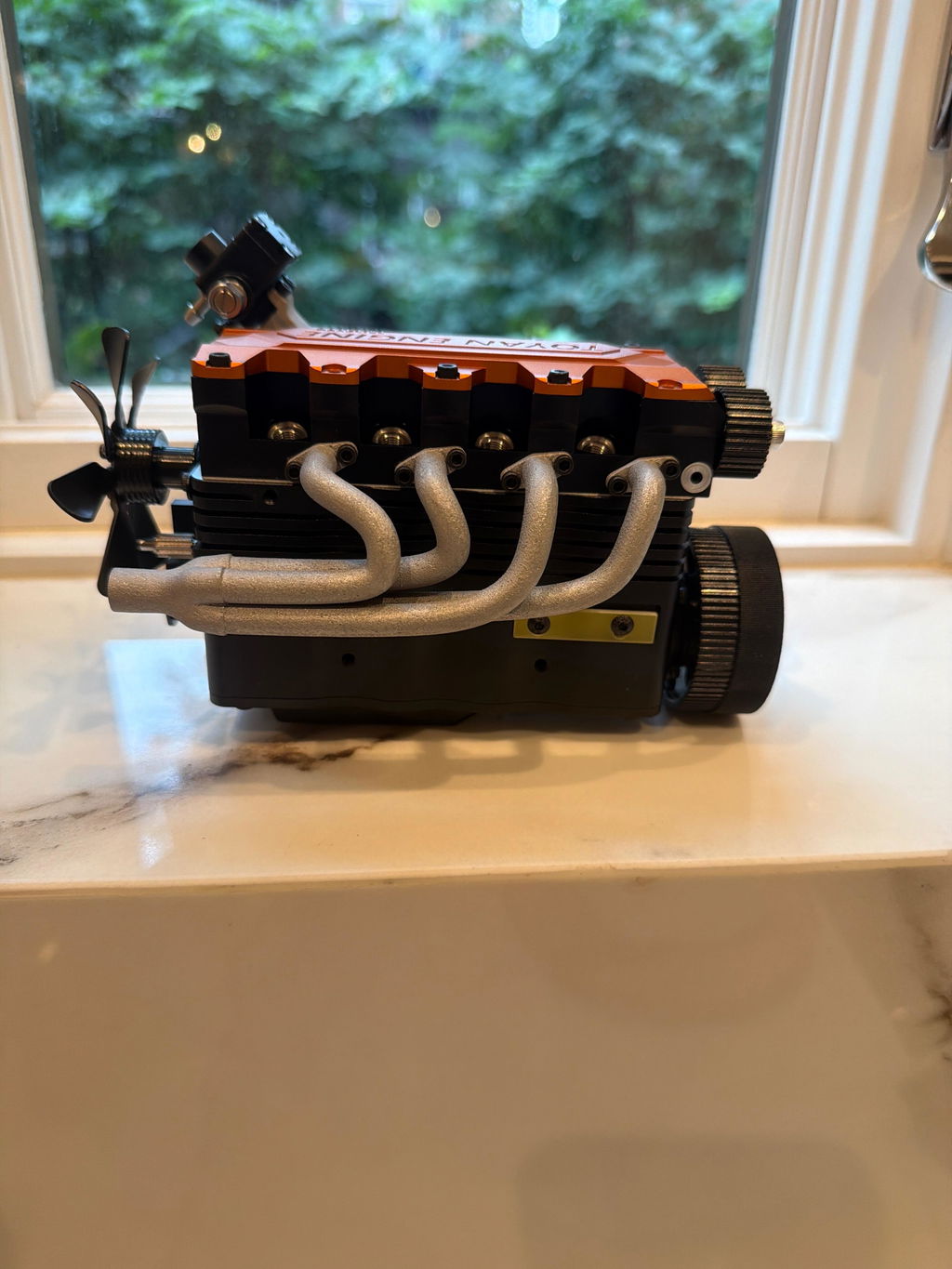
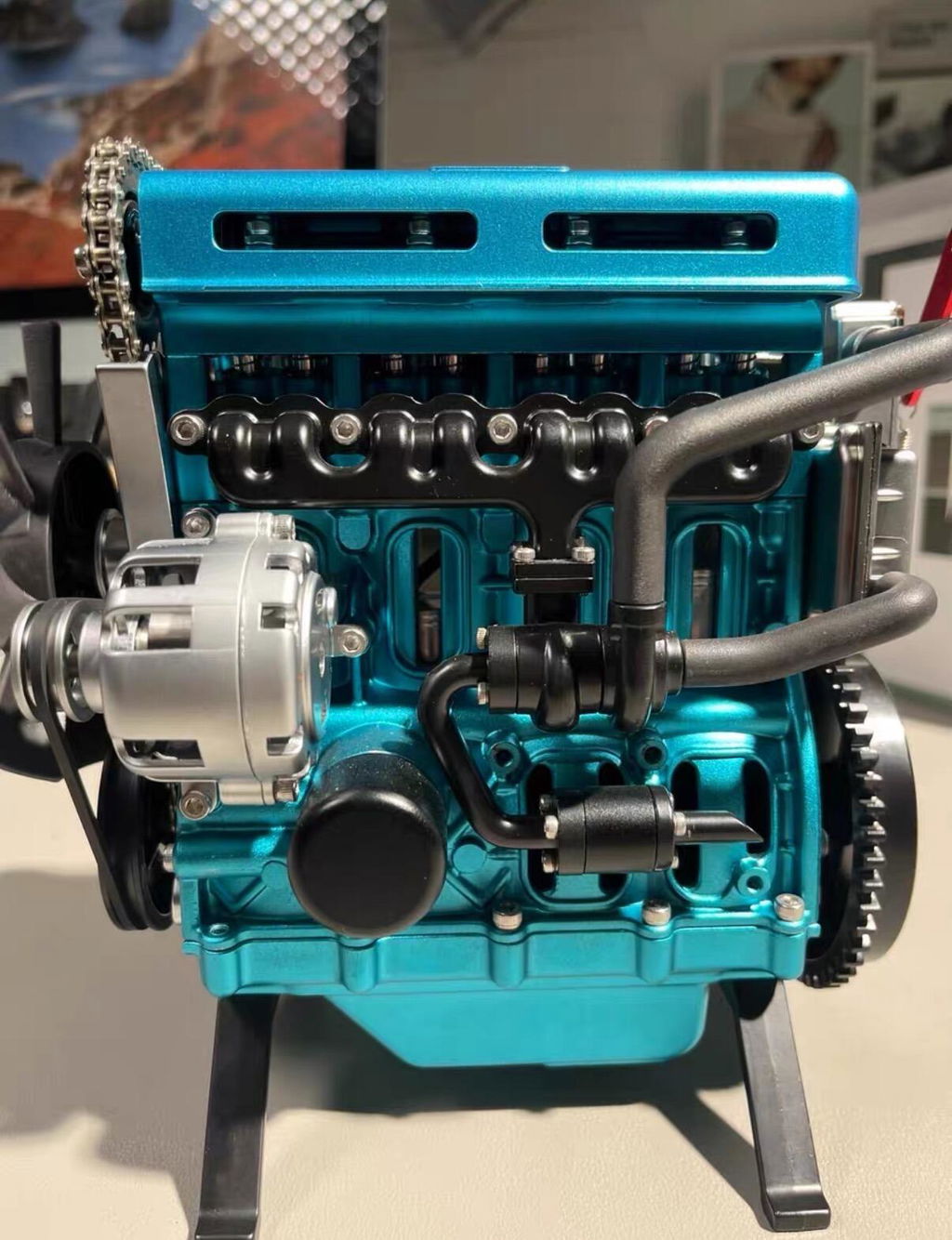
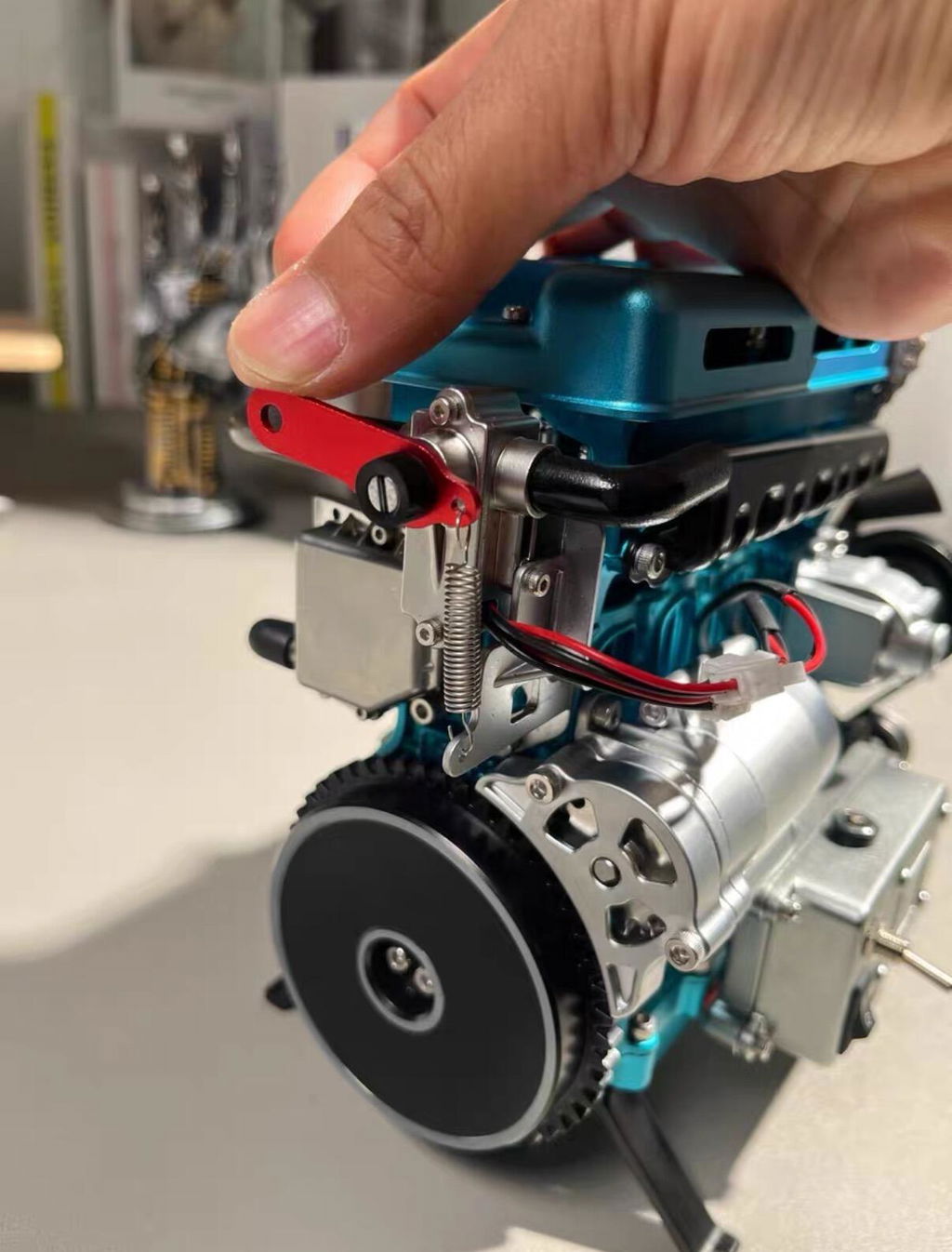
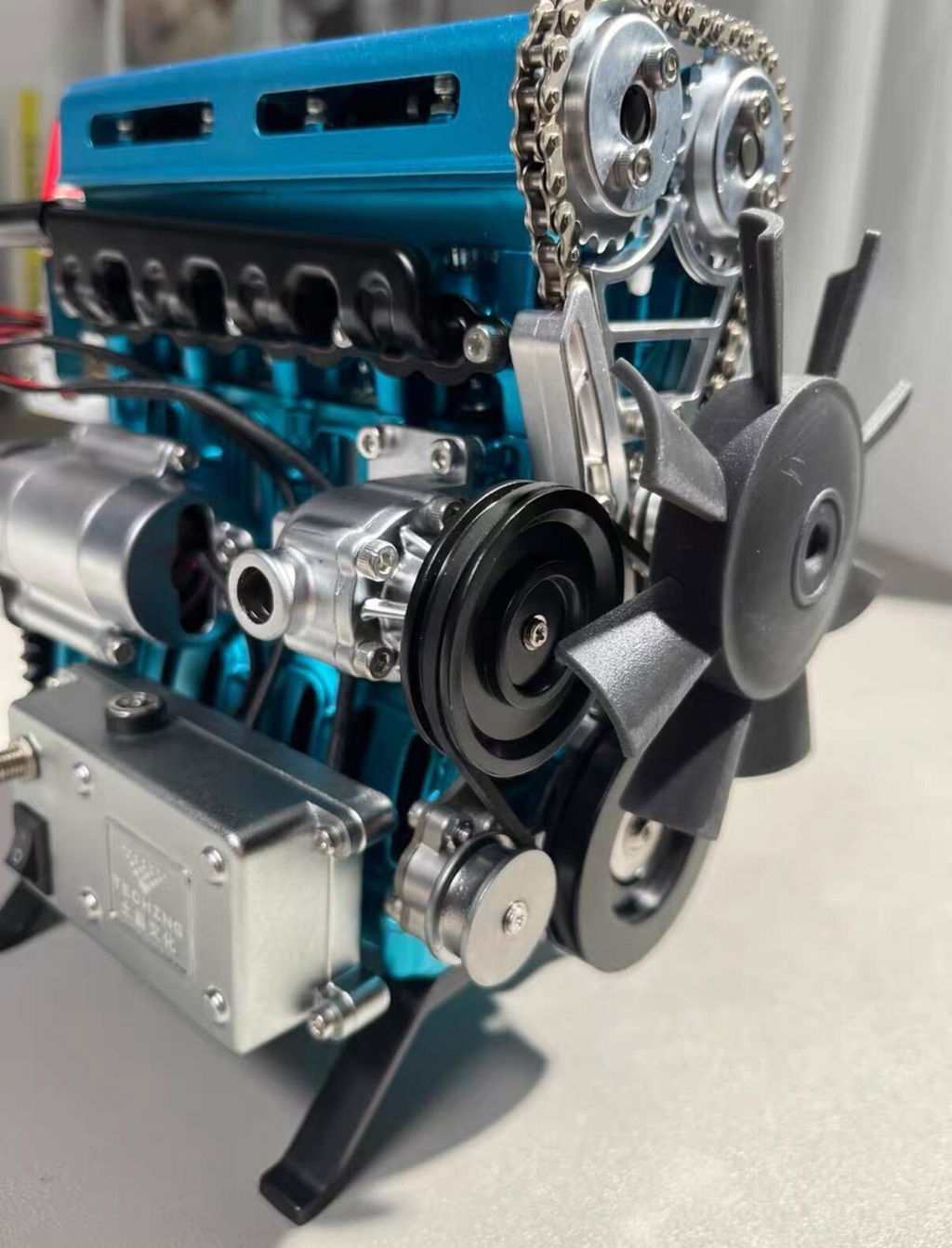
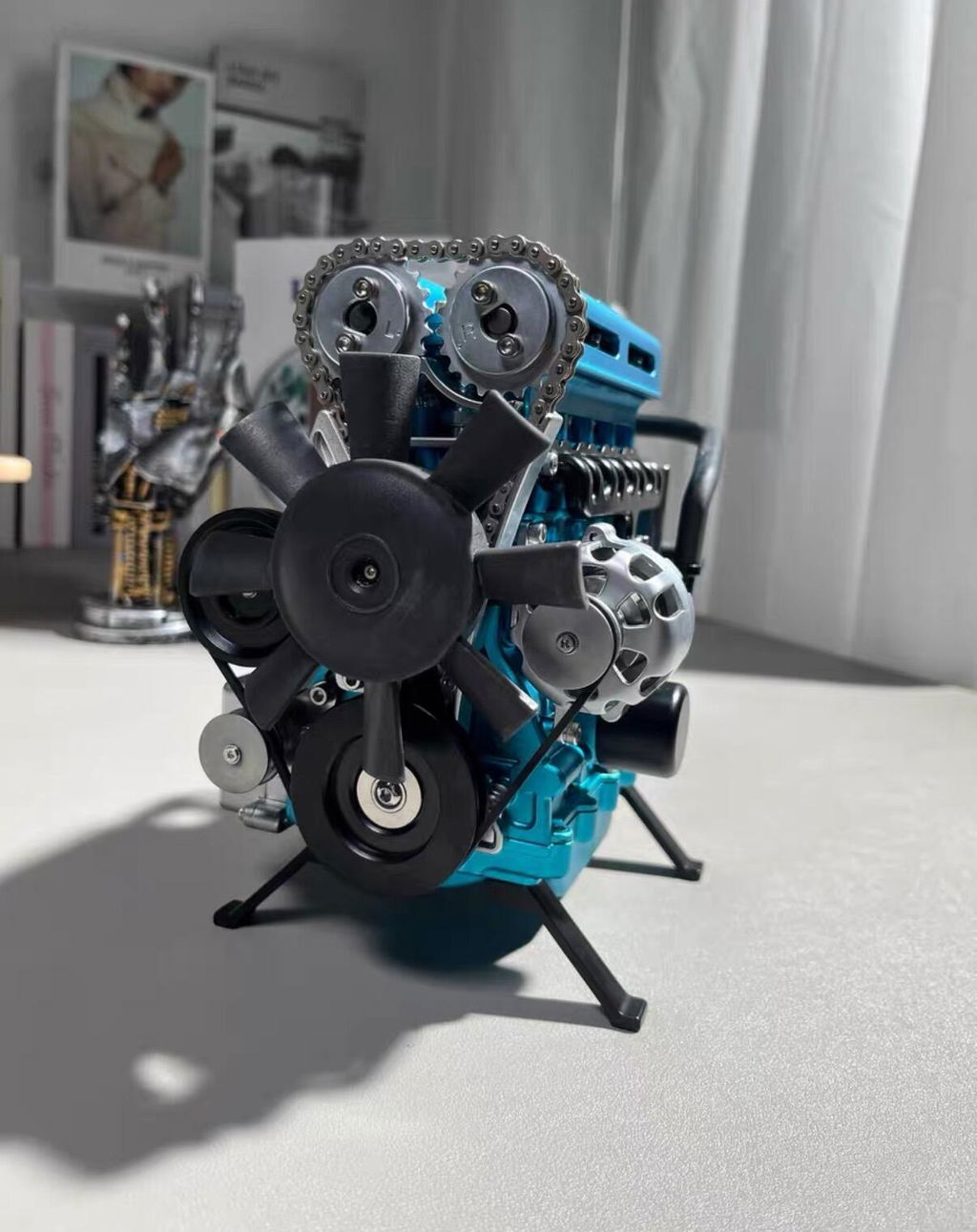
    TECHING 1:10 Full Metal Mini L4 Diesel Engine Model Kit - DIY 4 Cylinder OHV Engine
    TECHING 1:10 Full Metal Mini L4 Diesel Engine Model Kit - DIY 4 Cylinder OHV Engine
    Enginekitor
    $429.99
    $499.99 SAVE $70.00
    ENGINEKITOR TR900 Reverse Thrust Turbofan Engine Model Kit - Aviation Simulation Engine Model Brushless Motor Engine Model Kit
    ENGINEKITOR TR900 Reverse Thrust Turbofan Engine Model Kit - Aviation Simulation Engine Model Brushless Motor Engine Model Kit
    Enginekitor
    $479.99
    $529.99 SAVE $50.00
    CISON V8 Engine 44CC 1/6 Scale Water-Cooled 4-Stroke Gasoline Engine Model Kit – Functional 8-Cylinder Small-Block Internal Combustion Engine
    CISON V8 Engine 44CC 1/6 Scale Water-Cooled 4-Stroke Gasoline Engine Model Kit – Functional 8-Cylinder Small-Block Internal Combustion Engine
    Enginekitor
    $2,399.99
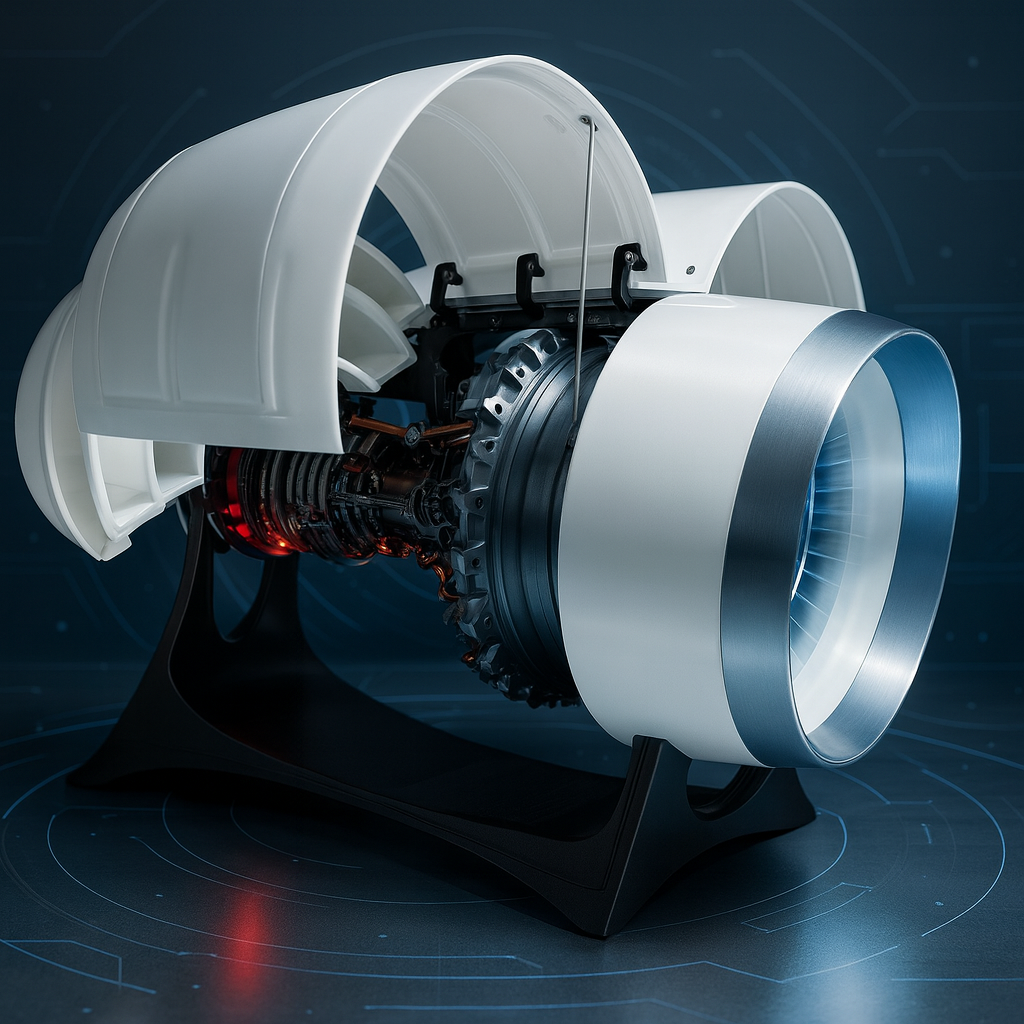
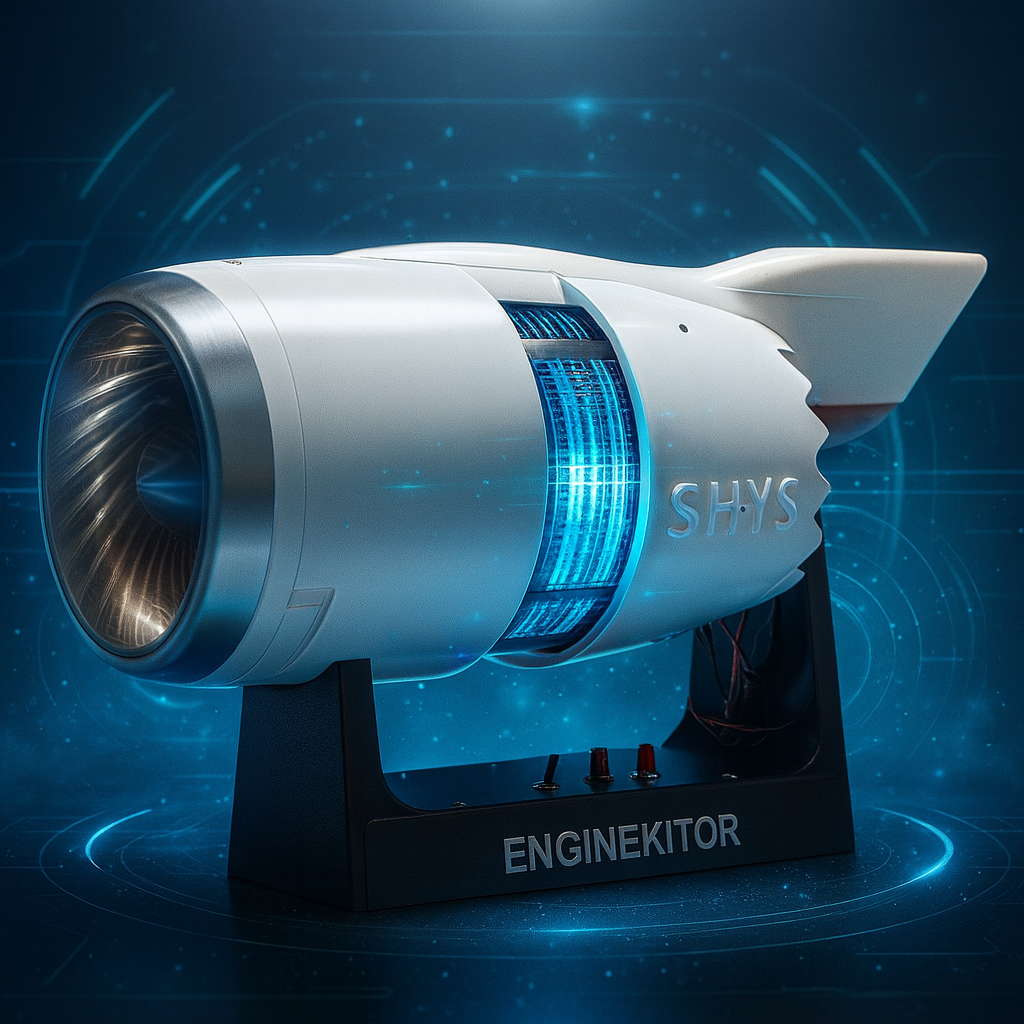
    ENGINEKITOR TR900 White Shell Turbofan Engine Model Kit - Aviation Simulation Engine Model with Adjustable Speed and Dual Light Design
    ENGINEKITOR TR900 White Shell Turbofan Engine Model Kit - Aviation Simulation Engine Model with Adjustable Speed and Dual Light Design
    Enginekitor
    $499.99
    $549.99 SAVE $50.00
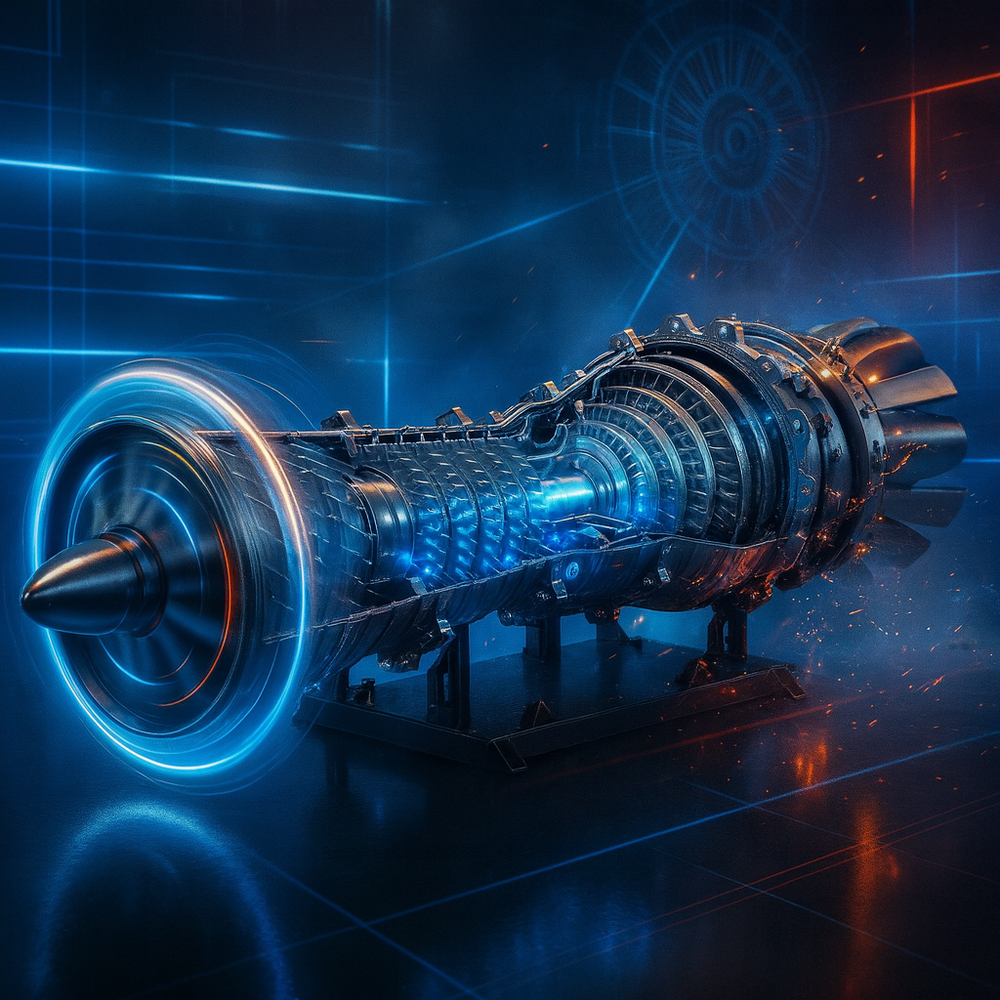
    ENGINEKITOR GE-J79 1/24 Turbojet Engine Model Military Engine Kit - Build Your Own Turbofan Engine
    ENGINEKITOR GE-J79 1/24 Turbojet Engine Model Military Engine Kit - Build Your Own Turbofan Engine
    Enginekitor
    $329.99
    $379.99 SAVE $50.00
    REAL ENGINES • MECHANICAL MOTION • ENGINEERING MODELS

    Explore Engine Models by How They Work

    Engine models can represent very different mechanical experiences. Some are genuine miniature internal-combustion engines powered by gasoline, nitro or methanol. Others use electric motors, steam or external heat to reproduce the movement and engineering principles of full-size engines.

    ENGINEKITOR brings these different categories together so you can compare working engine models, mechanical engine models, miniature engines, engine model kits and aircraft turbine models based on how they operate, how much assembly they require and what you want to learn or experience.

    ENGINE MODEL BASICS

    What Is an Engine Model?

    An engine model is a reduced-scale representation of an engine designed to reproduce its structure, motion, operating principles or—in some cases— genuine combustion.

    The category ranges from simplified educational mechanisms to precision metal assemblies and real miniature powerplants with fuel, ignition, lubrication and cooling systems.

    Because of this variety, two products described as “working engine models” can operate in completely different ways. Understanding the power source and operating method is more important than relying on the word working alone.

    IMPORTANT DISTINCTION

    What Does “Working Engine Model” Actually Mean?

    In the model-engine market, “working” can describe either genuine engine operation or realistic mechanical movement. These are not the same thing.

    REAL COMBUSTION

    Fuel-Powered Miniature Engines

    These are genuine small internal-combustion engines. Fuel burns inside the cylinders and produces real engine power. Depending on the design, they may include carburetion, spark or glow ignition, lubrication, cooling and exhaust systems.

    Examples: gasoline, nitro and methanol-powered single-cylinder, twin-cylinder, inline, V-type and multi-cylinder engines.
    MECHANICAL OPERATION

    Motor-Driven Engine Models

    These models reproduce realistic engine movement without burning fuel. An electric motor can drive pistons, crankshafts, camshafts, valves, fans, compressors or turbine stages so the mechanism remains visible.

    Examples: full-metal V8, V12, radial, inline-four, turbofan and turbojet demonstration models.
    HEAT & PRESSURE

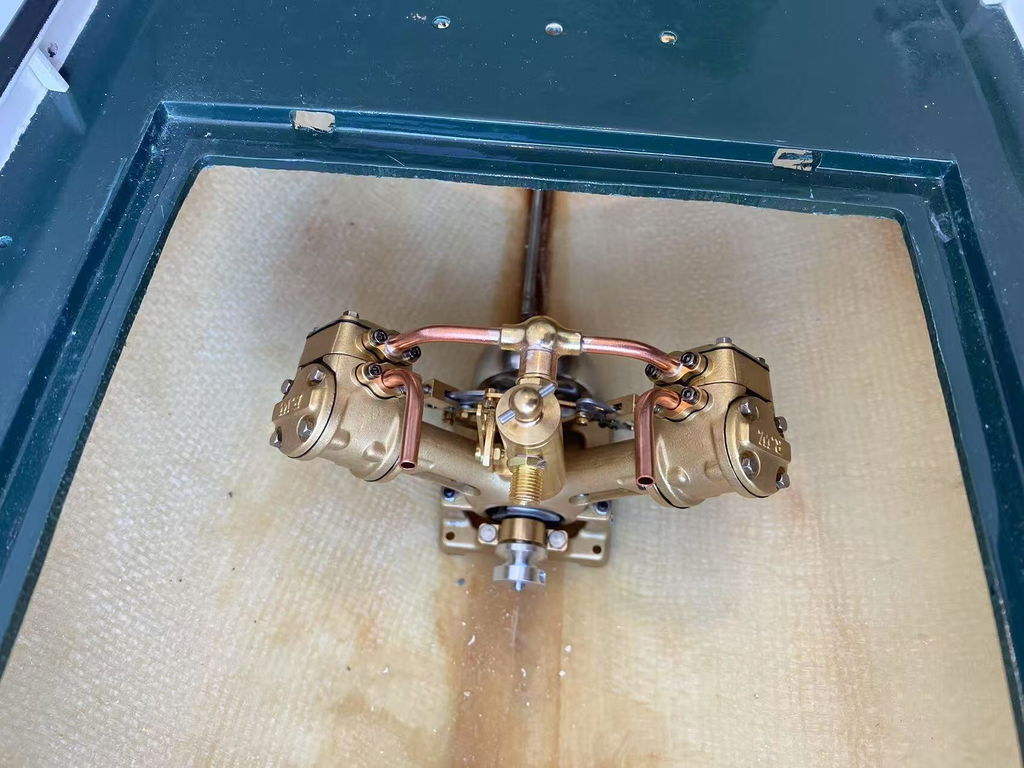
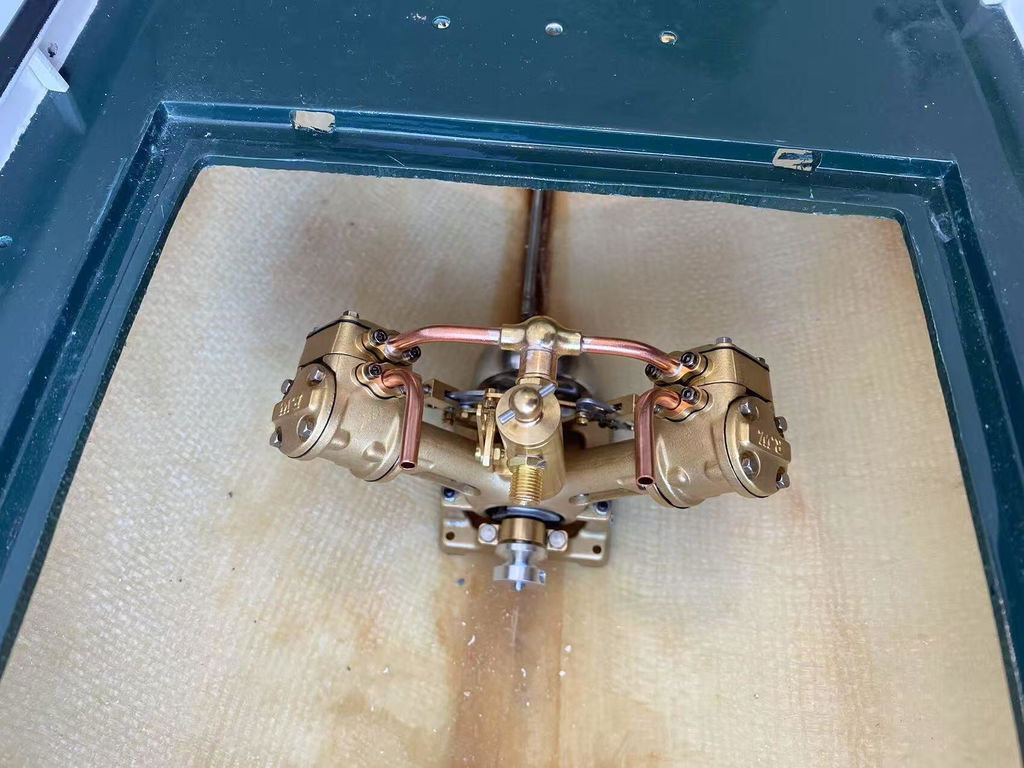
    Steam & Stirling Engines

    These engines demonstrate other forms of energy conversion. Steam engines use pressure, while Stirling engines operate through temperature differences and an external heat source rather than internal fuel combustion.

    Best for: visible thermodynamics, classic engineering and hands-on STEM learning.
    ENGINE TYPES

    Explore the Main Types of Engine Models

    Start with the operating system and architecture that interests you most.

    01

    Real Miniature Combustion Engines

    Small gasoline, nitro and methanol engines reproduce genuine internal combustion at a reduced scale. These models offer the closest experience to operating a full-size engine.
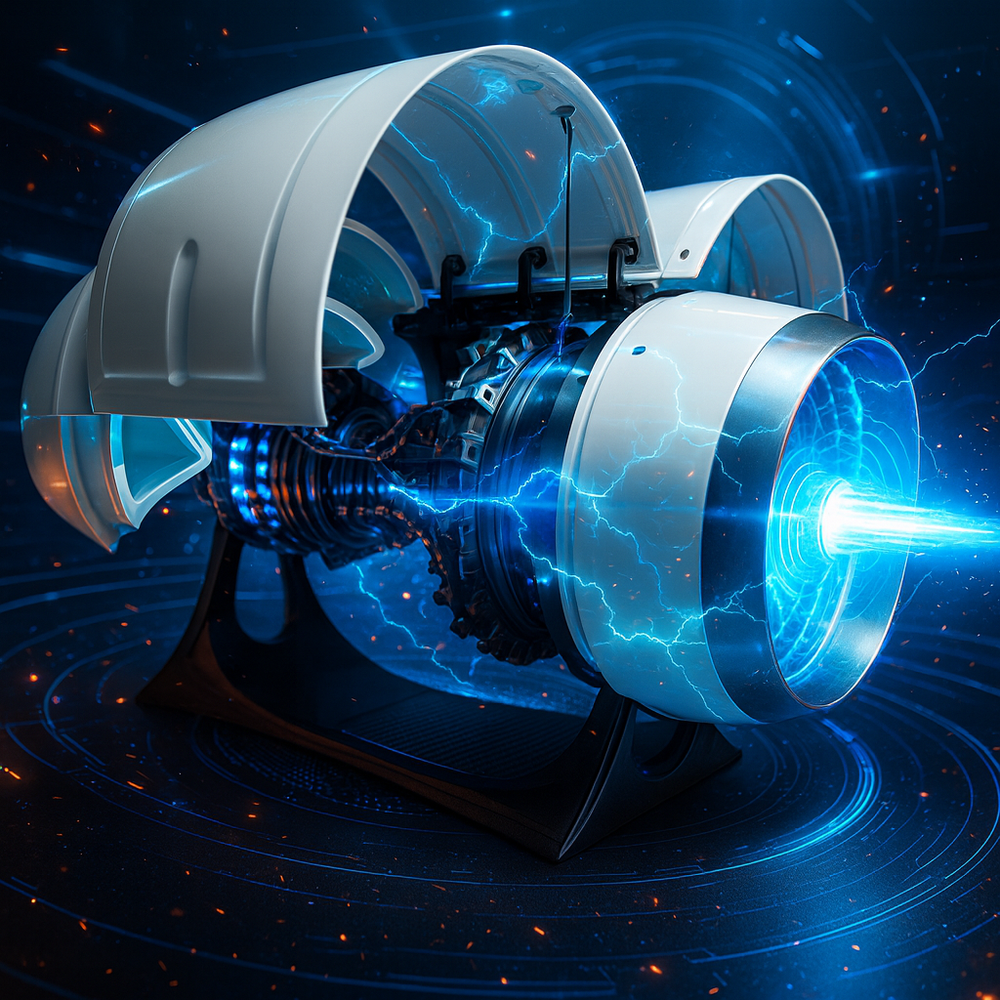
    Best for: engine enthusiasts, advanced hobbyists, collectors and custom RC projects.
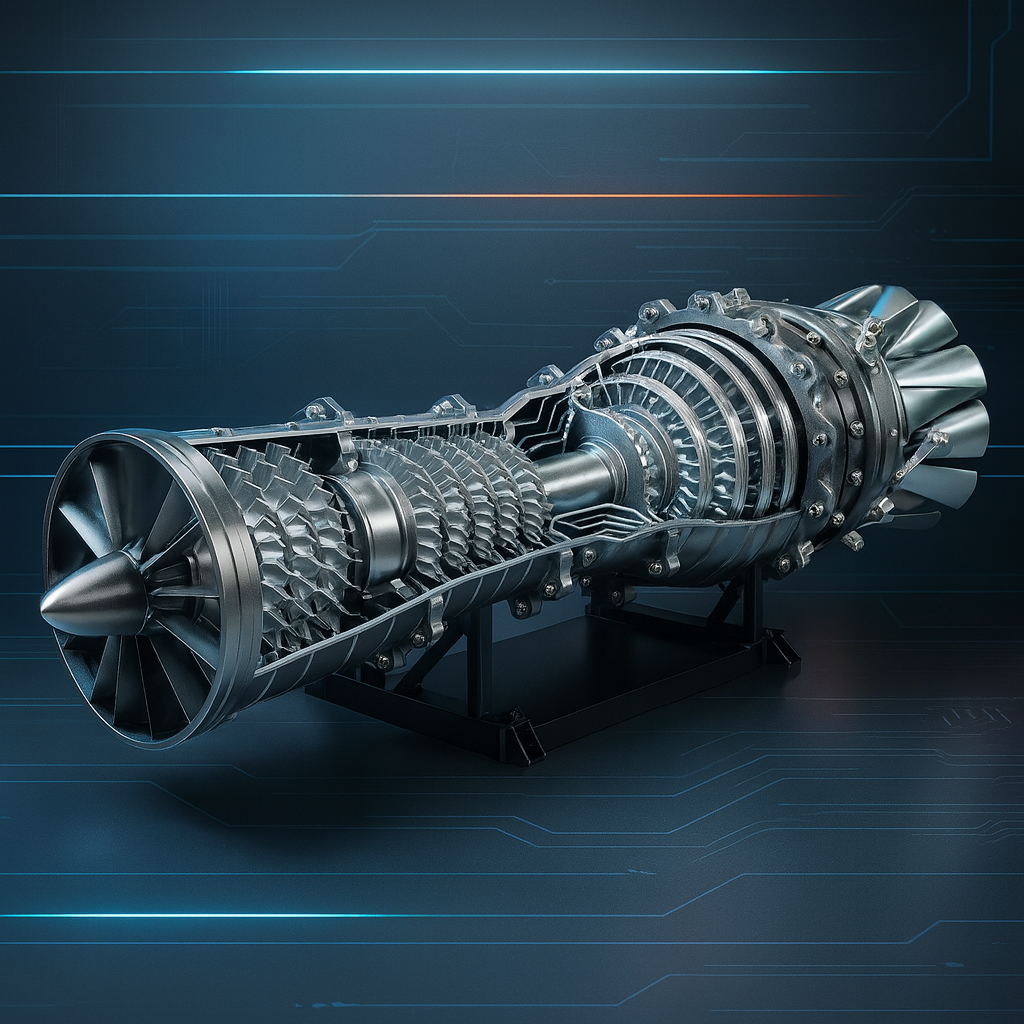
    Explore Miniature Engines →
    02

    Mechanical Engine Models

    Precision mechanical models emphasize visible engine architecture. Electric power can drive pistons, crankshafts and valve systems without the complexity of fuel or ignition.

    Best for: collectors, STEM education and repeated indoor demonstration.
    03

    Engine Model Kits

    Engine kits focus on assembly. Depending on the product, builders may install dozens or hundreds of precision parts before the finished mechanism can be displayed or operated.

    Best for: hobbyists who value the building process as much as the finished engine.
    Explore Engine Model Kits →
    04

    Jet & Turbine Engine Models

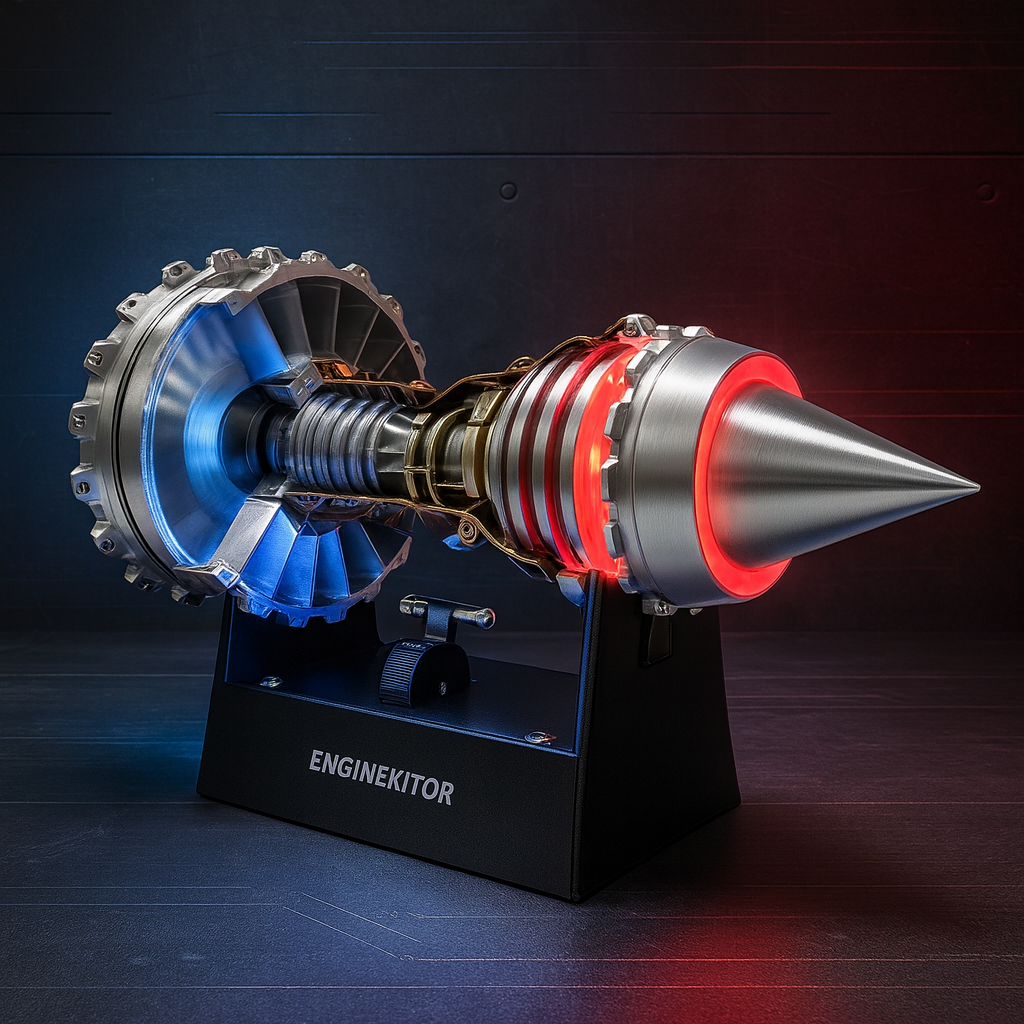
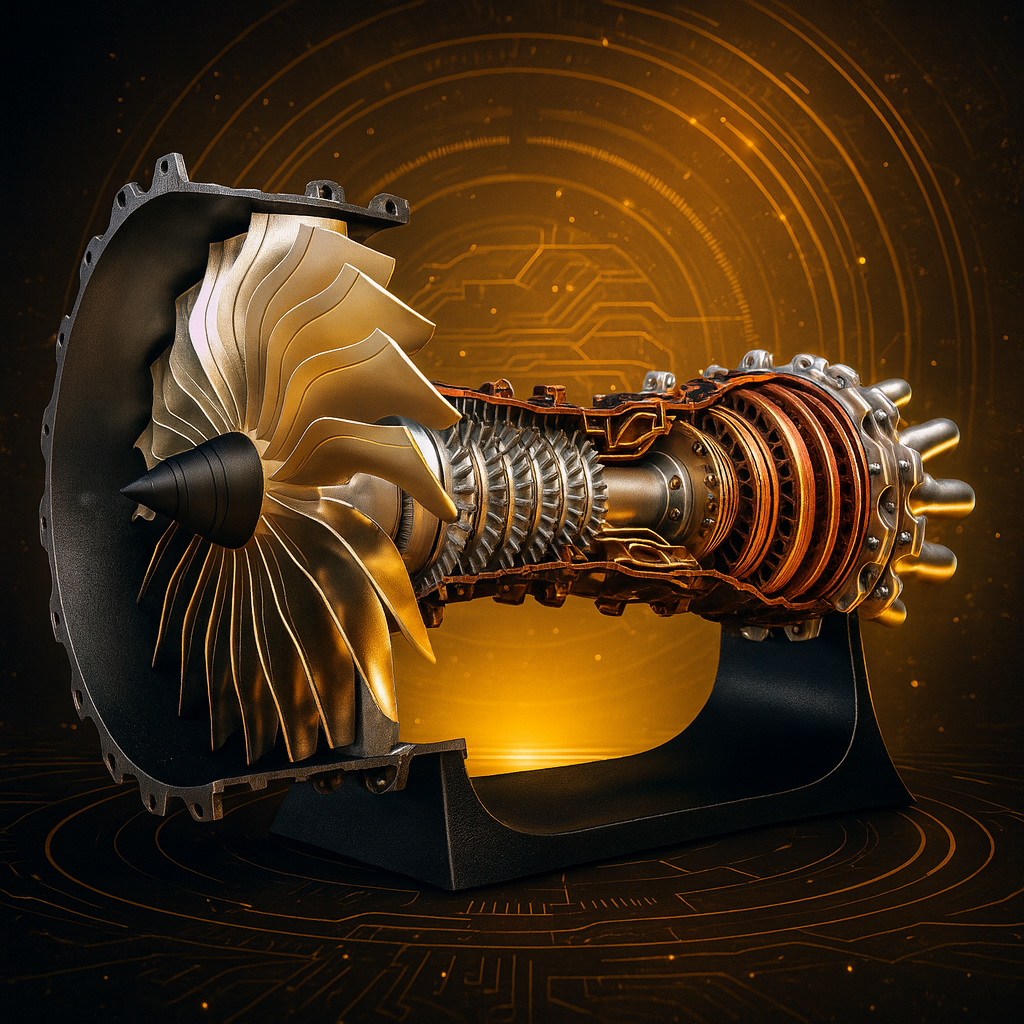
    Aircraft-engine models reveal compressor stages, shafts, fans, turbines, gearboxes and other systems normally hidden inside turbofan, turbojet, turboshaft and turboprop engines.

    Best for: aviation enthusiasts and aerospace-engineering learners.
    Explore Jet Engine Models →
    05

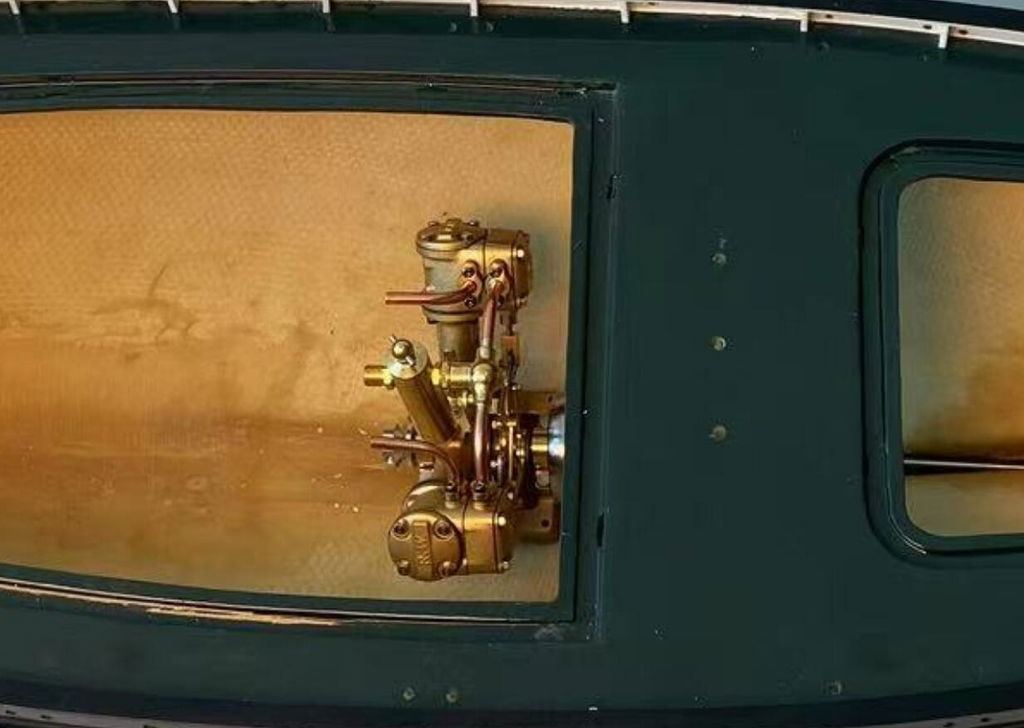
    Steam Engine Models

    Miniature steam engines demonstrate how pressure can be converted into reciprocating and rotary mechanical motion through pistons, valves and flywheels.

    Best for: traditional engineering enthusiasts and historical mechanical study.
    Explore Steam Engines →
    06

    Stirling Engine Models

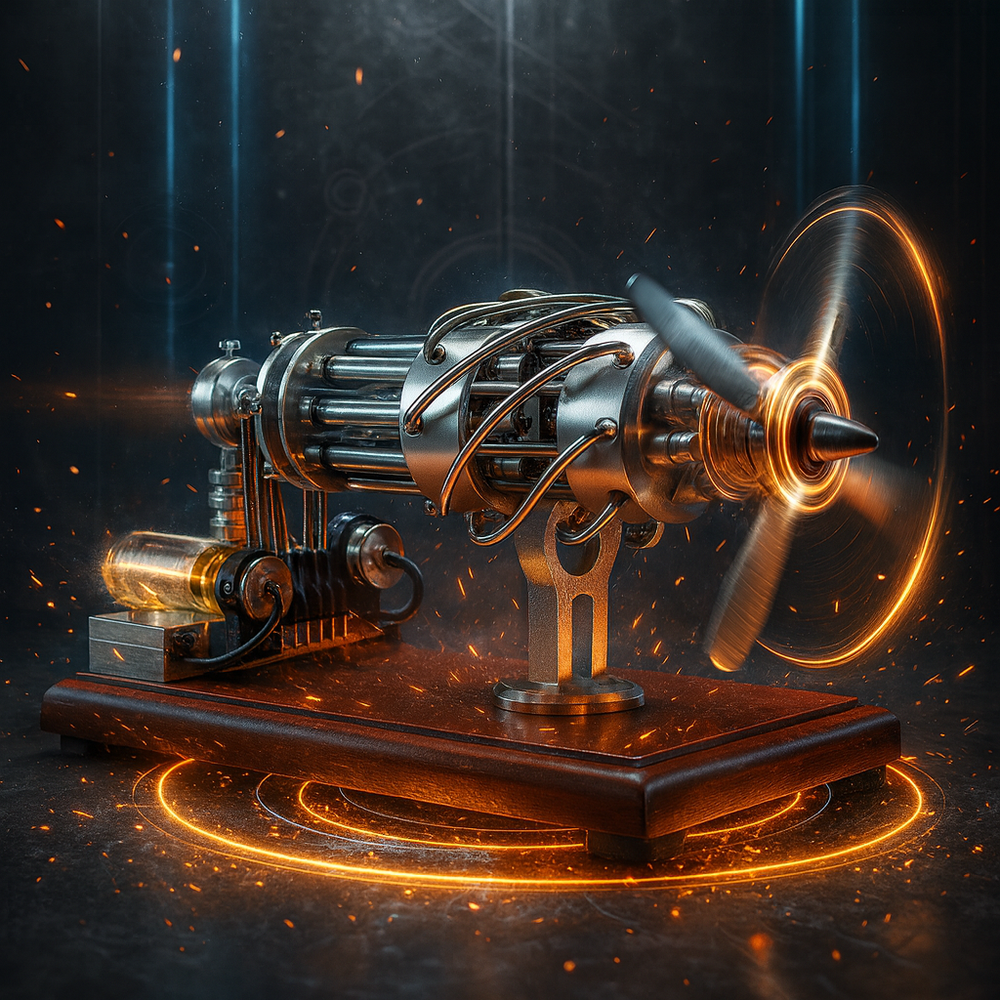
    Stirling engines use external heat and a sealed working gas to create motion, making energy conversion and thermodynamic principles especially easy to observe.

    Best for: beginners, classrooms, experiments and desktop displays.
    Explore Stirling Engines →
    QUICK COMPARISON

    Compare Engine Models by Operating Method

    The right model depends on whether you want real combustion, visible mechanics, hands-on assembly or a lower-maintenance display.

    Engine Type Power Source Real Combustion? Assembly Maintenance Best For
    Gasoline Engine Gasoline + ignition Yes Varies Higher Real engine operation
    Nitro / Methanol Engine Model-engine fuel Yes Varies Higher Performance & RC enthusiasts
    Mechanical Engine Model Electric motor No Low–High Low Mechanical visualization
    Jet / Turbine Model Usually electric motor Usually no Varies Low Aviation engineering
    Steam Engine Steam pressure No Varies Moderate Classic mechanical engineering
    Stirling Engine External heat No internal combustion Low–Moderate Low STEM & thermodynamics
    ENGINE ARCHITECTURE

    Compare Engine Models by Cylinder Layout

    Cylinder configuration changes the way an engine looks, moves and distributes mechanical forces. Miniature models make these differences much easier to study.

    Single Cylinder

    The simplest layout for observing piston motion, crankshaft rotation and basic four-stroke engine principles.

    Twin Cylinder

    Introduces multi-cylinder timing while remaining compact and mechanically easy to understand.

    Inline Engines

    Inline-four and other straight layouts arrange cylinders along a single crankshaft axis and are common in automotive engineering.

    Flat / Opposed Engines

    Horizontally opposed cylinders create a low, wide engine architecture with distinctive crankshaft geometry.

    V-Twin & V Engines

    Two cylinder banks create a more compact multi-cylinder arrangement and introduce more complex crankshaft and timing relationships.

    V8 Engines

    Eight-cylinder V layouts combine automotive heritage, visual complexity and strong collector appeal.

    Explore V8 Engine Models →
    V10 & V12 Engines

    Large multi-cylinder layouts emphasize precision timing and the complexity associated with performance and luxury powerplants.

    Radial Engines

    Cylinders arranged around a central crankshaft create one of the most recognizable architectures in aviation history.

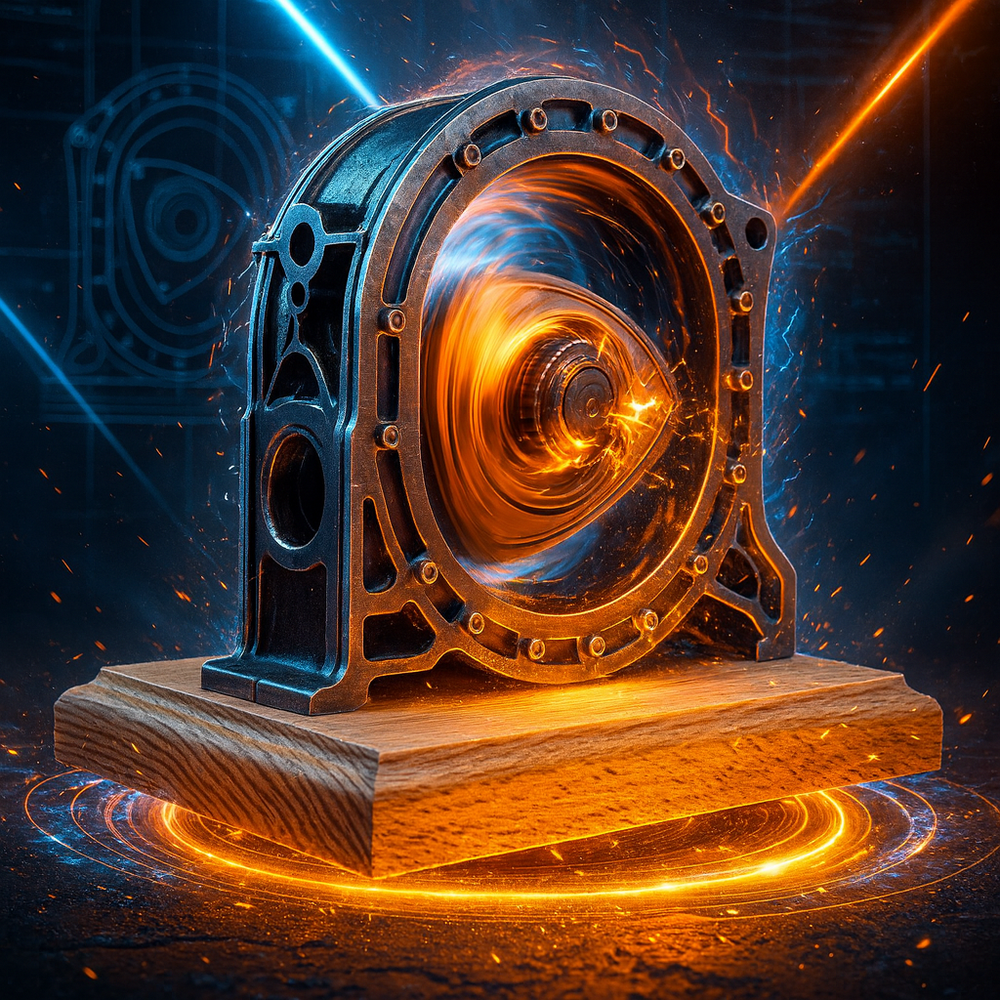
    Rotary / Wankel Engines

    Rotary designs replace conventional reciprocating pistons with a fundamentally different chamber and rotor geometry.

    MODEL VS KIT

    Engine Model vs Engine Model Kit: What Is the Difference?

    These terms overlap, but they describe different parts of the ownership experience.

    ENGINE MODEL

    Focuses on the Finished Engine

    “Engine model” is the broad category. It can describe an assembled miniature engine, a functional combustion engine, a motor-driven mechanical display or a model that requires some setup before operation.

    Not every engine model is sold as a full assembly kit.

    ENGINE MODEL KIT

    Focuses on the Building Experience

    An engine model kit places greater emphasis on assembly. The builder receives components that must be fitted, aligned and assembled before the finished model is complete.

    Some kits contain hundreds of metal parts, while others require only partial assembly.

    If assembling the engine yourself is the main experience you want, browse our dedicated Build Your Own Engine Kits collection.

    BUYER'S GUIDE

    How to Choose the Right Engine Model

    Start with what you want to do with the model, not simply which engine looks the most impressive.

    01

    Choose Real Combustion or Mechanical Motion

    If you want fuel, ignition, exhaust sound and genuine engine behavior, choose a real miniature combustion engine. If you mainly want visible mechanics with easier operation, choose a motor-driven mechanical model.

    02

    Decide How Much Assembly You Want

    Ready or partially assembled engines focus more on operation. Full DIY kits can involve hundreds of precision components and make the construction process part of the experience.

    03

    Consider Maintenance

    Fuel-powered engines require greater attention to lubrication, cooling, ignition, fuel systems and storage. Electric mechanical models generally require much less maintenance.

    04

    Choose the Architecture You Want to Study

    A single-cylinder engine is easier to understand, while V8, V12, radial and turbine models offer greater mechanical complexity and display presence.

    05

    Match the Model to Its Final Purpose

    Decide whether your priority is operation, assembly, STEM education, collection, workshop display or an advanced RC project.

    CHOOSE BY PURPOSE

    Which Engine Model Experience Fits You?

    OPERATE

    Real Engine Enthusiasts

    Choose a gasoline, nitro or methanol engine if the experience of starting, tuning and maintaining a real miniature engine is what interests you most.

    BUILD

    DIY Mechanical Builders

    Choose a multi-part metal engine kit when fitting individual components together is a central part of the experience.

    LEARN

    STEM & Engineering

    Visible pistons, crankshafts, valve trains, turbines and heat engines help turn abstract engineering concepts into physical systems.

    COLLECT

    Mechanical Collectors

    Premium metal V8, V12, radial and aviation-engine models offer strong visual presence even when they are not operating.

    EXPERIENCE LEVEL

    Beginner to Advanced Engine Models

    LEVEL 01

    Beginner

    Simple Stirling engines, steam demonstrations and lower-complexity mechanical models are good places to start.

    • Clear visible motion
    • Lower maintenance
    • Simple operating principles
    • Useful for STEM learning
    LEVEL 02

    Intermediate

    Multi-cylinder mechanical models and larger assembly kits introduce more components, timing relationships and precision fitting.

    • Higher part counts
    • Multiple cylinders
    • Valve and timing systems
    • Longer assembly
    LEVEL 03

    Advanced

    Real combustion engines introduce fuel delivery, ignition, cooling, lubrication and tuning.

    • Real fuel systems
    • Starting procedures
    • Engine tuning
    • Ongoing maintenance
    ENGINEKITOR

    Built Around Real Mechanical Experiences

    ENGINEKITOR focuses on engine models that offer more than surface-level appearance: visible mechanisms, authentic engine architecture, hands-on assembly or genuine miniature engine operation.

    Individual product pages identify the operating method, power source and assembly requirements so you can distinguish a real fuel-powered engine from a mechanically simulated working model before purchasing.

    For supported products, ENGINEKITOR also provides after-sales assistance with assembly questions, troubleshooting and replacement parts.

    Real fuel-powered miniature engines should be treated as functional machinery.

    Gasoline, nitro and methanol engines can produce heat, rotating motion and exhaust gases. Always follow the manual supplied with the exact engine, use the correct fuel and lubrication, secure the engine properly and operate it in an appropriate environment.

    COMMON QUESTIONS

    Engine Model FAQ

    Answers to common questions about engine models, working engines, kits and miniature combustion engines.

    What is an engine model?

    An engine model is a reduced-scale representation of an engine designed to reproduce its architecture, movement or operating principles. Some models use real combustion while others use electric motors, steam or external heat.

    Do engine models actually work?

    Many do, but “working” can mean different things. Some miniature engines genuinely burn fuel, while mechanical models use an electric motor to reproduce realistic internal movement.

    What is the difference between an engine model and an engine model kit?

    Engine model is the broader category and can include assembled, partially assembled and functional miniature engines. Engine model kit usually emphasizes the assembly process and is supplied with components that the builder puts together.

    Are real miniature engines actual internal-combustion engines?

    Some are genuine internal-combustion engines with cylinders, fuel systems, ignition, lubrication and cooling. Always check the exact product specification because many mechanical engine models simulate movement without fuel combustion.

    What fuel do working miniature engines use?

    Fuel depends on the engine. Some use gasoline, while others are designed for nitro or methanol-based model-engine fuel. Never substitute fuel types without confirming the manufacturer's specification for the exact engine.

    Do all engine models require assembly?

    No. Some arrive largely assembled or ready for setup, while others contain hundreds of components and are designed specifically as long-form DIY projects.

    Which engine model is best for beginners?

    Simpler mechanical, Stirling or steam models are often easier starting points because they avoid the fuel, ignition and tuning requirements of real combustion engines.

    Which engine models are best for experienced hobbyists?

    Real gasoline and nitro engines, high-part-count mechanical builds, multi-cylinder engines and advanced turbine models provide more complex operating or assembly experiences.

    Are V8 and V12 engine models available?

    Yes. Multi-cylinder engine models include V8 and V12 architectures ranging from motor-driven mechanical assemblies to genuine miniature combustion engines, depending on the model.

    Are jet engine models real jet engines?

    Most collectible and educational jet-engine models use electric motors to demonstrate fans, compressors, shafts and turbine stages. They are generally not fuel-burning, flight-ready propulsion engines.

    Can engine models be used for STEM education?

    Yes. Visible engine mechanisms can demonstrate piston motion, crankshaft rotation, valve timing, thermodynamics, turbine architecture, gearing and energy conversion in a physical format.

    Can a miniature engine power an RC car, boat or custom project?

    Some real combustion engines can be integrated into advanced RC or custom mechanical projects, but installation may require custom mounts, drivetrain components, cooling, fuel and electrical systems. Check the exact engine requirements before planning an installation.

    Are fuel-powered engine models toys?

    Real fuel-powered miniature engines should be treated as functional machinery rather than conventional toys. They involve fuel, heat, rotating components and operating procedures that require appropriate care.

    Does ENGINEKITOR provide replacement parts and technical support?

    ENGINEKITOR provides after-sales assistance for supported models. For assembly or operating issues, provide your order information together with clear photos or video so the problem can be identified accurately.