MUSA Miniature Gasoline Engines – 4-Stroke Single-Cylinder Models

MUSA Miniature Gasoline Engines – 4-Stroke Single-Cylinder Models

Filter

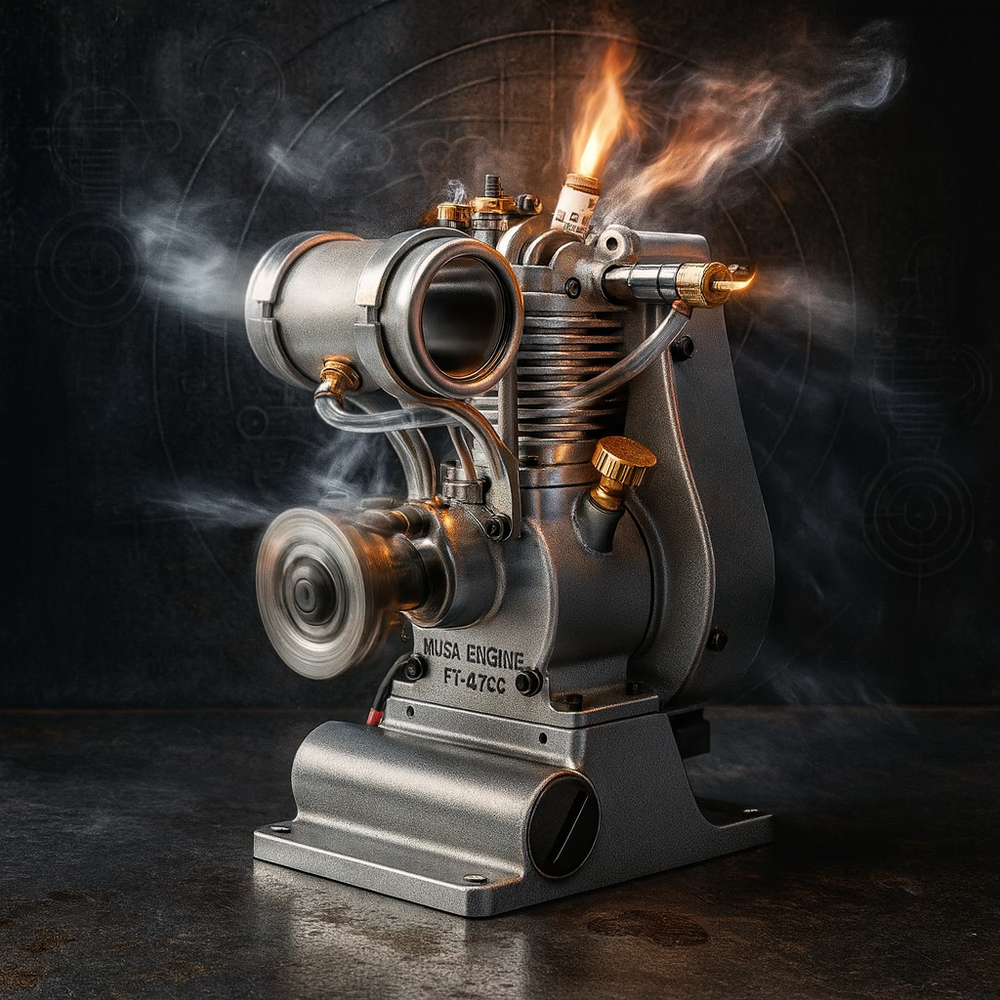
    Explore ENGINEKITOR’s collection of MUSA miniature gasoline engines, featuring compact real working single-cylinder engines designed for model engine enthusiasts, collectors and mechanical hobbyists.

    From the MUSA 1/8 scale 2.6cc 4-stroke engine to the MUSA F1 2.7cc vertical OHV engine, these miniature engines combine real gasoline combustion, visible mechanical operation and classic single-cylinder engineering in a compact desktop format.
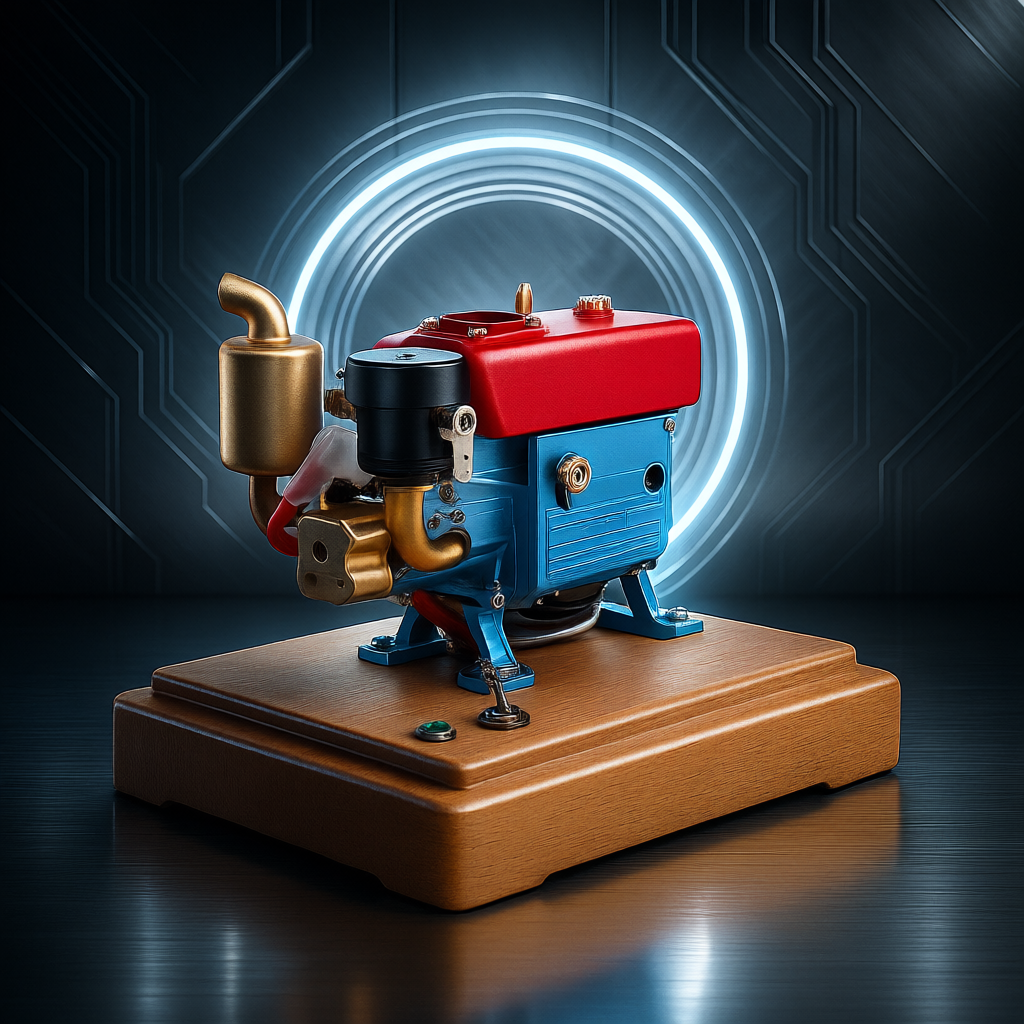
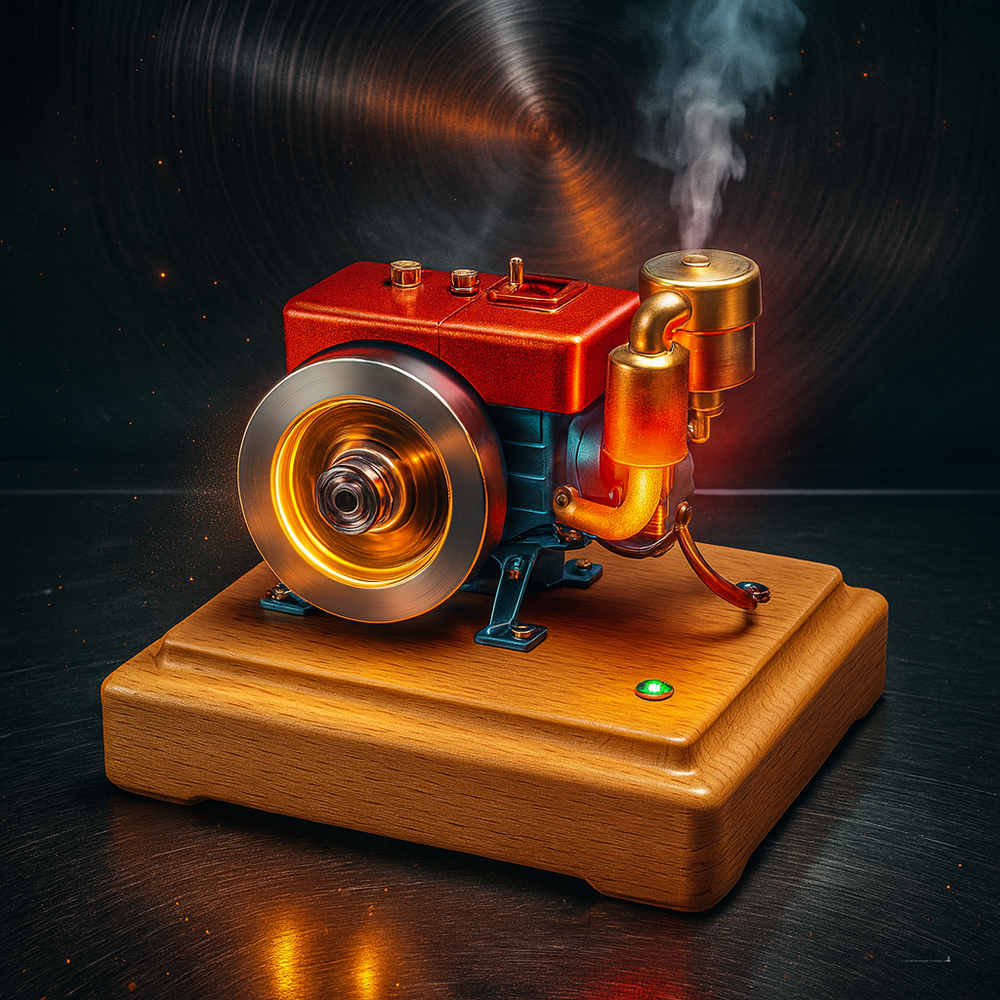
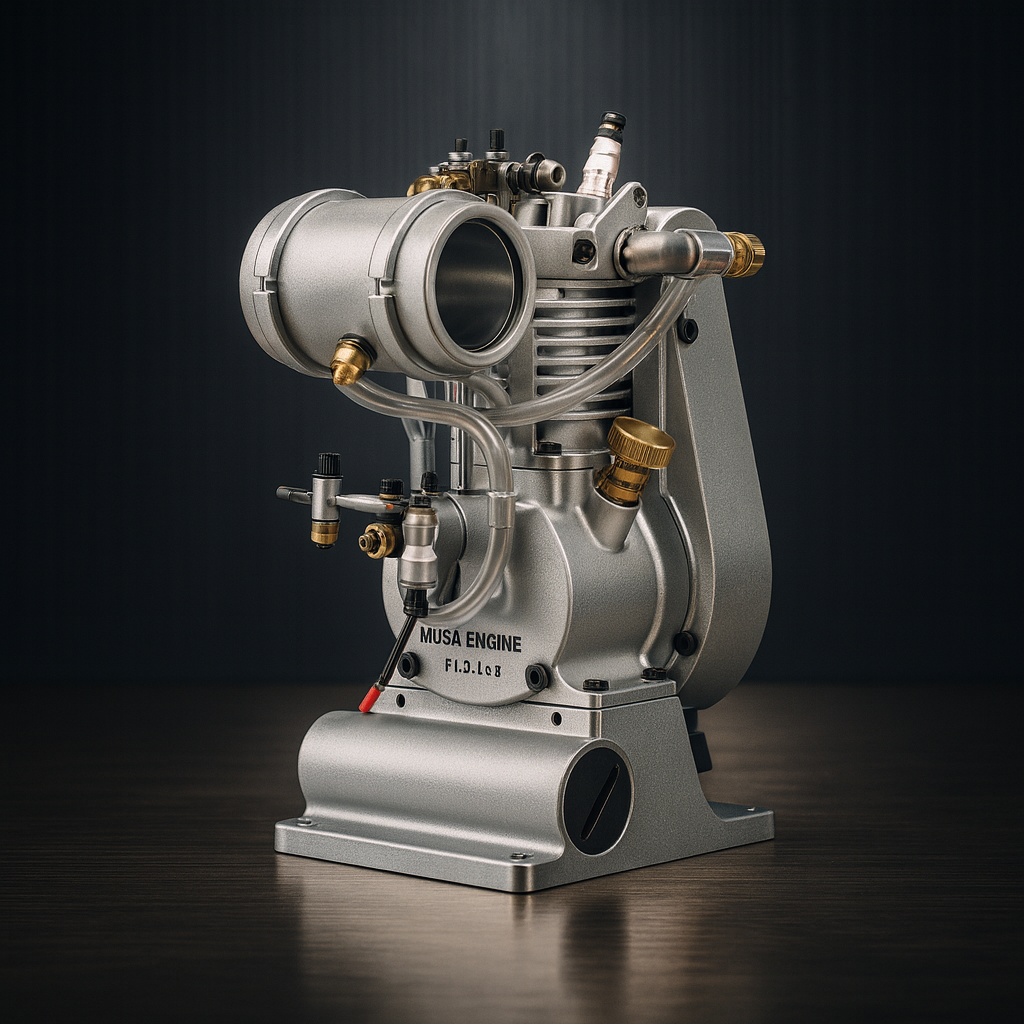
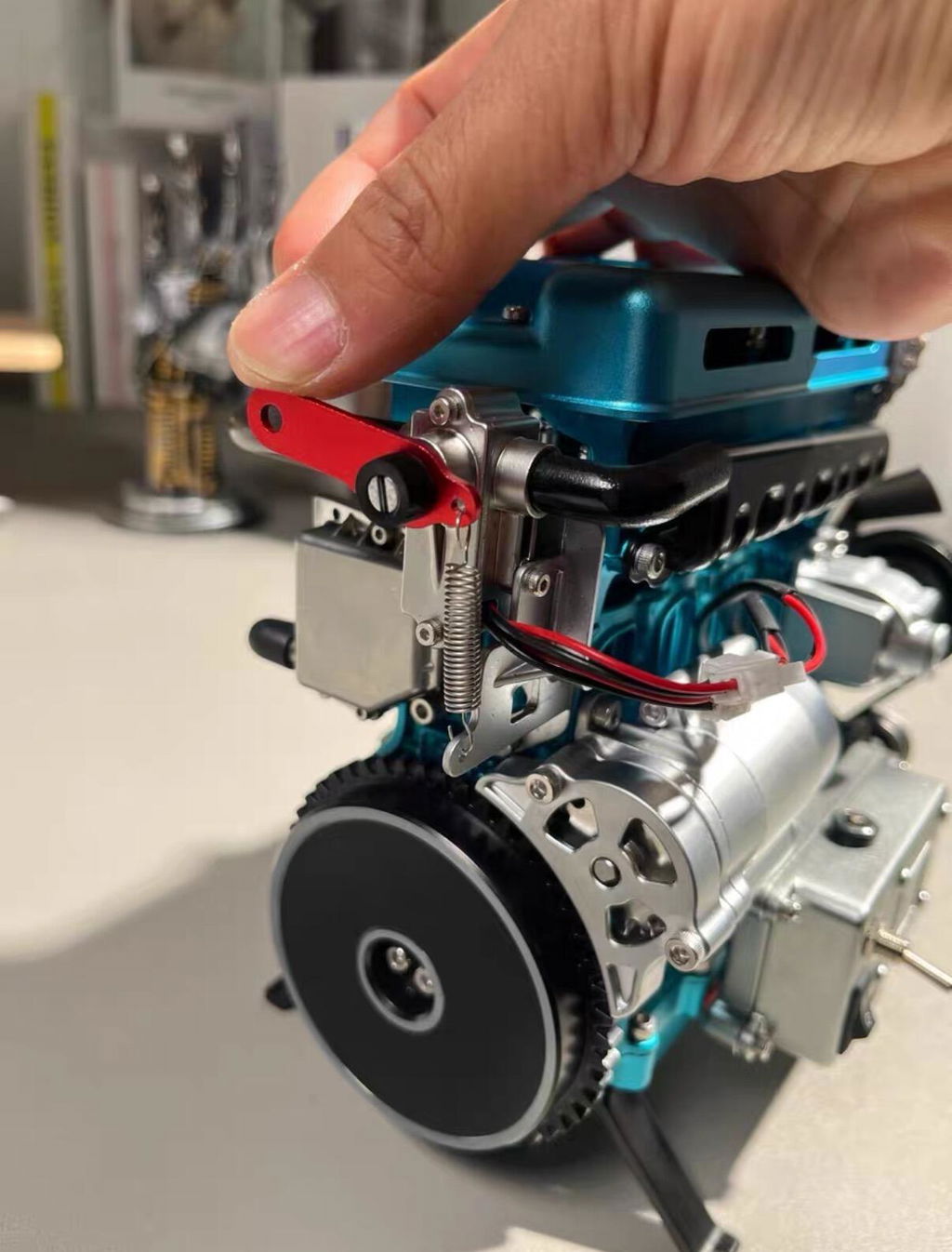
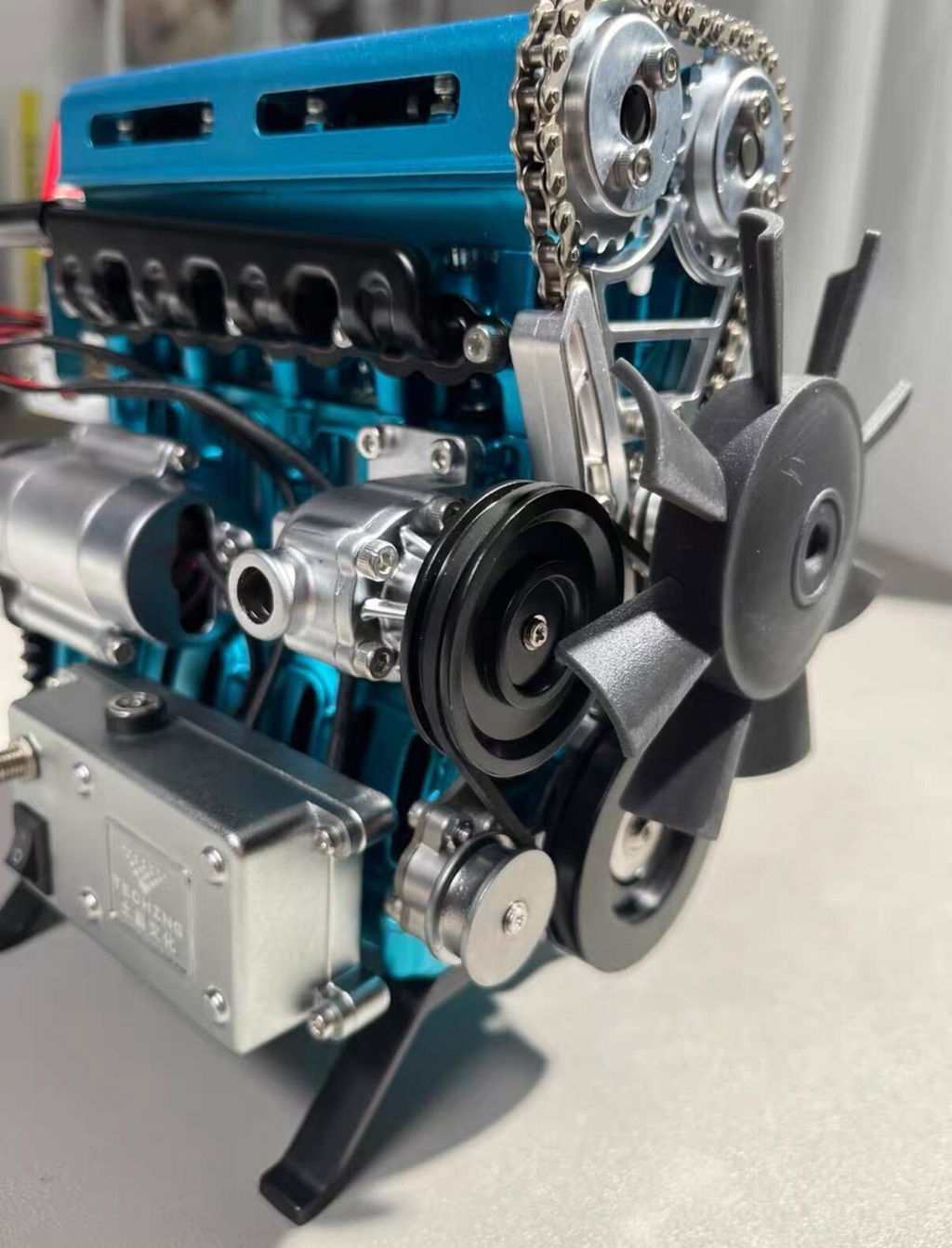
    MUSA 1/8 2.6cc Mini Single-Cylinder 4-Stroke Gas Engine Model Upgrade - Up to 12000rpm
    MUSA 1/8 2.6cc Mini Single-Cylinder 4-Stroke Gas Engine Model Upgrade - Up to 12000rpm
    Enginekitor
    $449.99
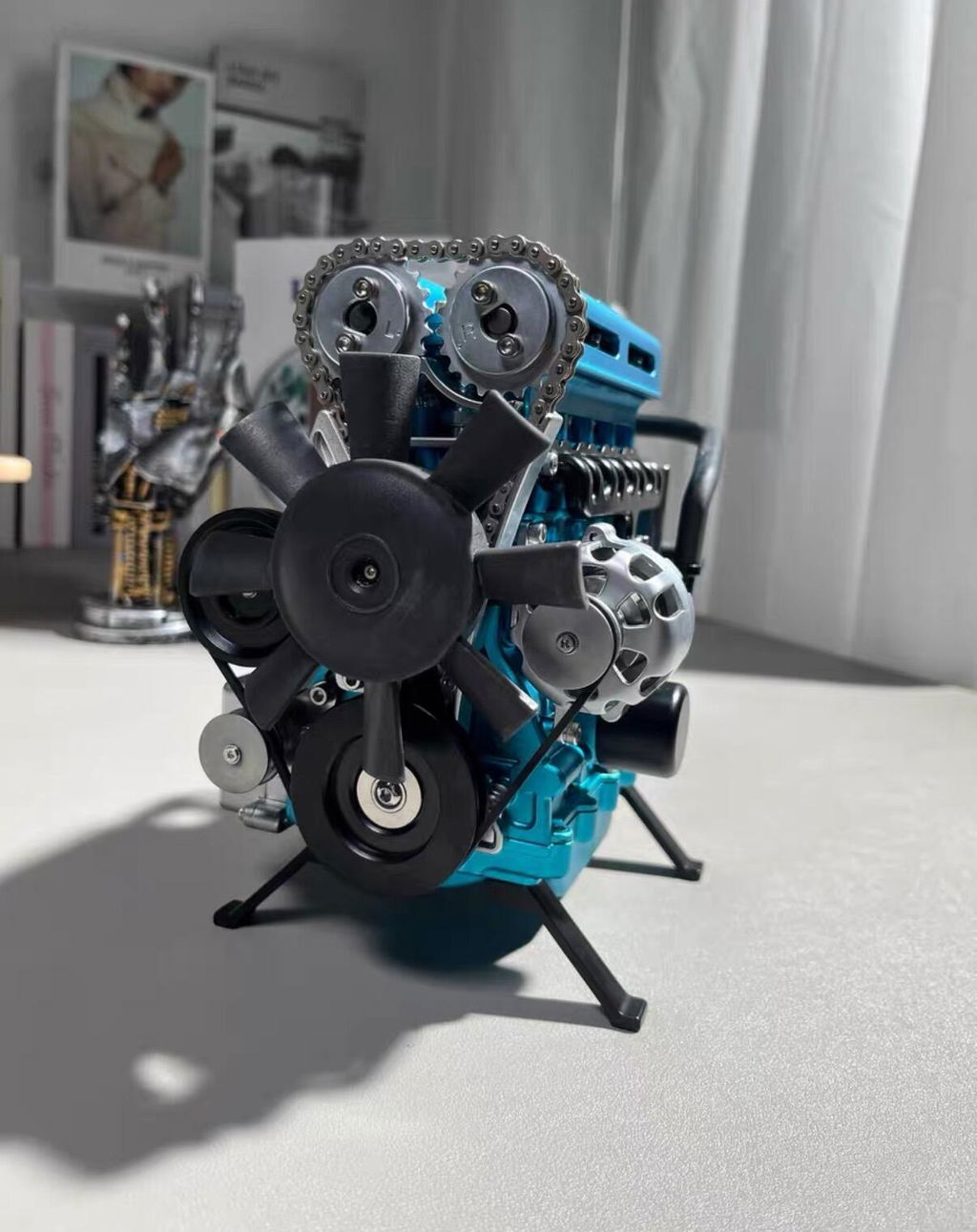
    MUSA F1 2.7cc Mini Vertical OHV Single-Cylinder 4-Stroke Air-Cooled Gasoline Engine Model-RTR
    MUSA F1 2.7cc Mini Vertical OHV Single-Cylinder 4-Stroke Air-Cooled Gasoline Engine Model-RTR
    Enginekitor
    $439.99
    $499.99 SAVE $60.00
    REAL GASOLINE • SINGLE CYLINDER • FOUR-STROKE ENGINEERING

    Discover MUSA Miniature Gasoline Engines

    MUSA focuses on compact real working miniature gasoline engines that bring traditional single-cylinder internal-combustion engineering into a small mechanical format.

    The current ENGINEKITOR collection includes the MUSA 1/8 scale 2.6cc engine and the MUSA F1 2.7cc vertical OHV engine, giving miniature-engine enthusiasts two distinct approaches to real four-stroke operation.

    TWO COMPACT REAL ENGINES

    MUSA 2.6cc vs MUSA F1 2.7cc

    Both engines use compact single-cylinder four-stroke architecture, but their layout and mechanical character create two different miniature-engine experiences.

    QUICK COMPARISON

    Which MUSA Engine Is Right for You?

    Feature MUSA 2.6cc MUSA F1 2.7cc
    Displacement 2.6cc 2.7cc
    Cylinder Layout Single Cylinder Single Cylinder
    Engine Cycle 4-Stroke 4-Stroke
    Fuel Type Gasoline Gasoline
    Engine Style Compact 1/8-scale configuration Vertical OHV configuration
    Cooling Compact engine cooling design Air-Cooled
    Main Character Compact, high-speed miniature engine Classic vertical mechanical appearance
    Best Suited To Mini-engine enthusiasts who value compactness Collectors who prefer classic vertical engine design
    SIMPLE ARCHITECTURE • REAL COMBUSTION

    Why Choose a Single-Cylinder Miniature Engine?

    Single-cylinder engines provide one of the clearest ways to understand the fundamentals of four-stroke internal combustion.

    Compared with V8, V-twin or multi-cylinder miniature engines, a single-cylinder layout has fewer interacting systems, making piston movement, valve timing and crankshaft rotation easier to understand as one complete mechanical cycle.

    FOUR-STROKE ENGINE CYCLE

    Four Stages, One Mechanical Cycle

    01 • INTAKE Draw in the Mixture

    The piston movement creates the intake phase, allowing the engine to receive its combustible mixture.

    02 • COMPRESSION Compress the Charge

    The piston moves upward and compresses the mixture before ignition.

    03 • POWER Convert Combustion into Motion

    Combustion pushes the piston, transferring energy through the connecting rod to the crankshaft.

    04 • EXHAUST Complete the Cycle

    Exhaust gases leave the cylinder before the engine begins the next four-stroke cycle.

    REAL MINIATURE ENGINE

    More Than a Motor-Driven Engine Model

    REAL COMBUSTION

    Genuine Gasoline Engine Operation

    The MUSA engines in this collection operate as real miniature internal-combustion engines. Their mechanical movement is produced through the engine cycle, rather than by a hidden electric motor.

    • Real fuel system
    • Ignition
    • Combustion
    • Piston and crankshaft motion
    • Lubrication and maintenance
    MOTOR-DRIVEN MODEL

    Mechanical Simulation

    Motor-driven engine models use electrical power to demonstrate mechanical movement. They can be excellent for assembly and visualization, but they do not provide the same operating experience as a fuel-powered MUSA engine.

    COMPACT ENGINE ENGINEERING

    Who Are MUSA Engines For?

    MINI ENGINE Miniature Engine Enthusiasts

    For users who want genuine combustion-engine operation without moving immediately into a large multi-cylinder engine.

    MECHANICS Mechanical Hobbyists

    Single-cylinder architecture makes the basic relationships between valves, piston and crankshaft easier to understand.

    COLLECTORS Engine Model Collectors

    Compact proportions and distinctive mechanical layouts give both MUSA models strong desktop display value.

    ENGINEERING Hands-On Learners

    A real four-stroke engine provides a practical way to explore combustion and mechanical energy conversion.

    MUSA BUYER'S GUIDE

    How to Choose Between the MUSA Engines

    01

    Choose the Mechanical Style You Prefer

    Choose the 2.6cc model if you prefer a compact 1/8-scale engine. Choose the F1 if you prefer a traditional vertical OHV layout.

    02

    Consider the Finished Engine Appearance

    The two engines have similar displacement, but their proportions and visual character are noticeably different. For collectors, appearance can be just as important as displacement.

    03

    Understand Real Engine Operation

    These are not simple plug-and-play electric models. Real miniature engines require appropriate fuel, ignition, starting and operating procedures.

    04

    Check What Is Included

    Review the individual product page to confirm what components and operating accessories are included with the exact engine.

    05

    Prepare an Appropriate Operating Area

    Real gasoline engines produce heat, exhaust and moving mechanical parts, so they should be operated in a suitable environment.

    06

    Plan for Maintenance

    Fuel-powered miniature engines require ongoing care. Correct lubrication, cleaning and operating procedures help maintain reliable performance.

    Important: MUSA engines in this collection are real miniature gasoline engines.

    They involve fuel, ignition, heat, exhaust and rapidly moving mechanical components. Follow the instructions for the exact engine purchased and use an appropriate operating environment.

    COMMON QUESTIONS

    MUSA Engine FAQ

    What is a MUSA miniature engine?

    The MUSA products in this collection are compact single-cylinder four-stroke gasoline engines designed to reproduce real internal-combustion operation at miniature scale.

    Are MUSA engines real working gasoline engines?

    Yes. The MUSA engines shown here are real miniature internal-combustion engines, rather than electrically driven mechanical simulations.

    What is the MUSA 2.6cc engine?

    It is a compact 1/8-scale, 2.6cc, single-cylinder four-stroke miniature gasoline engine.

    How fast can the MUSA 2.6cc engine run?

    The current product specification lists the upgraded 2.6cc model as capable of speeds up to approximately 12,000 RPM.

    What is the MUSA F1 2.7cc?

    The MUSA F1 is a 2.7cc vertical OHV single-cylinder four-stroke air-cooled gasoline engine model.

    What does OHV mean on the MUSA F1?

    OHV means overhead valve. It describes an engine architecture in which the valves are positioned in the cylinder head and operated through the valvetrain.

    MUSA 2.6cc or MUSA F1 2.7cc — which should I choose?

    Choose the 2.6cc model if compact scale and high-speed miniature operation appeal to you. Choose the F1 if you prefer its vertical OHV architecture and classic stationary-engine appearance.

    Are MUSA engines suitable for beginners?

    Single-cylinder engines are mechanically simpler than large multi-cylinder engines, but these are still real fuel-powered miniature engines. Users should be prepared to learn correct setup, starting and maintenance procedures.

    Do MUSA engines need fuel?

    Yes. The products in this collection are gasoline-powered miniature engines. Follow the exact fuel requirements listed for the individual model.

    Do I need additional equipment to run a MUSA engine?

    Additional fuel, electrical or starting components may be required depending on the model and package configuration. Review the individual product page before operation.

    What maintenance does a MUSA engine require?

    Real miniature engines require appropriate lubrication, fuel-system care, cleaning and inspection of moving components. Follow the model-specific instructions.

    Can ENGINEKITOR help with MUSA setup or troubleshooting?

    ENGINEKITOR provides technical and after-sales assistance for supported MUSA products. When requesting help, provide the exact model name together with clear photos or videos of the engine and the issue.