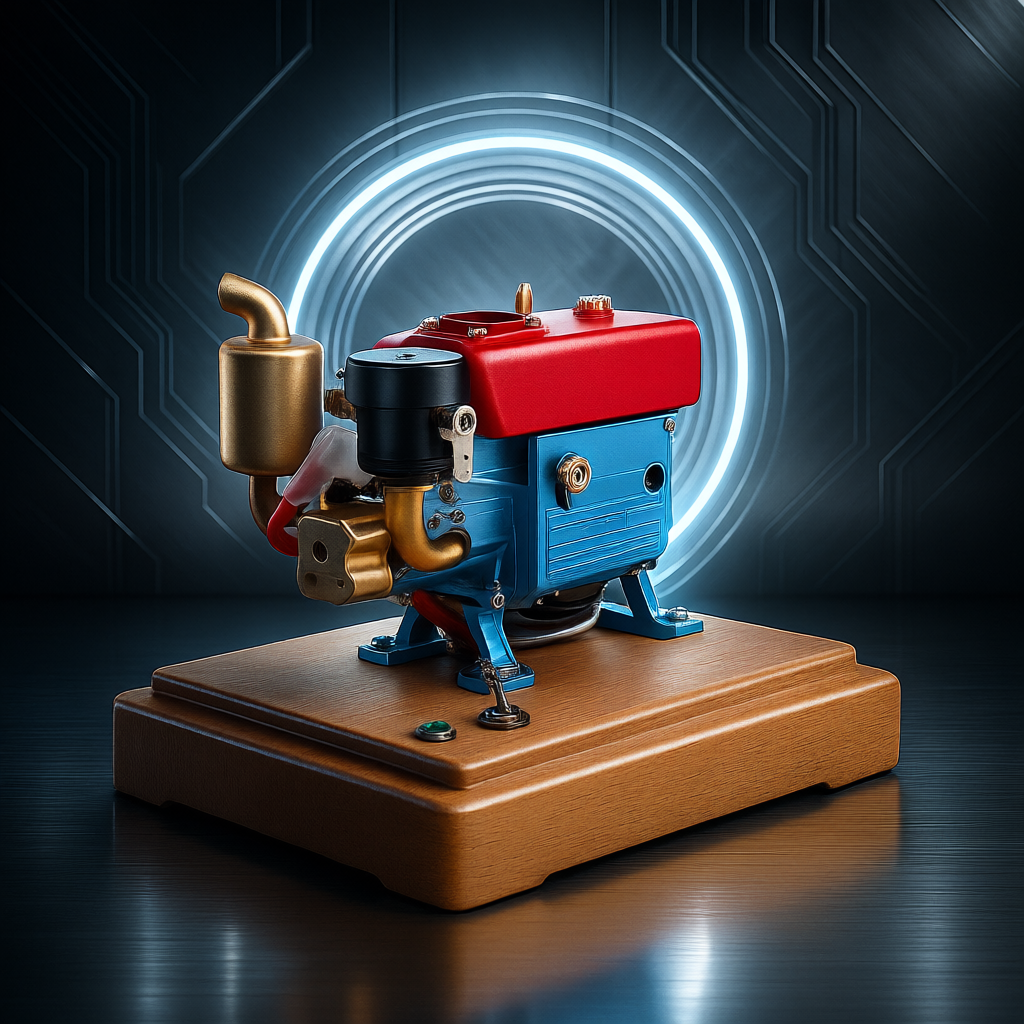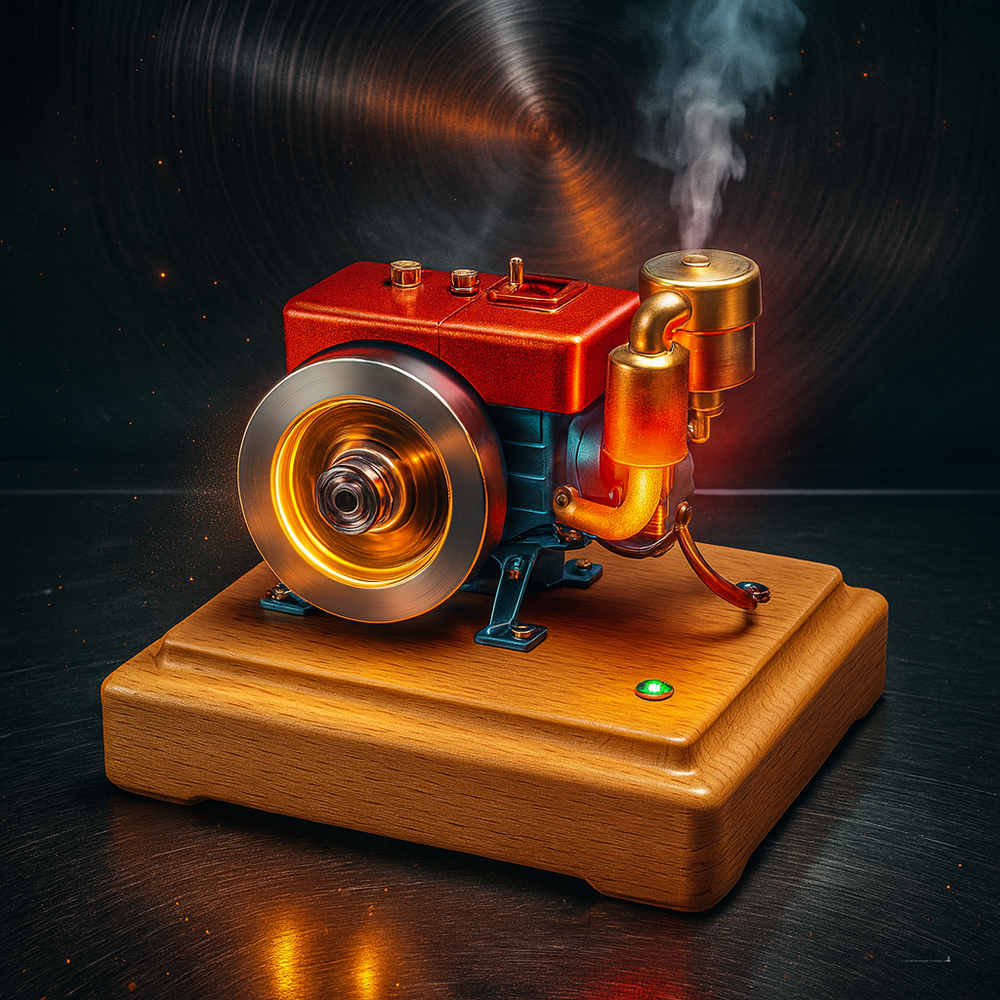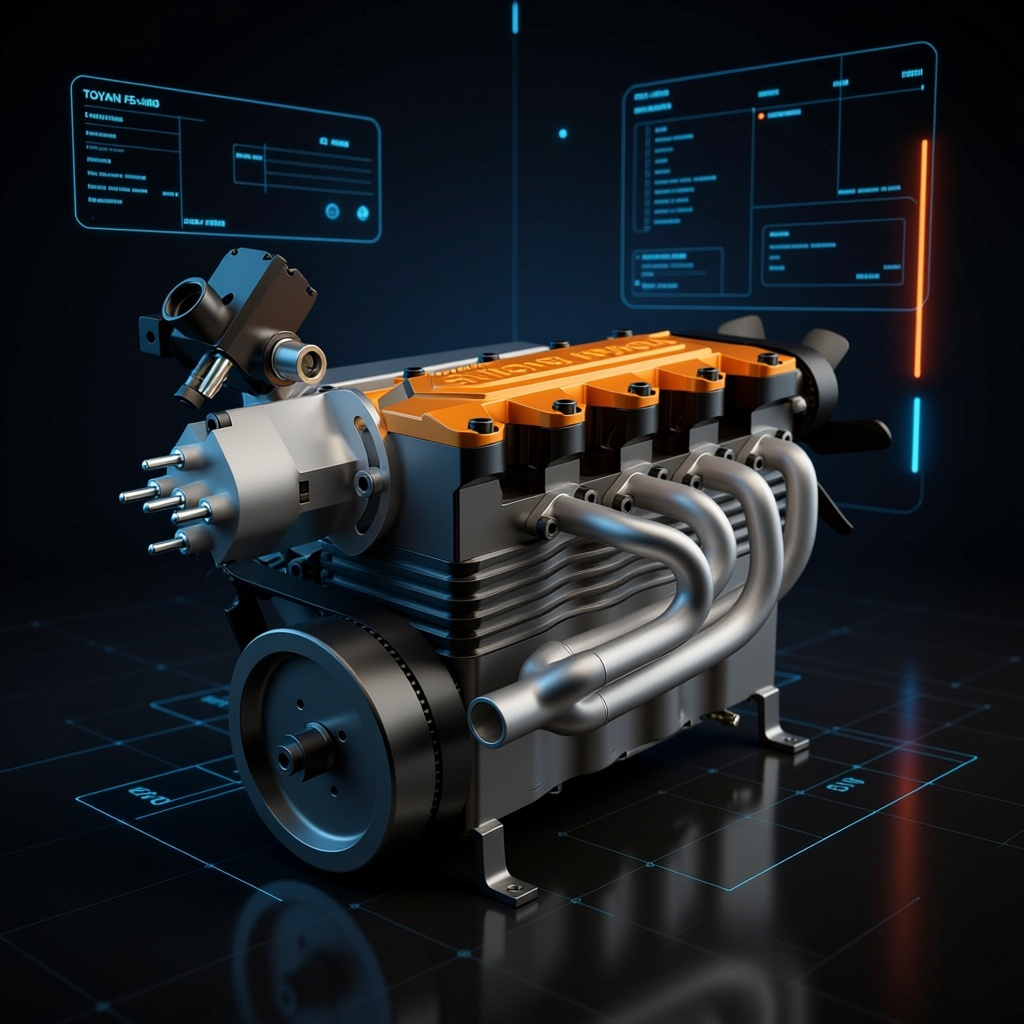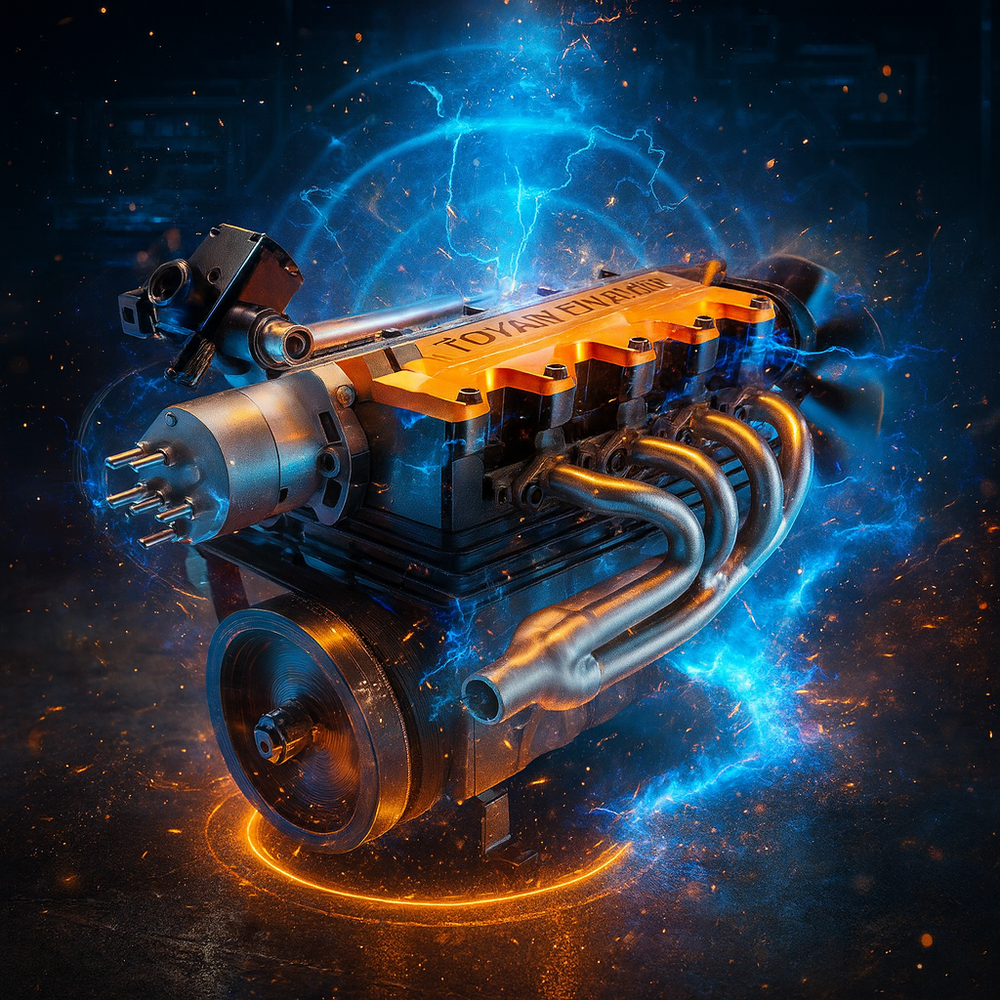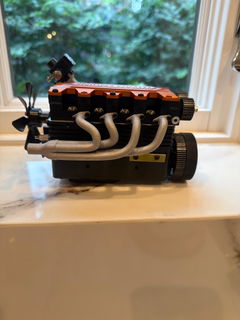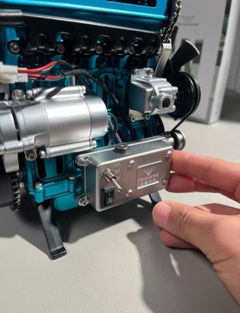
4-Stroke Engine Models & Miniature 4-Stroke Engines

Moteur 4 temps

Filtrer

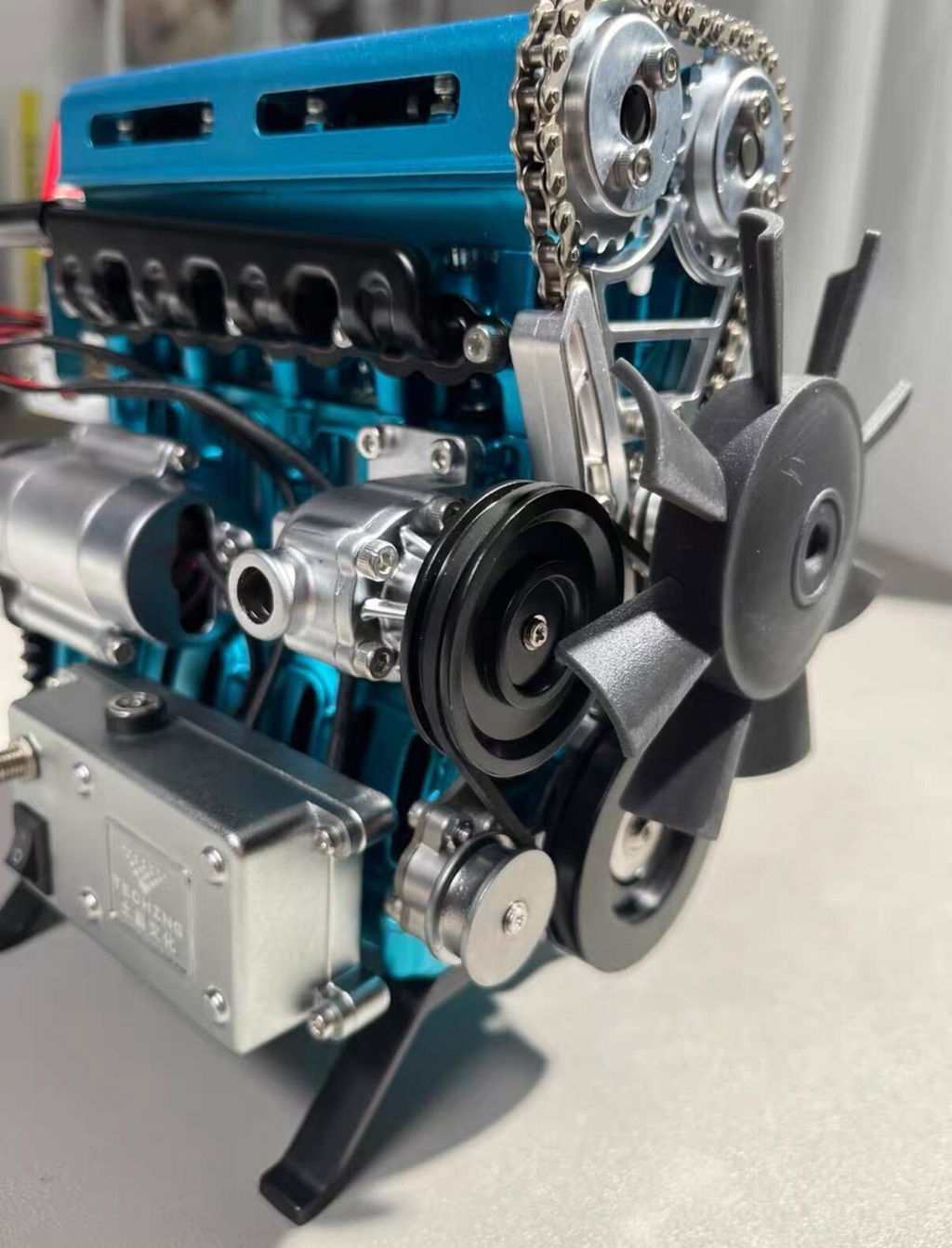
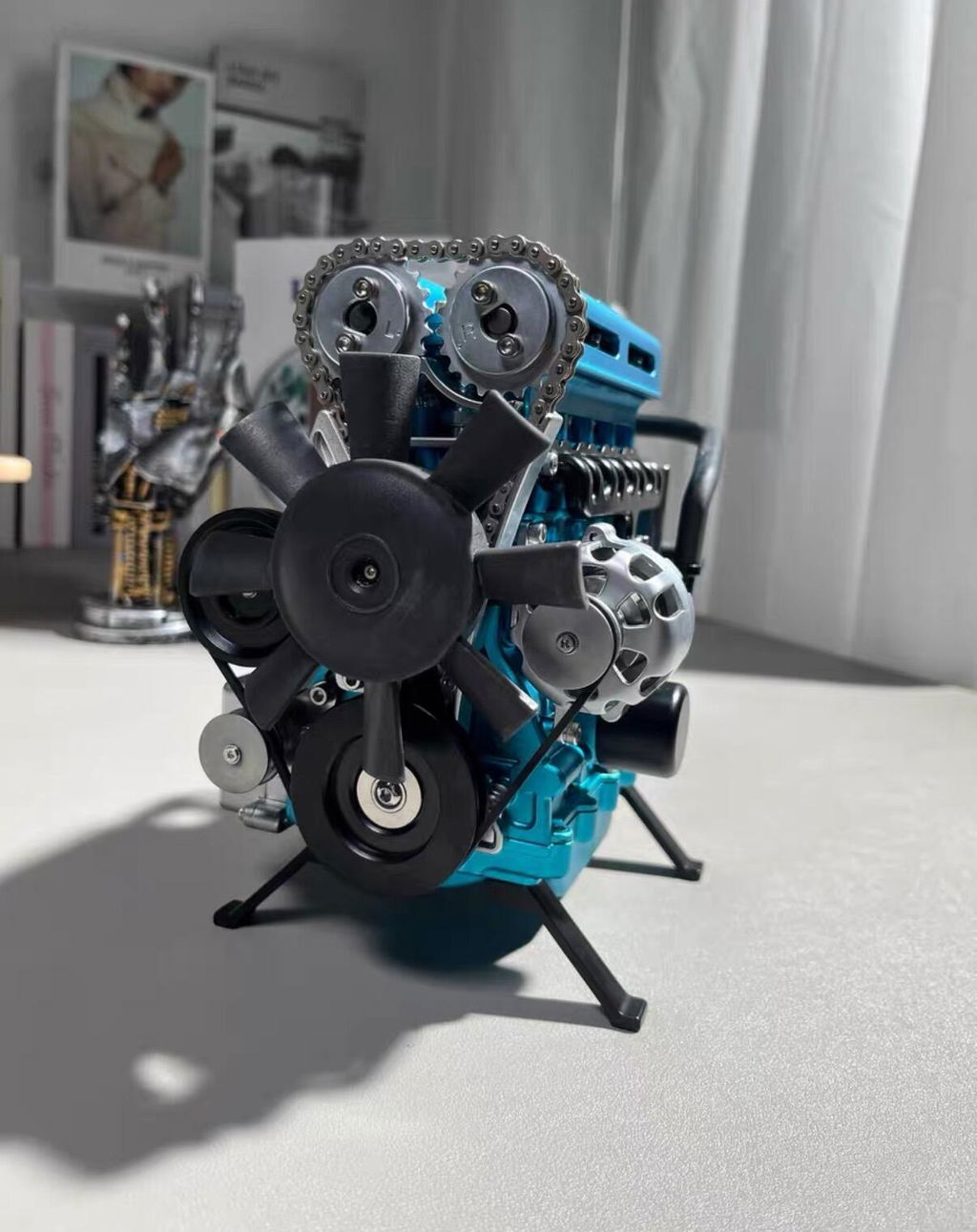
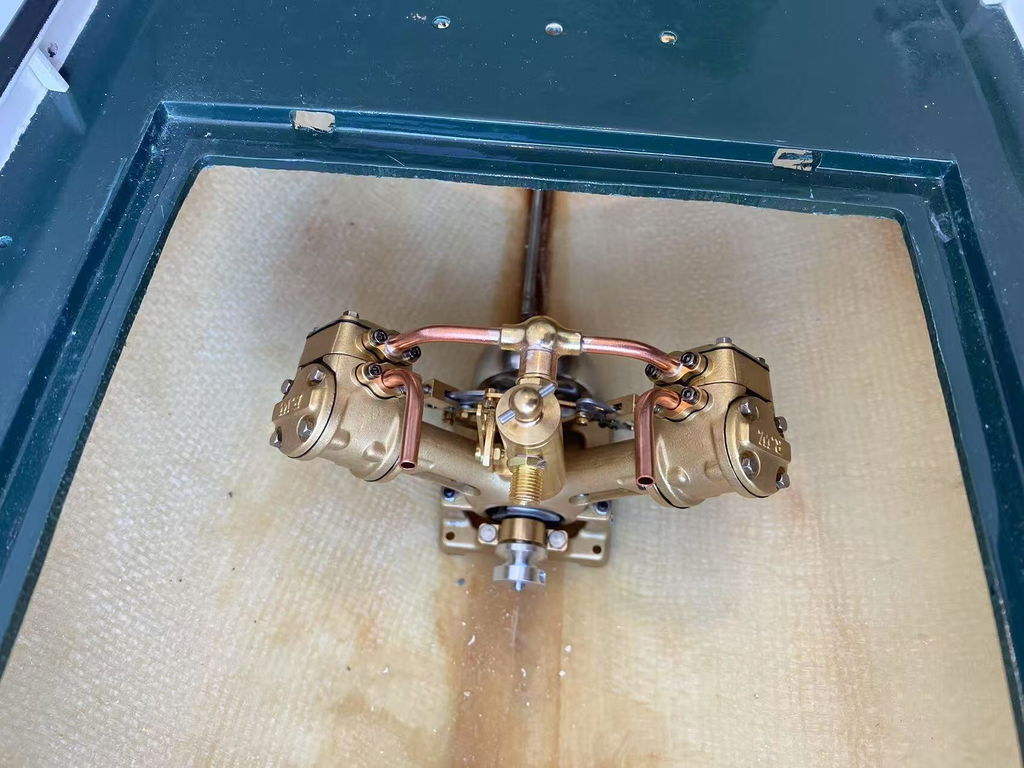
    Explore 4-stroke engine models and miniature 4-stroke engines powered by gasoline, nitro and methanol. Discover real working single-cylinder, twin-cylinder, inline-four and horizontally opposed engines designed for hobbyists, collectors, engineers and advanced RC enthusiasts.

    From compact air-cooled mini engines to water-cooled multi-cylinder powerplants, these engines reproduce the complete four-stroke cycle — intake, compression, power and exhaust — through genuine internal combustion and mechanical operation.
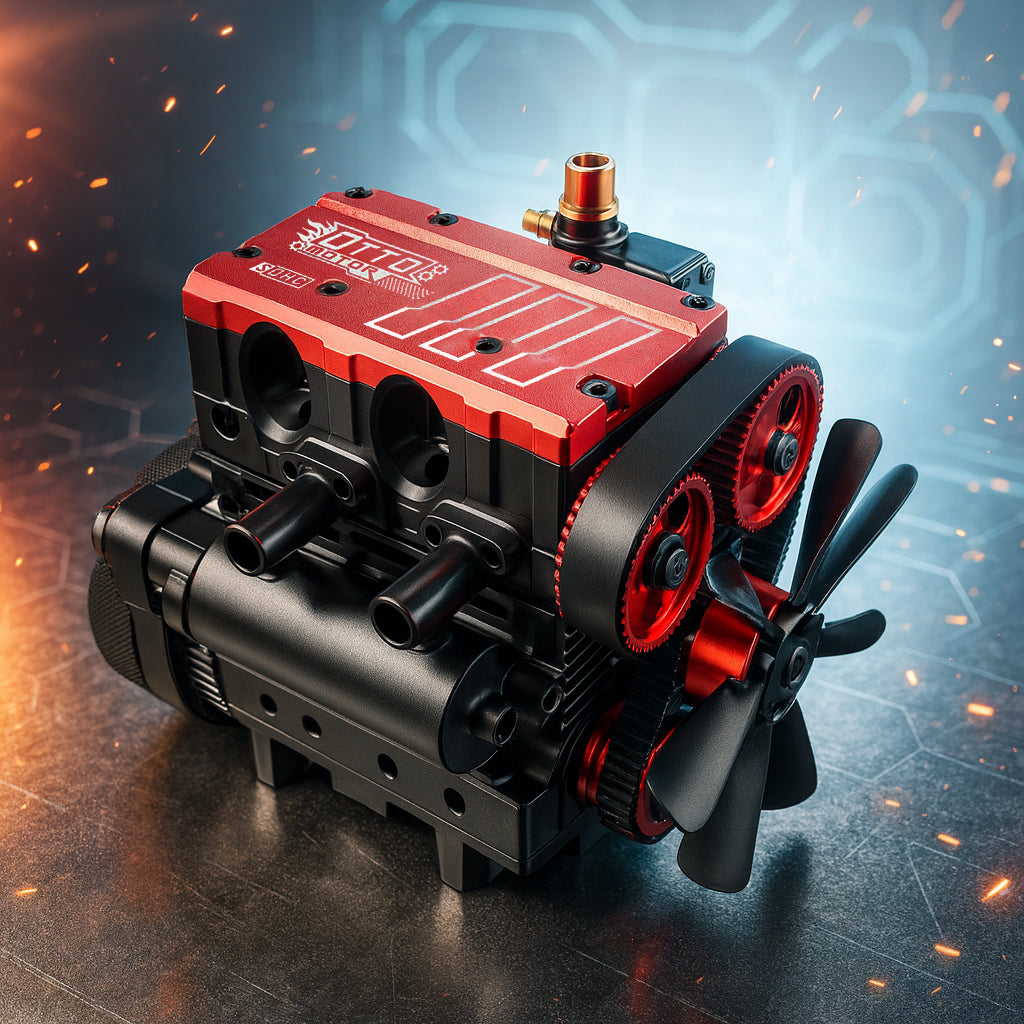
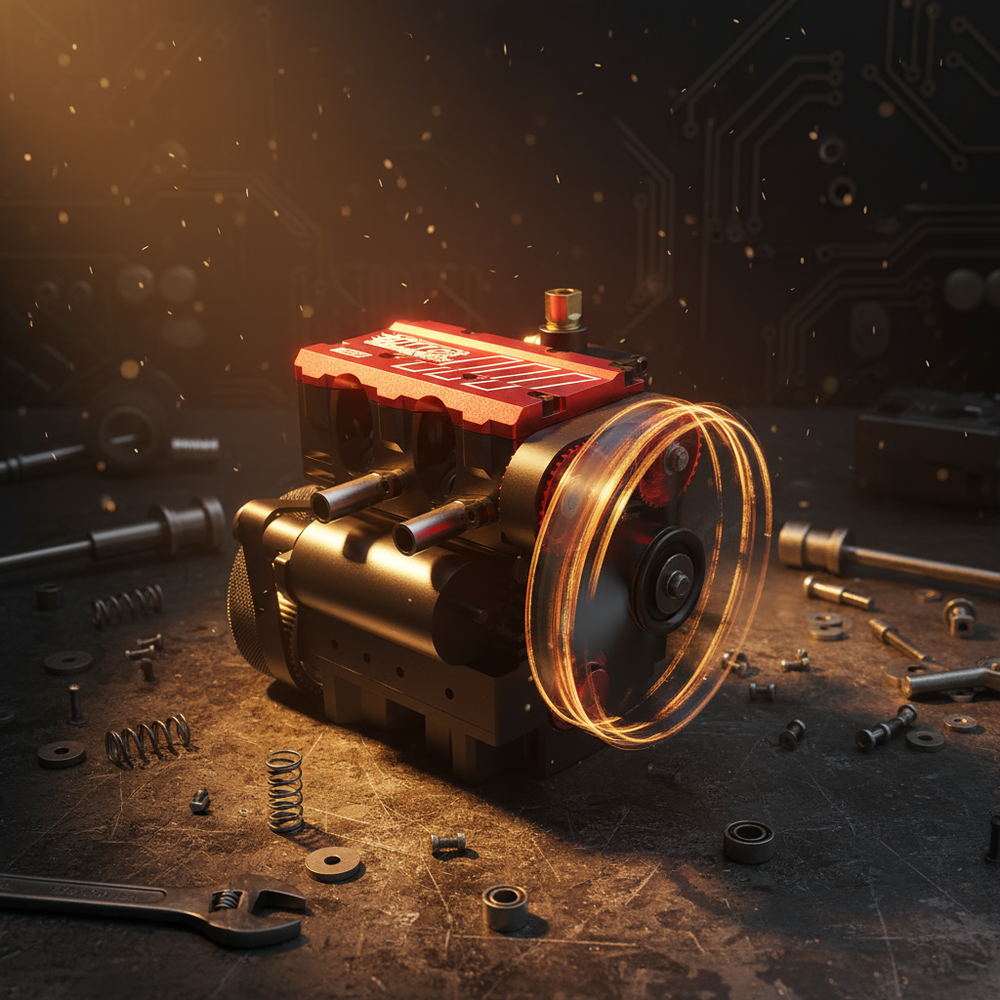
    Kit de modèle de moteur nitro et méthanol TOYAN 7 cc SOHC bicylindre en ligne 4 temps - FS-L200AC-OT
    Kit de modèle de moteur nitro et méthanol TOYAN 7 cc SOHC bicylindre en ligne 4 temps - FS-L200AC-OT
    Enginekitor
    $229.99
    $349.99 SAVE $120.00
    ENGINEKITOR F2 7.5cc Twin-Cylinder 4-Stroke Gasoline Engine Model Kit – Water-Cooled Real Working Mini Engine
    ENGINEKITOR F2 7.5cc Twin-Cylinder 4-Stroke Gasoline Engine Model Kit – Water-Cooled Real Working Mini Engine
    Enginekitor
    $299.99
    $499.99 SAVE $200.00
    Mise à niveau du modèle de moteur à essence monocylindre 4 temps MUSA 1/8 2,6 cm³ - Jusqu'à 12 000 tr/min
    Mise à niveau du modèle de moteur à essence monocylindre 4 temps MUSA 1/8 2,6 cm³ - Jusqu'à 12 000 tr/min
    Enginekitor
    $449.99
    Moteur à essence TOYAN FS-L400BGC 14 cc, 4 cylindres en ligne, 4 temps, OHC, refroidi par eau
    Moteur à essence TOYAN FS-L400BGC 14 cc, 4 cylindres en ligne, 4 temps, OHC, refroidi par eau
    Enginekitor
    $699.99
    $799.99 SAVE $100.00
    Modèle de moteur essence/nitro 4 temps TOYAN Premium Commemorative Edition FS-S100AT - Construisez votre propre moteur
    Modèle de moteur essence/nitro 4 temps TOYAN Premium Commemorative Edition FS-S100AT - Construisez votre propre moteur
    Enginekitor
    $349.99
    Kit de bricolage pour moteur Nitro H4 à quatre temps à plat TOYAN FS-B400 14 cc
    Kit de bricolage pour moteur Nitro H4 à quatre temps à plat TOYAN FS-B400 14 cc
    Enginekitor
    $799.99
    $899.99 SAVE $100.00
    Kit moteur à essence monocylindre 4 temps ENJOMOR GS-DK01 8 cc 14 000 tr/min
    Kit moteur à essence monocylindre 4 temps ENJOMOR GS-DK01 8 cc 14 000 tr/min
    Enginekitor
    $279.99
    $299.99 SAVE $20.00
    Moteur à essence monocylindre vertical OHV 4 temps MUSA F1 2,7 cm³, refroidi par air, modèle RTR
    Moteur à essence monocylindre vertical OHV 4 temps MUSA F1 2,7 cm³, refroidi par air, modèle RTR
    Enginekitor
    $439.99
    $499.99 SAVE $60.00
    INTAKE • COMPRESSION • POWER • EXHAUST

    Experience a Real Four-Stroke Engine at Miniature Scale

    A miniature 4-stroke engine brings the operating principles of a full-size internal-combustion engine into a compact mechanical format. Instead of simply reproducing the appearance of an engine, the models in this collection use genuine piston movement, valve timing, fuel delivery and combustion to complete the four-stroke cycle.

    ENGINEKITOR's collection includes single-cylinder, twin-cylinder, inline-four and flat-four 4-stroke engines, with gasoline, nitro and methanol-powered options for collectors, RC builders, mechanical enthusiasts and engineering learners.

    HOW IT WORKS

    The Four-Stroke Engine Cycle Explained

    A four-stroke engine completes one operating cycle through four distinct piston strokes: intake, compression, power and exhaust.

    01 Intake

    The piston moves downward while the intake valve opens, drawing the air-fuel mixture into the cylinder.

    02 Compression

    The valves close and the piston moves upward, compressing the mixture inside the combustion chamber.

    03 Power

    Ignition causes combustion. Expanding gases force the piston downward and transfer energy through the connecting rod to the crankshaft.

    04 Exhaust

    The exhaust valve opens and the piston moves upward again, pushing combustion gases out of the cylinder.

    One complete cycle = two crankshaft revolutions.

    This valve-controlled operating sequence is one of the key differences between a four-stroke engine and a simpler two-stroke design.

    REAL ENGINEERING

    Why Four-Stroke Mini Engines Are So Interesting

    Four-stroke miniature engines reproduce far more than visible piston movement. Their appeal comes from watching multiple engine systems work together as one machine.

    Real Combustion

    Selected engines genuinely burn gasoline, nitro or methanol-based fuel rather than using an electric motor to simulate engine movement.

    Valve Timing

    Camshafts and valve trains control when intake and exhaust valves open and close relative to piston position.

    Mechanical Synchronization

    Pistons, rods, crankshaft, valves and timing systems must work together with precise mechanical relationships.

    Throttle Response

    Real miniature engines allow you to experience idle, acceleration and changing engine speed instead of fixed demonstration motion.

    Different Engine Layouts

    Single-cylinder, twin-cylinder, inline-four and opposed engines allow direct comparison of very different mechanical architectures.

    Engineering Education

    A working engine makes combustion, timing, heat management and power transmission easier to understand than diagrams alone.

    CHOOSE BY FUEL

    Gasoline vs Nitro / Methanol 4-Stroke Engines

    Fuel type affects ignition systems, starting procedures, tuning and the overall ownership experience.

    GASOLINE

    Mini Gasoline 4-Stroke Engines

    Gasoline-powered miniature engines generally use a spark ignition system and carburetor-based fuel delivery. They reproduce many of the operating principles found in larger automotive engines.

    • Real internal combustion
    • Spark ignition systems
    • Available in single and multi-cylinder layouts
    • Suitable for collectors and advanced projects
    NITRO / METHANOL

    Nitro & Methanol 4-Stroke Engines

    Model-engine fuel is commonly used in compact RC engines. These engines can offer a lightweight, high-revving package and are popular among experienced model-engine enthusiasts.

    • Real internal combustion
    • Widely used in model-engine applications
    • Requires correct fuel specification
    • Carburetor tuning is often part of operation
    Always follow the fuel specification for the exact engine.

    Gasoline, nitro and methanol engines are not automatically interchangeable. Never substitute fuel types based only on another model's setup.

    ENGINE ARCHITECTURE

    Choose a 4-Stroke Engine by Cylinder Layout

    Cylinder count and arrangement dramatically change engine size, mechanical complexity, timing and visual character.

    01

    Single-Cylinder

    The simplest architecture for understanding the four-stroke combustion cycle. One piston makes crankshaft, valve and ignition relationships especially easy to follow.

    Best for: learning, compact displays and first real combustion engines.
    02

    Twin-Cylinder

    Two cylinders introduce multi-cylinder timing, smoother rotational behavior and more complex crankshaft relationships while remaining compact.

    Best for: enthusiasts moving beyond basic single-cylinder engines.
    03

    Inline Four-Cylinder

    Four cylinders arranged in one row reproduce one of the most familiar automotive engine layouts, with multiple pistons sharing a common crankshaft.

    Best for: automotive enthusiasts and advanced RC projects.
    Explore 4-Cylinder Engines →
    04

    Flat-Four / Horizontally Opposed

    Two opposing cylinder banks create a low, wide engine architecture and a completely different crankshaft and packaging layout from an inline engine.

    Best for: enthusiasts interested in boxer-style engine architecture.
    VALVE TRAIN

    OHV, OHC & SOHC: Why Valve Layout Matters

    Four-stroke engines need precisely timed intake and exhaust valves. The way those valves are operated is one of the most important architectural differences between engine designs.

    OHV Overhead Valve

    The camshaft is located lower in the engine and operates valves through additional mechanical components such as lifters, pushrods and rocker arms.

    OHC Overhead Camshaft

    The camshaft is positioned near or above the valves, shortening the mechanical path between cam timing and valve movement.

    SOHC Single Overhead Camshaft

    A single camshaft mounted in the cylinder-head area controls valve events and provides an excellent architecture for studying valve timing.

    HEAT MANAGEMENT

    Air-Cooled vs Water-Cooled Mini Engines

    Real combustion produces heat, so cooling is a functional part of miniature engine operation, not simply a cosmetic feature.

    AIR COOLED

    Simpler Cooling Architecture

    Air-cooled engines dissipate heat through airflow around fins and exposed engine surfaces. Their simpler installation makes them attractive for compact engine projects.

    • No external water circuit
    • Compact setup
    • Common on single and twin-cylinder engines
    WATER COOLED

    Controlled Liquid Cooling

    Water-cooled engines circulate coolant around heat-producing areas and typically require tubing, a reservoir or radiator arrangement depending on the installation.

    • Effective heat management
    • Common on advanced multi-cylinder engines
    • Adds another real engine system to the setup
    ENGINE CYCLES

    4-Stroke vs 2-Stroke Mini Engines

    Both can be genuine internal-combustion engines, but they complete the operating cycle differently.

    4-STROKE

    Four Separate Piston Strokes

    • Intake
    • Compression
    • Power
    • Exhaust
    • Uses dedicated valve timing
    • One power event over two crankshaft revolutions per cylinder
    2-STROKE

    Completes the Cycle More Frequently

    • Different gas-exchange architecture
    • Generally fewer valve-train components
    • Different lubrication requirements
    • Different power-delivery characteristics
    • One power event per crankshaft revolution per cylinder in the ideal cycle
    BUYER'S GUIDE

    How to Choose a Miniature 4-Stroke Engine

    The right engine depends on much more than displacement. Consider fuel, layout, cooling and intended use before choosing.

    01

    Choose the Fuel System

    Decide whether you prefer gasoline or a nitro / methanol model-engine setup. This affects ignition, fuel handling and tuning.

    02

    Select the Cylinder Layout

    Single-cylinder engines are easier to understand, while twin and four-cylinder layouts provide a more advanced multi-cylinder experience.

    03

    Consider Cooling Requirements

    Air-cooled engines simplify installation. Water-cooled engines add pumps, tubing and coolant management depending on the setup.

    04

    Check What Is Included

    Engine-only products may require separate ignition, starter, fuel tank, batteries or cooling components before operation. Always review the individual product page.
    05

    Match the Engine to Your Experience

    A real multi-cylinder combustion engine requires more setup and troubleshooting knowledge than a basic mechanical demonstration model.

    06

    Decide How You Will Use It

    Some buyers want a running desktop engine, others plan RC installations, while collectors may prioritize architecture and mechanical presentation.

    CHOOSE BY EXPERIENCE

    From First Mini Engine to Advanced Multi-Cylinder Builds

    LEVEL 01

    Learning the Fundamentals

    A simpler single-cylinder engine makes it easier to understand fuel delivery, ignition, valve timing and the basic four-stroke cycle.

    LEVEL 02

    Twin-Cylinder Engines

    Twin-cylinder models introduce multiple combustion events, more complex timing and additional tuning considerations.

    LEVEL 03

    Advanced Four-Cylinder Engines

    Inline-four and flat-four models add significantly greater mechanical complexity, cooling requirements and multi-cylinder synchronization.

    OWNERSHIP BASICS

    Fuel, Lubrication, Cooling & Starting

    Real miniature four-stroke engines should be treated as functional internal-combustion machinery, not as conventional display toys.

    Use the Correct Fuel

    Always follow the exact fuel specification for the engine you own. Do not assume two miniature engines use the same fuel.

    Follow Lubrication Instructions

    Lubrication systems vary between engines. Use the oil type and procedure specified in the individual product documentation.

    Manage Engine Temperature

    Make sure air-cooled engines receive adequate airflow and water-cooled engines have a properly functioning coolant circuit.

    Start Conservatively

    Correct fuel delivery, throttle position, ignition and starter speed all affect whether a combustion engine starts successfully.

    Inspect Before Running

    Check fasteners, fuel lines, cooling connections and rotating components before every operating session.

    Store It Dry

    After use, follow the engine's storage procedure and protect exposed metal components from moisture and corrosion.

    WHO THEY ARE FOR

    Who Should Buy a 4-Stroke Engine Model?

    Engine Enthusiasts

    Experience real combustion, valve timing and throttle response at a scale that fits on a workbench.

    RC Builders

    Selected engines can become the powerplant for advanced custom cars, boats, motorcycles or engineering projects.

    Collectors

    CNC-machined miniature engines combine mechanical operation with strong display and collector value.

    Engineering Learners

    Study combustion, valve timing, cooling and power transmission through a physical operating system.

    Mechanical Workshops

    A miniature engine provides an engaging demonstration piece for maker spaces and technical environments.

    Premium Gift Buyers

    Real miniature engines offer a much deeper mechanical experience than a conventional static engine replica.

    REAL ENGINE SAFETY

    These Are Functional Combustion Engines

    Fuel-powered miniature engines can generate significant heat, rotating motion, noise and exhaust gases. Secure the engine correctly, keep hands and loose objects away from moving components and operate combustion engines in an appropriate, well-ventilated environment.

    Always follow the instructions supplied for the exact engine regarding fuel, lubrication, ignition, cooling, break-in and starting procedures.

    COMMON QUESTIONS

    4-Stroke Engine Model FAQ

    Common questions about miniature four-stroke engines, fuel, cooling, cylinder layouts and operation.
    What is a 4-stroke engine?

    A four-stroke engine completes its operating cycle through four piston strokes: intake, compression, power and exhaust. One complete cycle requires two crankshaft revolutions.

    Do ENGINEKITOR 4-stroke engines actually run?

    The fuel-powered miniature engines in this collection are genuine internal-combustion engines rather than purely motor-driven mechanical displays. Always check the exact product specifications for the model you are considering.

    What fuel does a mini 4-stroke engine use?

    It depends on the engine. Models in this category can use gasoline, nitro or methanol-based model-engine fuel. Use only the fuel specified for the exact product.

    What is the difference between 2-stroke and 4-stroke engines?

    A four-stroke engine separates intake, compression, power and exhaust into four distinct strokes. A two-stroke engine completes its operating cycle through a different gas-exchange process over a shorter crankshaft cycle.

    Are miniature 4-stroke engines real engines?

    Yes, many miniature models are genuine engines with cylinders, combustion chambers, crankshafts, carburetors, ignition systems, lubrication and cooling.

    Which 4-stroke engine is best for a beginner?

    A simpler single-cylinder engine is generally easier for learning the basic four-stroke cycle. However, real combustion engines still require correct fuel, starting procedures and maintenance.

    Why choose a twin-cylinder 4-stroke engine?

    Twin-cylinder engines introduce multi-cylinder timing and more complex crankshaft relationships while remaining substantially more compact than four-cylinder engines.

    What is the difference between inline-four and flat-four engines?

    An inline-four places all four cylinders in one straight cylinder bank. A flat-four uses two opposing banks with cylinders arranged horizontally, producing a wider and lower architecture.

    What does OHV mean?

    OHV means Overhead Valve. The valves are located in the cylinder head, while the camshaft is typically positioned lower and operates them through additional valve-train components.

    What does SOHC mean?

    SOHC means Single Overhead Camshaft. One camshaft is positioned in the cylinder-head area to control valve timing.

    Is air cooling or water cooling better?

    Neither is universally better. Air cooling is simpler and more compact, while water cooling provides another method of controlling temperature on more demanding engine layouts. The right system depends on the specific engine design.

    Can miniature 4-stroke engines power RC models?

    Some engines can be integrated into advanced RC cars, motorcycles, boats or custom mechanical projects. Installation may require custom mounts, transmission components, cooling, fuel, ignition and control systems.

    Do I need a starter and ignition system?

    Requirements vary by model. Some engines require external starting, ignition, batteries, fuel tanks or cooling accessories. Check the packing list and specifications of the exact engine before ordering.

    Do miniature 4-stroke engines require maintenance?

    Yes. Real combustion engines require correct lubrication, fuel handling, cooling and storage procedures. Maintenance requirements vary between engines.

    Are 4-stroke engine models suitable for STEM learning?

    Yes. They can demonstrate piston movement, crankshaft rotation, valve timing, combustion, cooling and energy conversion through a physical operating system.

    Does ENGINEKITOR provide technical support and replacement parts?

    ENGINEKITOR provides after-sales assistance for supported models. For troubleshooting or replacement-part requests, provide your order information together with clear photos or video of the issue.