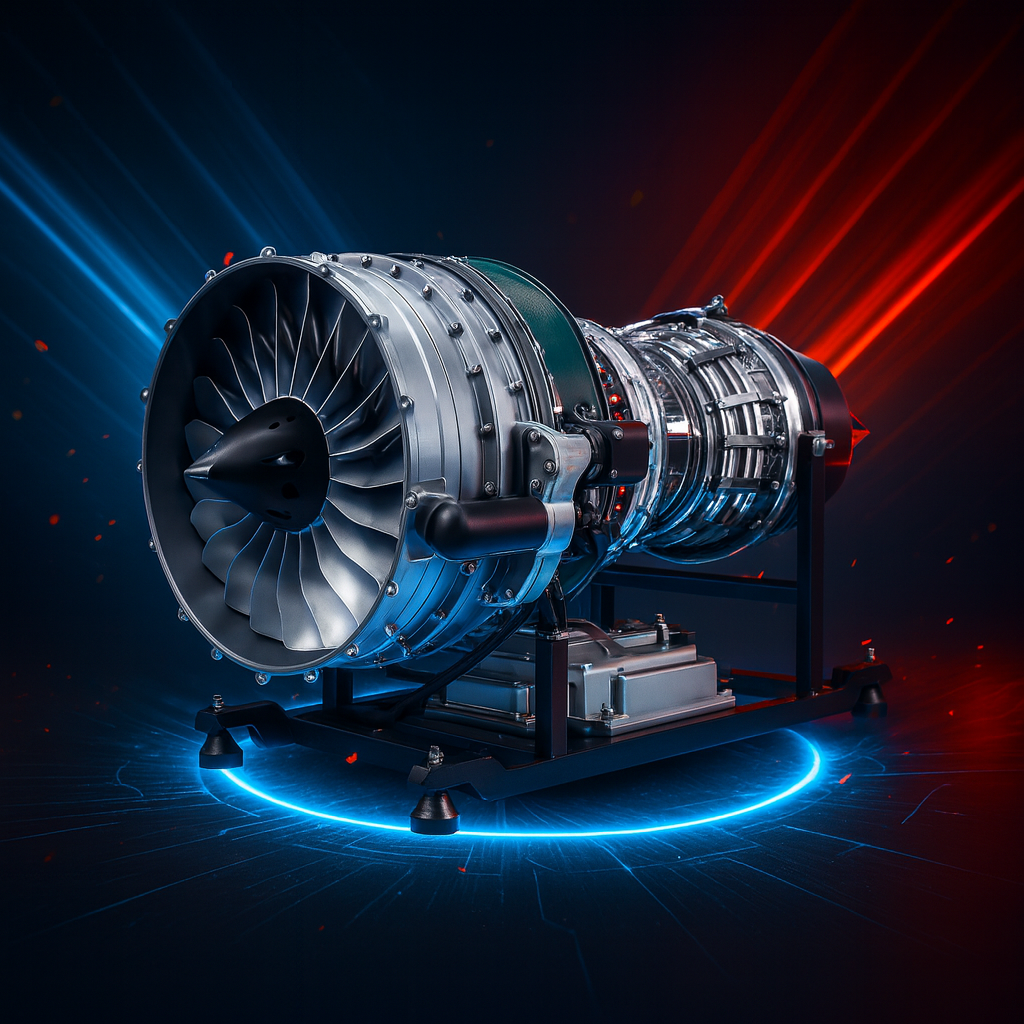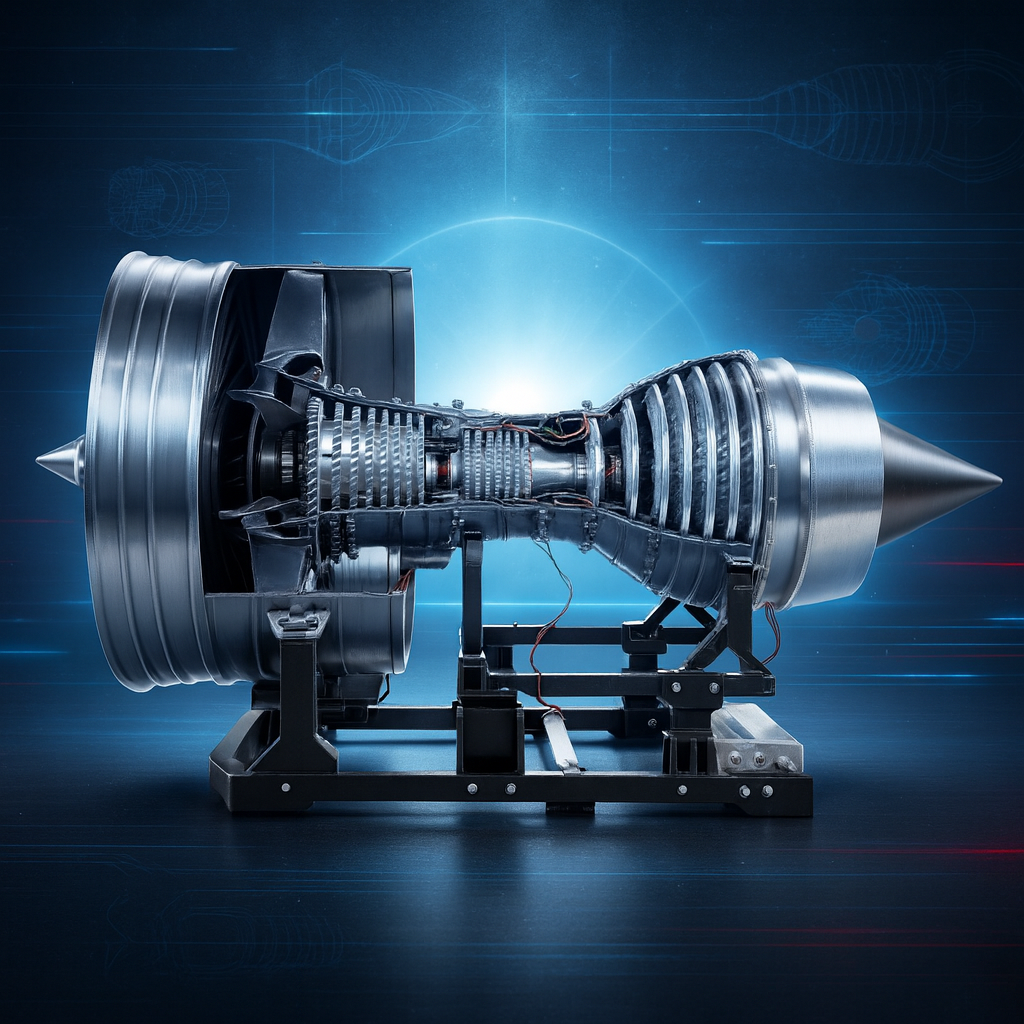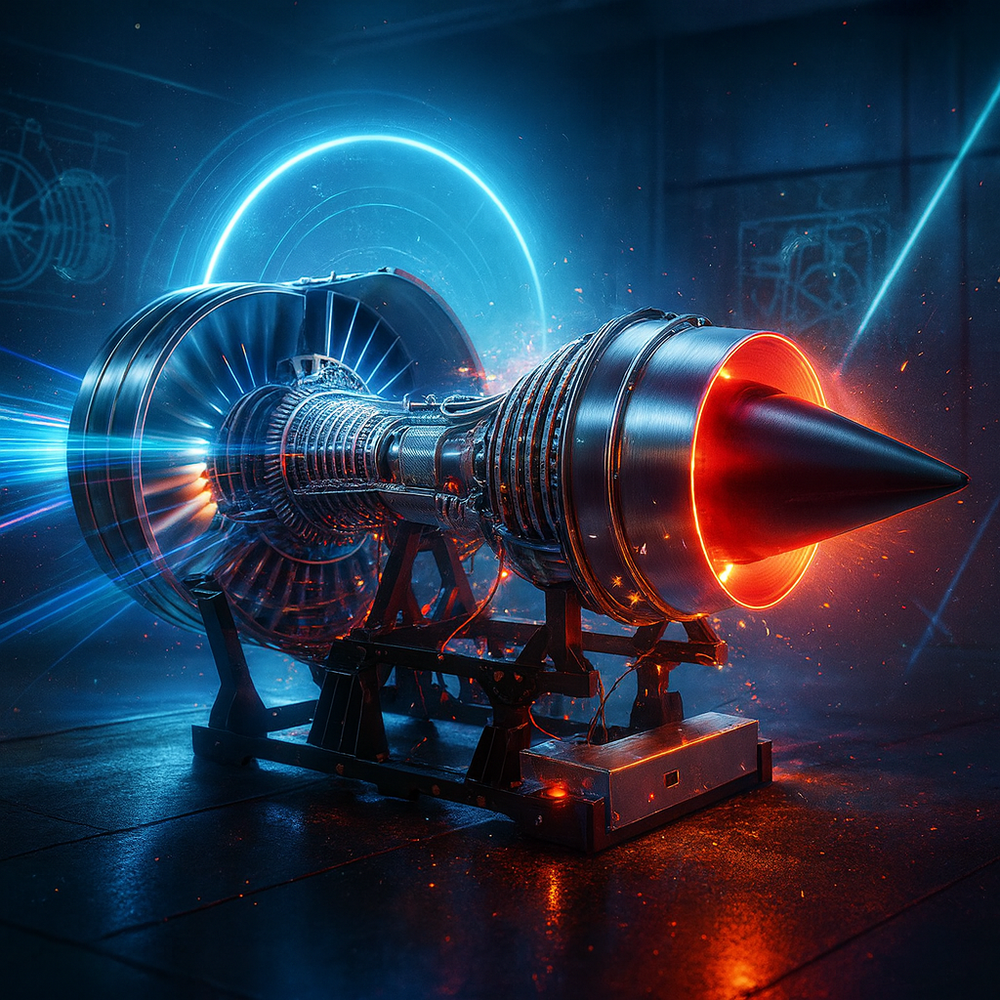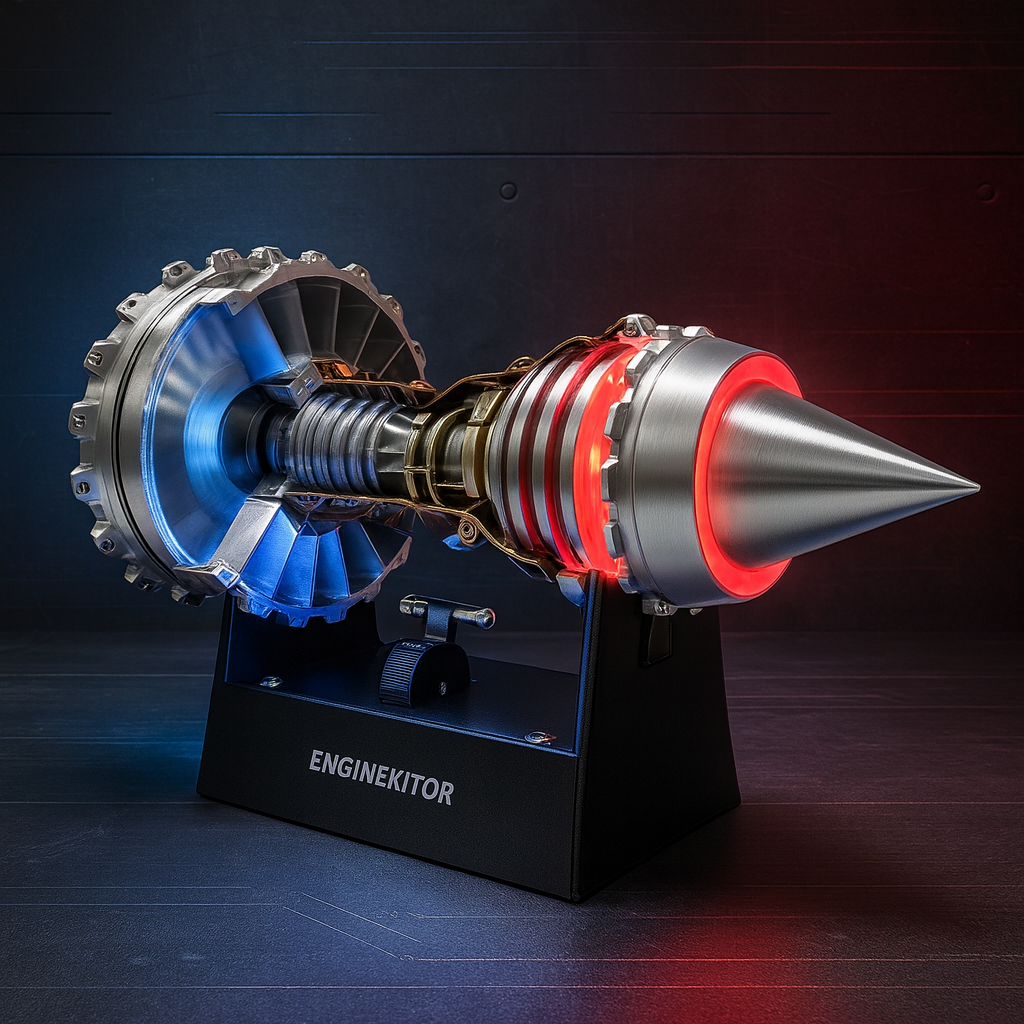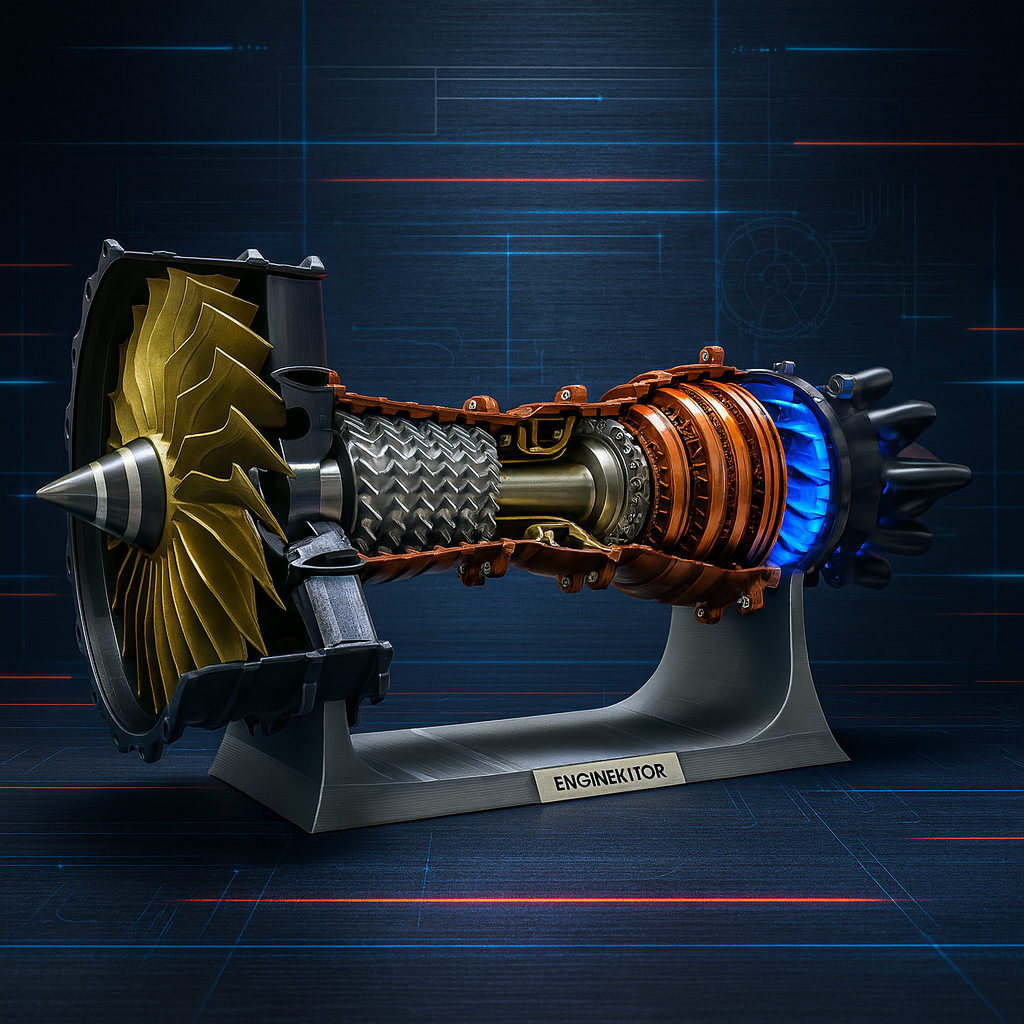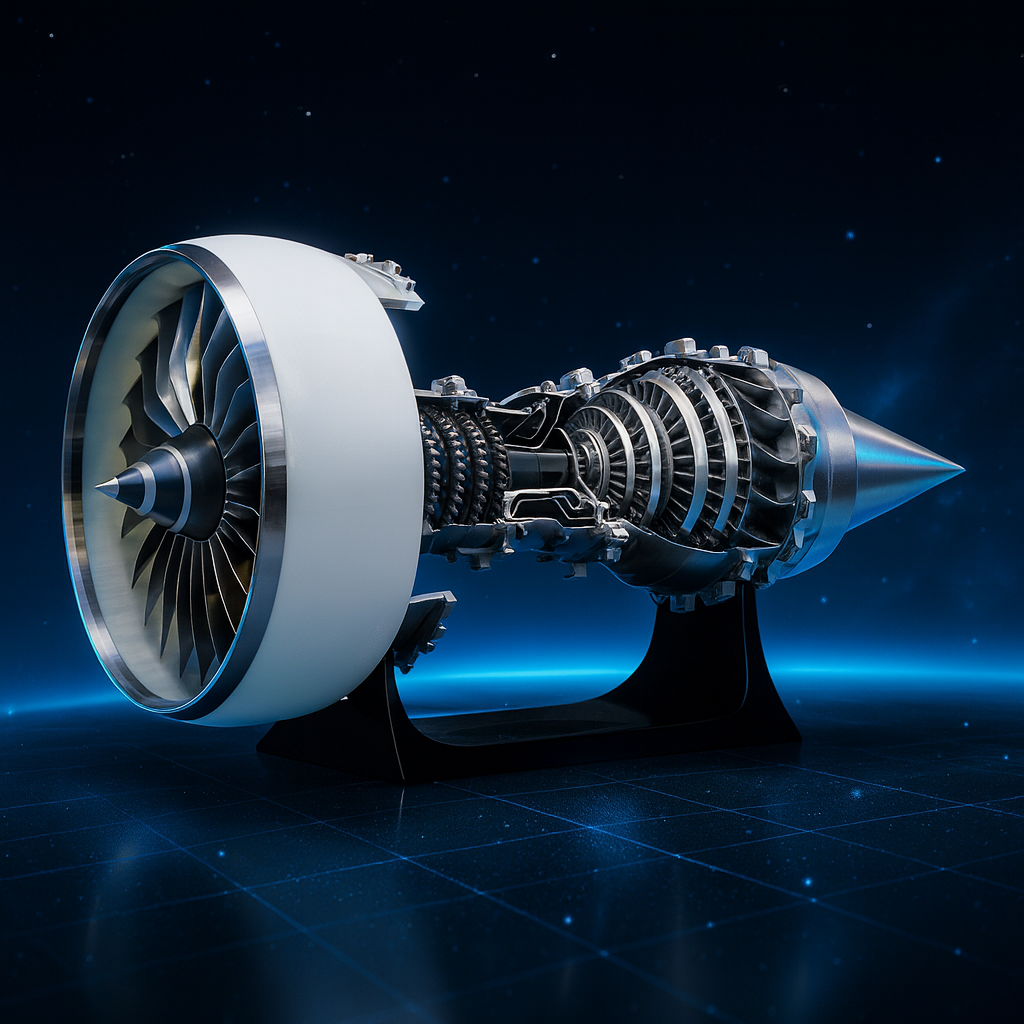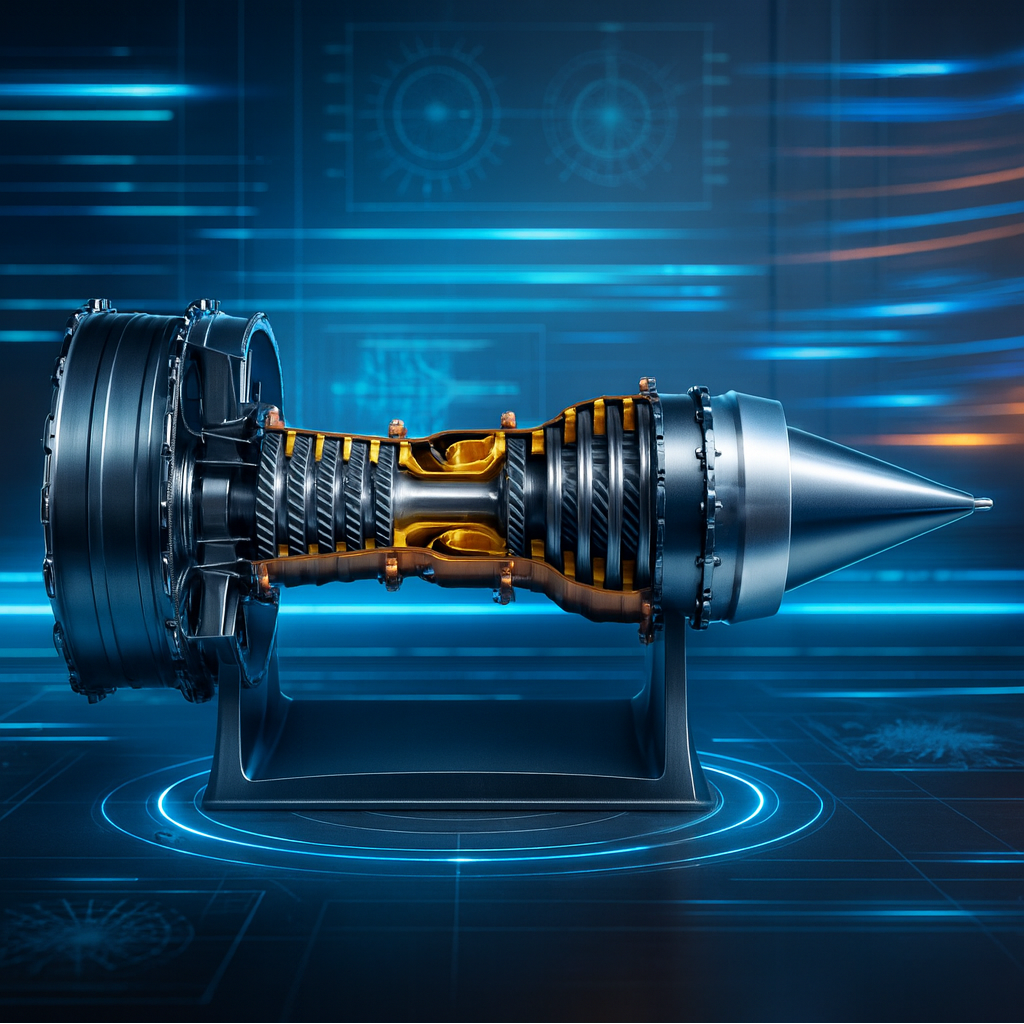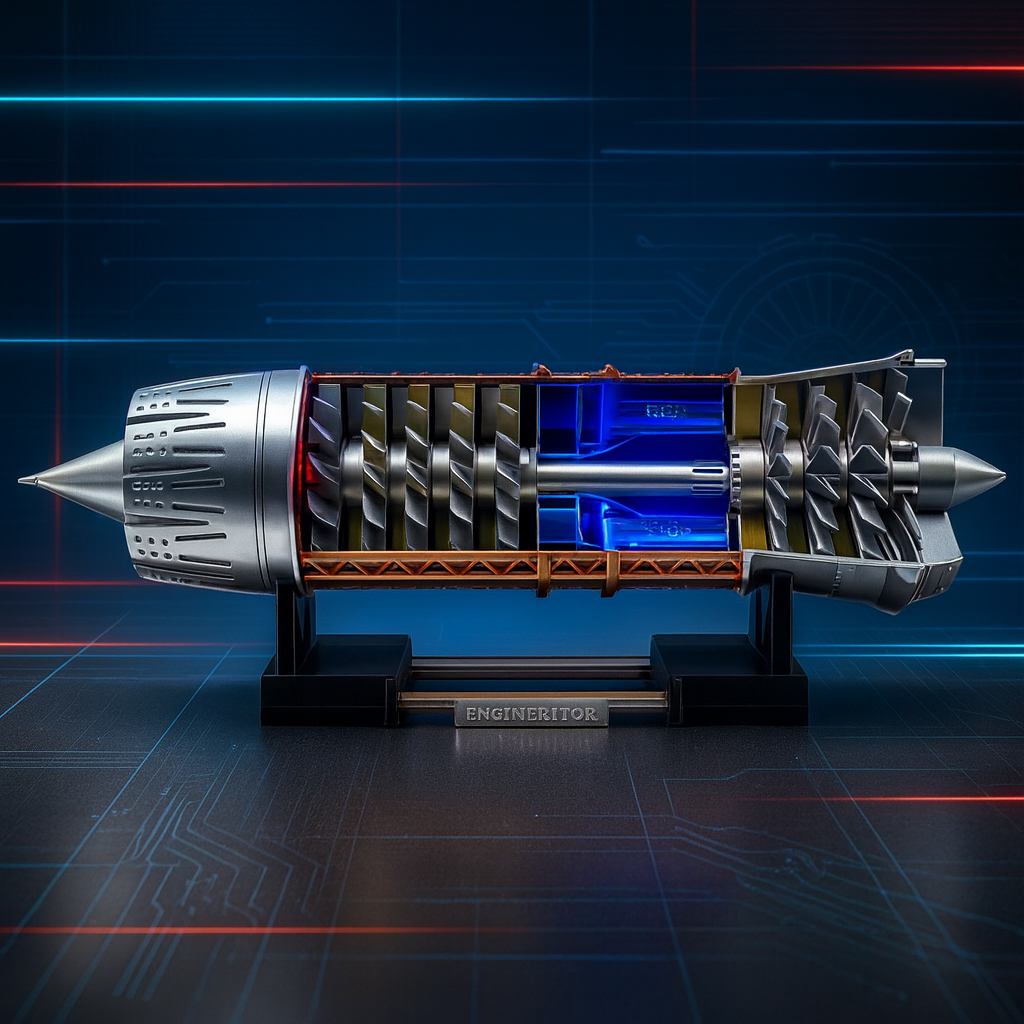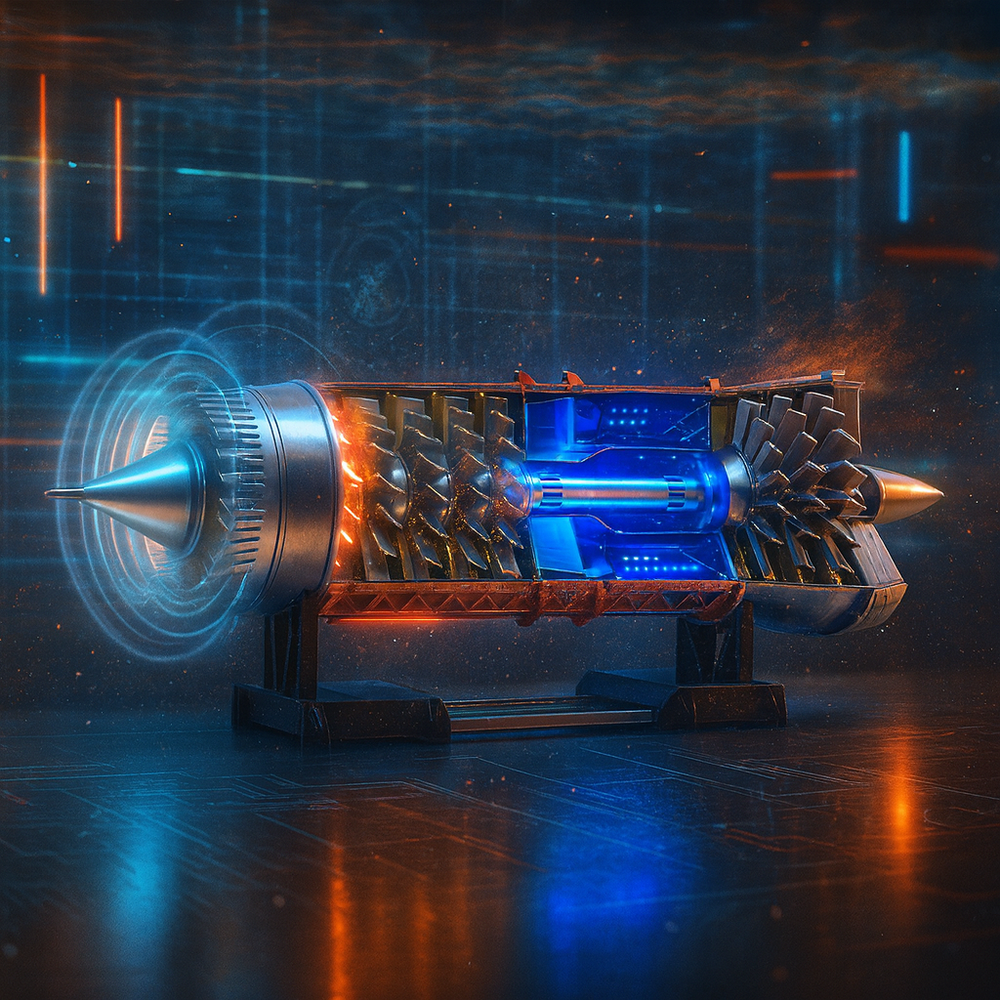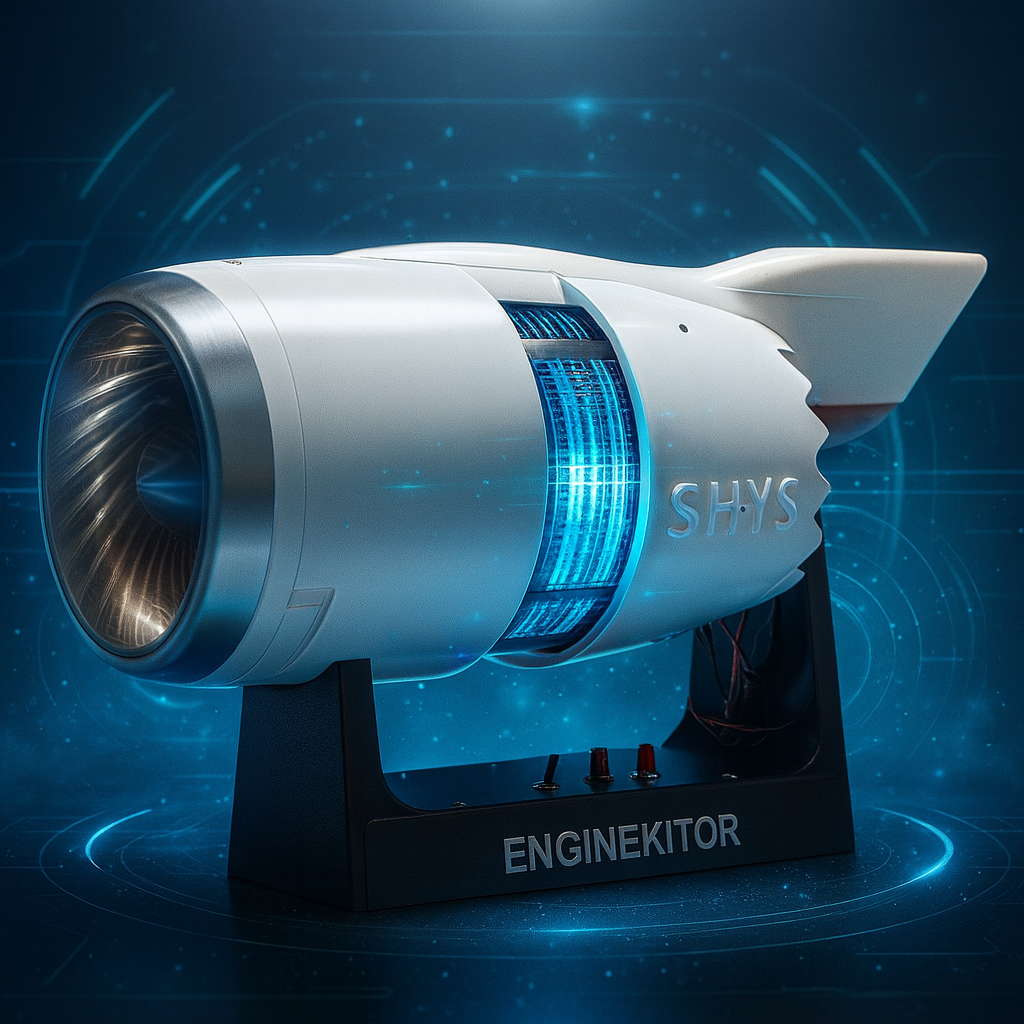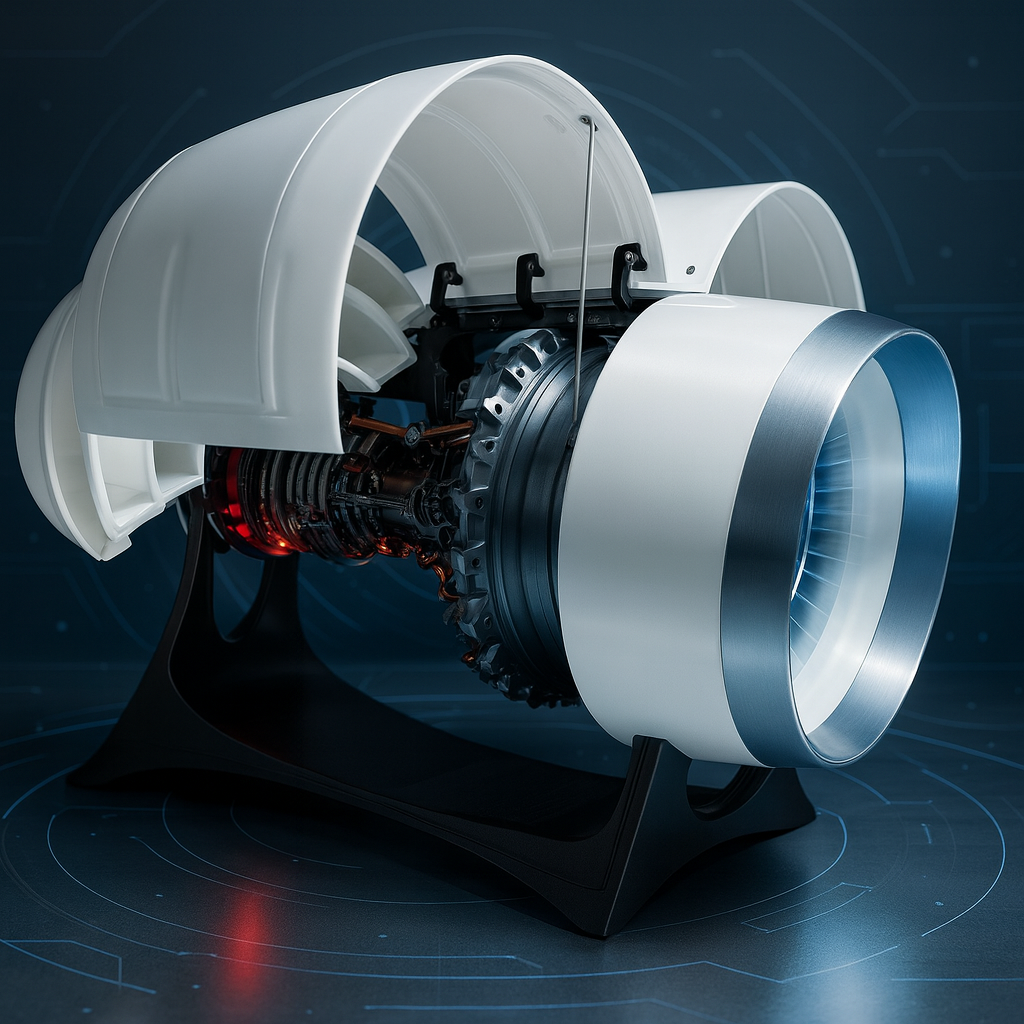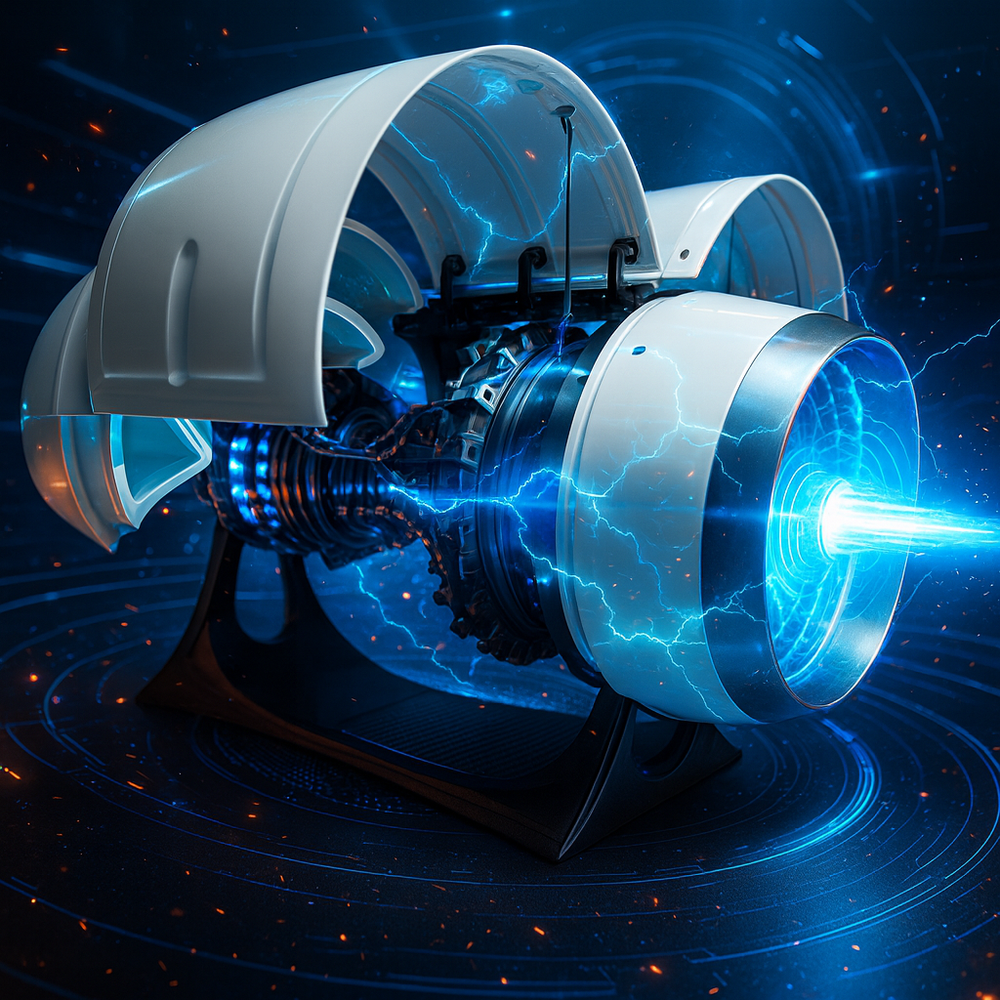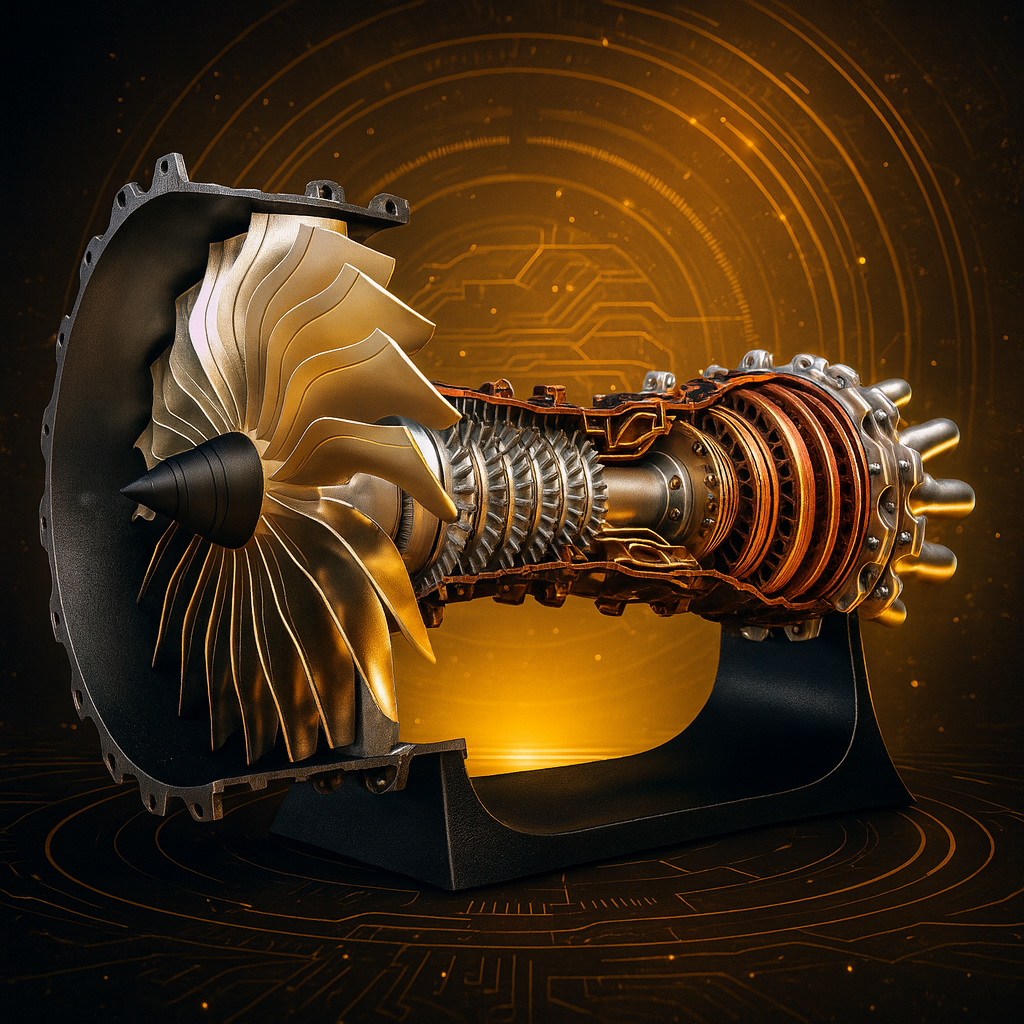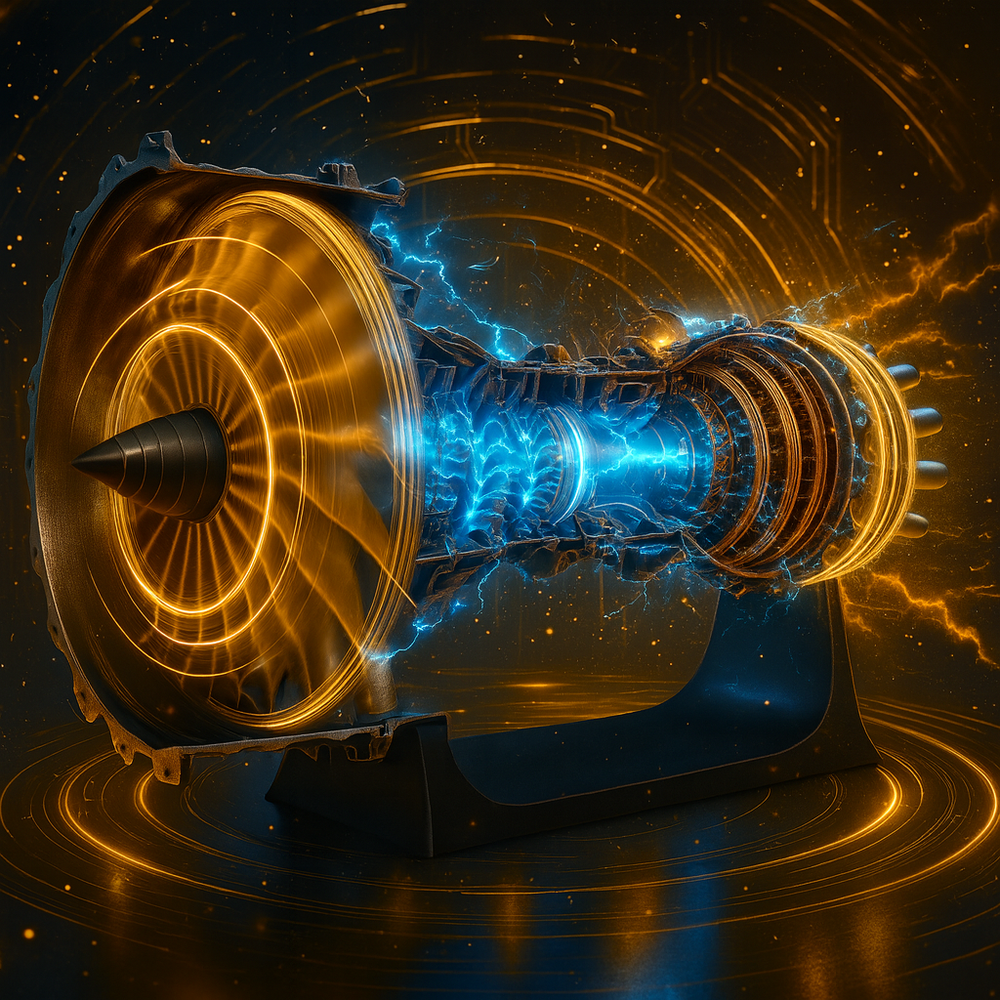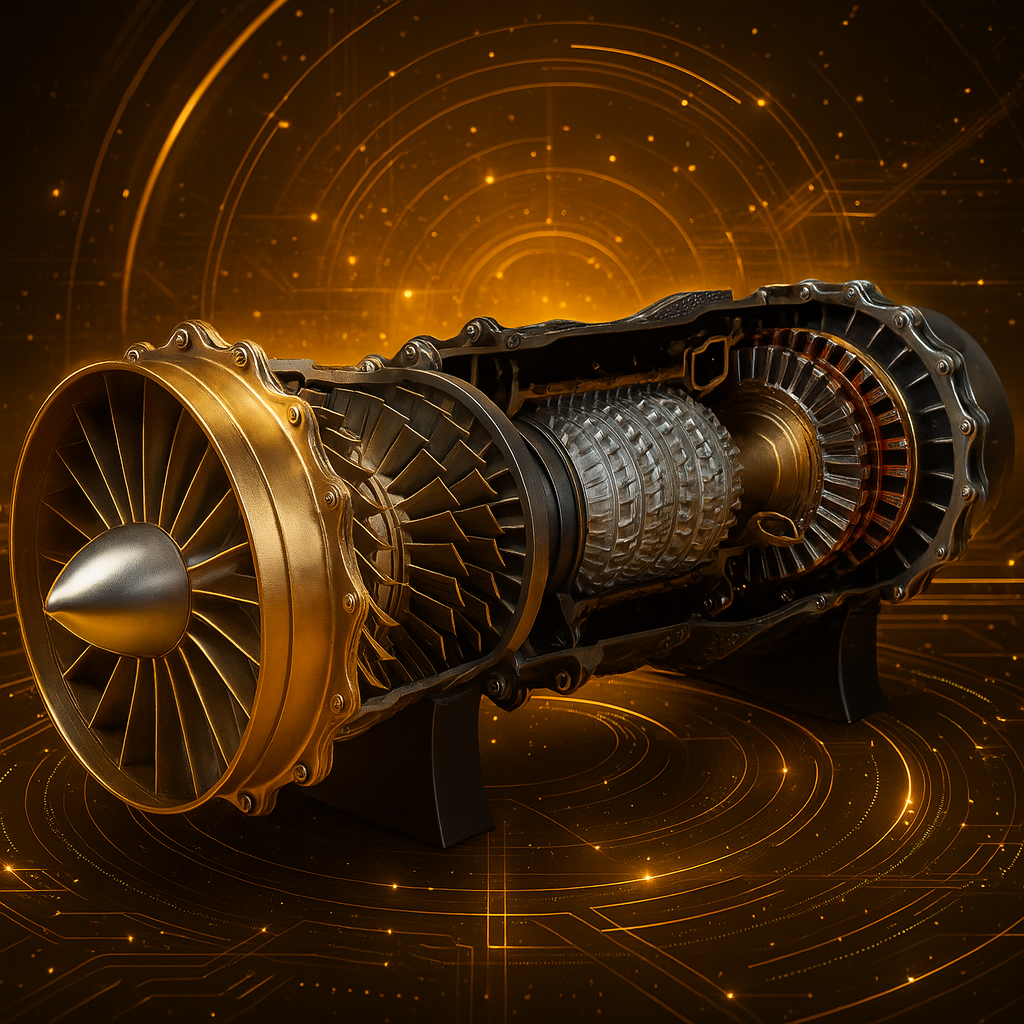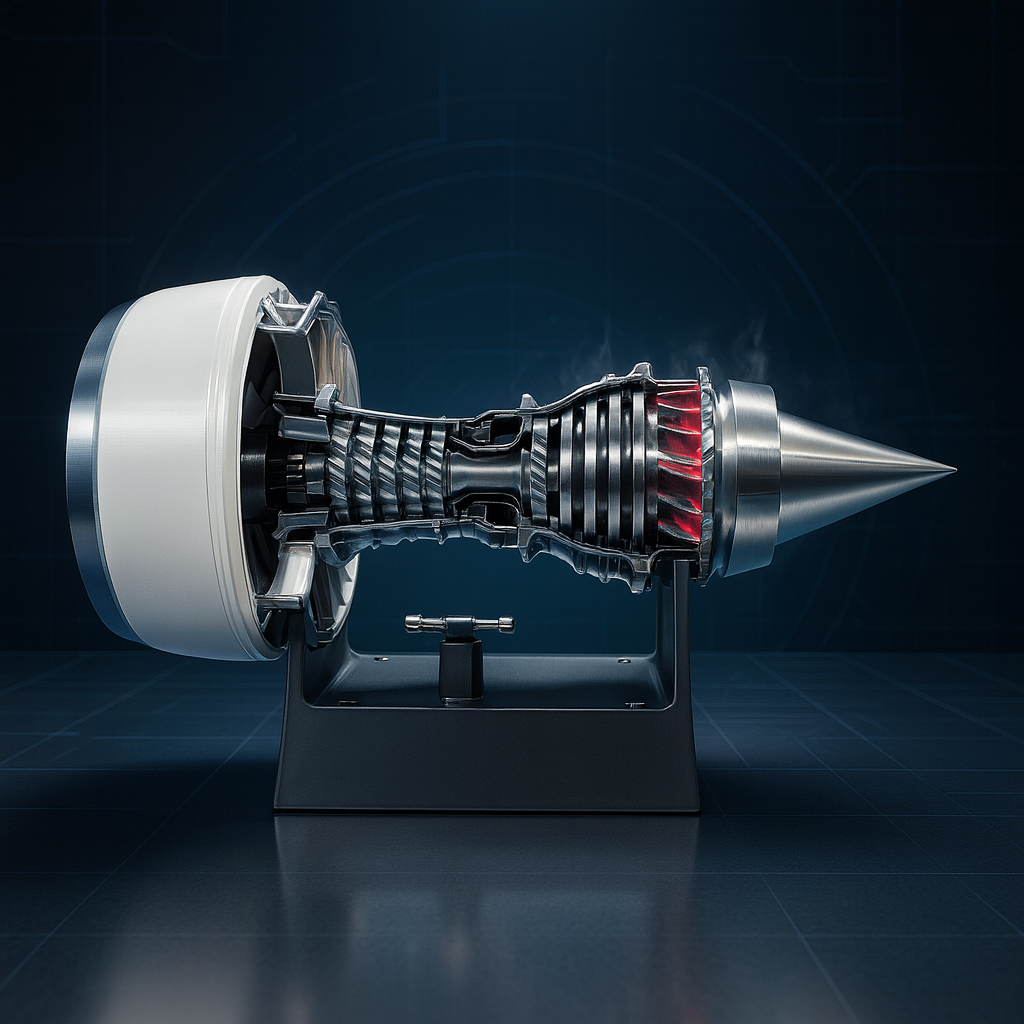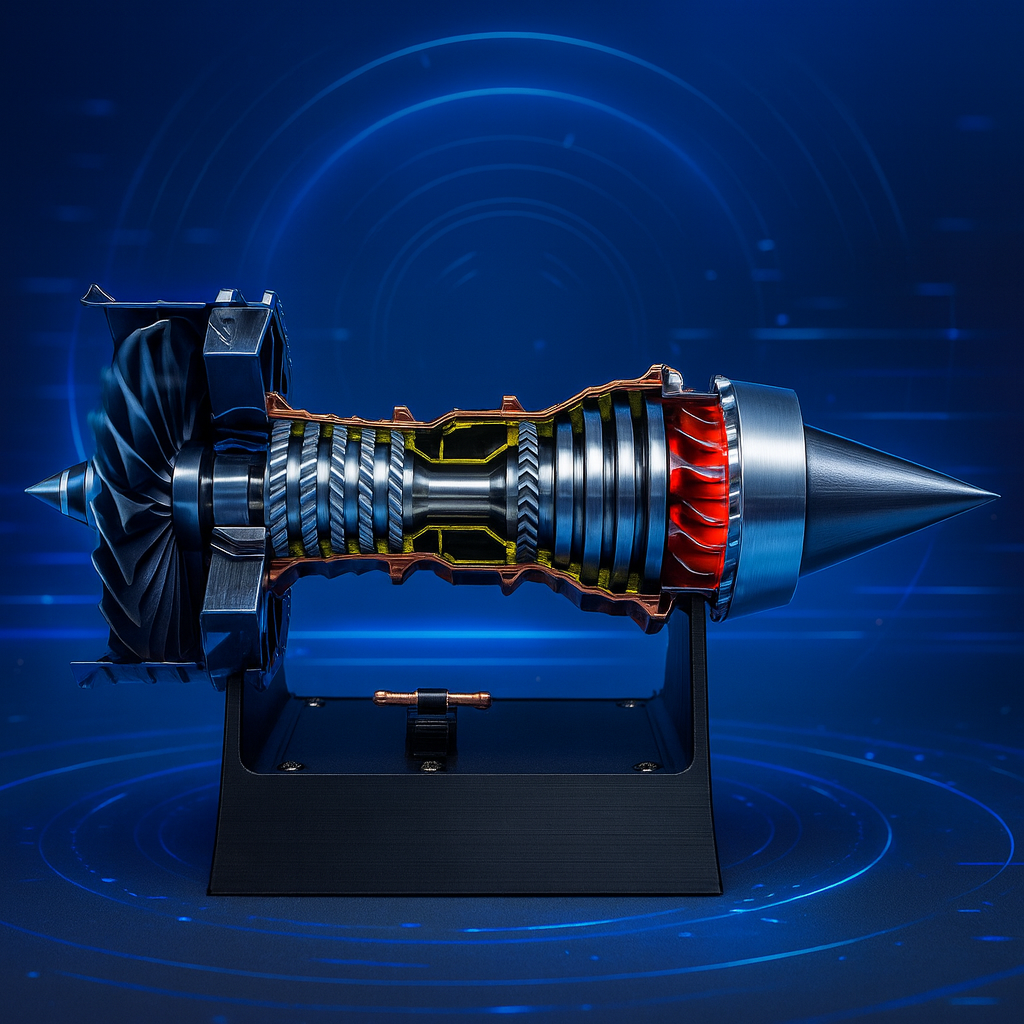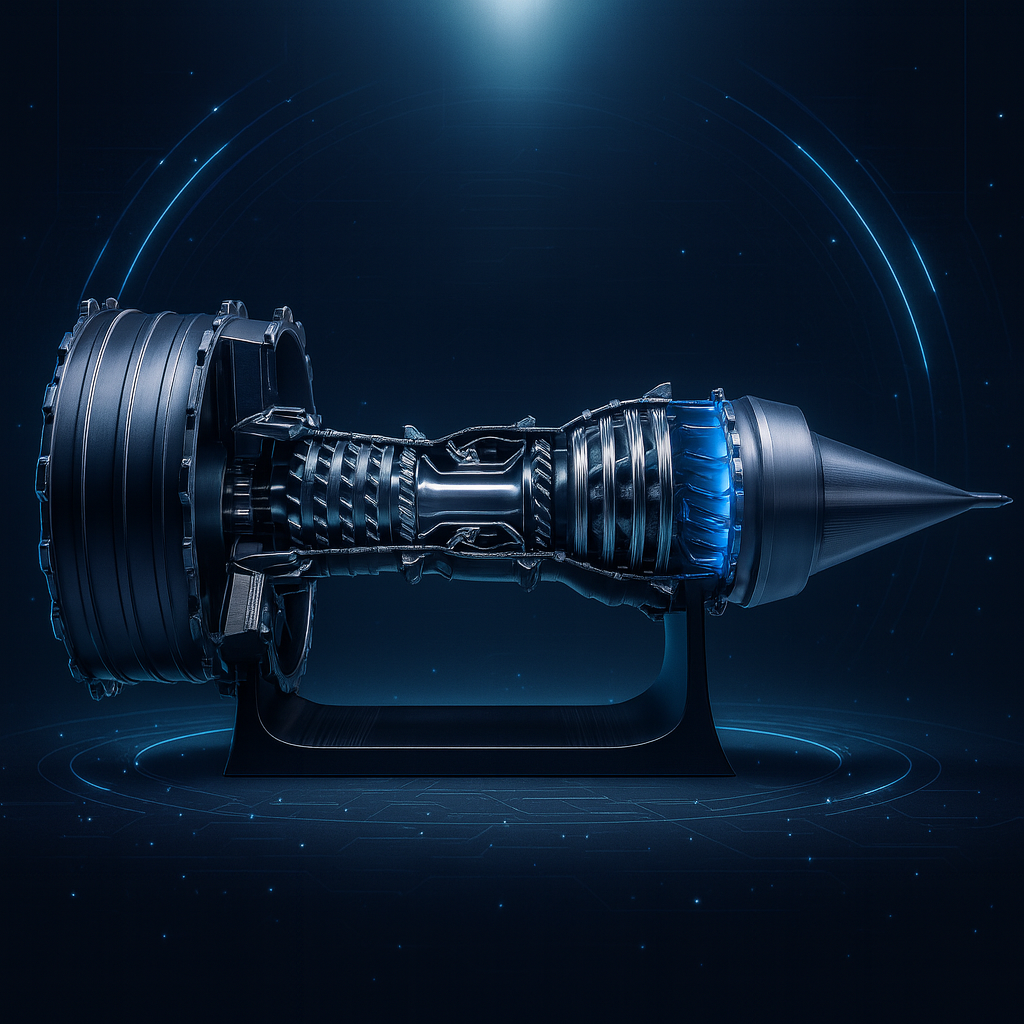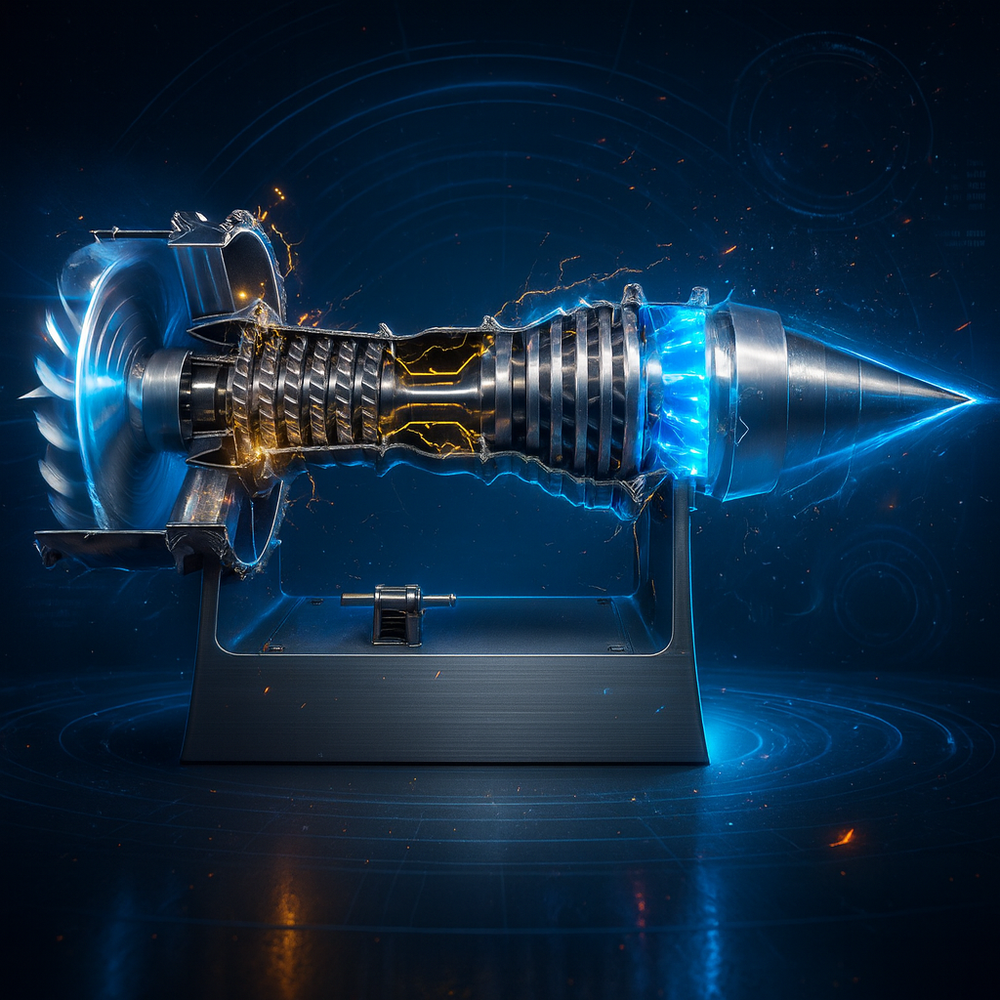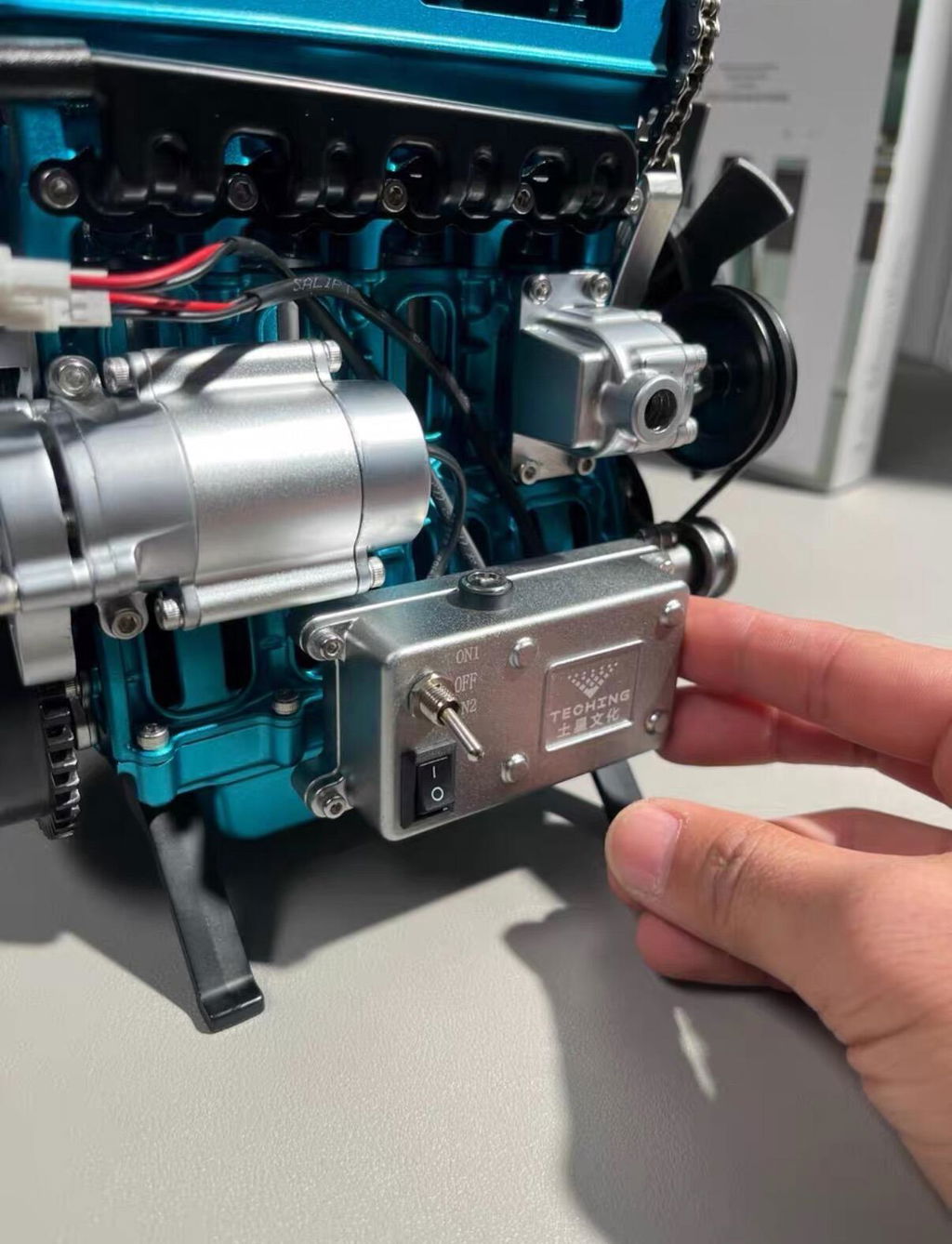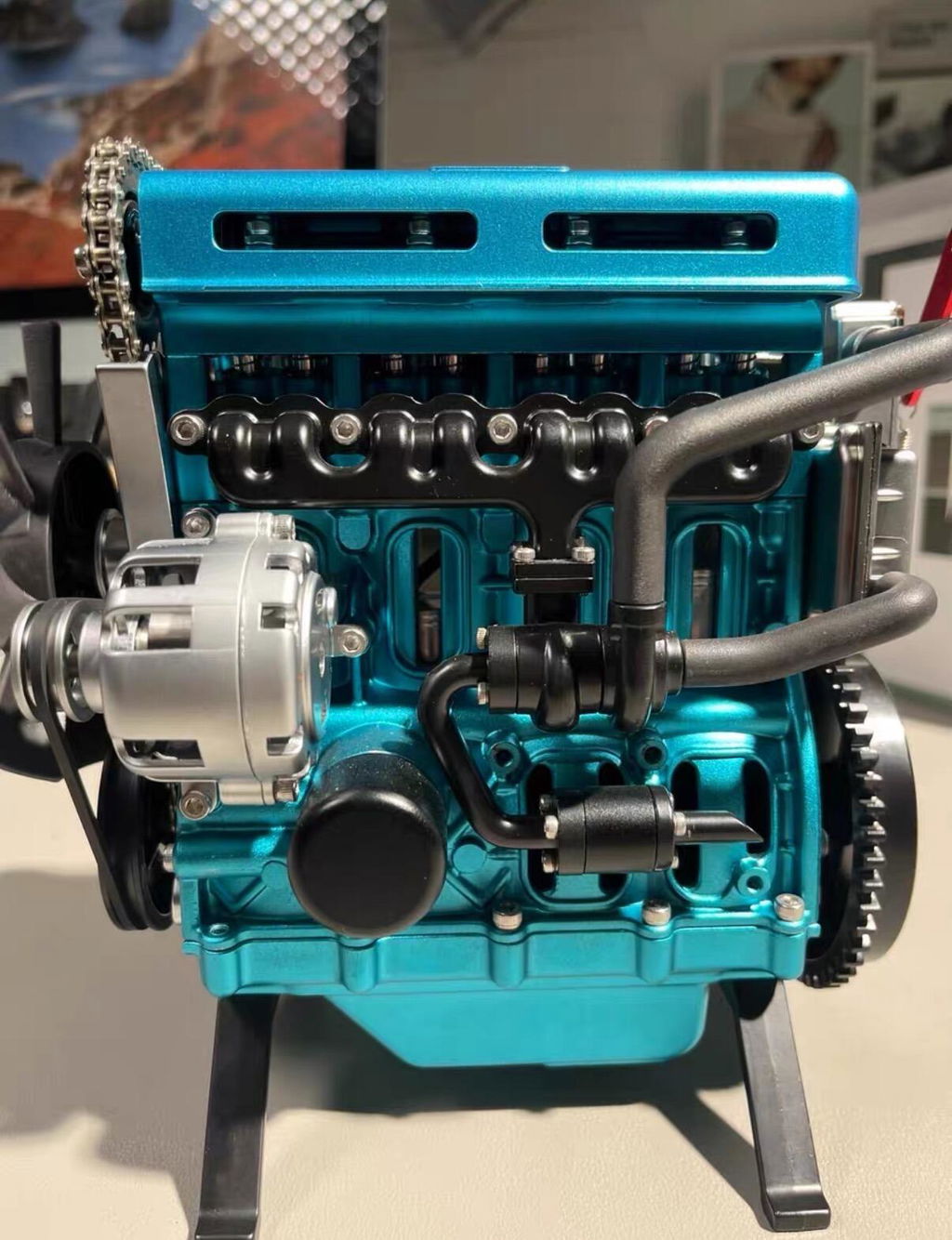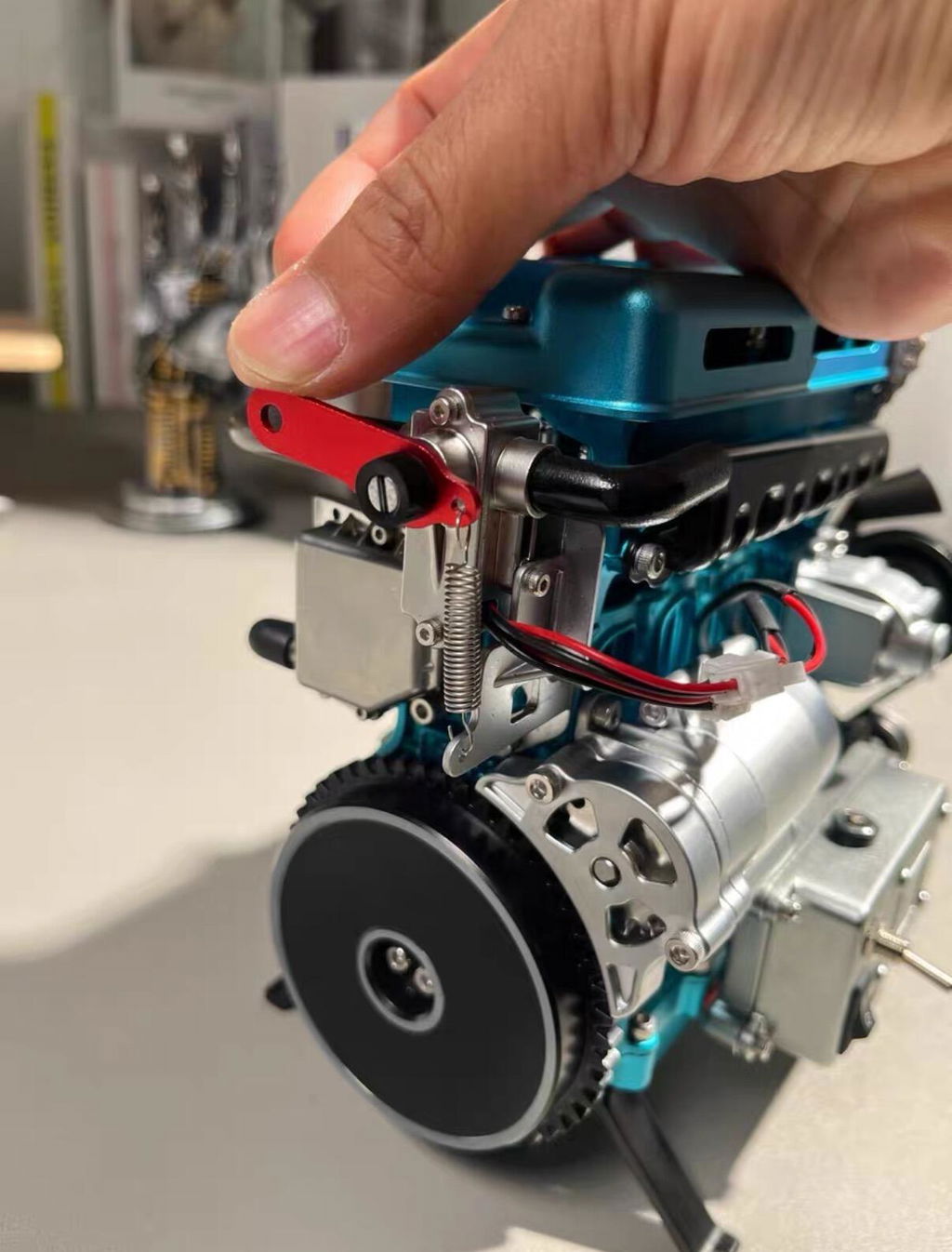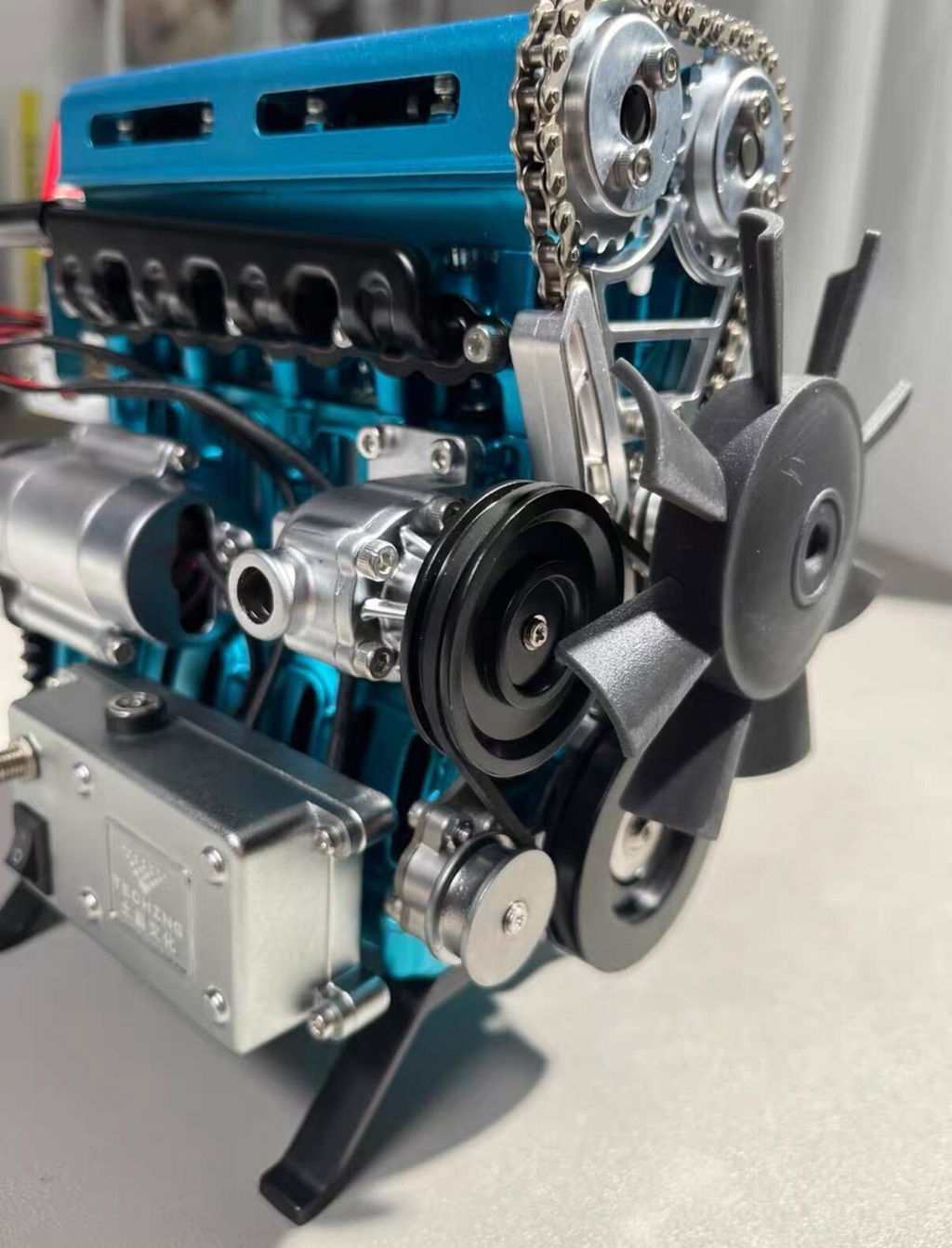
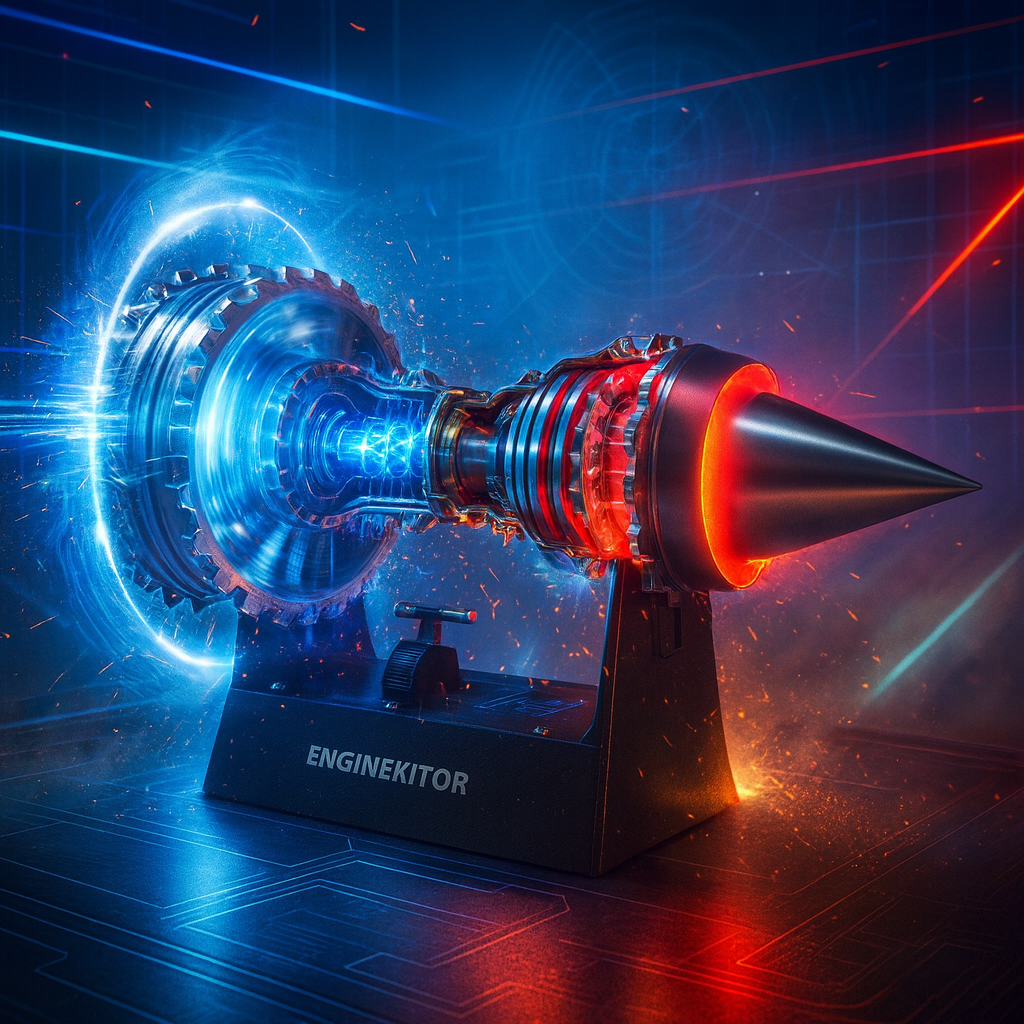
Turbofan Engine Models & Turbofan Engine Kits

Moteur à turboréacteur

Filtrer

    Explore turbofan engine models and turbofan engine kits inspired by modern commercial and military aircraft engines. Discover full-metal cutaway models, twin-spool mechanical engines, large-scale TR900 displays and motor-driven turbofan replicas for aviation enthusiasts, builders, collectors and STEM learners.

    From high-bypass airliner turbofans to low-bypass military engine designs, these models reveal fan systems, compressor stages, shafts and turbine sections that are normally hidden inside a real aircraft engine.
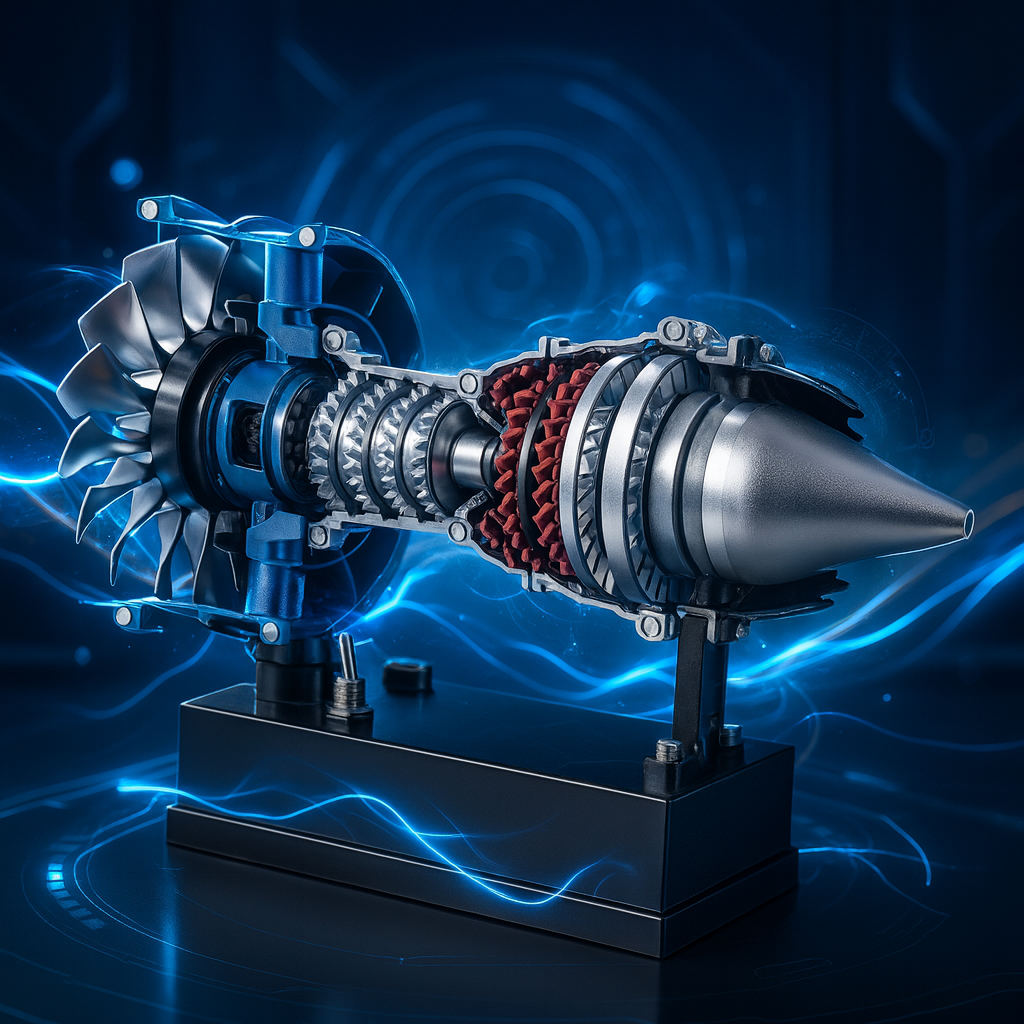
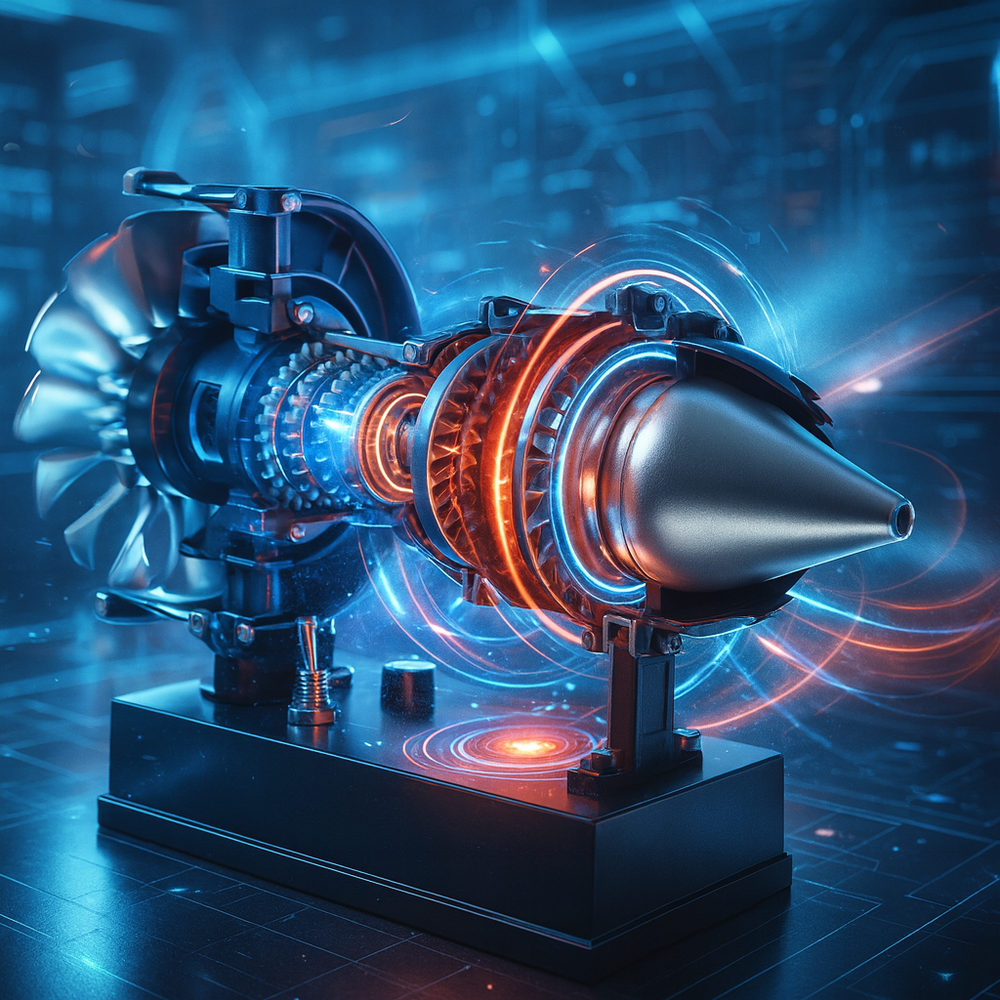
    TECHING All-Metal Turbofan Engine Kit that Works – DIY Visible Jet Engine Model for STEM Education & Collectors
    TECHING All-Metal Turbofan Engine Kit that Works – DIY Visible Jet Engine Model for STEM Education & Collectors
    Enginekitor
    $199.99
    $249.99 SAVE $50.00
    TECHING 1/12 Metal Dual-Spool Turbofan Engine Model Kit – Working Jet Engine Replica with 300+ PCS for STEM Learning & Collectors
    TECHING 1/12 Metal Dual-Spool Turbofan Engine Model Kit – Working Jet Engine Replica with 300+ PCS for STEM Learning & Collectors
    Enginekitor
    $399.99
    $449.99 SAVE $50.00
    TECHING Kit de moteur à réaction électrique à double bobine, 1/10, plus de 1 000 pièces, entièrement en métal, à monter soi-même – Construisez votre propre moteur fonctionnel
    TECHING Kit de moteur à réaction électrique à double bobine, 1/10, plus de 1 000 pièces, entièrement en métal, à monter soi-même – Construisez votre propre moteur fonctionnel
    Enginekitor
    $999.99
    $1,099.99 SAVE $100.00
    ENGINEKITOR Modèle de moteur turboréacteur Rolls Royce Trent 900 hautement restauré Modèle de moteur turboréacteur RTR (55 cm/22 pouces)
    ENGINEKITOR Modèle de moteur turboréacteur Rolls Royce Trent 900 hautement restauré Modèle de moteur turboréacteur RTR (55 cm/22 pouces)
    Enginekitor
    $599.99
    $699.99 SAVE $100.00
    Kit de maquette de moteur turboréacteur ENGINEKITOR TR900, base magnétique, double éclairage, kit d'aéromodélisme rechargeable avec version éclairée, à offrir
    Kit de maquette de moteur turboréacteur ENGINEKITOR TR900, base magnétique, double éclairage, kit d'aéromodélisme rechargeable avec version éclairée, à offrir
    Enginekitor
    $149.99
    $169.99 SAVE $20.00
    ENGINEKITOR Grand kit de moteur turboréacteur TR900 avec vitesse et éclairage réglables (48 cm/18,8 pouces)
    ENGINEKITOR Grand kit de moteur turboréacteur TR900 avec vitesse et éclairage réglables (48 cm/18,8 pouces)
    Enginekitor
    $249.99
    $299.99 SAVE $50.00
    ENGINEKITOR TR900 Grand kit de moteur turboréacteur à boîtier blanc avec vitesse et éclairage réglables Modèle de moteur turboréacteur (47 cm/18,5 pouces)
    ENGINEKITOR TR900 Grand kit de moteur turboréacteur à boîtier blanc avec vitesse et éclairage réglables Modèle de moteur turboréacteur (47 cm/18,5 pouces)
    Enginekitor
    $269.99
    $319.99 SAVE $50.00
    ENGINEKITOR TR900 Grand kit de moteur turboréacteur coloré avec vitesse et éclairage réglables (47 cm/18,5 pouces)
    ENGINEKITOR TR900 Grand kit de moteur turboréacteur coloré avec vitesse et éclairage réglables (47 cm/18,5 pouces)
    Enginekitor
    $269.99
    $319.99 SAVE $50.00
    ENGINEKITOR Modèle de turboréacteur Pratt Whitney F100 à faible taux de dilution à l'échelle 1/20 – Construisez votre propre moteur (57 cm/22,4 pouces)
    ENGINEKITOR Modèle de turboréacteur Pratt Whitney F100 à faible taux de dilution à l'échelle 1/20 – Construisez votre propre moteur (57 cm/22,4 pouces)
    Enginekitor
    $329.99
    $379.99 SAVE $50.00
    Kit de modèle de moteur à turboréacteur à poussée inversée ENGINEKITOR TR900 - Kit de modèle de moteur de simulation d'aviation à moteur sans balais
    Kit de modèle de moteur à turboréacteur à poussée inversée ENGINEKITOR TR900 - Kit de modèle de moteur de simulation d'aviation à moteur sans balais
    Enginekitor
    $479.99
    $529.99 SAVE $50.00
    Kit de modèle de moteur turboréacteur à double flux ENGINEKITOR TR900 à coque blanche - Modèle de moteur de simulation d'aviation à vitesse réglable et conception à double éclairage
    Kit de modèle de moteur turboréacteur à double flux ENGINEKITOR TR900 à coque blanche - Modèle de moteur de simulation d'aviation à vitesse réglable et conception à double éclairage
    Enginekitor
    $499.99
    $549.99 SAVE $50.00
    ENGINEKITOR Trent 900 - Modèle mécanique à l'échelle 1:20 - Construisez votre propre kit de turboréacteur d'avion à réaction
    ENGINEKITOR Trent 900 - Modèle mécanique à l'échelle 1:20 - Construisez votre propre kit de turboréacteur d'avion à réaction
    Enginekitor
    $269.99
    $299.99 SAVE $30.00
    ENGINEKITOR WS-15 Kit de plus de 150 pièces de moteur de chasse turboréacteur à monter soi-même à l'échelle 1/20 - Construisez votre propre modèle de turboréacteur
    ENGINEKITOR WS-15 Kit de plus de 150 pièces de moteur de chasse turboréacteur à monter soi-même à l'échelle 1/20 - Construisez votre propre modèle de turboréacteur
    Enginekitor
    $299.99
    $349.99 SAVE $50.00
    Kit de modèle de moteur turboréacteur ENGINEKITOR TR900, boîtier blanc, modèle de moteur turboréacteur à poussoir rechargeable avec version légère
    Kit de modèle de moteur turboréacteur ENGINEKITOR TR900, boîtier blanc, modèle de moteur turboréacteur à poussoir rechargeable avec version légère
    Enginekitor
    $149.99
    $169.99 SAVE $20.00
    Kit de modèle de moteur turboréacteur ENGINEKITOR TR900 1/16 avec points de contact de tige de poussée, éclairage et kit de modèle d'aviation rechargeable
    Kit de modèle de moteur turboréacteur ENGINEKITOR TR900 1/16 avec points de contact de tige de poussée, éclairage et kit de modèle d'aviation rechargeable
    Enginekitor
    $129.99
    $159.99 SAVE $30.00
    Kit de maquette de moteur turboréacteur ENGINEKITOR TR900 à vitesse et éclairage réglables (47 cm/18,5 pouces)
    Kit de maquette de moteur turboréacteur ENGINEKITOR TR900 à vitesse et éclairage réglables (47 cm/18,5 pouces)
    Enginekitor
    $269.99
    $319.99 SAVE $50.00
    Kit de modèle de moteur turboréacteur couleur argent ENGINEKITOR TR900 1/16 avec points de contact de tige de poussée, éclairage et kit de modèle d'aviation rechargeable
    Kit de modèle de moteur turboréacteur couleur argent ENGINEKITOR TR900 1/16 avec points de contact de tige de poussée, éclairage et kit de modèle d'aviation rechargeable
    Enginekitor
    $129.99
    $159.99 SAVE $30.00
    FAN • BYPASS AIR • COMPRESSOR • TURBINE

    Explore the Engineering Inside a Modern Turbofan Engine

    A turbofan engine model reveals the internal architecture behind one of modern aviation's most important propulsion systems. Detailed models make the fan, compressor stages, shafts, turbine sections and airflow relationships easier to understand.

    ENGINEKITOR offers turbofan engine models and turbofan engine kits ranging from compact educational displays to full-metal twin-spool builds, commercial-airliner replicas and low-bypass military engine models.

    TURBOFAN BASICS

    What Is a Turbofan Engine?

    A turbofan is a gas-turbine engine with a large fan at the front. Incoming air is divided into core airflow and bypass airflow.

    Core air passes through the compressor, combustion section and turbine, while bypass air flows around the engine core. In a real turbofan, both streams contribute to propulsion.

    HOW IT WORKS

    From Inlet to Exhaust

    Follow the airflow through the major sections of a turbofan engine.
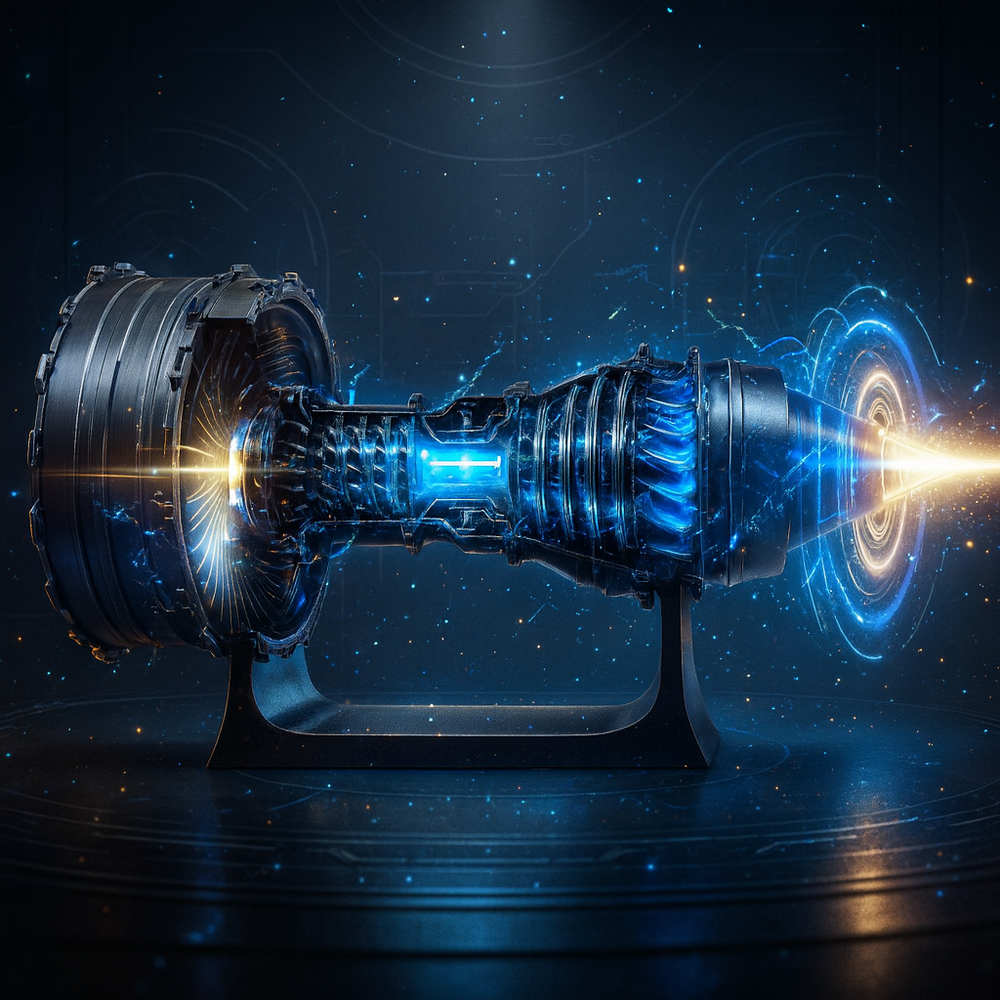
    01 Inlet

    Air enters the nacelle and is guided toward the large front fan.

    02 Fan

    The fan accelerates a large volume of air. Some enters the core while the rest moves through the bypass duct.

    03 Compressor

    Compressor stages increase the pressure of the air before it reaches the combustion section.

    04 Combustion

    In a real engine, fuel mixes with compressed air and combustion creates high-energy gas.

    05 Turbine

    Turbine stages extract energy from the hot gas to drive the compressor and fan through shafts.

    06 Exhaust

    Core exhaust and bypass airflow combine to contribute to thrust in a real turbofan engine.
    IMPORTANT DISTINCTION

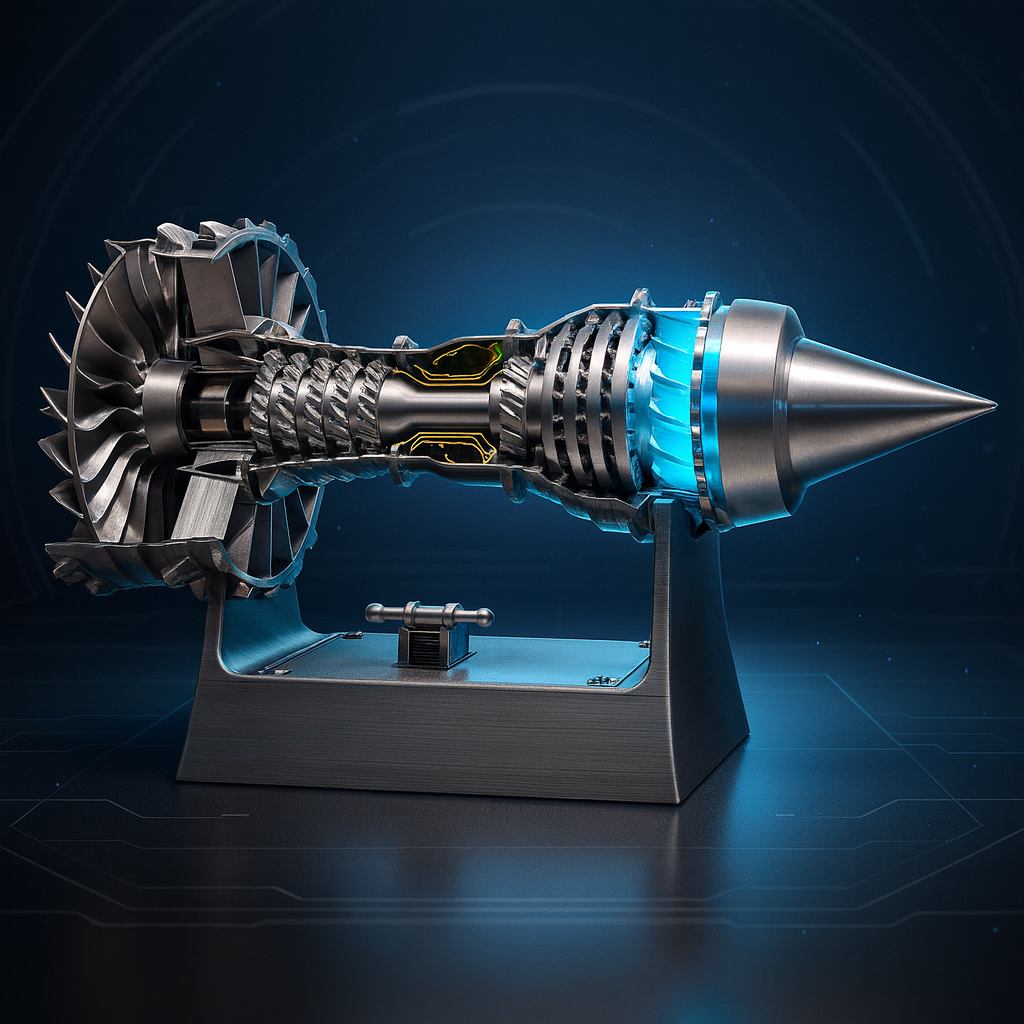
    Mechanical Turbofan Model vs Real Turbofan Engine

    Motor-Driven Turbofan Model

    Most ENGINEKITOR turbofan models use an electric motor to rotate the fan, compressor-related stages and turbine-related parts.

    • No aviation fuel required
    • No real combustion
    • Visible mechanical motion
    • Suitable for indoor demonstration
    • Ideal for STEM learning and display

    Real Aircraft Turbofan

    A real turbofan compresses air, burns fuel and uses turbine energy to drive its rotating systems.

    • Real fuel combustion
    • High-temperature operation
    • Functional fuel and control systems
    • Produces real aircraft propulsion
    • Operates under extreme pressure and RPM
    BYPASS RATIO

    High-Bypass vs Low-Bypass Turbofan Engines

    Bypass ratio describes how much air travels around the engine core compared with the amount passing through it.

    High-Bypass Turbofan

    High-bypass engines use a large fan and move a large amount of air around the core. This architecture is strongly associated with modern commercial airliners.
    • Large front fan
    • High bypass airflow
    • Commercial aviation focus
    • Efficiency-oriented architecture

    Example: Trent 900-style turbofan models.

    Low-Bypass Turbofan

    Low-bypass engines route a smaller proportion of airflow around the core and typically have a narrower overall profile.

    • Smaller fan relative to core
    • Lower bypass airflow
    • Common in many military applications
    • Compact high-performance layout

    Example: F100 low-bypass turbofan models.

    SHAFT ARCHITECTURE

    What Does Twin-Spool Turbofan Mean?

    A spool is a compressor-and-turbine rotating assembly connected by a shaft.

    LP Low-Pressure Spool

    Commonly connects the fan or low-pressure compressor with turbine stages that drive them.

    HP High-Pressure Spool

    Connects the high-pressure compressor to its own turbine stages through a separate shaft.

    WHY Different Rotational Speeds

    Multiple spools allow different compressor and turbine groups to rotate at different speeds.

    ENGINE TYPES

    Turbofan vs Turbojet

    Turbofan

    A turbofan has a front fan that creates a bypass airflow around the engine core. This bypass stream is one of the defining features of turbofan architecture.

    Turbojet

    In a basic turbojet, essentially all engine airflow passes through the compressor, combustion and turbine core.

    Turbojet models such as GE-J79 or WP-85 replicas should therefore be categorized separately from turbofan models.

    COMMERCIAL & MILITARY

    Two Very Different Turbofan Design Priorities

    Commercial Turbofans

    Large commercial aircraft generally emphasize large fan diameter, high bypass ratios and efficient movement of large volumes of air.

    Military Turbofans

    Many military designs prioritize compact packaging, high specific thrust and performance across demanding speed ranges.

    CHOOSE YOUR MODEL

    Popular Turbofan Model Types

    Choose by assembly difficulty, architecture, scale and the experience you want.

    COMPACT FULL-METAL BUILD

    TECHING DM122

    A relatively approachable metal turbofan model designed for visible mechanical motion and hands-on assembly.

    • Compact scale
    • 170+ components
    • Full-metal construction
    • Electric motor-driven
    View DM122 →
    DUAL-SPOOL ENGINEERING

    TECHING DM121

    A larger dual-spool model that provides greater visibility into internal compressor and turbine relationships.

    • 1/12 scale
    • 300+ components
    • Dual-spool architecture
    • Motor-driven operation
    View DM121 →
    ADVANCED 1000+ PIECE BUILD

    TECHING 1/10 Twin-Spool Turbofan

    A flagship precision build for users who want the assembly process itself to be a major part of the experience.

    • 1/10 scale
    • 1000+ components
    • Full-metal construction
    • Visible twin-spool architecture
    View Advanced Turbofan →
    COMMERCIAL AIRLINER ARCHITECTURE

    Trent 900 Mechanical Model

    A commercial-style turbofan model with strong educational value and highly visible internal structure.

    • Commercial turbofan design
    • High-bypass visual proportions
    • Internal blade visibility
    • Collector display value
    View Trent 900 →
    MILITARY LOW-BYPASS DESIGN

    F100 Low-Bypass Turbofan

    A long, narrow military-style turbofan that provides a strong contrast with large commercial high-bypass engines.

    • Low-bypass architecture
    • Military aviation focus
    • Long narrow engine profile
    • Mechanical display
    View F100 →
    LARGE INTERACTIVE DISPLAY

    Large TR900 Turbofan

    A larger-format display model for users who prioritize visual impact, lighting and adjustable fan motion.

    • Large display format
    • Adjustable rotation
    • Integrated lighting
    • Interactive operation
    View TR900 →
    MODEL STYLE

    Cutaway vs Enclosed Turbofan Models

    Cutaway / Open Structure

    Best for studying fan stages, shafts, compressors and turbine relationships. Internal components remain visible during operation.

    Enclosed / Nacelle Style

    Better for collectors who want the complete visual form of an aircraft engine, including fan case and nacelle proportions.

    BUYER'S GUIDE

    How to Choose a Turbofan Engine Model

    01

    Choose Assembly or Display

    TECHING models emphasize precision building, while larger TR900-style models emphasize interactive presentation.

    02

    Choose Commercial or Military Architecture

    Trent-style high-bypass models look very different from compact low-bypass F100-style engines.

    03

    Choose the Right Part Count

    Smaller kits are more approachable, while 1000+ component turbofans are long-form precision projects.

    04

    Decide How Much Internal Structure You Want to See

    Cutaway models are stronger educational tools, while enclosed models offer more realistic aircraft presentation.

    05

    Check Finished Size

    Larger turbofan displays can exceed 40–50 cm, while compact metal models fit more easily on desks and shelves.

    06

    Compare Interactive Features

    Lighting, adjustable fan speed, sound and reverse-thrust-inspired features can add significant display value.

    WHO THEY ARE FOR

    Who Should Buy a Turbofan Engine Model?

    Aviation Enthusiasts

    Own a physical representation of modern aircraft propulsion architecture.

    Aerospace Learners

    Study bypass airflow, compression, turbines and multiple spool systems.

    Mechanical Builders

    Assemble hundreds of precision components into a synchronized system.

    STEM Educators

    Demonstrate aerospace engineering concepts through visible moving hardware.

    Collectors

    Add a distinctive technical centerpiece to an aviation or engineering collection.

    Premium Gift Buyers

    Choose a more specialized engineering experience than a conventional aircraft model.

    COMMON QUESTIONS

    Turbofan Engine Model FAQ

    What is a turbofan engine?

    A turbofan is a gas-turbine engine with a front fan that divides airflow between the engine core and a bypass stream.

    What is bypass ratio?

    Bypass ratio compares the mass of air flowing around the core with the mass of air passing through the engine core.

    What is the difference between high-bypass and low-bypass turbofans?

    High-bypass engines move a larger proportion of air around the core and generally have larger front fans. Low-bypass engines route less air around the core and usually have a narrower engine profile.

    What does twin-spool mean?

    Twin-spool turbofans use two independently rotating compressor-and-turbine shaft systems, commonly called low-pressure and high-pressure spools.

    Are ENGINEKITOR turbofan models real jet engines?

    Most are electric motor-driven mechanical replicas. They demonstrate engine architecture and motion but do not burn aviation fuel or produce flight-ready propulsion.

    Do turbofan models actually move?

    Many models include motor-driven fan, compressor-related and turbine-related movement for mechanical demonstration.

    What is the difference between a turbofan and turbojet?

    A turbofan has a bypass airflow created by a front fan. In a basic turbojet, essentially all engine airflow passes through the core.

    Which turbofan model is best for beginners?

    A smaller model with a lower part count is generally easier for first-time builders than a 1000+ component full-metal turbofan.

    Which turbofan model is best for STEM education?

    Cutaway and transparent models are particularly useful because internal fan, shaft, compressor and turbine relationships remain visible.

    Which turbofan model is best for collectors?

    Large Trent-style or TR900 models offer strong visual presence, while full-metal TECHING models offer more mechanical detail.

    What is the difference between DM121 and DM122?

    DM122 is the more compact and approachable build. DM121 is larger and provides greater twin-spool mechanical detail.

    What is special about the 1000+PCS TECHING turbofan?

    It is designed as an advanced long-form build with more than 1,000 components and highly visible twin-spool architecture.

    Can turbofan models be used for aerospace education?

    Yes. They can help demonstrate bypass airflow, fan operation, compression, turbine systems and shaft relationships.

    Does ENGINEKITOR provide technical support?

    ENGINEKITOR provides after-sales assistance for supported products. Clear photos or video can help diagnose assembly and operating problems more accurately.