How Do Engine Model Kits Work? (Beginner Guide 2026)

How Do Engine Model Kits Work? (Beginner Guide 2026)
If you have ever seen a working engine model, you may wonder how these small mechanical systems actually work.
A build engine kit is designed to help you understand real mechanical motion through hands-on assembly. Instead of only looking at a finished display model, you can build the structure step by step and see how different parts work together.
Browse Engine Model KitsWhat Is an Engine Model Kit?
An engine model kit is a miniature mechanical assembly kit that replicates the structure, motion, or working principle of a real engine or mechanical system.
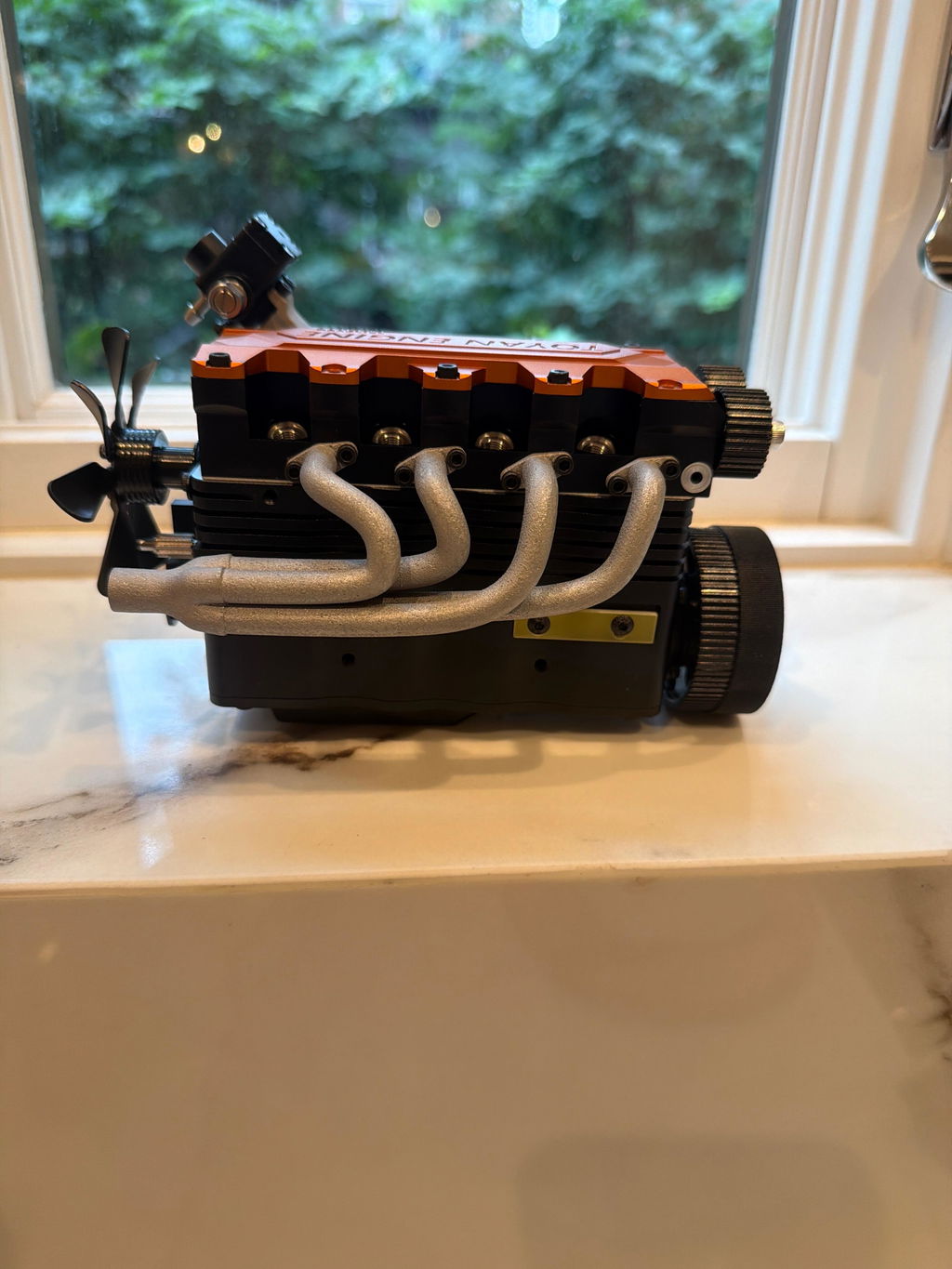
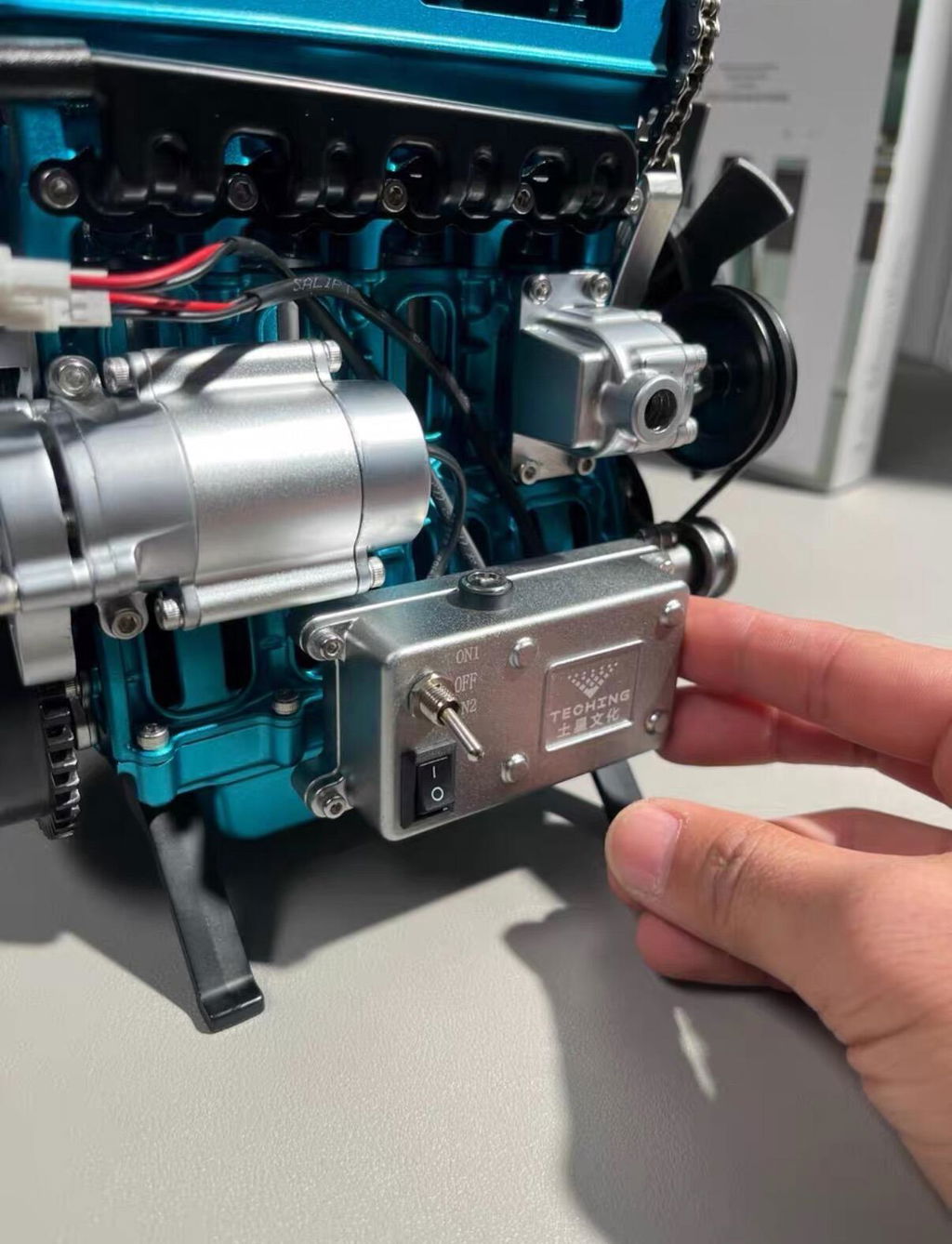
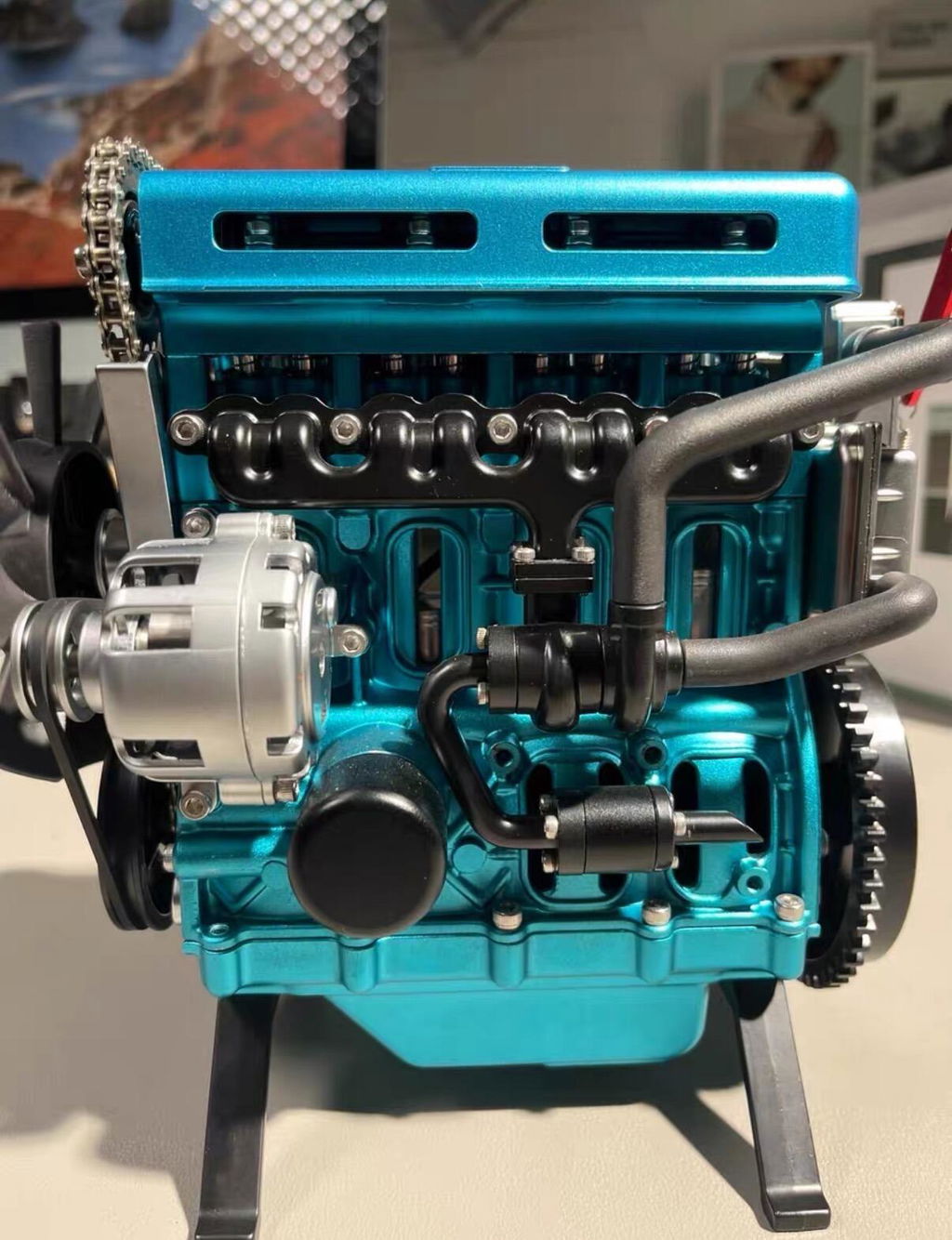
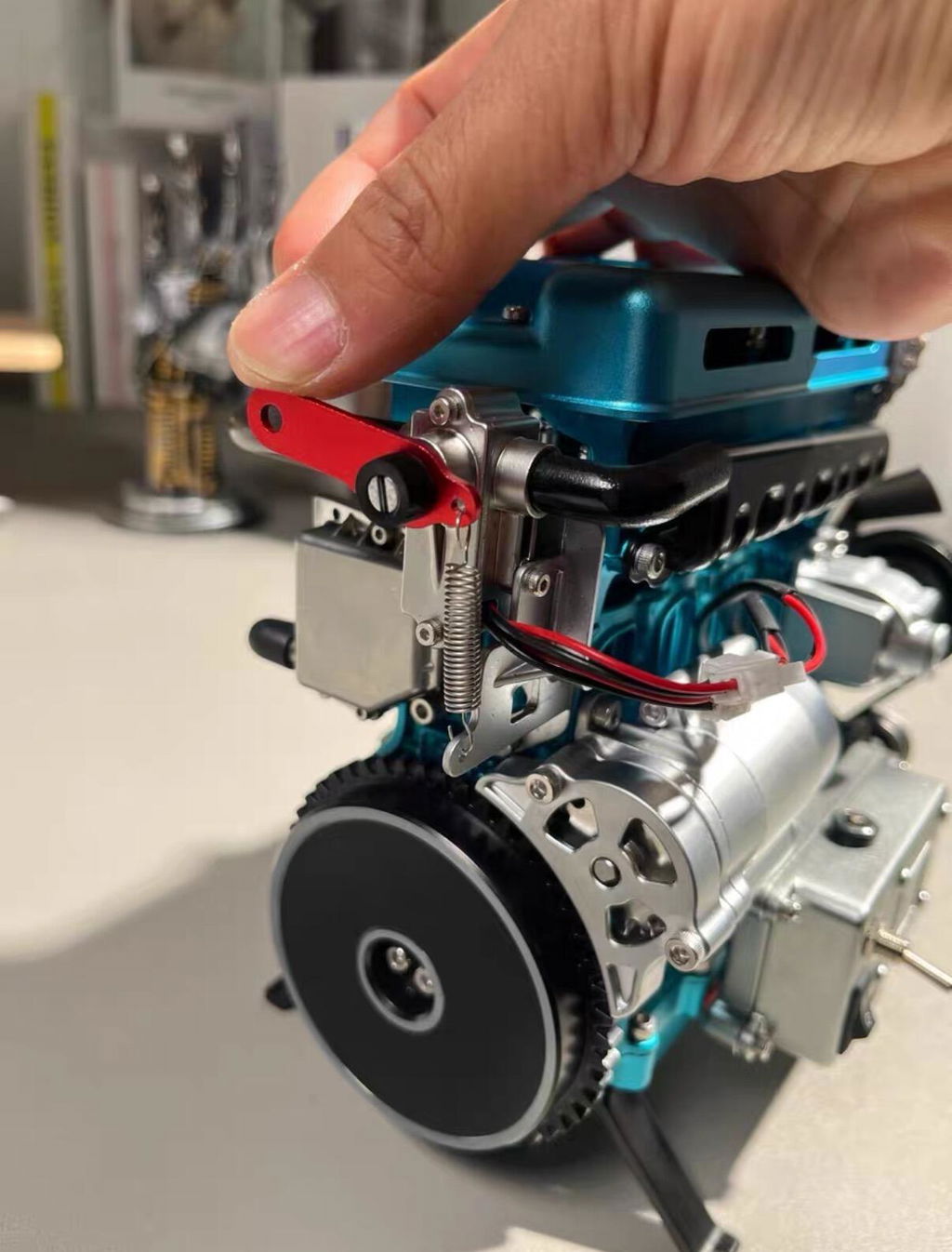
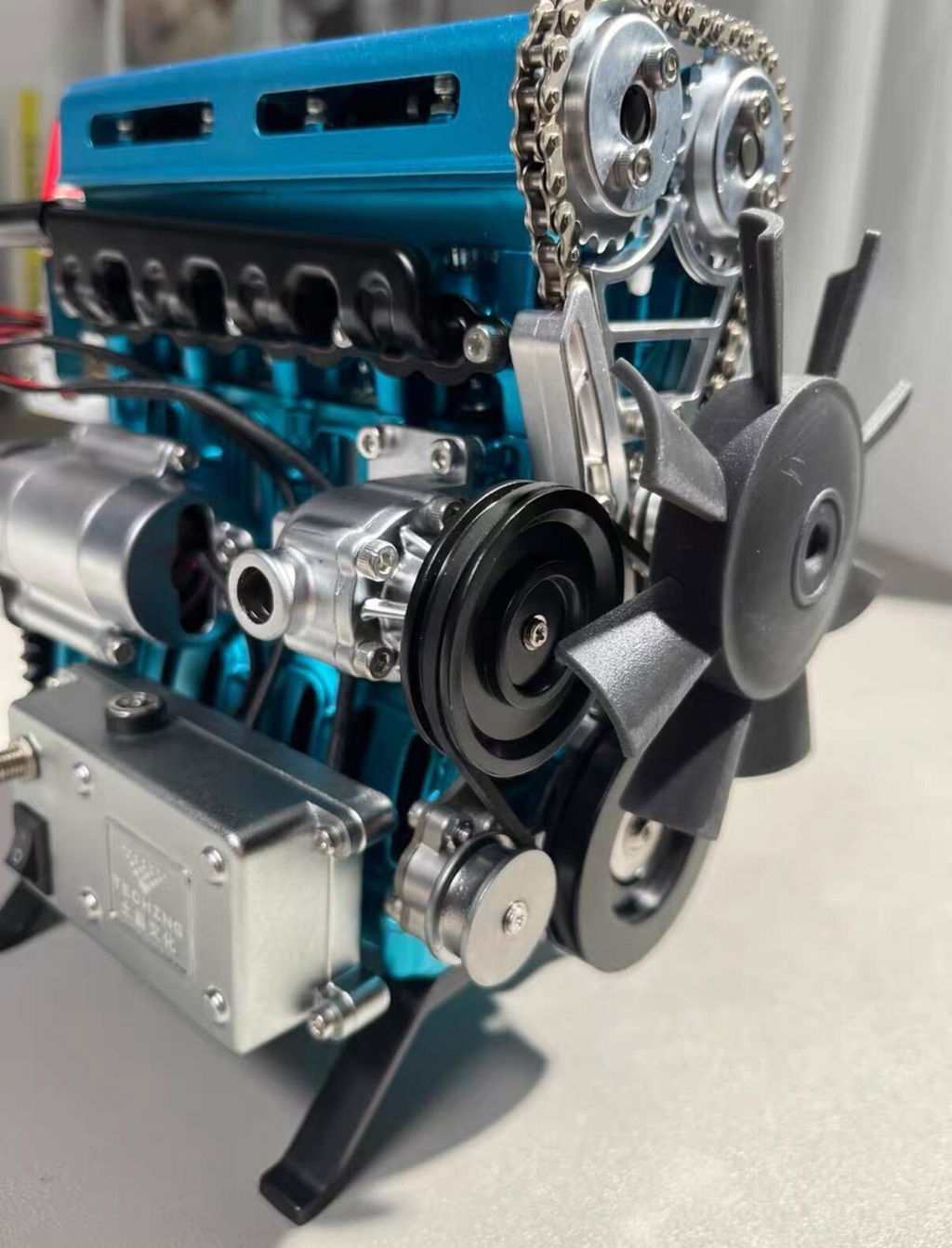
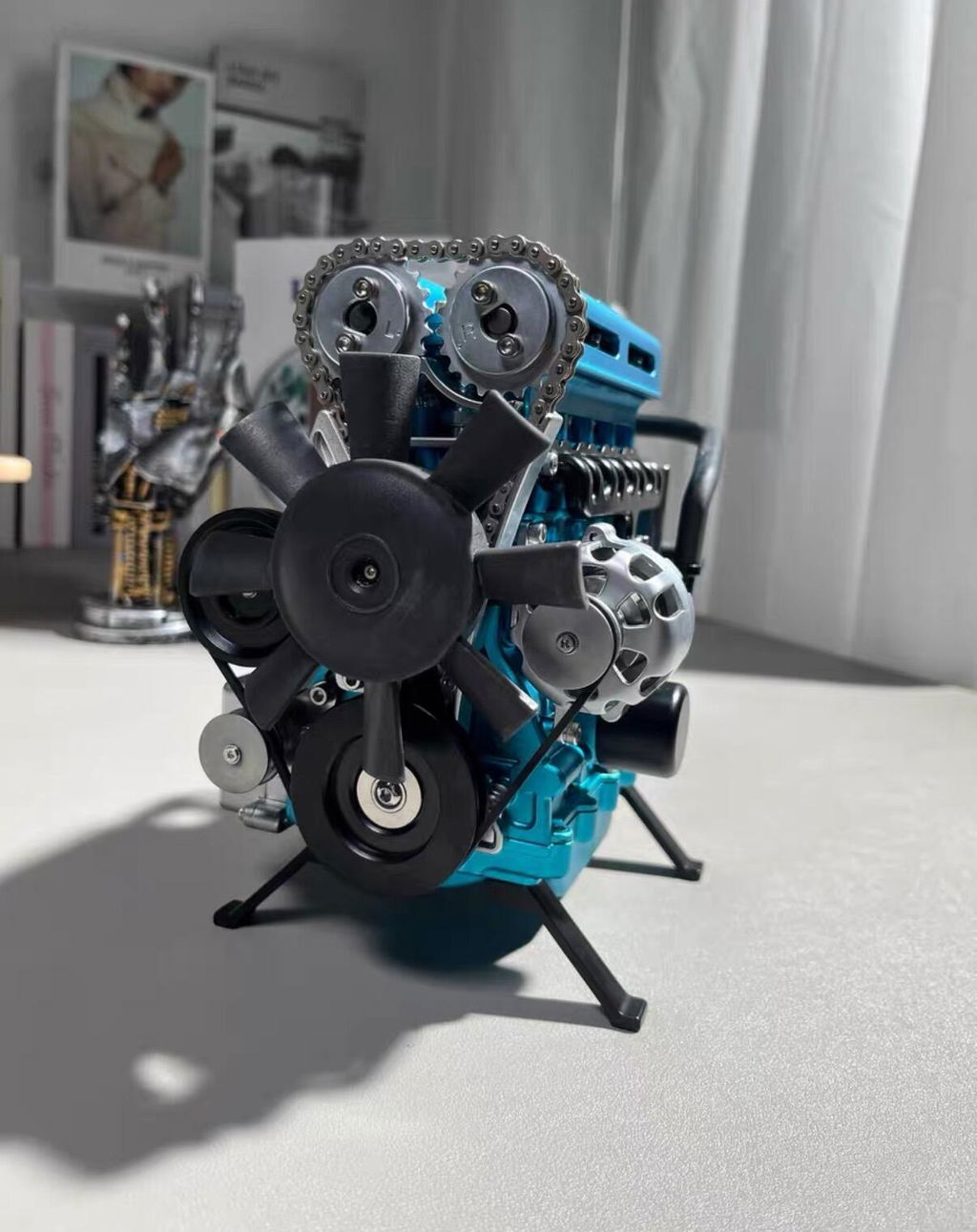
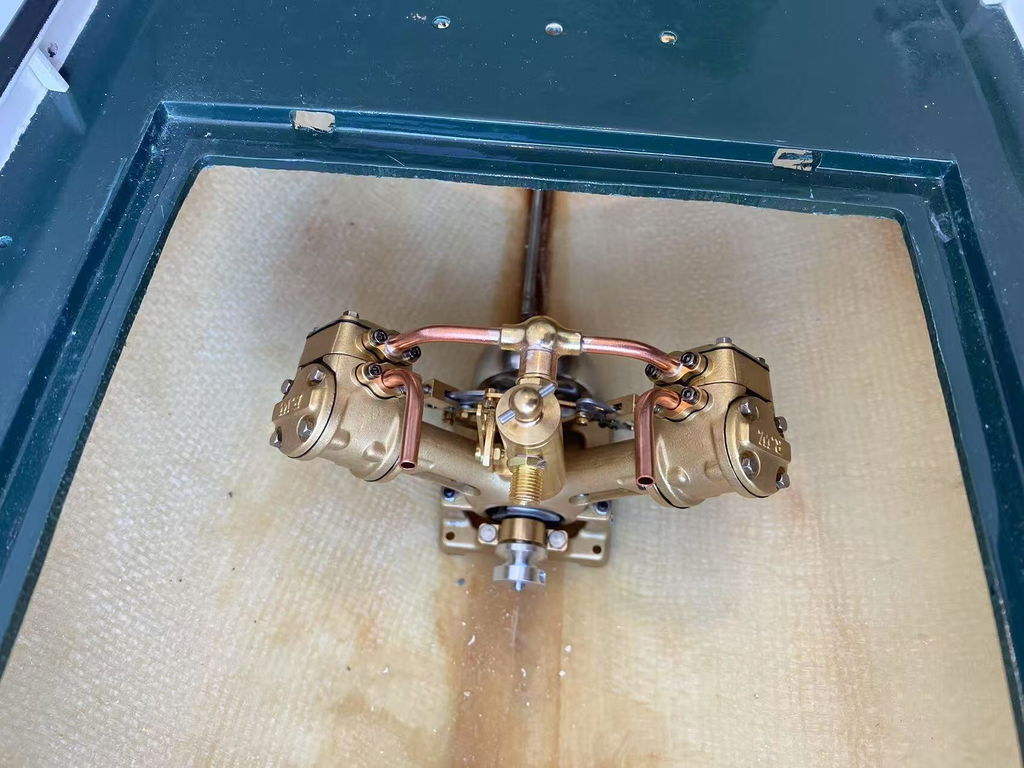
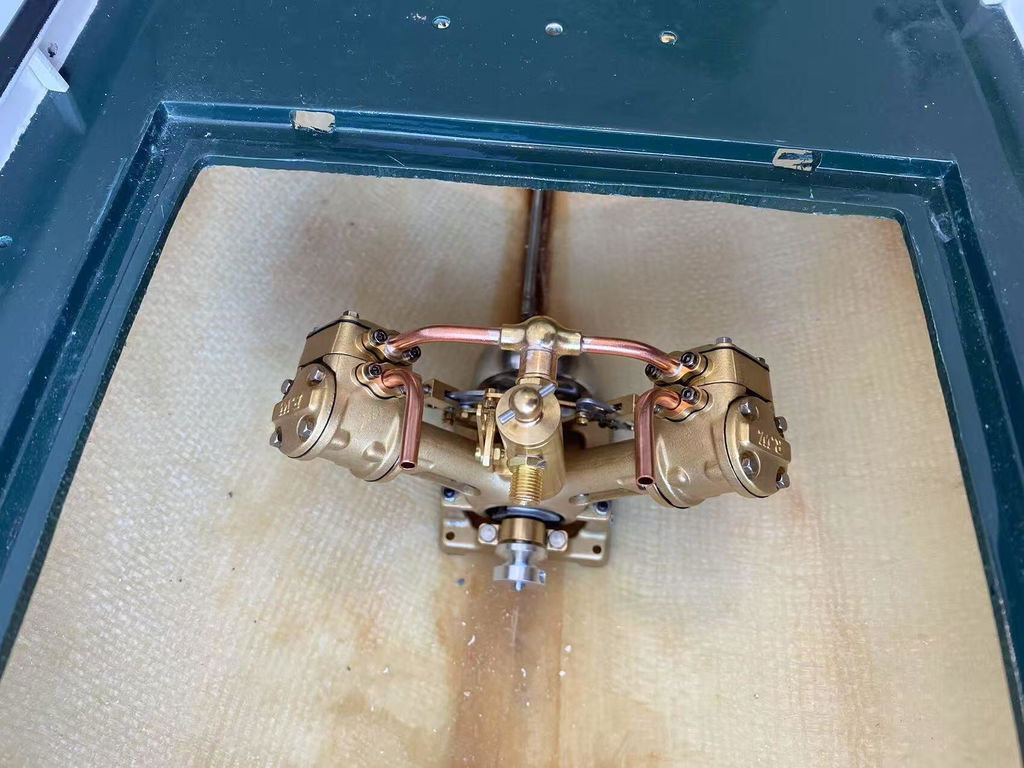
Unlike simple static display models, a real working engine model usually includes moving components such as pistons, crankshafts, gears, bearings, flywheels, turbines, or mechanical linkages. These parts allow users to observe how motion is created, transferred, and controlled inside a machine.
For hobbyists, collectors, students, and STEM learners, engine model kits are useful because they turn mechanical theory into something visible and hands-on.
How Do Engine Model Kits Work?
Most build engine kits work by recreating one or more mechanical principles found in real engines. Depending on the model, the system may show piston motion, rotary motion, gear transmission, airflow simulation, or synchronized multi-cylinder movement.
- Pistons move up and down inside cylinders.
- Crankshafts convert reciprocating motion into rotational motion.
- Gears transfer motion between different parts.
- Flywheels help maintain smooth rotation.
- Turbine-style models demonstrate airflow and rotational energy.
Even though these models are smaller than real engines, many working engine models use similar mechanical layouts. That is why they are valuable for learning how engines and machines function.
Key Parts Inside a Working Engine Model
1. Pistons and Cylinders
In piston-based engine models, pistons move inside cylinders to demonstrate the basic motion used in many real engines. This is one of the easiest ways to understand how mechanical force is generated and transferred.
2. Crankshaft
The crankshaft is one of the most important parts of a working engine model. It converts the up-and-down movement of pistons into rotation, helping users understand how engines create usable motion.
3. Gears and Linkages
Many build engine kits use gears or linkage systems to show how motion can be transferred from one part to another. These components are especially useful for beginners because they make mechanical relationships easier to see.
4. Flywheel
A flywheel helps keep motion smooth and consistent. In model engines, it also makes the mechanical movement more visible and satisfying to observe.
5. Turbine or Fan Blades
In jet or turbofan-style models, rotating blades help demonstrate airflow and turbine motion. These models are especially useful for people interested in aviation engineering.
Recommended Engine Model Kits for Learning How Engines Work
If you want to understand how engine model kits work, choosing models with different structures can help you learn more. The three options below each show a different type of mechanical principle.
1. TECHING Turbofan Engine Model Kit
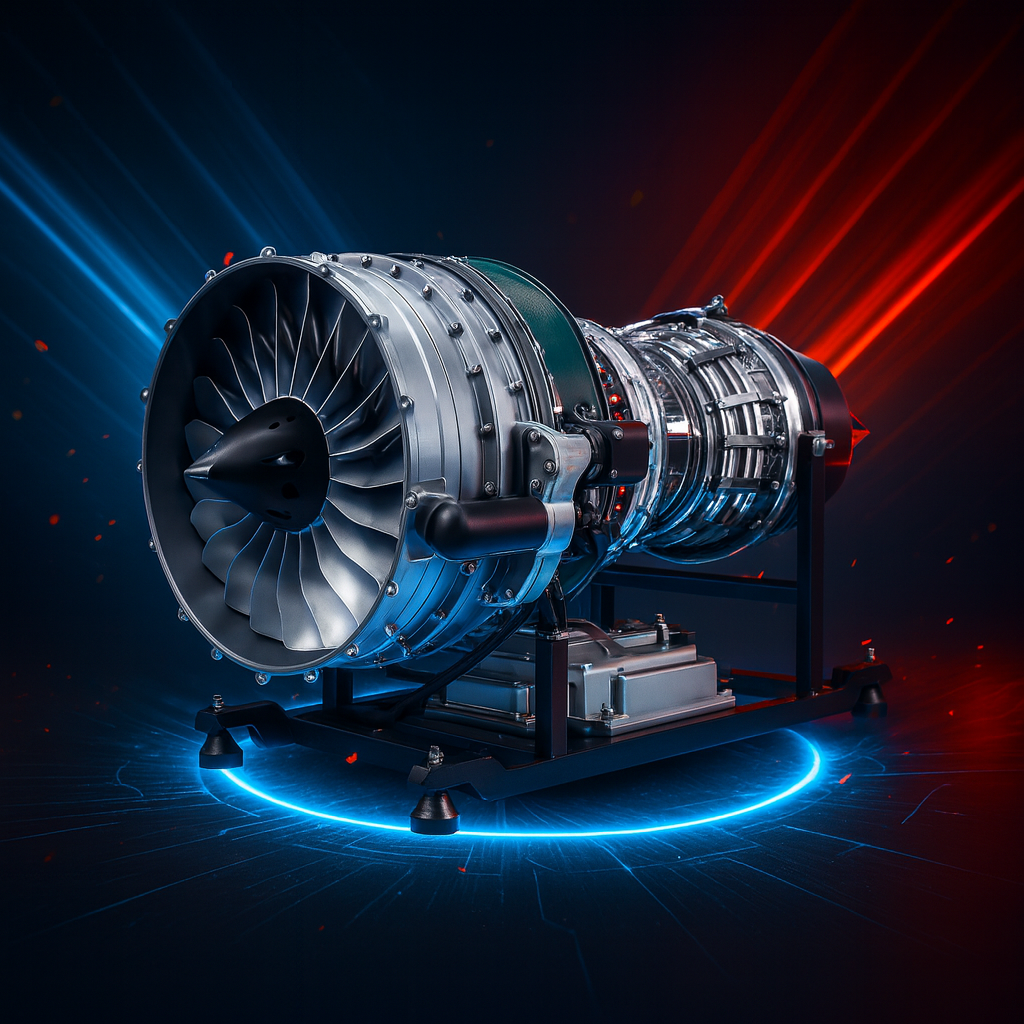
The TECHING Turbofan Engine Model Kit is a great choice for learning how turbine-style systems work. Unlike piston engine models, this working engine model focuses on airflow, rotating blades, and aviation-style mechanical structure.
As a build engine kit, it is especially useful for aviation enthusiasts and STEM learners who want to understand how a turbofan-style engine is arranged. The visible structure makes it easier to observe the relationship between the fan, turbine layout, and internal mechanical design.
- Great for aviation and jet engine interest
- Shows turbine-style rotation and airflow concepts
- Strong display value after assembly
2. TECHING 5-Cylinder Radial Engine Model Kit

The TECHING 5-Cylinder Radial Engine Model Kit is ideal for understanding synchronized multi-cylinder motion. Its circular cylinder layout makes this real working engine model visually different from inline or V-style engine kits.
This build engine kit is especially useful for showing how multiple cylinders can be arranged around a central crank system. For learners, the radial layout makes motion easier to observe because the mechanical structure is exposed and visually balanced.
- Unique aircraft-style radial layout
- Helps explain multi-cylinder synchronization
- Excellent for collectors and mechanical learners
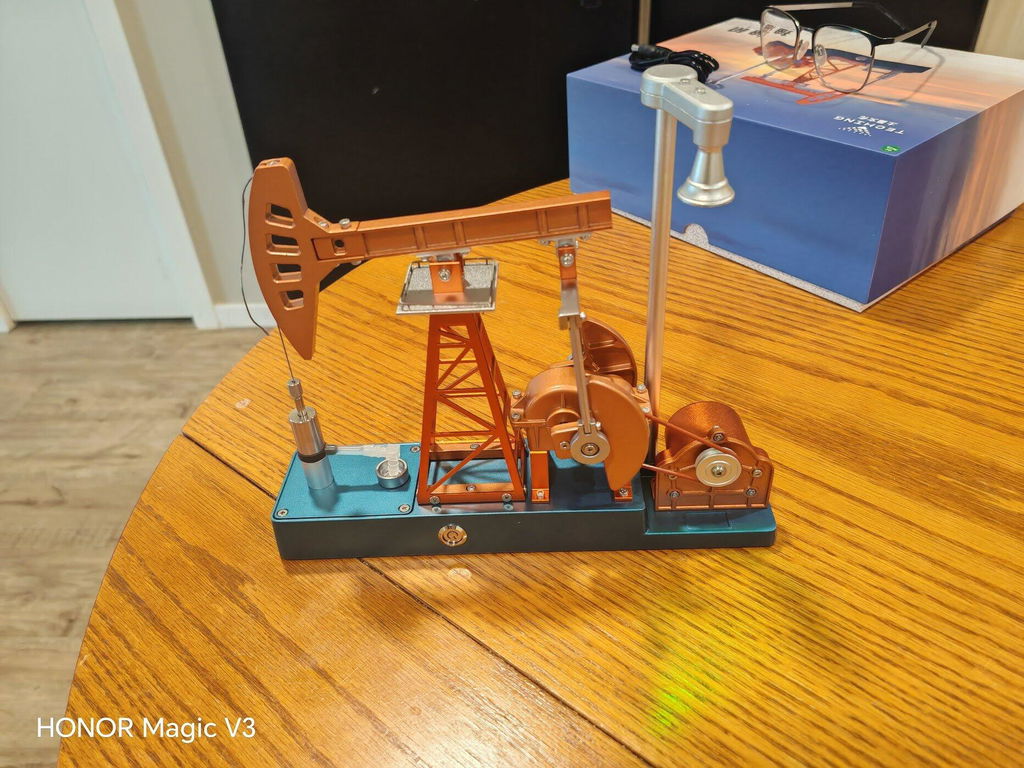
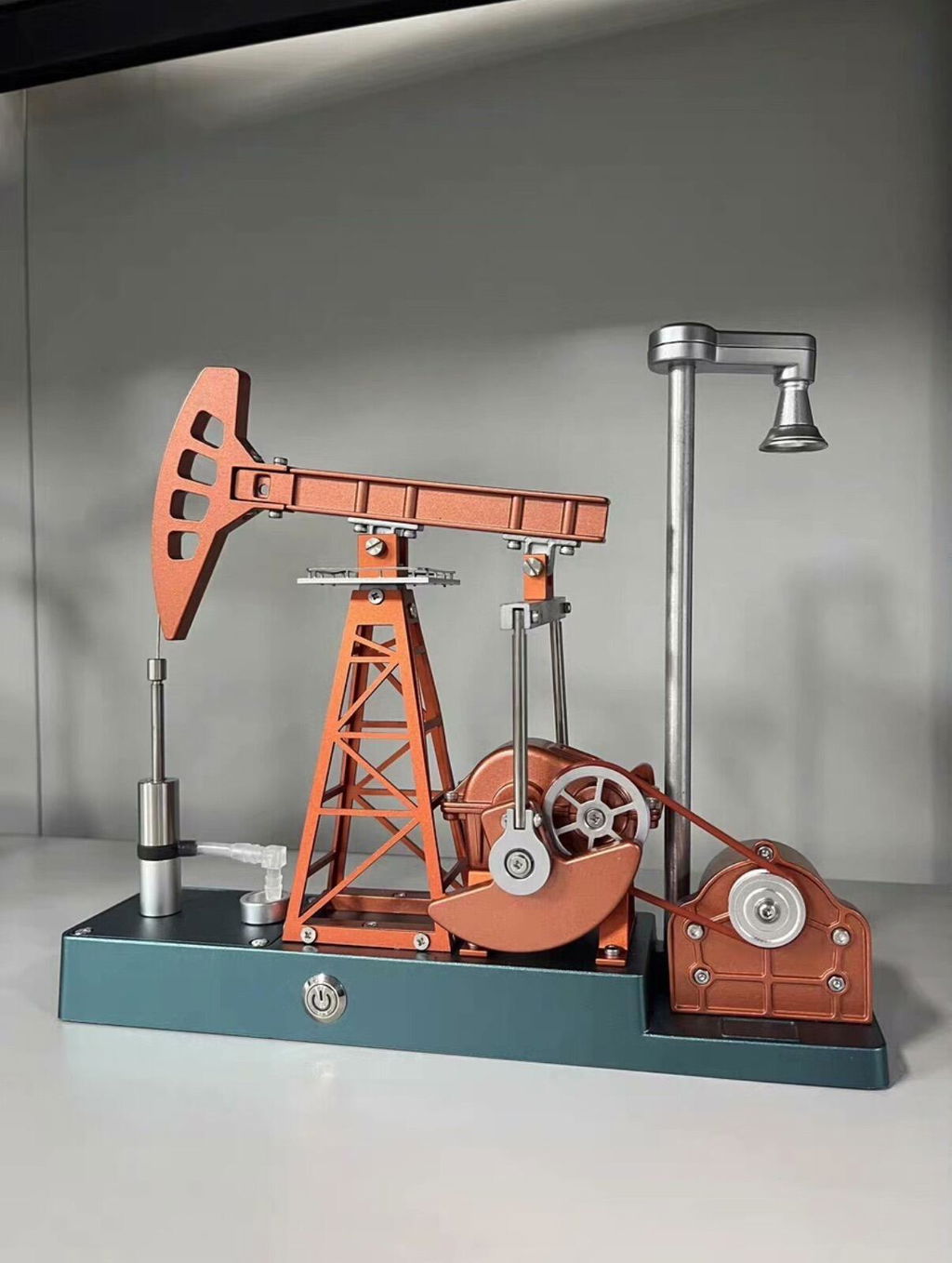
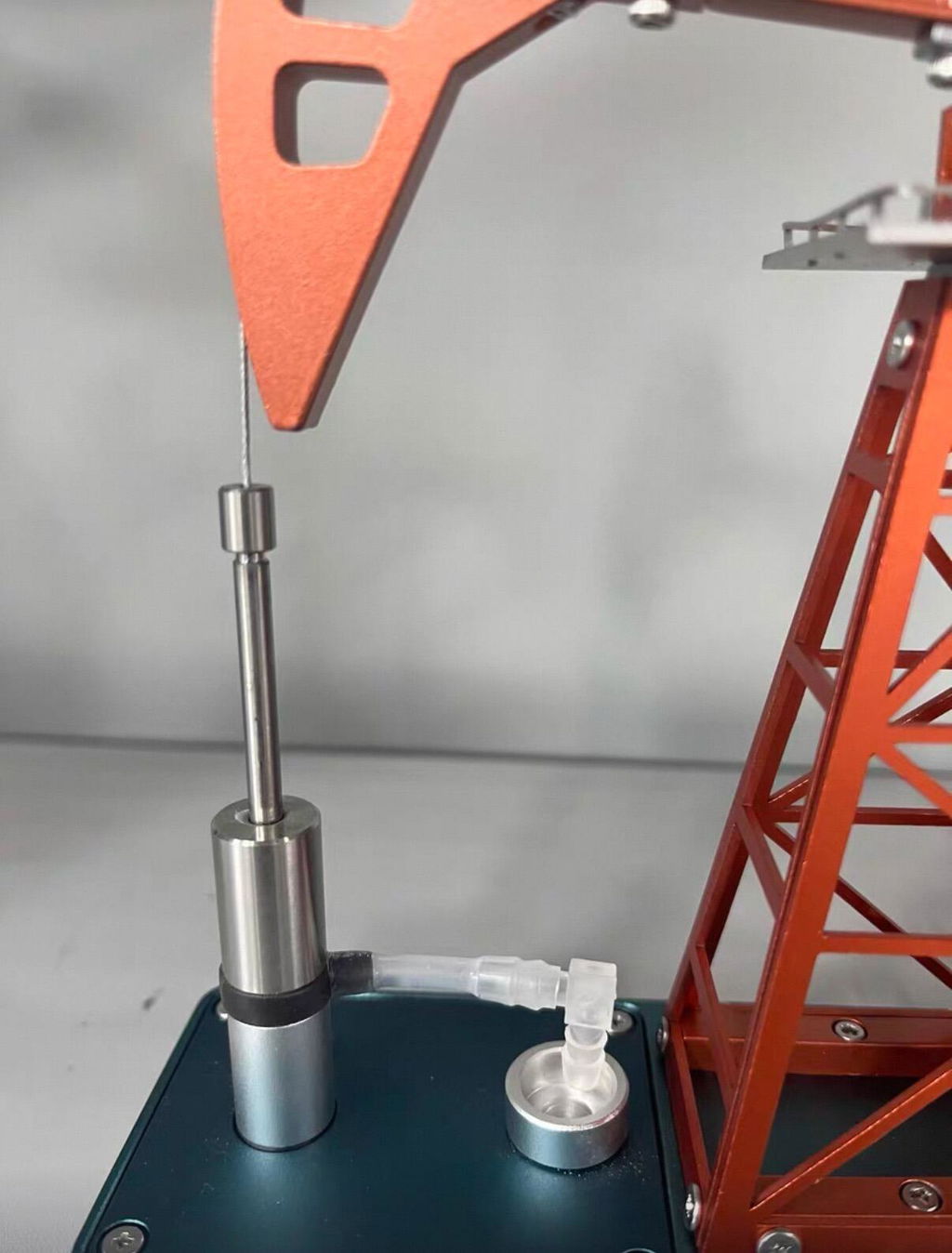
3. TECHING Oil Pump Jack Model Kit
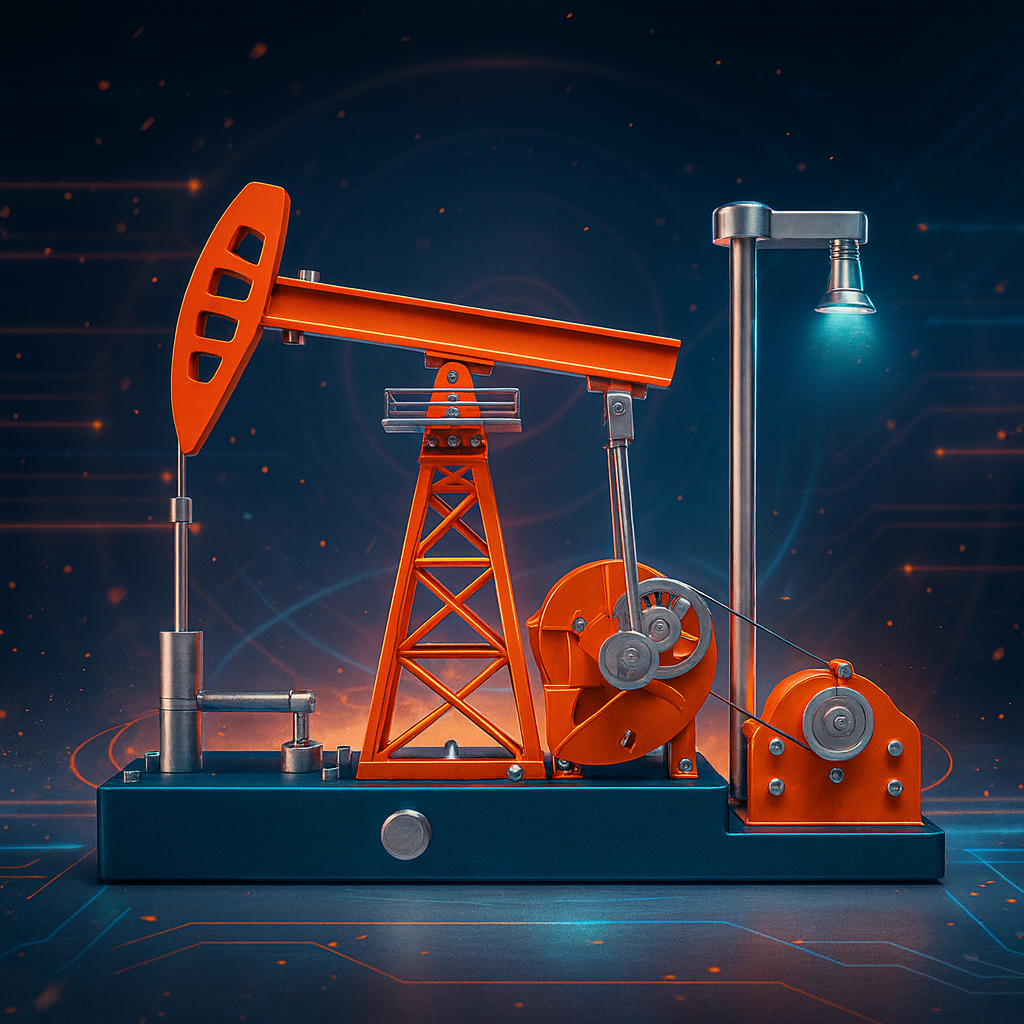
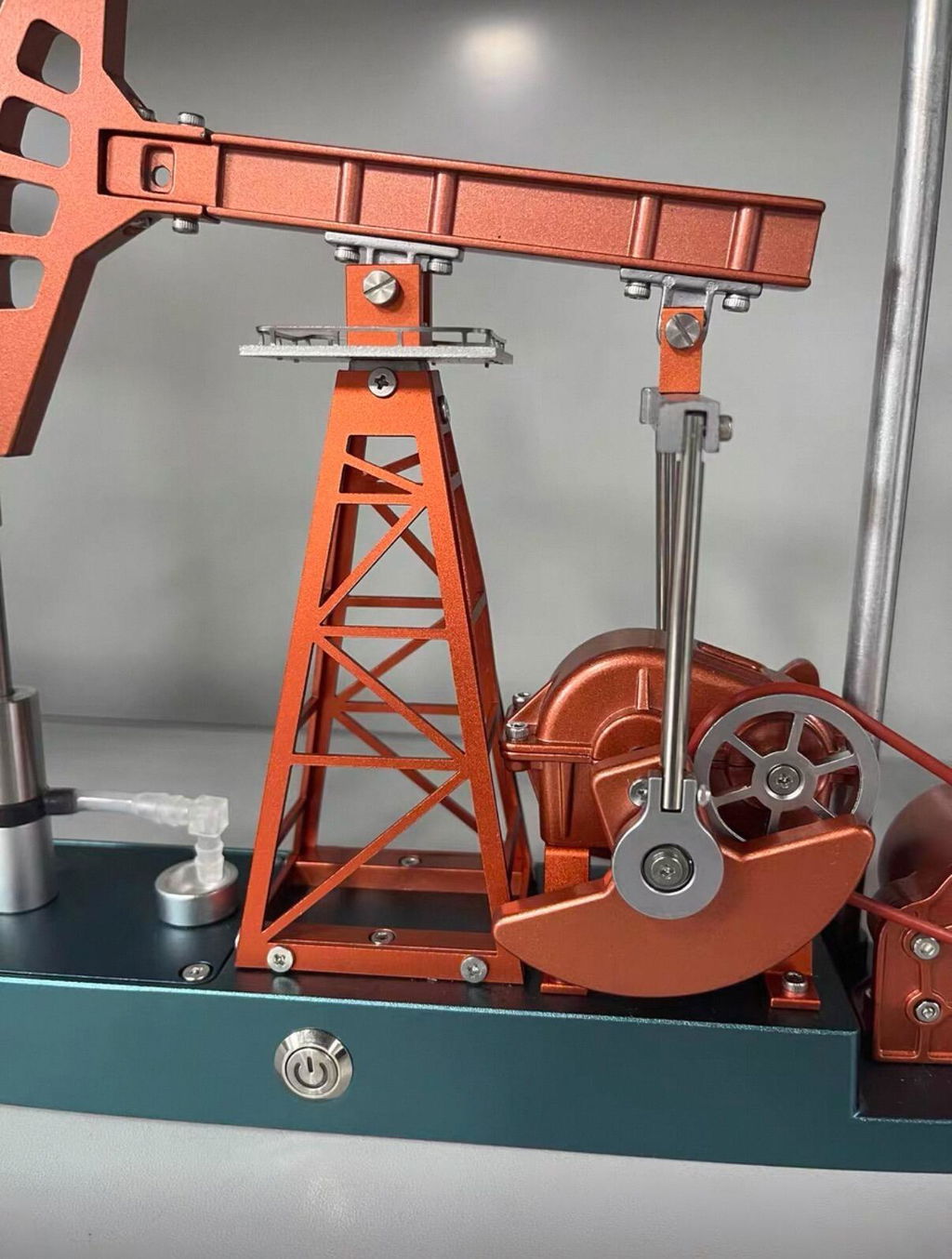
The TECHING Oil Pump Jack Model Kit is not a traditional engine, but it is very useful for understanding mechanical motion. It demonstrates how rotating or driven motion can be converted into a simple up-and-down movement.
For beginners, this mechanical model is easier to understand than many advanced engine kits. It helps explain linkages, repetitive motion, and how industrial machines transfer energy through visible moving parts. That makes it a strong educational companion to more complex working engine models.
- Easy-to-understand mechanical motion
- Good for beginners and STEM learning
- Strong visual movement for demonstrations
Why Build an Engine Model Kit?
Building a working engine model is not only about owning the finished product. The real value comes from the building process. You learn how mechanical parts connect, how motion is created, and how different systems work together.
- Hands-on learning: You understand mechanics by building, not just reading.
- Better visualization: Moving parts make engine principles easier to understand.
- Stronger engagement: Assembly makes the model more meaningful.
- Display value: A completed engine model also works as a collectible piece.
- STEM education: These kits are useful for physics, engineering, and mechanical learning.
Are Engine Model Kits Good for Beginners?
Yes, but beginners should choose carefully. Not every build engine kit has the same difficulty level. Some models are simple and beginner-friendly, while others are better for experienced builders.
If you are new to this category, start with models that clearly show motion and do not require advanced tuning or complicated assembly. As your confidence grows, you can move toward more complex real working engine models such as V8, radial, or turbofan-style kits.
How to Choose the Right Engine Model Kit
- For beginners: Choose simpler mechanical models with visible motion.
- For aviation fans: Choose turbofan or radial engine models.
- For collectors: Choose detailed metal kits with strong display value.
- For STEM learning: Choose models that clearly show pistons, gears, linkages, or rotation.
If you want to compare more options, visit the full engine model kit collection.
Frequently Asked Questions
Do engine model kits really work?
Yes. Many working engine models include moving parts that simulate real engine motion. Some focus on piston movement, while others demonstrate turbine rotation, gear transmission, or mechanical linkage systems.
What is the purpose of an engine model kit?
The purpose of an engine model kit is to help users understand mechanical structure through hands-on assembly. It can be used for learning, collecting, display, or hobby building.
Are engine model kits good for STEM education?
Yes. A build engine kit can help explain physics, motion, energy transfer, mechanical timing, and engineering structure in a more visual way.
Are engine model kits difficult to build?
Difficulty depends on the model. Simple mechanical kits are easier for beginners, while advanced engine kits such as V8 or turbofan models may require more patience and assembly time.
What parts are usually inside a working engine model?
Common parts include pistons, crankshafts, connecting rods, gears, flywheels, bearings, housings, and sometimes turbine or fan components.
Can beginners build a working engine model?
Yes. Beginners should start with simpler models that show clear motion. More advanced working engine models are better after you gain some assembly experience.
What is the difference between a static model and a working engine model?
A static model is mainly for display. A working engine model includes moving parts or mechanical systems that help demonstrate how an engine or machine works.
Are metal engine model kits better?
Metal kits usually feel more premium, durable, and realistic. They are often preferred by collectors, hobbyists, and buyers who want a stronger display piece.
Which engine model kit is best for learning how engines work?
For learning, choose a kit with exposed moving parts. Radial engines, turbofan models, and mechanical linkage kits are all helpful because they show motion clearly.
Do engine model kits make good gifts?
Yes. A build engine kit is a strong gift choice for engineers, hobbyists, students, STEM learners, and people who enjoy hands-on mechanical projects.
Final Thoughts
A working engine model is one of the best ways to understand mechanical systems in a hands-on way. Instead of only reading about how engines work, you can build a real structure, observe its movement, and understand the relationship between different mechanical parts.
Whether you are interested in aviation engines, radial layouts, industrial motion, or general STEM learning, the right build engine kit can make mechanical principles much easier to understand.
Shop Engine Model Kits Now


Laissez un commentaire