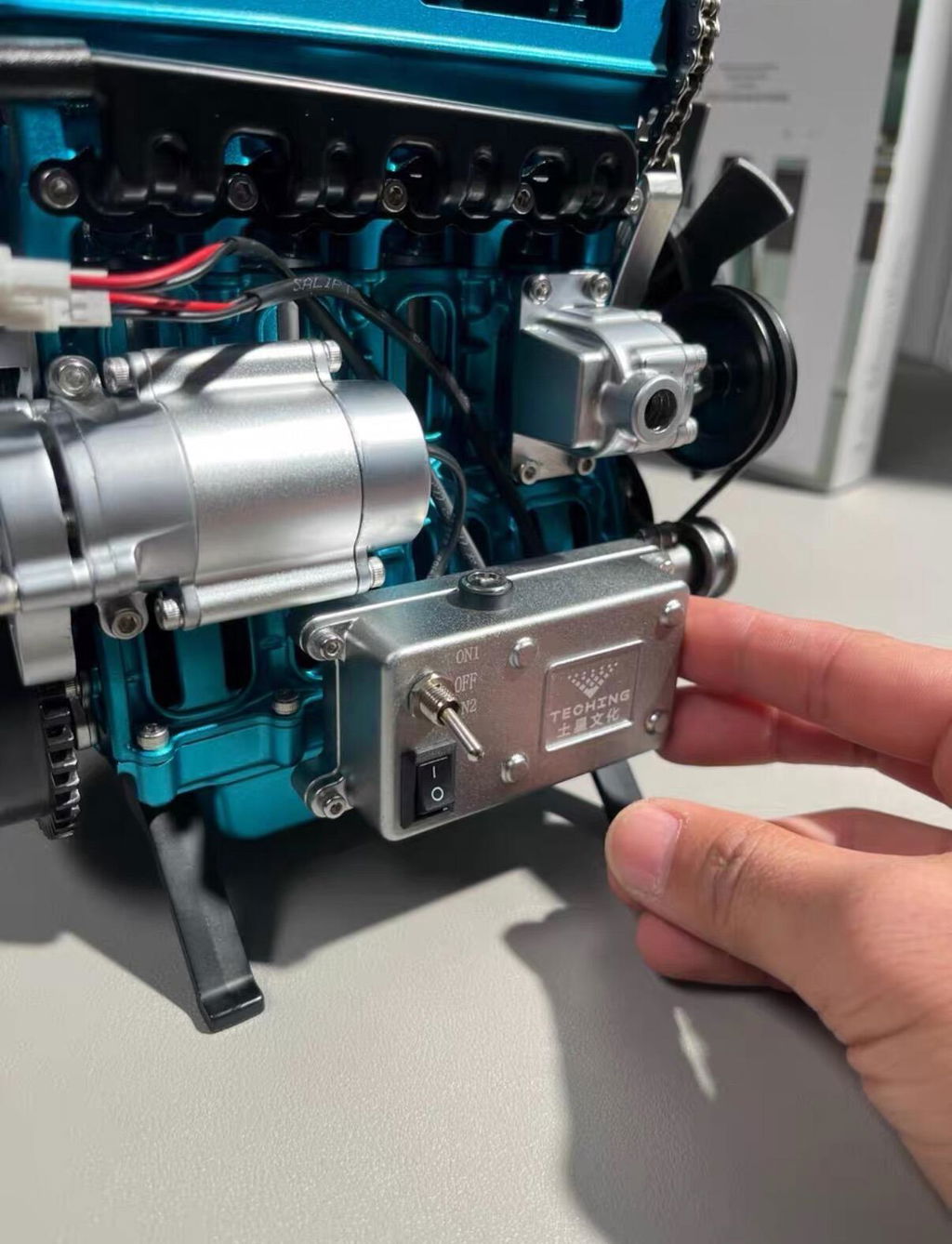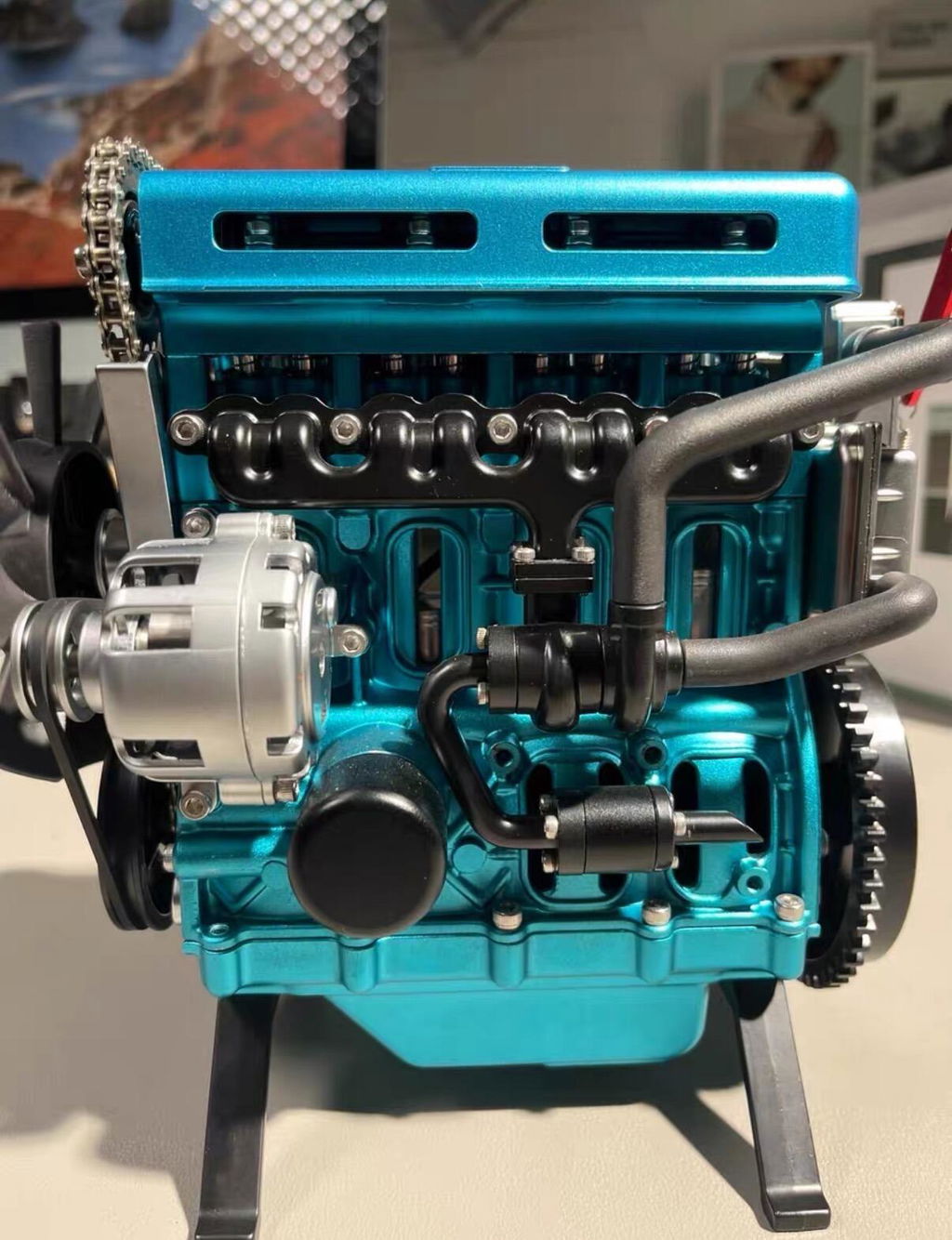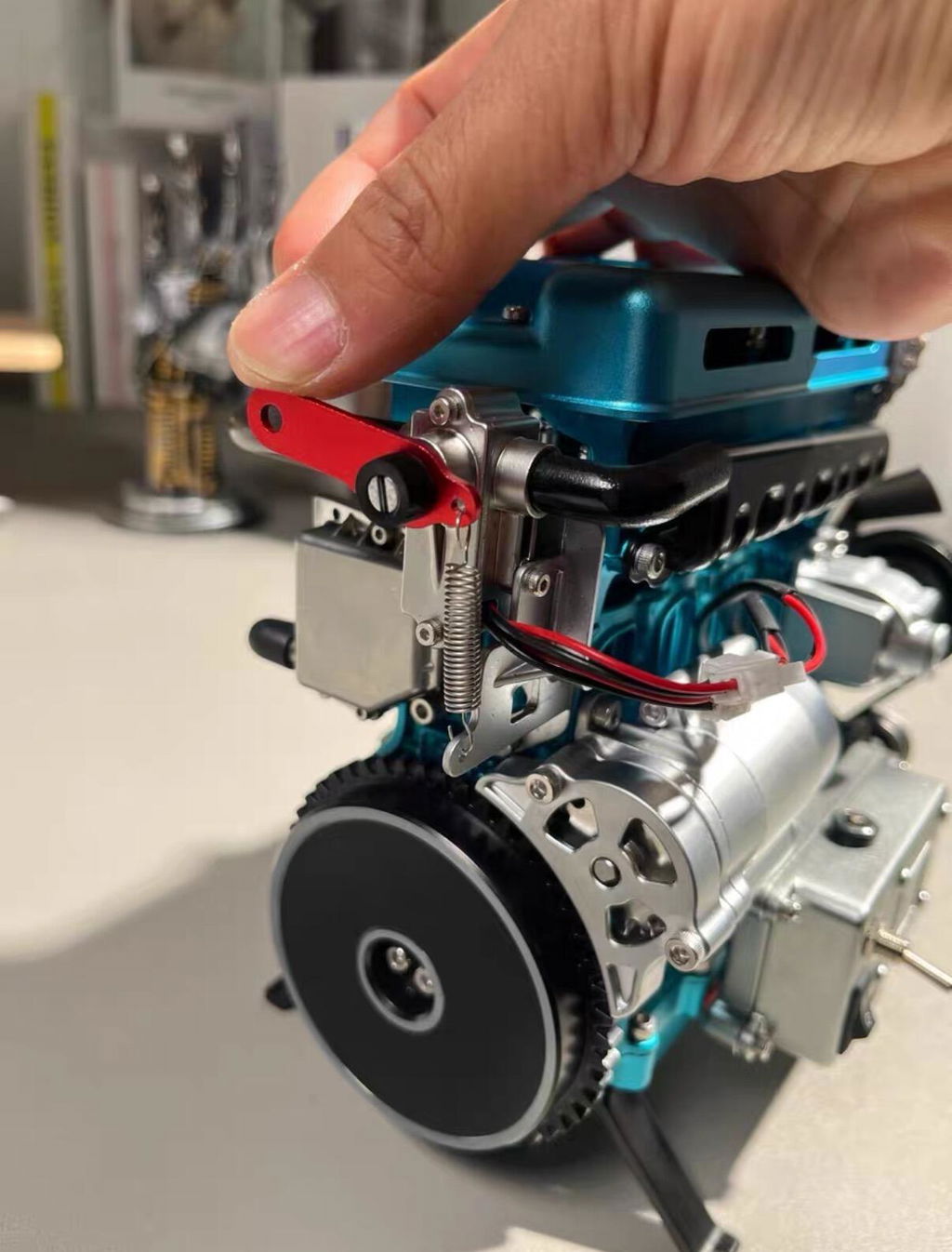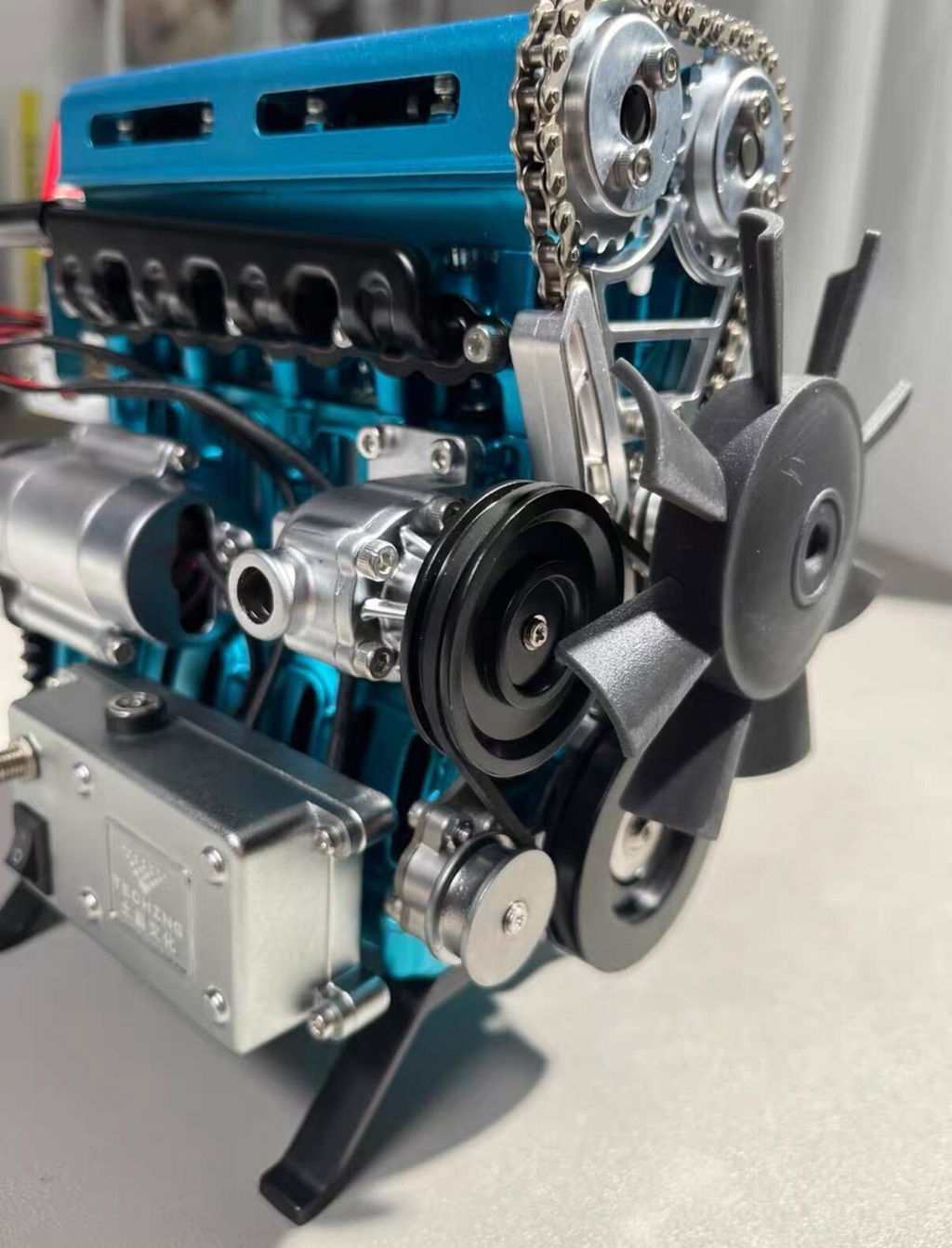
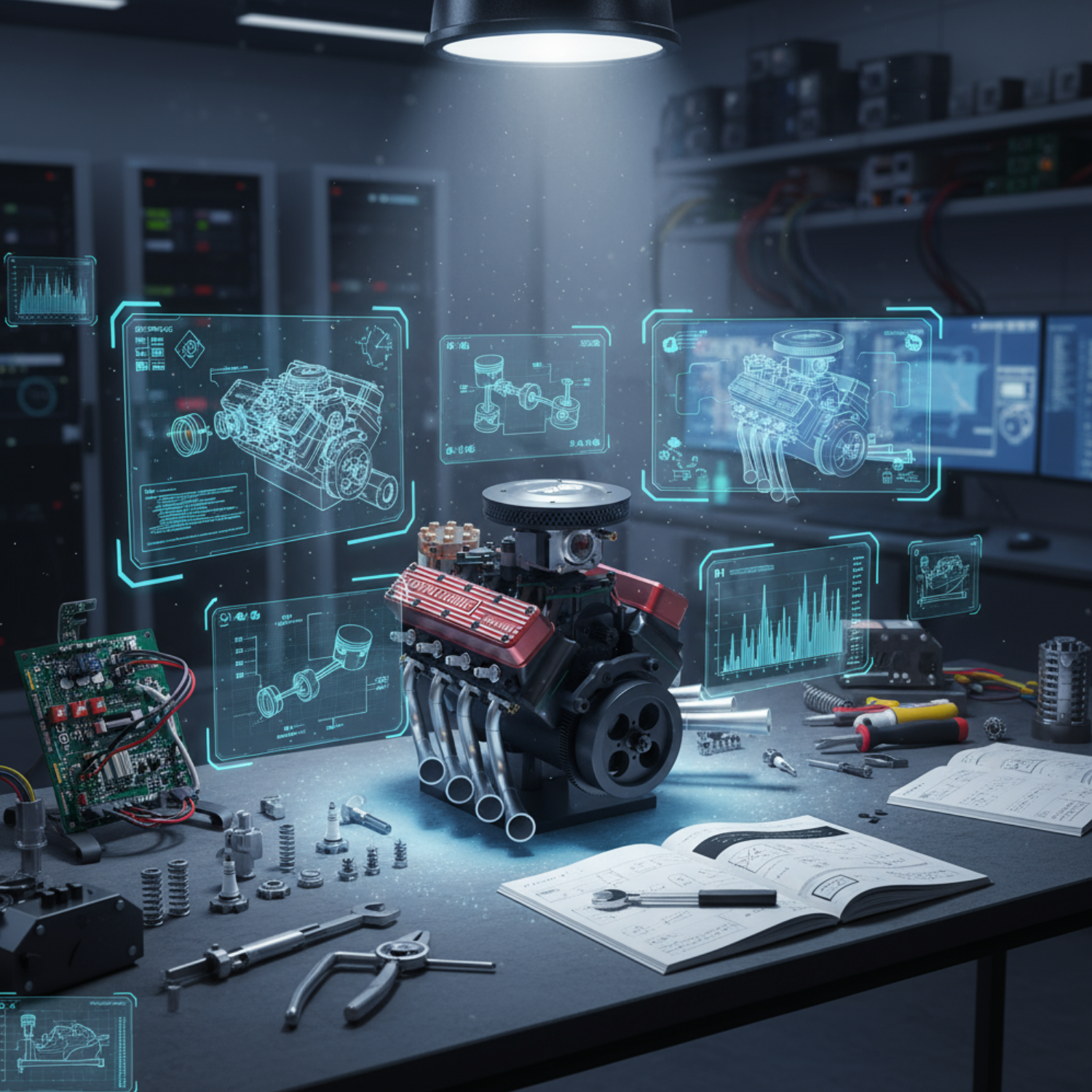
Build Your Own Engine Kits

Construisez votre propre moteur

Filtrer

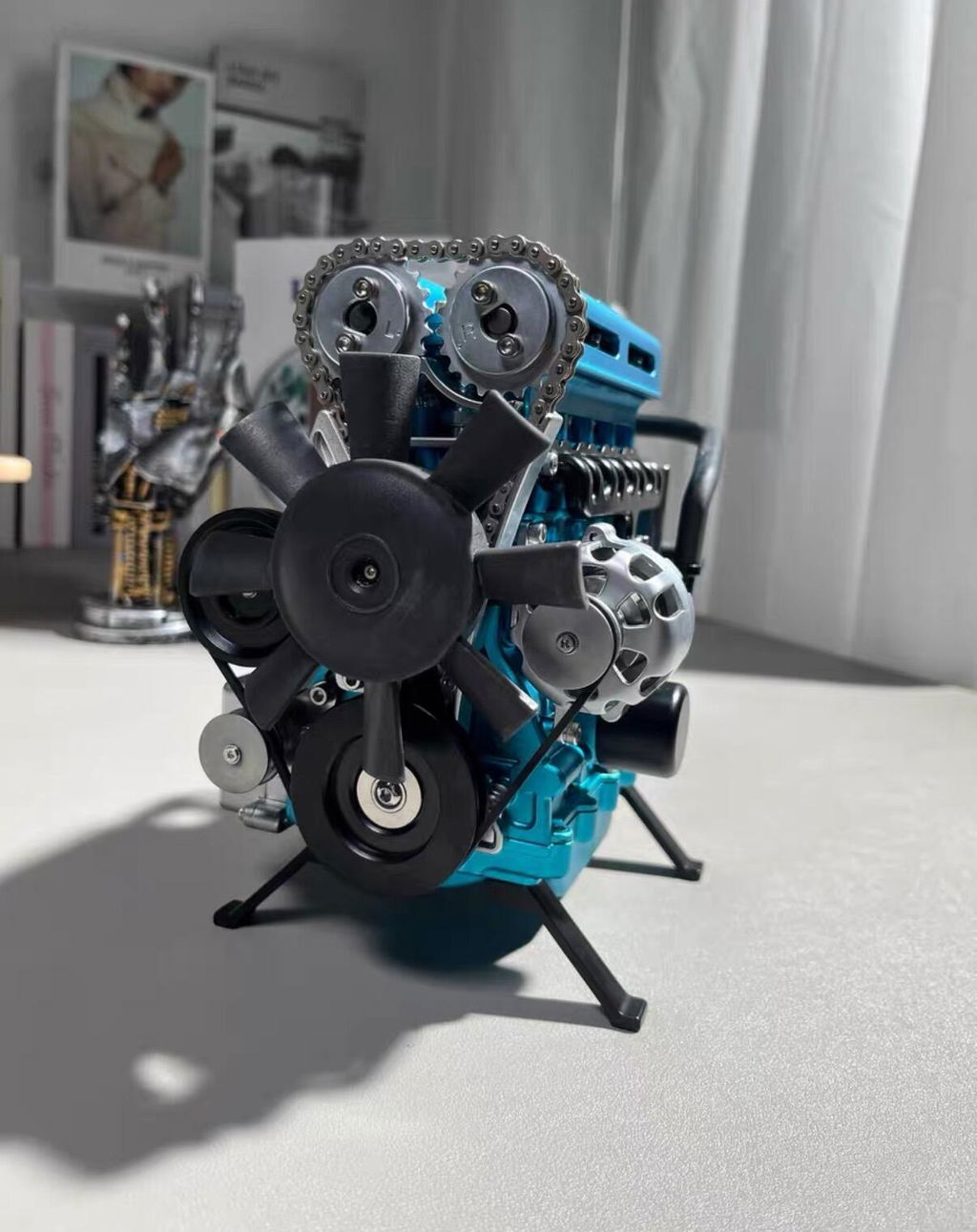
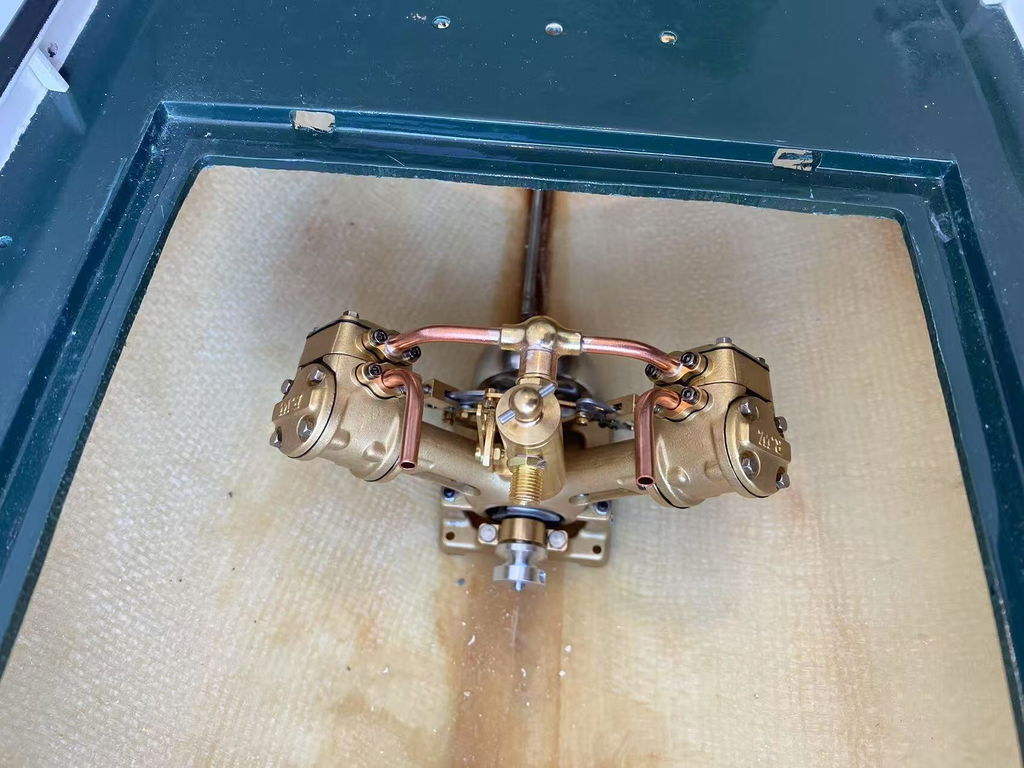
    Découvrez des kits de moteurs de haute précision à monter soi-même, conçus pour les adultes, les amateurs et les passionnés d'ingénierie. Chaque modèle reproduit la mécanique réelle d'un moteur, des moteurs à réaction et à vapeur aux moteurs à combustion en V et en ligne. Idéal pour l'apprentissage pratique, l'enseignement des sciences, de la technologie, de l'ingénierie et des mathématiques (STEM) et pour une exposition de collection. Construisez. Faites fonctionner. Exposez votre création.
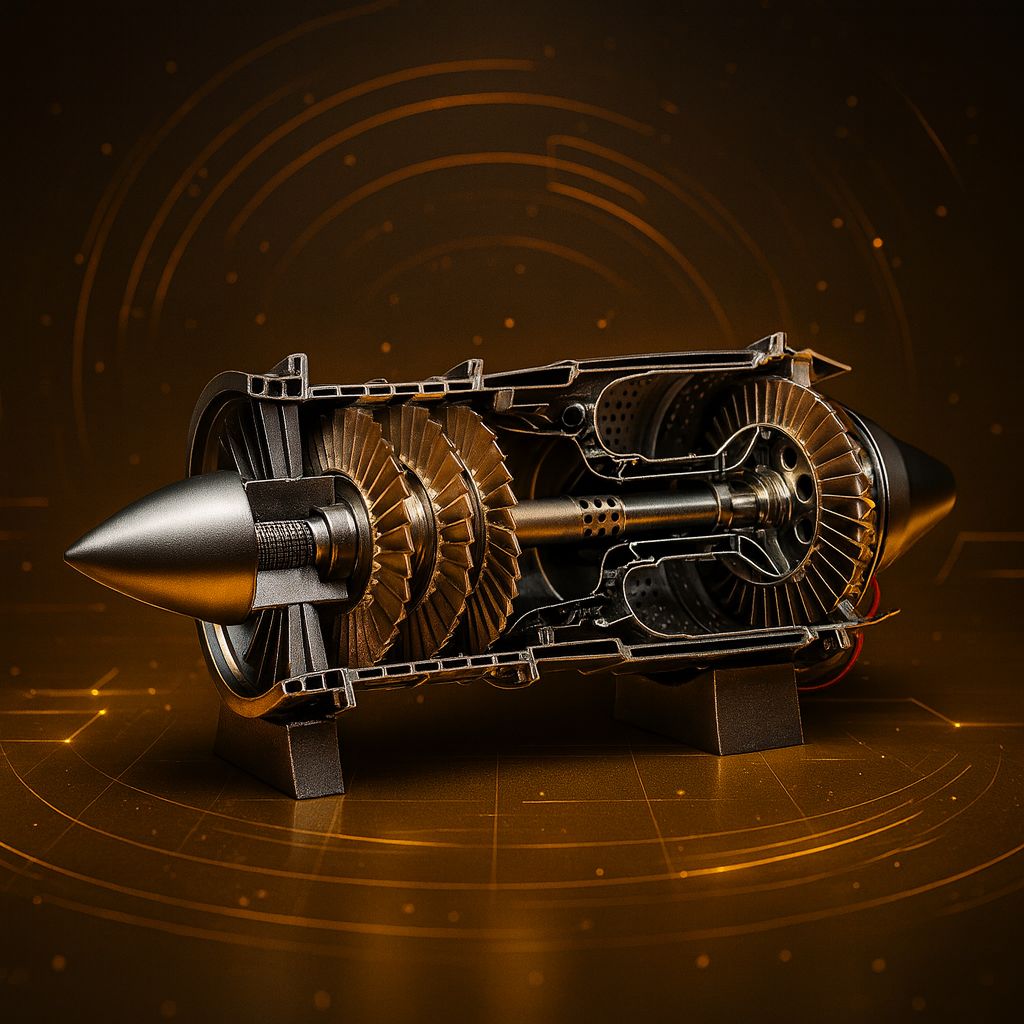
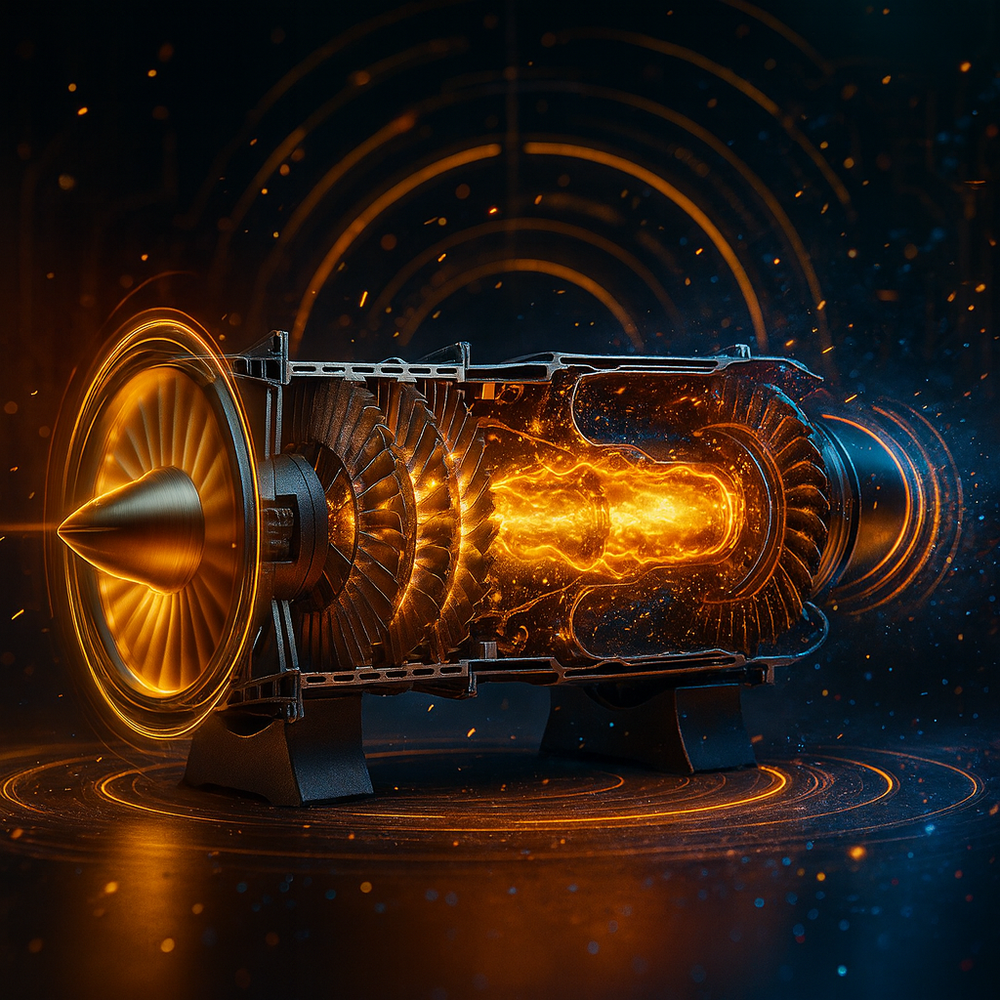
    ENGINEKITOR WP-85 Kit de turboréacteur à monter soi-même, 100 pièces, échelle 1/3 - Construisez votre propre modèle de moteur d'avion
    ENGINEKITOR WP-85 Kit de turboréacteur à monter soi-même, 100 pièces, échelle 1/3 - Construisez votre propre modèle de moteur d'avion
    Enginekitor
    $299.99
    $349.99 SAVE $50.00
    TECHING Kit de construction de réservoir robot en métal 160 pièces avec haut-parleur Bluetooth, télécommande et moteur de puzzle
    TECHING Kit de construction de réservoir robot en métal 160 pièces avec haut-parleur Bluetooth, télécommande et moteur de puzzle
    Enginekitor
    $199.99
    TECHING Kit de train à vapeur tout en aluminium avec rails, 387 pièces, jouets STEM, cadeaux
    TECHING Kit de train à vapeur tout en aluminium avec rails, 387 pièces, jouets STEM, cadeaux
    Enginekitor
    $439.99
    TECHING Kit d'assemblage de voiture et moteur classique vintage de plus de 310 pièces, mini jouet mécanique électrique monocylindre en métal pour collection éducative
    TECHING Kit d'assemblage de voiture et moteur classique vintage de plus de 310 pièces, mini jouet mécanique électrique monocylindre en métal pour collection éducative
    Enginekitor
    $439.99
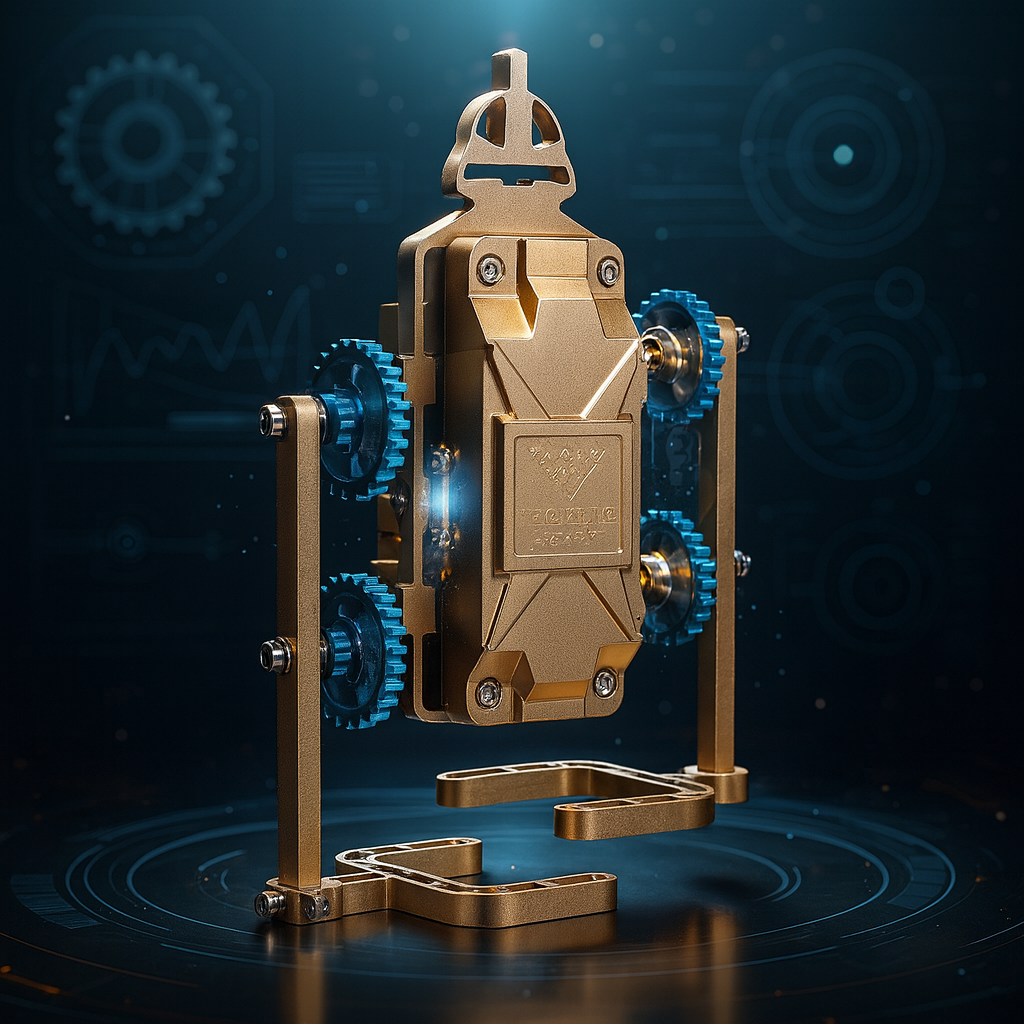
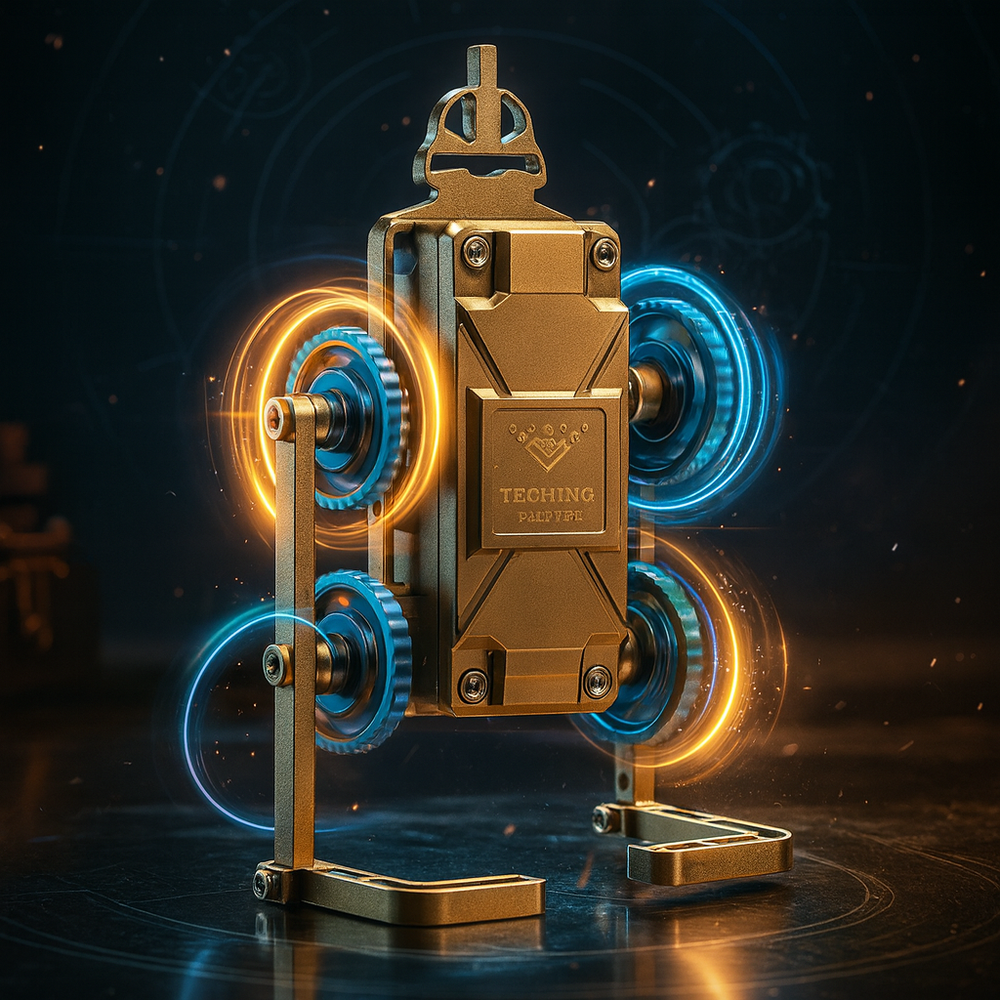
    Kit de construction de moteur Stirling et de robot piéton entièrement en métal TECHING - Collection de modèles à faire soi-même et jouet scientifique à offrir
    Kit de construction de moteur Stirling et de robot piéton entièrement en métal TECHING - Collection de modèles à faire soi-même et jouet scientifique à offrir
    Enginekitor
    $129.99
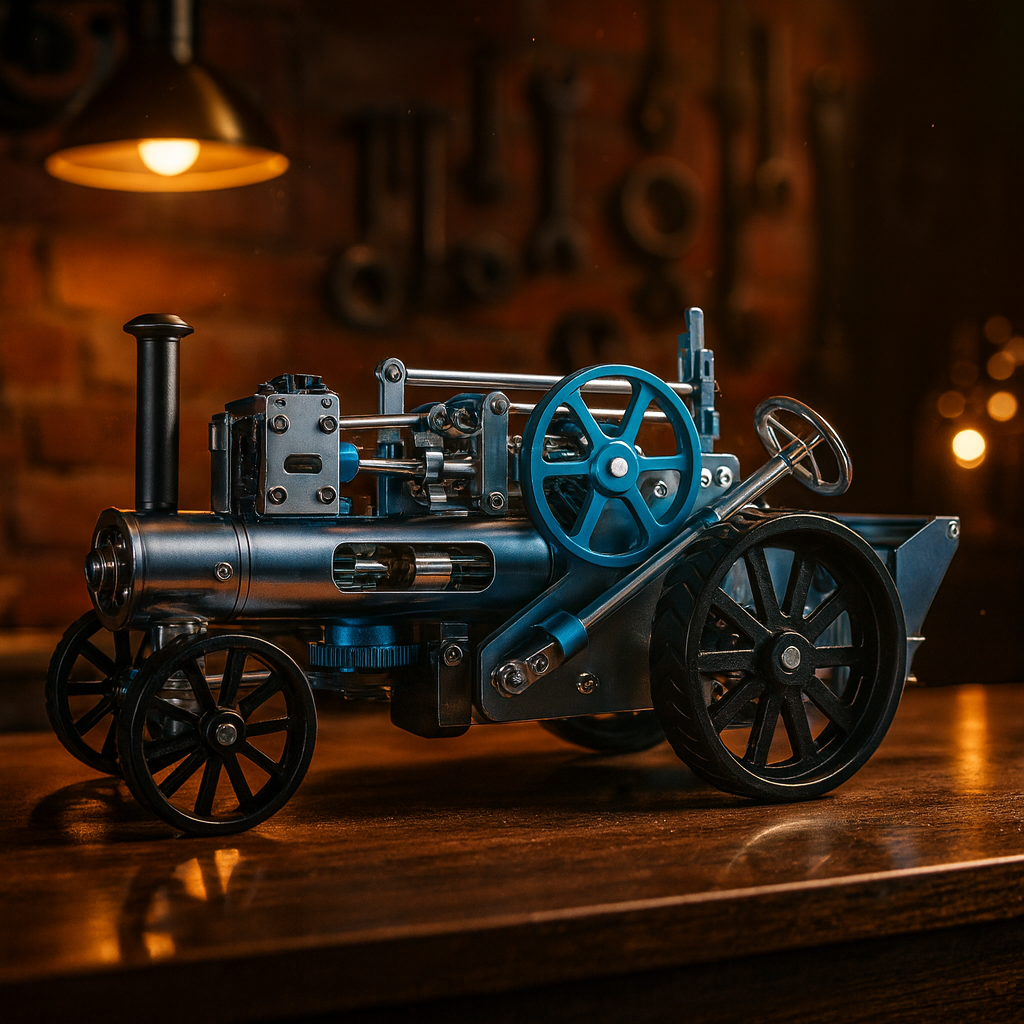
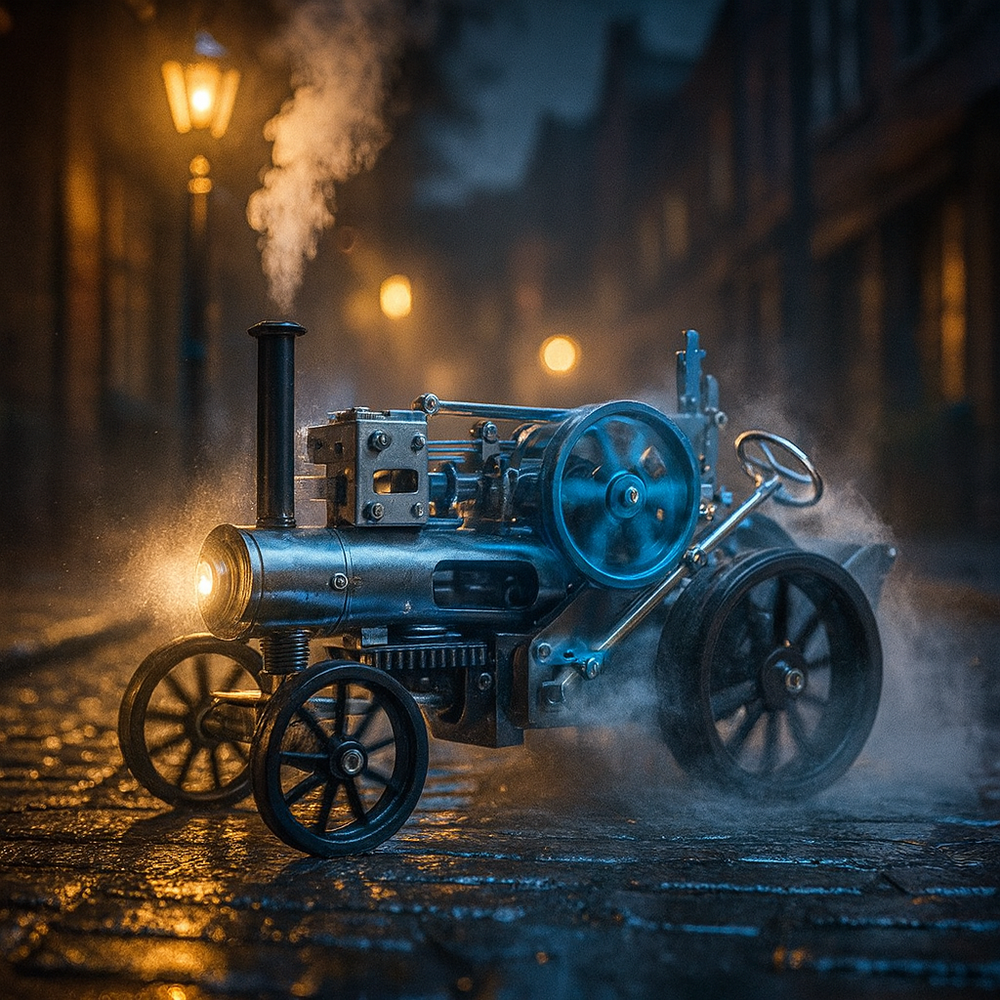
    Kit d'assemblage de modèle de moteur de voiture à vapeur entièrement en métal TECHING - Cadeau et décoration de collection de haut niveau
    Kit d'assemblage de modèle de moteur de voiture à vapeur entièrement en métal TECHING - Cadeau et décoration de collection de haut niveau
    Enginekitor
    $299.99
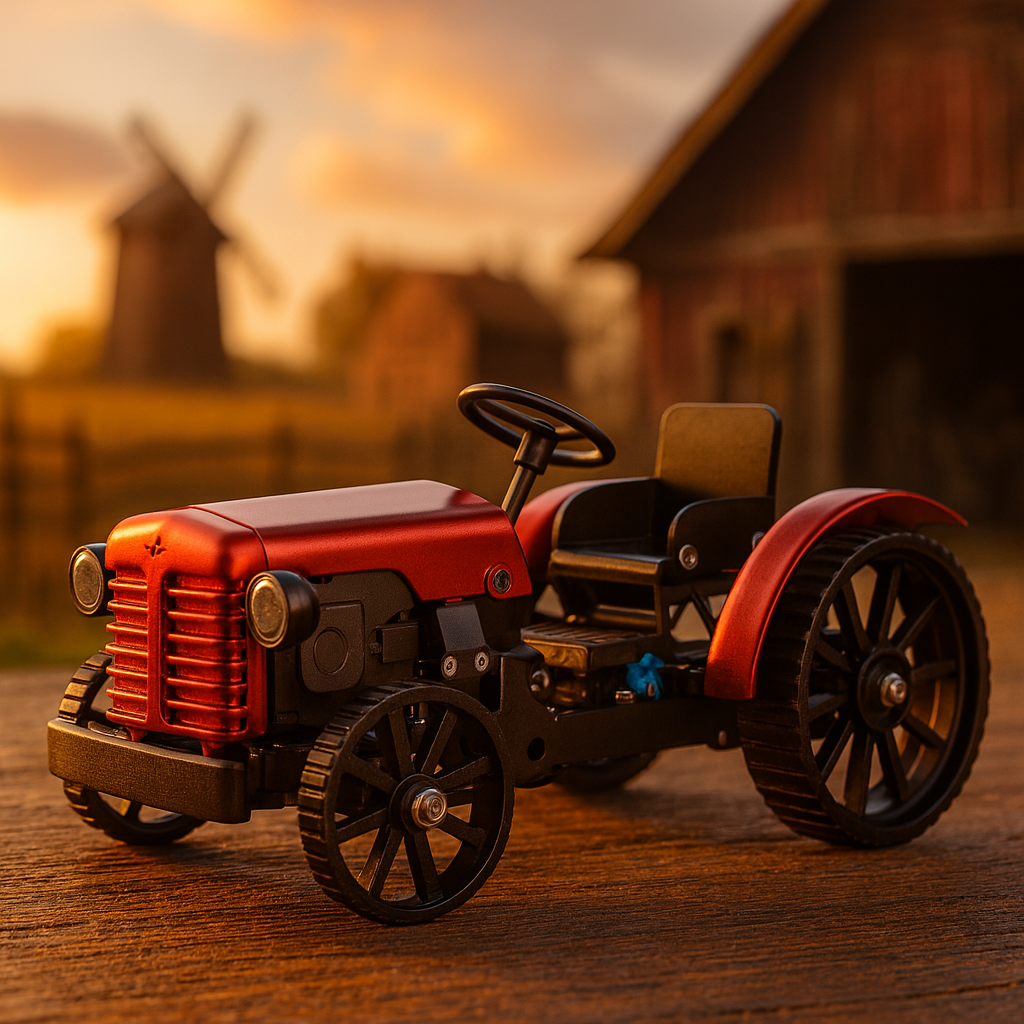
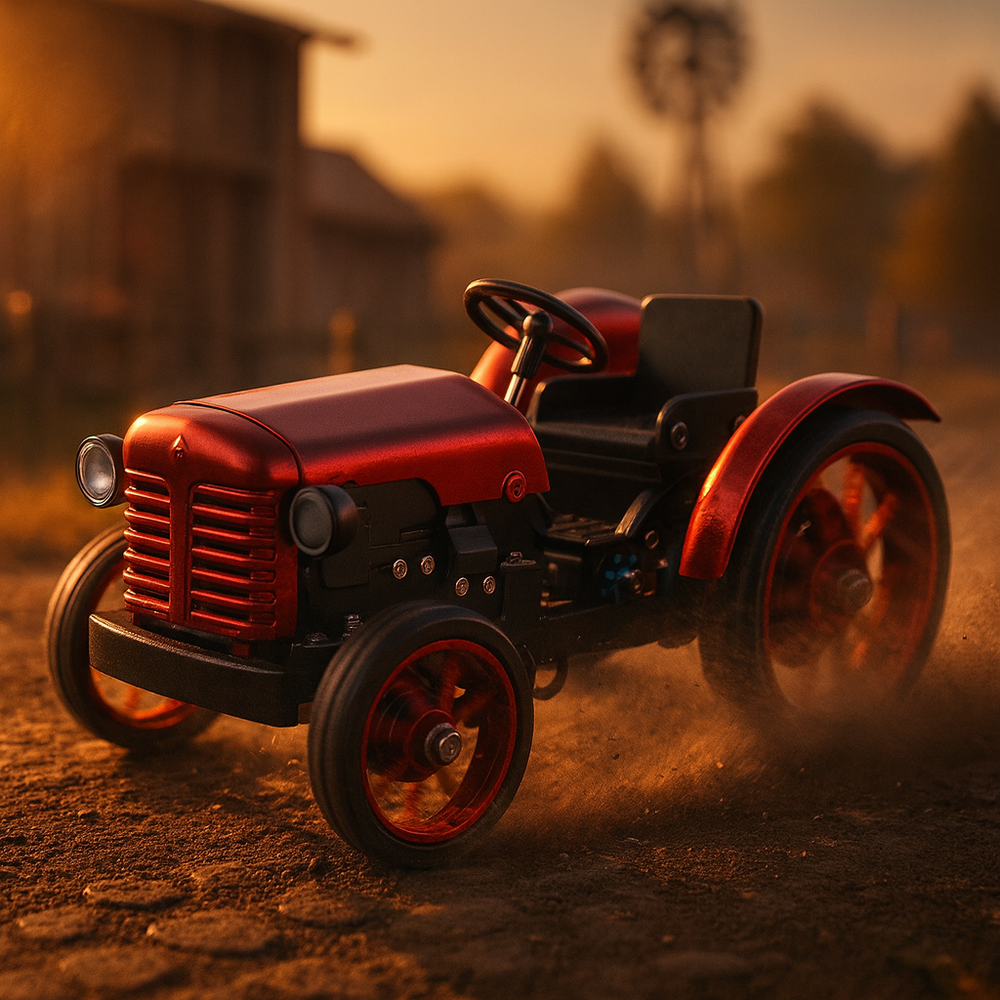
    TECHING Mini tracteur rouge en métal à assembler soi-même, contrôlé par application, télécommande, jouet éducatif et collection de cadeaux
    TECHING Mini tracteur rouge en métal à assembler soi-même, contrôlé par application, télécommande, jouet éducatif et collection de cadeaux
    Enginekitor
    $199.99
    ENJOMOR GS-V8 78cc DOHC Four-Stroke V8 Gasoline Engine Model – Water-Cooled Real Working 8-Cylinder IC Engine
    ENJOMOR GS-V8 78cc DOHC Four-Stroke V8 Gasoline Engine Model – Water-Cooled Real Working 8-Cylinder IC Engine
    Enginekitor
    $2,899.99
    $3,199.99 SAVE $300.00
    BUILD • LEARN • RUN

    Choose the Right Engine Kit for Your Next Build

    Building an engine model is very different from simply buying a finished display piece. The experience comes from understanding how individual components fit together and how those components interact as a complete mechanical system.

    ENGINEKITOR offers projects ranging from detailed full-metal mechanical kits to genuine miniature internal-combustion engines. Some models focus on visible piston, crankshaft, valve or turbine movement, while advanced engines introduce real fuel, ignition, cooling and lubrication systems.

    Use this guide to choose a build your own engine kit based on engine type, mechanical complexity and the experience you want after assembly is complete.

    CHOOSING YOUR PROJECT

    Which Type of Engine Kit Is Right for You?

    The most important decision is whether you want to focus on mechanical assembly and visible motion or experience the additional complexity of a real miniature combustion engine.

    MECHANICAL BUILD

    Full-Metal Mechanical Engine Kits

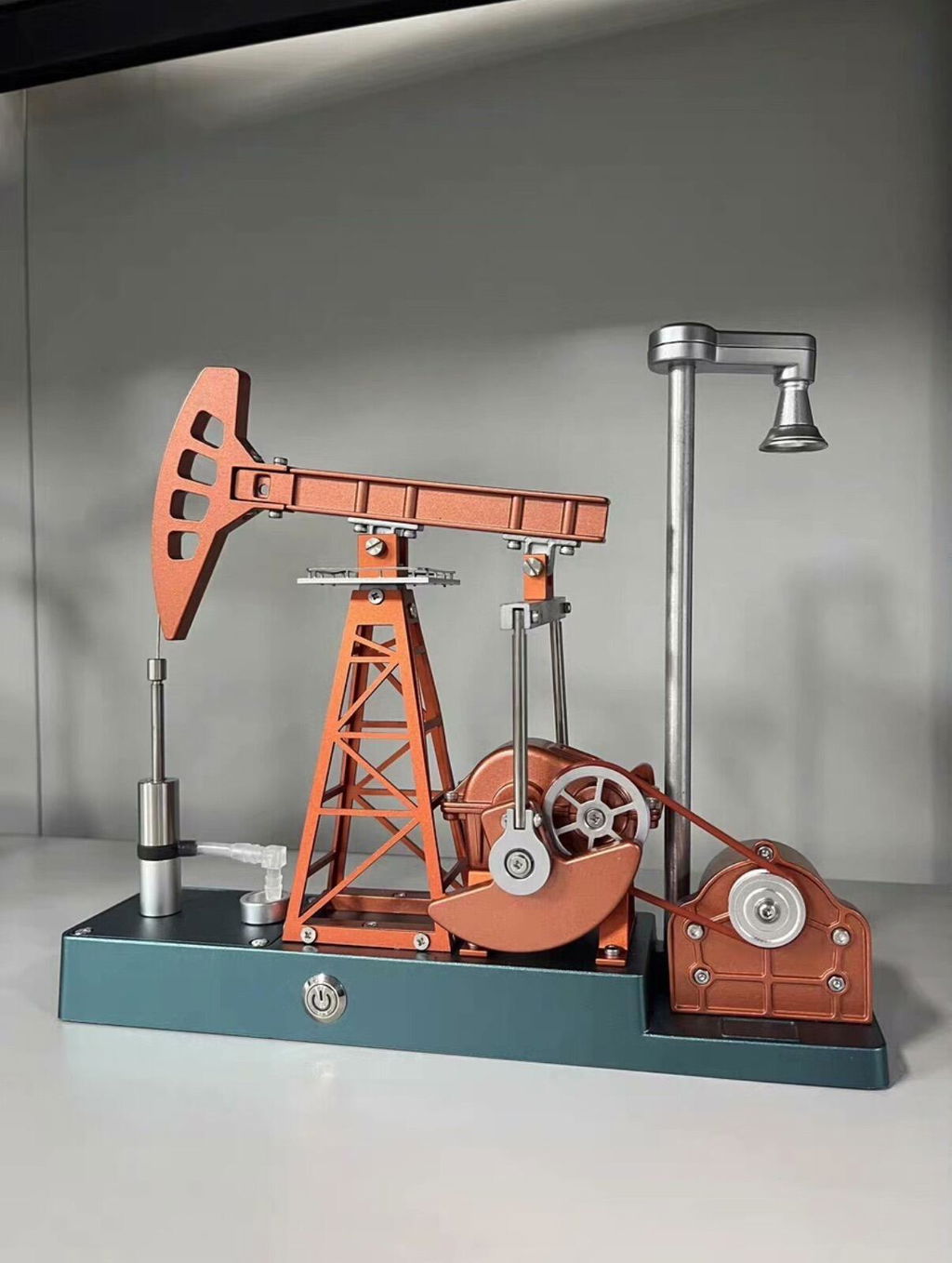
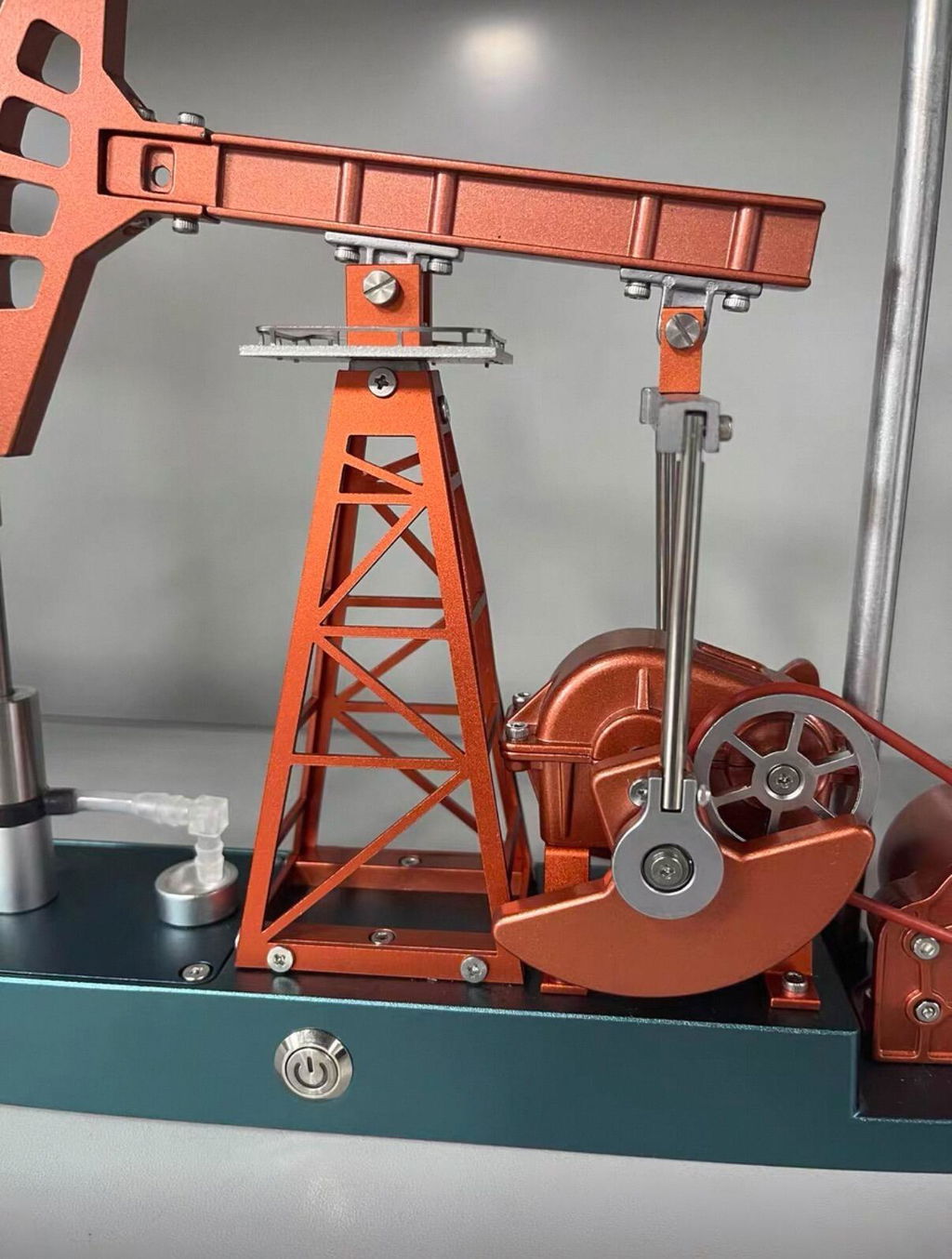
    These kits focus on assembly and visible mechanical movement rather than fuel combustion. Depending on the model, an electric motor may drive the completed mechanism so you can observe components such as pistons, crankshafts, camshafts, valves, gears and turbine rotors.

    Best for: DIY builders, STEM learning, mechanical education and collectors who want a detailed assembly experience with easier indoor operation.
    REAL COMBUSTION

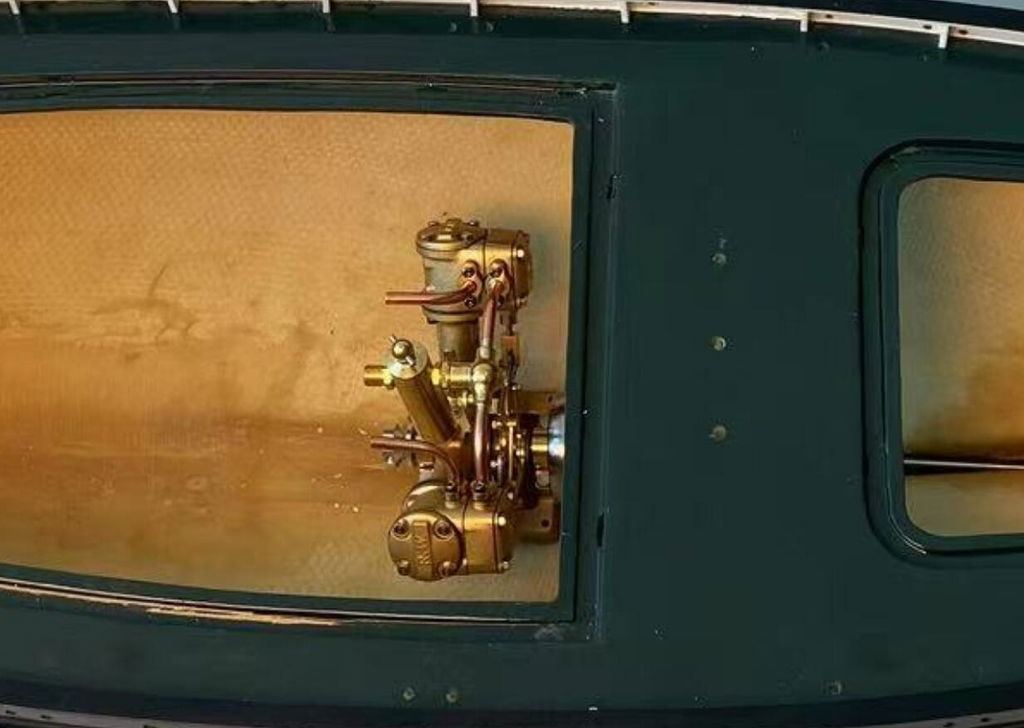
    Real Working Miniature Engines

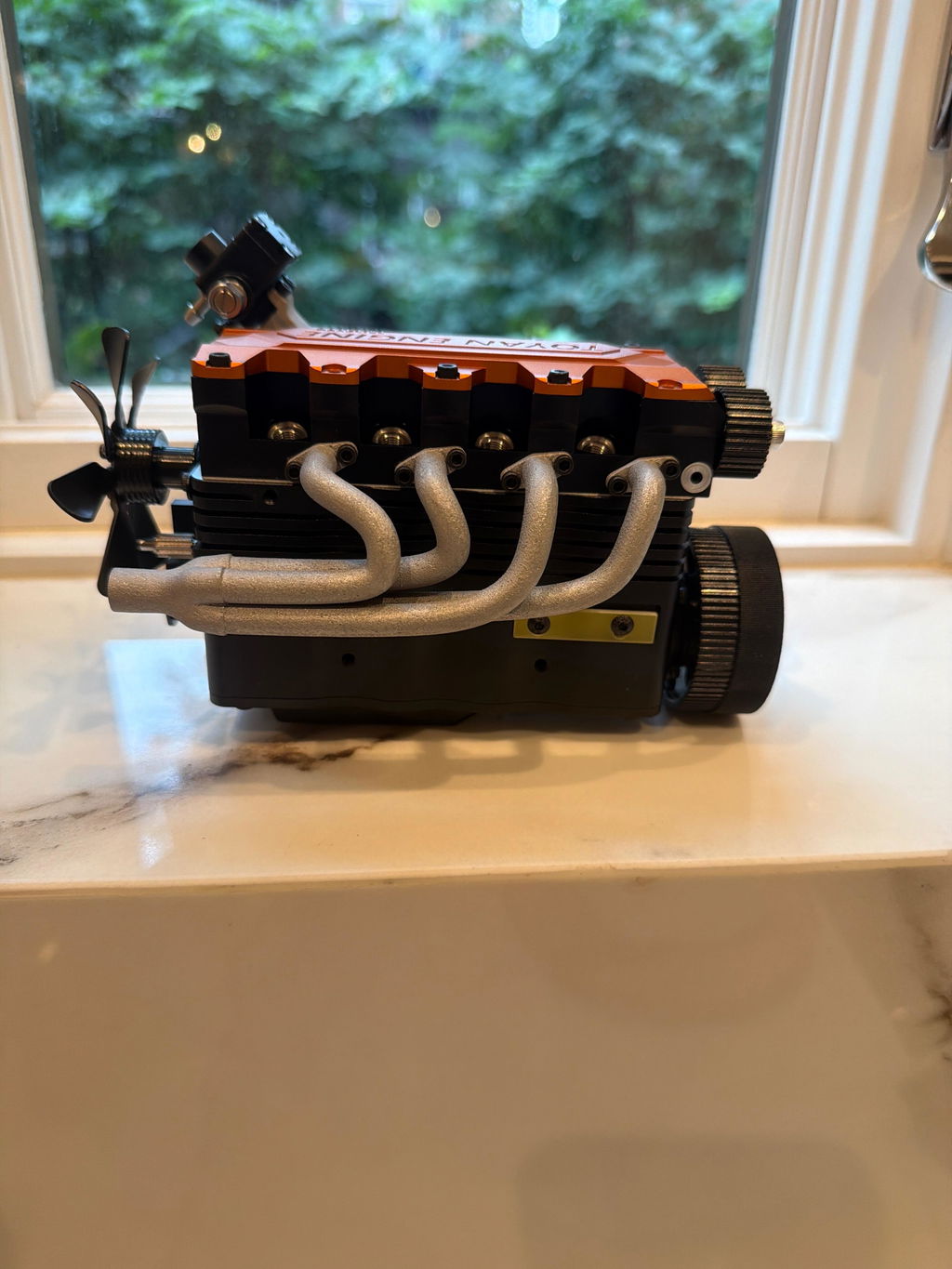
    Advanced miniature engines introduce systems found in real powerplants, including fuel delivery, ignition, lubrication and cooling. Depending on the model, they may operate on gasoline, nitro or methanol-based fuel.

    Best for: Experienced hobbyists and engine enthusiasts who want to learn not only assembly, but also engine preparation, starting, tuning and maintenance.
    BUILD LEVEL

    Choose an Engine Kit for Your Experience Level

    Part count alone does not determine difficulty. Engine type, precision, adjustment, fuel systems and post-build setup can make one project considerably more demanding than another.

    LEVEL 01

    Approachable Builds

    Best for builders who want to understand basic mechanical relationships without dealing with complex tuning or combustion systems.

    • Mechanical motion models
    • Clear assembly sequence
    • Limited engine adjustment
    • Good introduction to engine mechanics
    LEVEL 02

    Intermediate Mechanical Projects

    Suitable for patient builders who enjoy larger assemblies, precision alignment and more complex engine architecture.

    • Higher part counts
    • Multi-cylinder mechanisms
    • Timing and drivetrain relationships
    • Longer assembly process
    LEVEL 03

    Advanced Working Engines

    Designed for enthusiasts who want to go beyond assembly and learn the practical systems required to operate a real miniature engine.

    • Fuel and ignition systems
    • Cooling and lubrication
    • Starting procedures
    • Engine tuning and maintenance
    ENGINEERING EXPERIENCE

    What Can You Learn by Building an Engine?

    A quality engine project turns concepts normally hidden inside a machine into mechanisms you can assemble, inspect and understand directly.

    Pistons & Connecting Rods

    Understand how reciprocating piston motion is transferred into crankshaft rotation.

    Crankshaft Mechanics

    See how multiple moving components combine to create continuous rotational motion.

    Valve Timing

    Explore how crankshaft position, camshaft movement and valve operation are synchronized.

    Multi-Cylinder Layouts

    Compare inline, V-type, opposed and radial layouts and understand how their geometry changes engine structure.

    Turbine Architecture

    Examine compressor stages, shafts, rotors and turbine structures in aircraft-engine models.

    Real Engine Systems

    Advanced combustion engines introduce ignition, fuel delivery, lubrication and cooling systems.

    FROM PARTS TO MOTION

    The Engine Building Experience

    A good engine project is not simply about reaching the finished result. Each stage helps you understand how individual systems become one complete machine.

    01

    Choose

    Select an engine architecture and difficulty level that matches your mechanical experience and the way you want the finished model to operate.

    02

    Assemble

    Follow the supplied instructions carefully, identify each component and build the engine system in the correct sequence.

    03

    Understand

    Observe how components interact instead of treating assembly as simply putting parts together.

    04

    Run

    Depending on the model, power the mechanical system or prepare the miniature engine for real combustion and operation.

    BEFORE YOU START

    What Tools Do You Need?

    Tool requirements vary by model. Many mechanical kits include the essential tools required for assembly, while advanced projects may benefit from precision screwdrivers, hex drivers, small pliers or other workshop tools.

    Real combustion engines may also require model-specific starting equipment, fuel systems, ignition components or batteries that cannot always be included with international shipments.

    Always review the individual product page and manual before beginning your build.

    BUILDING GUIDE

    New to Model Engines?

    If this is your first serious engine project, start by understanding the basic build process before choosing the most complex model available.

    Our model-engine building guide explains the differences between mechanical models and real combustion engines, preparation, assembly practices and first-run considerations.

    Read the Model Engine Building Guide →
    LOOKING FOR SOMETHING ELSE?

    Explore All Engine Models

    This collection focuses on hands-on engine projects. If you are also interested in finished models, ready-to-run displays or engine models where extensive assembly is not the main experience, browse our wider Engine Model Kits collection.

    Explore All Engine Model Kits →
    COMMON QUESTIONS

    Build Your Own Engine Kit FAQ

    Answers to common questions about choosing, assembling and operating DIY engine models.

    Do build-your-own engine kits actually work?

    Yes, but different kits operate in different ways. Some mechanical engine kits use an electric motor to demonstrate realistic piston, crankshaft, valve or turbine movement. Advanced miniature engines use genuine fuel combustion and can operate as functional internal-combustion engines. Check the individual product description to confirm how a specific model operates.

    What is the best engine kit for a beginner?

    For a first project, a mechanical assembly kit is usually easier to manage than a real combustion engine because it does not require fuel preparation, ignition setup, tuning or engine maintenance. Choose a project with clear instructions and a complexity level that matches your patience and previous building experience.

    How difficult is it to build an engine model?

    Difficulty ranges from relatively approachable mechanical projects to advanced multi-cylinder combustion engines. Part count, engine architecture, precision requirements and post-assembly setup all affect difficulty. Review the specifications and assembly requirements of each model before ordering.

    How long does it take to build an engine kit?

    Assembly time varies significantly by model and builder experience. Smaller mechanical projects may be completed relatively quickly, while kits containing hundreds or more than a thousand parts can become multi-session projects. Building carefully is more important than completing the kit quickly.

    What tools are required to build an engine model?

    Tool requirements depend on the kit. Many models provide basic assembly tools, while advanced builds may require precision screwdrivers, hex drivers, pliers or other small workshop tools. Always check the individual product page and instructions before starting.

    What is the difference between a mechanical engine kit and a real combustion engine?

    A mechanical engine kit demonstrates engine structure and movement, typically using an electric drive system or manual motion. A real miniature combustion engine burns fuel and therefore introduces additional systems such as ignition, fuel delivery, lubrication and cooling.

    Can I build a real gasoline or nitro engine myself?

    Yes, depending on the model. Some miniature gasoline and nitro engines are supplied as projects requiring varying levels of assembly and setup. These engines are better suited to users who are comfortable following technical instructions and learning proper starting, tuning and maintenance procedures.

    Do ENGINEKITOR engine kits include instructions?

    Assembly guidance varies by product and may include printed instructions, digital manuals or video guidance. Check the individual product page, and contact ENGINEKITOR support if you need additional assembly information.

    Are build-your-own engine kits good for STEM learning?

    Yes. Engine projects provide a hands-on way to explore mechanical motion, engine architecture, timing, power transmission, thermodynamics and, in advanced models, internal-combustion systems.

    Does ENGINEKITOR provide technical support and replacement parts?

    ENGINEKITOR provides after-sales assistance for assembly and operating issues. If you encounter a problem, provide your order information together with clear photos or video so our support team can identify the issue and determine the appropriate troubleshooting or replacement-part solution.