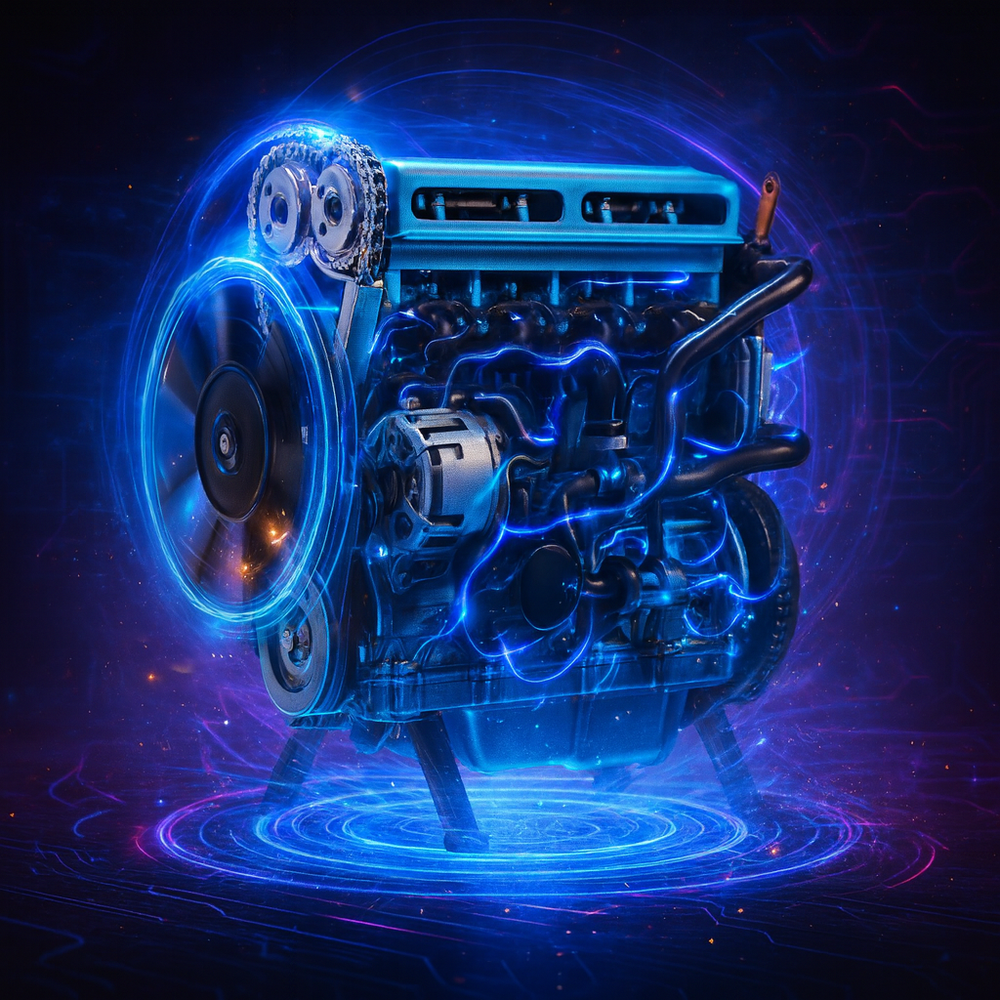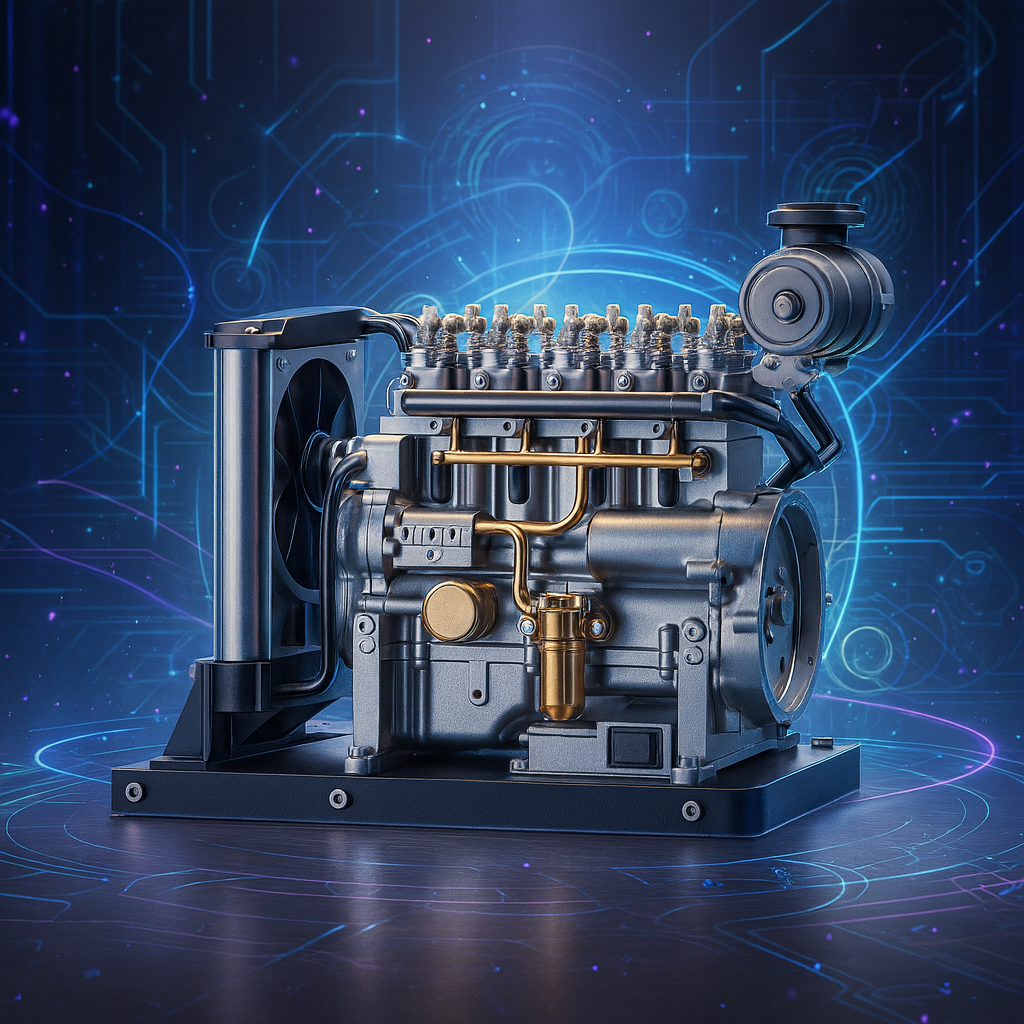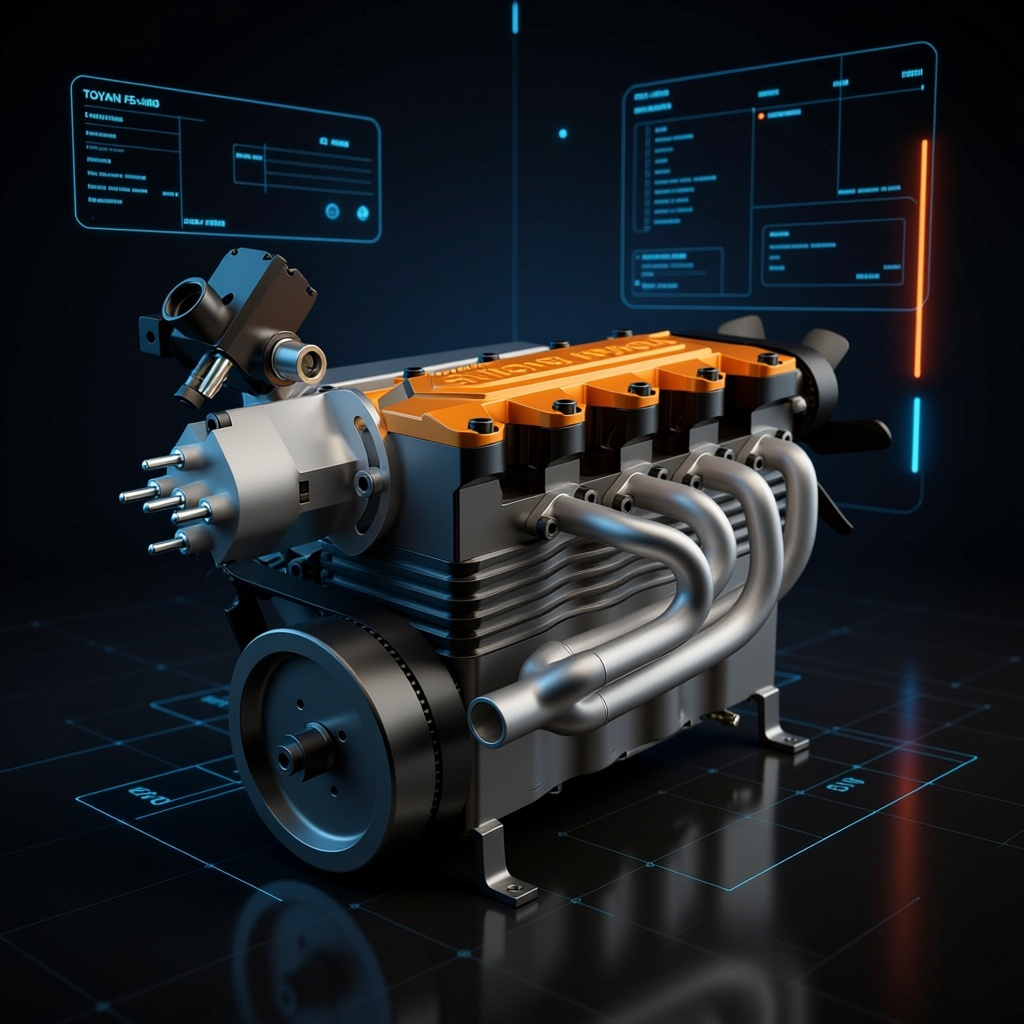
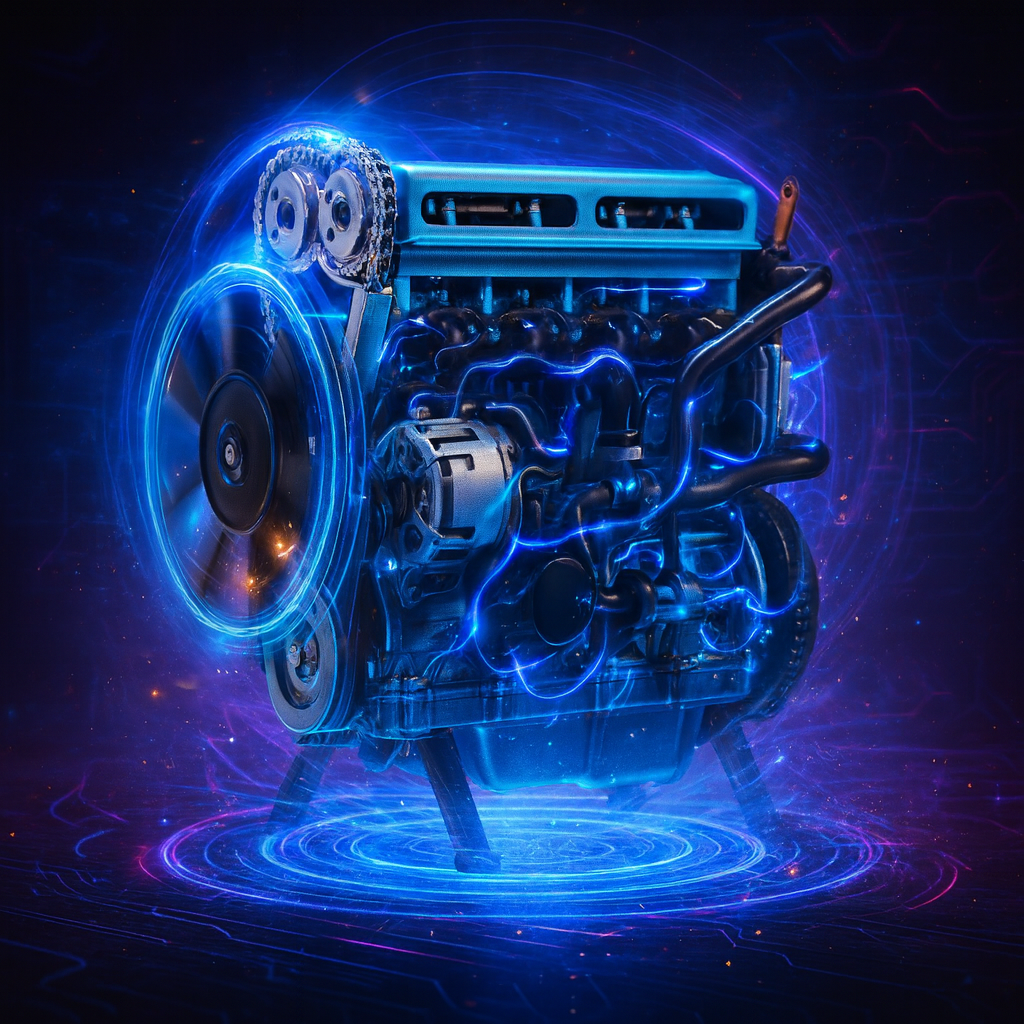
4-Cylinder Engine Models & Inline-4 Engine Kits

Motor de 4 cilindros

Filtrar

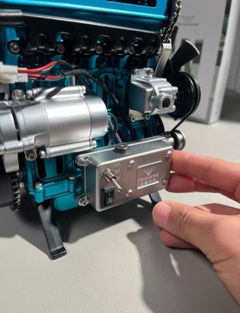
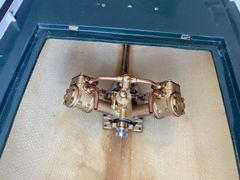
    Explore 4-cylinder engine models and inline-4 engine kits for builders, collectors, automotive enthusiasts and engineering learners. Discover full-metal L4 and V4 mechanical models alongside real working four-cylinder internal-combustion engines.

    From motor-driven DIY assembly kits with visible pistons, crankshafts and valve systems to genuine gasoline-powered inline-four engines, this collection showcases the engineering, synchronization and mechanical complexity of four-cylinder engine architecture.
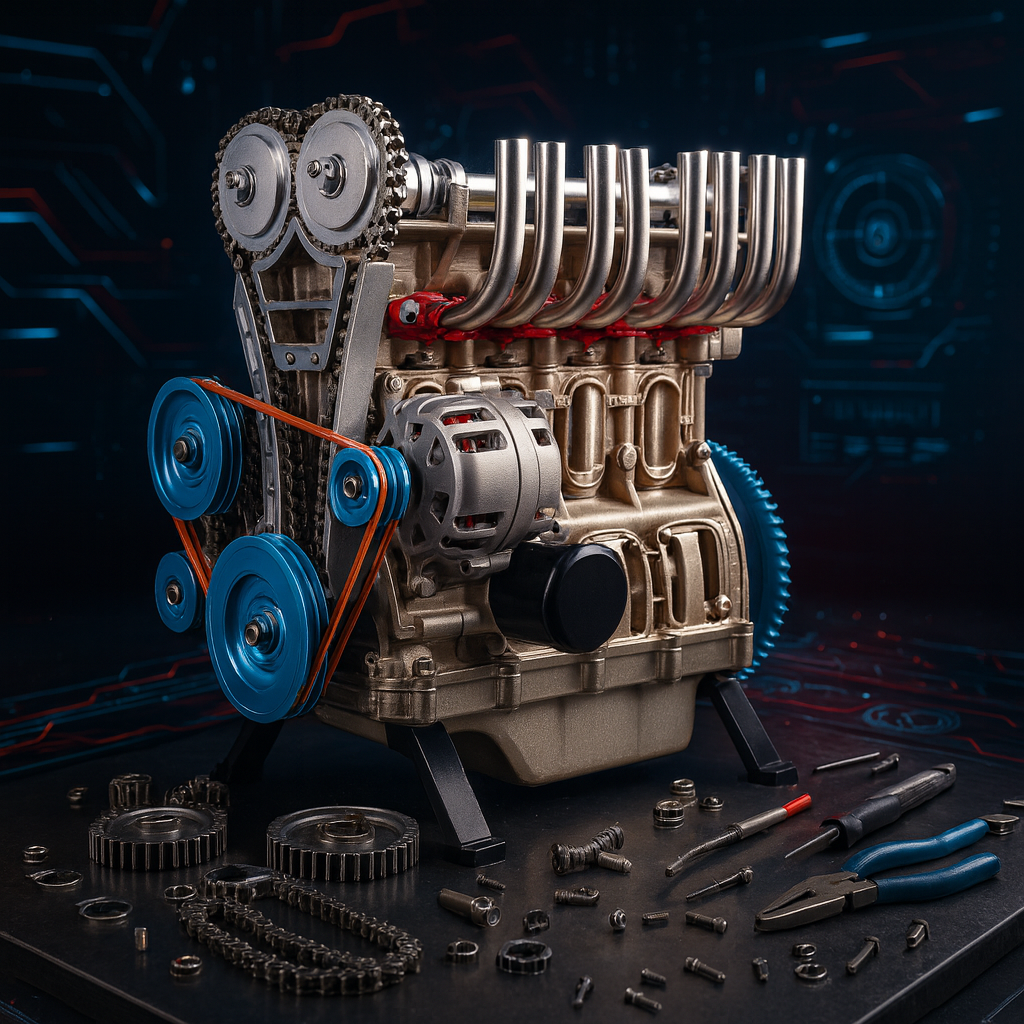
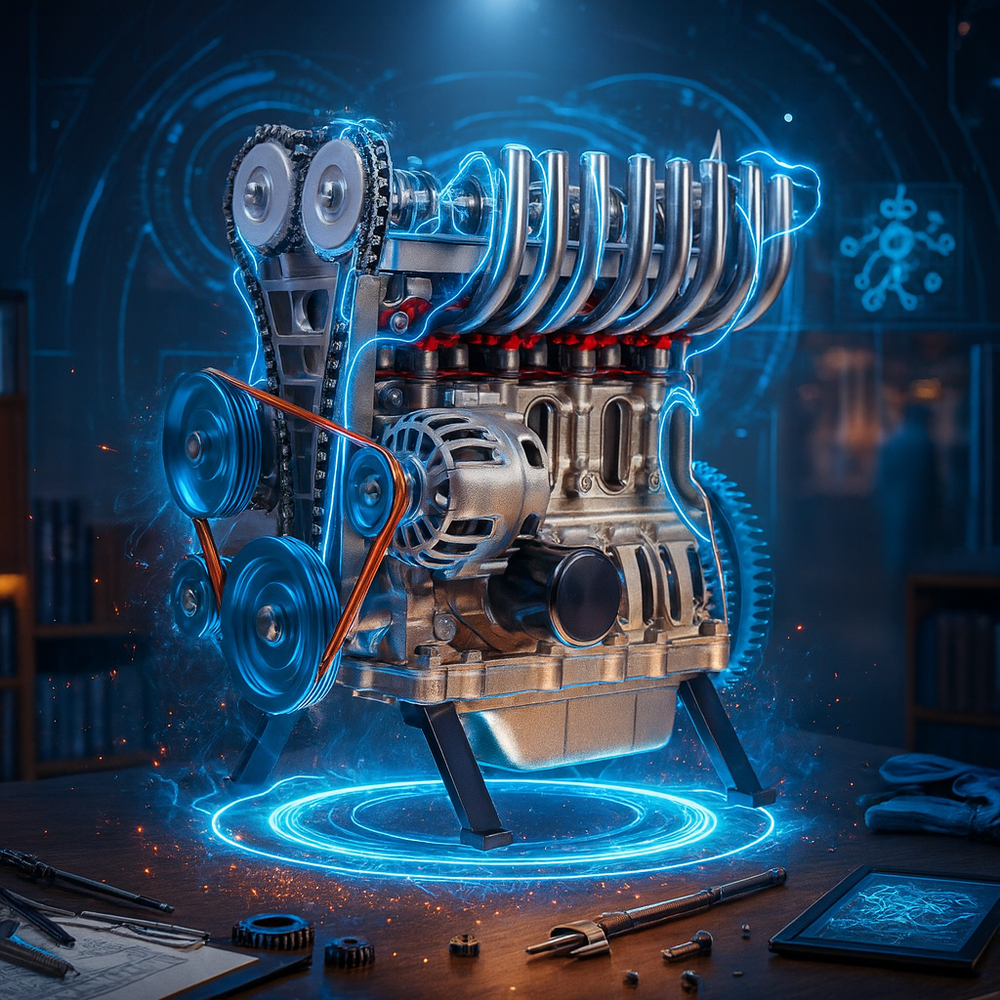
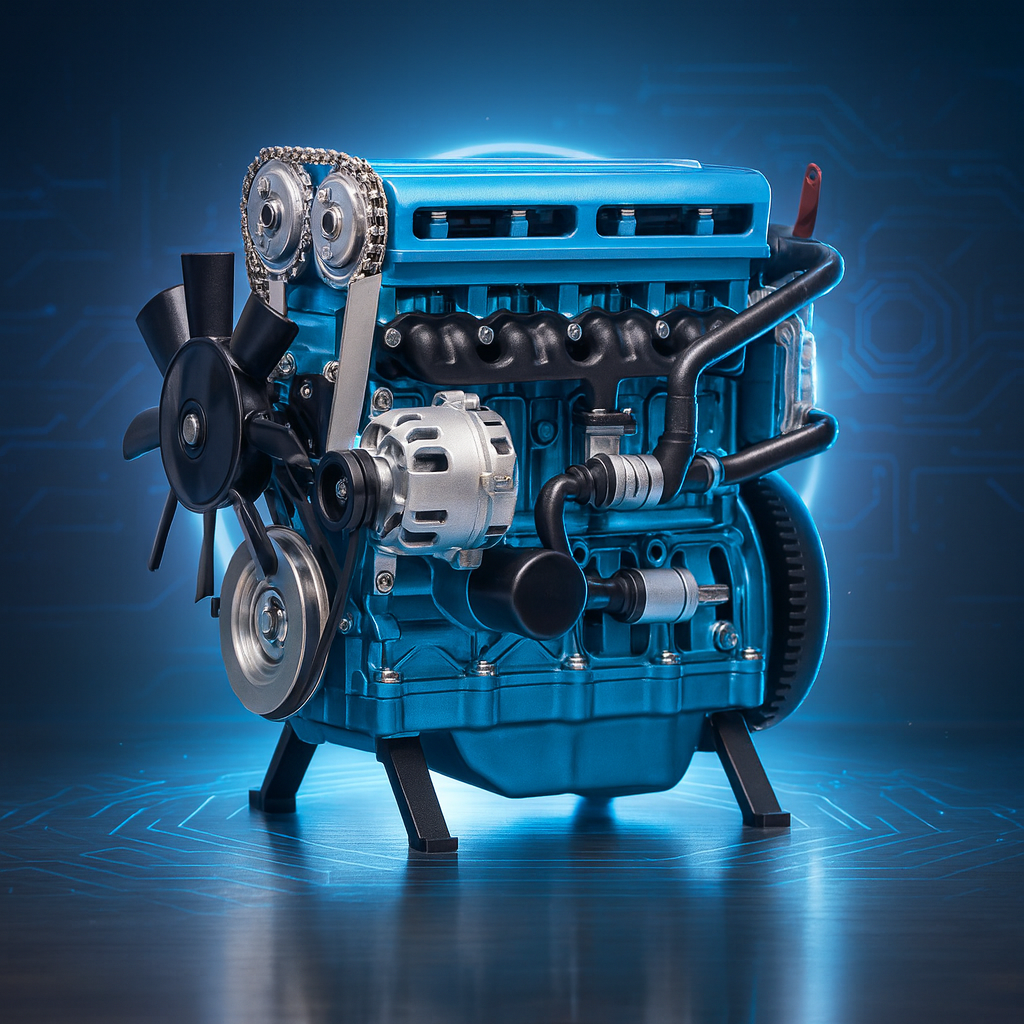
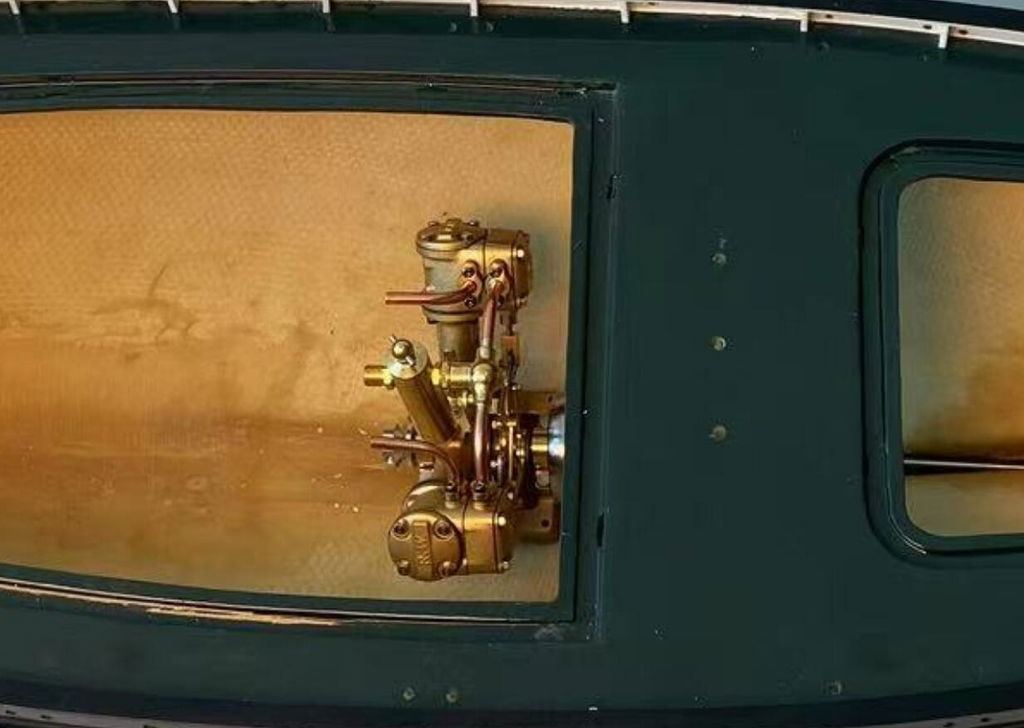
    Kit de modelo de motor V4 de metal TECHING, kit de ensamblaje de motor de automóvil de 4 cilindros: ideal para investigación, educación y regalos industriales.
    Kit de modelo de motor V4 de metal TECHING, kit de ensamblaje de motor de automóvil de 4 cilindros: ideal para investigación, educación y regalos industriales.
    Enginekitor
    $469.99
    $499.99 SAVE $30.00
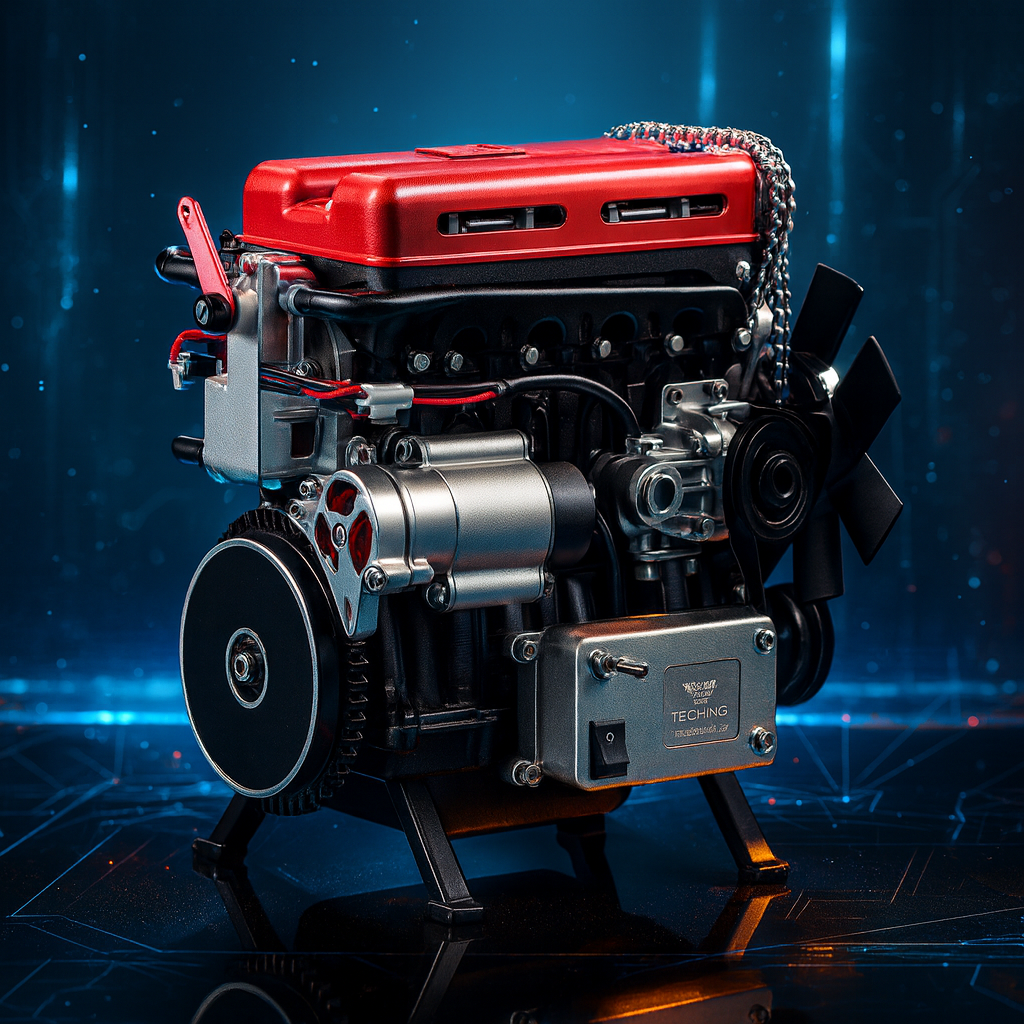
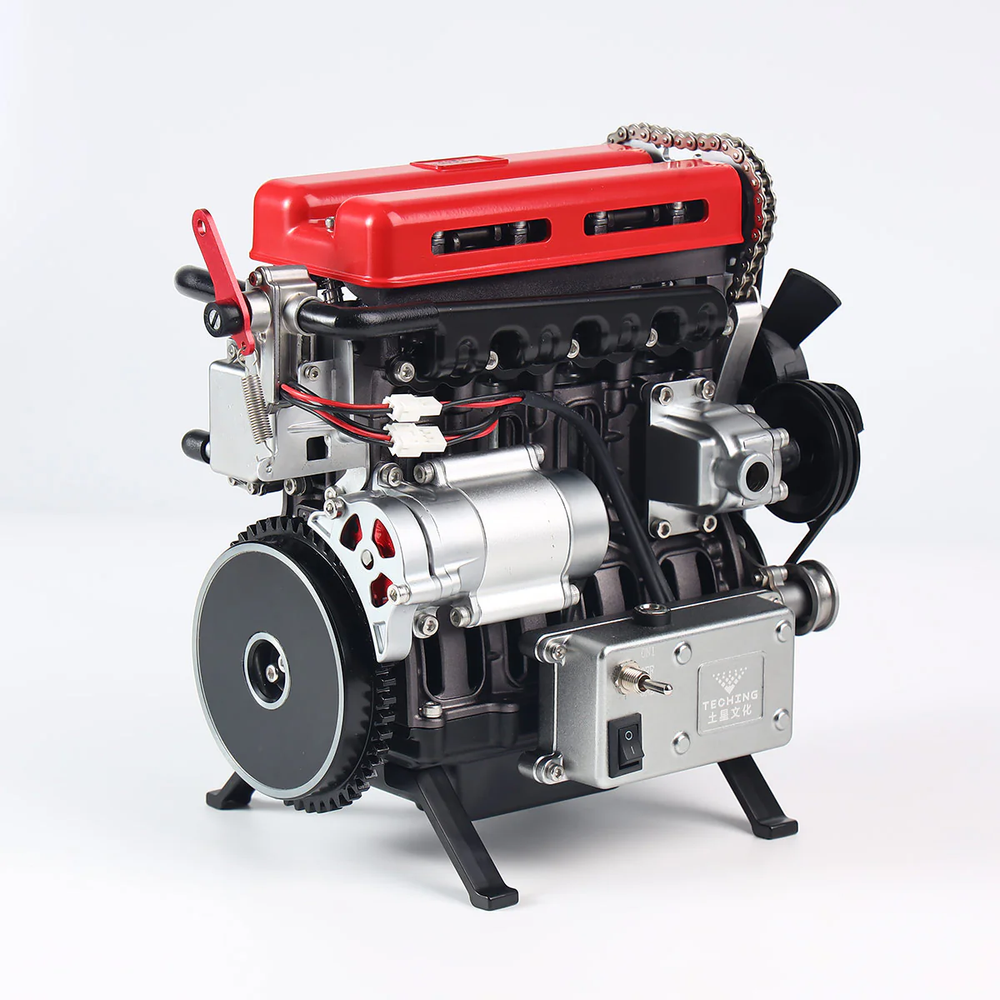
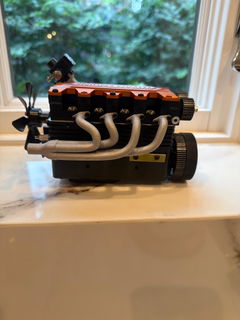
    Kit de modelo de motor L4 de metal completo TECHING Kit de motor de 4 cilindros Modelo de motor de coche Versión mejorada
    Kit de modelo de motor L4 de metal completo TECHING Kit de motor de 4 cilindros Modelo de motor de coche Versión mejorada
    Enginekitor
    $599.99
    $649.99 SAVE $50.00
    Kit de modelo de motor diésel L4 de metal 1:10 de TECHING: motor OHV de 4 cilindros para armar uno mismo
    Kit de modelo de motor diésel L4 de metal 1:10 de TECHING: motor OHV de 4 cilindros para armar uno mismo
    Enginekitor
    $429.99
    $499.99 SAVE $70.00
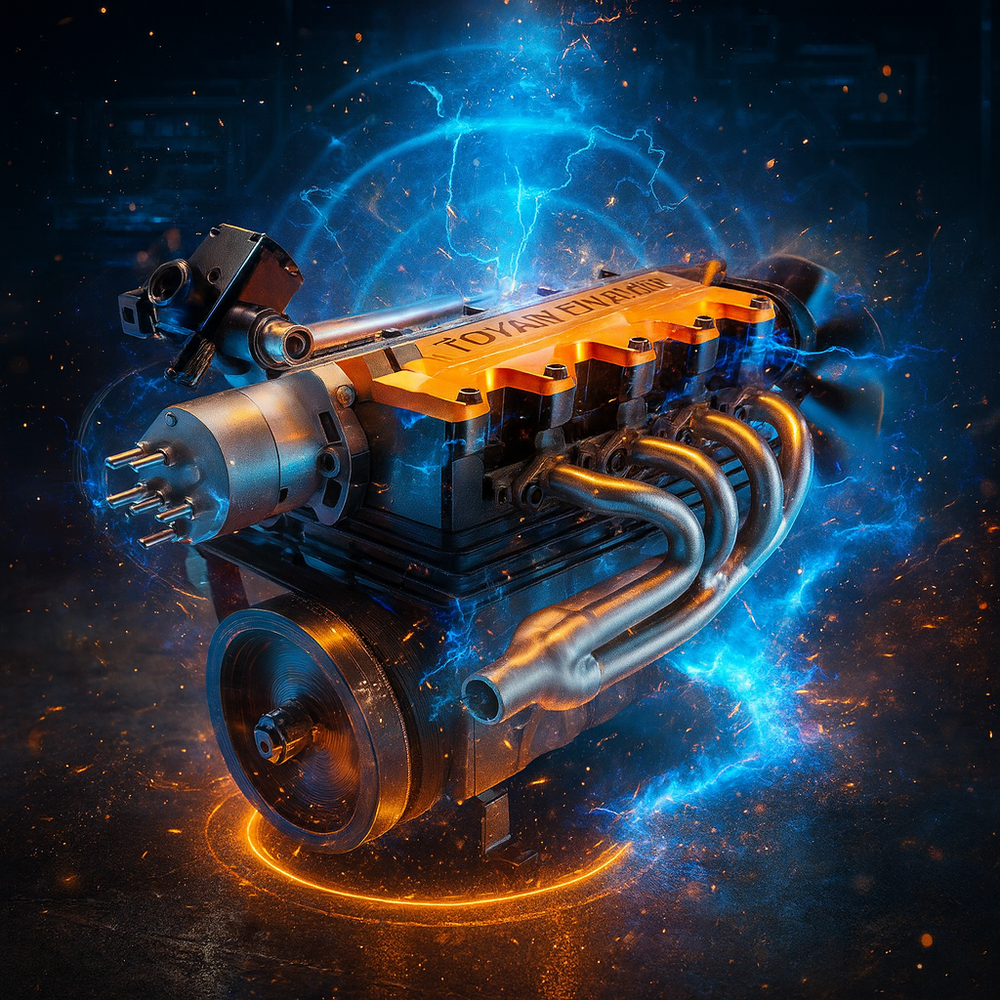
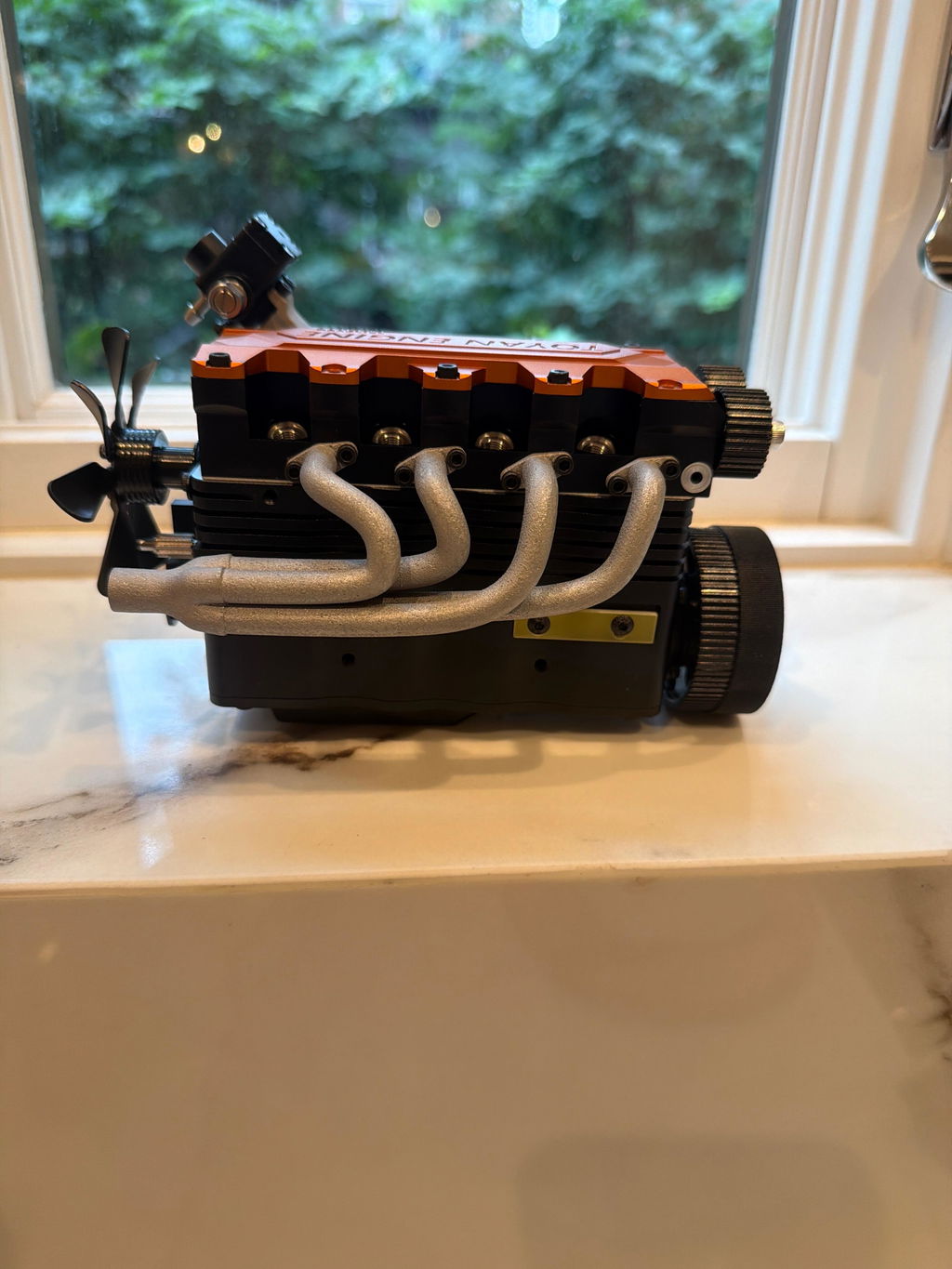
    Motor de gasolina TOYAN FS-L400BGC de 14 cc, 4 cilindros en línea, 4 tiempos, OHC, refrigerado por agua
    Motor de gasolina TOYAN FS-L400BGC de 14 cc, 4 cilindros en línea, 4 tiempos, OHC, refrigerado por agua
    Enginekitor
    $699.99
    $799.99 SAVE $100.00
    TECHING L4 Turbocharged 4-Cylinder Full Metal Engine Model Kit – DIY Assembly for STEM Learning & Collector Display
    TECHING L4 Turbocharged 4-Cylinder Full Metal Engine Model Kit – DIY Assembly for STEM Learning & Collector Display
    Enginekitor
    $599.99
    $649.99 SAVE $50.00
    FOUR CYLINDERS • MULTIPLE LAYOUTS • VISIBLE ENGINEERING

    Explore 4-Cylinder Engine Architecture in Motion

    A 4-cylinder engine model makes it possible to study one of the most important multi-cylinder engine configurations at a scale where the complete mechanical system can be seen. Pistons, connecting rods, crankshafts, valve systems and timing mechanisms become visible instead of being hidden inside a full-size engine.

    ENGINEKITOR's collection brings together inline-4 engine models, V4 mechanical models, diesel-style L4 models, turbocharged engine replicas and a genuine gasoline-powered inline-four engine. This makes it possible to compare not only different four-cylinder layouts, but also completely different operating experiences.

    START WITH THE BASICS

    What Is a 4-Cylinder Engine?

    A four-cylinder engine contains four cylinders, each containing a piston or equivalent working chamber connected to the engine's power-transmission system.

    The cylinders can be arranged in several ways. The most familiar automotive configuration is the inline-four, also called an inline-4, straight-four or L4, where all four cylinders sit in one row.

    Other layouts include V4 and horizontally opposed flat-four engines. All use four cylinders, but their packaging, crankshaft geometry, balance characteristics and mechanical appearance can be very different.

    IMPORTANT DISTINCTION

    4-Cylinder Does Not Mean the Same Thing as 4-Stroke

    These terms describe two completely different engine characteristics and are often confused when shopping for model engines.

    CYLINDER COUNT

    4-Cylinder Engine

    “Four-cylinder” describes how many cylinders the engine has. It does not by itself tell you how the combustion cycle works.

    A four-cylinder engine may use an inline, V-type, flat or another cylinder arrangement.

    OPERATING CYCLE

    4-Stroke Engine

    “Four-stroke” describes how a combustion engine completes its operating cycle: intake, compression, power and exhaust.

    A four-stroke engine can have one cylinder, two cylinders, four cylinders, eight cylinders or more.

    Explore 4-Stroke Engines →
    A product can belong to both categories.

    For example, the TOYAN FS-L400BGC is both a 4-cylinder engine because it has four cylinders and a 4-stroke engine because it uses the intake → compression → power → exhaust combustion cycle.

    CYLINDER LAYOUTS

    Inline-4 vs V4 vs Flat-4 Engines

    Four cylinders can be arranged in very different ways. The layout changes the engine's shape, packaging and internal mechanical relationships.

    01

    Inline-4 / L4

    All four cylinders are arranged in one straight row. This architecture is compact in width and is one of the most widely recognized automotive four-cylinder layouts.

    Examples in this collection: TECHING L4, TECHING Turbo L4, TECHING Diesel L4 and TOYAN FS-L400BGC.
    02

    V4

    A V4 divides four cylinders between two angled cylinder banks. The architecture produces a shorter engine package and a very different mechanical appearance from an inline-four.

    Example in this collection: TECHING Full Metal V4 Engine Model.
    03

    Flat-4 / Boxer Style

    Four cylinders are arranged horizontally across two opposing banks, creating a low and wide engine profile.

    Explore related models: Flat-four engines appear in our broader four-stroke and automotive engine collections.
    HOW IT ACTUALLY RUNS

    Real 4-Cylinder Engine vs Mechanical Engine Model

    “Working engine model” can mean two very different things. Knowing what actually creates the movement is essential before buying.

    REAL COMBUSTION

    Fuel-Powered Inline-4 Engine

    A genuine miniature internal-combustion engine burns fuel inside its cylinders and generates real mechanical power.

    Fuel delivery, ignition, lubrication, cooling and exhaust are functional systems rather than visual simulations.

    Current example: TOYAN FS-L400BGC 14cc gasoline inline-four.
    MOTOR-DRIVEN SIMULATION

    Mechanical 4-Cylinder Engine Model

    A mechanical engine model uses an electric motor to rotate its crankshaft and move pistons, linkages and other internal components.

    It provides visible engine movement without gasoline, ignition, exhaust or combustion-engine maintenance.

    Current examples: TECHING L4, V4, Diesel L4 and Turbocharged L4.
    CHOOSE YOUR ENGINE

    Compare ENGINEKITOR 4-Cylinder Engine Models

    These products all represent four-cylinder engineering, but the building and operating experiences are very different.

    REAL GASOLINE INLINE-4

    TOYAN FS-L400BGC 14cc

    The choice for enthusiasts who want genuine four-cylinder internal combustion rather than simulated mechanical movement.

    • 14cc total displacement
    • Inline four-cylinder architecture
    • Four-stroke OHC valve system
    • Gasoline internal combustion
    • CDI ignition
    • Water + air cooling
    • Electric starting system
    • Kit-format engine project
    Best for: experienced miniature-engine enthusiasts, advanced RC projects and real engine operation.
    View TOYAN Inline-4 →
    CLASSIC MECHANICAL INLINE-4

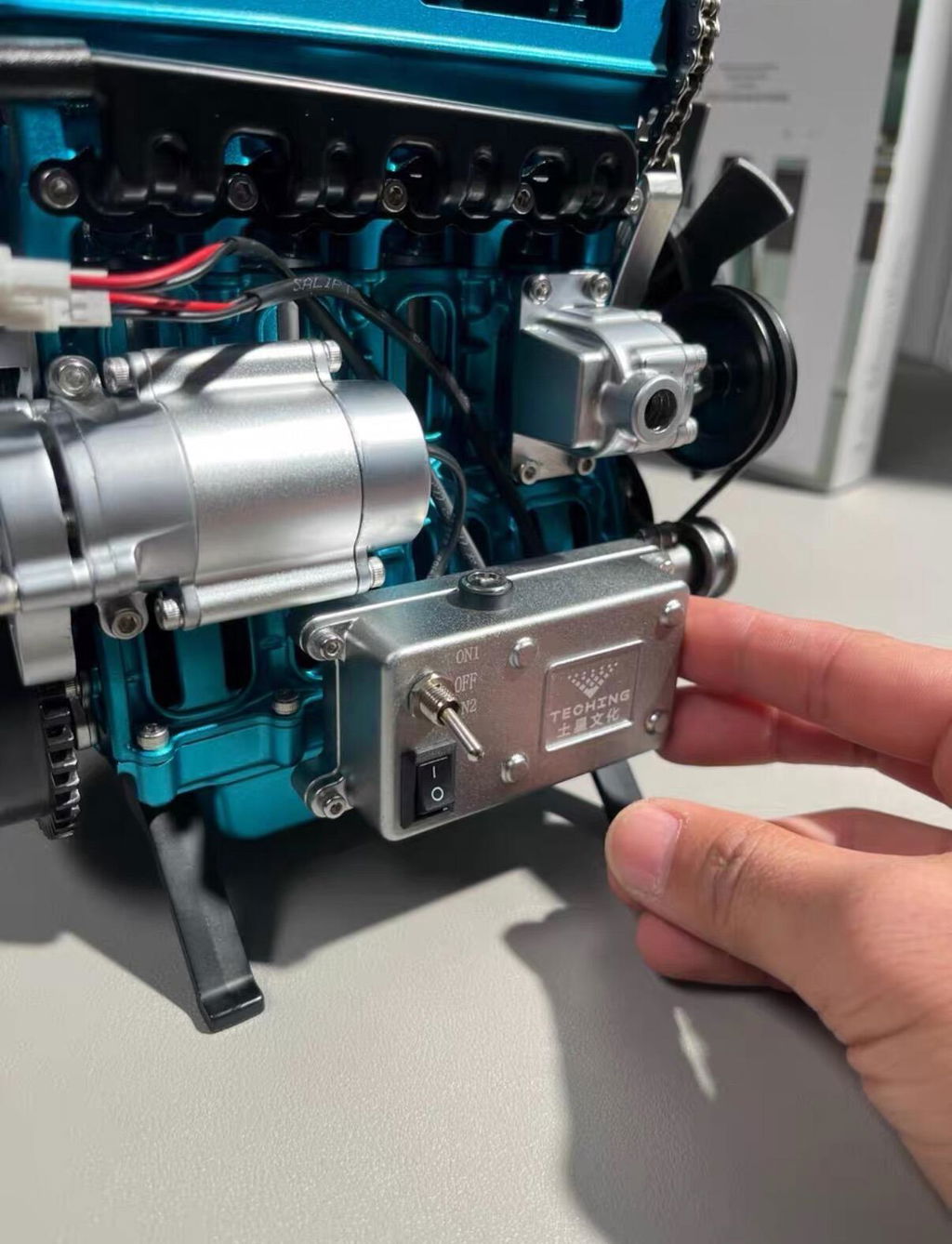
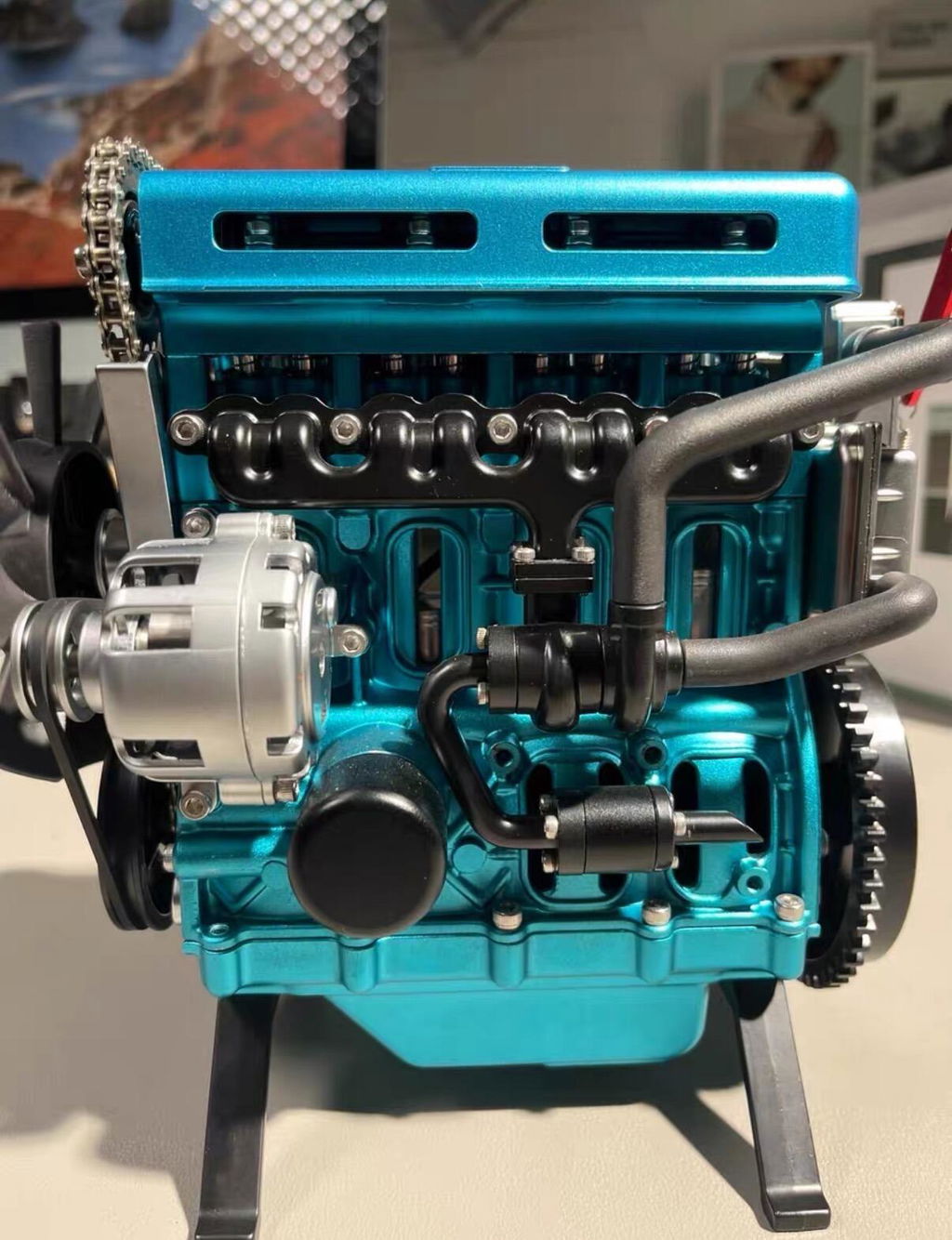
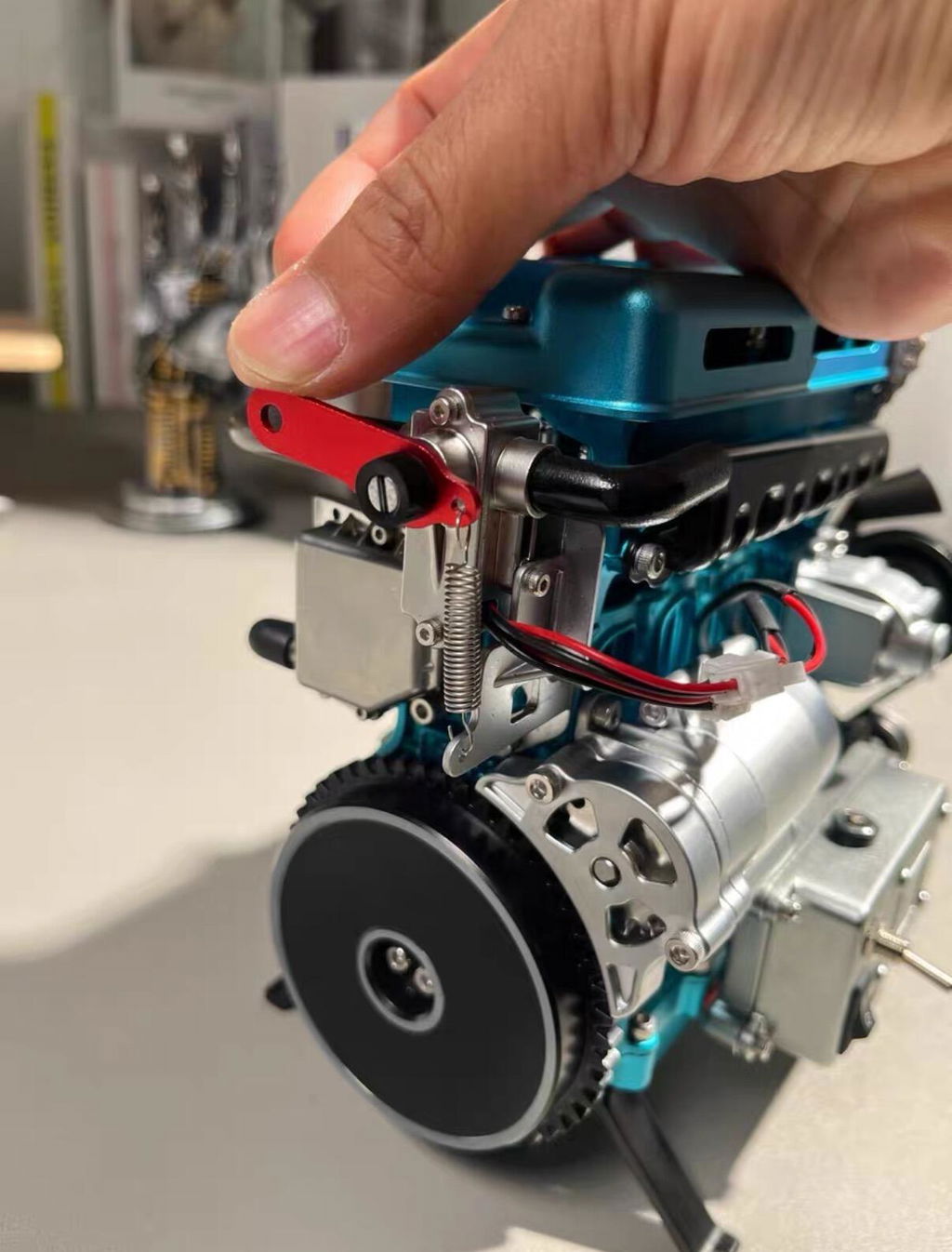
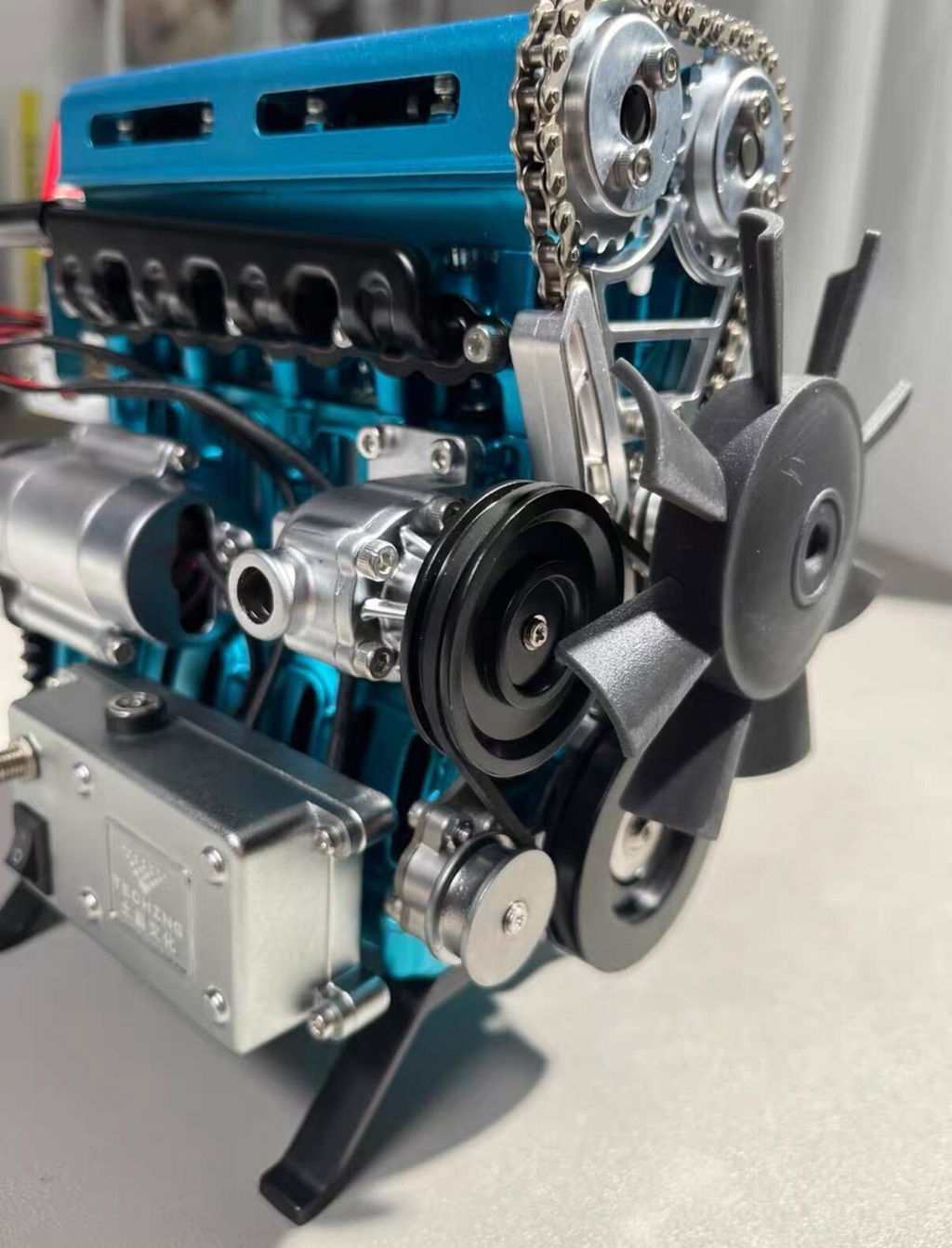
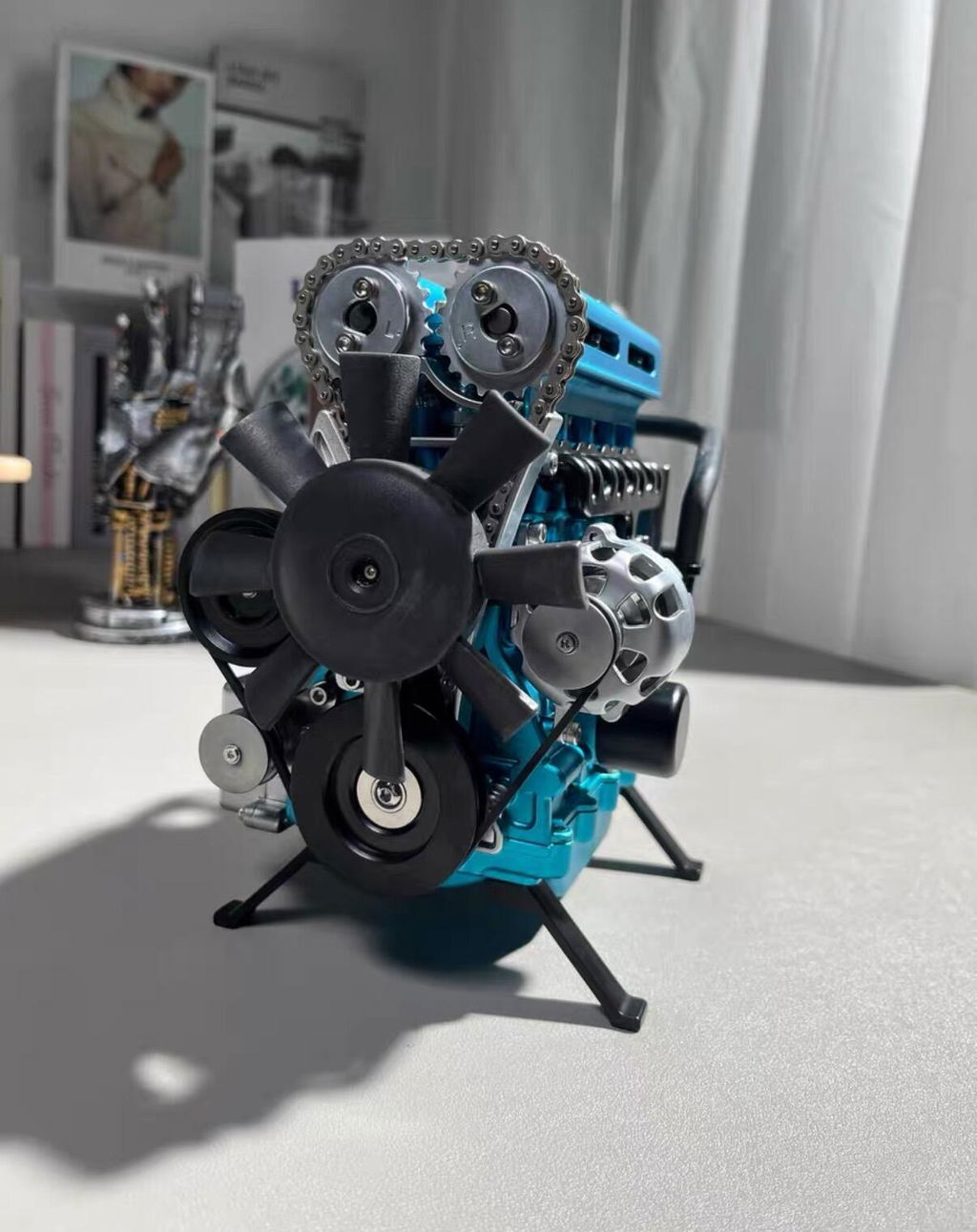
    TECHING Full Metal L4

    A full-metal assembly model that focuses on visible inline-four mechanics, precision construction and motor-driven operation.

    • 364+ precision components
    • Aluminum alloy + stainless steel
    • Motor-driven mechanical movement
    • Rechargeable electric system
    • Approximately 4-hour assembly
    • Visible pistons and crankshaft
    Best for: first serious L4 builds, STEM demonstrations and collectors.
    View Full Metal L4 →
    TURBOCHARGED L4 SIMULATION

    TECHING Turbocharged L4

    Adds visible turbocharger architecture to the inline-four mechanical build, creating a more advanced automotive engineering display.

    • 364+ precision components
    • Full-metal construction
    • Visible turbo system
    • Motor-driven mechanical motion
    • 500mAh rechargeable battery
    • Approximately 4-hour assembly
    Best for: turbo enthusiasts, advanced builders and automotive displays.
    View Turbocharged L4 →
    DIESEL-STYLE MECHANICAL MODEL

    TECHING 1:10 L4 Diesel Model

    A 1:10-scale OHV inline-four model designed to demonstrate diesel-engine architecture through electric motor-driven simulation.

    • 1:10 scale
    • 300+ metal parts
    • OHV inline-four architecture
    • Electric motor drive
    • 450mAh rechargeable battery
    • Approximately 4-hour assembly
    Best for: diesel-engine learners, industrial-engine enthusiasts and STEM displays.
    View Diesel L4 →
    ALTERNATIVE 4-CYLINDER LAYOUT

    TECHING Full Metal V4

    A four-cylinder build with the cylinders arranged across a V-type architecture instead of one straight bank.

    • 357 precision components
    • Full-metal construction
    • V4 cylinder arrangement
    • Electric motor-driven operation
    • 700mAh lithium battery
    • Approximately 4-hour assembly
    Best for: builders who want to compare V architecture with conventional inline-four engines.
    View TECHING V4 →
    SIDE-BY-SIDE

    Quick 4-Cylinder Engine Comparison

    Model Layout Power / Drive Real Combustion? Assembly Best For
    TOYAN FS-L400BGC Inline-4 Gasoline Yes Engine kit Real engine operation
    TECHING Full Metal L4 Inline-4 Electric motor No 364+ parts Mechanical learning
    TECHING Turbo L4 Turbo-style Inline-4 Electric motor No 364+ parts Turbo engineering display
    TECHING Diesel L4 OHV Inline-4 Electric motor No 300+ parts Diesel architecture study
    TECHING V4 V4 Electric motor No 357 parts Alternative cylinder layout
    IMPORTANT PRODUCT DIFFERENCE

    Does the TECHING Diesel L4 Actually Burn Diesel?

    No — it is a mechanical diesel-engine simulation model.

    The TECHING 1:10 Diesel L4 reproduces the architecture and visible mechanics associated with an OHV inline-four diesel engine, but movement is generated by an electric motor.

    It does not use diesel fuel, compression ignition or real internal combustion. This makes it suitable for repeated indoor demonstrations without fuel, exhaust or combustion-engine maintenance.

    TURBOCHARGED ENGINEERING

    Mechanical Turbo Model vs Real Turbocharged Engine

    TECHING TURBO L4

    Visible Turbo Simulation

    The TECHING Turbocharged L4 is designed to demonstrate the structure and visual relationship between an inline-four engine and its turbo system.

    Internal movement is driven electrically, so the model does not generate real combustion exhaust or pressurized intake boost.

    REAL TURBO ENGINE

    Exhaust-Driven Forced Induction

    In a real turbocharged combustion engine, exhaust gas drives a turbine connected to a compressor. The compressor increases intake-air pressure before combustion.

    This requires real exhaust flow, heat management, lubrication and intake-pressure control systems.

    MECHANICAL RELATIONSHIPS

    What Can You Learn from an Inline-4 Engine Model?

    The value of a four-cylinder model is not simply watching four pistons move. It shows how several engine systems coordinate simultaneously.

    Piston Motion

    Observe how multiple pistons move through different positions while sharing one crankshaft.

    Crankshaft Rotation

    Connecting rods transform reciprocating piston movement into continuous rotary motion.

    Valve Timing

    On four-stroke designs, camshaft and valve systems coordinate intake and exhaust events with crankshaft position.

    Multi-Cylinder Timing

    Different cylinders operate at different stages so power delivery can be distributed across the crankshaft cycle.

    Power Transmission

    Gears, shafts, flywheels and other components show how motion is transferred through an engine system.

    Engine Packaging

    Comparing L4 and V4 models demonstrates how cylinder arrangement changes the shape and proportions of an engine.

    BUYER'S GUIDE

    How to Choose a 4-Cylinder Engine Model

    Start with the experience you want rather than choosing only by appearance.

    01

    Decide Whether You Want Real Combustion

    If fuel, ignition, tuning and genuine power generation are the main attraction, choose the TOYAN gasoline L4. For visible mechanics without fuel, choose one of the TECHING models.

    02

    Choose Inline-4 or V4 Architecture

    An inline-four emphasizes the classic straight-four layout, while a V4 gives you a much different compact two-bank architecture.

    03

    Choose Your Engineering Theme

    Select a conventional L4 for core engine mechanics, a turbo model for forced-induction visualization, or the diesel-style model for OHV diesel-engine architecture.
    04

    Consider Assembly Complexity

    TECHING models contain hundreds of precision parts and typically require several hours of organized assembly. The build itself is a major part of the experience.

    05

    Consider Maintenance

    Electric models require relatively little operating maintenance. A real gasoline engine introduces lubrication, fuel delivery, ignition, cooling and storage procedures.

    06

    Choose the Final Use

    Decide whether your priority is STEM education, DIY assembly, collector display, real engine operation or an advanced RC installation.

    CHOOSE BY EXPERIENCE

    Which 4-Cylinder Engine Experience Fits You?

    First-Time Mechanical Builder

    The standard TECHING L4 provides a strong introduction to four-cylinder assembly without fuel or combustion setup.

    Automotive Enthusiast

    The Turbo L4 provides familiar modern automotive architecture with strong collector display value.

    Industrial Engineering Learner

    The Diesel L4 emphasizes OHV diesel-style engine architecture in a motor-driven format.

    Engine Layout Collector

    The V4 offers a useful contrast to the more common straight-four layout.

    Real Engine Enthusiast

    The TOYAN gasoline L4 is the option for buyers who specifically want genuine internal combustion.

    STEM & Education

    Visible mechanisms help explain crankshaft rotation, piston relationships, valve timing and power transmission.

    OWNERSHIP

    Mechanical Models and Real Engines Need Different Care

    Mechanical Models

    Keep gears and moving components clean, avoid forcing a mechanism that does not rotate freely and follow the model's lubrication instructions.

    Battery Systems

    Use the supplied charging method and avoid modifying the electrical system unless the product is designed for it.

    Gasoline Engines

    Use the specified fuel, lubrication and ignition setup, and follow appropriate break-in and starting procedures.

    Cooling Systems

    For water-cooled combustion engines, confirm the coolant circuit is operating correctly before extended running.

    REAL ENGINE SAFETY

    Fuel-Powered Models Are Functional Machinery

    A real four-cylinder combustion engine can generate significant heat, rotating motion, noise and exhaust. Secure the engine correctly before starting, keep hands and loose objects away from moving parts and operate it in a properly ventilated environment.

    Always follow the documentation for the exact engine regarding fuel, lubrication, ignition, cooling and starting procedures.

    COMMON QUESTIONS

    4-Cylinder Engine Model FAQ

    Answers to common questions about inline-four engines, V4 models, real combustion and mechanical engine kits.

    What is a 4-cylinder engine?

    A four-cylinder engine uses four cylinders connected to a common power-transmission system. The cylinders can be arranged inline, in a V configuration or in other layouts.

    What does L4 mean?

    L4 generally refers to an inline four-cylinder engine. All four cylinders are arranged along one straight cylinder bank. Inline-4, straight-four and L4 are commonly used for the same basic layout.

    Is a 4-cylinder engine the same as a 4-stroke engine?

    No. Four-cylinder describes cylinder count, while four-stroke describes the engine's operating cycle. An engine can be both four-cylinder and four-stroke, but the terms describe different characteristics.

    What is the difference between an inline-4 and V4 engine?

    An inline-four places all four cylinders in one straight row. A V4 divides the cylinders across two angled banks. This changes the engine's shape, packaging and mechanical layout.

    Do ENGINEKITOR 4-cylinder models actually work?

    Yes, but operation varies by product. TECHING models use electric motors to demonstrate mechanical movement, while the TOYAN FS-L400BGC is a genuine gasoline internal-combustion engine.

    Does the TECHING Diesel L4 run on diesel fuel?

    No. It is a motor-driven mechanical simulation model designed around diesel-engine architecture. It does not burn diesel fuel.
    Does the TECHING Turbocharged L4 create real turbo boost?

    No. It is an electrically driven mechanical model that reproduces visible turbocharged-engine architecture. It does not use combustion exhaust to create real intake boost.
    Is the TOYAN FS-L400BGC a real gasoline engine?

    Yes. It is a genuine 14cc, four-stroke inline-four gasoline engine with CDI ignition and a functional cooling system.

    Which 4-cylinder model is best for a beginner?

    For most first-time builders, a motor-driven TECHING L4 is easier than a fuel-powered combustion engine because it does not require gasoline, ignition tuning or combustion-engine maintenance.

    How long does a TECHING 4-cylinder kit take to build?

    Several current TECHING L4 and V4 models list approximately four hours of assembly. Actual build time depends on experience, organization and working pace.

    Are TECHING 4-cylinder models made from metal?

    Yes. Current models use extensive aluminum-alloy and stainless-steel construction, with hundreds of precision components.

    Can a real miniature inline-four power an RC vehicle?

    Some real miniature combustion engines can be integrated into advanced RC applications, but installation may require custom mounts, drivetrain components, fuel systems, cooling, ignition and control hardware.

    Are 4-cylinder engine models useful for STEM education?

    Yes. They can demonstrate multi-cylinder piston movement, crankshaft rotation, valve timing, mechanical synchronization and power transmission in a physical format.

    Should I choose an L4, V4 or turbocharged engine model?

    Choose a standard L4 for classic inline-four mechanics, a V4 to study an alternative four-cylinder layout, or a turbocharged L4 if forced-induction architecture is a major part of your interest.

    Does ENGINEKITOR provide technical support and replacement parts?

    ENGINEKITOR provides after-sales assistance for supported models. For assembly, operation or replacement-part issues, provide your order information together with clear photos or video so the problem can be identified accurately.