Contacto

Nuestro objetivo es que jóvenes y mayores inicien su aventura en el modelismo con la mejor calidad y a un precio asequible. Si tiene alguna pregunta, comentario o sugerencia, contáctenos.

Reedición de Accesorios

Ofrecemos una garantía de 30 días para los kits de motor DIY adquiridos en nuestro sitio web. Durante el periodo de garantía, si faltan piezas, los clientes pueden obtener un reemplazo gratuito. Si necesita este servicio, indique el SKU del modelo del producto, el número y la cantidad de las piezas necesarias.

Manual en línea

Si su kit no incluye el manual, envíe el número de modelo (incluyendo el nombre y el SKU) y una foto del producto a nuestro equipo de atención al cliente ( service@enginekitor.com ). Le enviaremos por correo electrónico una versión digital del manual en inglés. Actualmente, solo ofrecemos el manual en inglés. Para versiones en otros idiomas, recomendamos usar un software de traducción para capturar imágenes y traducir el manual en inglés.

Problemas logísticos

Para cualquier consulta sobre la logística de sus paquetes, por favor, proporcione su número de pedido a nuestro equipo de atención al cliente por correo electrónico ( service@enginekitor.com ). Verificaremos y actualizaremos rápidamente la información de su paquete.


Nombre comercial: Shenzhen Tianchen Xinghai Technology Co., Ltd.

Dirección: 801, No. 3, Longyuan Road, Nanlian Community, Longgang Street, Longgang District, Shenzhen, China 518116
Correo electrónico: service@enginekitor.com
Teléfono: +86 152 7075 6030


Model Engine Building FAQ

Common questions about building, assembling and operating model engines, from beginner mechanical kits to real miniature combustion engines.

Do model engine kits actually work?

Yes. Some model engine kits use real combustion systems powered by gasoline, nitro or other specified fuels, while others use electric motors to demonstrate piston, crankshaft, valve, gear or turbine movement. Always check the specifications of the individual engine model before operation.

Can beginners build a model engine?

Yes. Many mechanical engine models are suitable for beginners who can follow assembly instructions carefully and work patiently with small components. More advanced combustion engines may require additional experience with ignition, fuel delivery, cooling systems, timing and mechanical adjustment.

What is the difference between a mechanical engine model and a real working engine?

A mechanical engine model demonstrates engine structure and movement using an electric motor or manual rotation. A real working miniature engine produces its own power through combustion and may require fuel, ignition, cooling, lubrication and tuning. Both can demonstrate engine mechanics, but the operating experience and difficulty are very different.

What tools do I need to build a model engine?

Most engine model kits can be assembled with precision screwdrivers, hex keys, small wrenches, pliers and other basic hand tools. Advanced combustion engine projects may also require equipment for ignition, fuel delivery, cooling or startup. Always follow the instructions supplied with the specific model.

How long does it take to assemble a model engine?

Assembly time depends on the engine design, number of components and the builder's experience. A simpler mechanical engine model may take several hours, while a detailed multi-cylinder or advanced engine kit may require multiple building sessions. Careful assembly is more important than completing the project quickly.

What should I check before operating a completed model engine?

Before operation, manually check that the crankshaft, pistons, valves, gears and other moving components operate freely. Confirm that fasteners, wiring, tubing, timing, cooling and ignition systems are installed correctly according to the manufacturer's instructions. Never force a mechanism that shows unusual resistance.

Are gasoline engine models harder to build?

Generally, yes. A real miniature gasoline engine may involve fuel delivery, ignition timing, cooling and operating adjustments in addition to mechanical assembly. For this reason, combustion engine models are usually better suited to builders with some mechanical experience.

What type of model engine is best for learning how an engine works?

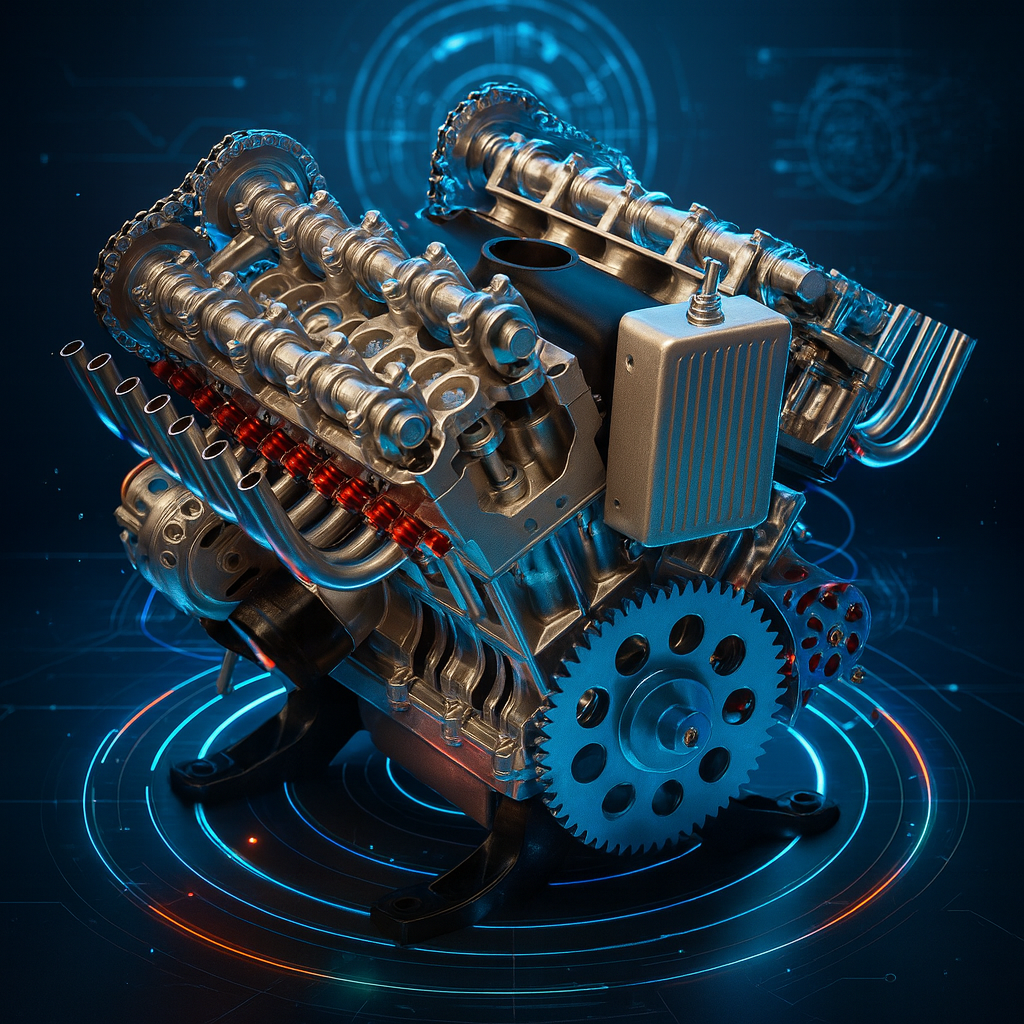
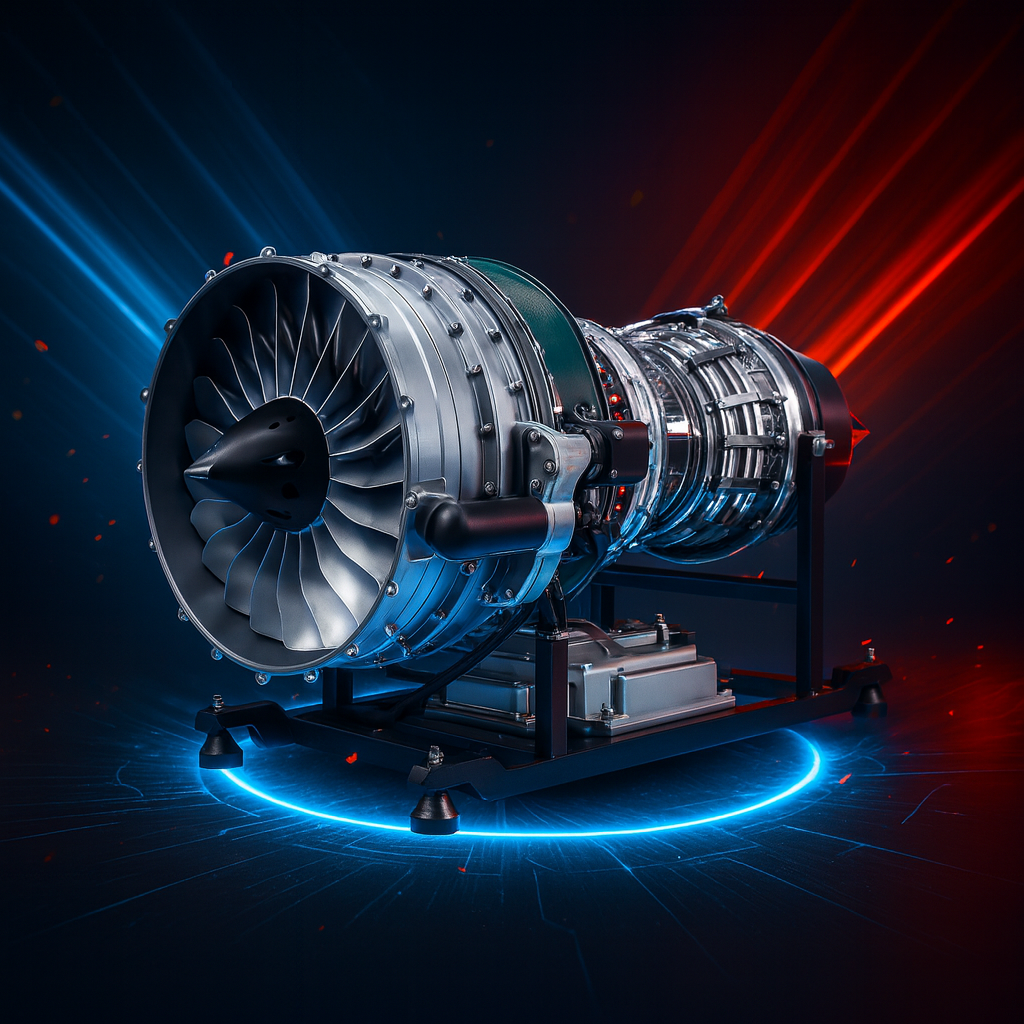
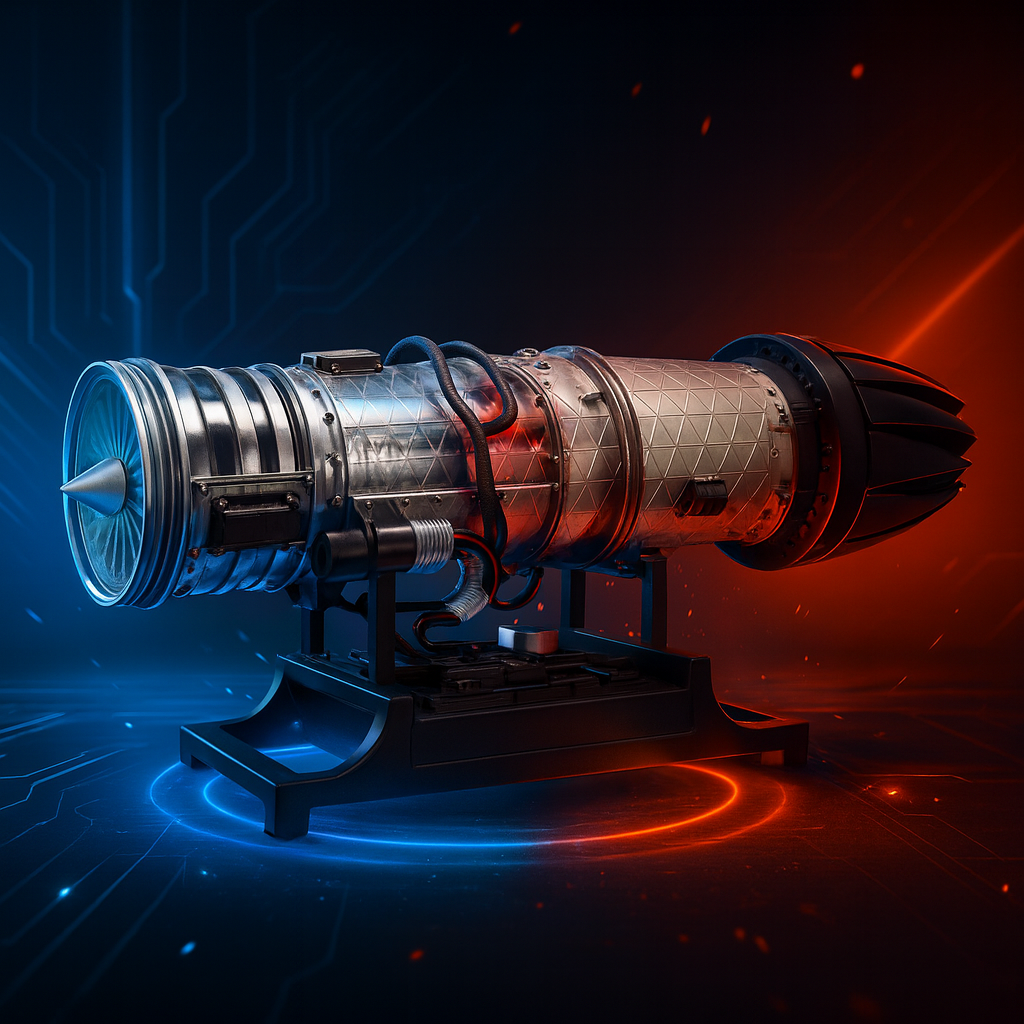
A piston engine with visible crankshaft, connecting rods, pistons, valves and timing components is an excellent choice for understanding basic engine mechanics. Builders who are interested in aviation can instead choose turbine or jet engine models to study compressor, turbine and rotational systems.

Ready for Your Next Engine Project?

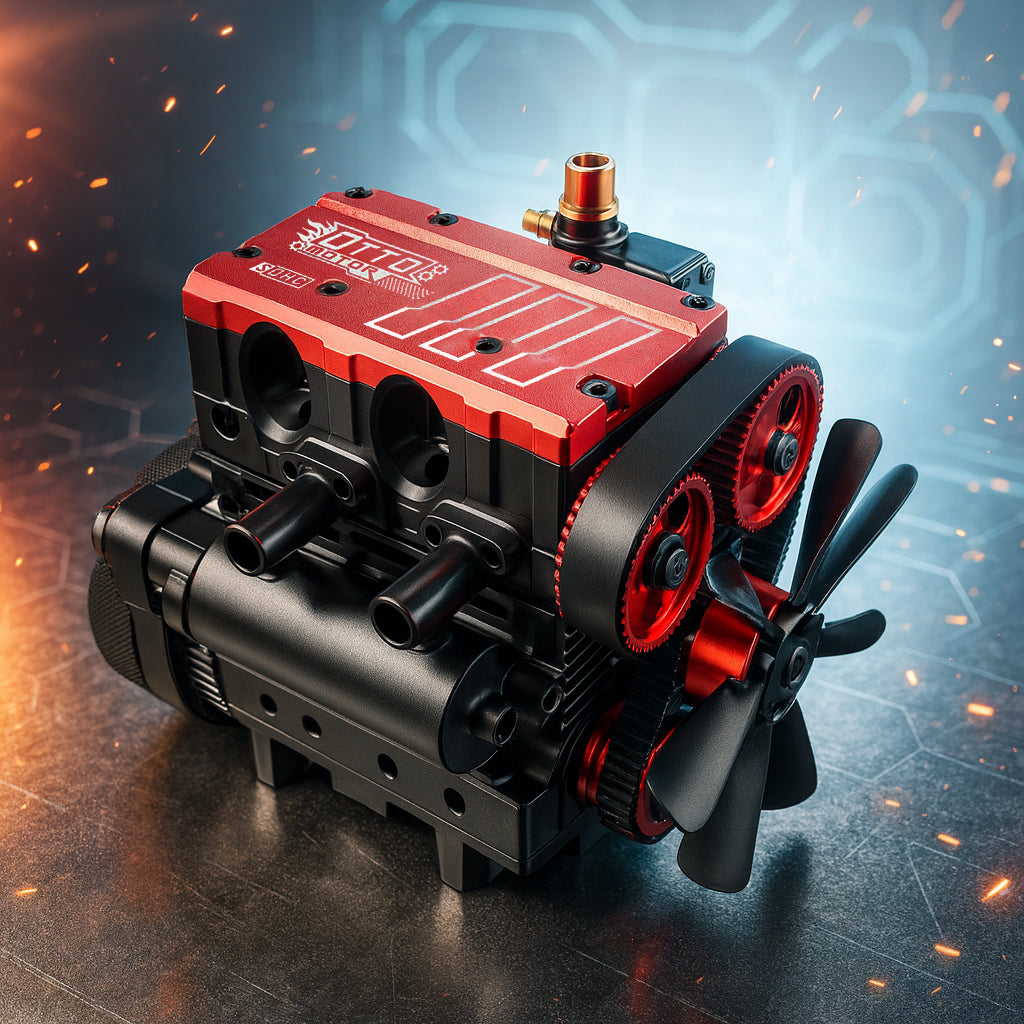
Explore working combustion engines, mechanical assembly models, V8 engines, twin-cylinder engines and turbine projects for different experience levels.

Explore Build Your Own Engine Kits →

Contáctanos

Este sitio está protegido por hCaptcha y se aplican la Política de privacidad de hCaptcha y los Términos del servicio.