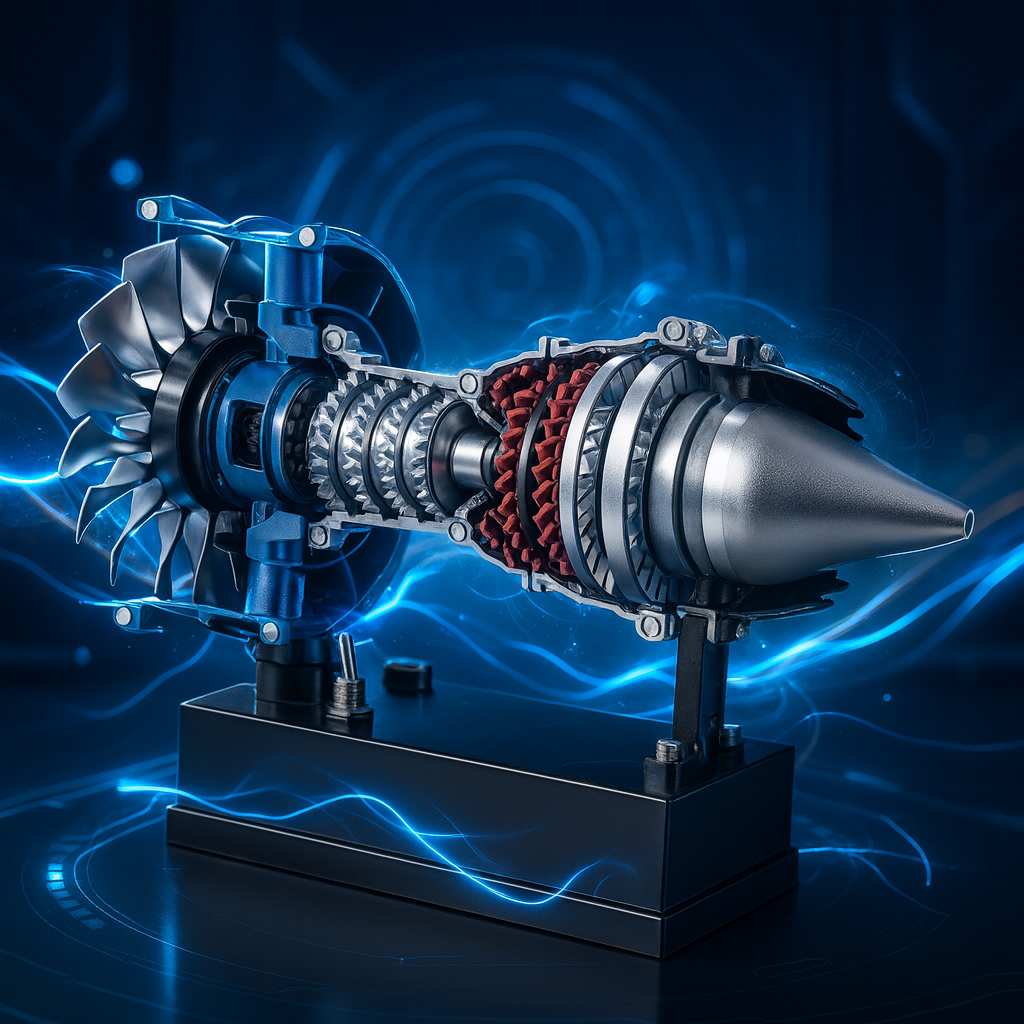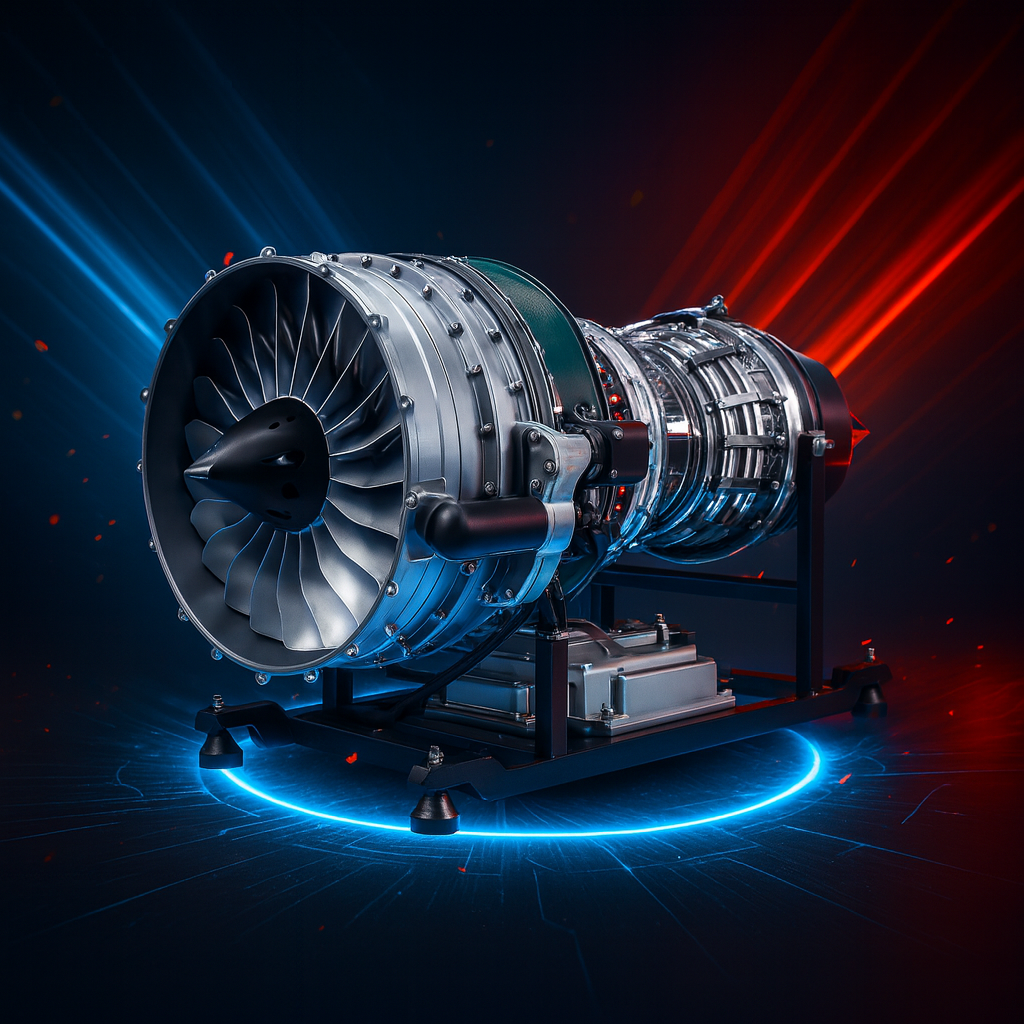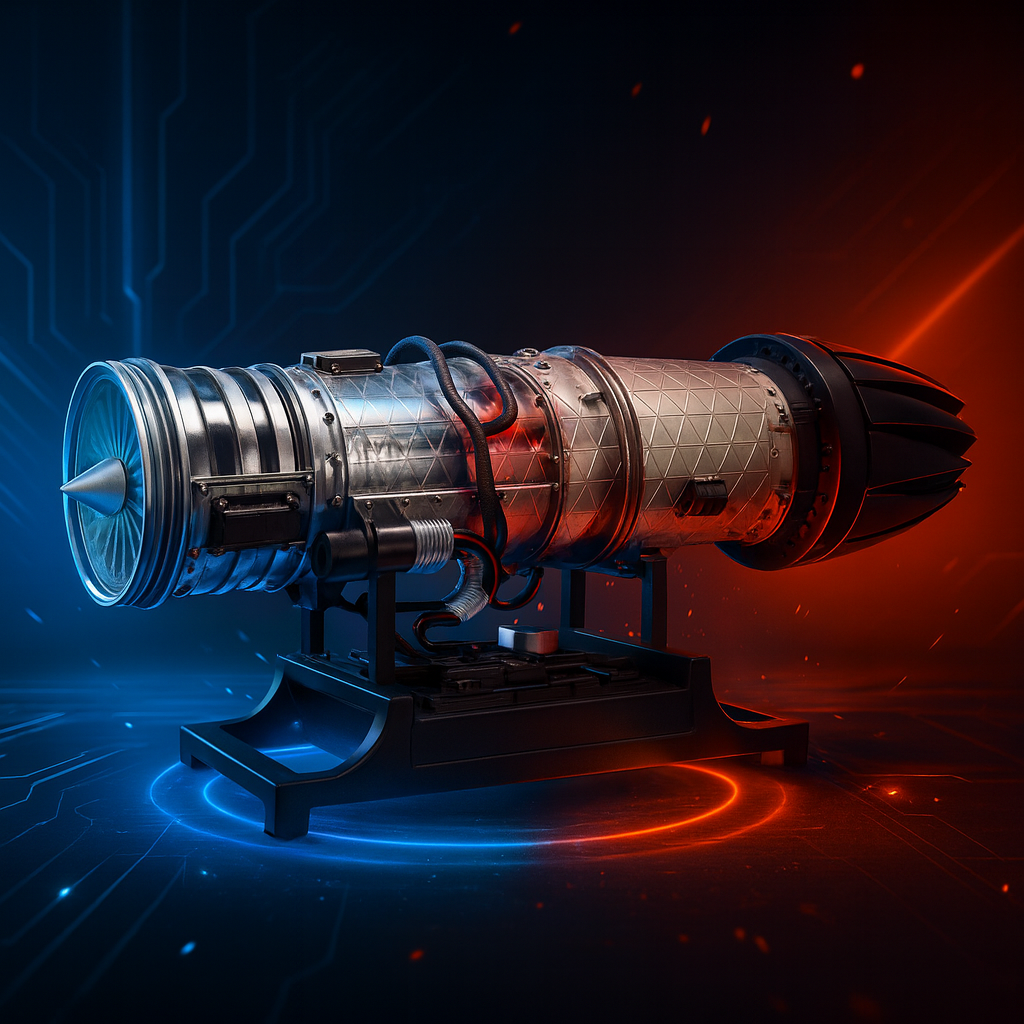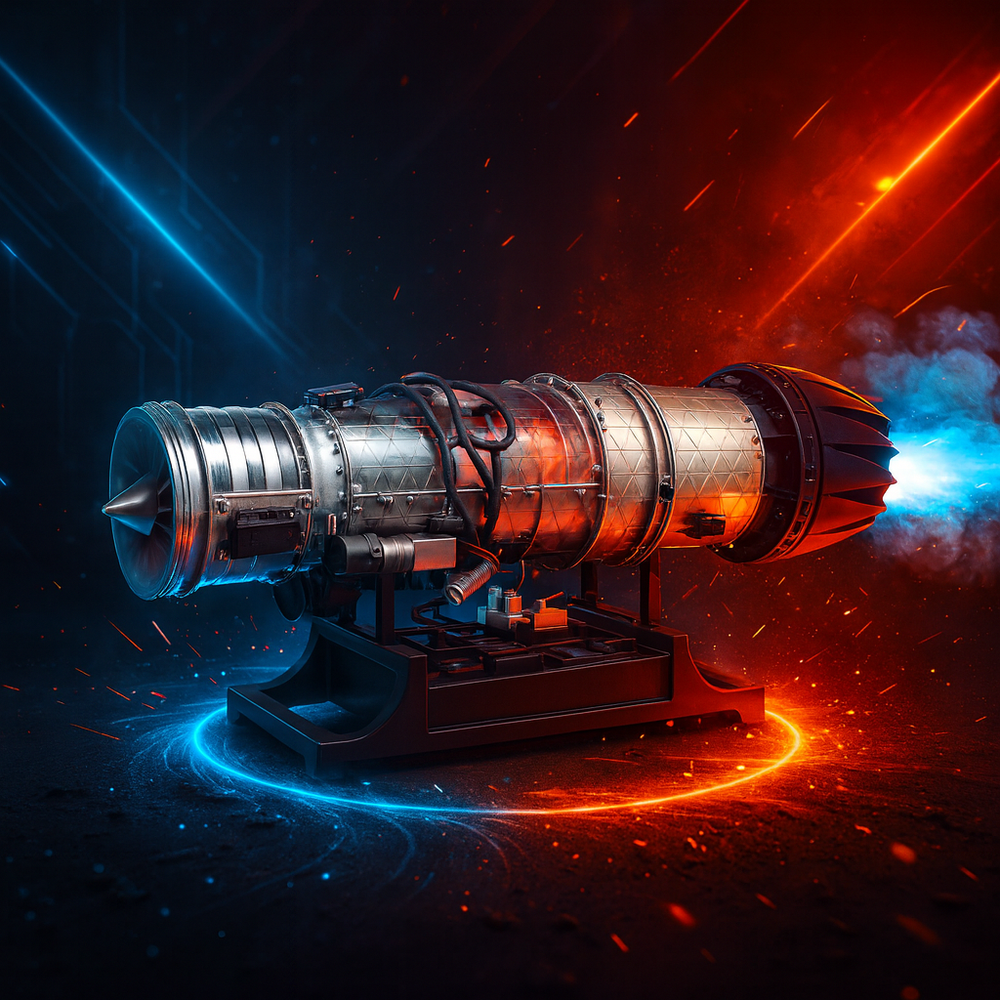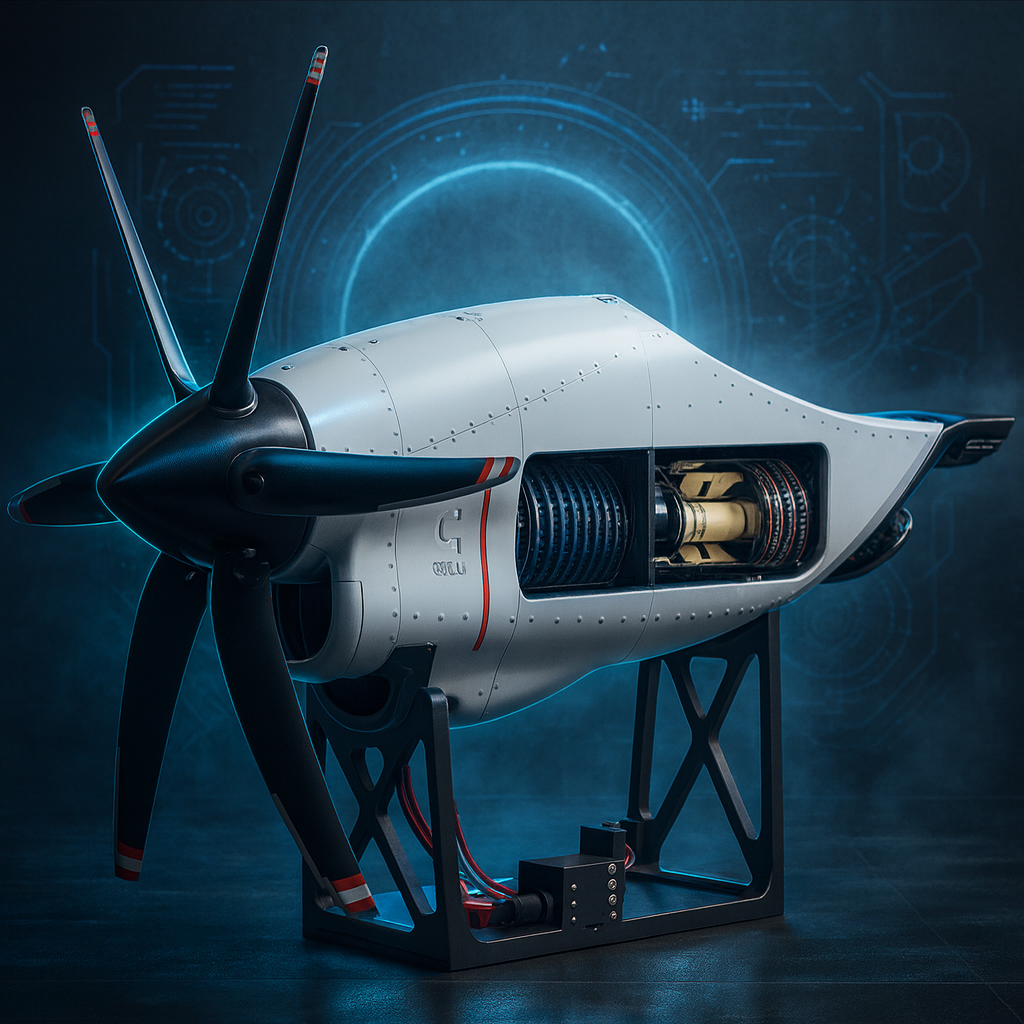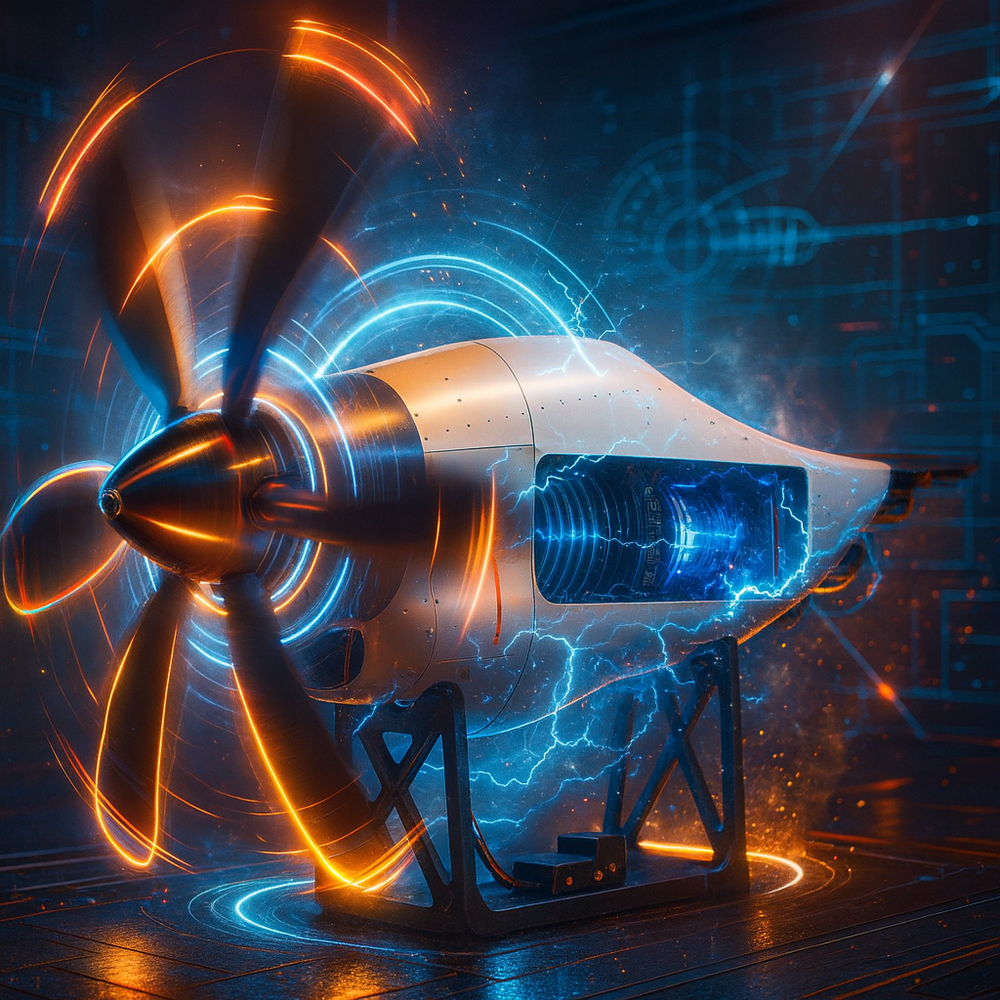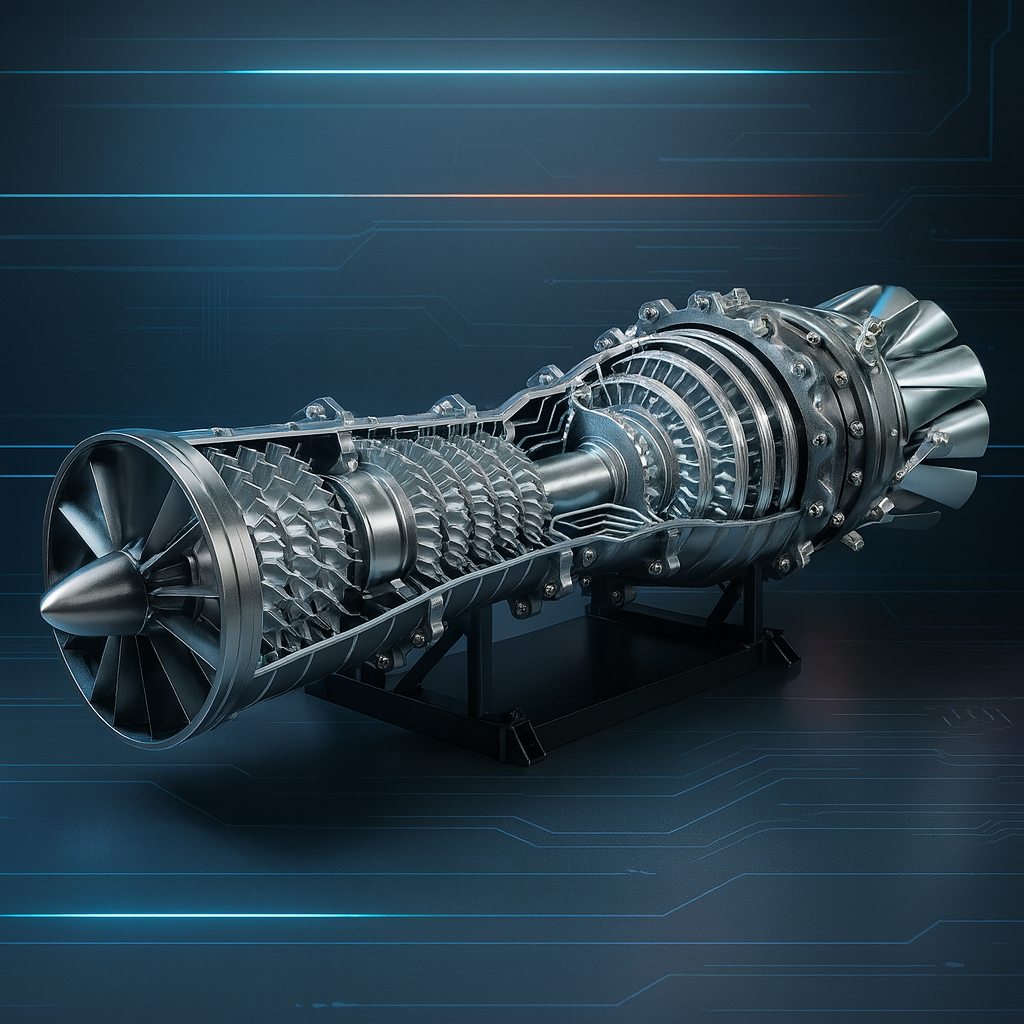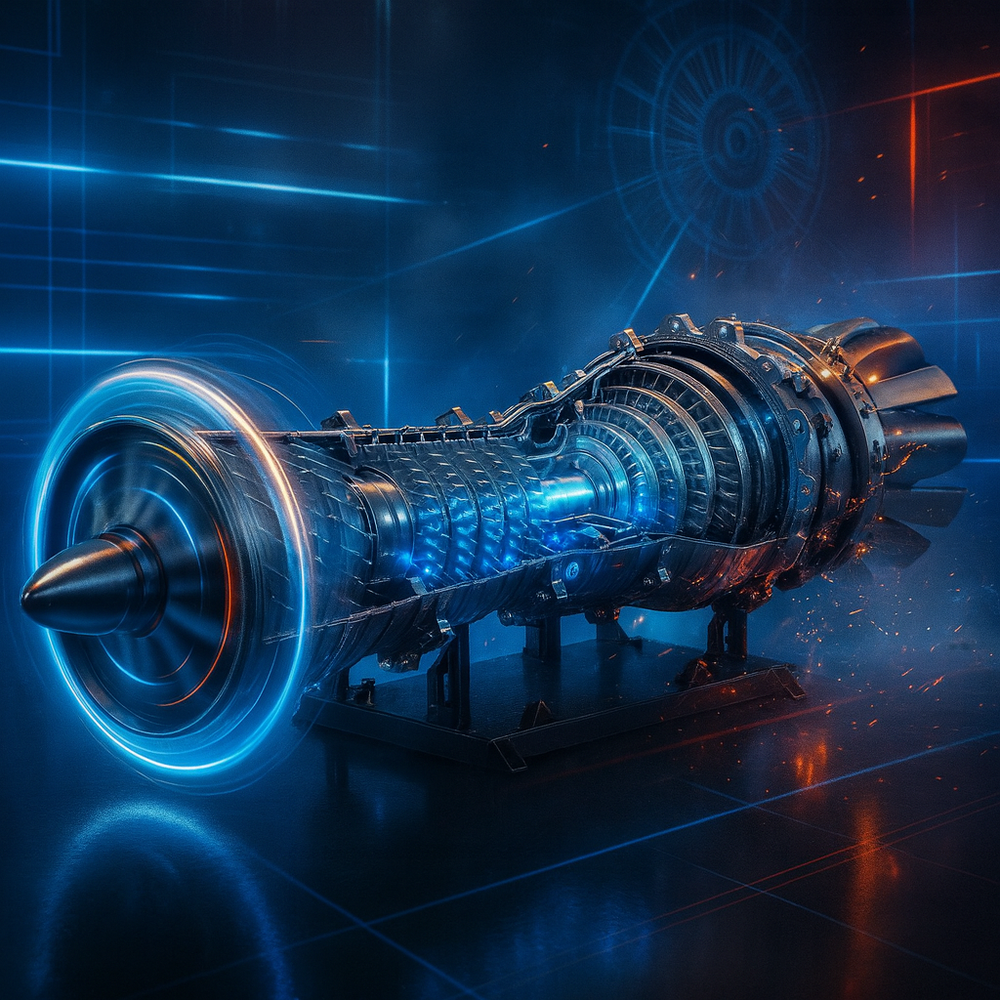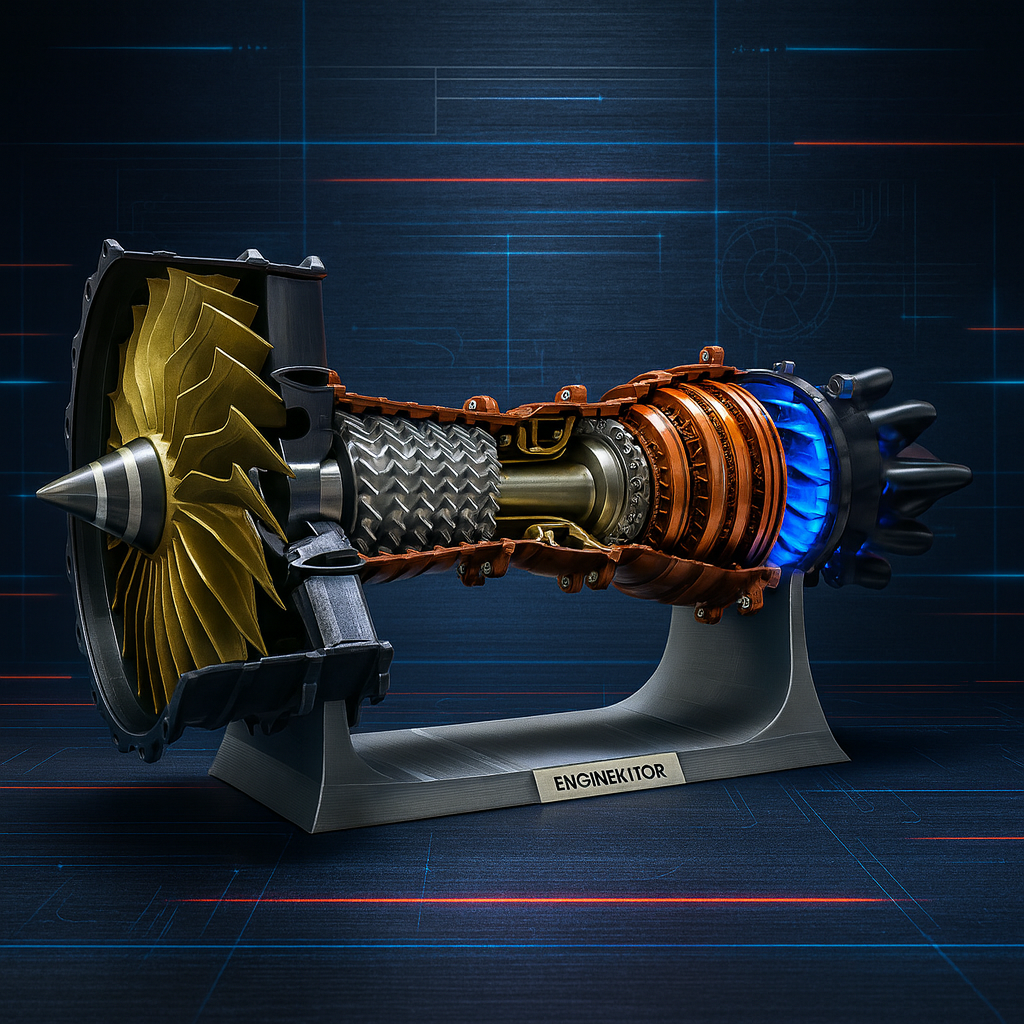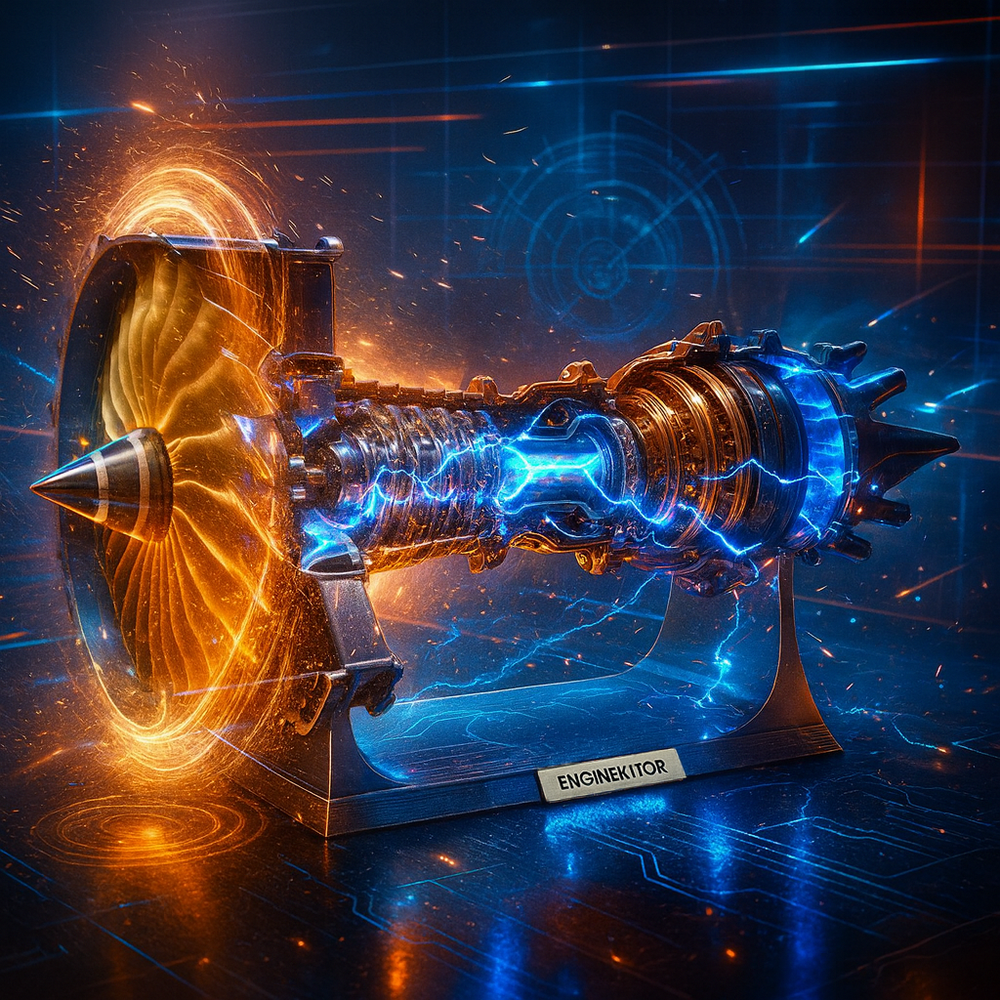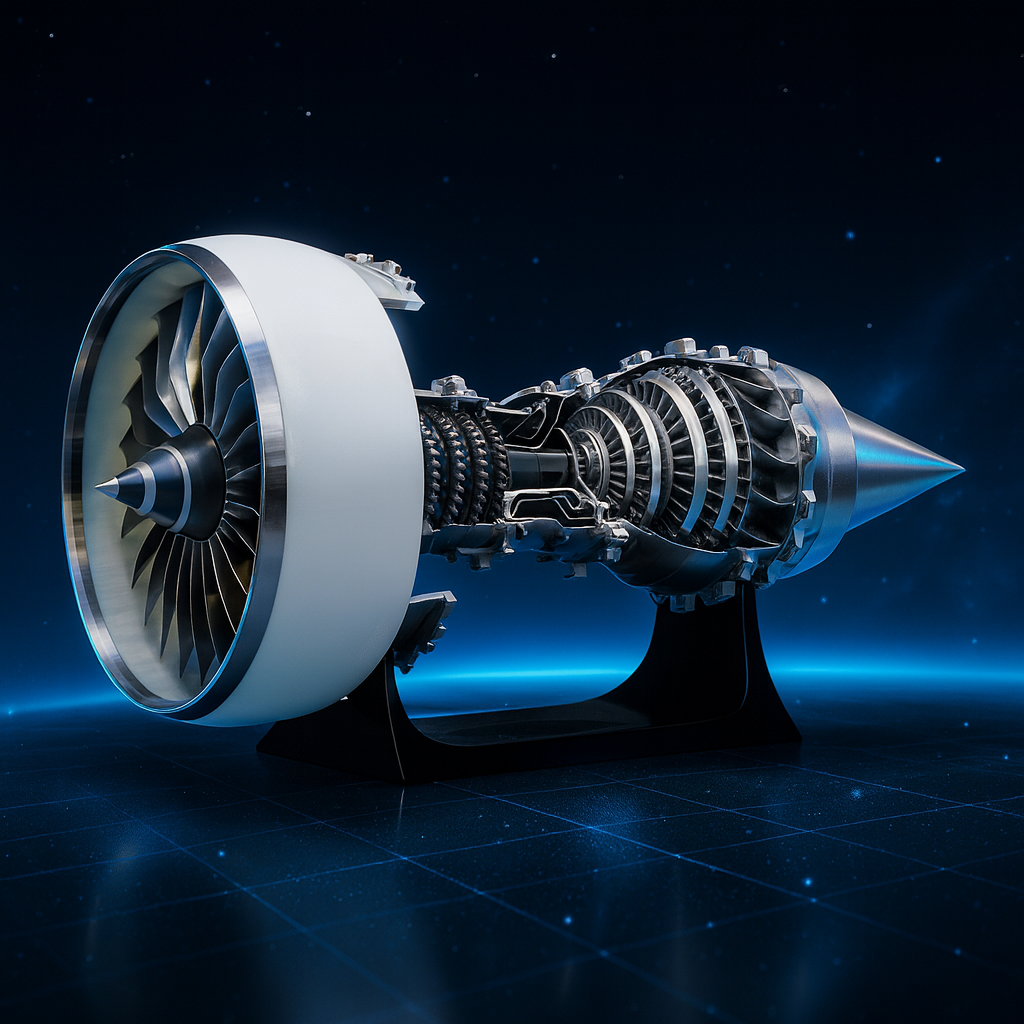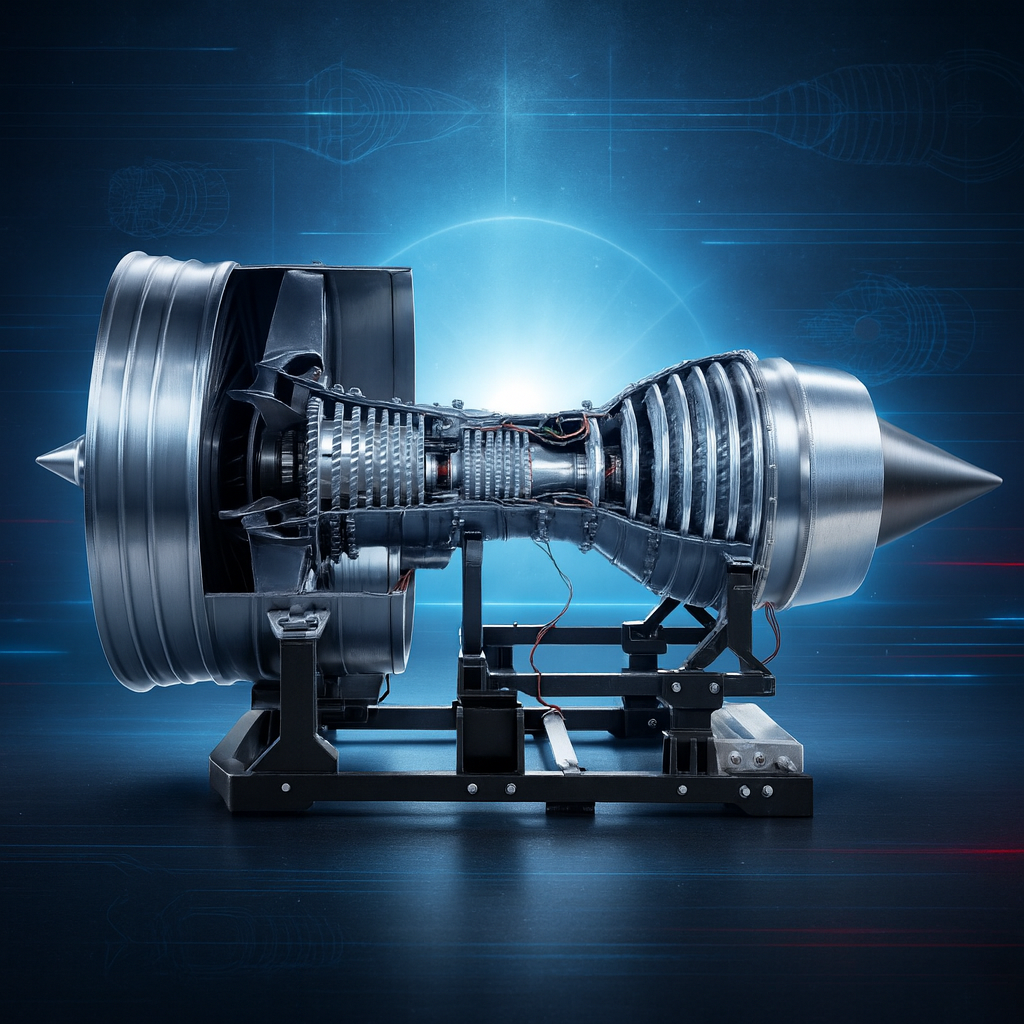
Jet Engine Model Kits – Turbofan, Turbojet & Turbine Models

Motor a reacción

Filtrar

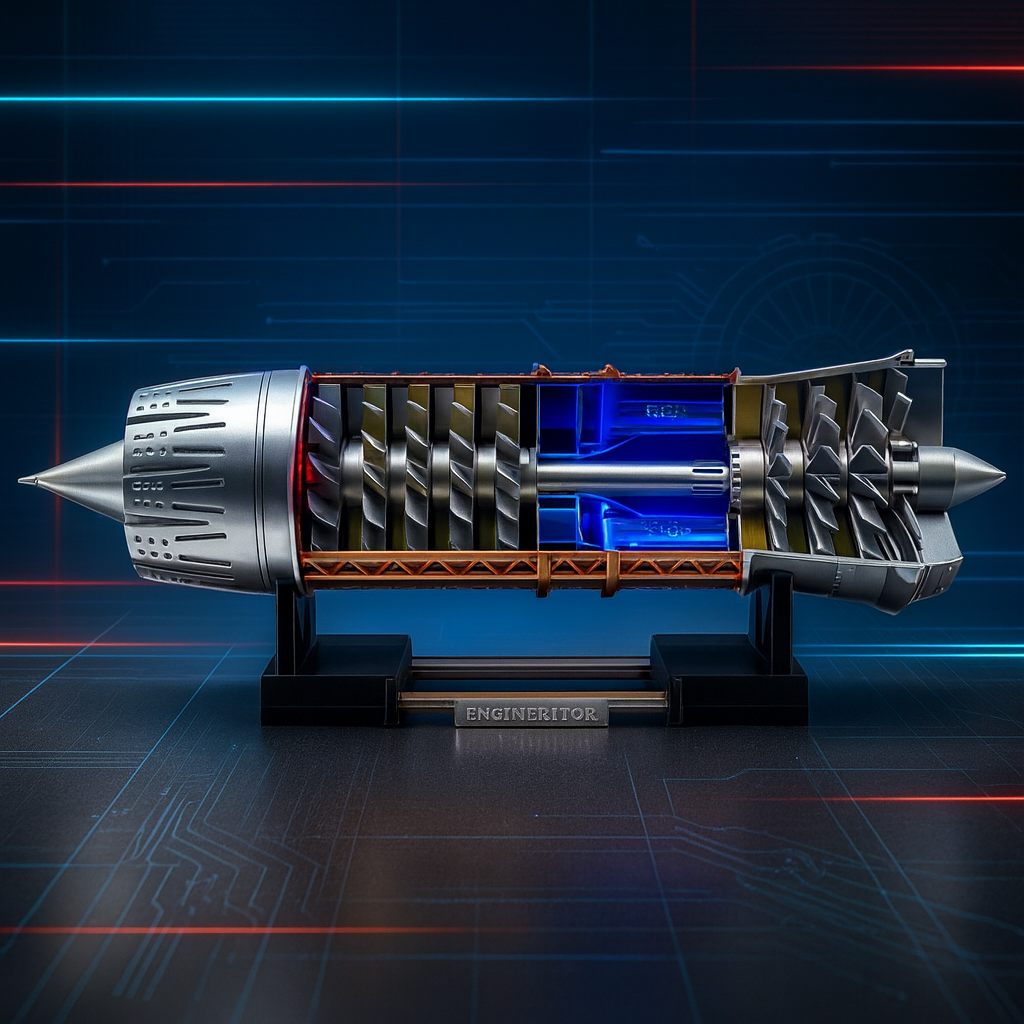
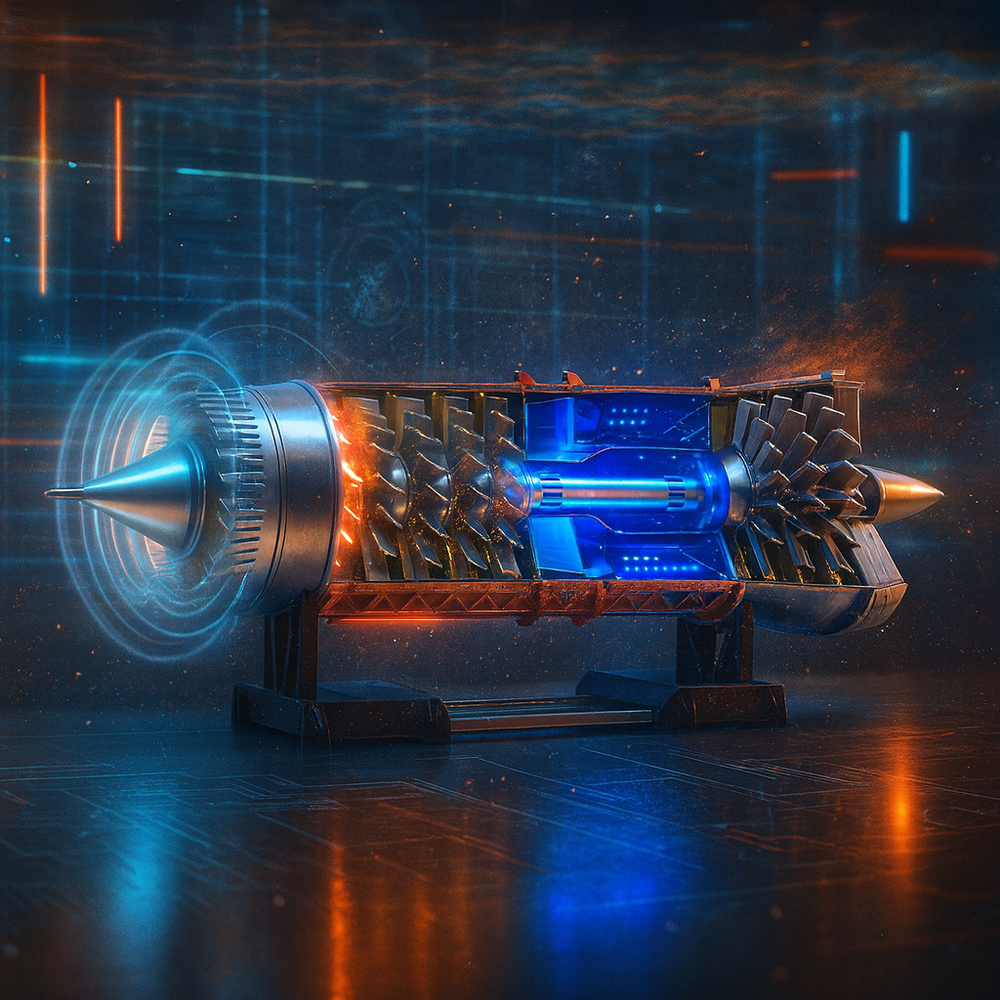
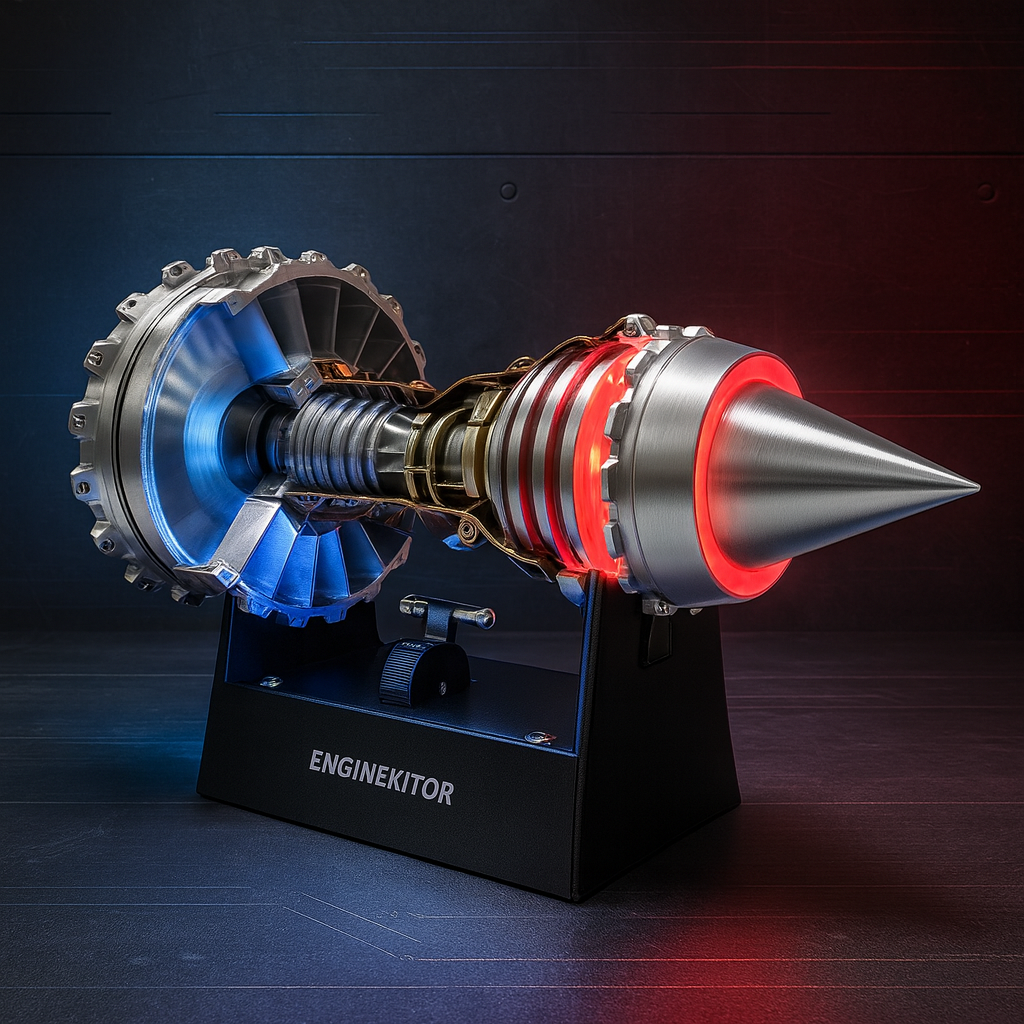
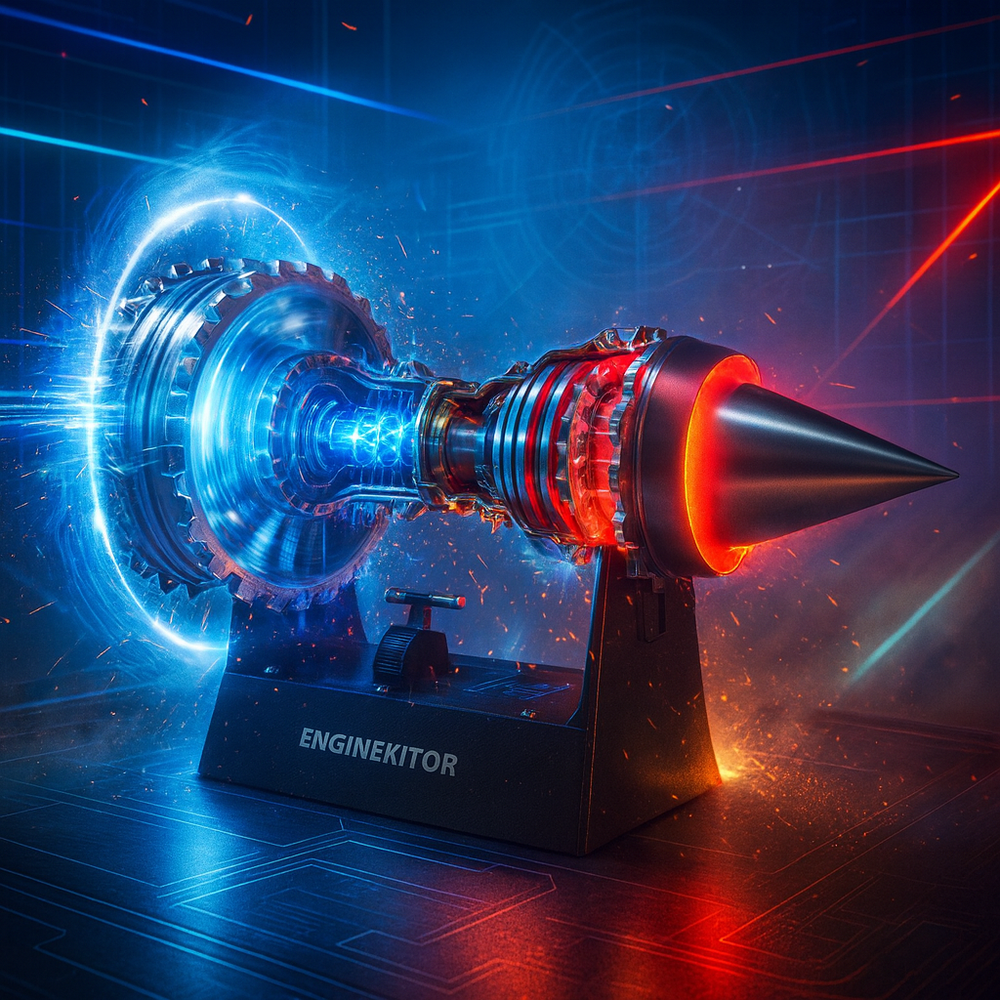
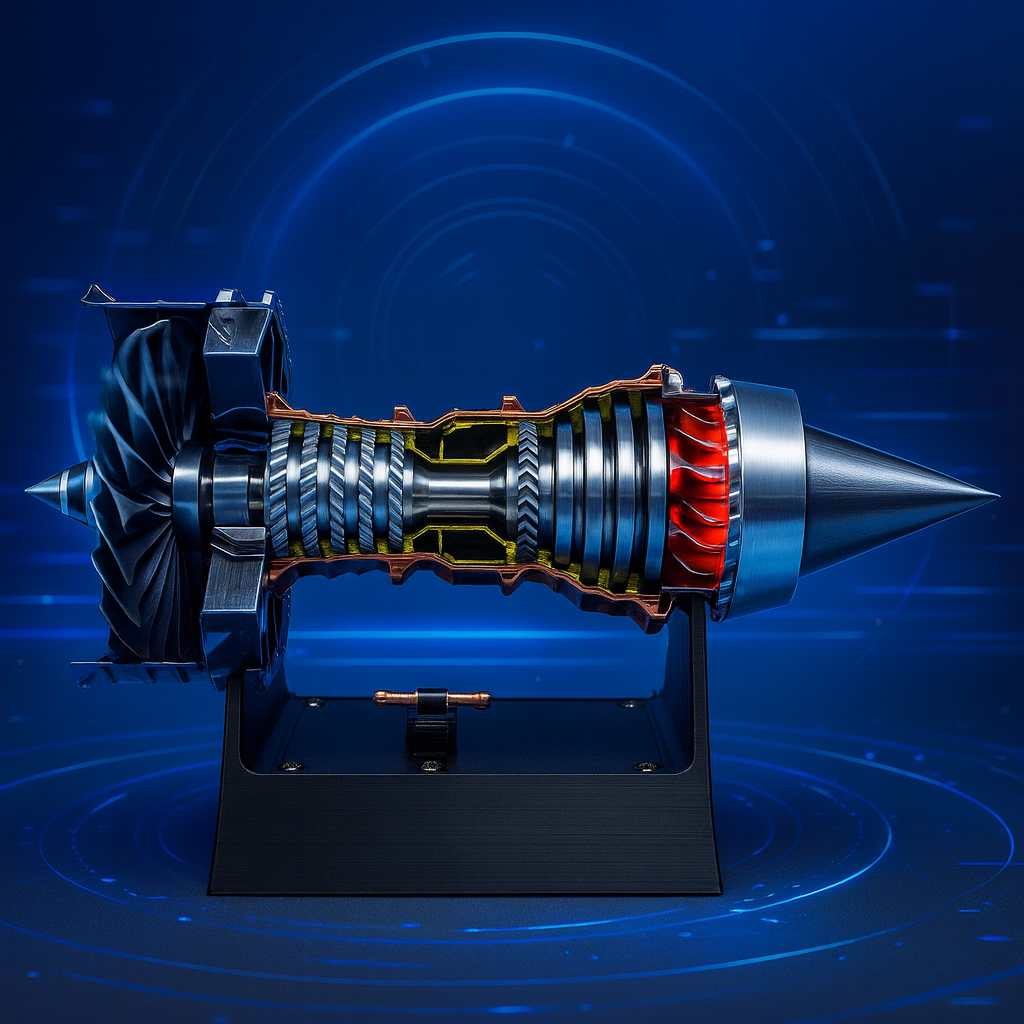
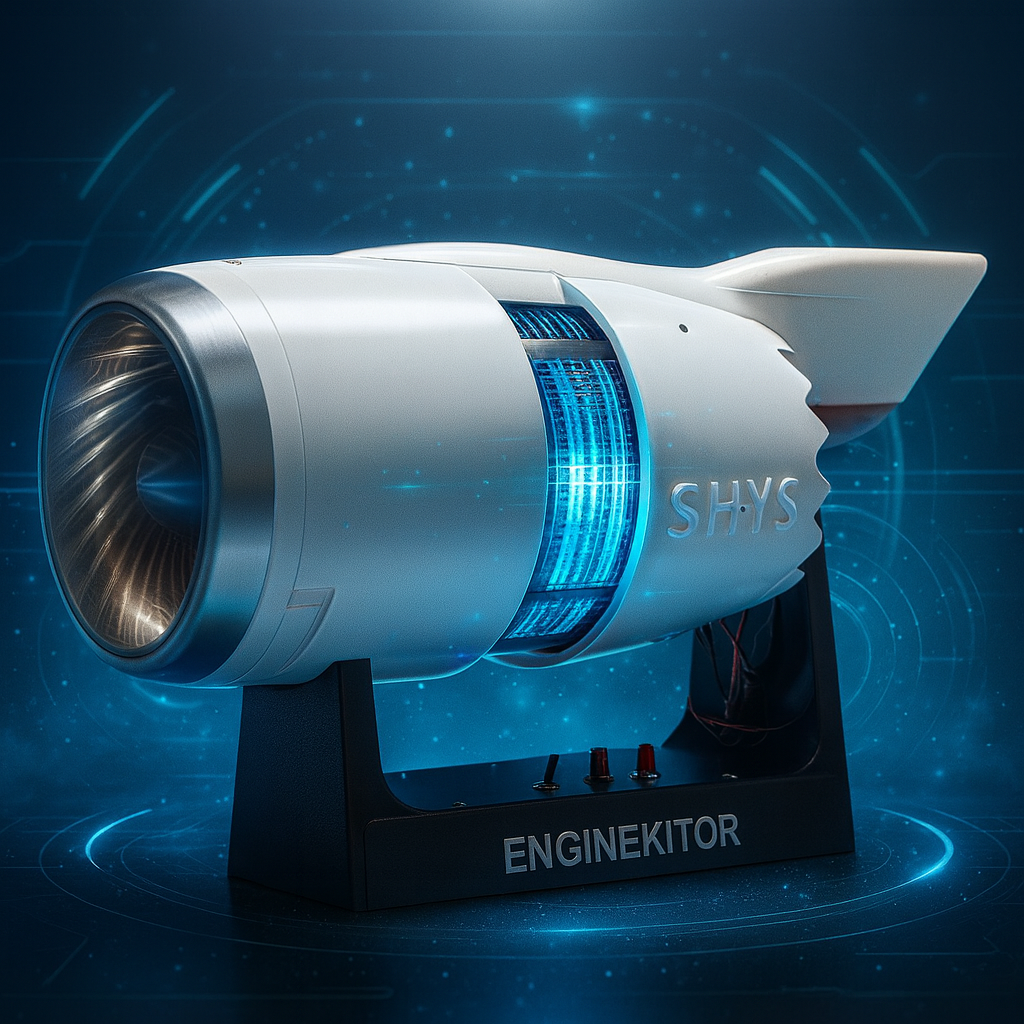
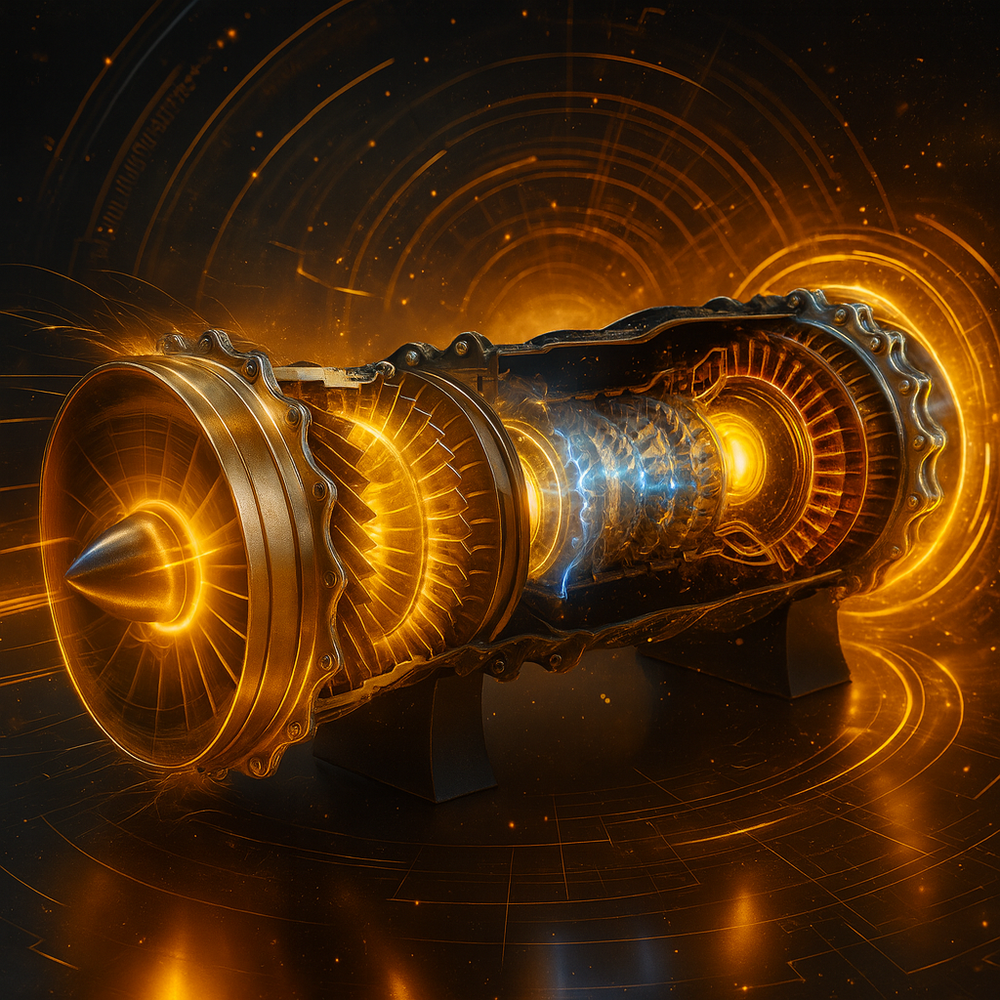
    Explore premium jet engine model kits inspired by real aircraft propulsion systems, including turbofan, turbojet, turboshaft and turboprop designs. From full-metal DIY assembly kits with visible compressor and turbine stages to motor-driven aviation models with adjustable speed and lighting, these models bring aircraft-engine engineering to your desk or workshop.

    Designed for aviation enthusiasts, engineers, collectors and STEM learners, ENGINEKITOR aircraft engine models let you study compressor stages, shafts, fan systems, turbine structures and propulsion architecture through hands-on assembly and visible mechanical operation.


    TECHING 1/12 Metal Dual-Spool Turbofan Engine Model Kit – Working Jet Engine Replica with 300+ PCS for STEM Learning & Collectors
    TECHING 1/12 Metal Dual-Spool Turbofan Engine Model Kit – Working Jet Engine Replica with 300+ PCS for STEM Learning & Collectors
    Enginekitor
    $399.99
    $449.99 SAVE $50.00
    Kit de motor de turboeje metálico TECHING DM136: simulación realista de helicóptero a escala 1/4
    Kit de motor de turboeje metálico TECHING DM136: simulación realista de helicóptero a escala 1/4
    Enginekitor
    $599.99
    $699.99 SAVE $100.00
    TECHING All-Metal Turbofan Engine Kit that Works – DIY Visible Jet Engine Model for STEM Education & Collectors
    TECHING All-Metal Turbofan Engine Kit that Works – DIY Visible Jet Engine Model for STEM Education & Collectors
    Enginekitor
    $199.99
    $249.99 SAVE $50.00
    Kit de modelo de motor a reacción de avión turbofán de doble carrete eléctrico de metal, escala 1/10 (más de 1000 piezas), para armar uno mismo. Construye tu propio motor funcional.
    Kit de modelo de motor a reacción de avión turbofán de doble carrete eléctrico de metal, escala 1/10 (más de 1000 piezas), para armar uno mismo. Construye tu propio motor funcional.
    Enginekitor
    $999.99
    $1,099.99 SAVE $100.00
    Kit de modelo de motor turborreactor TECHING DM135: motor a reacción de dos rotores totalmente metálico a escala 1/10 con más de 600 piezas
    Kit de modelo de motor turborreactor TECHING DM135: motor a reacción de dos rotores totalmente metálico a escala 1/10 con más de 600 piezas
    Enginekitor
    $799.99
    $899.99 SAVE $100.00
    Kit de motor turbohélice ENGINEKITOR T56-A-15 del avión de transporte C-130 Hércules
    Kit de motor turbohélice ENGINEKITOR T56-A-15 del avión de transporte C-130 Hércules
    Enginekitor
    $399.99
    $449.99 SAVE $50.00
    Kit de modelo de motor radial de 5 cilindros TECHING - Motor de avión totalmente metálico a escala 1:6 - Construye tu propio motor radial
    Kit de modelo de motor radial de 5 cilindros TECHING - Motor de avión totalmente metálico a escala 1:6 - Construye tu propio motor radial
    Enginekitor
    $469.99
    $499.99 SAVE $30.00
    Kit de motor militar ENGINEKITOR GE-J79 a escala 1/24: construye tu propio motor turbofán.
    Kit de motor militar ENGINEKITOR GE-J79 a escala 1/24: construye tu propio motor turbofán.
    Enginekitor
    $329.99
    $379.99 SAVE $50.00
    ENGINEKITOR - Kit de modelo de motor turbofán TR900 grande con velocidad e iluminación ajustables (48 cm/18,8 pulgadas)
    ENGINEKITOR - Kit de modelo de motor turbofán TR900 grande con velocidad e iluminación ajustables (48 cm/18,8 pulgadas)
    Enginekitor
    $249.99
    $299.99 SAVE $50.00
    ENGINEKITOR - Maqueta de motor turbofán Pratt Whitney F100 de baja derivación a escala 1/20: construye tu propio motor (57 cm/22,4 pulgadas)
    ENGINEKITOR - Maqueta de motor turbofán Pratt Whitney F100 de baja derivación a escala 1/20: construye tu propio motor (57 cm/22,4 pulgadas)
    Enginekitor
    $329.99
    $379.99 SAVE $50.00
    Kit de modelo de motor turbofán ENGINEKITOR TR900, base magnética, kit de aeromodelismo de doble luz, recargable con versión iluminada para regalo
    Kit de modelo de motor turbofán ENGINEKITOR TR900, base magnética, kit de aeromodelismo de doble luz, recargable con versión iluminada para regalo
    Enginekitor
    $149.99
    $169.99 SAVE $20.00
    ENGINEKITOR TR900 - Kit de modelo de motor turbofán grande con carcasa blanca, velocidad ajustable e iluminación (47 cm/18,5 pulgadas)
    ENGINEKITOR TR900 - Kit de modelo de motor turbofán grande con carcasa blanca, velocidad ajustable e iluminación (47 cm/18,5 pulgadas)
    Enginekitor
    $269.99
    $319.99 SAVE $50.00
    ENGINEKITOR - Modelo de motor turbofán Rolls Royce Trent 900 altamente restaurado (55 cm/22 pulgadas)
    ENGINEKITOR - Modelo de motor turbofán Rolls Royce Trent 900 altamente restaurado (55 cm/22 pulgadas)
    Enginekitor
    $599.99
    $699.99 SAVE $100.00
    Kit de modelo de motor turbofán ENGINEKITOR TR900 1/16 con puntos de contacto de varilla de empuje, iluminación y kit de modelo de aviación recargable
    Kit de modelo de motor turbofán ENGINEKITOR TR900 1/16 con puntos de contacto de varilla de empuje, iluminación y kit de modelo de aviación recargable
    Enginekitor
    $129.99
    $159.99 SAVE $30.00
    Kit de modelo de motor turbofán plateado ENGINEKITOR TR900 1/16 con puntos de contacto de varilla de empuje, iluminación y batería recargable.
    Kit de modelo de motor turbofán plateado ENGINEKITOR TR900 1/16 con puntos de contacto de varilla de empuje, iluminación y batería recargable.
    Enginekitor
    $129.99
    $159.99 SAVE $30.00
    ENGINEKITOR Trent 900 - Maqueta de ciencia mecánica a escala 1:20: construye tu propio kit de motor de turbofán para avión a reacción
    ENGINEKITOR Trent 900 - Maqueta de ciencia mecánica a escala 1:20: construye tu propio kit de motor de turbofán para avión a reacción
    Enginekitor
    $269.99
    $299.99 SAVE $30.00
    Kit de modelo de motor turbofán ENGINEKITOR TR900, caja blanca, modelo de motor turbofán con empujador, versión recargable con luz
    Kit de modelo de motor turbofán ENGINEKITOR TR900, caja blanca, modelo de motor turbofán con empujador, versión recargable con luz
    Enginekitor
    $149.99
    $169.99 SAVE $20.00
    ENGINEKITOR WP-85 - Kit de motor turborreactor DIY de 100 piezas a escala 1/3: construye tu propio modelo de motor de avión
    ENGINEKITOR WP-85 - Kit de motor turborreactor DIY de 100 piezas a escala 1/3: construye tu propio modelo de motor de avión
    Enginekitor
    $299.99
    $349.99 SAVE $50.00
    Kit de modelo de motor turbofán de empuje inverso ENGINEKITOR TR900 - Modelo de motor de simulación de aviación - Kit de modelo de motor sin escobillas
    Kit de modelo de motor turbofán de empuje inverso ENGINEKITOR TR900 - Modelo de motor de simulación de aviación - Kit de modelo de motor sin escobillas
    Enginekitor
    $479.99
    $529.99 SAVE $50.00
    ENGINEKITOR WS-15 - Kit de modelo a escala 1/20 de motor de caza turbofán (más de 150 piezas) - Construye tu propio modelo de turbofán
    ENGINEKITOR WS-15 - Kit de modelo a escala 1/20 de motor de caza turbofán (más de 150 piezas) - Construye tu propio modelo de turbofán
    Enginekitor
    $299.99
    $349.99 SAVE $50.00
    AVIATION • ENGINEERING • MOTION

    Explore the Engineering Behind Modern Jet Engines

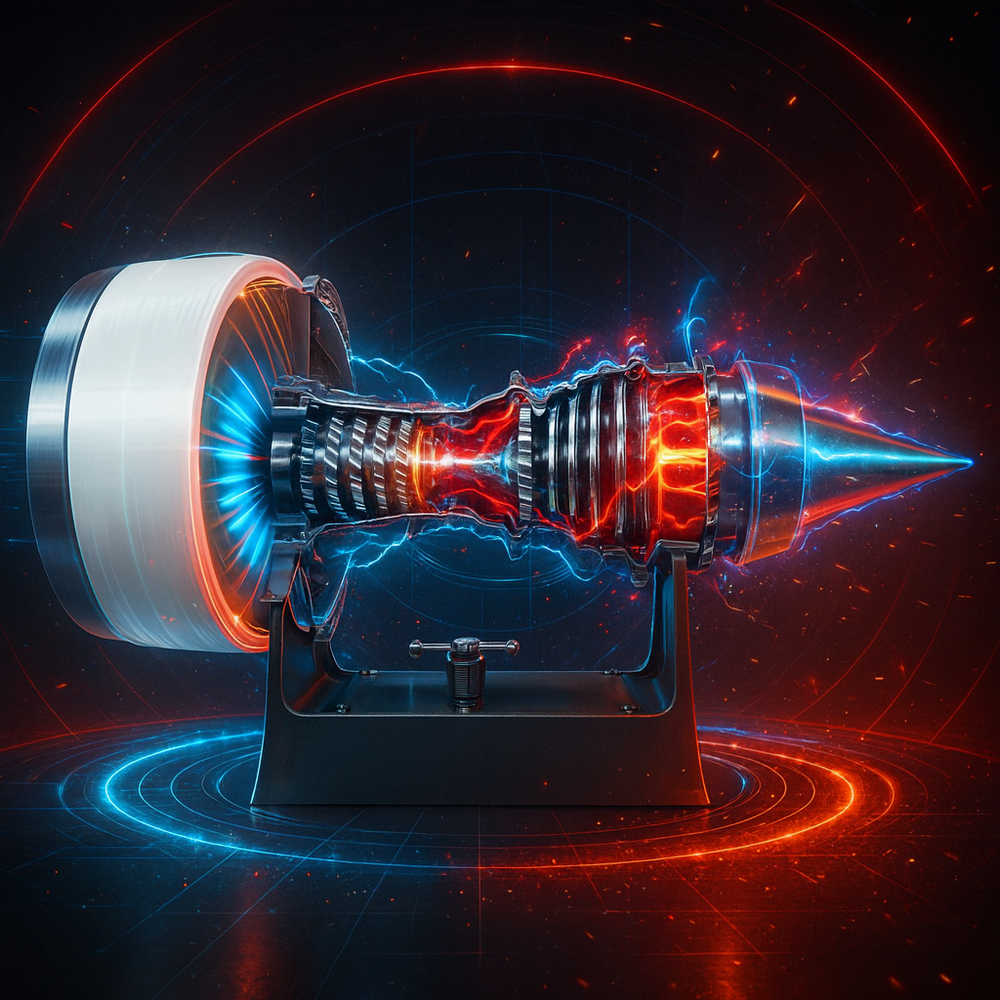
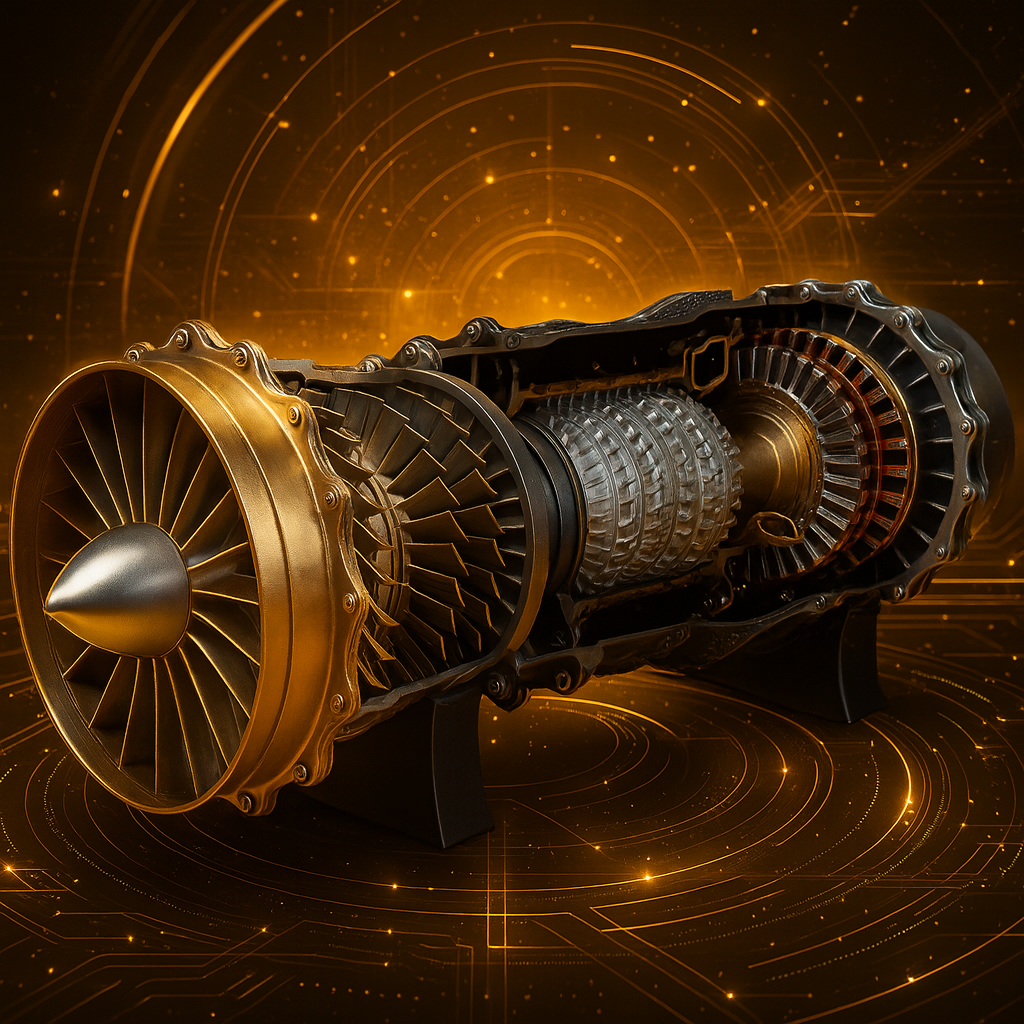
    A jet engine model does more than recreate the shape of an aircraft powerplant. The best models reveal the compressor stages, shafts, fan systems, turbine sections and mechanical relationships that are normally hidden inside a real engine.

    ENGINEKITOR's collection includes turbofan, turbojet, turboshaft and turboprop engine models, ranging from detailed full-metal DIY kits to large motor-driven aviation displays. Each type represents a different way of converting turbine power into thrust or shaft power.

    Use this guide to understand the differences between the major aircraft-engine architectures and choose a model based on assembly experience, engineering interest and display goals.

    IMPORTANT DISTINCTION

    What Does “Working Jet Engine Model” Mean?

    Most jet engine models in this collection are electrically driven mechanical demonstration models. Their fans, compressor stages, shafts or turbines rotate to demonstrate the structure and operating principles of an aircraft engine.

    They are not fuel-burning, flight-ready jet engines and are not designed to generate propulsion for an aircraft. Their purpose is assembly, education, mechanical visualization and collector display.

    ENGINE ARCHITECTURES

    Turbofan vs Turbojet vs Turboshaft vs Turboprop

    All four belong to the gas-turbine family, but they use turbine power in different ways. Understanding that difference is the easiest way to choose the right aircraft engine model.

    01

    Turbofan Engine Models

    Turbofans combine a gas-turbine core with a large front fan. A significant portion of the airflow bypasses the engine core, which is one reason turbofans dominate modern commercial aviation.

    Best for: Modern commercial-aircraft enthusiasts, STEM learning and visible airflow architecture.
    Explore Turbofan Engine Models →
    02

    Turbojet Engine Models

    Turbojets route the main airflow through the compressor, combustion section and turbine before accelerating it through the exhaust. They represent one of the classic forms of pure jet propulsion.

    Best for: Military-aviation enthusiasts and builders interested in classic turbine architecture.
    View a Full-Metal Turbojet Model →
    03

    Turboshaft Engine Models

    A turboshaft engine is designed primarily to deliver rotational shaft power rather than direct jet thrust. This architecture is widely associated with helicopters and other applications where the turbine drives a gearbox or rotor system.

    Best for: Helicopter enthusiasts and learners interested in turbine-to-gearbox power transmission.
    View the TECHING DM136 Turboshaft →
    04

    Turboprop Engine Models

    A turboprop also uses a gas-turbine core, but much of its power is transferred through a gearbox to drive a propeller. This makes it particularly useful for studying how turbine power can be converted into propeller thrust.

    Best for: Transport-aircraft enthusiasts and learners interested in turbine, gearbox and propeller systems.
    View the T56-A-15 Turboprop →
    QUICK COMPARISON

    Compare the Main Aircraft Turbine Engine Types

    The main difference is where the turbine's energy goes: into high-speed exhaust, bypass airflow, a shaft or a propeller.

    Engine Type Main Output Key Visible Feature Common Application Model Learning Focus
    Turbofan Fan + jet thrust Large front fan and bypass structure Commercial & modern military aircraft Fan, compressor, dual-spool and bypass architecture
    Turbojet High-speed exhaust thrust Compact turbine core Early jets & some military applications Compression, turbine stages and exhaust flow
    Turboshaft Shaft power Gearbox / output shaft Helicopters Turbine-to-gearbox power transmission
    Turboprop Propeller thrust Gearbox and propeller Transport & regional aircraft Turbine, reduction gearing and propeller drive
    INSIDE THE ENGINE

    What Can You Learn from a Jet Engine Model?

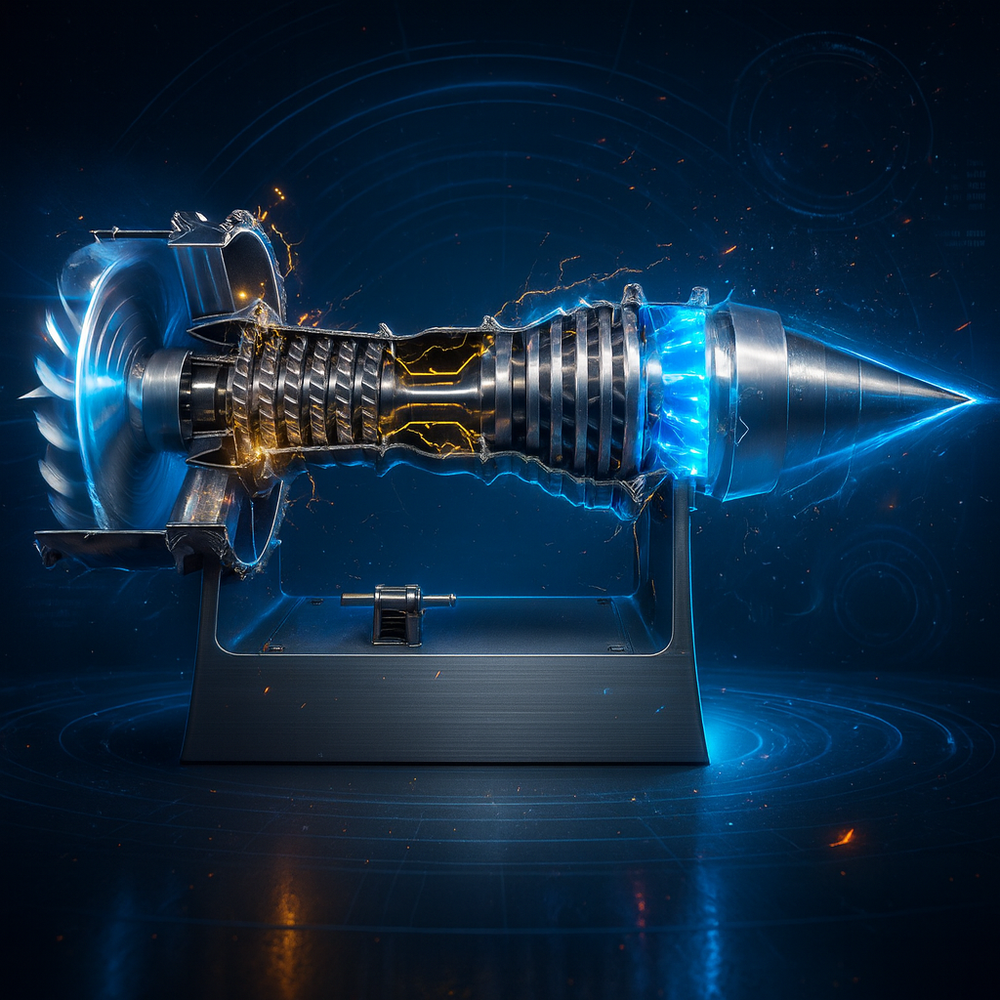
    A cutaway or visible-mechanism model makes the internal sequence of an aircraft turbine easier to understand by turning hidden components into an observable mechanical system.

    Fan & Air Intake

    See how air first enters the engine and, in a turbofan, how the large front fan divides airflow between the core and bypass stream.

    Compressor Stages

    Observe how multiple rotating and stationary stages progressively compress airflow before it reaches the combustion section in a real engine.

    Shaft & Spool Systems

    Understand how compressors and turbines can be connected through concentric shafts, especially in dual-spool turbofan architectures.

    Combustion Architecture

    Study where combustion would occur in a real turbine engine, even when the educational model uses an electric motor instead of fuel.

    Turbine Stages

    See how turbine stages are positioned downstream of the combustor and mechanically connected to compressor or output systems.

    Exhaust or Power Output

    Compare engines that use exhaust for thrust with designs that transfer energy to a fan, gearbox, shaft or propeller.

    CHOOSE BY EXPERIENCE

    What Kind of Jet Engine Model Is Right for You?

    The right choice depends on whether you care most about assembly, aviation education, moving mechanisms or a large display piece.

    LEVEL 01

    Display & Motion Models

    Best for aviation fans who want visible fan or turbine motion, lighting and a strong desk or workshop display without a long assembly process.

    • Lower assembly complexity
    • Motor-driven movement
    • Strong display value
    • Good introduction to aircraft-engine structure
    LEVEL 02

    Intermediate DIY Turbine Kits

    Suitable for builders who want to assemble compressor, fan and turbine structures while learning how each section connects mechanically.

    • Hundreds of components
    • Hands-on assembly
    • Visible internal architecture
    • Mechanical learning focus
    LEVEL 03

    Advanced Full-Metal Builds

    Designed for experienced builders who want large part counts, multi-spool structures and a more demanding precision assembly project.

    • Complex rotor alignment
    • Large metal part count
    • Longer assembly time
    • Premium collector finish
    MODEL VS REAL ENGINE

    How Is a Jet Engine Model Different from a Real Jet Engine?

    Jet Engine Model

    Educational and collectible jet-engine models reproduce the physical architecture, visible turbine stages and mechanical relationships of a real aircraft engine.

    Electric motors are commonly used to rotate the fan, compressor or turbine assemblies so users can observe the mechanism repeatedly without fuel, heat or combustion.

    Real Aircraft Jet Engine

    A real jet engine compresses air, burns fuel and extracts energy through turbine stages. Depending on the engine type, that energy produces direct exhaust thrust, drives a large fan or powers a shaft and gearbox.

    Real turbine engines operate at extreme rotational speeds and temperatures and should not be confused with electrically driven educational models.

    WHO THEY ARE FOR

    Who Should Buy a Jet Engine Model Kit?

    Aviation Enthusiasts

    Explore the architecture behind commercial aircraft, military jets, helicopters and turboprop transport aircraft.

    DIY Model Builders

    Build complex rotating systems with precision parts rather than simply purchasing a finished display.

    STEM Learners

    Turn compressor, turbine, shaft and airflow concepts into visible physical systems that are easier to understand.

    Engineers & Educators

    Use detailed engine structures to support discussion of gas-turbine architecture and mechanical transmission.

    Collectors

    Display detailed aircraft-engine replicas as premium mechanical centerpieces for an office, workshop or collection.

    Gift Buyers

    Choose a distinctive engineering gift for someone interested in aviation, aircraft mechanics or mechanical design.

    COMMON QUESTIONS

    Jet Engine Model Kit FAQ

    Answers to common questions about turbofan, turbojet, turboshaft and turboprop engine models.

    Do these jet engine models actually work?

    Many models feature powered mechanical motion. Electric motors rotate fans, compressor stages, turbine assemblies, shafts or propellers to demonstrate engine structure and operation. They are generally educational mechanical simulations rather than fuel-burning jet engines.
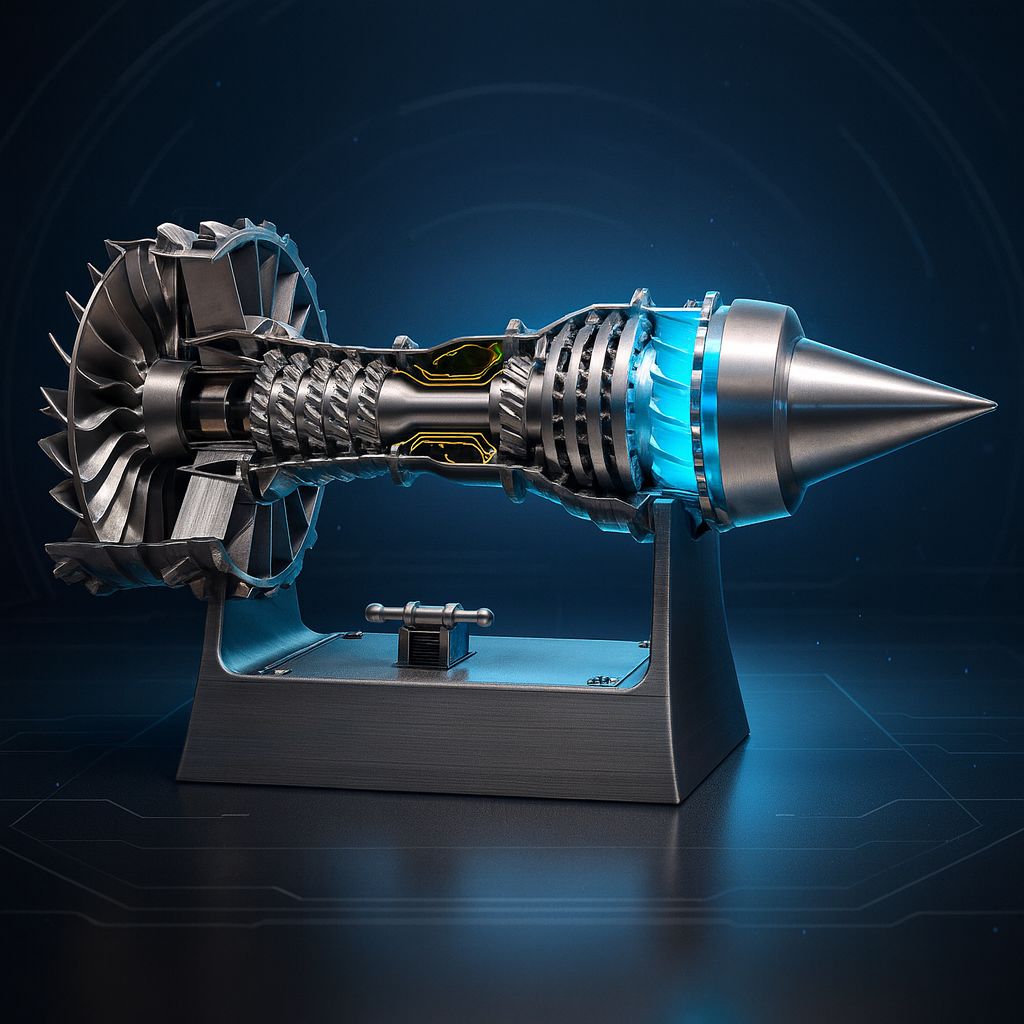
    Do ENGINEKITOR jet engine models produce real thrust?

    The aircraft-engine models in this collection are primarily designed for assembly, education, mechanical demonstration and display. They are not intended to function as flight-ready propulsion systems.

    What is the difference between a turbofan and a turbojet?

    A turbojet routes most of its airflow through the engine core and produces thrust mainly through high-speed exhaust. A turbofan adds a large front fan and bypass airflow, allowing a significant portion of thrust to come from the fan system.

    What is a turboshaft engine?

    A turboshaft uses a gas-turbine core primarily to produce rotational shaft power rather than direct jet thrust. This type of architecture is commonly associated with helicopters, where the engine powers a transmission and rotor system.

    What is the difference between a turboprop and a turbofan?

    A turbofan uses a large ducted fan to create much of its thrust, while a turboprop transfers turbine power through a gearbox to drive an external propeller.

    Do jet engine model kits require assembly?

    It depends on the model. Some are detailed DIY kits containing hundreds of components, while others arrive mostly assembled as powered display models. Check each product page for the assembly level and included components.

    Which jet engine model is best for beginners?

    A lower-part-count motor-driven turbofan or display model is usually easier for a beginner than a 500–1000+ piece full-metal turbine build. Beginners should prioritize clear instructions and manageable assembly complexity.

    Which jet engine model is best for experienced builders?

    Full-metal models such as large multi-spool turbofan or turbojet kits are better suited to experienced builders because they involve higher part counts, rotor alignment and more complex mechanical relationships.

    Are TECHING jet engine models made from metal?

    Many TECHING aircraft-engine models use extensive aluminum alloy, stainless-steel and other metal components. Material and construction vary by model, so check the exact product specifications before ordering.

    Are jet engine models useful for STEM education?

    Yes. Visible compressor stages, shafts, turbine assemblies and gear systems make abstract aircraft-propulsion concepts easier to explain through hands-on observation.
    Do ENGINEKITOR jet engine kits include instructions?

    Assembly guidance varies by product and may include printed manuals, digital instructions or other supporting material. Check the individual product page and contact ENGINEKITOR support if you need additional help.
    Does ENGINEKITOR provide technical support?

    Yes. If you have an assembly or operation question, provide your order information together with clear photos or video so the support team can identify the model and help troubleshoot the issue.