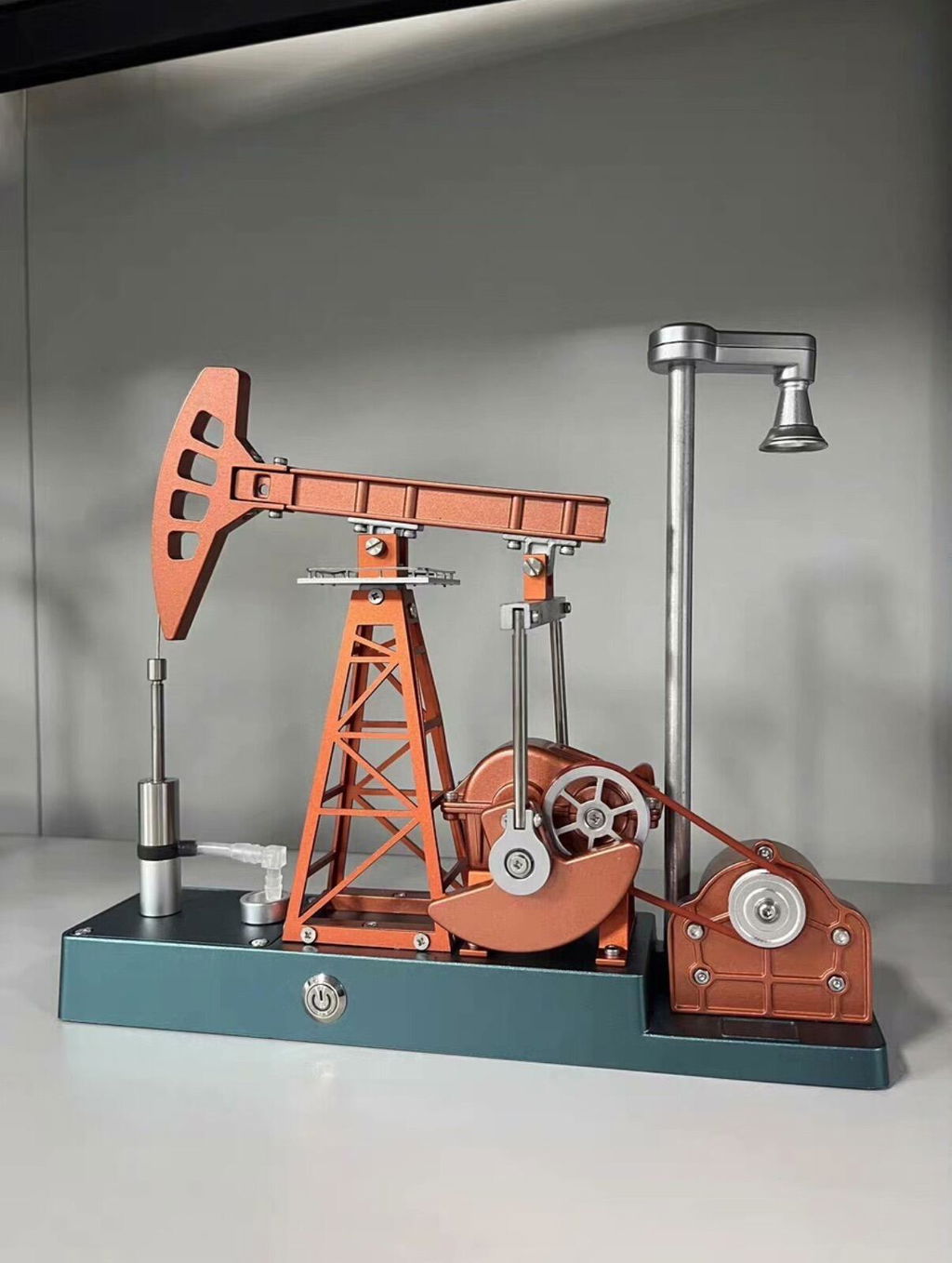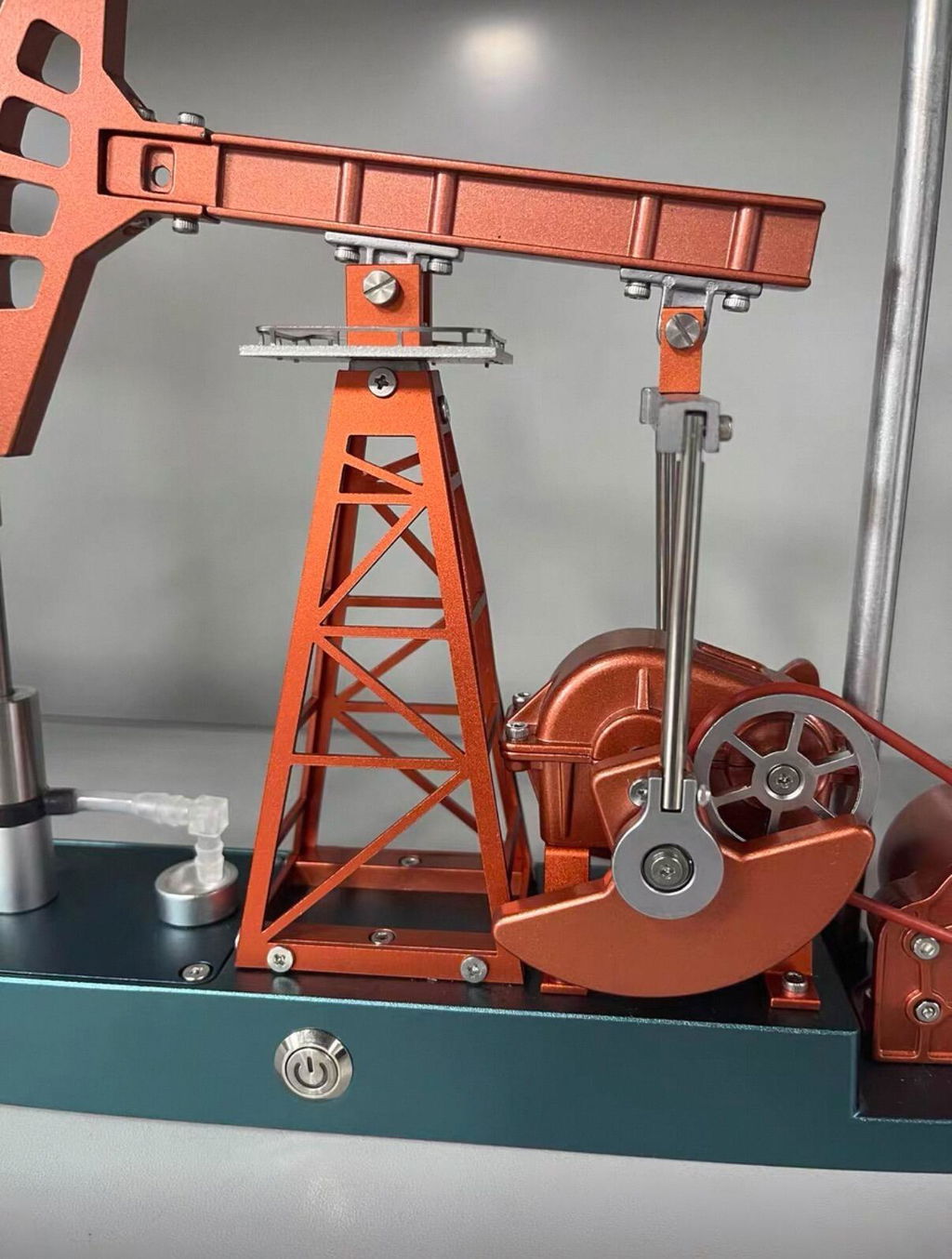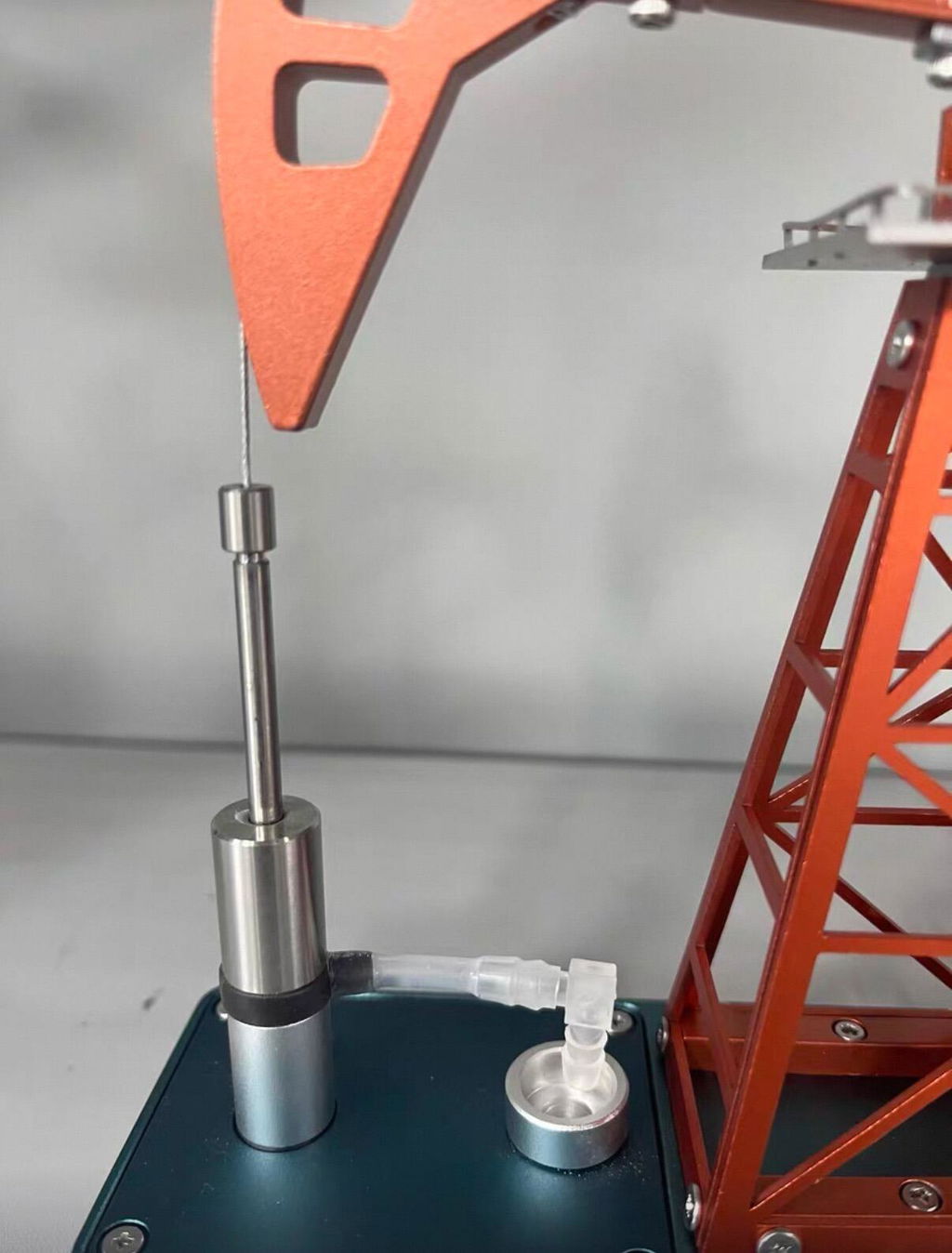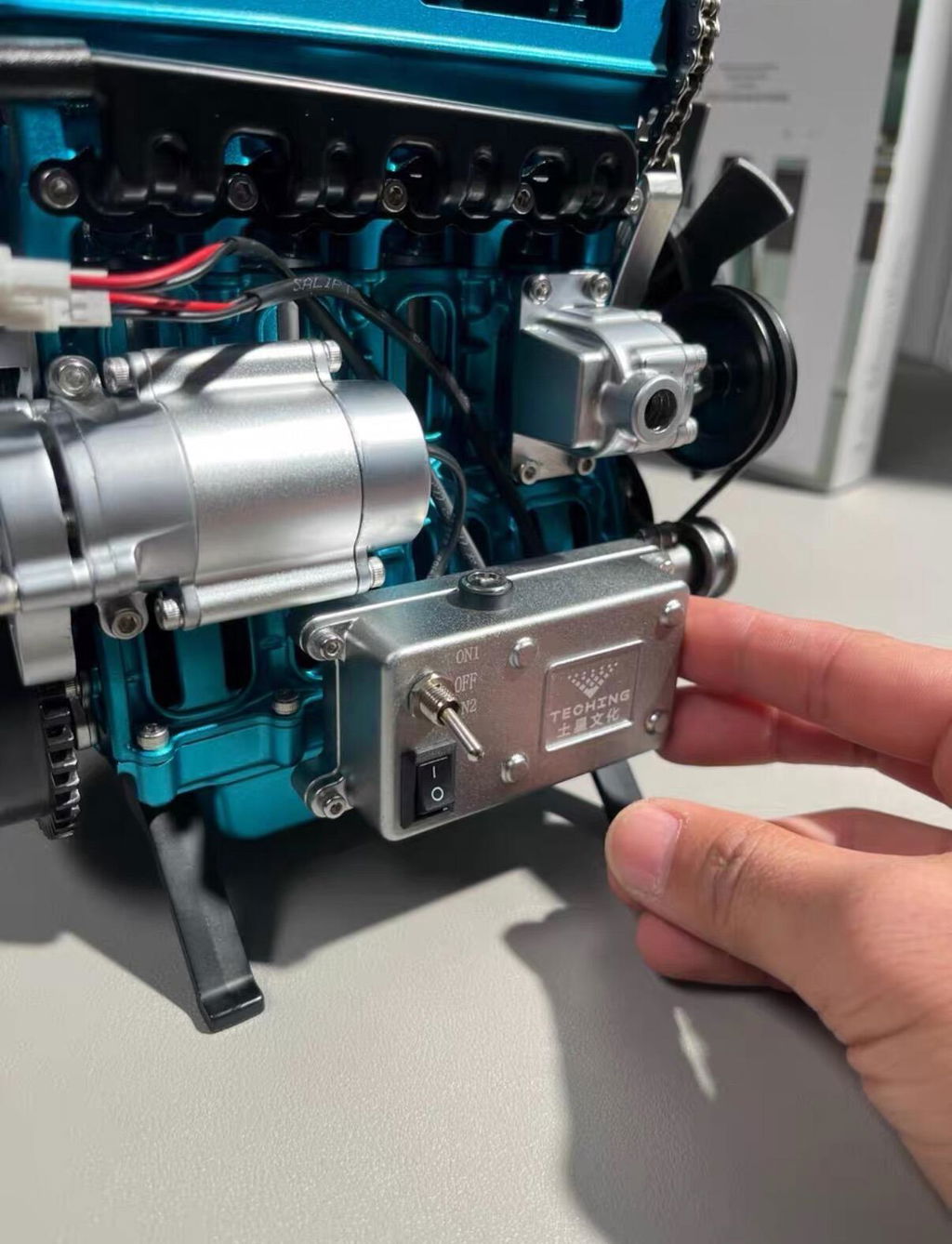
How to Build a Model Engine
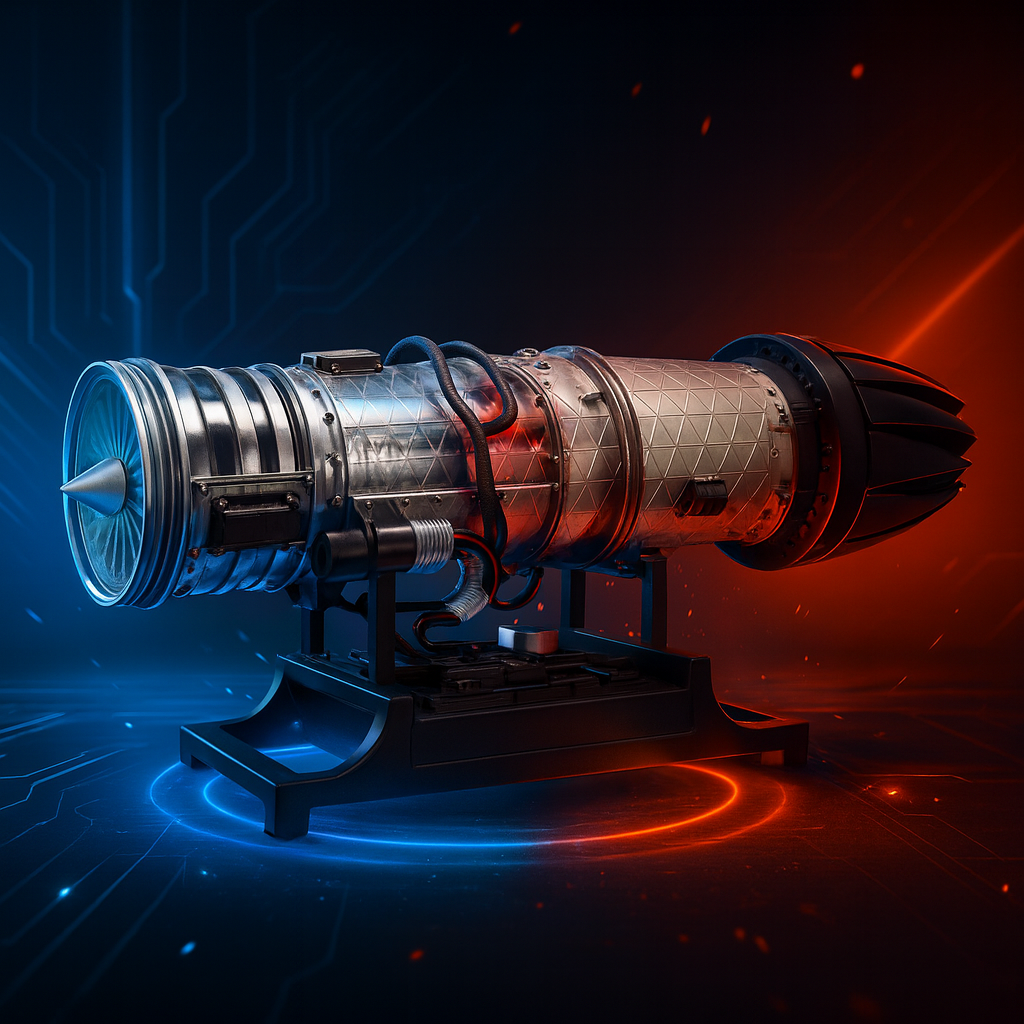
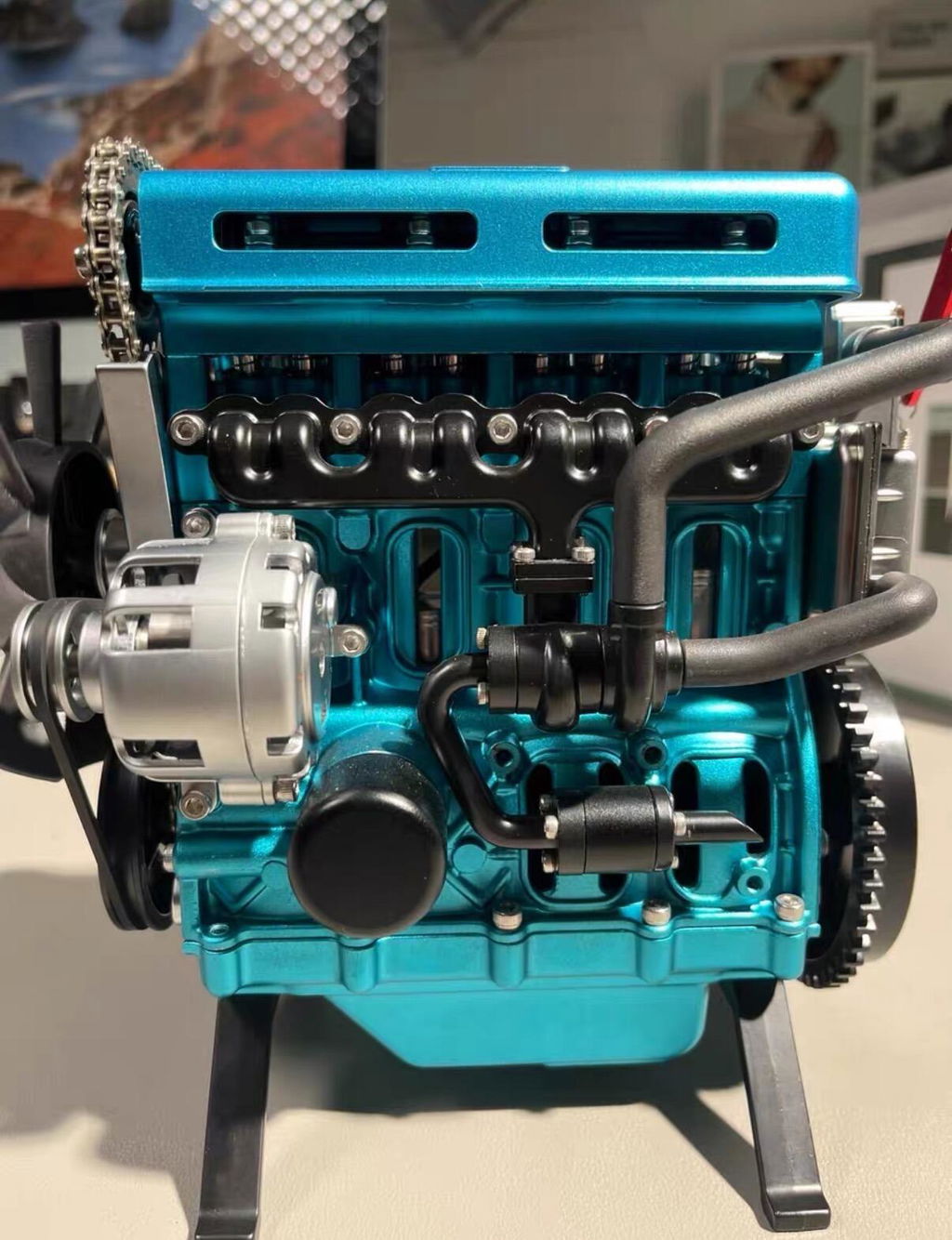
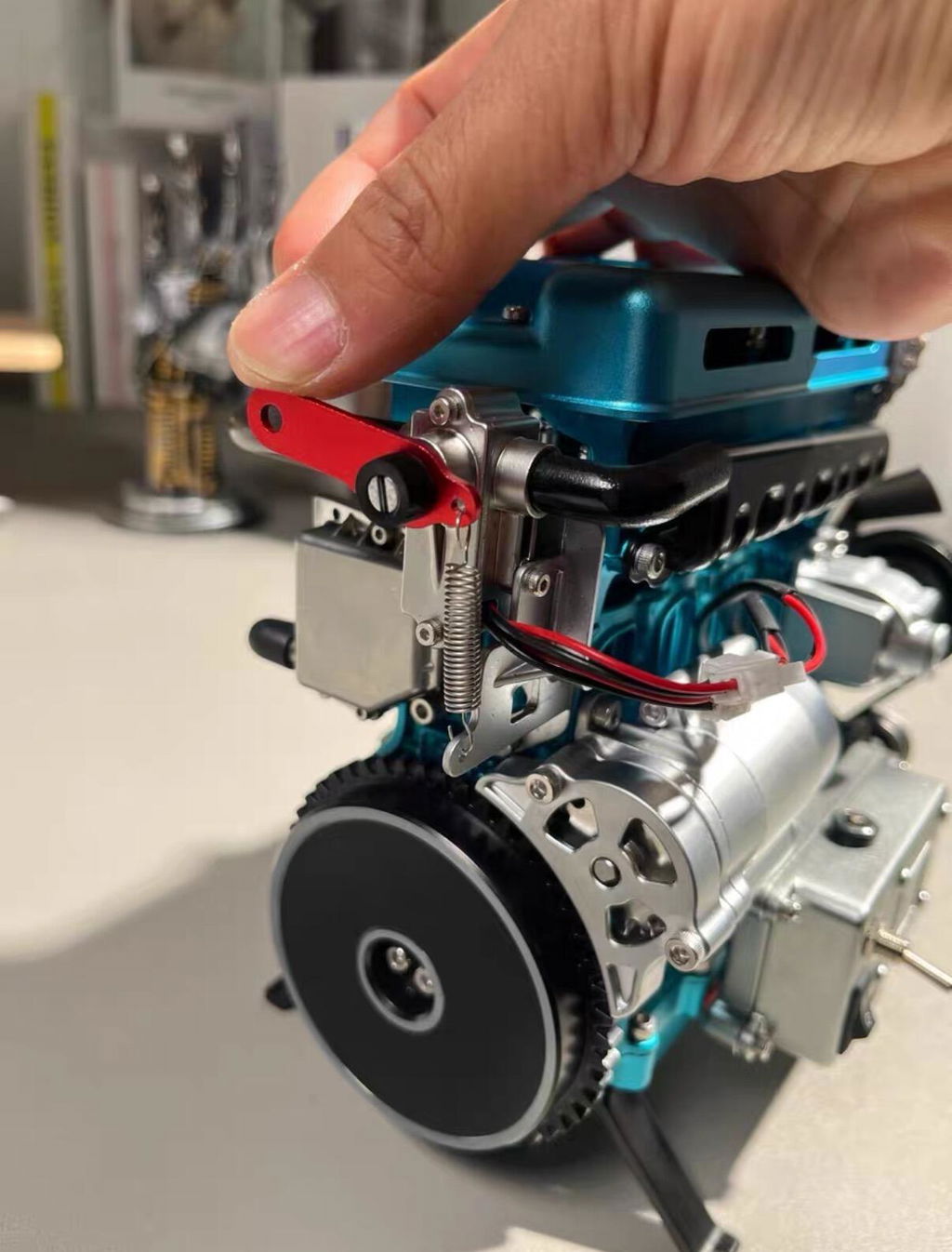
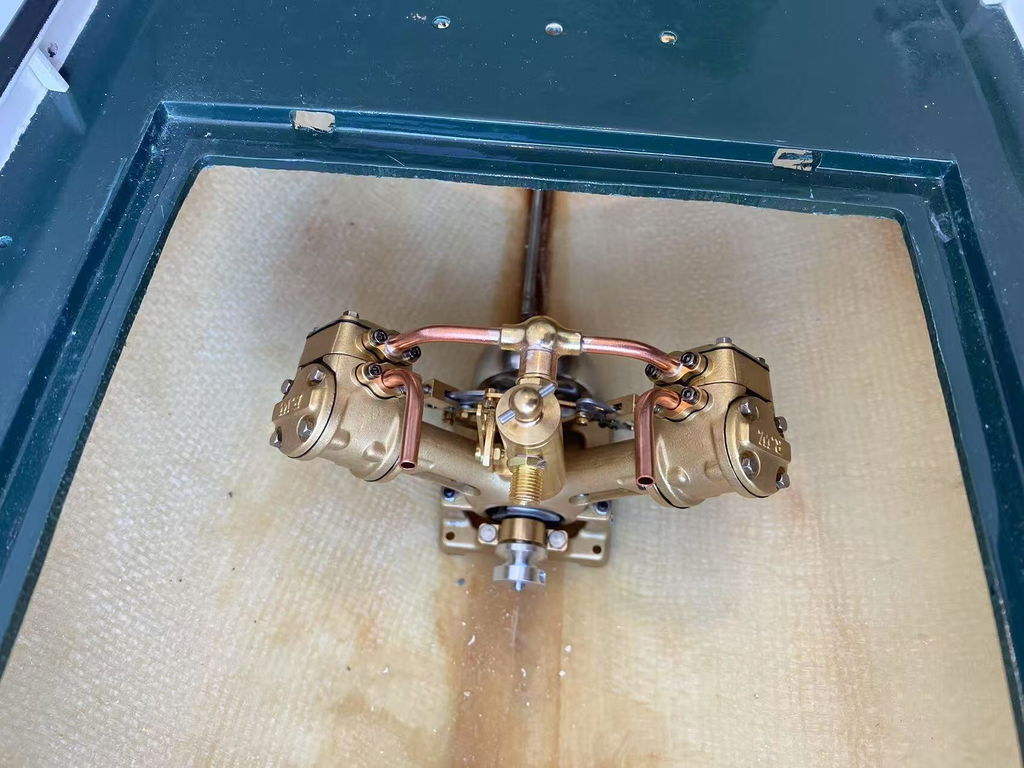
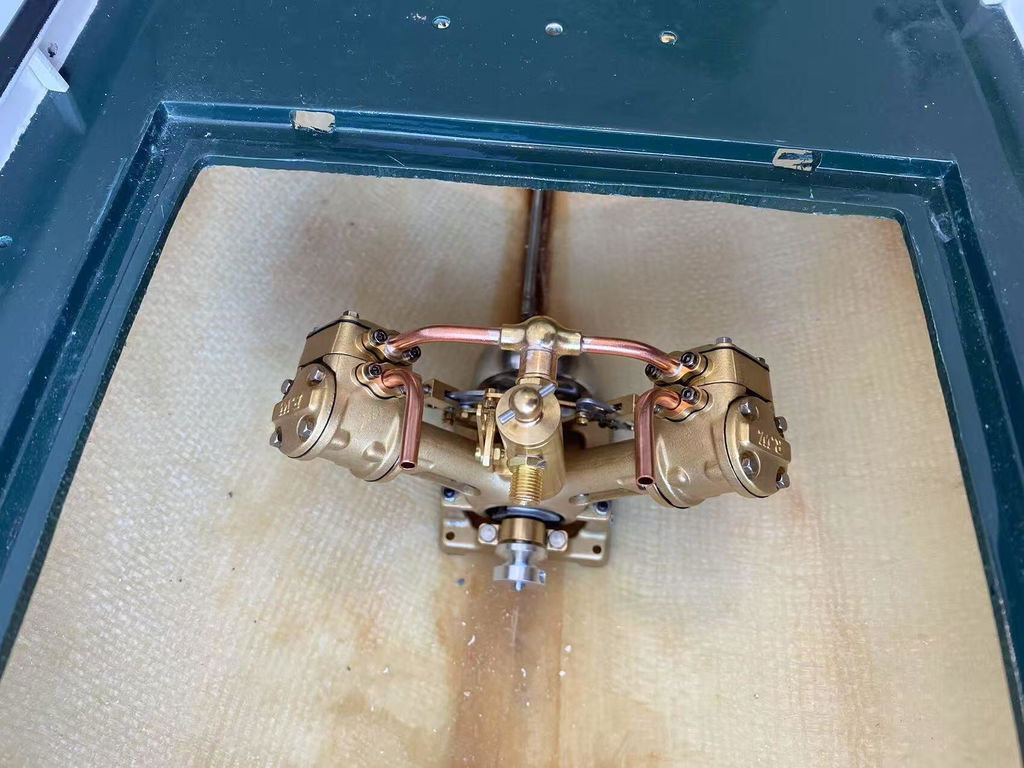
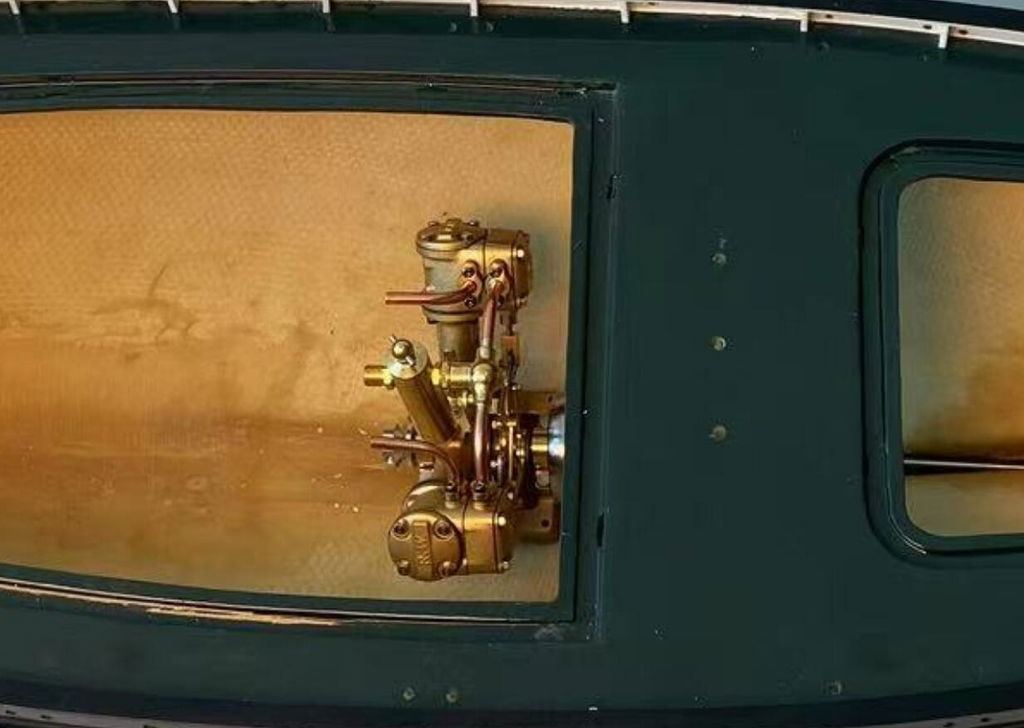
Building a model engine is one of the best ways to understand how mechanical components work together to create motion. Instead of only looking at diagrams or finished engines, an engine model kit lets you assemble key components such as the crankshaft, pistons, connecting rods, cylinders, valve train, timing system and, depending on the model, cooling, ignition or fuel systems.
This guide explains how to build a model engine, what tools you may need, how the assembly process normally works, what to check before first operation, and how to choose the right type of engine kit for your experience level.
If you are still choosing a project, you can also explore our Build Your Own Engine Kits collection for gasoline engines, multi-cylinder engine models, turbine kits and mechanical assembly engines.
What Is a Model Engine Kit?
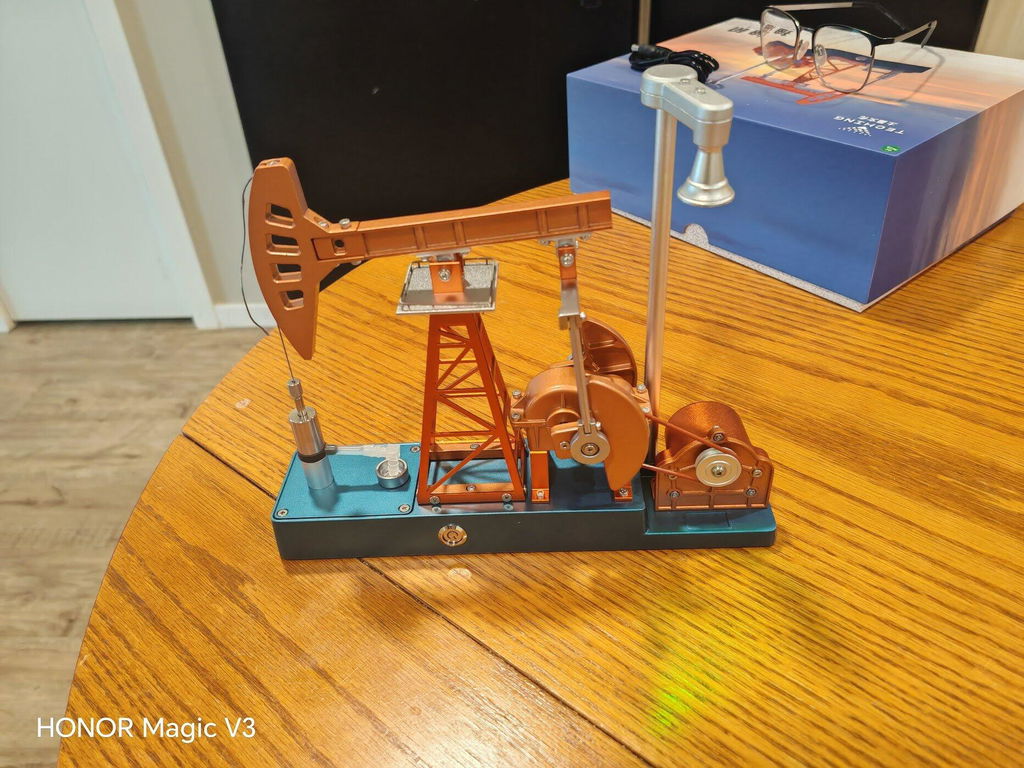
A model engine kit is a scaled mechanical engine designed to demonstrate the structure, movement and operating principles of a full-size engine. Unlike a static display model, many engine kits contain functional moving components that allow you to observe the relationship between pistons, crankshafts, connecting rods, valves, camshafts, gears and other mechanical systems.
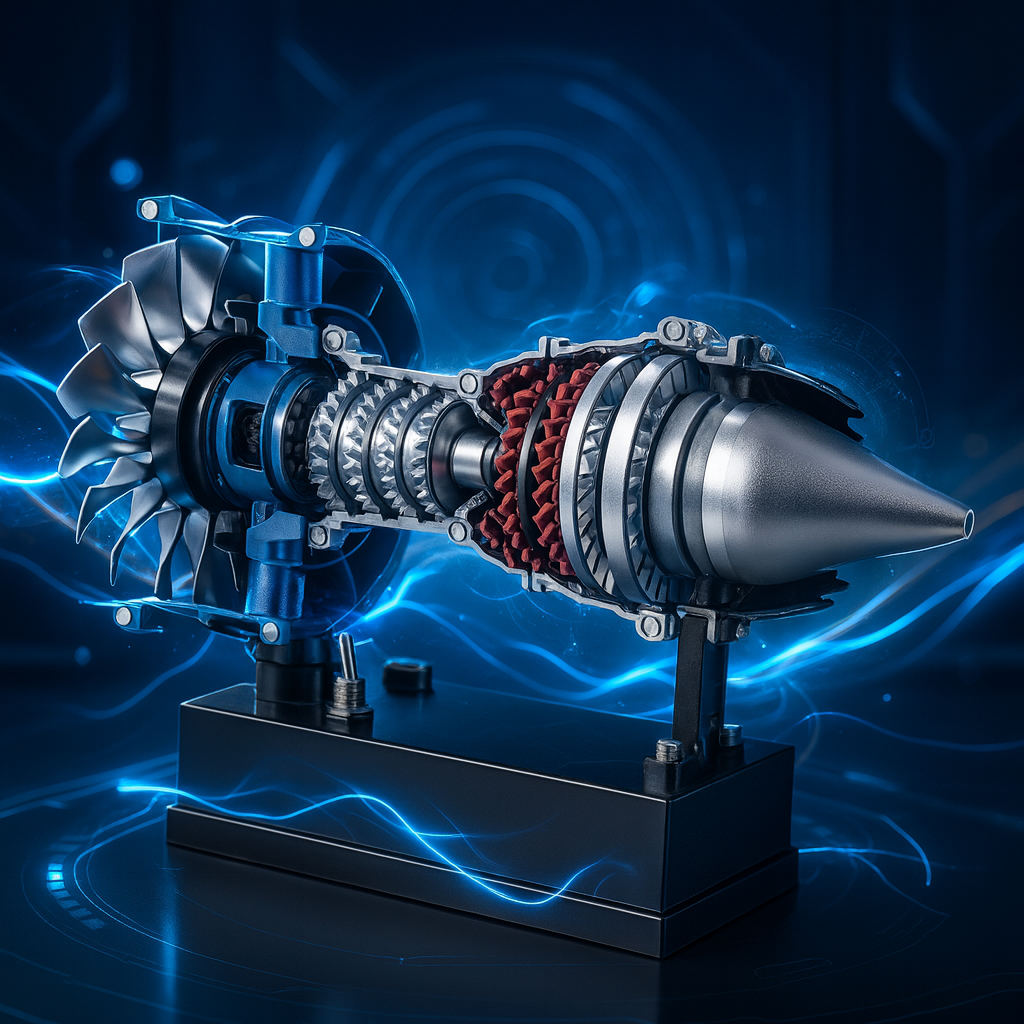
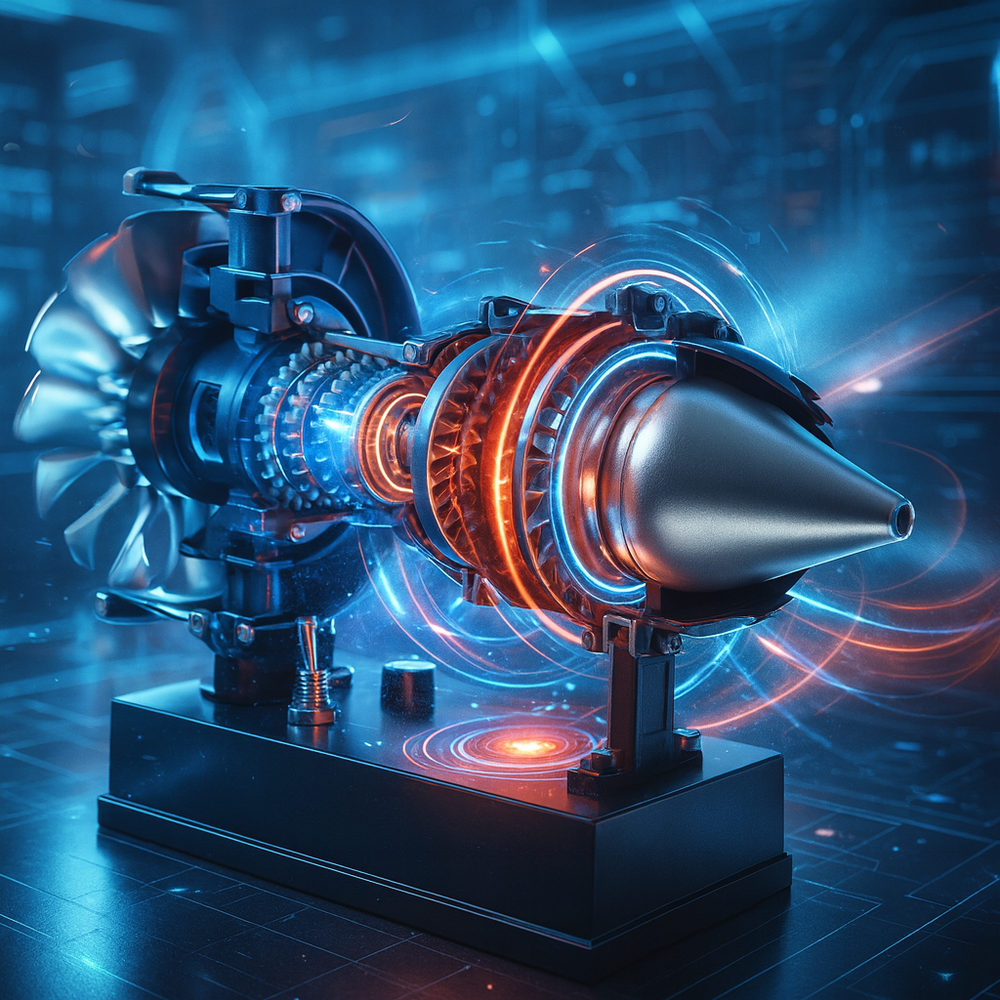
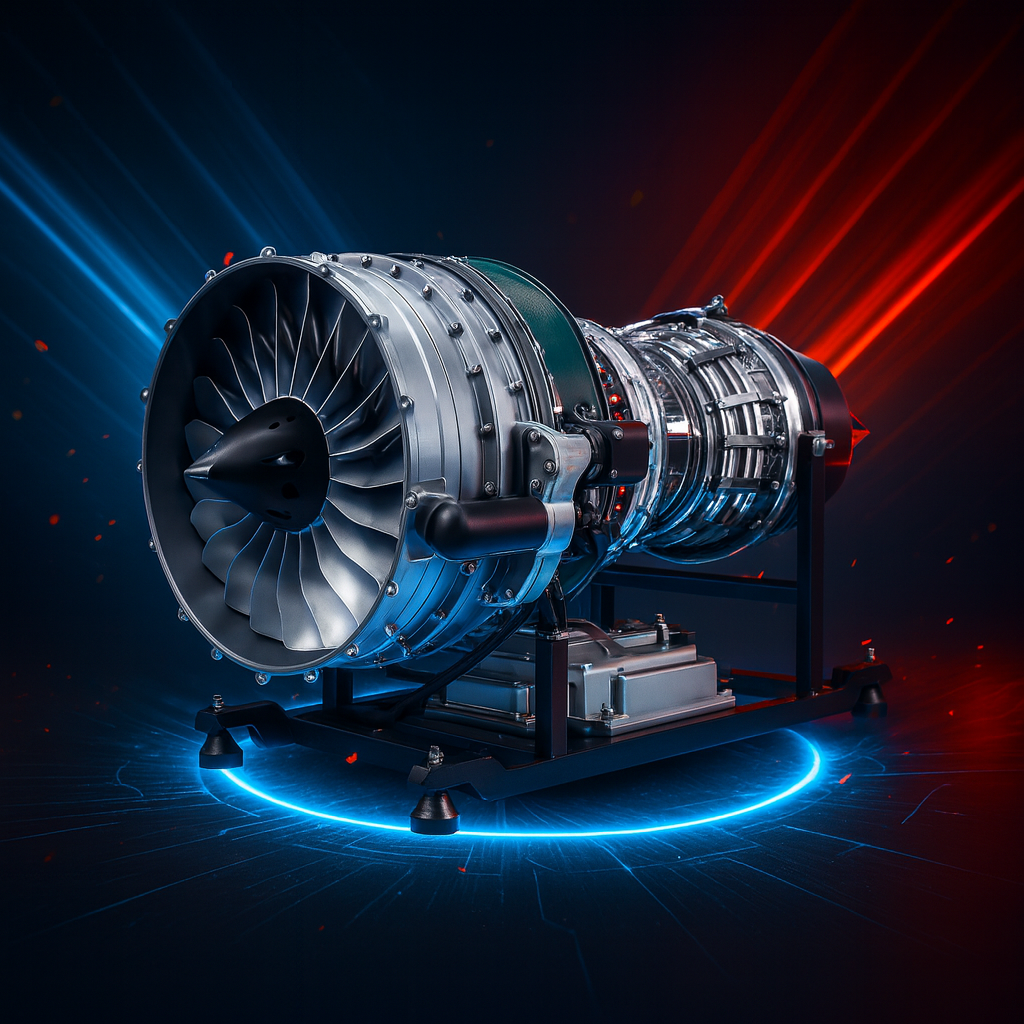
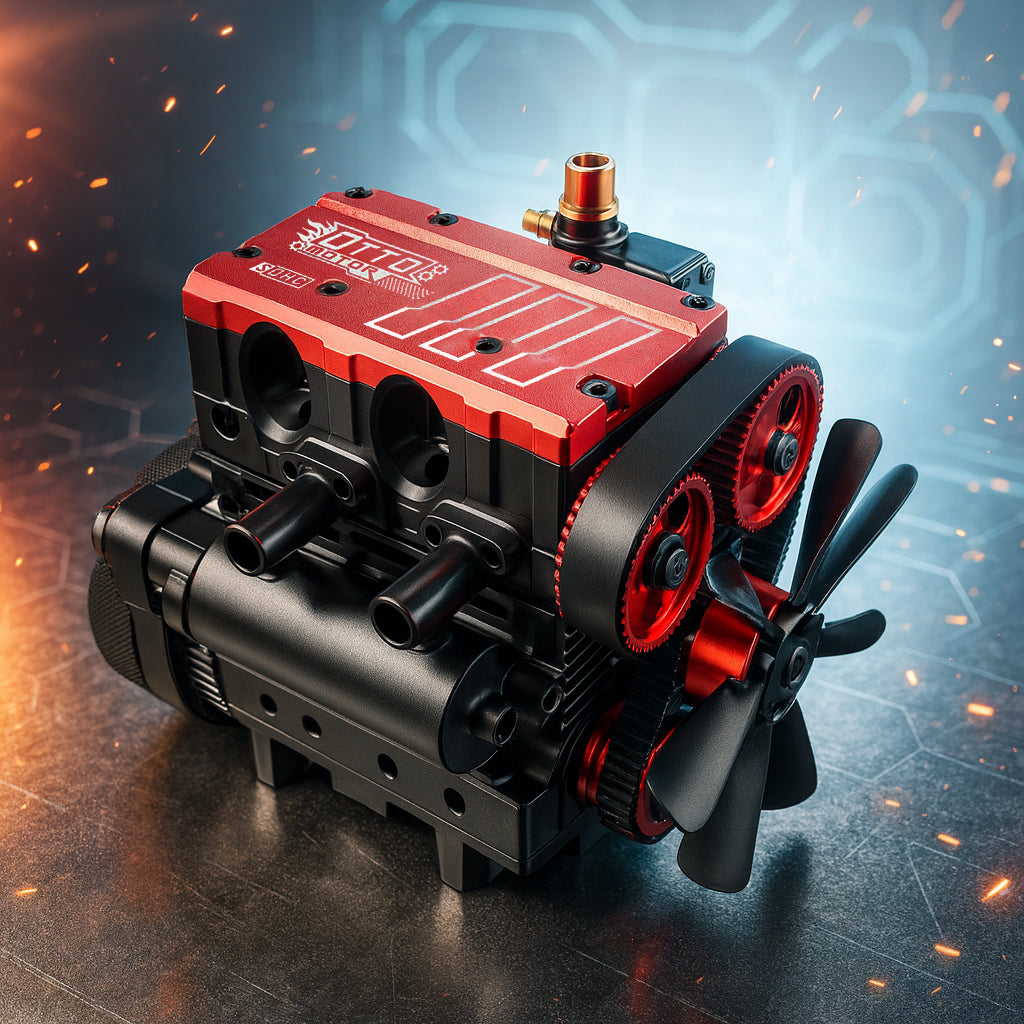
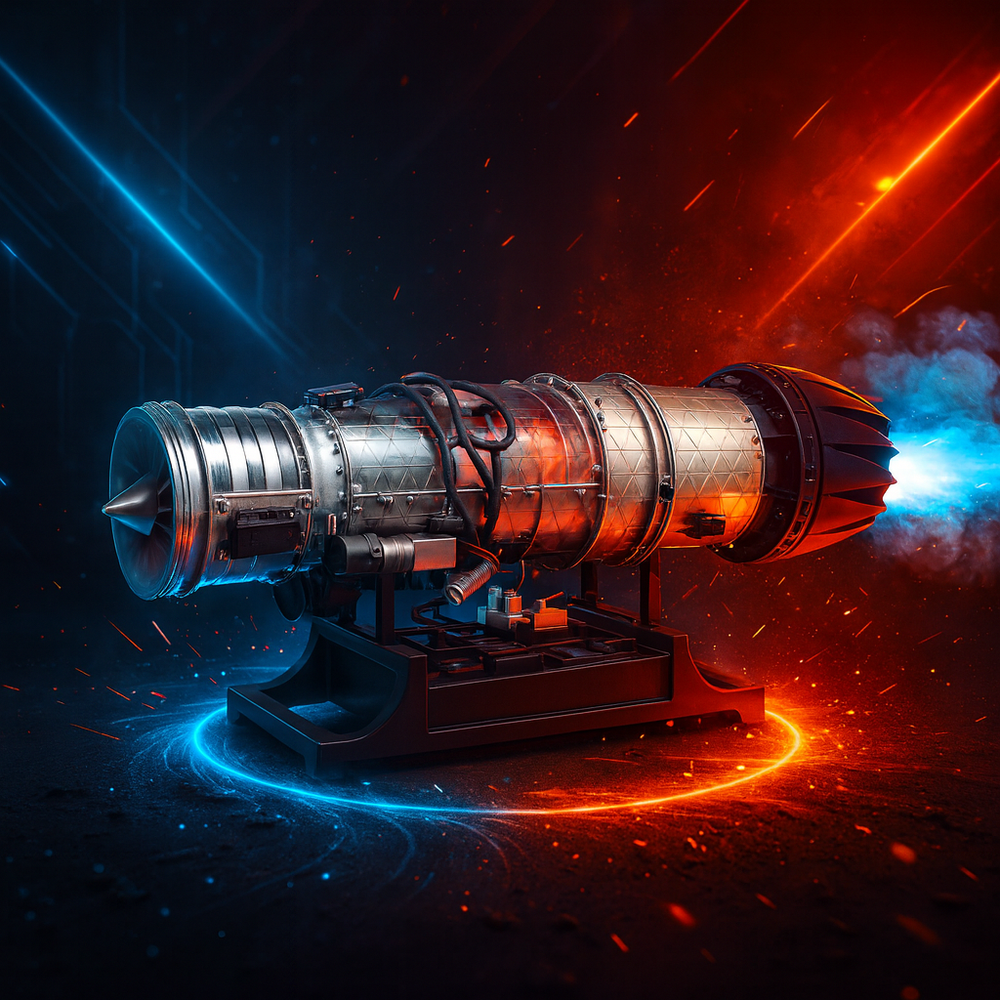
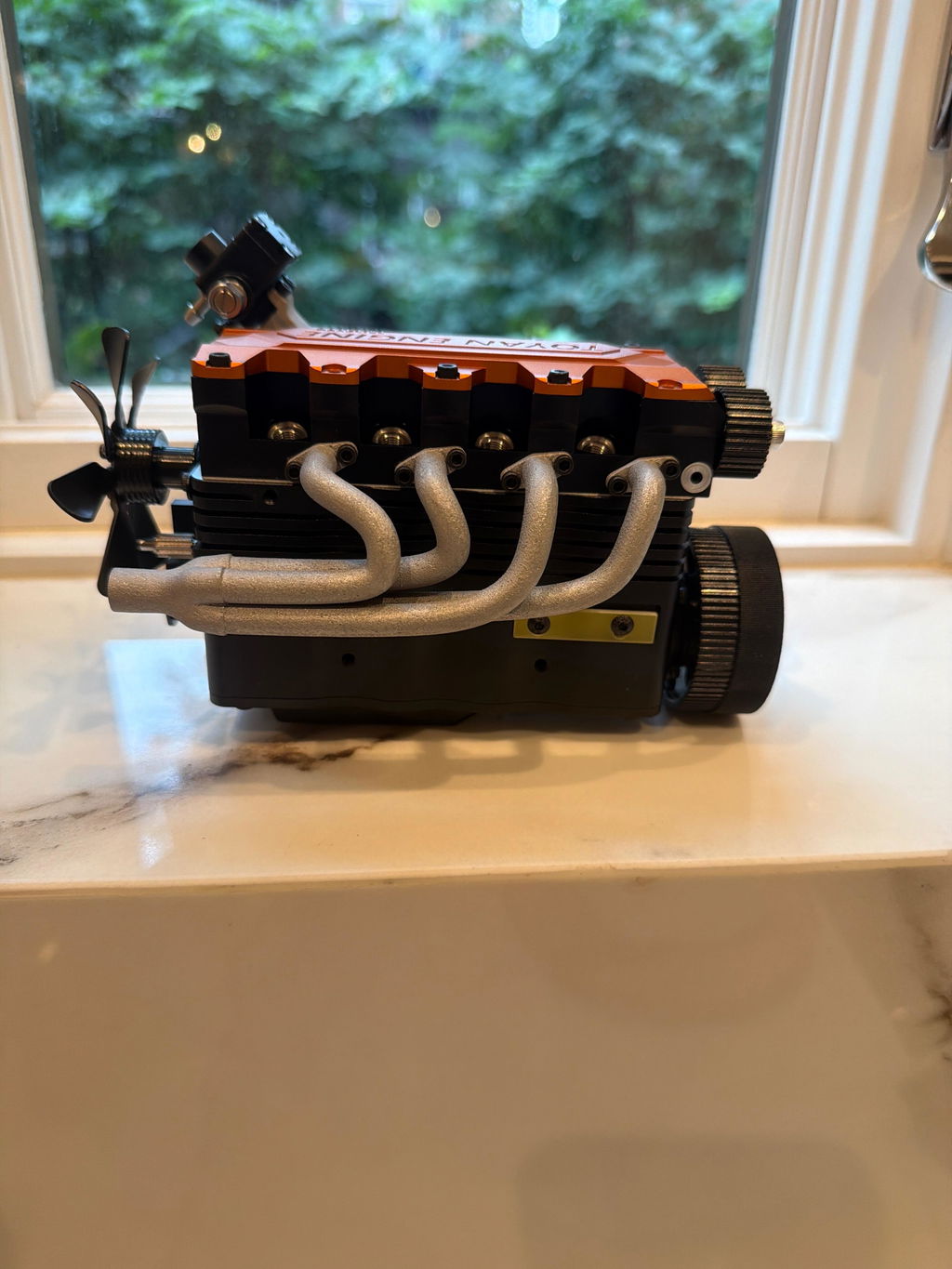
Some advanced miniature engines are capable of real internal combustion and can operate using gasoline, nitro or methanol-based fuels. Other kits use an electric motor to drive the internal mechanism so you can observe engine movement without combustion. Turbine and jet engine models may also use electric motors to demonstrate compressor and turbine rotation.
Understanding this difference is important before choosing a kit because the assembly process, required tools, operating procedures and difficulty can vary considerably.
Choose the Right Model Engine Before You Start
The first step is choosing an engine model that matches the type of experience you want. A beginner may prefer a mechanically driven engine where the focus is on understanding components and assembly. An experienced hobbyist may prefer a miniature gasoline or nitro engine that requires more precise mechanical adjustment and preparation before startup.
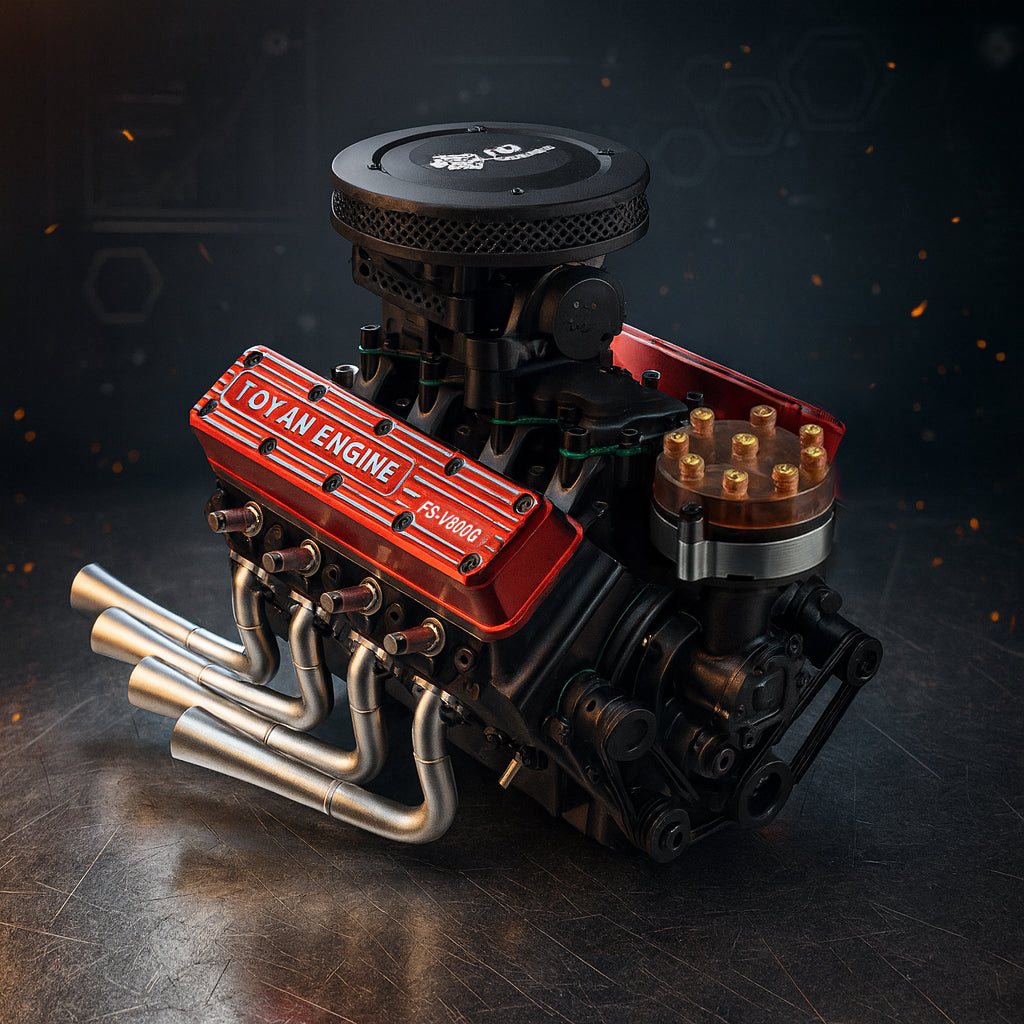
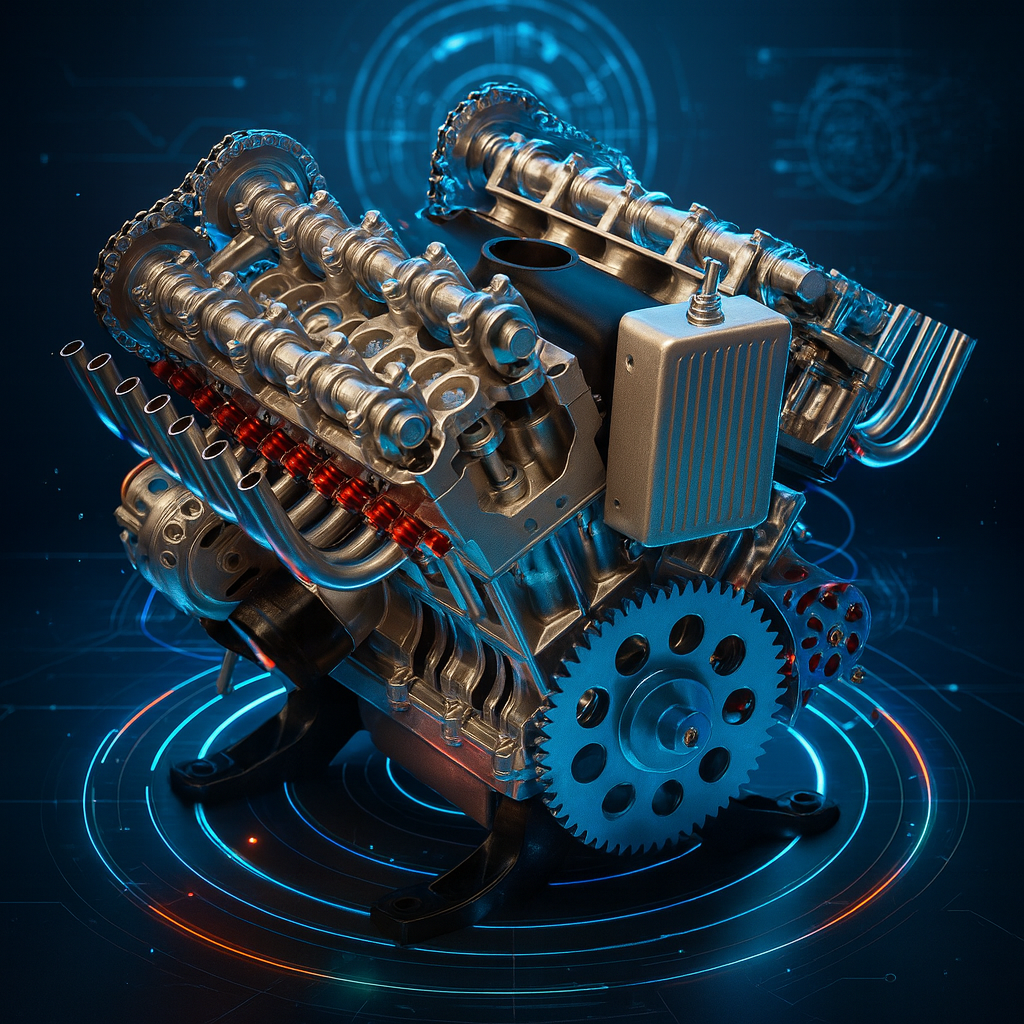
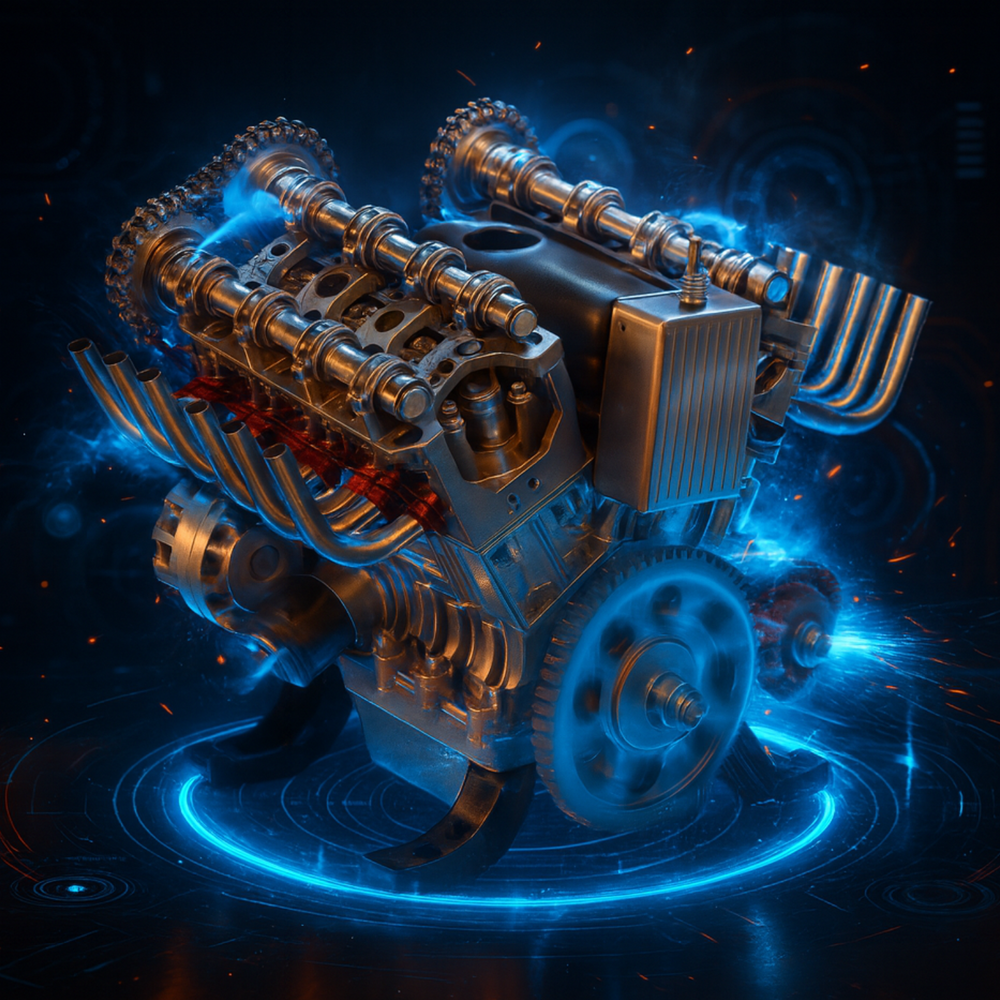
Engine configuration also affects the building experience. Inline engines offer a relatively straightforward layout, while V-type engines introduce two cylinder banks and a more complex crankshaft arrangement. Radial engines provide a completely different mechanical structure, while jet and turbofan models focus on compressor stages, turbine assemblies and rotational systems rather than pistons.
Tools You May Need to Build a Model Engine
The exact tools depend on the engine kit, so always follow the manufacturer's instructions first. Many mechanical engine kits include the primary hardware needed for assembly, but having a clean set of precision tools makes the process easier and reduces the risk of damaging small components.
Typical tools may include precision screwdrivers, hex keys, small open-end wrenches, needle-nose pliers, tweezers, a small socket set, thread-locking compound where specified, light machine oil or assembly lubricant where recommended, cleaning cloths and a parts tray for organizing screws and small components.
For combustion engines, additional equipment may be required for ignition, fuel delivery, cooling and startup. Always check the specific product instructions before attempting to operate a miniature combustion engine.
How to Build a Model Engine Step by Step
Every engine kit is different, but most engine assembly projects follow the same general mechanical sequence. Understanding this sequence before you start makes the entire project easier.
Step 1: Inspect and Organize the Parts
Before installing anything, compare the components with the parts list or assembly manual. Separate screws, bearings, gears, shafts and other small components into different trays or containers.
Check machined parts for visible debris, damage or shipping residue. Precision engine components should move smoothly and fit together correctly. Do not force components that appear misaligned.
Organizing the parts at the beginning can prevent one of the most common assembly mistakes: using a screw, spacer or washer in the wrong position.
Step 2: Assemble the Crankshaft and Connecting Rod System
In a piston engine, the crankshaft converts the reciprocating movement of the pistons into rotational motion. Because it forms the central rotating structure of the engine, correct crankshaft installation is extremely important.
Bearings, crank journals, connecting rods and spacers must be installed in the correct orientation. After assembly, rotate the crankshaft slowly by hand. It should move smoothly without obvious binding, excessive resistance or abnormal lateral movement.
If resistance appears, stop and check the assembly instead of trying to overcome it with force.
Step 3: Install the Pistons and Cylinders
The pistons transfer combustion pressure or mechanical force to the connecting rods and crankshaft. During installation, piston orientation, cylinder alignment and smooth movement are critical.
On engines that use piston rings, seals or very close machining tolerances, carefully follow the assembly instructions. Excessive force can damage rings, scratch cylinder surfaces or create unnecessary friction.
After installing the cylinder assembly, rotate the crankshaft again and observe the piston movement through the full stroke.
Step 4: Assemble the Camshaft and Valve Train
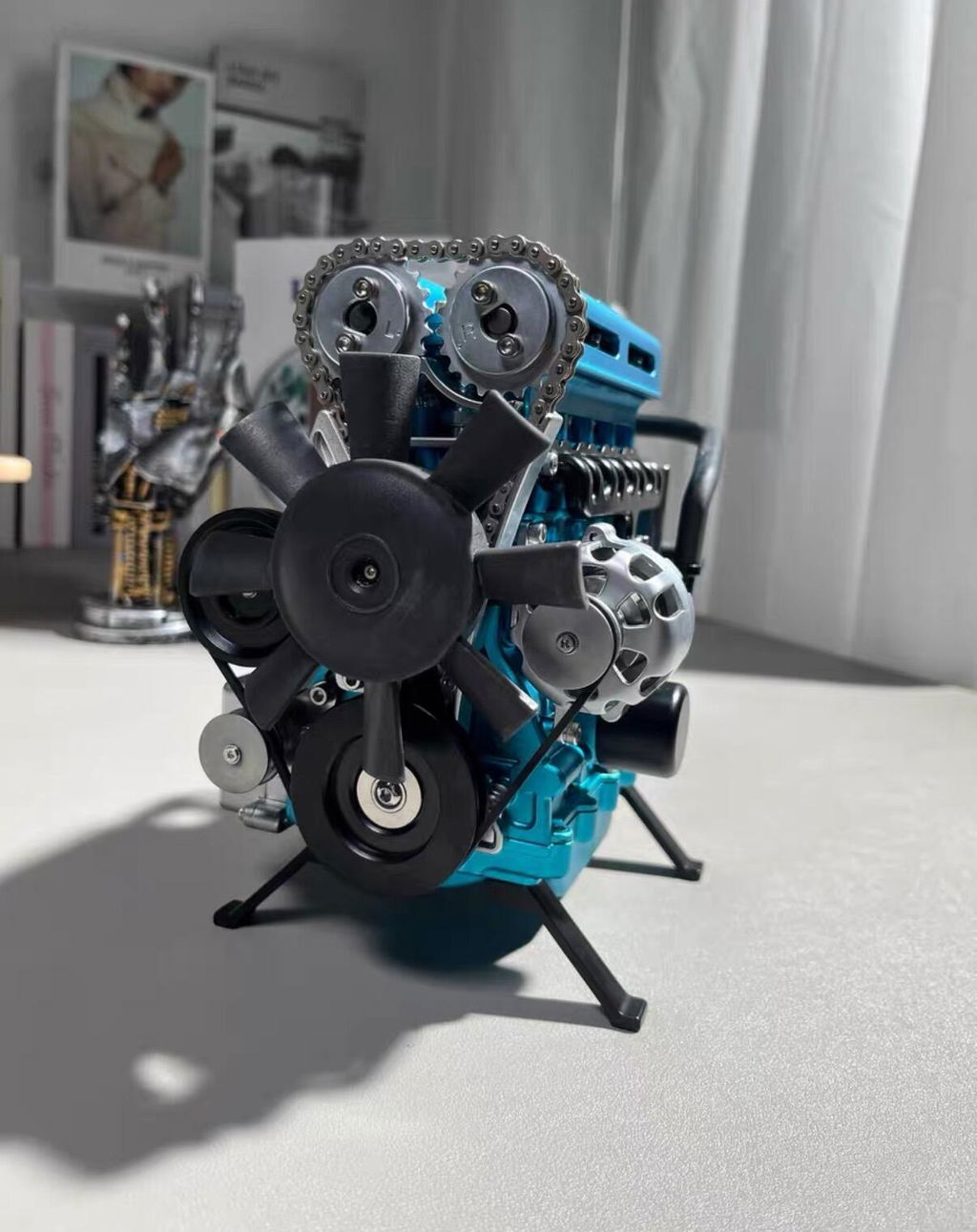
Four-stroke engine models may include a camshaft, timing gears, rocker arms, pushrods or other valve train components. This system controls when the intake and exhaust valves open and close.
Correct timing is essential. Even if every individual component has been installed correctly, an incorrect relationship between the crankshaft and camshaft can prevent a combustion engine from operating properly.
Look carefully for timing marks, gear alignment marks or specific assembly positions shown in the manual.
Step 5: Install the Timing System
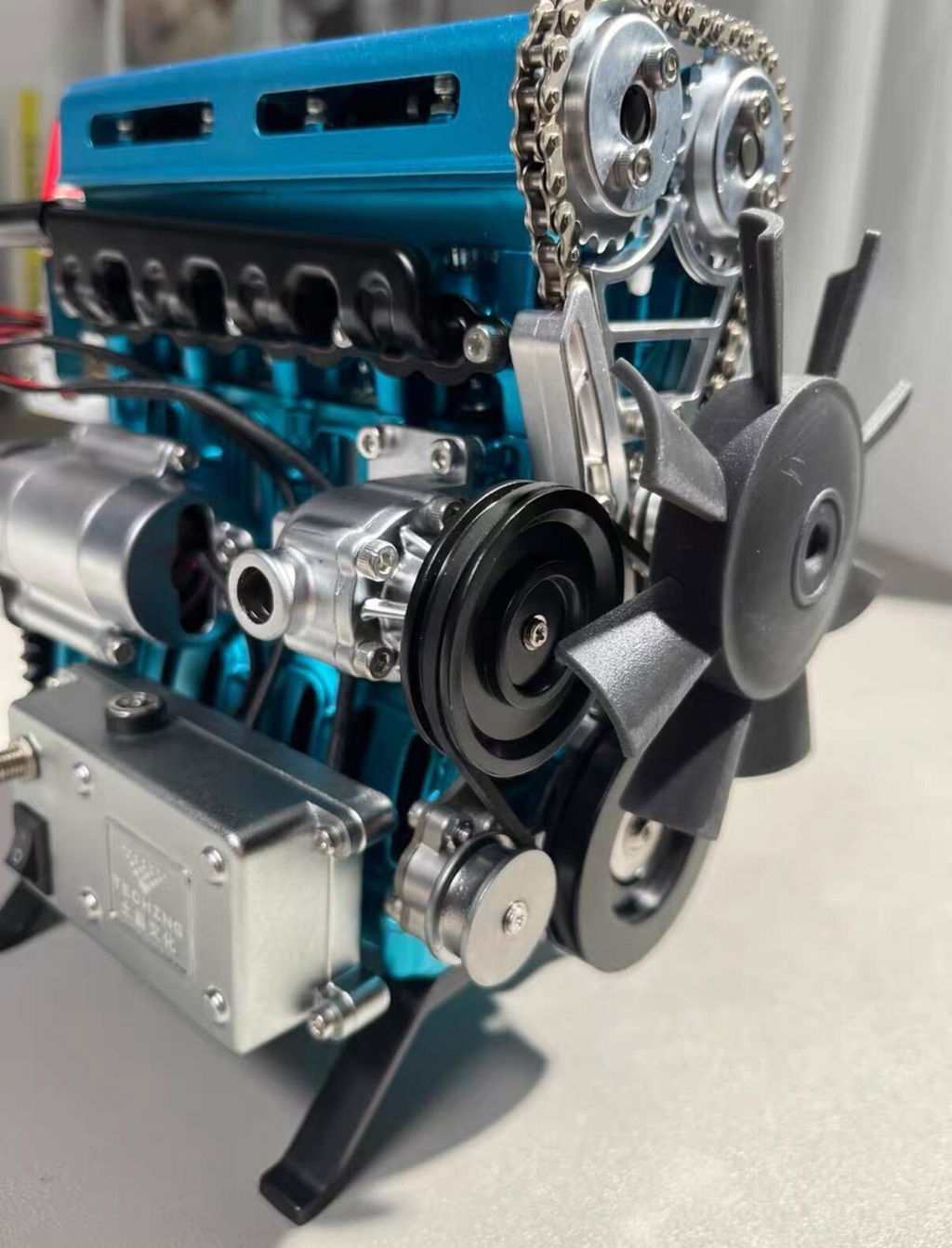
Depending on the engine design, timing may be controlled by gears, a belt, chain or another mechanical transmission system.
Before closing the timing cover, manually rotate the crankshaft through multiple complete cycles. Watch the piston and valve movement carefully. The mechanism should remain synchronized and there should be no mechanical interference.
This manual rotation check is one of the most important steps in the entire model engine assembly process.
Step 6: Complete the Intake, Exhaust and Fuel System
Combustion engine models may include a carburetor, intake manifold, exhaust system, fuel tubing or other fuel-delivery components.
These components should be installed exactly as specified by the manufacturer. Fuel systems require particular attention because incorrect tubing, loose fittings or improper adjustment may prevent the engine from starting or create unsafe operating conditions.
Do not assume that settings from one miniature engine apply to another. Carburetor adjustment, fuel mixture and startup procedures vary between engine designs.
Step 7: Install the Ignition System
Gasoline engines may use a spark plug, ignition module, Hall sensor and related wiring. Nitro or methanol engines may use a different ignition method.
Check all electrical connections carefully and keep wires clear of flywheels, gears, exhaust components and other moving or hot parts.
Ignition timing should follow the manufacturer's specified setup. Incorrect ignition timing can make starting difficult and may cause unstable operation.
Step 8: Install the Cooling System
Some working miniature engines use water cooling. These systems may include water jackets, tubing, a reservoir, pump or radiator depending on the model.
Check the direction of coolant flow and inspect all tubing connections before operating the engine. A combustion engine should never be run without the cooling system required by its design.
Step 9: Check the Engine Before First Operation
Once assembly is complete, do not immediately attempt to start the engine. Perform a full mechanical inspection first.
Rotate the engine manually through several complete cycles and check that the crankshaft, pistons, valves, gears and flywheel move freely. Confirm that fasteners are secure, tubing is connected correctly, wires are clear of moving parts and all systems are installed according to the instructions.
A careful pre-start inspection can identify many assembly problems before they become more difficult to diagnose.
Real Working Engine vs Mechanical Engine Model
Not every moving engine model is a combustion engine. Understanding the distinction will help you choose the correct project.
| Feature | Real Combustion Engine | Mechanical Engine Model |
|---|---|---|
| Power Source | Gasoline, nitro or other specified fuel | Usually electric motor or manual rotation |
| Combustion | Yes | No |
| Assembly Difficulty | Usually advanced | Beginner to advanced |
| What You Learn | Combustion, ignition, cooling, fuel delivery and tuning | Engine structure, timing, motion and mechanical transmission |
| Best For | Experienced hobbyists and engine enthusiasts | Builders, collectors, students and mechanical enthusiasts |
How Difficult Is It to Build a Model Engine?
Model engine difficulty varies considerably. A good way to choose a project is to think in terms of three general experience levels.
Beginner Engine Kits
Beginner kits usually emphasize mechanical assembly without requiring fuel, ignition or engine tuning. They are suitable for learning basic engine structure, following assembly diagrams and becoming familiar with precision hardware.
Intermediate Engine Kits
Intermediate projects normally include more components, tighter mechanical tolerances and more complex timing or transmission systems. Multi-cylinder mechanical engines and detailed turbine models often fall into this category.
Advanced Engine Kits
Advanced miniature combustion engines may require mechanical assembly, ignition setup, cooling installation, fuel preparation and startup adjustment. These models are better suited to experienced builders who are comfortable troubleshooting mechanical systems.
Common Model Engine Assembly Mistakes
Many problems that appear during first operation actually begin during assembly. Common causes include installing similar screws in the wrong locations, misaligning timing marks, overtightening small fasteners, forcing precision components together, failing to check free rotation during assembly, incorrectly routing tubing or wiring, and attempting to start an engine before completing a full mechanical inspection.
The best habit is simple: after every major assembly stage, stop and test the movement manually. Finding resistance immediately is much easier than diagnosing it after the entire engine has been completed.
How Long Does It Take to Build a Model Engine?
Assembly time depends on the number of components and the complexity of the engine. A simple mechanical model may take several hours, while a detailed multi-cylinder engine can require multiple sessions over one or more days.
Speed should not be the priority. Organizing components, checking each step and understanding what each mechanism does are part of the experience.
Many builders find that the assembly process itself is just as rewarding as seeing the finished engine operate.
What Can You Learn From Building a Model Engine?
Engine models turn mechanical theory into something you can physically observe. By assembling one, you can better understand how linear piston movement becomes crankshaft rotation, how connecting rods transfer force, how valve timing coordinates intake and exhaust events, and how gears, camshafts and flywheels interact.
More advanced models can also demonstrate fuel delivery, ignition timing, cooling, lubrication and multi-cylinder synchronization.
This makes model engines particularly interesting for adult hobbyists, engineering students, STEM education, collectors and anyone who wants to understand mechanical systems beyond diagrams and videos.
Choosing Your First Engine Model Kit
If this is your first engine project, start by deciding whether you primarily want an assembly experience or a real combustion experience.
Choose a mechanical model if your priority is learning engine architecture, gears, timing and moving components. Choose a real miniature combustion engine if you already have mechanical experience and want to learn about ignition, cooling, fuel delivery and engine operation.
Configuration is a secondary choice. Inline and twin-cylinder engines can provide a clear introduction to piston-engine mechanics, while V8, radial and turbine engines offer more complex and visually distinctive projects.
When you are ready to choose a project, visit our Build Your Own Engine Kits collection to compare working engines and mechanical assembly kits.
Frequently Asked Questions About Building Model Engines
Can a beginner build a model engine?
Yes. Many mechanical engine kits are suitable for beginners who can follow detailed assembly instructions and work patiently with small components. Real combustion engines usually require more experience.
Do model engine kits actually run?
Some do. Certain miniature engines use real combustion, while other engine models use an electric motor to demonstrate mechanical movement. Always check the individual product specifications before purchasing.
Do I need special tools to build an engine model?
Most kits can be assembled with precision hand tools such as screwdrivers, hex keys, small wrenches and pliers. Advanced combustion engines may require additional equipment for fuel, ignition, cooling or startup.
Should I lubricate parts during assembly?
Only use lubrication where the manufacturer's instructions recommend it. Different materials and engine designs have different requirements, so avoid applying oil or grease automatically to every moving component.
Why is my engine difficult to rotate after assembly?
Excessive resistance can indicate misalignment, incorrect component orientation, overtightened hardware, improper timing or mechanical interference. Stop and inspect the most recently assembled section rather than forcing the mechanism.
What is the best engine model for learning how an engine works?
A piston engine with visible crankshaft, connecting rods, pistons and valve components is usually an excellent choice because it allows you to observe the relationship between the major parts of a four-stroke engine.
Are gasoline engine models harder to build?
Generally, yes. A real miniature gasoline engine may involve fuel delivery, ignition timing, cooling and operating adjustments in addition to mechanical assembly, making it more suitable for experienced builders.
Can model engines be used for STEM education?
Yes. Engine models can help demonstrate mechanical motion, timing, force transmission, thermodynamics, combustion principles and engineering design through hands-on learning.
Ready for Your Next Engine Project?
Building a model engine gives you the opportunity to understand an engine from the inside out. Whether you choose a mechanical V8, a twin-cylinder engine, a radial engine, a turbine model or a real miniature combustion engine, the most valuable part of the experience is understanding how every component contributes to the complete system.
Explore ENGINEKITOR's selection of Build Your Own Engine Kits and choose a project that matches your experience, mechanical interests and preferred level of challenge.