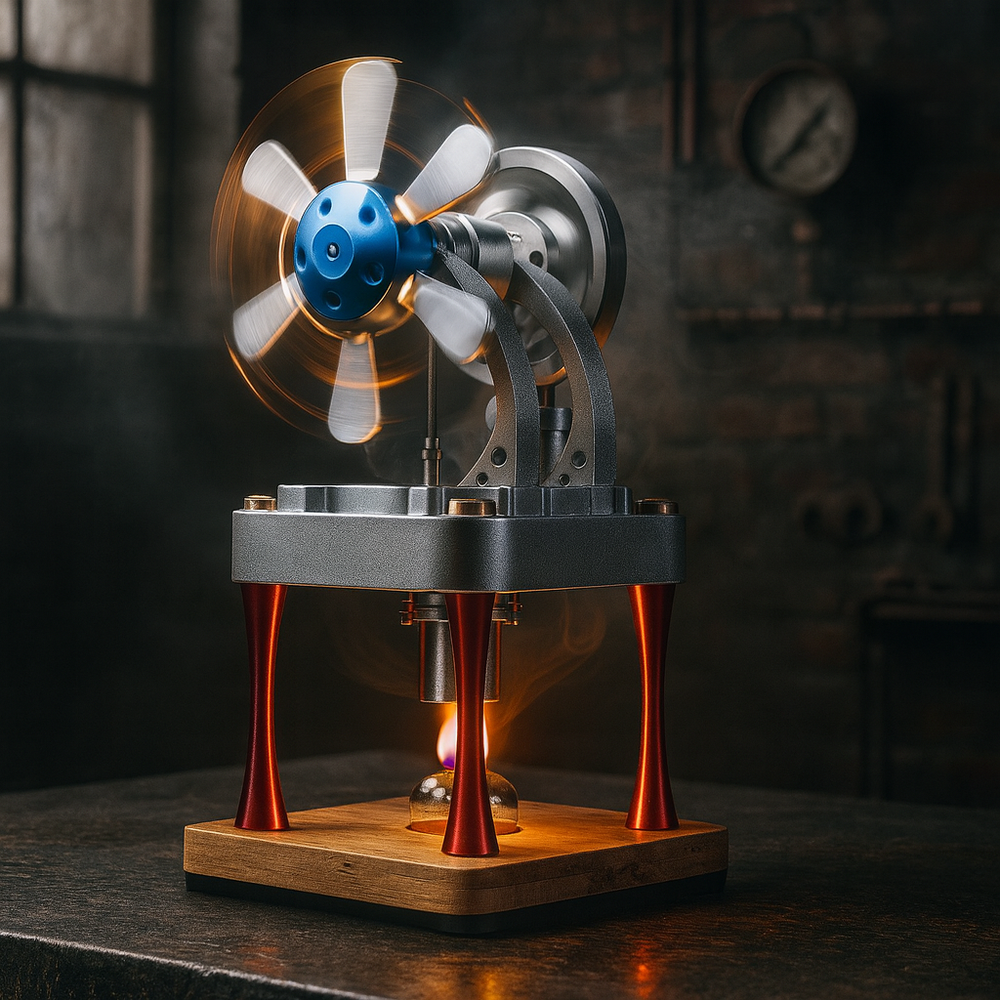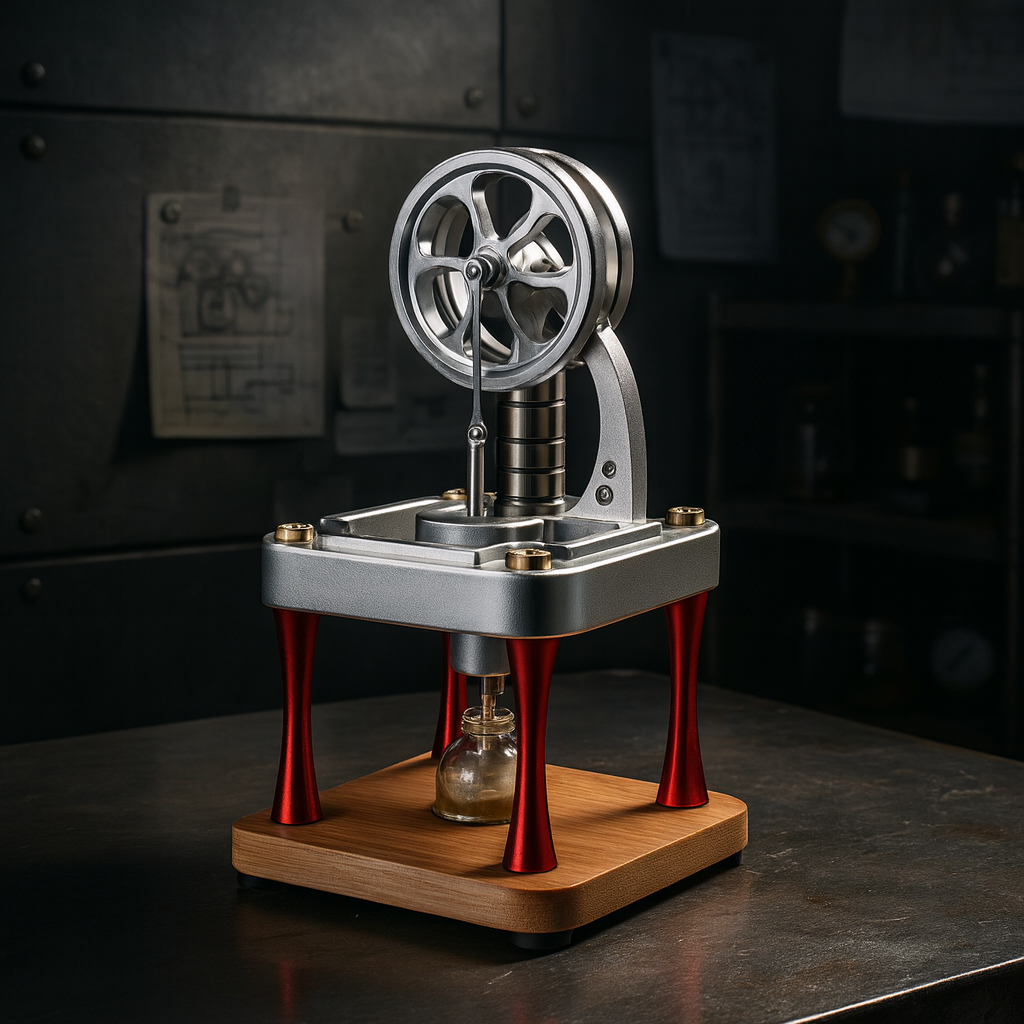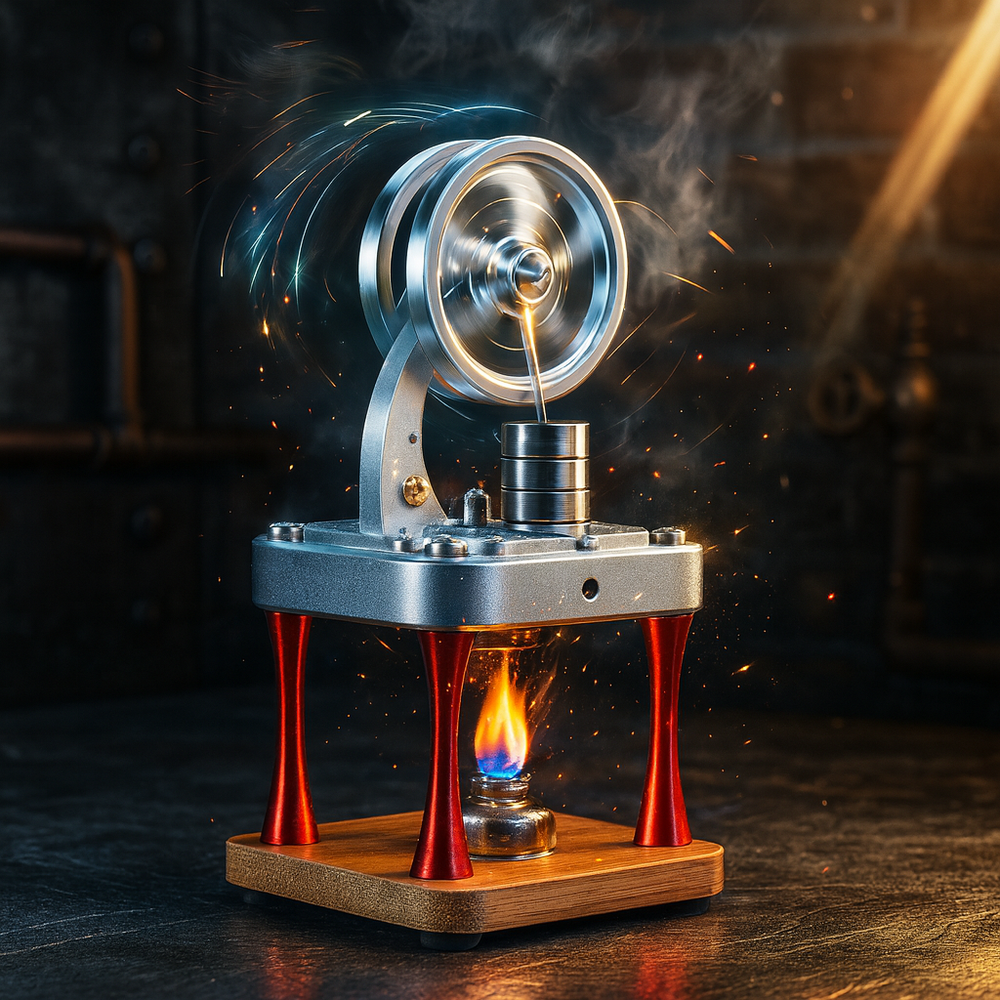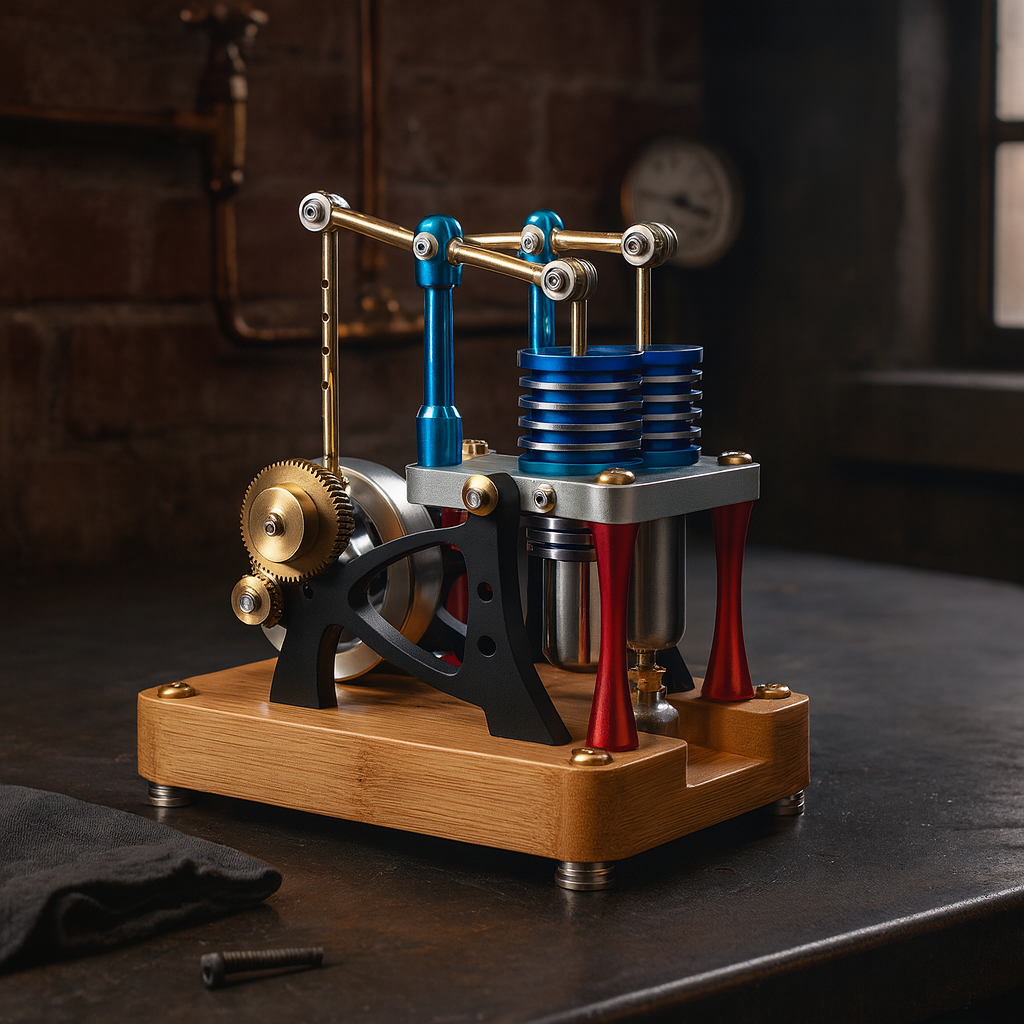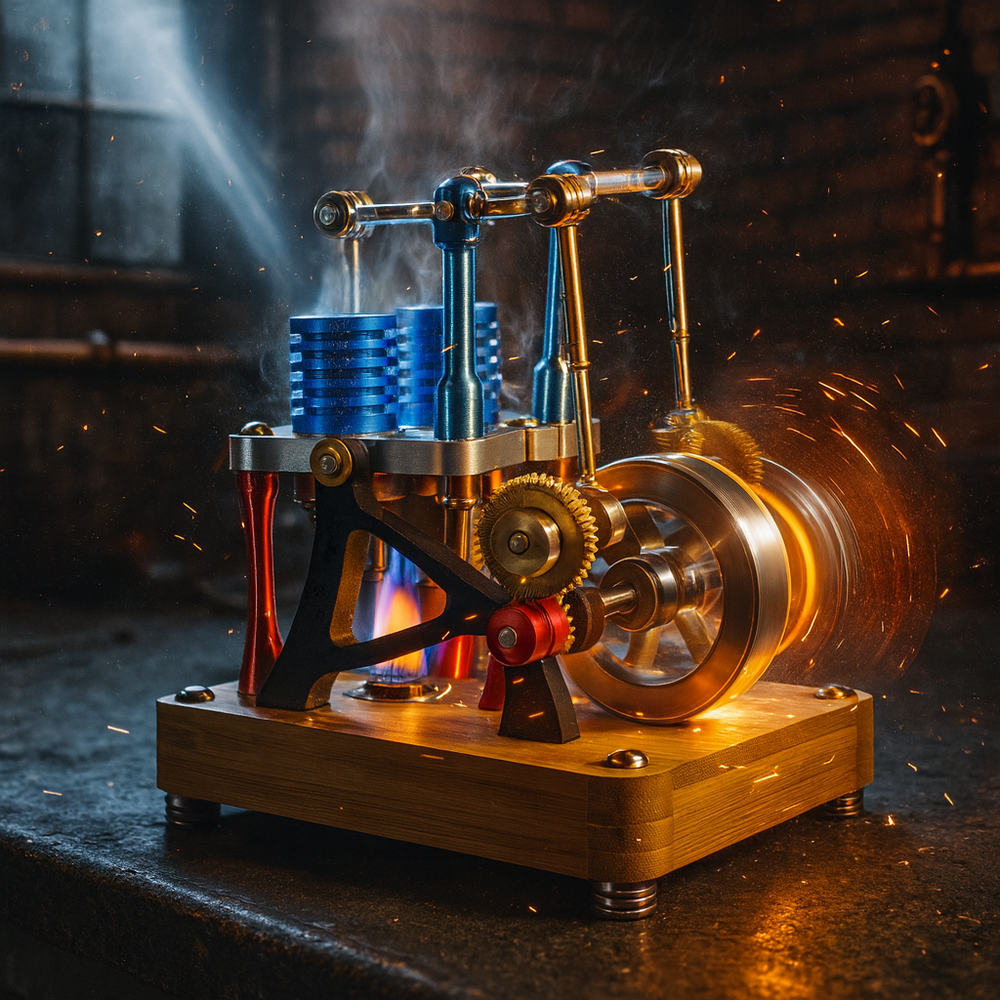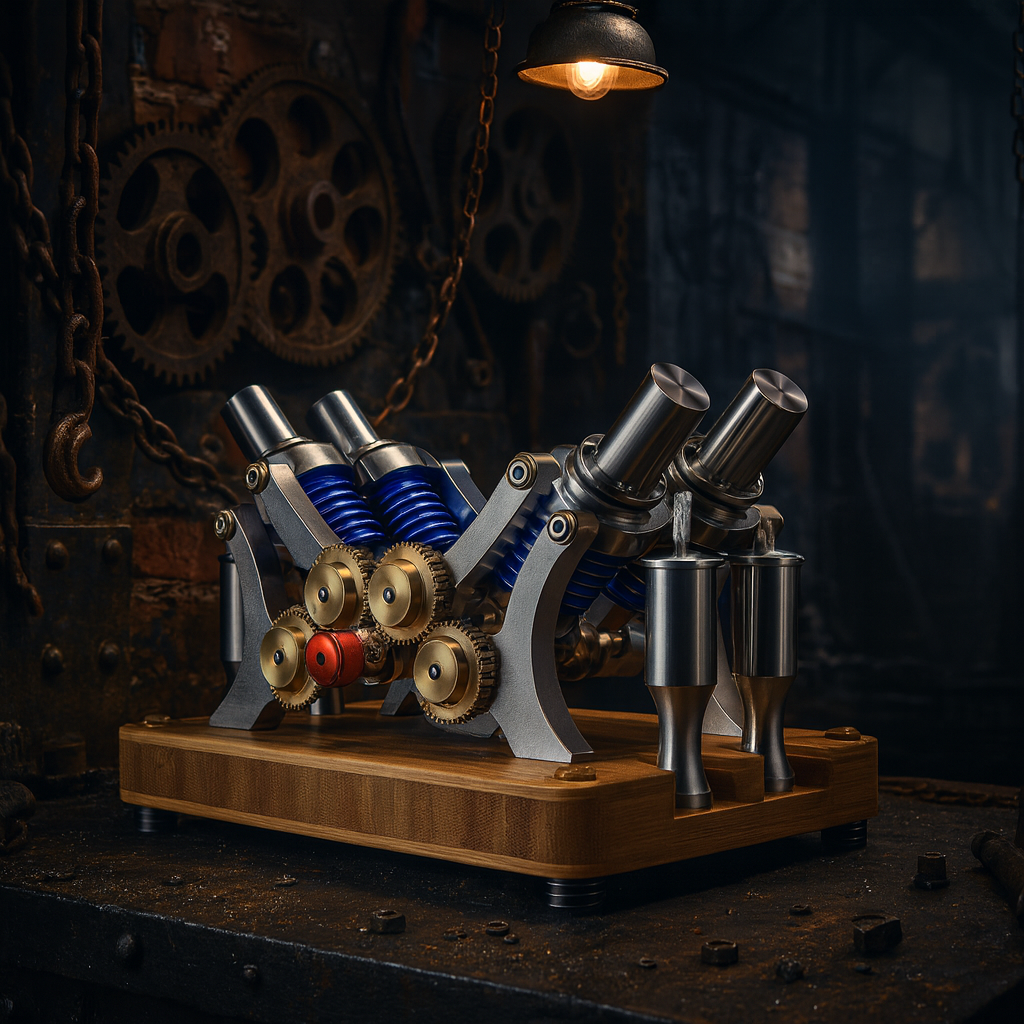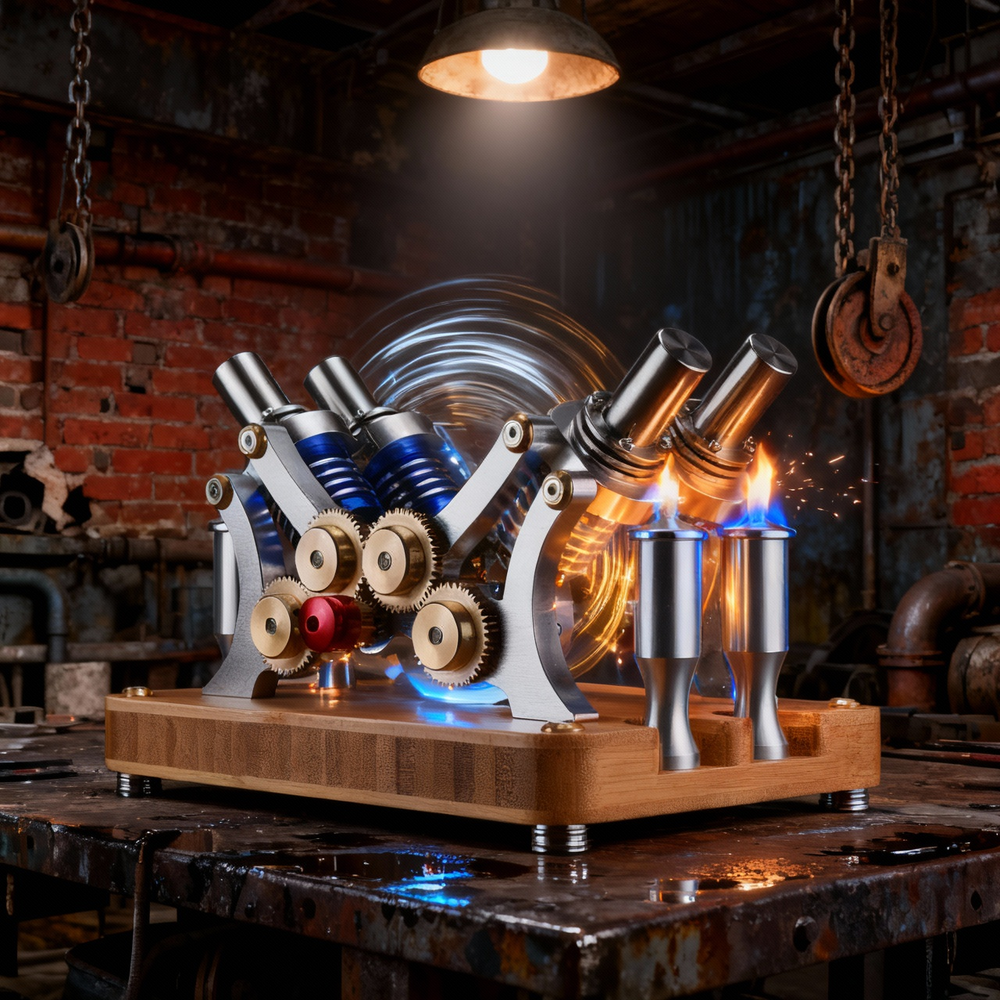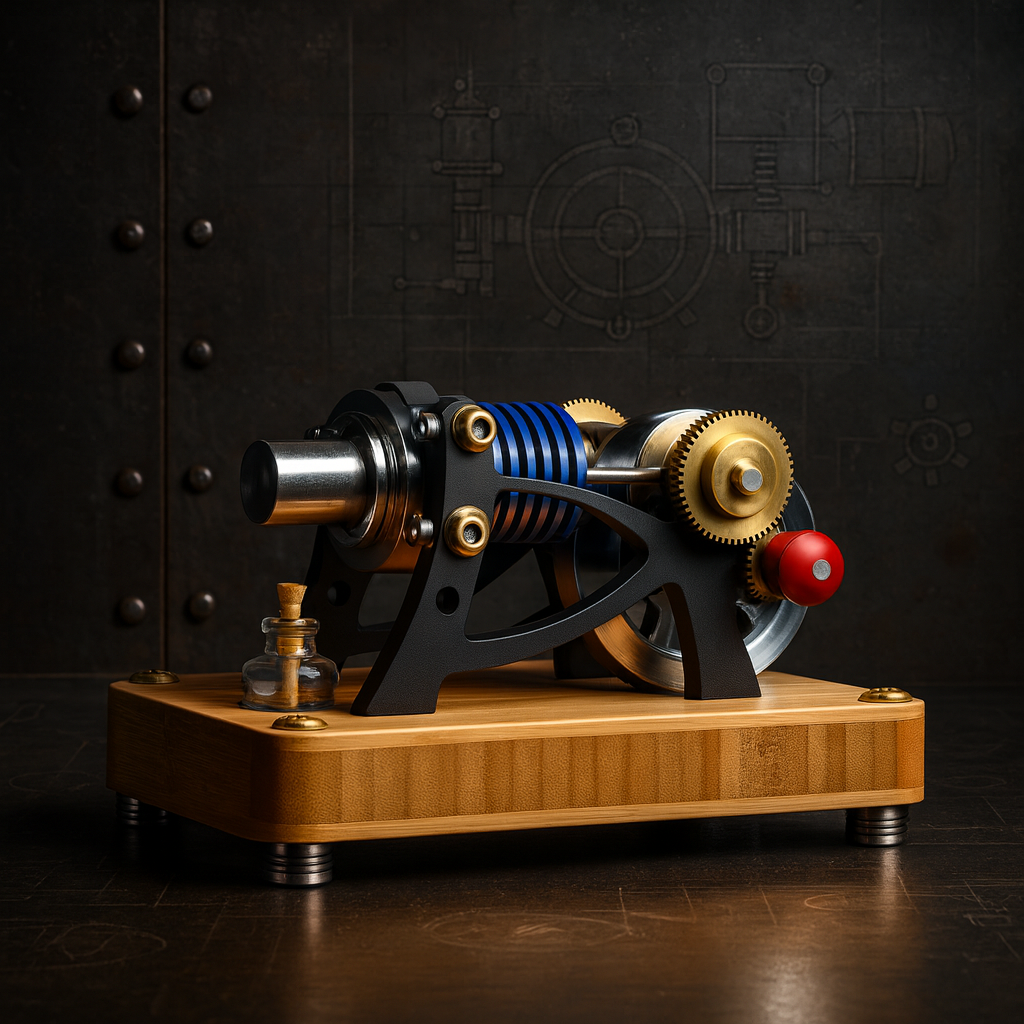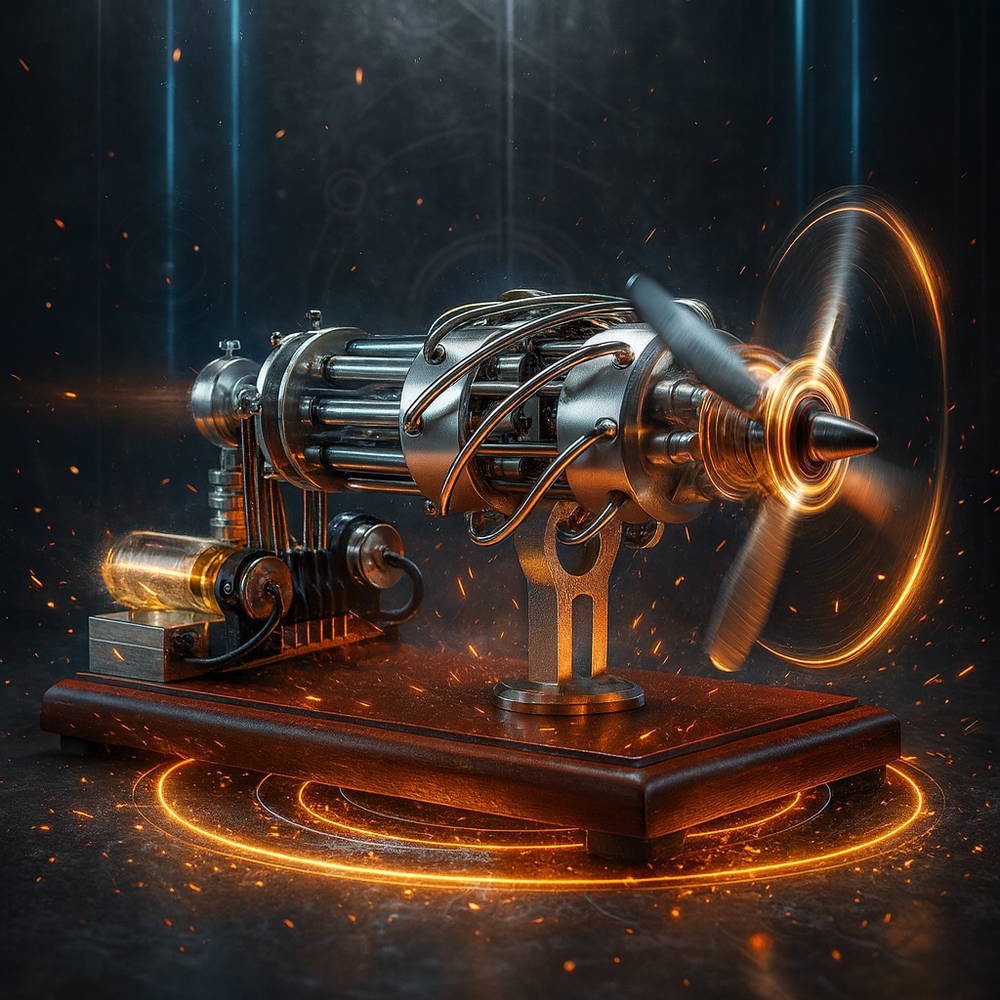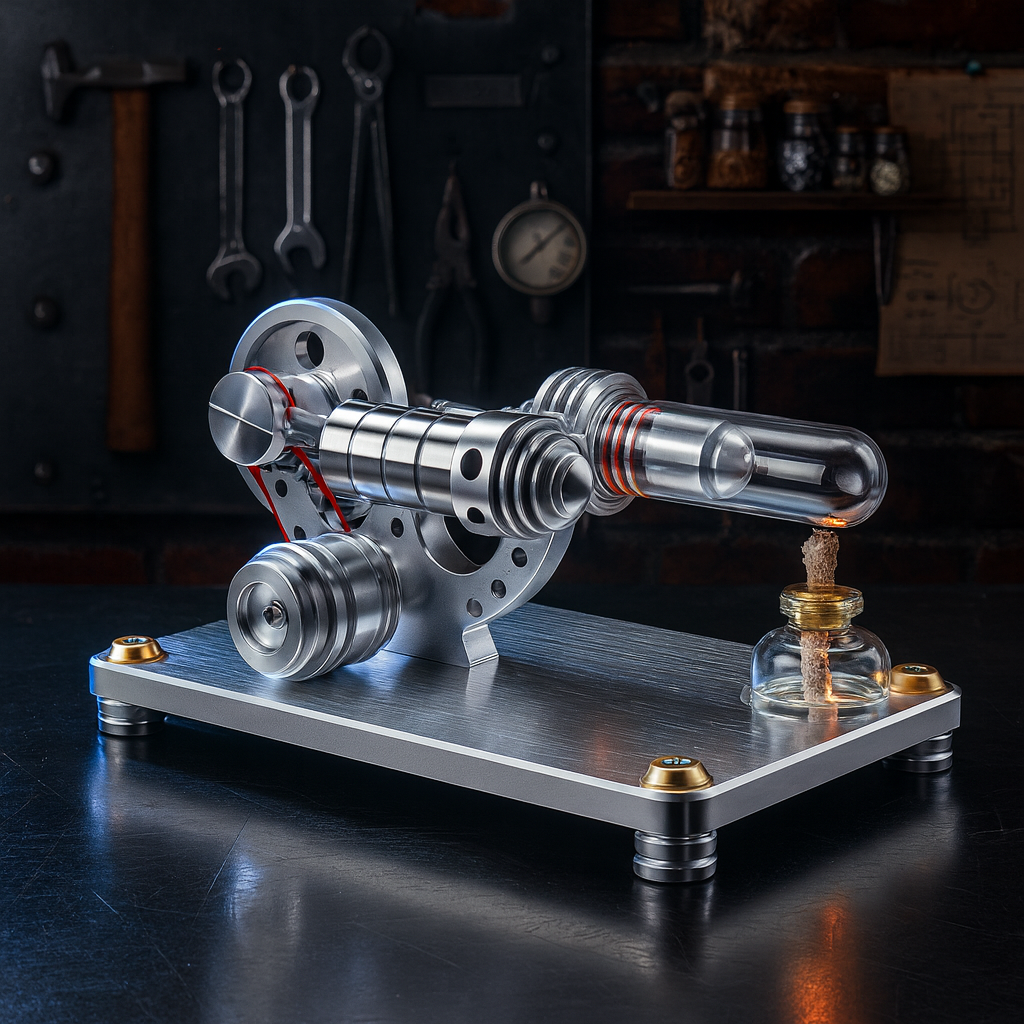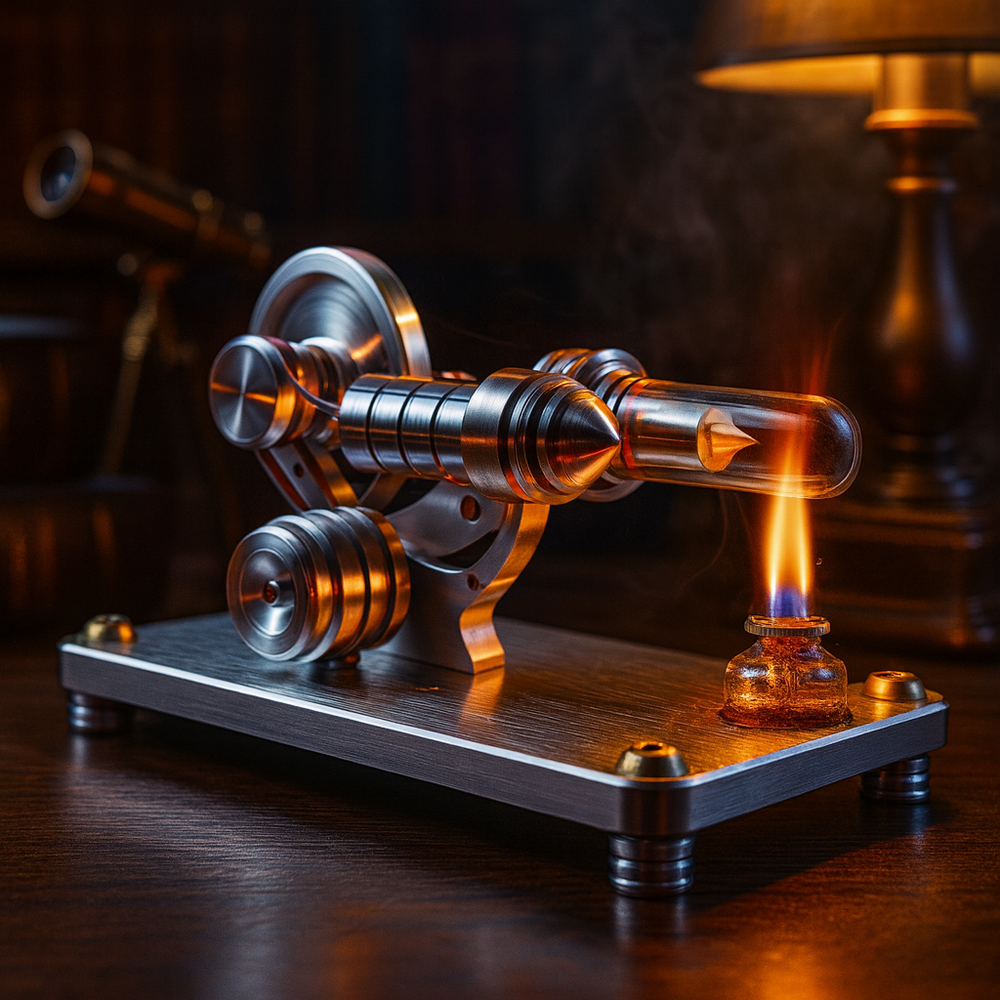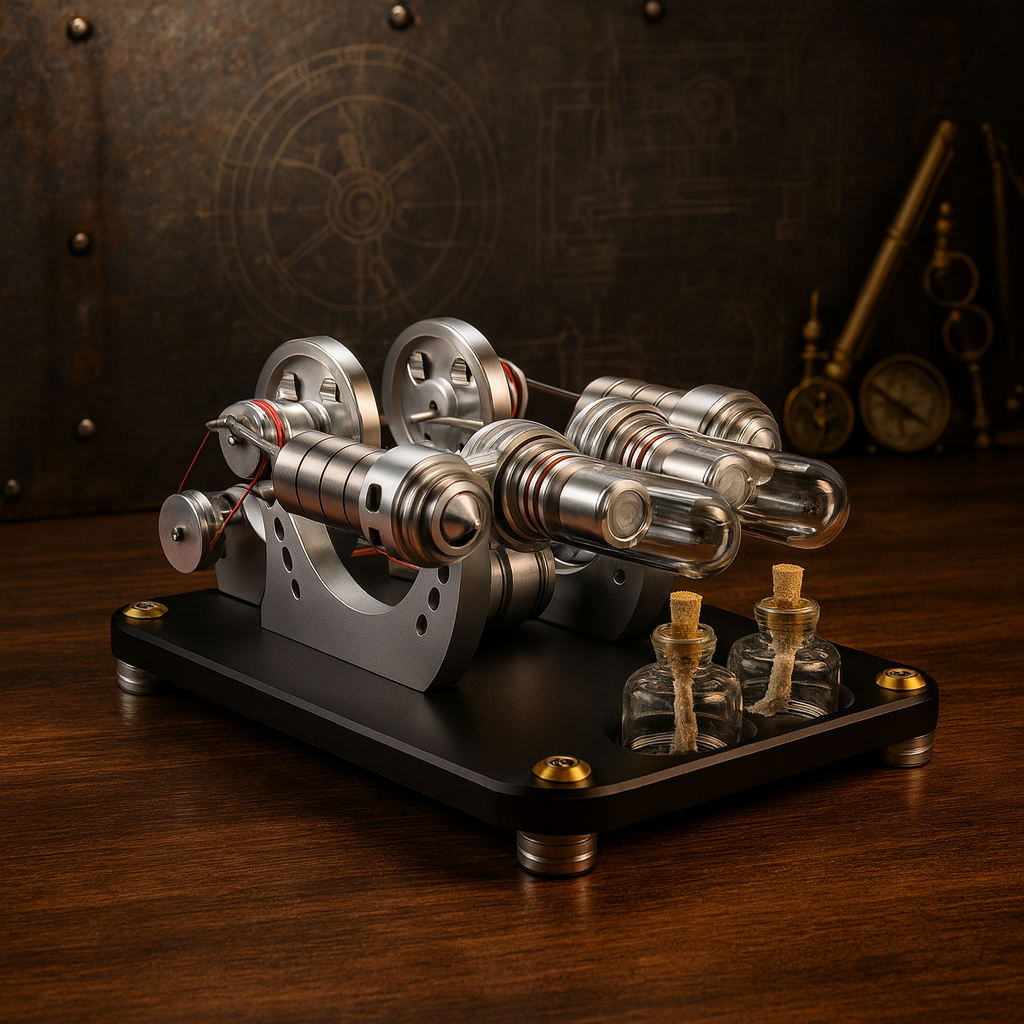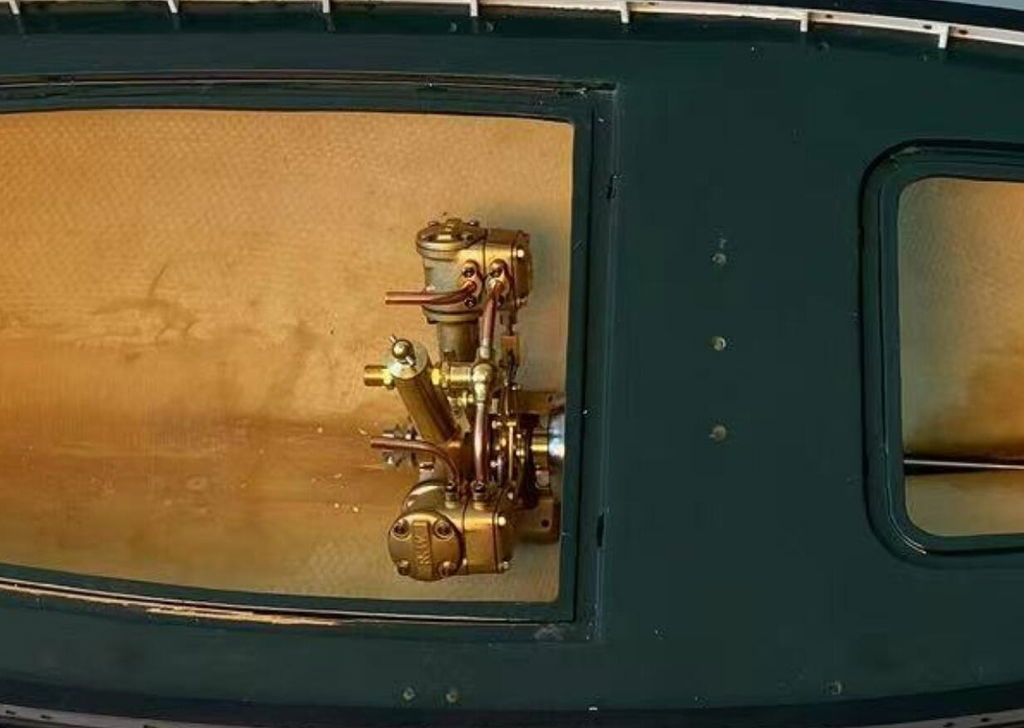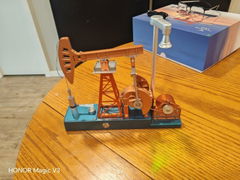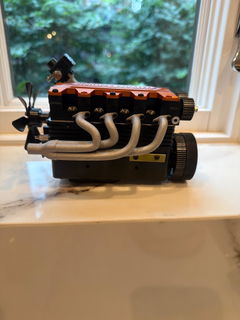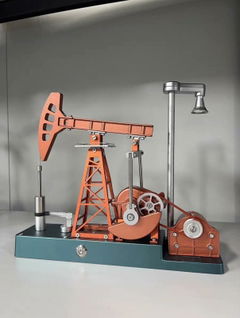
Stirling Engine Models & Hot Air Engines

Motor Stirling

Filtrar

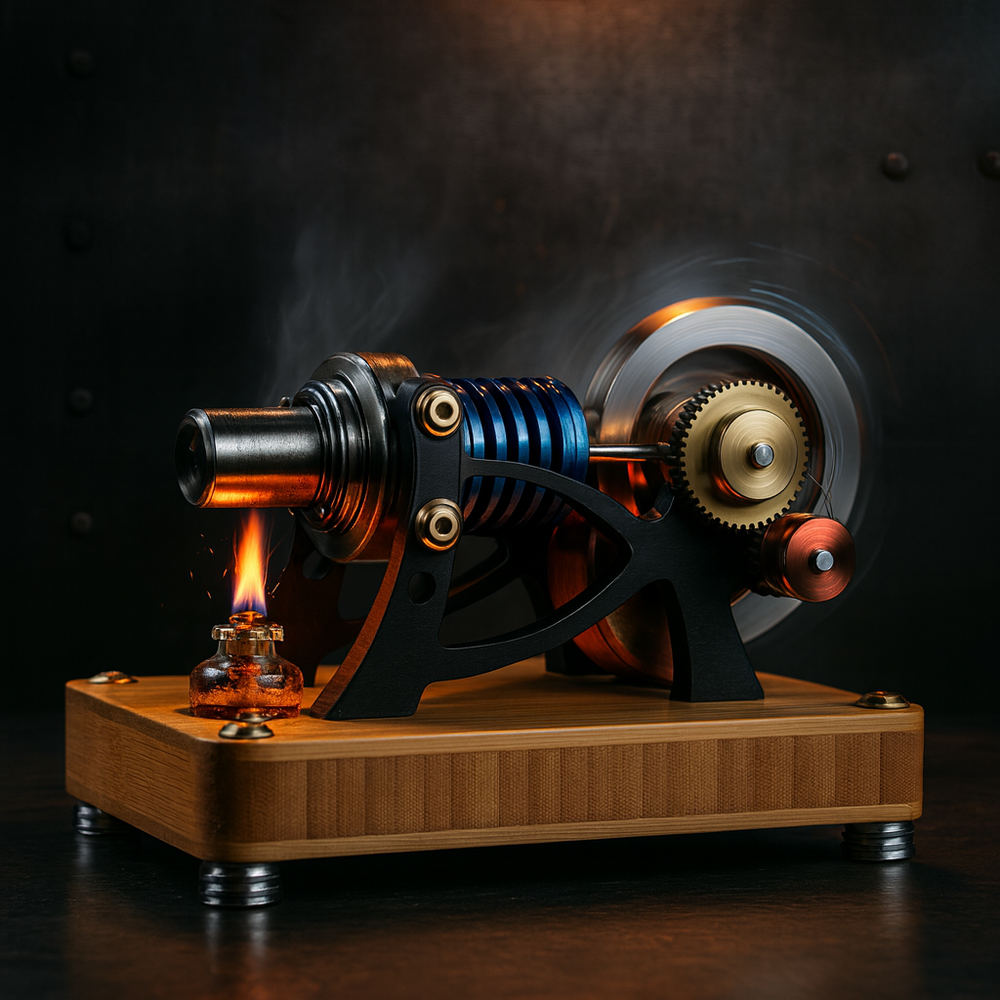
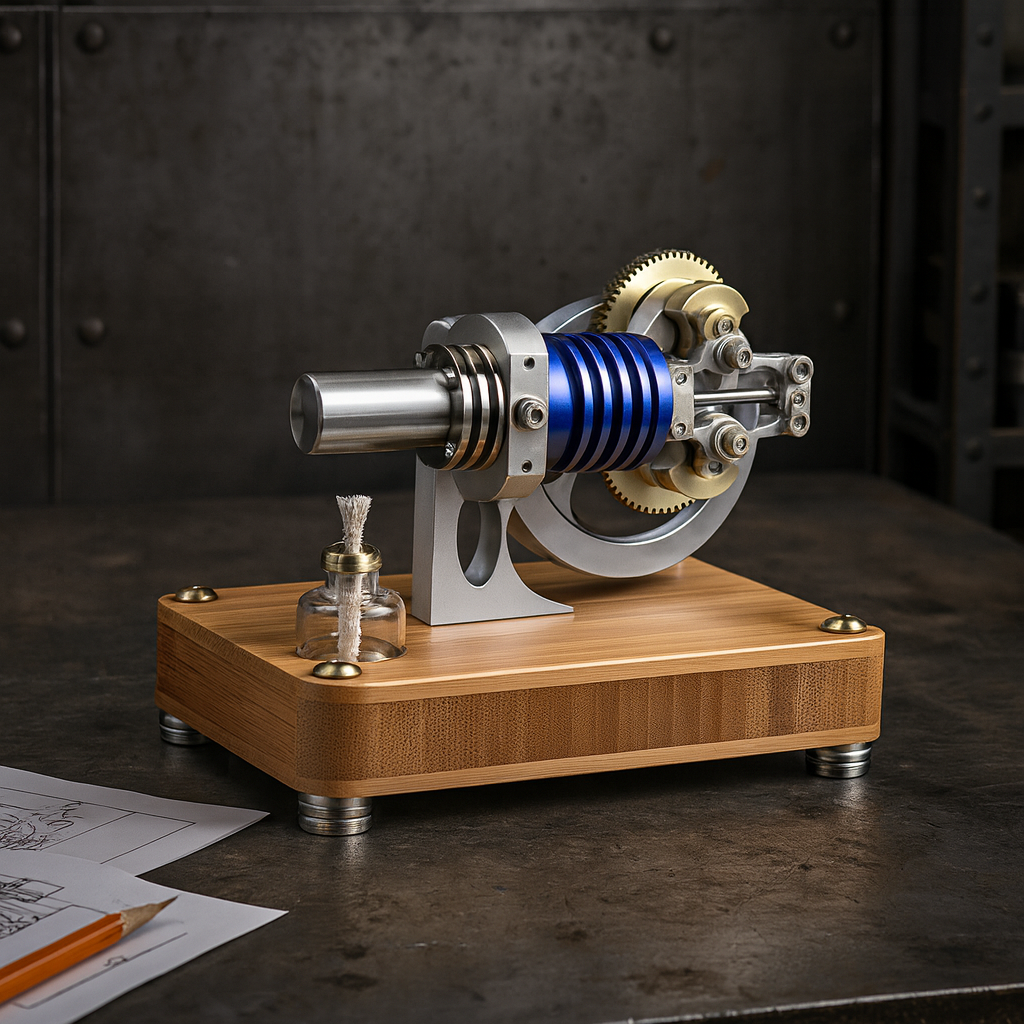
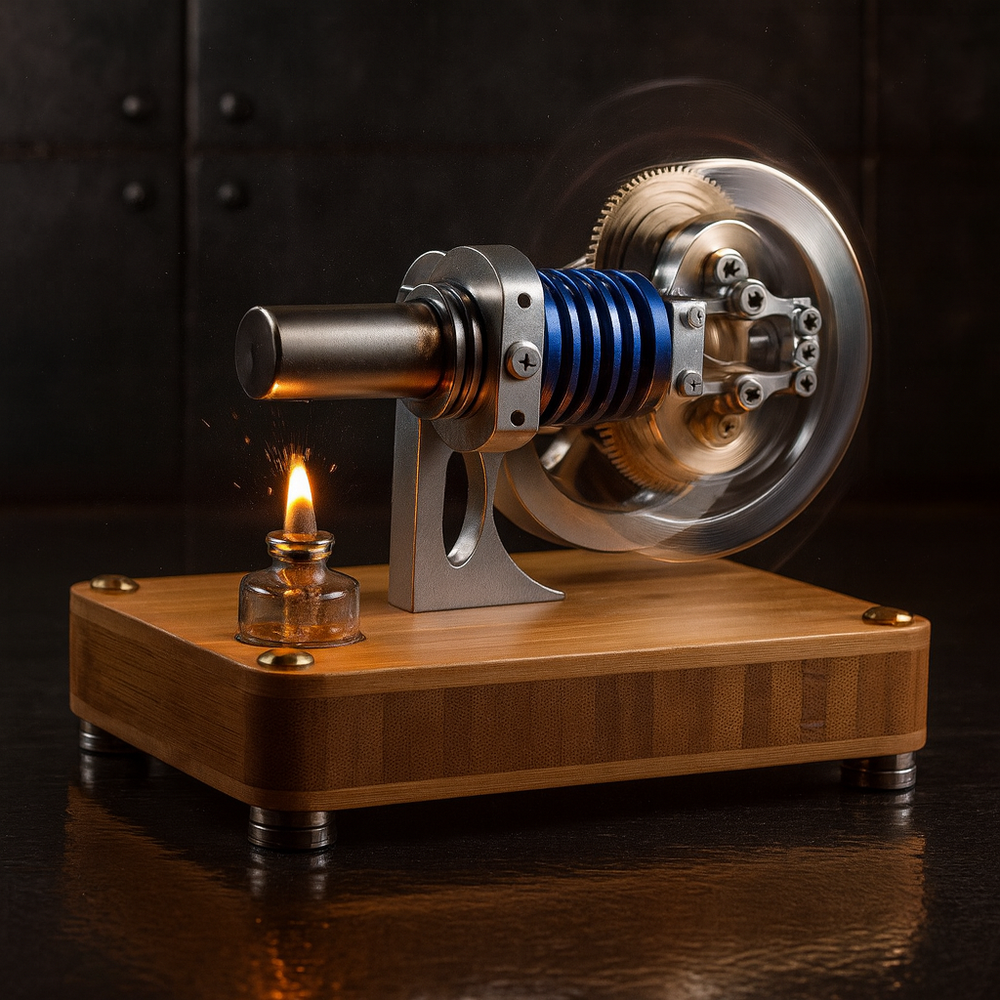
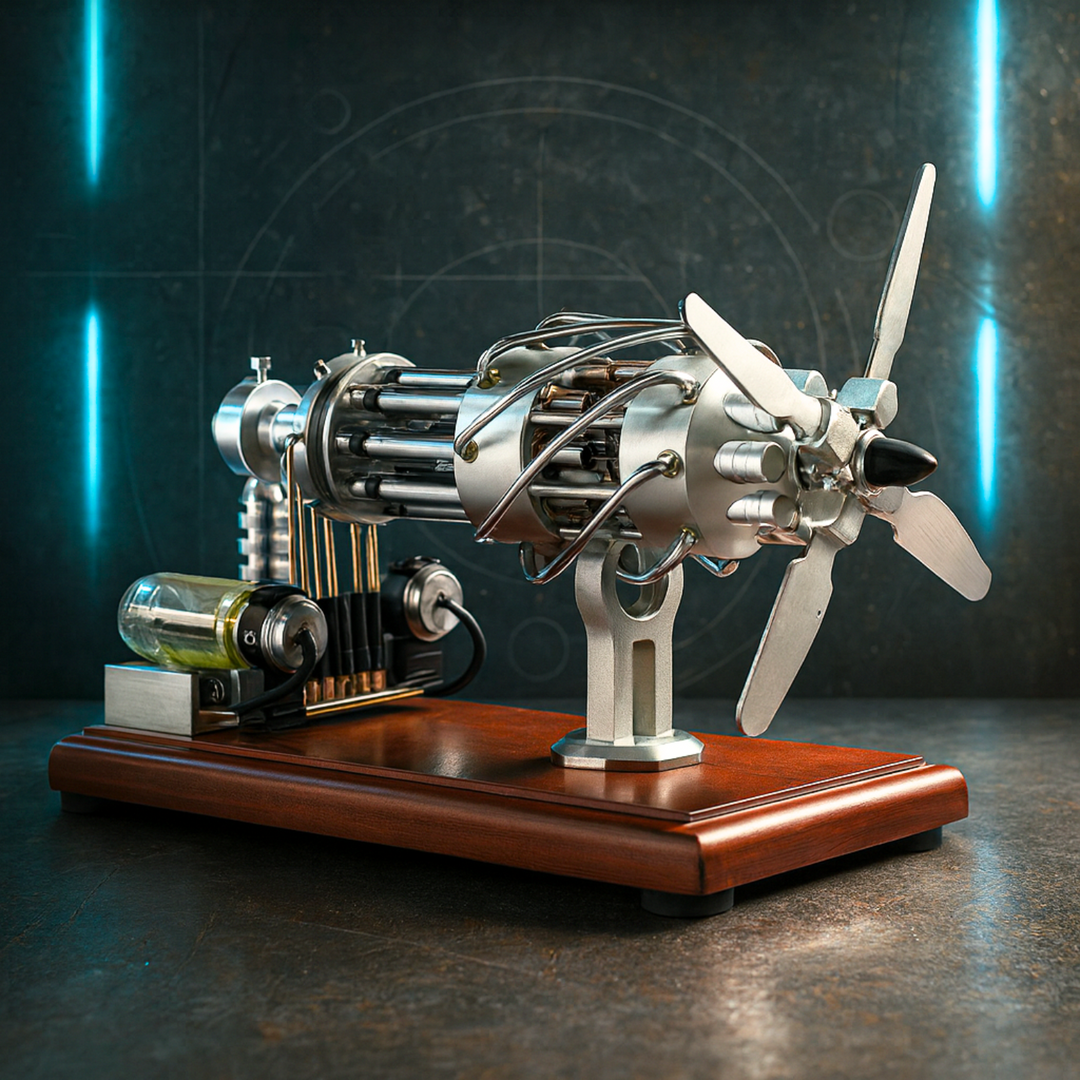
    Explore Stirling engine models and hot air engines powered by external heat. Discover low-temperature, high-temperature, single-cylinder, twin-cylinder and multi-cylinder working models, including generators, LED displays and creative mechanical designs.

    Unlike internal-combustion or steam engines, a Stirling engine operates through the repeated heating and cooling of a sealed working gas. These models make piston motion, flywheel rotation, heat transfer and thermal-to-mechanical energy conversion visible for hobbyists, collectors and STEM learners.


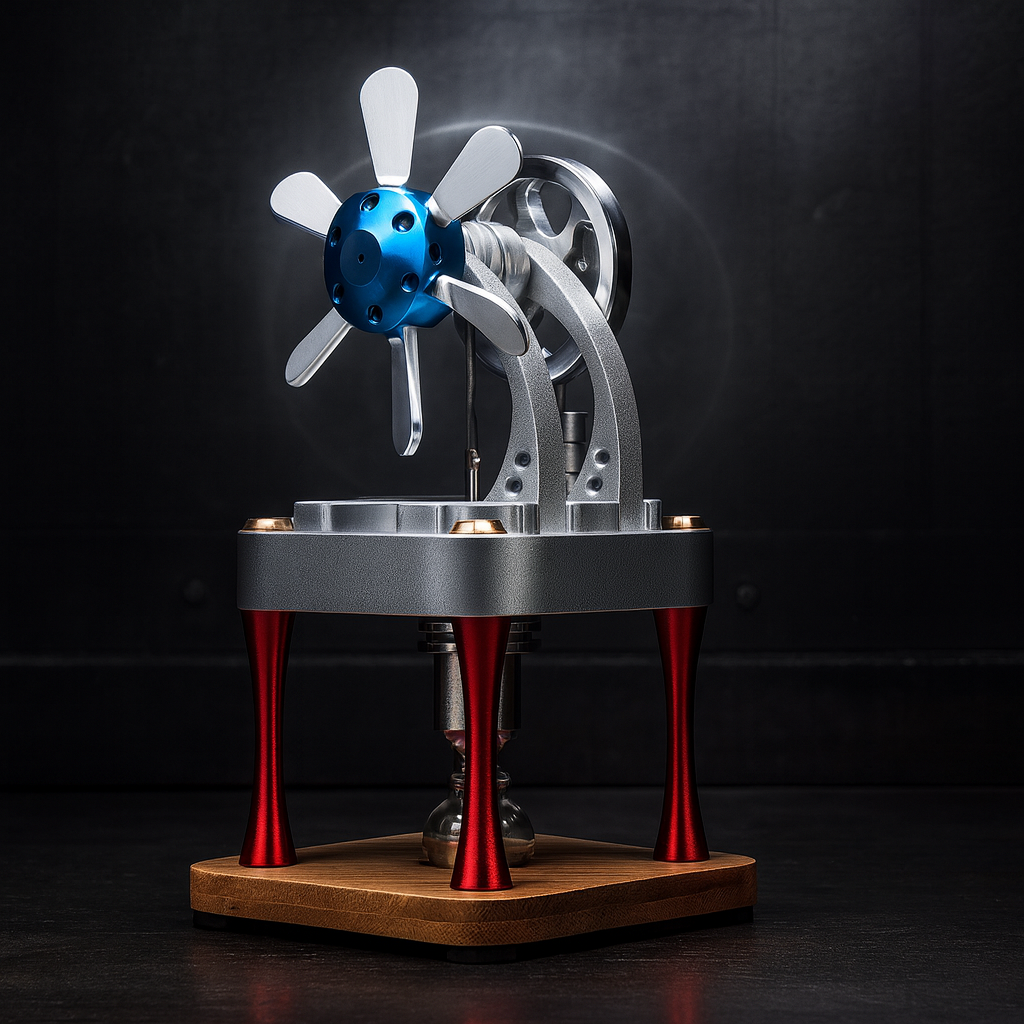
    Motores Stirling de baja temperatura de acero aleado D16-C para docencia, investigación y aficiones: el mejor regalo
    Motores Stirling de baja temperatura de acero aleado D16-C para docencia, investigación y aficiones: el mejor regalo
    Enginekitor
    $79.99
    $89.99 SAVE $10.00
    Motor Stirling de alta temperatura con ventilador de doble montaje vertical M16-CF para educación, investigación y aprendizaje
    Motor Stirling de alta temperatura con ventilador de doble montaje vertical M16-CF para educación, investigación y aprendizaje
    Enginekitor
    $109.99
    $149.99 SAVE $40.00
    Motor Stirling vertical de alta temperatura refrigerado por agua M16-C para educación, investigación y estudio
    Motor Stirling vertical de alta temperatura refrigerado por agua M16-C para educación, investigación y estudio
    Enginekitor
    $89.99
    $129.99 SAVE $40.00
    Maqueta de motor Stirling de dos cilindros. Kit de maqueta de motor para entusiastas de la ciencia y la educación: construye tu propio motor.
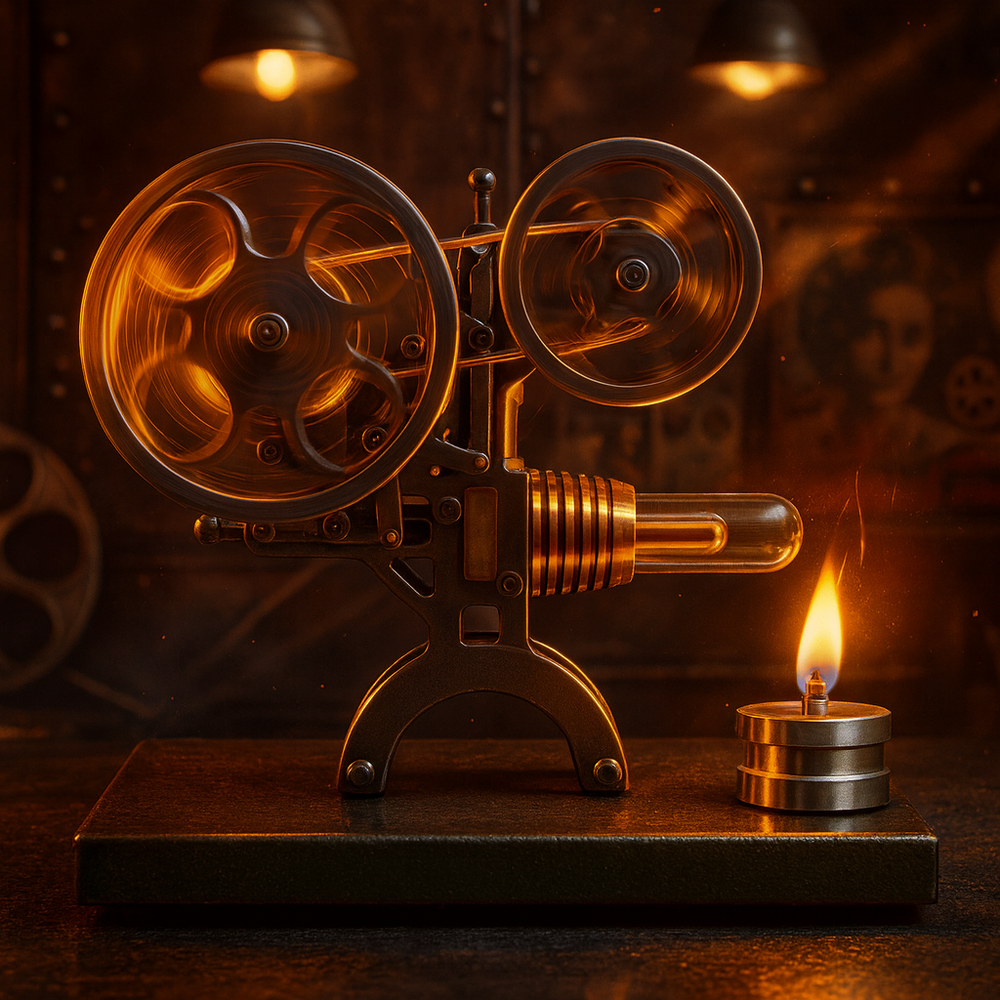
    Maqueta de motor Stirling de dos cilindros. Kit de maqueta de motor para entusiastas de la ciencia y la educación: construye tu propio motor.
    Enginekitor
    $259.99
    $299.99 SAVE $40.00
    Generador de motor Stirling de cuatro cilindros para experimentos científicos y educativos: construye tu propio motor.
    Generador de motor Stirling de cuatro cilindros para experimentos científicos y educativos: construye tu propio motor.
    Enginekitor
    $499.99
    $549.99 SAVE $50.00
    Modelo de motor Stirling de un solo cilindro, modelo de motor DIY para ciencia y educación: el mejor regalo
    Modelo de motor Stirling de un solo cilindro, modelo de motor DIY para ciencia y educación: el mejor regalo
    Enginekitor
    $239.99
    $289.99 SAVE $50.00
    Generador de motor monocilíndrico Stirling para experimentos científicos y entusiastas: construye tu propio motor.
    Generador de motor monocilíndrico Stirling para experimentos científicos y entusiastas: construye tu propio motor.
    Enginekitor
    $189.99
    $239.99 SAVE $50.00
    Modelo de motor Stirling de 16 cilindros. Kit de modelo de motor para entusiastas de la ciencia y generador educativo. Motor de juguete.
    Modelo de motor Stirling de 16 cilindros. Kit de modelo de motor para entusiastas de la ciencia y generador educativo. Motor de juguete.
    Enginekitor
    $299.99
    $399.99 SAVE $100.00
    Kit de motor Stirling de alta temperatura de un solo cilindro de aluminio M14-03-S: construye tu propio motor
    Kit de motor Stirling de alta temperatura de un solo cilindro de aluminio M14-03-S: construye tu propio motor
    Enginekitor
    $69.99
    $89.99 SAVE $20.00
    Kit de motor Stirling de un solo cilindro M14-03-L para alta temperatura
    Kit de motor Stirling de un solo cilindro M14-03-L para alta temperatura
    Enginekitor
    $79.99
    $99.99 SAVE $20.00
    M14-03-L Black Stirling Single Cylinder Engine Model High Temperature Stirling Engine Model
    M14-03-L Black Stirling Single Cylinder Engine Model High Temperature Stirling Engine Model
    Enginekitor
    $79.99
    $99.99 SAVE $20.00
    M14-03-L Silver Stirling Single Cylinder Engine Model High Temperature Stirling Engine Model
    M14-03-L Silver Stirling Single Cylinder Engine Model High Temperature Stirling Engine Model
    Enginekitor
    $79.99
    $99.99 SAVE $20.00
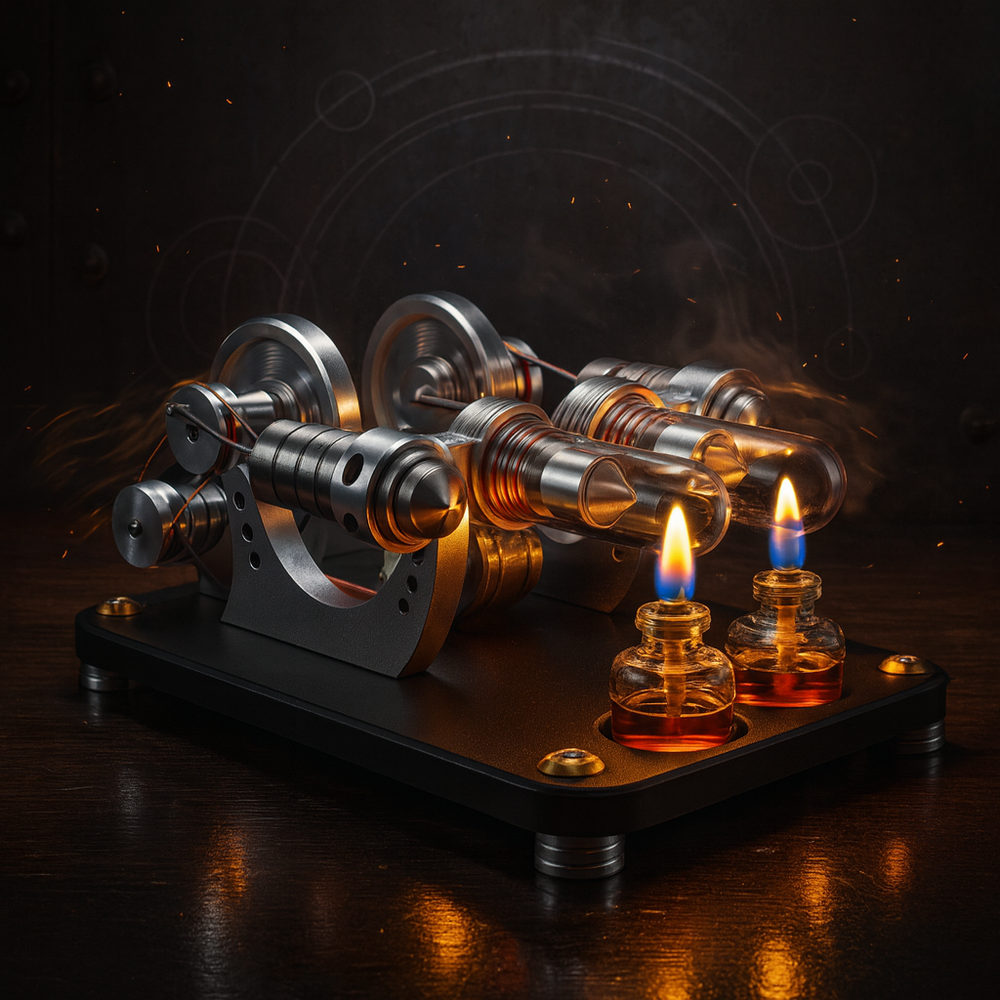
    Motor Stirling de dos cilindros M16-22-D, modelo de motor Stirling de alta temperatura para entusiastas de la ciencia y la educación.
    Motor Stirling de dos cilindros M16-22-D, modelo de motor Stirling de alta temperatura para entusiastas de la ciencia y la educación.
    Enginekitor
    $199.99
    $249.99 SAVE $50.00
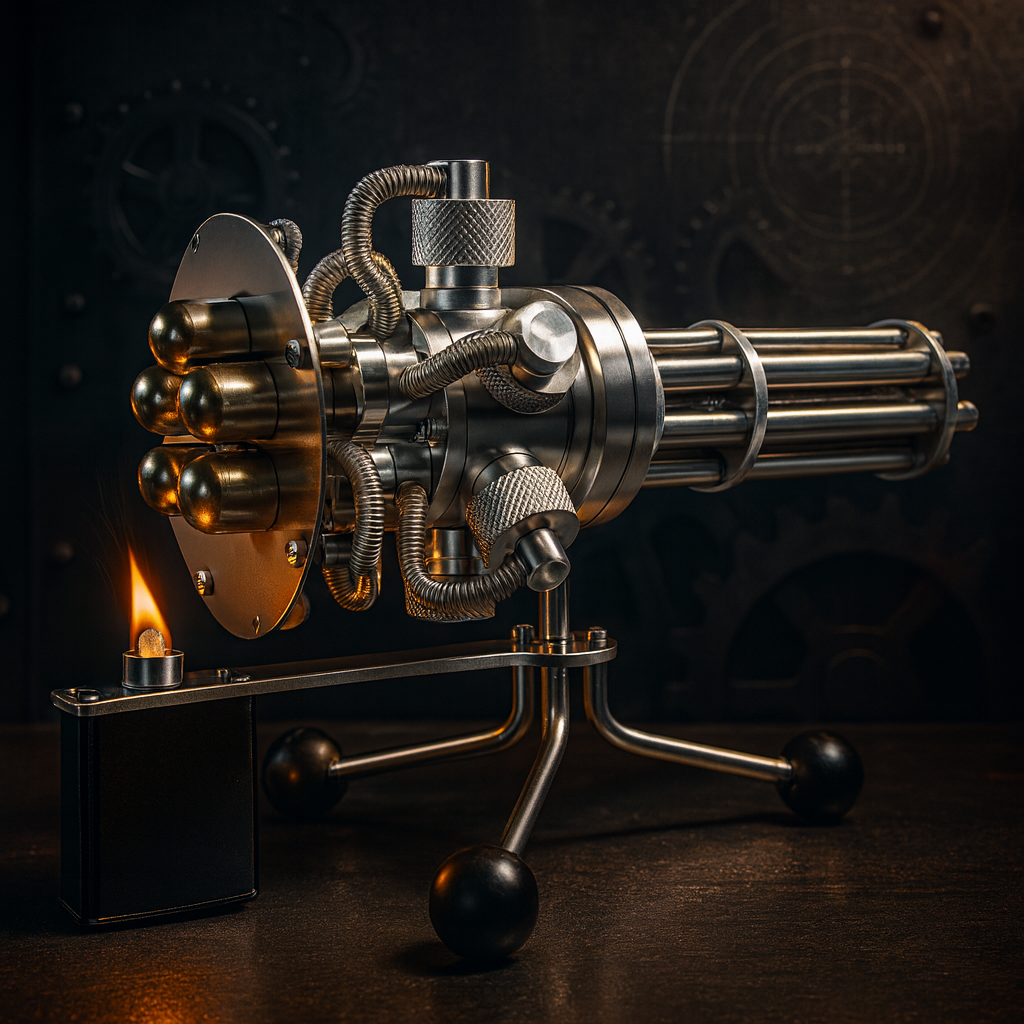
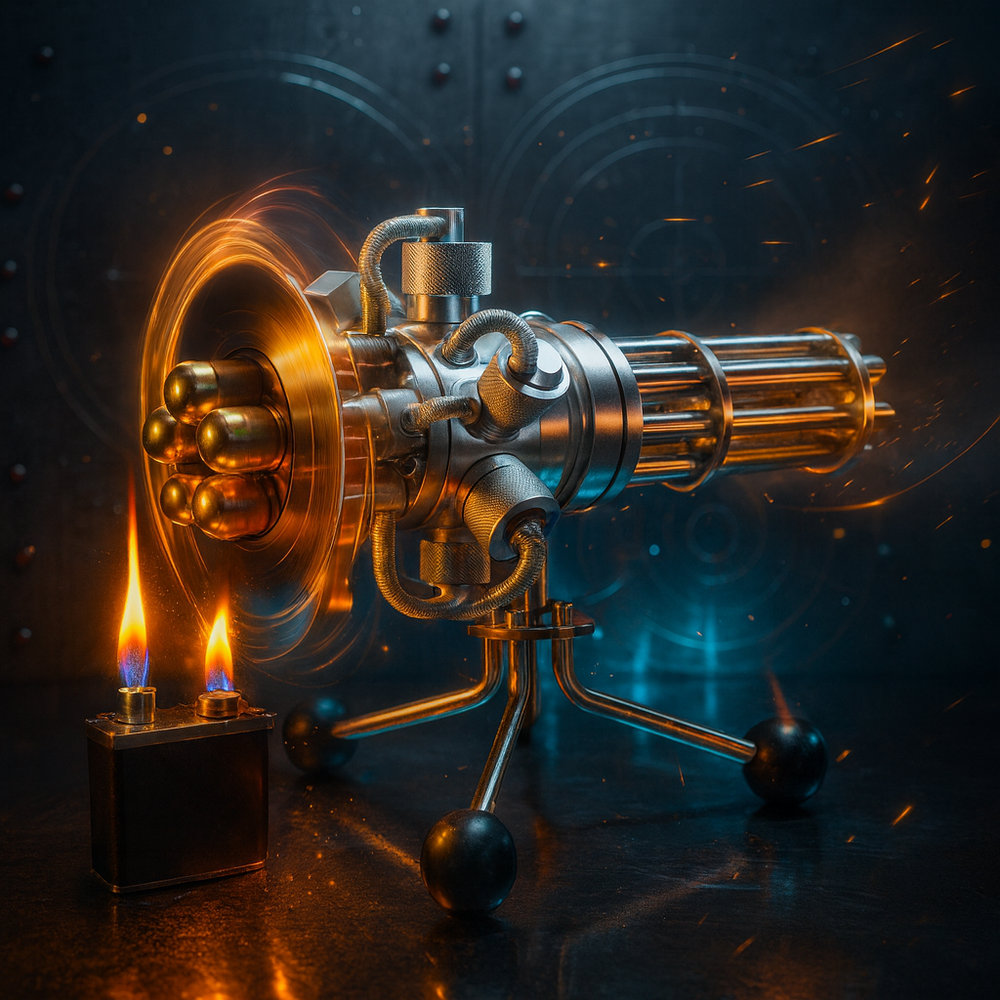
    Motor Stirling Gatling HMG Modelo de motor Stirling: construye tu propio motor
    Motor Stirling Gatling HMG Modelo de motor Stirling: construye tu propio motor
    Enginekitor
    $229.00
    $259.99 SAVE $30.99
    Motor Stirling Modelo de motor Stirling con ventilador retro: construye tu propio modelo de motor
    Motor Stirling Modelo de motor Stirling con ventilador retro: construye tu propio modelo de motor
    Enginekitor
    $189.99
    $219.99 SAVE $30.00
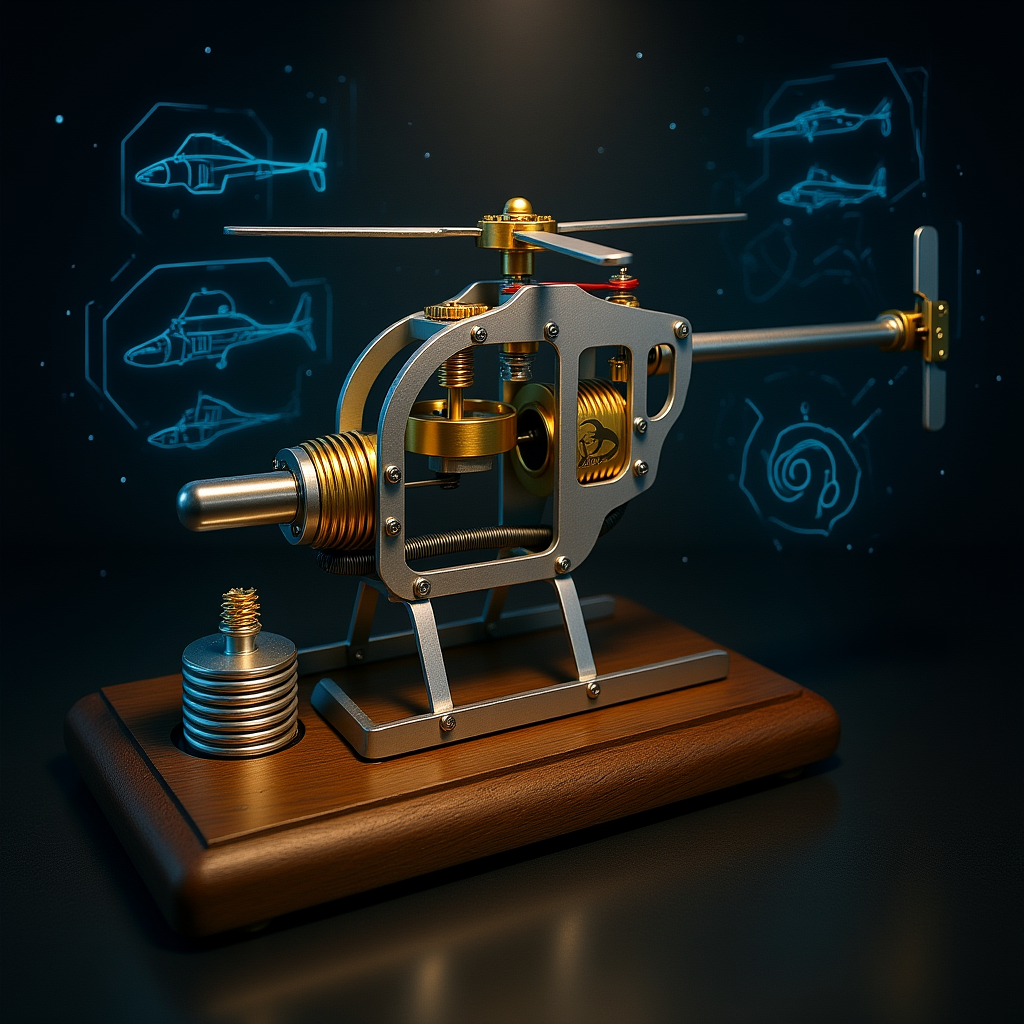
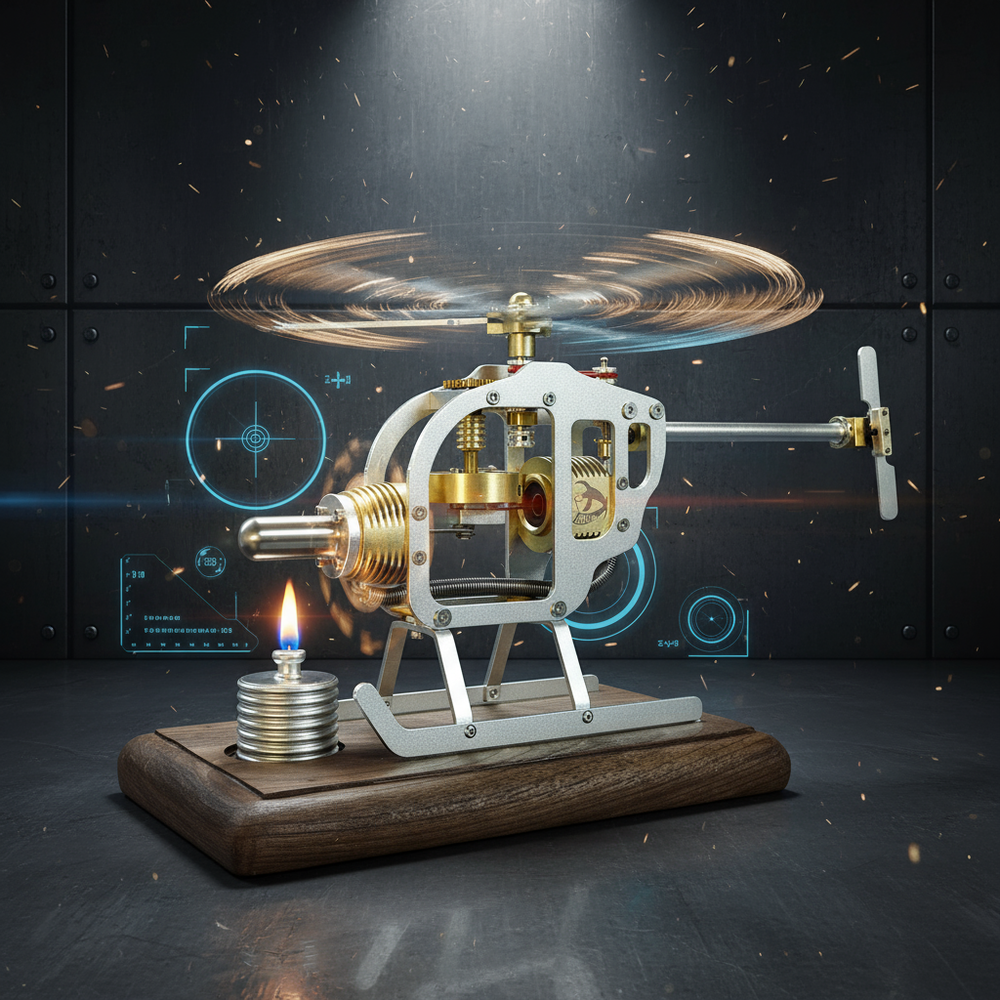
    Helicóptero con motor Stirling: construye tu propio motor
    Helicóptero con motor Stirling: construye tu propio motor
    Enginekitor
    $169.99
    $199.99 SAVE $30.00
    Kit generador de motor Stirling Cross Twin de ENGINEKITOR con voltímetro y LED: construye tu propio motor
    Kit generador de motor Stirling Cross Twin de ENGINEKITOR con voltímetro y LED: construye tu propio motor
    Enginekitor
    $79.99
    $89.99 SAVE $10.00
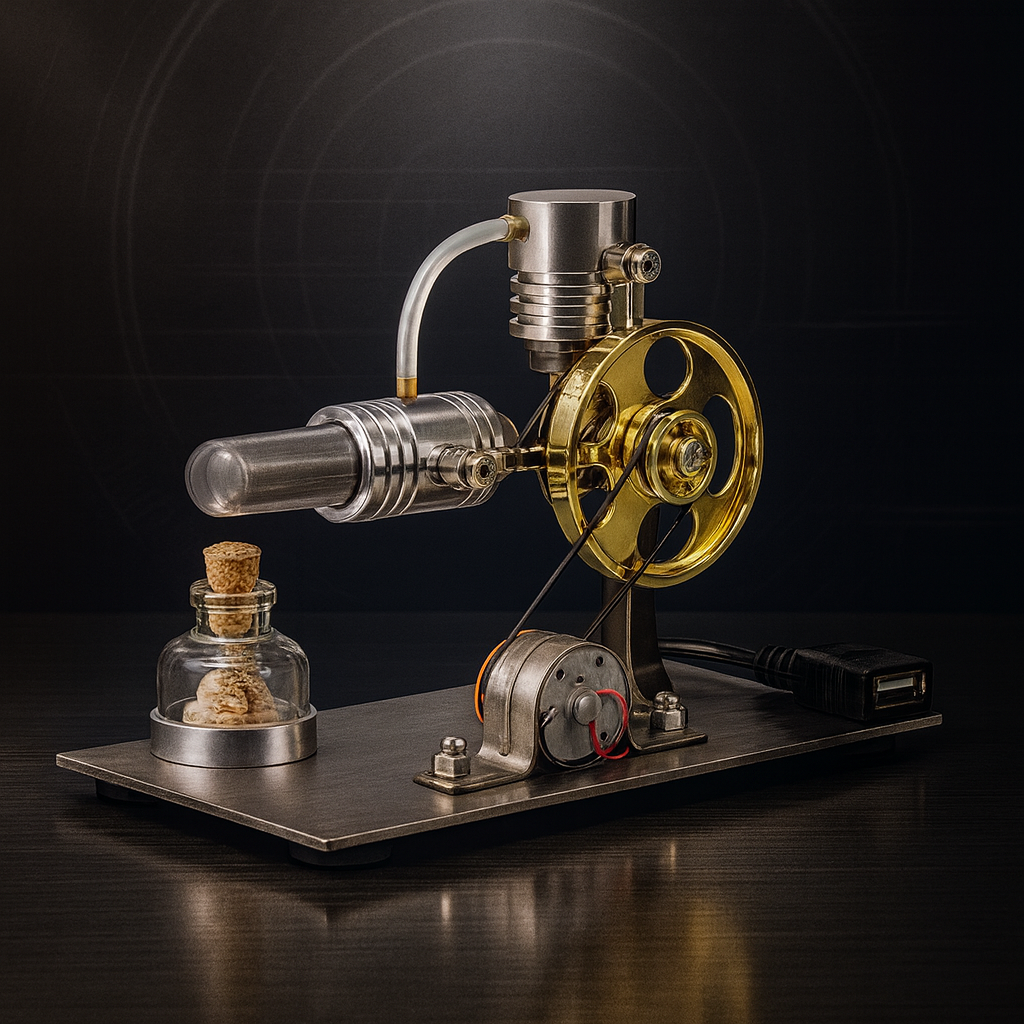
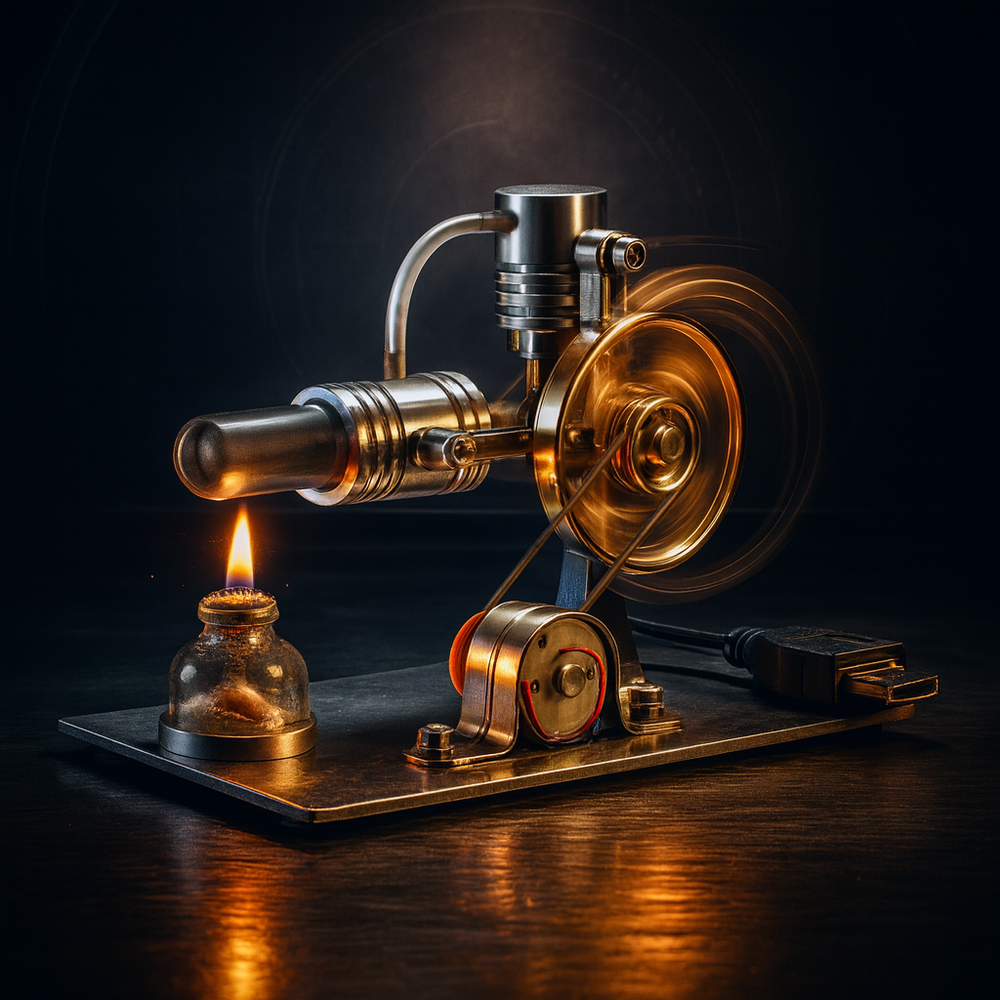
    ENGINEKITOR Modelo de motor Stirling tipo L con generación de energía y luz LED: construye tu modelo de motor
    ENGINEKITOR Modelo de motor Stirling tipo L con generación de energía y luz LED: construye tu modelo de motor
    Enginekitor
    $69.99
    $79.99 SAVE $10.00
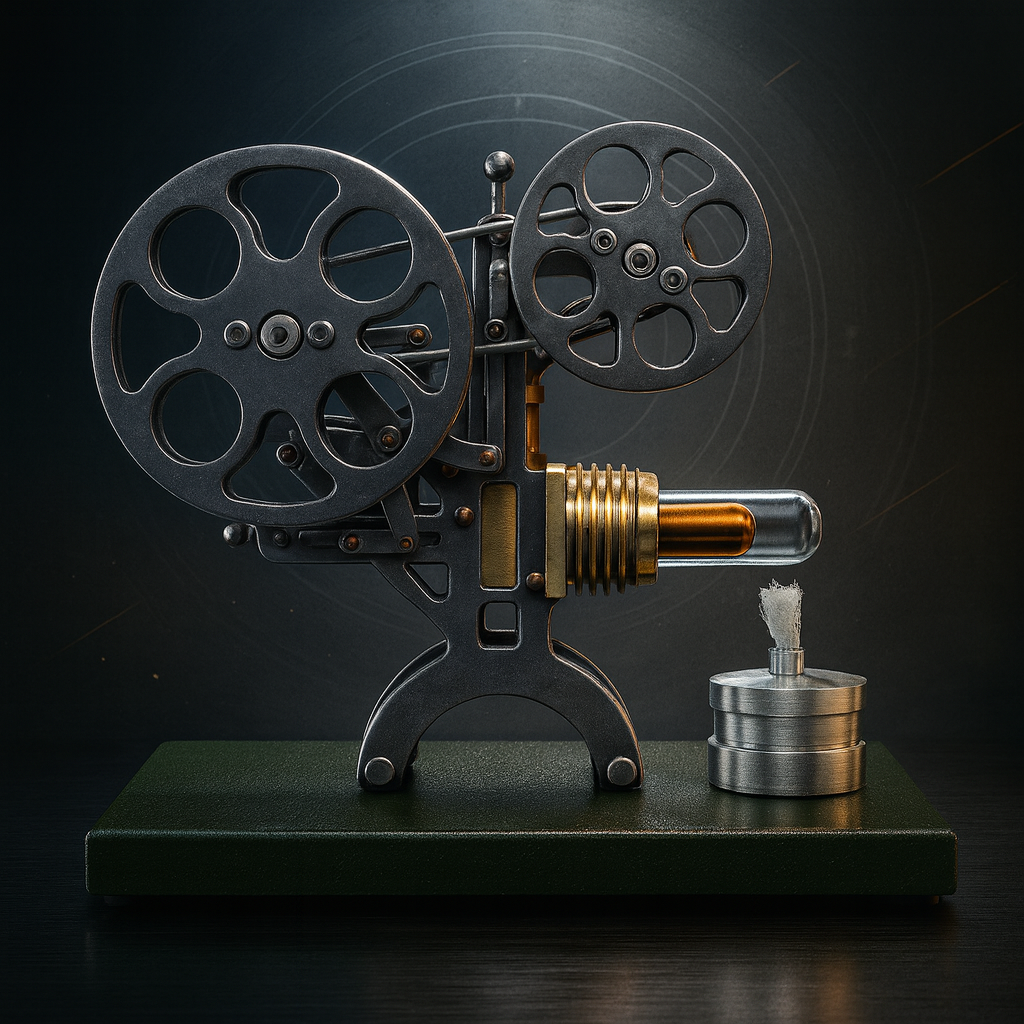
    Maqueta de proyector de motor Stirling: Maqueta de motor STEM mecánico vintage
    Maqueta de proyector de motor Stirling: Maqueta de motor STEM mecánico vintage
    Enginekitor
    $159.99
    $199.99 SAVE $40.00
    Generador de motor Stirling, máquina de vapor, modelo mini de escritorio multifuncional con luces LED
    Generador de motor Stirling, máquina de vapor, modelo mini de escritorio multifuncional con luces LED
    Enginekitor
    $89.99
    EXTERNAL HEAT • TEMPERATURE DIFFERENCE • VISIBLE MOTION

    Discover How Heat Becomes Mechanical Motion

    A Stirling engine model turns a temperature difference into visible mechanical motion. Instead of burning fuel inside a cylinder, heat is applied externally and transferred to a working gas inside the engine.

    ENGINEKITOR's Stirling engine collection ranges from low-temperature hot-air engines that can operate from hot water to high-temperature single-cylinder, twin-cylinder, four-cylinder and 16-cylinder models, as well as generators and creative mechanical displays.

    STIRLING ENGINE BASICS

    What Is a Stirling Engine?

    A Stirling engine is a closed-cycle heat engine. A working gas repeatedly moves between hotter and cooler regions, expanding when heated and contracting as it cools.

    That pressure change moves pistons or other mechanical components, while a flywheel stores rotational energy and helps the engine continue smoothly through the cycle.

    Because heat is supplied from outside the working chamber, Stirling engines can operate from many different external heat sources.

    HOW IT WORKS

    From Heat to Flywheel Rotation

    The entire engine is driven by a temperature difference between the hot side and the cold side.

    01 Hot Side

    External heat raises the temperature of the working gas in the hot region.

    02 Gas Expansion

    As the gas becomes hotter, its pressure changes and transfers force into the engine mechanism.

    03 Cold Side

    The working gas moves toward a cooler region, loses heat and contracts.

    04 Flywheel Motion

    The repeating pressure cycle creates piston motion, while the flywheel helps maintain continuous rotation.

    IMPORTANT DIFFERENCE

    Stirling Engine vs Steam Engine

    Both are heat engines, but their operating principles are fundamentally different.

    STIRLING ENGINE

    Sealed Working Gas

    A Stirling engine repeatedly heats and cools a working gas inside the engine. The gas remains part of the thermodynamic cycle.

    • External heat source
    • Closed-cycle working gas
    • No boiler required
    • No continuous steam supply
    • Often quiet and visually smooth
    STEAM ENGINE

    Steam Pressure

    A conventional steam engine uses water that is heated to produce steam, and steam pressure then acts on the engine mechanism.

    • Water and steam
    • Usually requires a boiler
    • Steam pressure performs work
    • Different thermal cycle
    • Different operating hardware
    For SEO and product classification:

    Stirling engines and steam engines should remain separate collections. A Stirling engine should not be described as a steam engine simply because both use heat.

    TEMPERATURE DIFFERENCE

    Low-Temperature vs High-Temperature Stirling Engines

    LOW TEMPERATURE DIFFERENCE

    LTD Stirling Engines

    Low-temperature-difference Stirling engines are designed to operate from a relatively small thermal difference. Their large heat-exchange surfaces make subtle thermal effects easy to demonstrate.

    • Can operate from hot water on suitable models
    • No direct flame needed on some models
    • Excellent for classroom demonstrations
    • Slow, highly visible mechanical motion
    HIGH TEMPERATURE

    High-Temperature Stirling Engines

    High-temperature models use a stronger concentrated heat source and generally operate with a much larger temperature difference between the hot and cold sections.

    • Higher operating temperature
    • Usually faster flywheel motion
    • Compact hot-end design
    • Strong mechanical demonstration value
    ENGINE CONFIGURATIONS

    Alpha, Beta & Gamma Stirling Engines

    Stirling engines can use different piston and cylinder arrangements while following the same basic thermodynamic principle.

    ALPHA

    Two Power Pistons

    Alpha arrangements use separate hot and cold cylinders with a power piston in each, connected through the working-gas system.

    BETA

    Displacer + Power Piston

    Beta designs place the displacer and power piston within the same general cylinder structure.

    GAMMA

    Separate Power Cylinder

    Gamma engines use a displacer system combined with a separate power piston, making the mechanism particularly easy to observe.

    CYLINDER COUNT

    Single-Cylinder vs Multi-Cylinder Stirling Engines

    SIMPLE

    Single-Cylinder Models

    A straightforward way to observe the relationship between heat, piston motion and flywheel rotation.

    SMOOTHER MOTION

    Twin & Four-Cylinder Models

    Multiple working sections create more complex timing and visually richer synchronized mechanical motion.

    MECHANICAL SHOWPIECE

    16-Cylinder Models

    Multi-cylinder Stirling engines turn the basic heat-engine principle into a highly visual collector centerpiece.

    ENERGY CONVERSION

    How a Stirling Engine Generator Produces Electricity

    A Stirling engine first converts thermal energy into mechanical rotation. A small generator can then use that rotating shaft to produce electrical energy.

    LED and voltmeter models make the complete energy path visible: heat → pressure change → mechanical motion → electricity → light.

    POPULAR ENGINEKITOR MODELS

    Choose a Stirling Engine by Experience

    Your best choice depends on the heat source, complexity and type of mechanical demonstration you want.

    LOW-TEMPERATURE

    D16-C Stirling Engine

    A low-temperature model designed around a large heat-exchange surface and slow, highly visible Stirling motion.

    • Low-temperature-difference design
    • Can start from sufficiently hot water
    • Double flywheel structure
    • Strong classroom demonstration value
    View D16-C →
    HIGH-TEMPERATURE

    M16-C Vertical Stirling Engine

    A compact high-temperature Stirling engine with water cooling that makes hot-side and cold-side thermal management easy to observe.

    • High-temperature operation
    • Vertical layout
    • Water-cooled structure
    • Designed for education and research
    View M16-C →
    HEAT-POWERED FAN

    M16-CF Stirling Engine

    Combines high-temperature Stirling operation with a fan-driven visual output, making energy conversion especially easy to see.

    • High-temperature Stirling design
    • Vertical engine structure
    • Fan output demonstration
    • Strong desktop display value
    View M16-CF →
    TWIN-CYLINDER

    Two-Cylinder Stirling Engine

    Adds another working section to create more complex timing and visually richer mechanical motion.

    • Two-cylinder architecture
    • Visible synchronized motion
    • Strong mechanical display
    • Suitable for science demonstrations
    View Two-Cylinder Model →
    FOUR-CYLINDER GENERATOR

    Four-Cylinder Stirling Generator

    A more advanced multi-cylinder demonstration combining synchronized Stirling motion with mechanical-to-electrical energy conversion.

    • Four-cylinder configuration
    • Generator function
    • Mechanical synchronization
    • Collector-level presentation
    View Four-Cylinder Model →
    MULTI-CYLINDER SHOWPIECE

    16-Cylinder Stirling Engine

    A large multi-cylinder Stirling display designed for enthusiasts who want maximum visible mechanical activity.

    • 16-cylinder visual layout
    • Multiple hot and cold sections
    • Large mechanical presence
    • Ideal collector centerpiece
    View 16-Cylinder Model →
    BUYER'S GUIDE

    How to Choose a Stirling Engine Model

    01

    Choose the Heat Level

    Choose LTD if you want a mild heat source and slow visible motion. Choose high-temperature models if faster operation and a compact hot end are more important.

    02

    Choose the Mechanical Complexity

    Single-cylinder models make the basic principle easy to follow, while twin, four-cylinder and 16-cylinder models emphasize synchronization and visual complexity.

    03

    Decide Whether You Want Power Generation

    Generator models add another visible stage by converting flywheel rotation into electrical output for LEDs or a voltmeter.

    04

    Choose Education or Display

    Simple Stirling engines are excellent for explaining thermodynamics, while multi-cylinder, fan and creative mechanical models provide stronger collector display value.

    05

    Consider the Heat Source

    Always check the individual product requirements. A low-temperature model designed for hot water should not be operated like a high-temperature flame-heated model.

    TROUBLESHOOTING

    Why Won't My Stirling Engine Run?

    Stirling engines depend on very low mechanical resistance and a sufficient temperature difference.

    Not Enough Temperature Difference

    If the hot side is not hot enough or the cold side becomes too warm, the engine may not generate enough pressure variation to continue running.

    Too Much Mechanical Resistance

    Bearings, piston fit or misalignment can create enough friction to prevent a low-power Stirling engine from sustaining motion.

    Too Much Lubricant

    Heavy or excessive lubricant can increase drag and may prevent lightweight Stirling mechanisms from rotating freely.

    Heat Expansion

    Excessive heating can cause components to expand and increase friction or temporarily tighten piston-cylinder clearances.

    Flywheel Needs an Initial Push

    Many models need a gentle manual rotation after an adequate temperature difference has developed.

    Air Leakage

    A poor seal can reduce the pressure changes needed to transfer thermal energy into useful mechanical work.

    CARE & OPERATION

    How to Keep a Stirling Engine Running Smoothly

    Keep Friction Low

    Moving parts should rotate freely. Never force a flywheel that feels mechanically stuck.

    Use Lubricant Sparingly

    Follow the exact model instructions. Excess oil can create drag instead of improving operation.

    Avoid Excessive Heating

    More heat is not always better. Overheating can increase expansion and mechanical friction.

    Allow Cooling Between Runs

    Cooling restores the temperature difference and reduces unnecessary thermal stress on the mechanism.

    WHO THEY ARE FOR

    Why People Choose Stirling Engine Models

    STEM Learners

    See thermodynamics, heat transfer and mechanical energy conversion in physical motion.

    Teachers & Classrooms

    Use a working physical model to make abstract heat-engine principles easier to understand.

    Mechanical Enthusiasts

    Experience a completely different engine principle from gasoline, steam and turbine engines.

    Collectors

    Multi-cylinder and creative Stirling models combine kinetic motion with mechanical art.

    Science Experimenters

    Explore how changing heat input, cooling and friction affects engine behavior.

    Engineering Gift Buyers

    A working Stirling engine offers a more interactive experience than a conventional static model.

    COMMON QUESTIONS

    Stirling Engine FAQ

    What is a Stirling engine?

    A Stirling engine is a closed-cycle heat engine that creates mechanical motion by repeatedly heating and cooling a working gas.

    Is a Stirling engine the same as a steam engine?

    No. A Stirling engine uses a working gas that remains within its thermodynamic cycle. A conventional steam engine uses steam produced from heated water to create mechanical work.

    Does a Stirling engine use internal combustion?

    No. Heat is supplied from outside the working chamber. The engine does not rely on repeated combustion inside the cylinder like a gasoline engine.

    What is a low-temperature Stirling engine?

    A low-temperature-difference Stirling engine is designed to operate from a relatively small difference between its hot and cold sides.

    Can a Stirling engine run on hot water?

    Some LTD models can. For example, ENGINEKITOR's D16-C is designed to operate using sufficiently hot water rather than an open flame. Always follow the requirements of the specific model.

    Why does a Stirling engine need a flywheel?

    The flywheel stores rotational energy and helps carry the mechanism smoothly through portions of the cycle where instantaneous torque is lower.

    Why won't my Stirling engine start?

    Common causes include insufficient temperature difference, excessive friction, too much lubricant, poor sealing, misalignment or overheating.

    Should I lubricate a Stirling engine?

    Follow the instructions for the exact model. Stirling engines produce relatively little mechanical power, so excessive or heavy lubrication can create enough drag to reduce performance.

    What is the difference between low-temperature and high-temperature Stirling engines?

    LTD engines are designed to operate from smaller temperature differences, while high-temperature models use a stronger concentrated heat source and usually operate at higher speed.

    What are Alpha, Beta and Gamma Stirling engines?

    They are different mechanical arrangements of power pistons, displacers and cylinders used to implement the Stirling thermodynamic cycle.

    Can a Stirling engine generate electricity?

    Yes. When connected to a small generator, the engine's flywheel rotation can be converted into electrical energy for LEDs, meters or demonstrations.

    Are multi-cylinder Stirling engines more powerful?

    Cylinder count alone does not determine useful output. Multi-cylinder models primarily provide more complex timing, smoother-looking motion and stronger mechanical display value.

    Are Stirling engines suitable for STEM education?

    Yes. They are useful for demonstrating thermodynamics, heat transfer, pressure changes and thermal-to-mechanical energy conversion.

    Which Stirling engine is best for beginners?

    A low-temperature model such as the D16-C is a strong starting point for users who want a simple heat source and clearly visible operation.

    Does ENGINEKITOR provide technical support?

    ENGINEKITOR provides after-sales assistance for supported Stirling engine models. Photos or video of the engine can help identify starting, friction or mechanical problems more accurately.