V12 Engine Models & V12 Engine Model Kits

V12 Engine Models & V12 Engine Model Kits

Filtrar

    Explore premium V12 engine models and V12 engine model kits designed for automotive enthusiasts, mechanical builders, collectors and STEM learners. Discover full-metal 12-cylinder models with visible pistons, crankshafts, valve systems and synchronized mechanical motion.

    From detailed DIY assembly projects to motor-driven display models with realistic sound and movement, these V12 models recreate the complexity and engineering character of one of the most iconic multi-cylinder engine layouts.


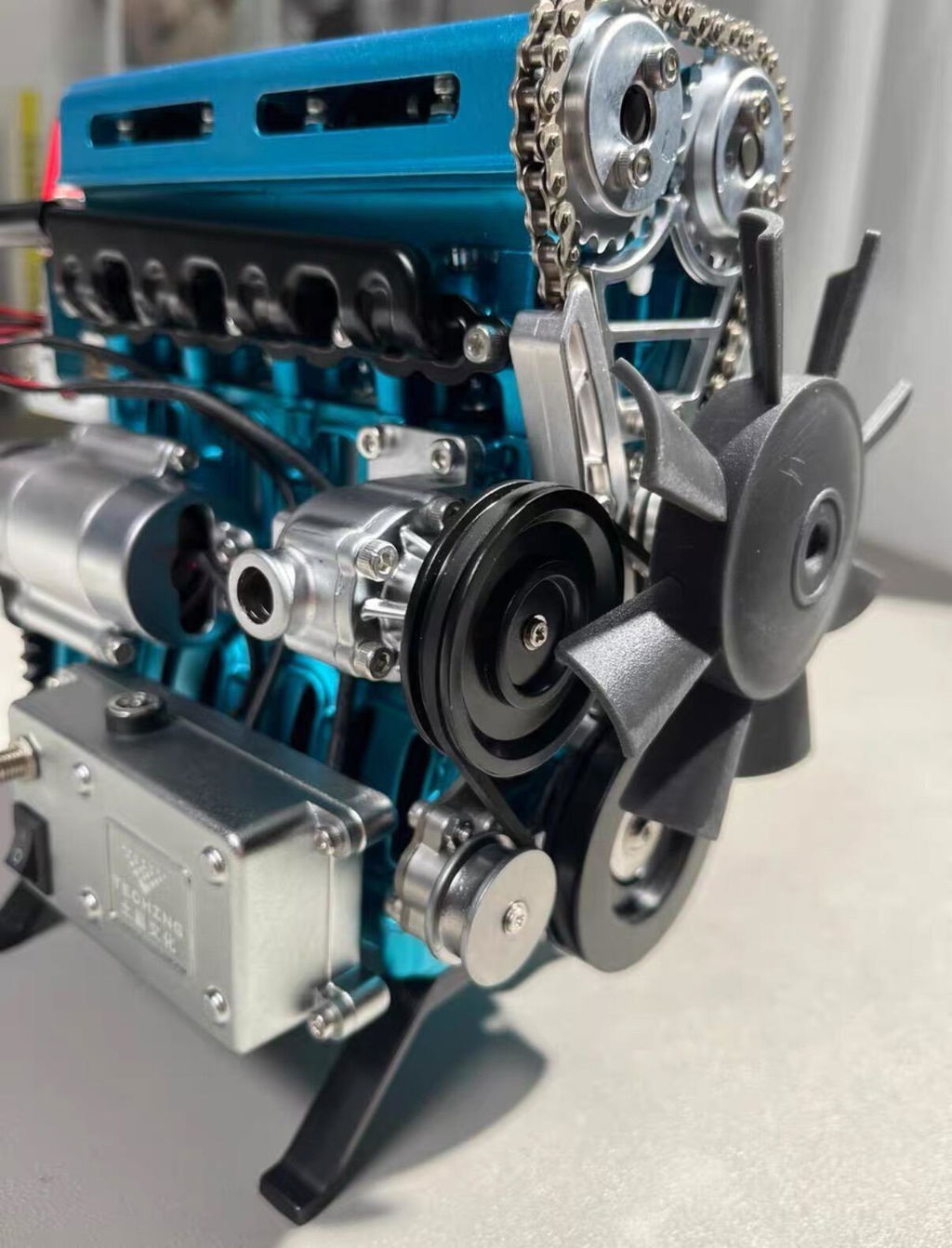
    RUIFEIYA V12-180 180cc 1/4 Scale V12 Gasoline Engine Model – DOHC 48-Valve 17HP Water-Cooled Real Working Engine
    RUIFEIYA V12-180 180cc 1/4 Scale V12 Gasoline Engine Model – DOHC 48-Valve 17HP Water-Cooled Real Working Engine
    Enginekitor
    $10,999.99
    $12,999.99 SAVE $2,000.00
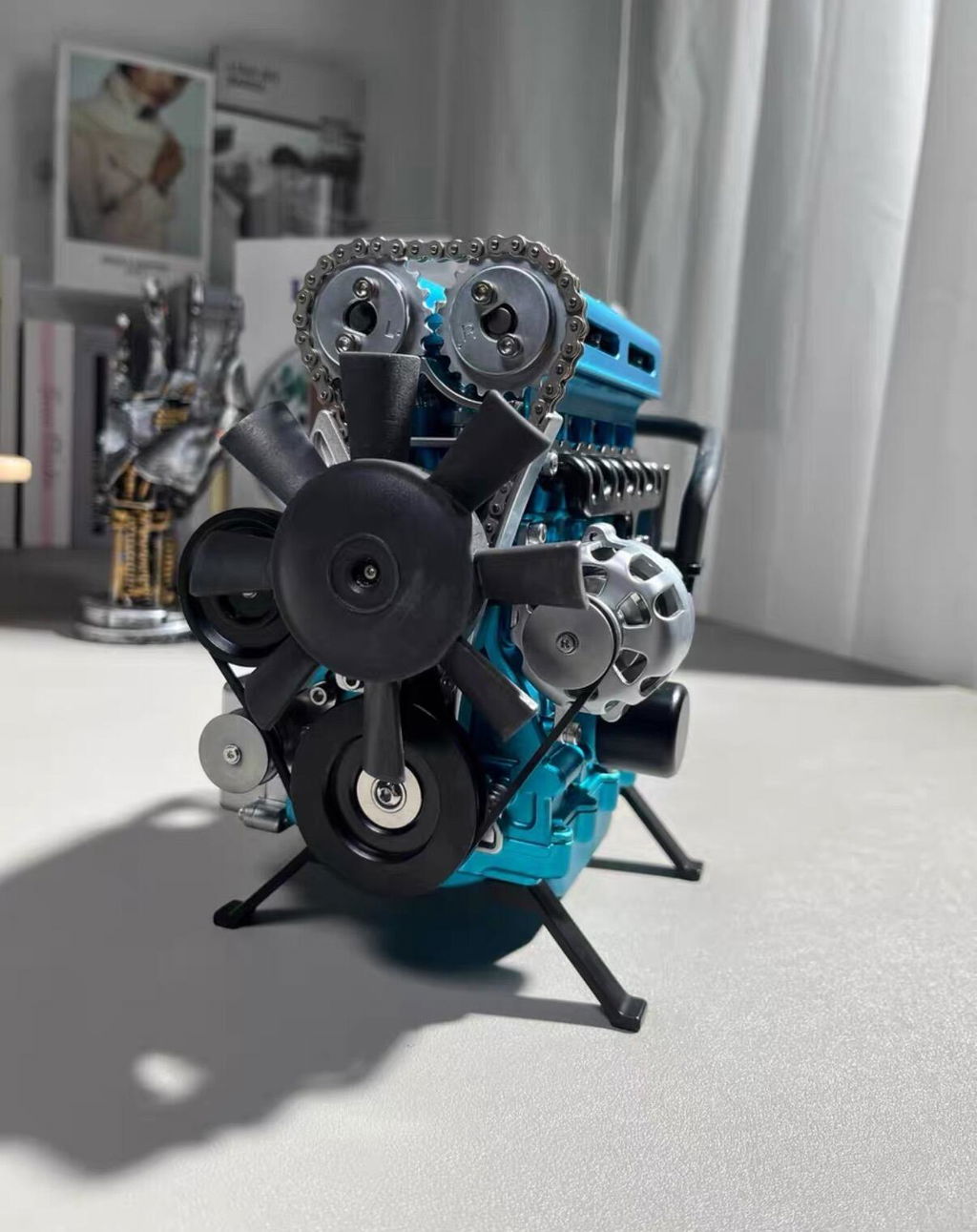
    TECHING V12 Full Metal Engine Model Kit – 12-Cylinder DIY Car Engine Assembly with 800+ Precision Parts
    TECHING V12 Full Metal Engine Model Kit – 12-Cylinder DIY Car Engine Assembly with 800+ Precision Parts
    Enginekitor
    $1,199.99
    $1,399.99 SAVE $200.00
    TECHING 1/4 Scale V12 Engine Model Kit with Synchronized Sound Effects – 800+PCS Metal Supercar Engine Kit
    TECHING 1/4 Scale V12 Engine Model Kit with Synchronized Sound Effects – 800+PCS Metal Supercar Engine Kit
    Enginekitor
    $1,199.99
    $1,299.99 SAVE $100.00
    12 CYLINDERS • FULL METAL • MECHANICAL MOTION

    Experience the Mechanical Complexity of a V12 Engine

    A V12 engine model brings one of the most complex and visually impressive automotive engine layouts into a buildable mechanical format. Twelve cylinders, two opposing banks and a shared crankshaft create a system where timing, alignment and synchronized movement become much more intricate than in simpler engine architectures.

    ENGINEKITOR's current V12 collection focuses on advanced full-metal V12 engine model kits designed for assembly, mechanical demonstration and collector display. These models let you observe pistons, connecting rods, crankshaft movement and other internal relationships that are normally hidden inside a full-size engine.

    IMPORTANT DISTINCTION

    Are These Real Fuel-Burning V12 Engines?

    The V12 models currently featured in this ENGINEKITOR collection are motor-driven mechanical engine models. They reproduce V12 architecture and visible internal movement, but they do not burn gasoline or generate combustion power.

    After assembly, an electric motor drives the mechanical system so you can observe synchronized piston, crankshaft and linkage movement. The 1/4-scale version also adds synchronized engine sound for a more immersive display.

    This is different from a genuine miniature internal-combustion V12, which requires fuel delivery, ignition, lubrication, cooling and exhaust systems.

    ENGINE ARCHITECTURE

    What Is a V12 Engine?

    A V12 uses twelve cylinders arranged in two banks around a common crankshaft. A typical layout places six cylinders on each side, creating the distinctive V-shaped architecture.

    01 Two Cylinder Banks

    Twelve cylinders are divided across two banks, allowing a large cylinder count to fit into a relatively compact longitudinal layout.

    02 Shared Crankshaft

    Connecting rods from both cylinder banks transfer piston movement to a common crankshaft, making timing and mechanical synchronization critical.

    03 Multi-Cylinder Timing

    Twelve cylinders create a much denser sequence of mechanical events than single-, twin- or four-cylinder layouts.

    04 Valve & Transmission Systems

    Mechanical V12 models make it possible to observe how crankshaft, piston and valve-related systems coordinate across a large multi-cylinder layout.

    SIDE-BY-SIDE

    Compare Our Two V12 Engine Model Kits

    Feature Full Metal V12 1/4 Scale V12 Sound Version
    Engine Type Mechanical V12 simulation Mechanical V12 simulation
    Parts 800+ precision parts 800+ precision parts
    Scale Mechanical V12 display model 1/4 scale
    Main Materials Aluminum alloy + stainless steel Aluminum alloy + zinc alloy + wood
    Drive System Electric motor Electric motor
    Real Fuel Combustion No No
    Sound Effects Not a primary feature Synchronized throttle sound
    Assembly Focus Mechanical structure & precision build Advanced build + interactive display
    Best For Builders & engineering enthusiasts Collectors & supercar enthusiasts
    THE BUILD EXPERIENCE

    What Does an 800+ Piece V12 Build Actually Involve?

    A large part count matters because it allows the model to represent the engine as a connected mechanical system rather than as a simple exterior shell.

    Pistons

    Multiple piston assemblies reveal how individual cylinders contribute to one synchronized crankshaft system.

    Connecting Rods

    Connecting rods transfer reciprocating piston movement into rotational crankshaft motion.

    Crankshaft

    The crankshaft becomes the mechanical center of the build, linking movement across all twelve cylinders.

    Valve-Related Mechanisms

    Visible mechanical components help demonstrate how valve and timing relationships fit into a multi-cylinder engine.

    Gears & Transmission

    Gear-driven systems demonstrate how rotation and timing can be transferred between different parts of the engine.

    Motorized Motion

    After assembly, electric drive allows the completed engine to demonstrate synchronized movement repeatedly without fuel.

    MECHANICAL VS COMBUSTION

    Mechanical V12 Model vs Real Working V12 Engine

    The term “working V12 engine model” can describe very different products. Knowing what creates the motion prevents confusion before purchase.

    MOTOR-DRIVEN

    Mechanical V12 Engine Model

    A motor-driven V12 model uses electric power to rotate its internal mechanism. Pistons, crankshaft and other visible components move, but there is no gasoline combustion.

    This makes the model easier to operate indoors, requires less maintenance and allows repeated demonstration of the V12 mechanical structure.

    REAL COMBUSTION

    Miniature Internal-Combustion V12

    A genuine combustion V12 burns fuel inside the cylinders. It requires systems for fuel delivery, ignition, lubrication, cooling and exhaust—similar in principle to a full-size engine.

    These engines provide genuine engine operation but involve significantly more setup, tuning, maintenance and operating responsibility.

    V12 VS V8

    Should You Build a V12 or a V8 Engine Model?

    V8

    More Accessible Mechanical Complexity

    Eight-cylinder layouts offer strong automotive identity, visible mechanical complexity and a substantial build experience without the cylinder count of a V12.

    Explore V8 Engine Models →
    V12

    Maximum Multi-Cylinder Visual Impact

    A V12 adds four additional cylinders, denser internal synchronization and greater visual complexity. It is especially appealing to collectors who want a flagship mechanical display.

    BUYER'S GUIDE

    How to Choose a V12 Engine Model Kit

    A V12 model is a substantial project. Consider the experience you want before choosing the version.

    01

    Choose Build Focus or Display Experience

    If your priority is understanding mechanical structure, choose the model that emphasizes the precision build. If sound and interactive presentation matter more, the 1/4-scale synchronized-sound version may be the better fit.

    02

    Consider the Assembly Commitment

    With more than 800 components, these are advanced mechanical projects rather than quick snap-together kits. Allow enough uninterrupted time and workspace for organized assembly.

    03

    Think About the Finished Display

    A completed V12 has significant visual presence. Consider the available space in your office, workshop, classroom or display cabinet before choosing.

    04

    Decide Whether Real Combustion Is Necessary

    If your main interest is the internal architecture, an electric mechanical V12 offers visible operation without fuel or combustion maintenance.

    WHO IT IS FOR

    Who Should Buy a V12 Engine Model?

    Automotive Enthusiasts

    Explore the architecture associated with some of the most distinctive multi-cylinder performance and luxury engines.

    Mechanical Builders

    Assemble a complex system where precision, organization and component relationships matter.

    Engineering Learners

    Observe how twelve cylinders connect to a shared crankshaft and synchronized mechanical system.

    Collectors

    Add a large, visually complex mechanical centerpiece to an automotive or engineering collection.

    STEM Education

    Use visible components to discuss reciprocating motion, rotational motion, timing and mechanical transmission.

    Premium Gift Buyers

    Choose a substantial hands-on project for someone already interested in engines, cars or mechanical engineering.

    ASSEMBLY EXPERIENCE

    How Difficult Is a V12 Engine Model Kit?

    These models are better approached as precision mechanical projects than as conventional toys.

    PART COUNT 800+ Components

    Organizing components before assembly helps prevent errors and makes the build significantly easier to manage.

    PRECISION Alignment Matters

    Shafts, pistons, gears and moving parts must be installed correctly so the finished model can rotate smoothly.

    PATIENCE Advanced DIY Project

    The objective is not simply finishing quickly. Much of the value comes from understanding how the components fit together.

    AFTER THE BUILD

    Caring for a Mechanical V12 Engine Model

    Keep It Clean

    Dust can accumulate around exposed moving components. Use gentle cleaning methods rather than aggressive solvents.

    Do Not Force the Mechanism

    If movement becomes abnormal, inspect alignment and assembly before attempting to force a shaft or gear.

    Follow the Manual

    Use the supplied assembly and operating instructions for lubrication, charging and mechanical adjustment.

    Store as a Precision Model

    Keep the completed engine in a dry environment and protect exposed metal components from unnecessary moisture.

    COMMON QUESTIONS

    V12 Engine Model FAQ

    Answers to common questions about V12 architecture, assembly, operation and choosing between mechanical models.

    What is a V12 engine model?

    A V12 engine model is a reduced-scale representation of a twelve-cylinder V-type engine. Depending on the product, it may reproduce pistons, crankshaft movement, valve-related mechanisms and other internal systems.

    Do these V12 engine models actually run?

    Yes, the current ENGINEKITOR V12 models demonstrate powered mechanical motion. An electric motor drives the internal mechanism so pistons, crankshaft and other components move after assembly. They do not use fuel combustion.

    Are these real gasoline V12 engines?

    No. The V12 products currently featured in this collection are electrically driven mechanical demonstration models. A real gasoline V12 would require fuel delivery, ignition, lubrication, cooling and exhaust systems.

    How many parts are in the TECHING V12 engine kits?

    Both current models contain more than 800 precision components, creating an advanced multi-stage assembly experience.

    What is the difference between the two ENGINEKITOR V12 models?

    Both focus on full-metal V12 assembly and mechanical movement. The standard model emphasizes the precision mechanical build, while the 1/4-scale version adds synchronized throttle and engine sound effects for a more immersive display experience.

    Is the 1/4-scale V12 model motorized?

    Yes. It uses an electric motor to demonstrate synchronized internal movement and includes a rechargeable power system.

    Does the 1/4-scale V12 produce engine sounds?

    Yes. The model includes synchronized throttle and engine sound effects designed to complement the visible motor-driven mechanical movement.

    Is a V12 engine model suitable for beginners?

    These are advanced kits with more than 800 components. A patient first-time builder can complete one by following the instructions carefully, but builders with previous mechanical assembly experience will generally find the process easier.

    How long does a V12 engine model take to build?

    Assembly time depends heavily on experience and working pace. The current specification for the 1/4-scale sound version lists more than six hours, while careful builders may choose to spread the project across multiple sessions.

    Is a V12 engine model better than a V8 model?

    Neither is universally better. A V12 offers greater cylinder count and visual complexity, while many V8 models offer a somewhat more accessible build and a different automotive character. The better choice depends on the architecture you prefer.

    Are these V12 kits made from metal?

    Yes. Both current TECHING V12 models use extensive metal construction. Materials vary by model, including aluminum alloy, stainless steel and zinc alloy components.

    Are V12 engine models useful for STEM education?

    Yes. They can help demonstrate reciprocating motion, crankshaft rotation, multi-cylinder timing, mechanical transmission and the relationship between individual engine components.

    Do the kits include instructions and tools?

    Current product specifications include assembly instructions and basic tools or dedicated assembly components. Check the individual product page for the exact packing list of the version you purchase.

    Does ENGINEKITOR provide technical support?

    ENGINEKITOR provides after-sales assistance for supported models. If you experience an assembly or operating issue, provide your order information together with clear photos or video so the problem can be identified accurately.