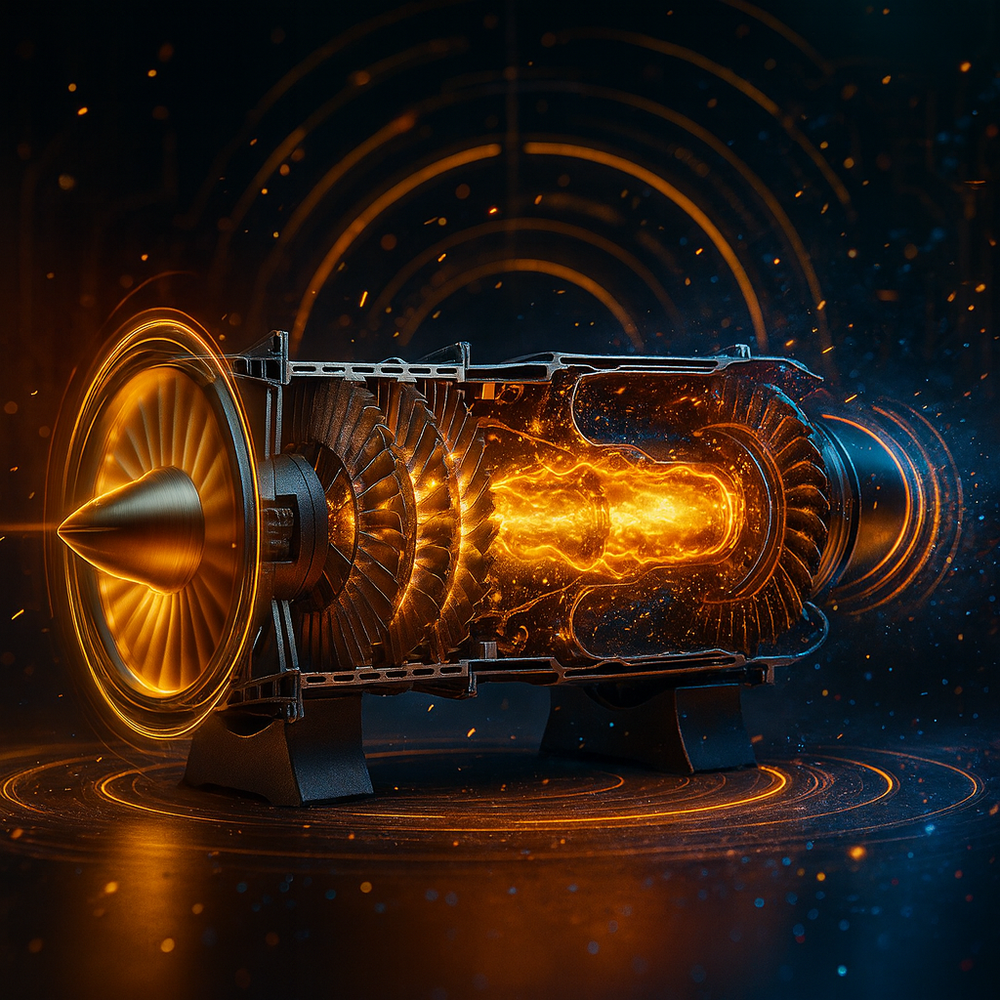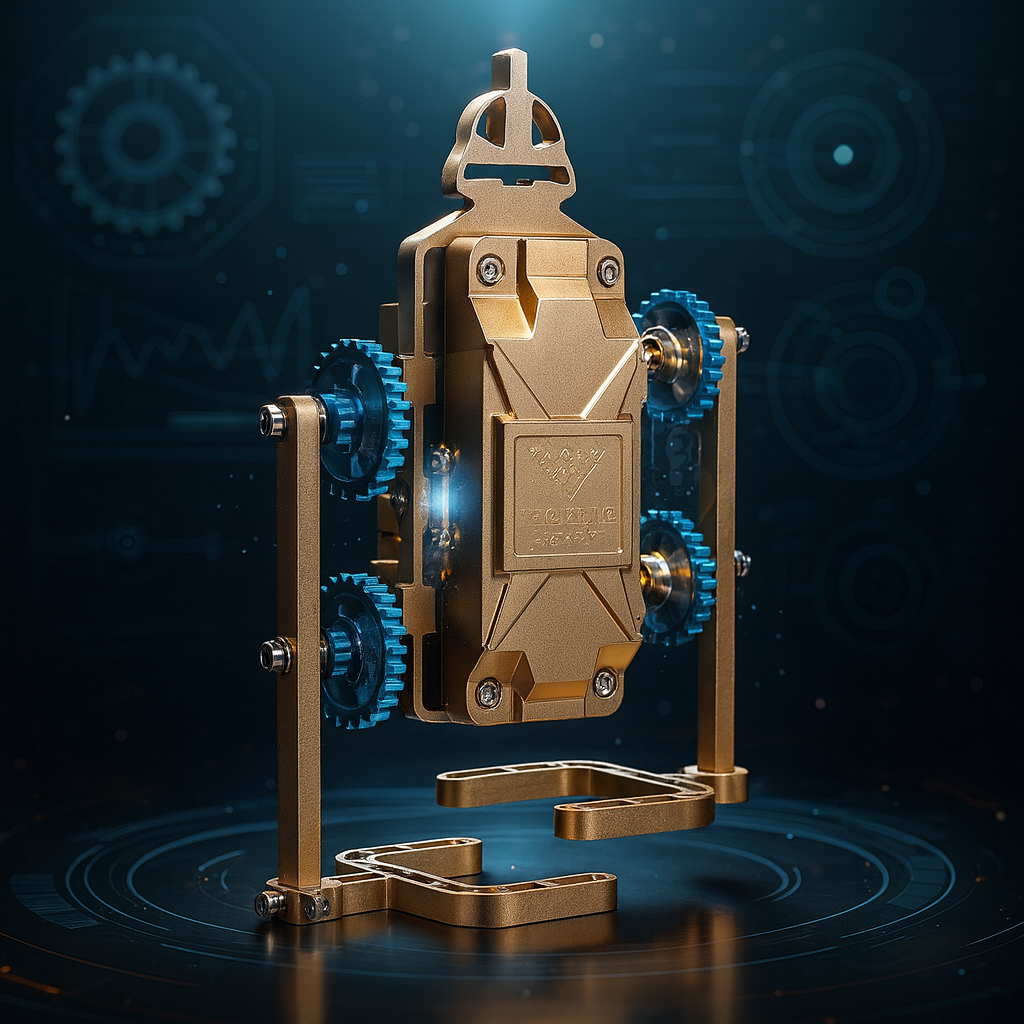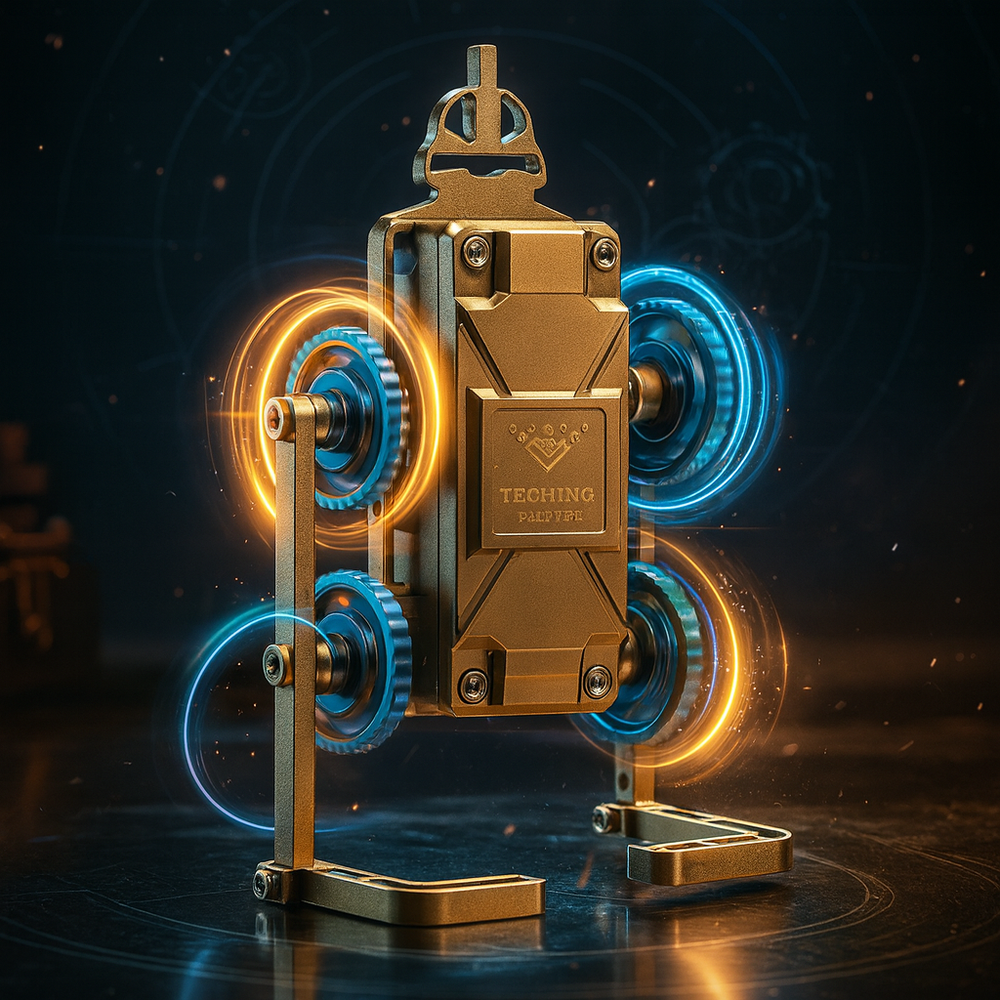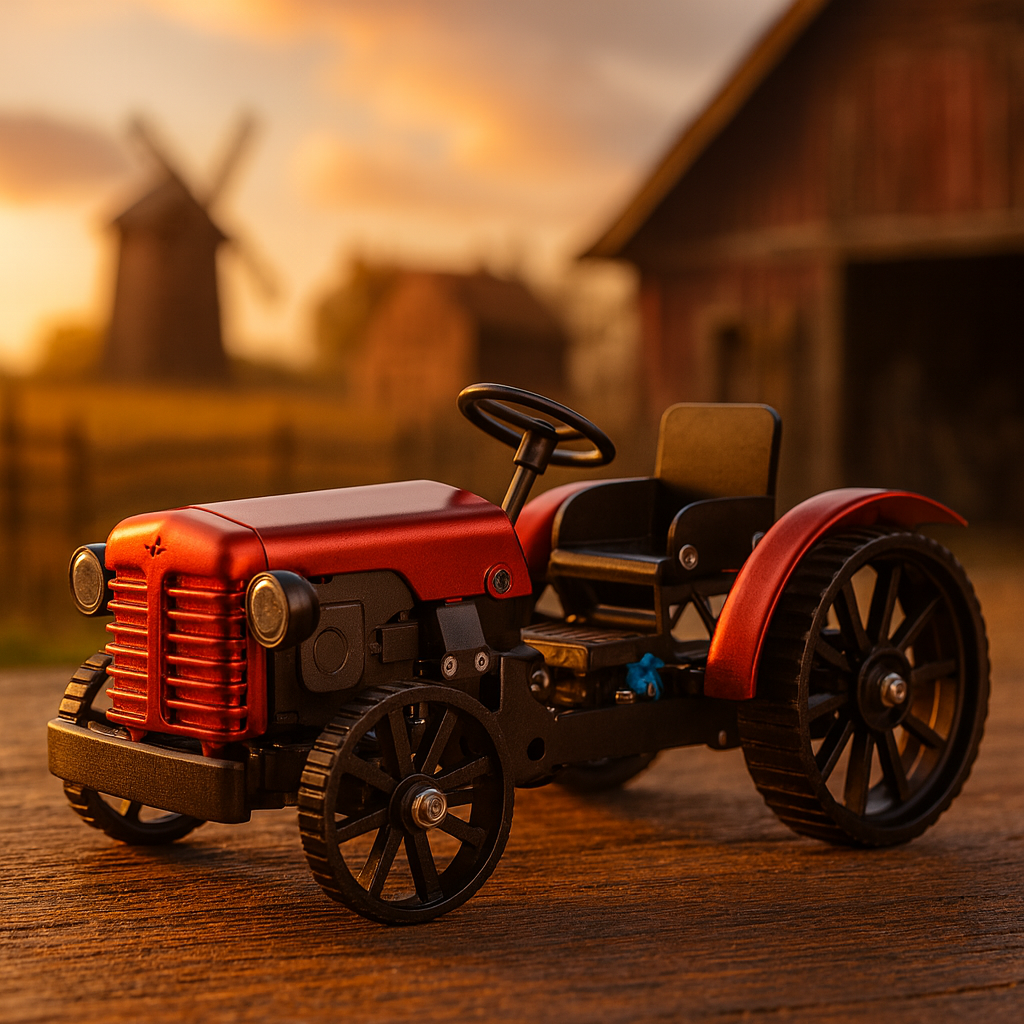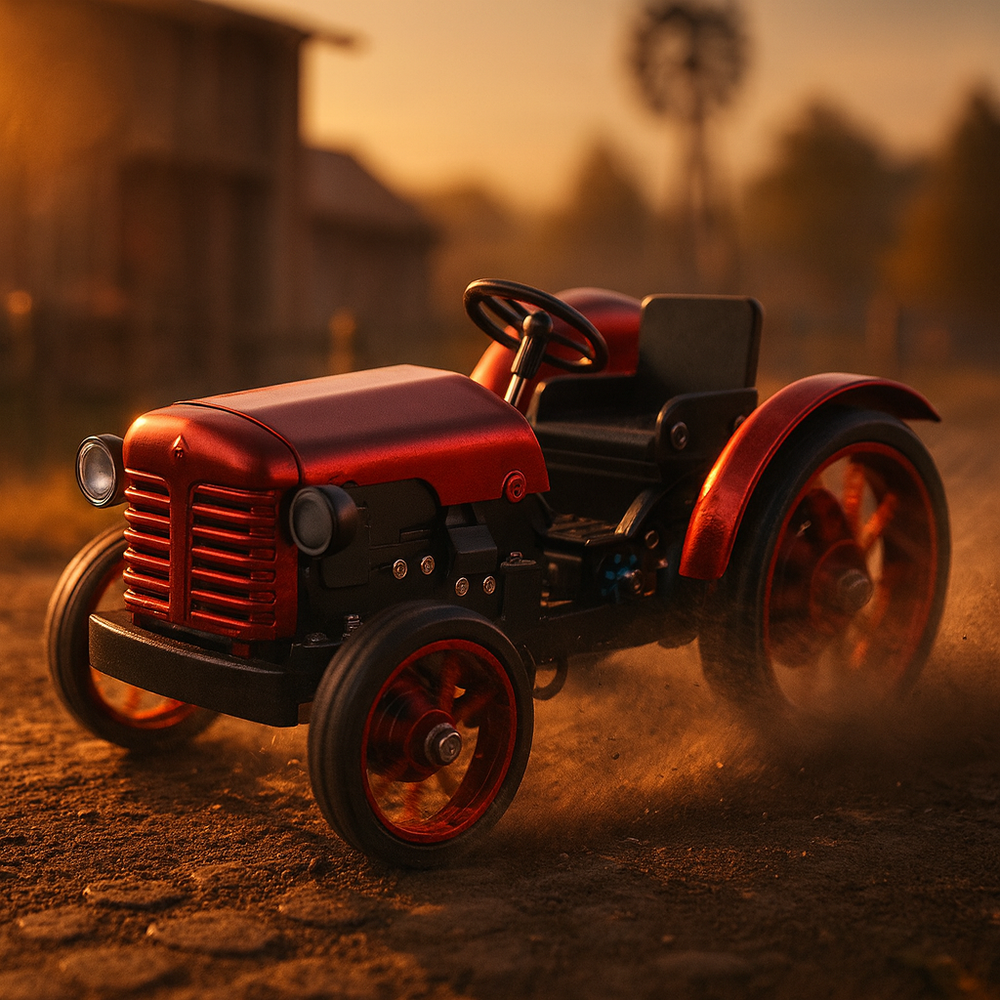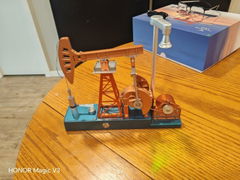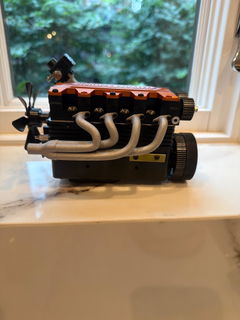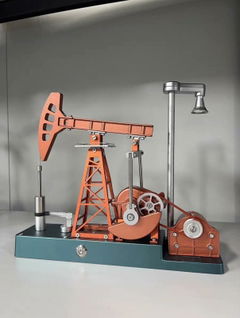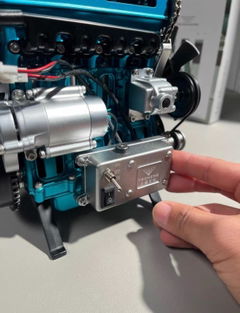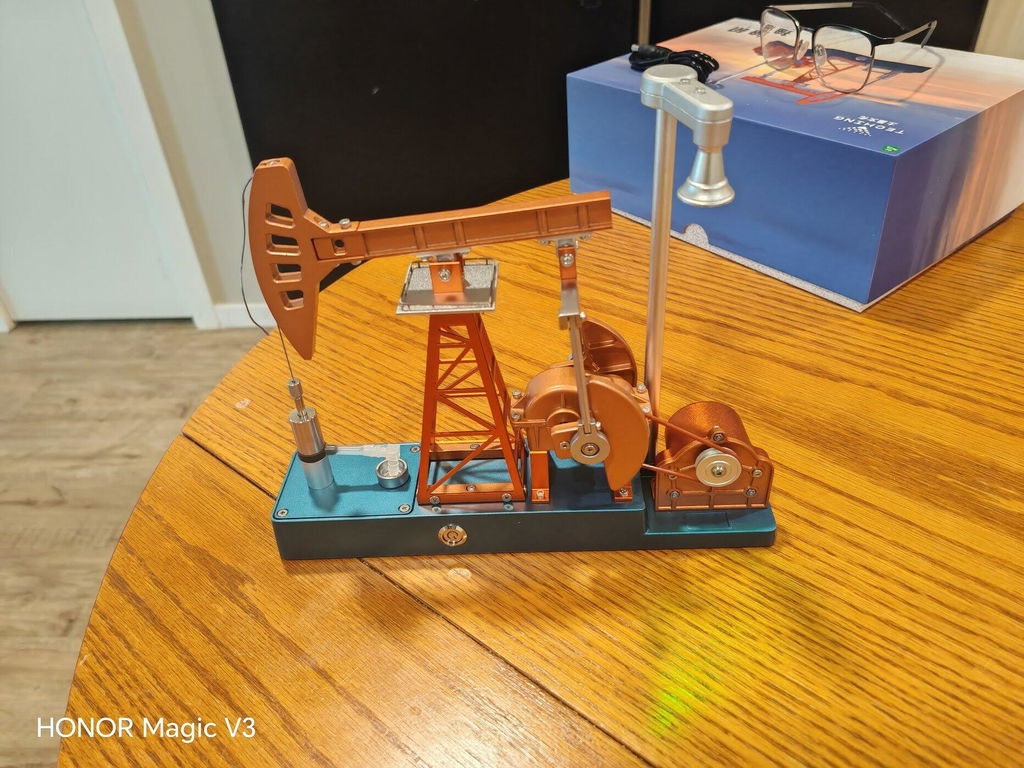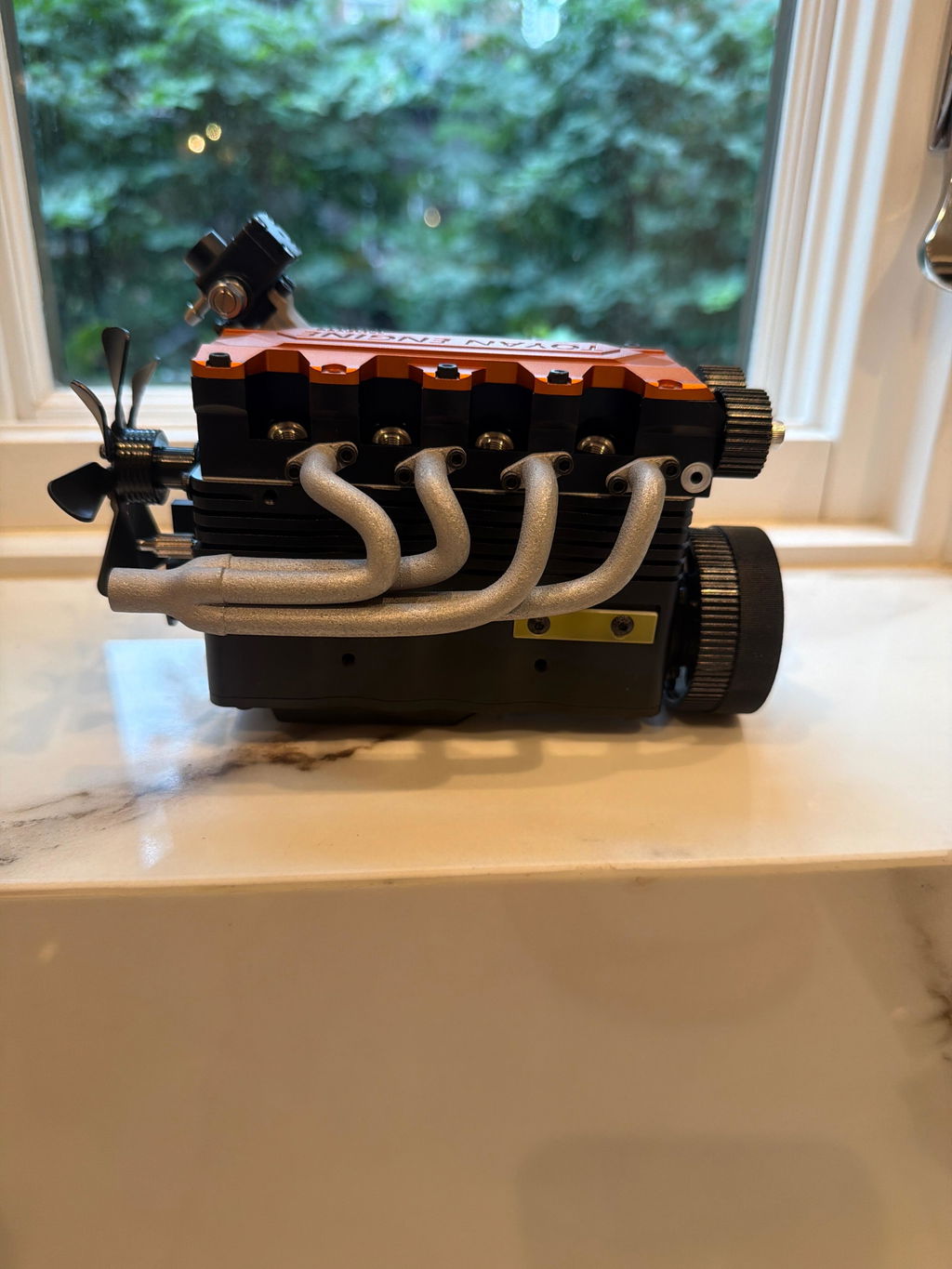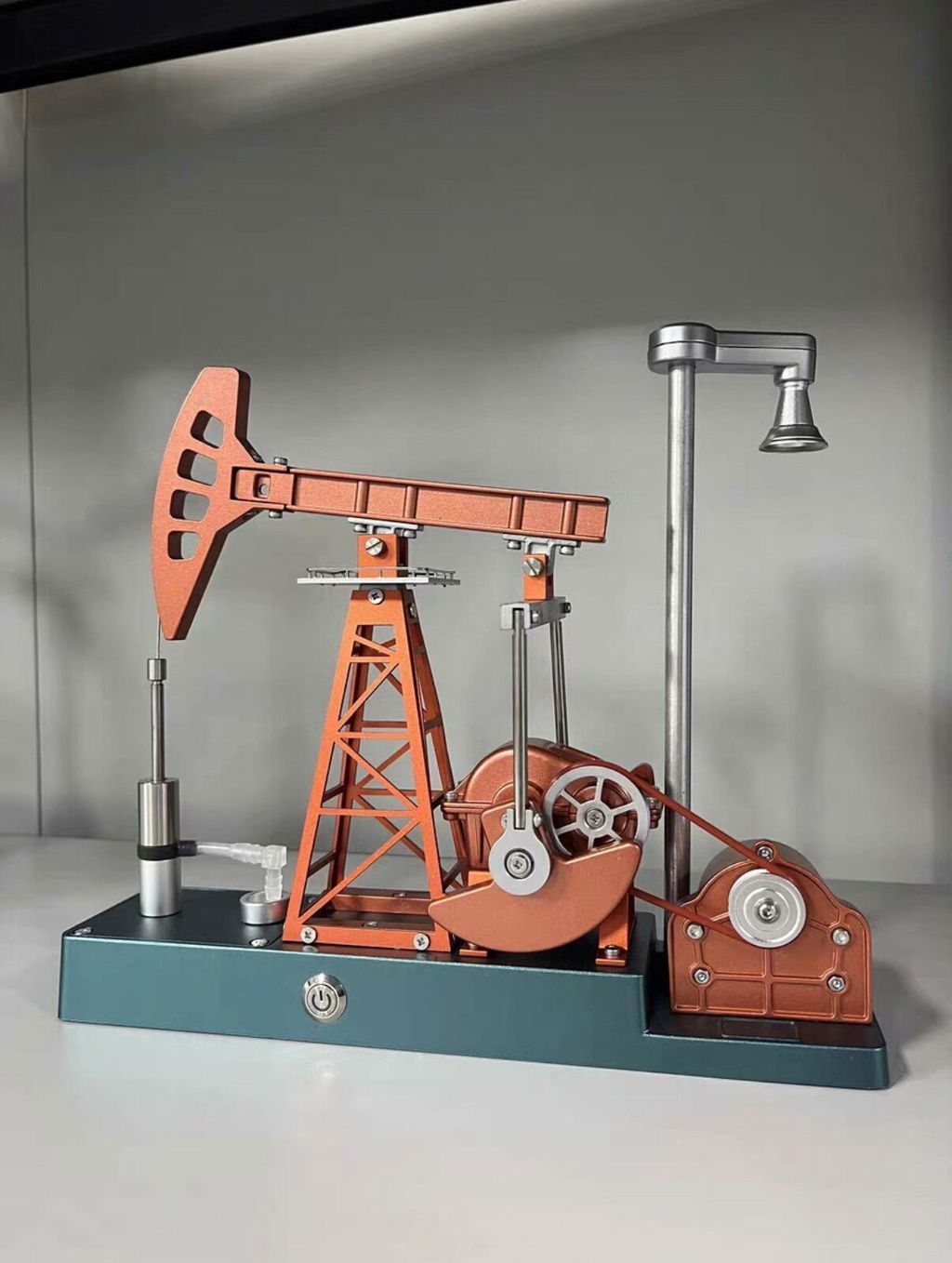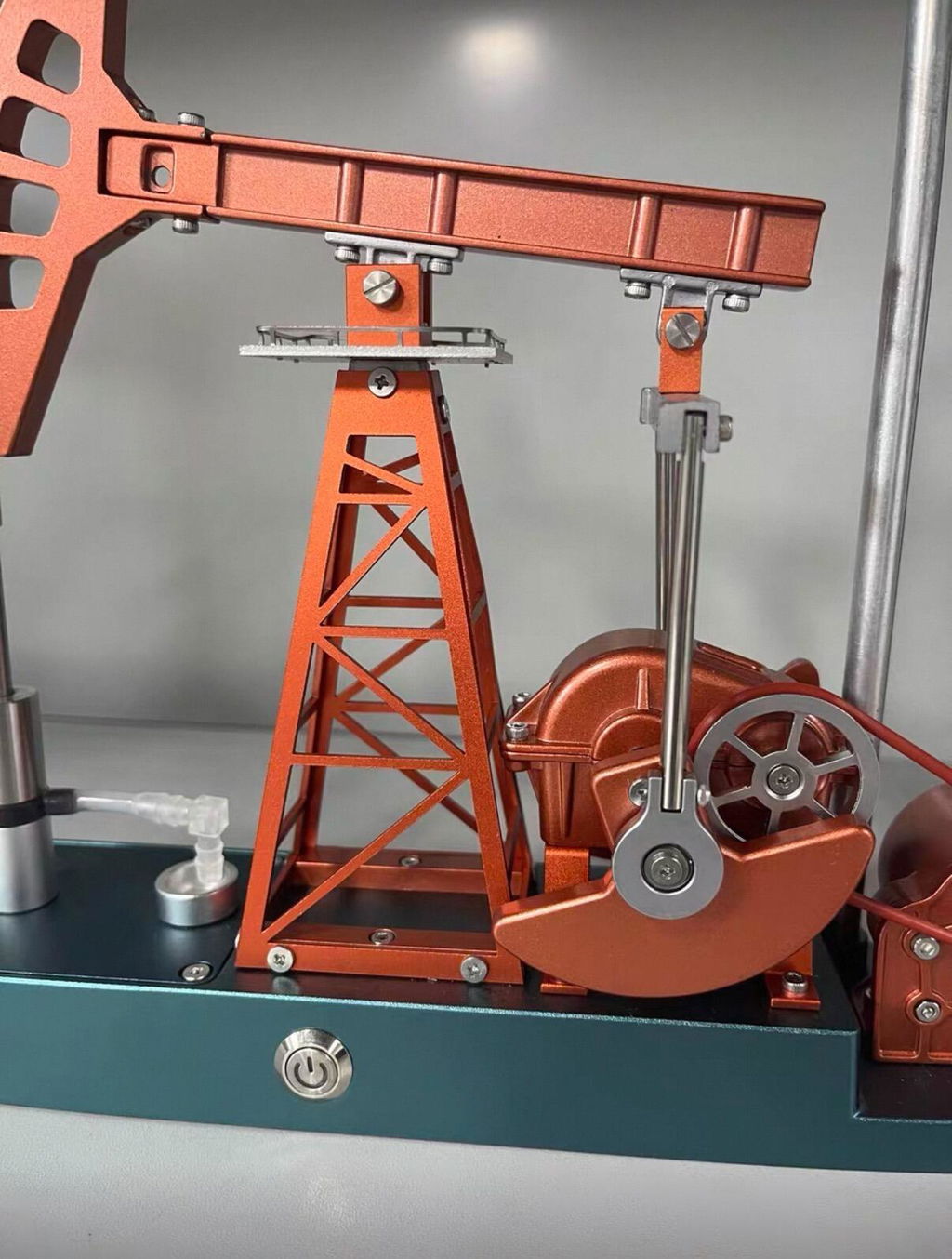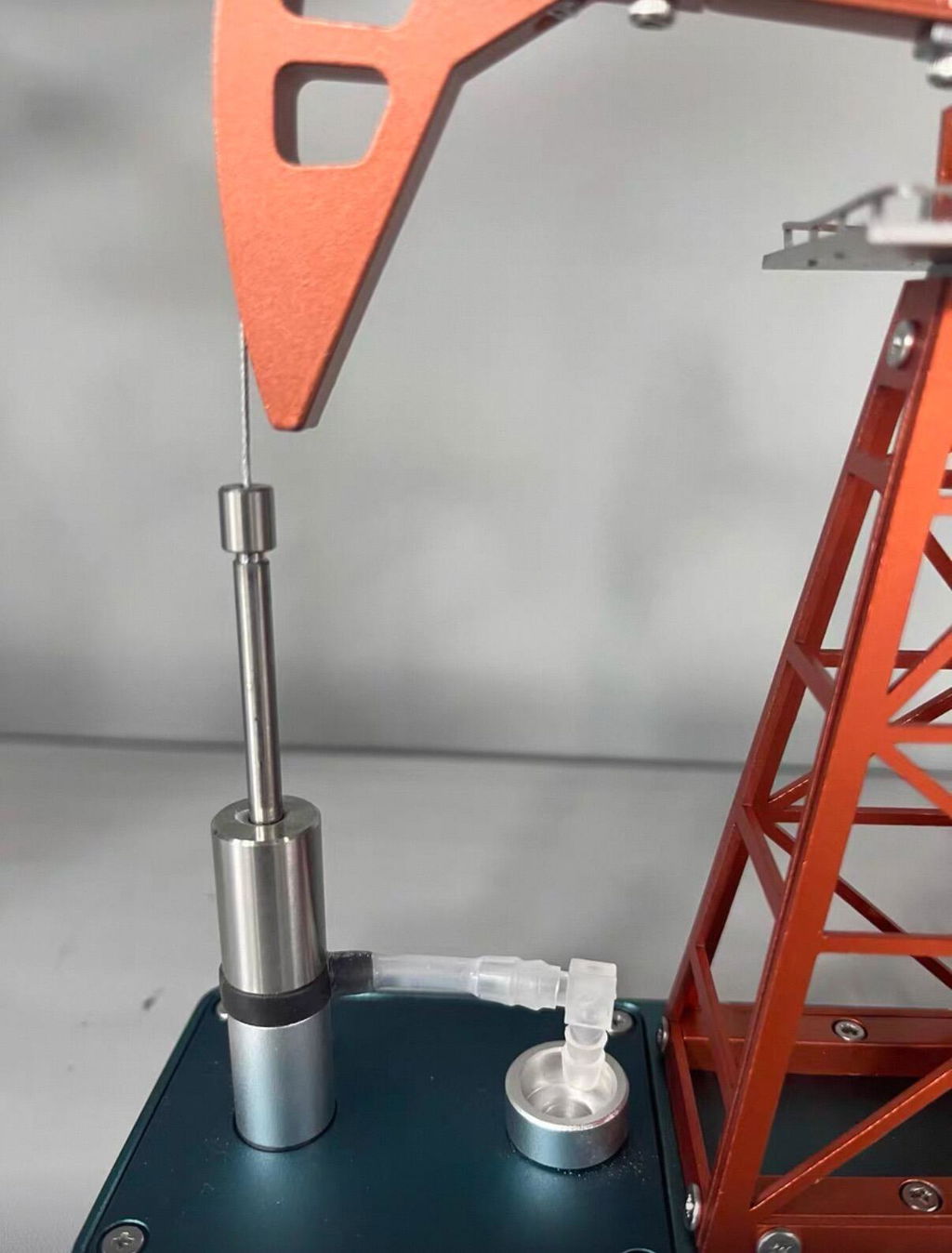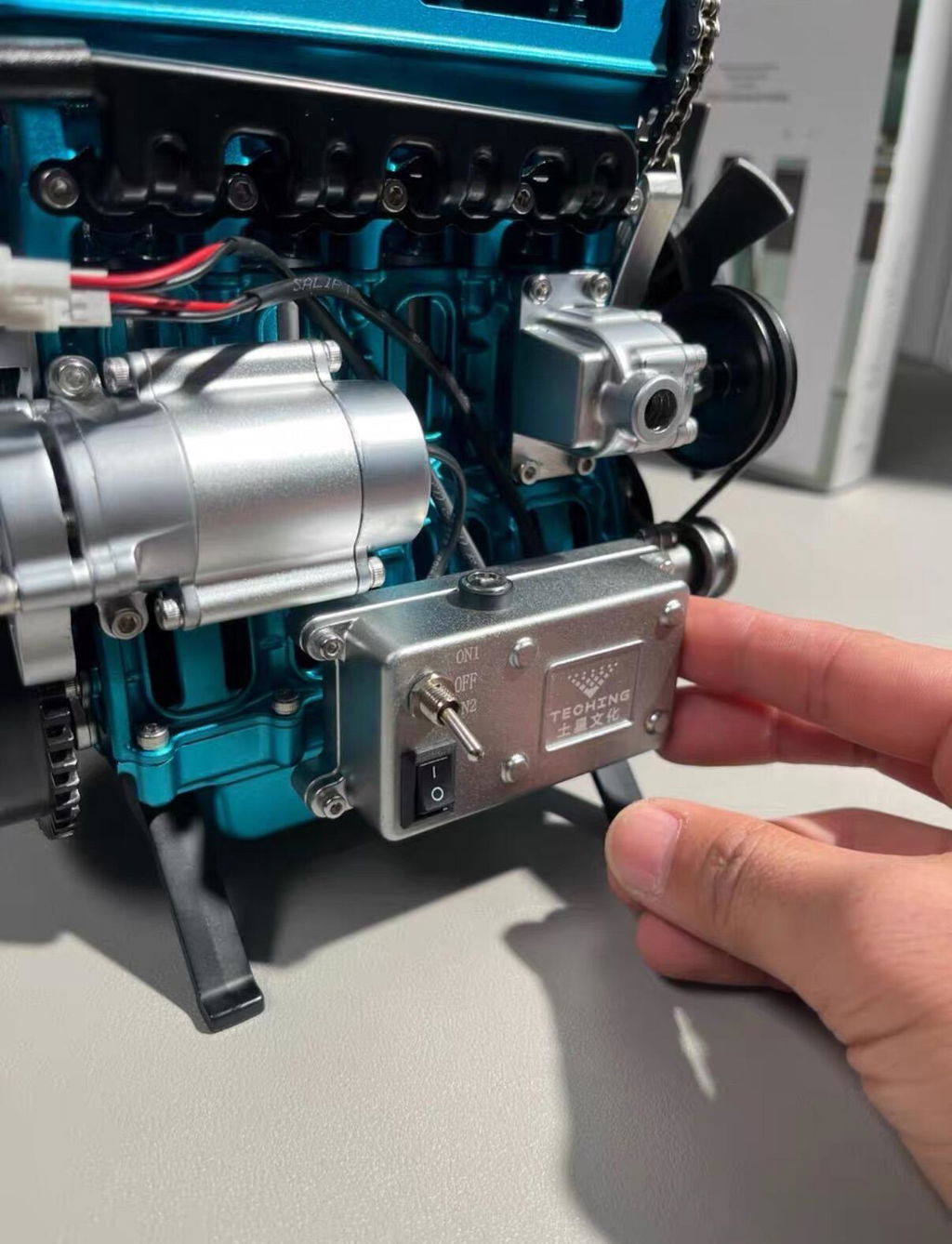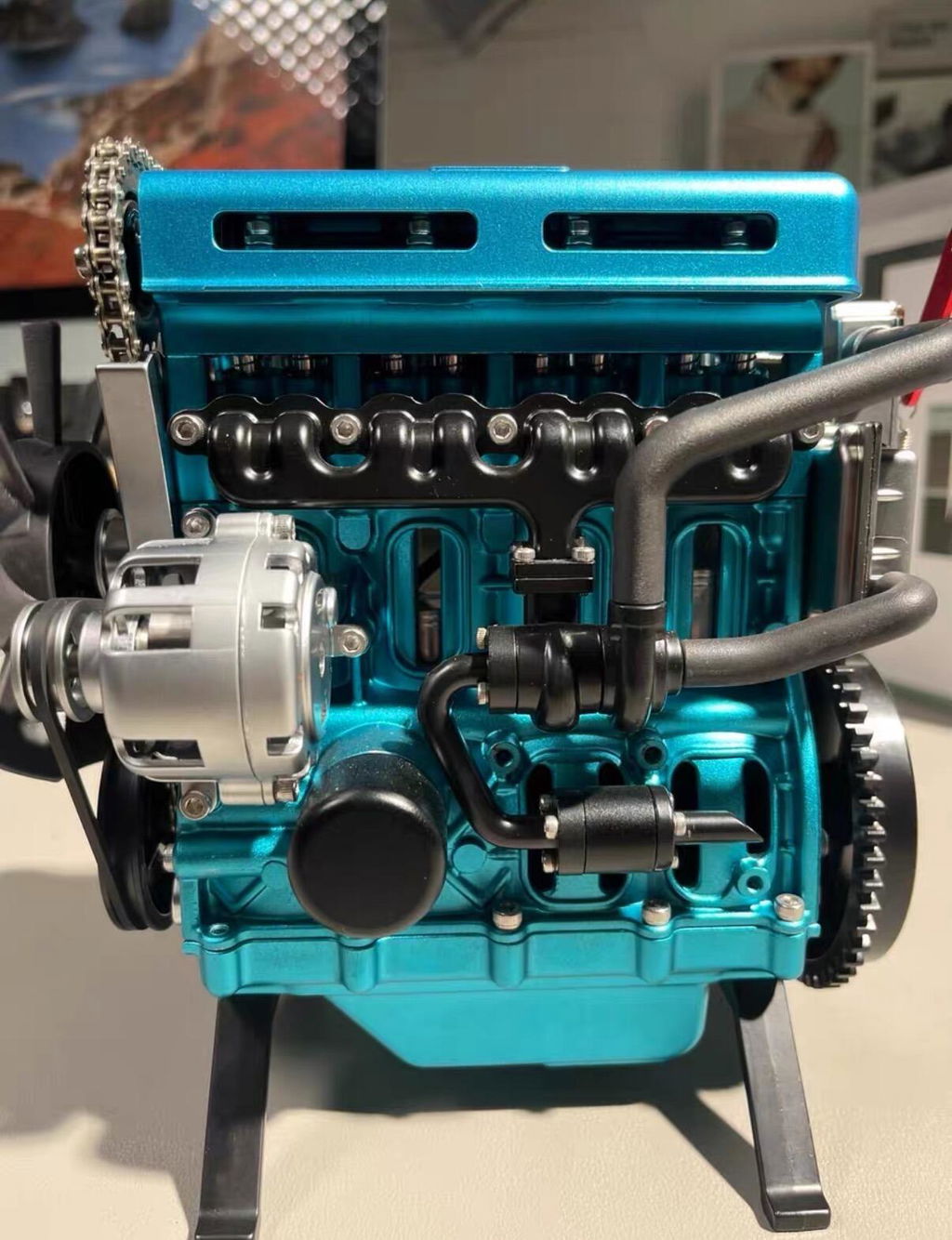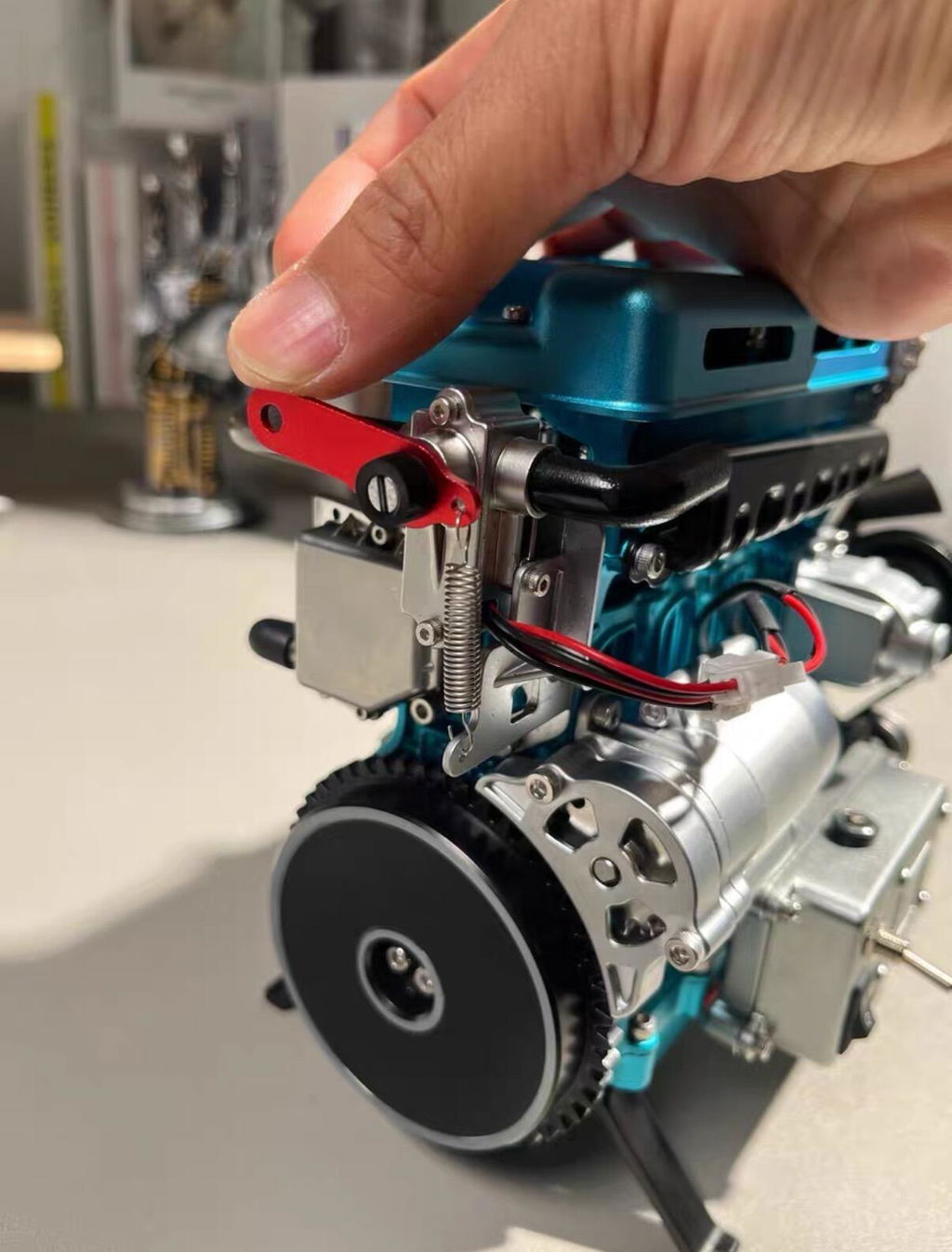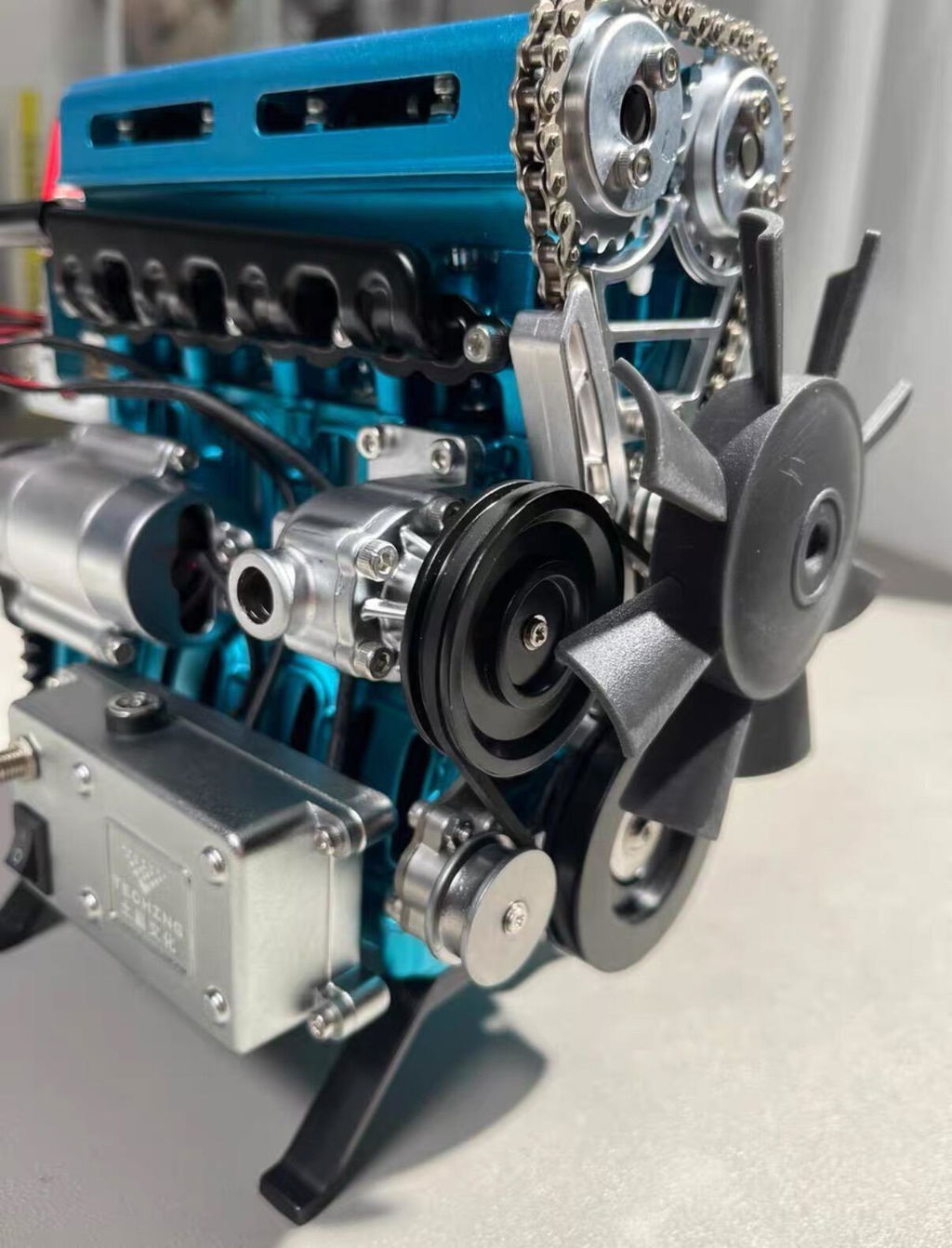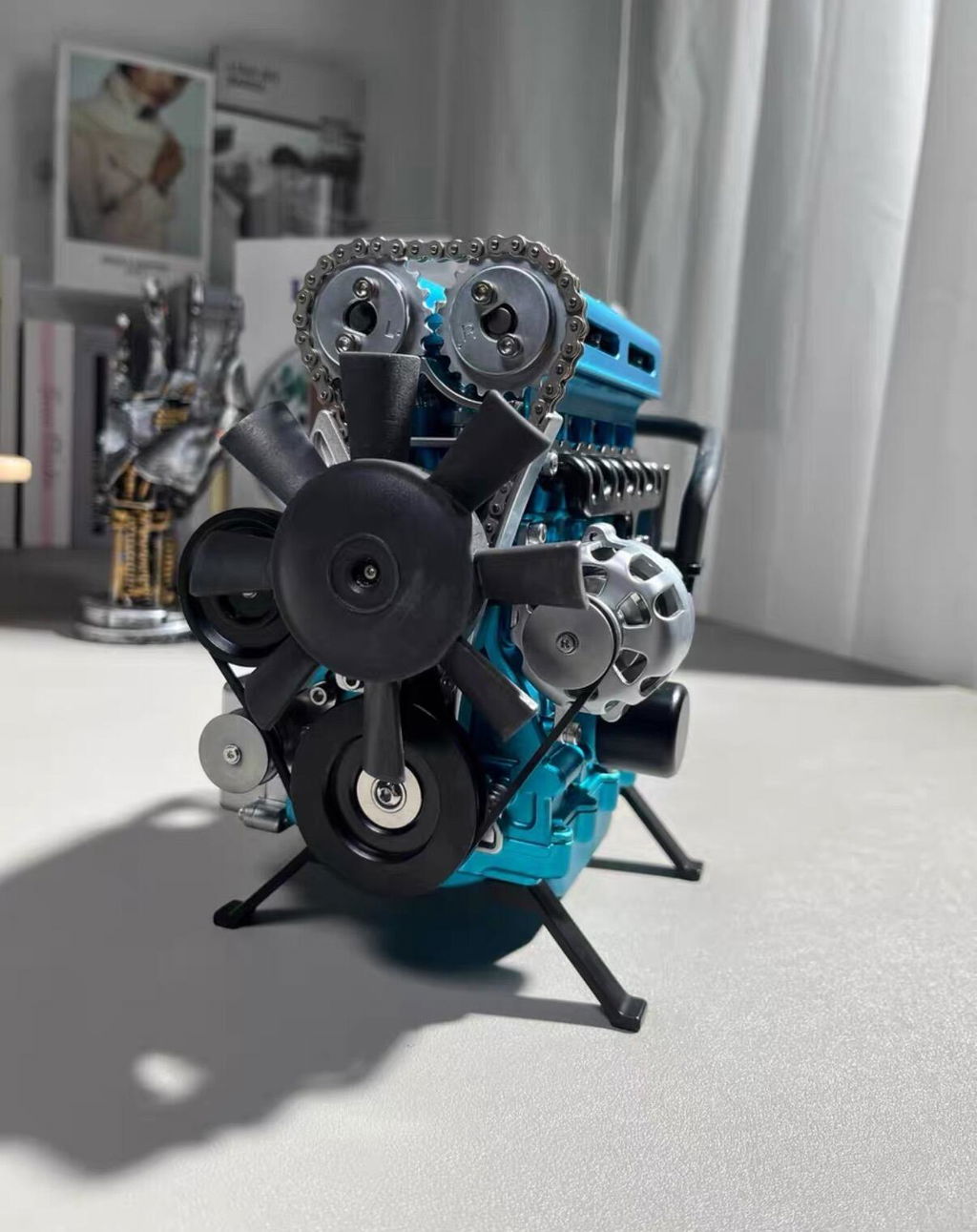
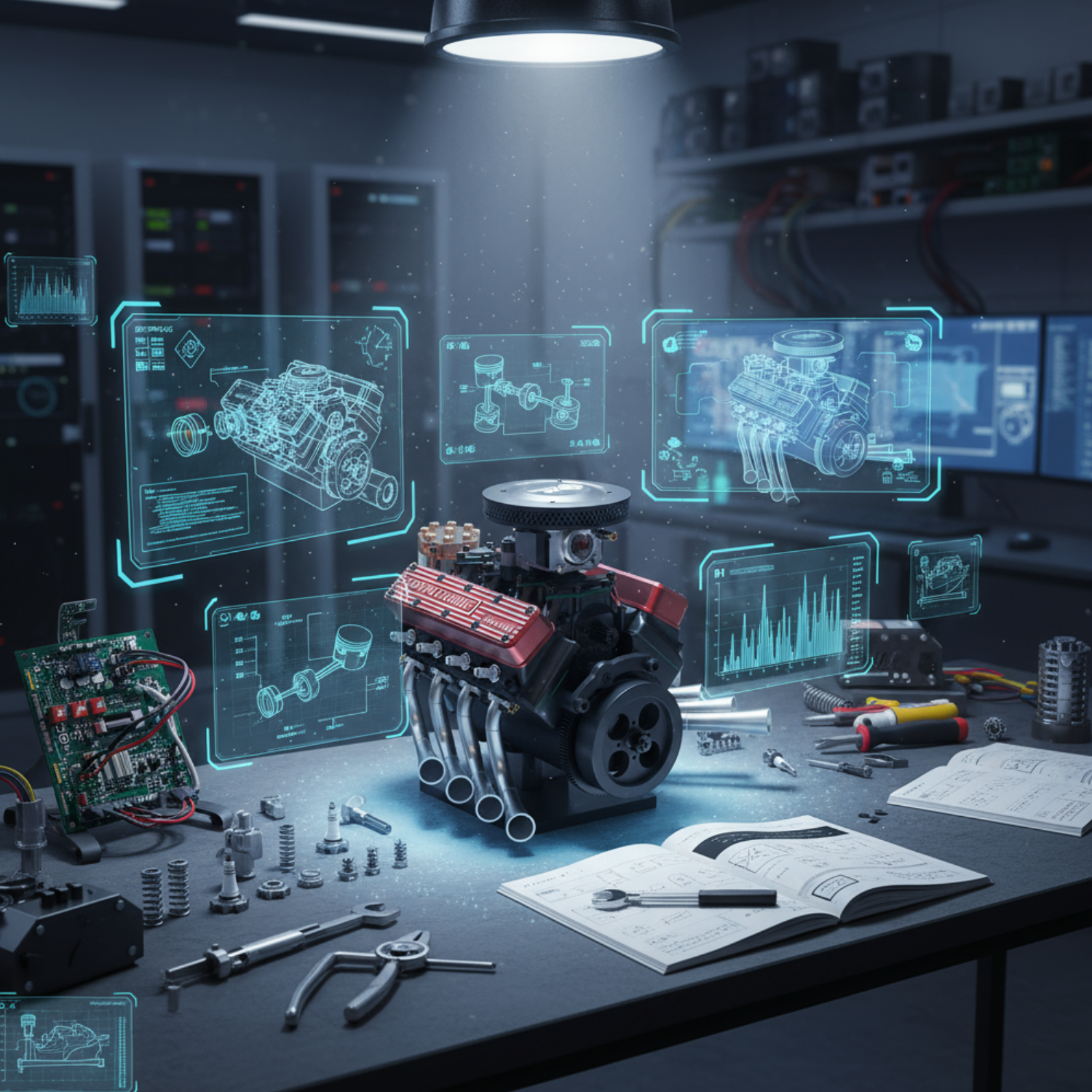
Descubre kits de motores DIY de alta precisión diseñados para adultos, aficionados y entusiastas de la ingeniería. Cada modelo reproduce la mecánica de un motor real, desde motores a reacción y de vapor hasta motores de combustión en línea y de tipo V. Perfectos para el aprendizaje práctico, la educación STEM y para exhibir objetos coleccionables. Constrúyelo. Ejecútalo. Exhibe tu creación.
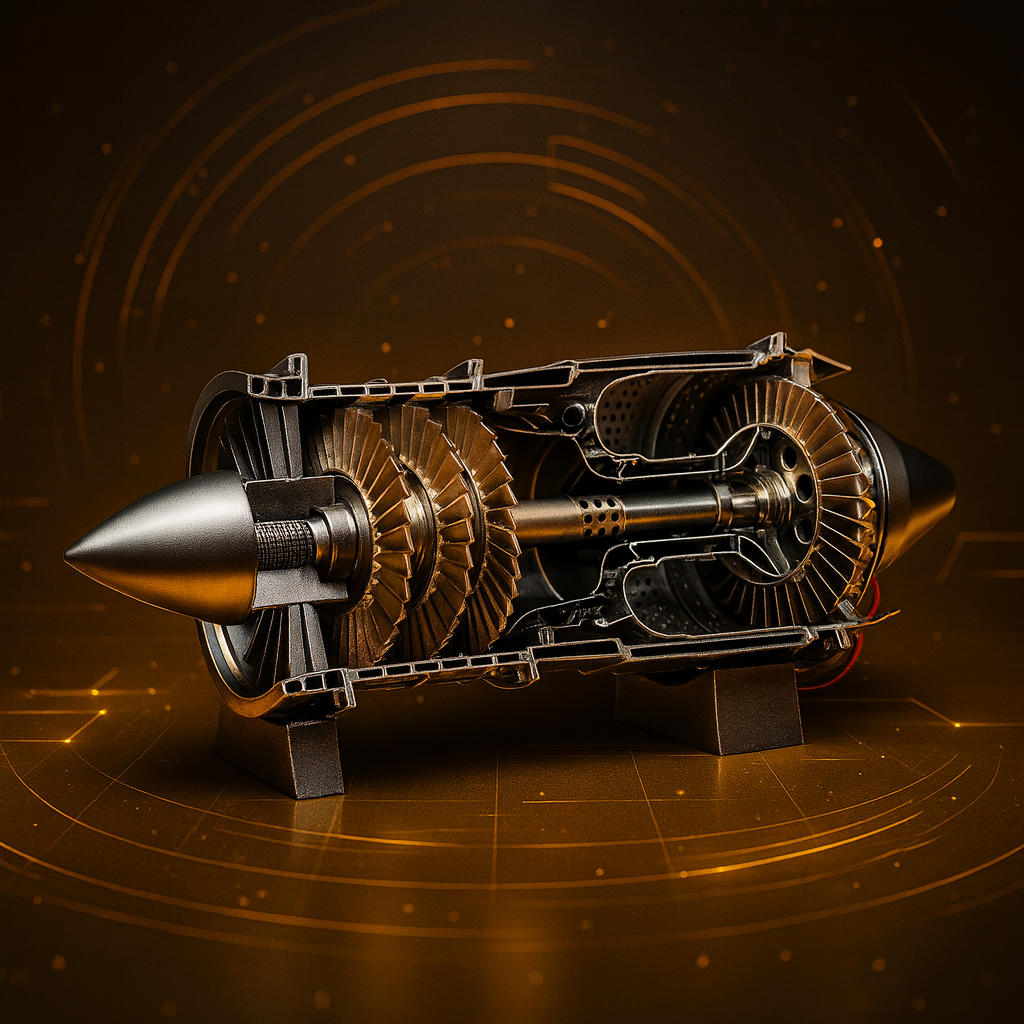
Construye tu propio motor
Engine Model Kits Built for Hands-On Engineering
A great engine model kit does more than reproduce the appearance of an engine. It lets you explore how mechanical components fit together, how motion is transferred through the system, and how different engine architectures solve different engineering problems.
ENGINEKITOR brings together build your own engine kits, mechanical engine models and real working mini engines for adults, ranging from precision metal assembly projects to miniature gasoline and nitro engines that can actually run.
Mechanical Engine Kits vs Real Working Mini Engines
Not every working engine model operates the same way. Some kits use an electric motor to demonstrate realistic mechanical motion, while others are genuine miniature internal-combustion engines with fuel, ignition, cooling and lubrication systems.
Understanding this difference is one of the most important steps when choosing an engine model kit.
Build the Mechanism and Watch It Move
Full-metal mechanical engine kits focus on assembly, internal structure and visible motion. Depending on the design, an electric motor may drive the finished model so you can observe components working together.
- Pistons and connecting rods
- Crankshafts and camshafts
- Valve mechanisms
- Timing systems
- Turbine rotors and compressor stages
- Precision metal assembly
Experience Genuine Combustion
Real miniature engines go beyond simulated motion. Selected models operate using gasoline, nitro, methanol-based fuel or another specified fuel system and introduce many of the same systems found in full-size engines.
- Fuel delivery
- Ignition systems
- Lubrication
- Cooling systems
- Starting procedures
- Tuning and maintenance
Why Adults Choose to Build Engine Models
These projects are designed for people who want more than a conventional display model.
Assembly reveals how individual parts become a complete mechanical system.
Visible mechanisms make timing, motion transfer and engine architecture easier to understand.
A completed metal engine can become a workshop, office or collection centerpiece.
Many models continue to provide value through mechanical motion or real engine operation.
What Kind of Engine Do You Want to Build?
Different engine layouts create completely different assembly, operating and learning experiences.
Explore mechanical V8 builds and real miniature V8 combustion engines with complex multi-cylinder architecture.
Explore V8 Engines → TWELVE-CYLINDER V12 Engine ModelsBuild sophisticated 12-cylinder mechanical models with synchronized pistons, timing systems and premium display presence.
Explore V12 Engines → INLINE & MULTI-CYLINDER 4-Cylinder Engine ModelsExplore inline-four and other four-cylinder engine architectures with visible piston and valvetrain relationships.
Explore 4-Cylinder Engines → TWIN-CYLINDER V-Twin & Twin-Cylinder EnginesBuild compact two-cylinder engines and explore crankshaft timing, piston relationships and classic V-type architecture.
Explore V-Twin Engines → AVIATION Jet & Turbine Engine ModelsBuild turbofan, turbojet, turboshaft and other aviation models with visible fan, compressor, shaft and turbine structures.
Explore Jet Engines → TURBOFAN Turbofan Engine ModelsExplore dedicated turbofan models ranging from compact displays to complex multi-stage full-metal assembly projects.
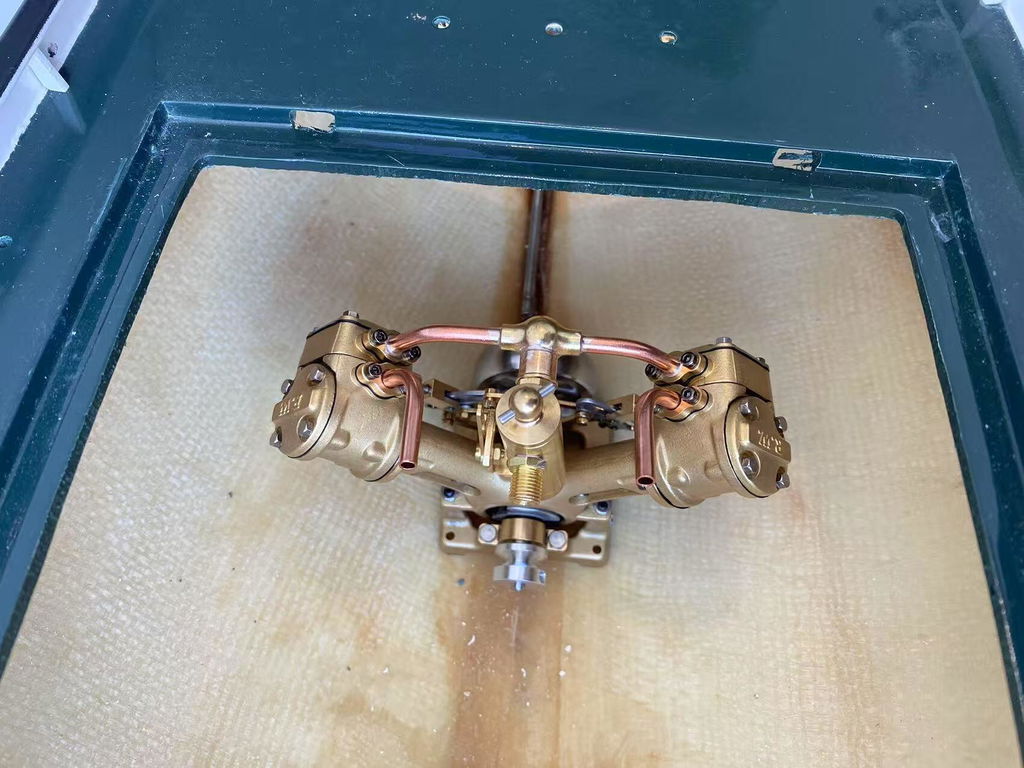
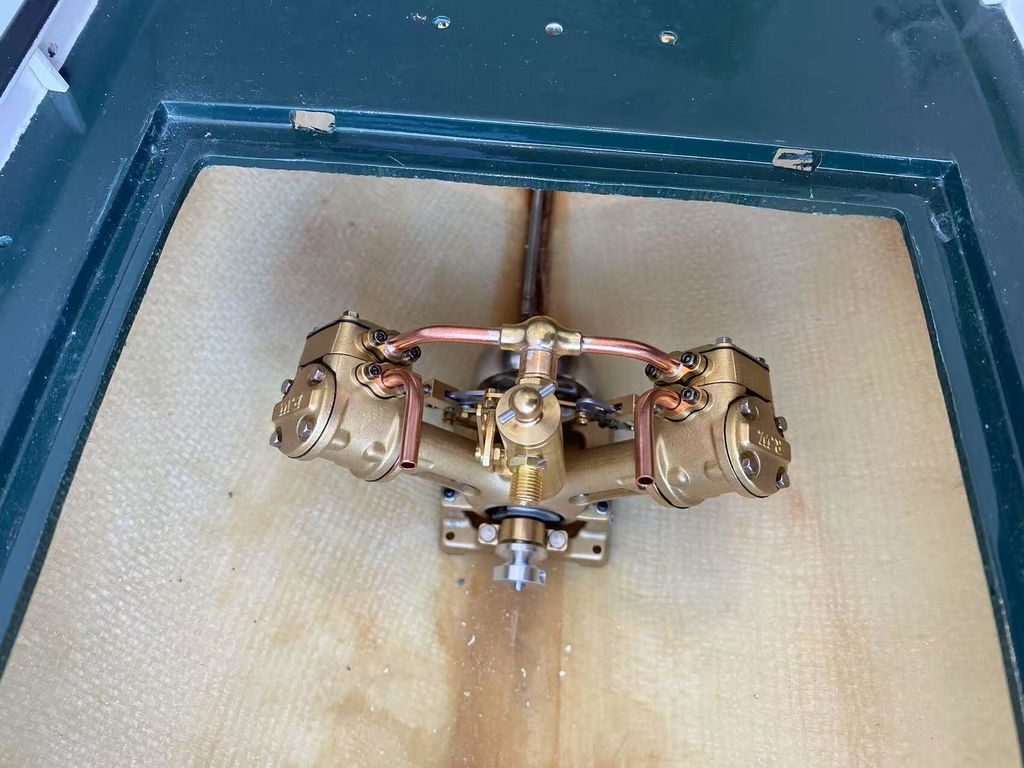
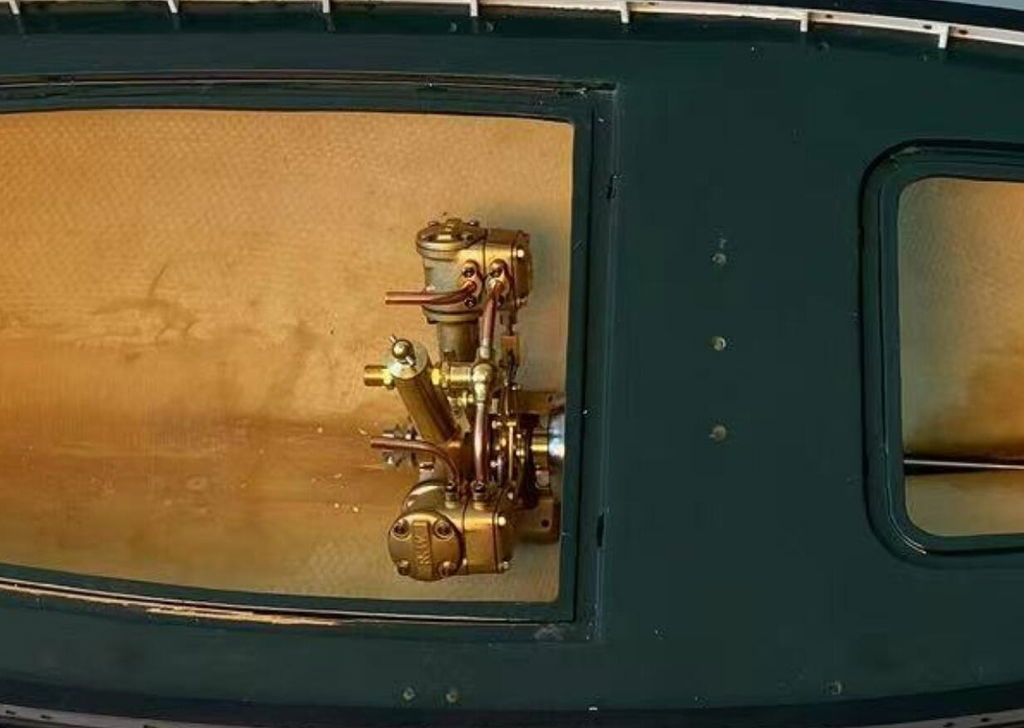
Explore Turbofan Engines → LIVE STEAM Steam Engine ModelsExplore reciprocating steam engines, boiler-powered systems and mechanical steam power.
Explore Steam Engines → EXTERNAL HEAT Stirling Engine ModelsExplore heat-powered mechanical engines that convert temperature differences into visible piston and flywheel motion.
Explore Stirling Engines → INTERNAL COMBUSTION 4-Stroke Engine ModelsExplore miniature engines built around intake, compression, power and exhaust cycles.
Explore 4-Stroke Engines →Choose an Engine Kit for Your Experience Level
Difficulty depends on more than part count. Precision, alignment, timing and post-build setup can dramatically change the experience.
Approachable Mechanical Builds
A good starting point for builders who want to understand mechanical relationships without complex engine tuning.
- Clear assembly sequence
- Visible mechanical motion
- Limited post-build adjustment
- No combustion tuning
Intermediate Engine Projects
Suitable for patient builders who enjoy larger assemblies, precision alignment and more complex mechanisms.
- Higher part counts
- Multi-cylinder layouts
- Timing relationships
- Longer assembly process
Real Working Combustion Engines
Designed for enthusiasts who want to go beyond assembly and learn how a miniature engine is prepared, started and maintained.
- Fuel systems
- Ignition
- Cooling
- Lubrication
- Starting and tuning
How to Choose the Right Engine Model Kit
Decide Between Mechanical Motion and Real Combustion
If your priority is assembly and visible mechanics, a motor-driven mechanical model may be ideal. If you want fuel, ignition and real engine operation, choose a genuine miniature combustion engine.
Choose the Engine Architecture
V8, V12, inline engines, radial engines and turbine models all reveal different mechanical relationships and engineering principles.
Check the Assembly Level
Review whether the product is supplied as a large multi-part assembly project, a partially assembled model, or a complete engine intended mainly for operation.
Check Required Accessories
Real working engines may require fuel, batteries, ignition equipment, cooling components or starting accessories that are not part of the base package.
Review Finished Size and Display Space
Engine models vary dramatically in scale. Check finished dimensions before ordering, especially for large V12, turbofan and collector models.
Think About What You Want After the Build
Some builders want a display centerpiece, others want an educational mechanism, and some want a real miniature engine they can start, tune and maintain.
What Can You Learn from Building an Engine?
See how linear piston movement is converted into rotating crankshaft motion.
Understand how valve timing controls airflow and the operating cycle of many four-stroke engines.
Explore how cylinder firing order and crankshaft geometry influence smooth operation.
Observe how gears transfer, synchronize and change mechanical motion.
Jet-engine models reveal relationships between fan, compressor, shaft and turbine sections.
Real miniature engines introduce the supporting systems required for genuine internal combustion.
Some engine model kits use an electric motor to demonstrate mechanical movement. Others are genuine fuel-powered miniature engines. Always check the individual product specifications before purchasing if real combustion is important to you.
Continue Exploring ENGINEKITOR
Browse the wider ENGINEKITOR catalog, including assembled models, mechanical displays and working miniature engines.
Explore Engine Models → MINIATURE ENGINEERING Mini Engine ModelsExplore compact miniature engines across combustion, mechanical, steam, Stirling and turbine technologies.
Explore Mini Engines → BUILDING GUIDE Build Your Own Engine GuideLearn more about engine-building concepts, how different kits work and what to consider before beginning a project.
Read the Guide → LATEST RELEASES New ArrivalsDiscover the latest engines, mechanical models and engineering projects added to ENGINEKITOR.
Explore New Arrivals →Engine Model Kit FAQ
What is an engine model kit?
An engine model kit is a mechanical project designed to reproduce the structure or operation of an engine. Depending on the product, it may be assembled from precision parts, powered by an electric motor, or operate as a genuine miniature combustion engine.
Are engine model kits suitable for adults?
Yes. Many ENGINEKITOR engine model kits are specifically suited to adult hobbyists, collectors, engineers and experienced builders because they involve detailed assembly, mechanical understanding and precision components.
Do engine model kits actually work?
Many do, but “working” can mean different things. Some models use electric power to demonstrate realistic mechanical motion, while selected miniature engines use real fuel and combustion.
What is the difference between an engine model kit and a real mini engine?
A mechanical engine model typically demonstrates engine structure and movement without combustion. A real mini engine uses fuel, ignition and other operating systems to produce genuine combustion and mechanical power.
Are build your own engine kits difficult?
Difficulty varies considerably. Some mechanical kits are approachable, while large multi-cylinder engines and real combustion engines require more patience, precision and technical understanding.
How long does it take to build an engine model kit?
Build time depends on part count, engine architecture and builder experience. Smaller mechanical projects may take several hours, while complex metal engine kits can require significantly longer assembly.
Which engine kit is best for beginners?
Beginners generally benefit from a mechanical model with a clear assembly sequence, visible moving parts and limited post-build adjustment before moving to real fuel-powered engines.
Do real working miniature engines require fuel?
Yes, if the engine is a genuine combustion model. Fuel type depends on the exact engine and may include gasoline, nitro or methanol-based fuel. Always follow the individual product instructions.
Do engine kits include everything needed to run?
Not always. Some real engines require additional items such as batteries, ignition equipment, fuel tanks, starters, cooling components or fuel. Check the individual product packing list before ordering.
Are metal engine model kits better than plastic models?
Metal kits generally provide greater mechanical weight, durability and a more realistic engineering feel, but the best choice depends on whether your priority is assembly, operation, education or display.
Can engine model kits be used for STEM learning?
Yes. Engine models can demonstrate piston motion, crankshaft rotation, valve timing, gear relationships, turbine architecture, thermodynamics and other mechanical engineering principles.
Are these engine kits good gifts for mechanical enthusiasts?
They can be especially suitable for people interested in cars, aircraft, engines, engineering, mechanical assembly and collectible machinery. Consider the recipient's experience level before choosing a highly complex kit.
Can I get replacement parts or technical support?
ENGINEKITOR provides after-sales assistance for supported products. If you encounter an assembly or operating issue, photos or video can help identify the affected part or mechanical problem more accurately.